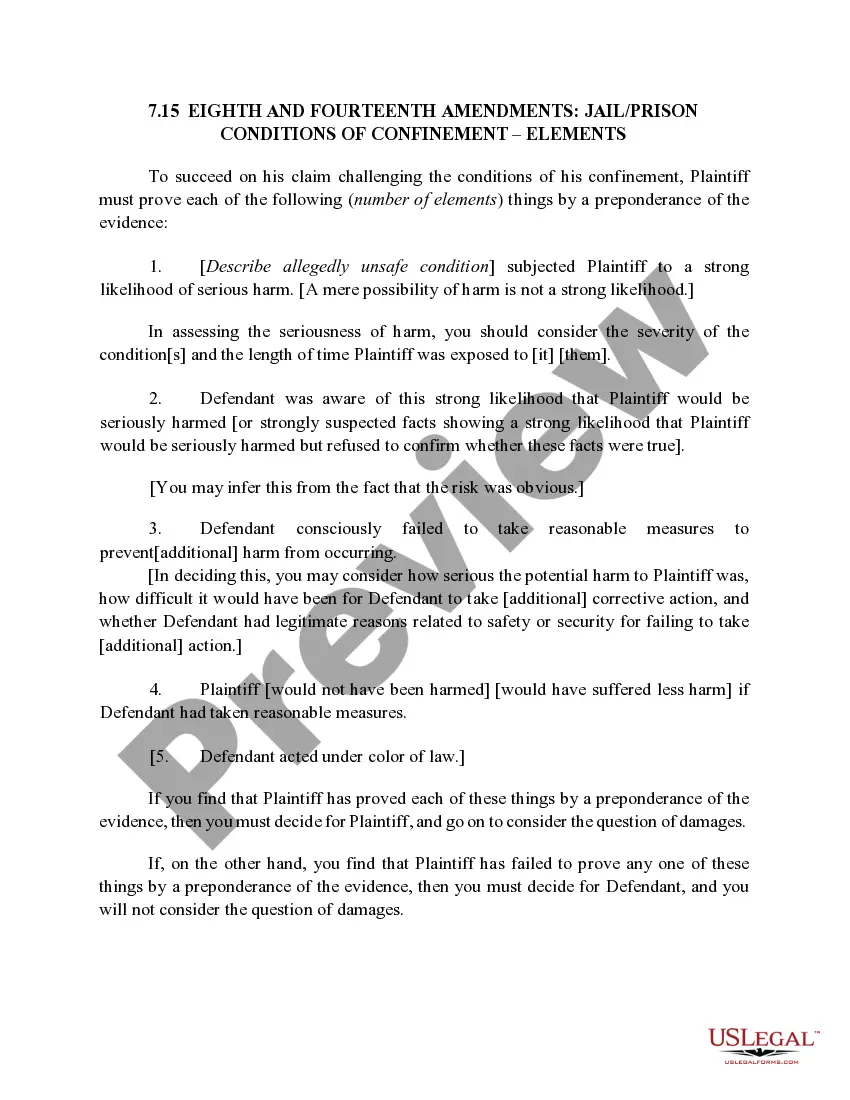
Minnesota Attorney Affidavit for Writ of Garnishment
Overview of this form
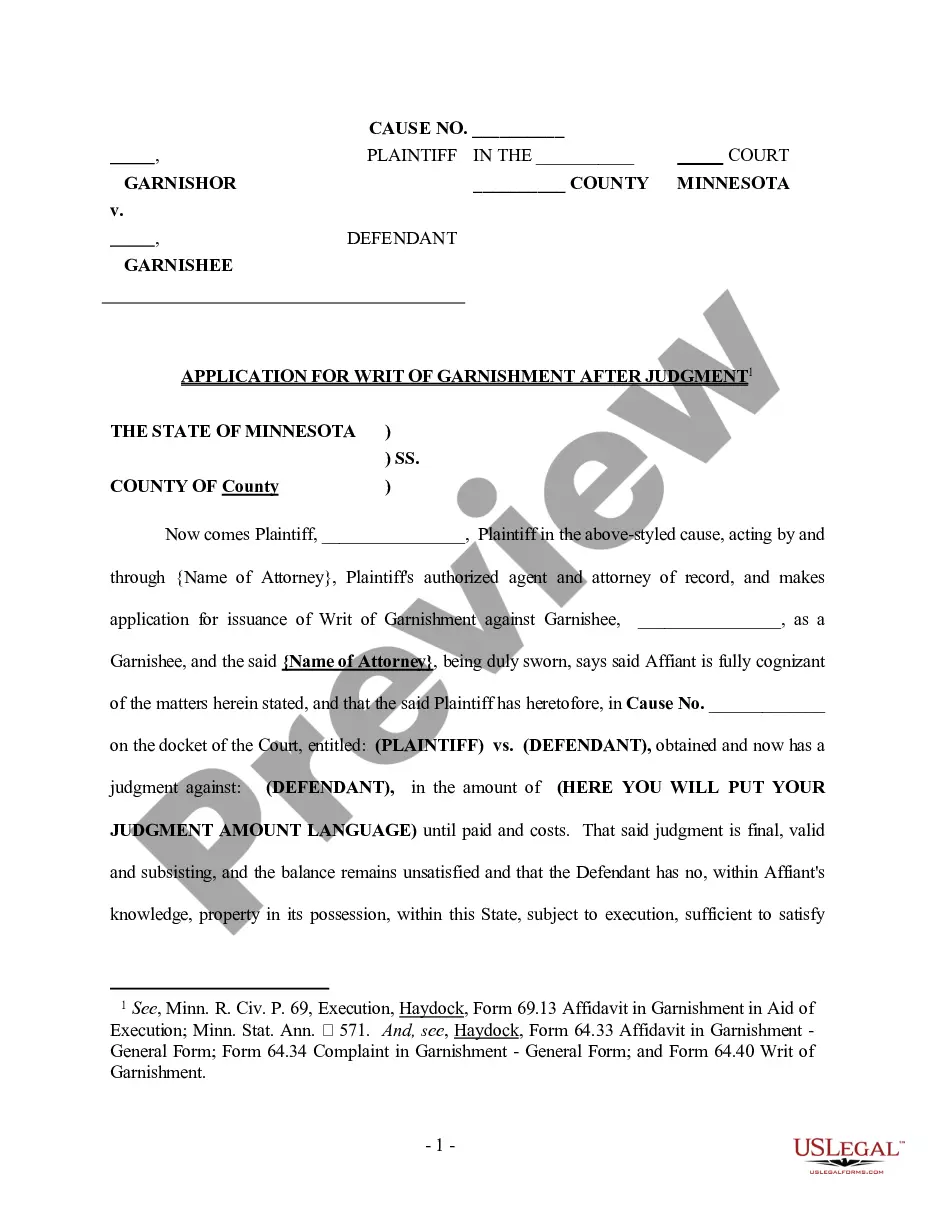
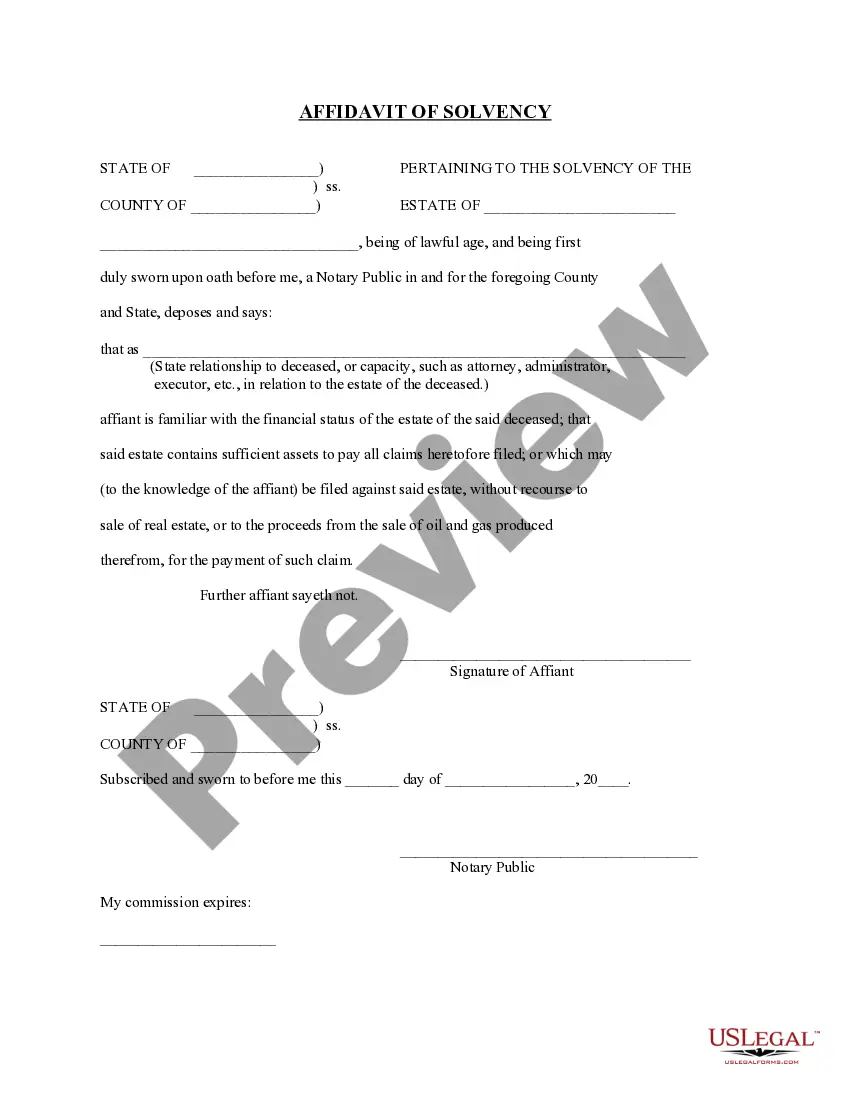
The Attorney Affidavit for Writ of Garnishment is a legal document completed by the attorney representing the victorious plaintiff in a court case. It is specifically used to obtain a writ of garnishment, which allows the plaintiff to collect a money judgment from the defendant by seizing funds or property held by a third party, known as the garnishee. This form is essential as it illustrates the attorney's assertion that the defendant has an unpaid judgment and that the garnishee owes money or holds property belonging to the defendant.
Key components of this form
- Identification of the Plaintiff and Attorney: Includes names and roles.
- Details of the Judgment: Specifies the case number, judgment amount, and details about the defendant.
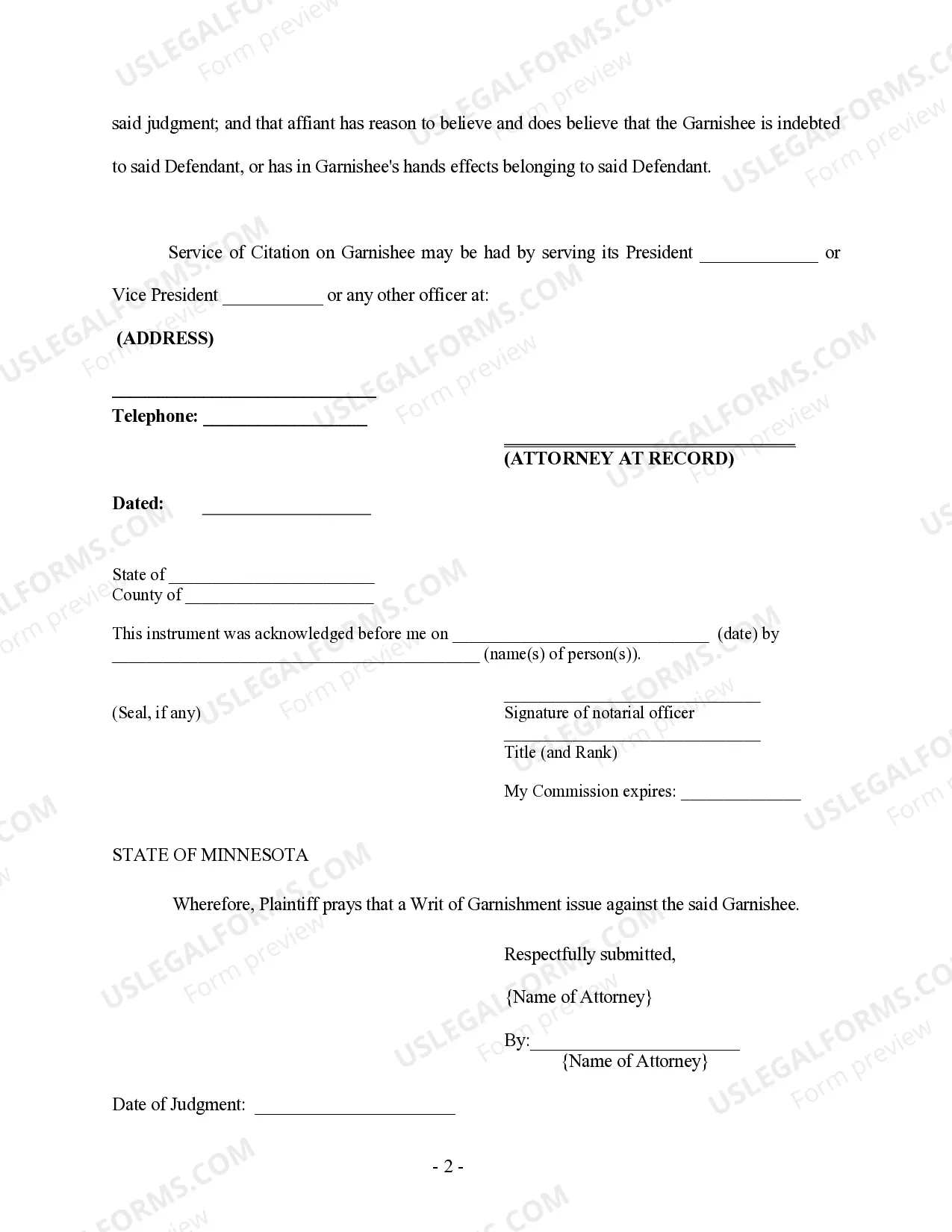
- Garnishee Information: Includes the name of the garnishee and service details.
- Affiant's Declaration: A statement confirming knowledge of the plaintiff's judgment status.
- Notary Section: For verifying the authenticity of the affidavit.
Situations where this form applies
This form should be used when a plaintiff has obtained a final judgment against a defendant for a specific amount and has reason to believe that a third party (the garnishee) holds funds or property that can satisfy the outstanding debt. Common situations include collecting unpaid debts, enforcing court judgments for child support, or recovering money from a business that owes the defendant.
Who this form is for
- Plaintiffs who have obtained a money judgment against a defendant.
- Attorneys representing plaintiffs in collection actions.
- Legal representatives who need to initiate a garnishment process.
How to complete this form
- Identify the parties: Fill in the names of the plaintiff, defendant, and garnishee.
- Provide judgment details: Enter the case number and judgment amount as determined by the court.
- State the garnishee's information: Include the name and address of the garnishee and the designated officer for service.
- Sign and date the affidavit: The attorney must sign under oath in the presence of a notary public.
- Complete notary section: The notary public should verify and sign to validate the affidavit.
Does this form need to be notarized?
Yes, this form must be notarized to be legally valid. The signature of the attorney must be witnessed by a notary public, who will provide the required attestations. US Legal Forms offers integrated online notarization through secure video calls, available twenty-four hours a day, ensuring an easy and reliable process without the need for travel.
Get your form ready online
Our built-in tools help you complete, sign, share, and store your documents in one place.
Make edits, fill in missing information, and update formatting in US Legal Forms—just like you would in MS Word.
Download a copy, print it, send it by email, or mail it via USPS—whatever works best for your next step.
Sign and collect signatures with our SignNow integration. Send to multiple recipients, set reminders, and more. Go Premium to unlock E-Sign.
If this form requires notarization, complete it online through a secure video call—no need to meet a notary in person or wait for an appointment.
We protect your documents and personal data by following strict security and privacy standards.

Make edits, fill in missing information, and update formatting in US Legal Forms—just like you would in MS Word.

Download a copy, print it, send it by email, or mail it via USPS—whatever works best for your next step.

Sign and collect signatures with our SignNow integration. Send to multiple recipients, set reminders, and more. Go Premium to unlock E-Sign.

If this form requires notarization, complete it online through a secure video call—no need to meet a notary in person or wait for an appointment.

We protect your documents and personal data by following strict security and privacy standards.
Common mistakes
- Failing to include all required parties in the document.
- Leaving out the judgment amount or case number.
- Not providing accurate contact information for the garnishee.
- Neglecting to have the affidavit notarized.
Benefits of using this form online
- Convenience: Download and fill out the form from anywhere at any time.
- Editability: Easily make any necessary changes before finalizing the document.
- Accurate legal language: The form is drafted by licensed attorneys to ensure compliance.
Summary of main points
- The Attorney Affidavit for Writ of Garnishment is essential for enforcing a money judgment.
- Proper completion and notarization of this form are crucial for legal validity.
- Understanding garnishee details can significantly impact the debt collection process.
Looking for another form?
Form popularity
FAQ
Yes, in Minnesota, an affidavit generally must be notarized to be valid. This requirement applies to the Minnesota Attorney Affidavit for Writ of Garnishment as well. Notarization ensures that the affidavit is executed properly and adds a layer of authenticity to the document. It is advisable to consult with a legal expert or utilize platforms like US Legal Forms to ensure all paperwork meets legal standards.
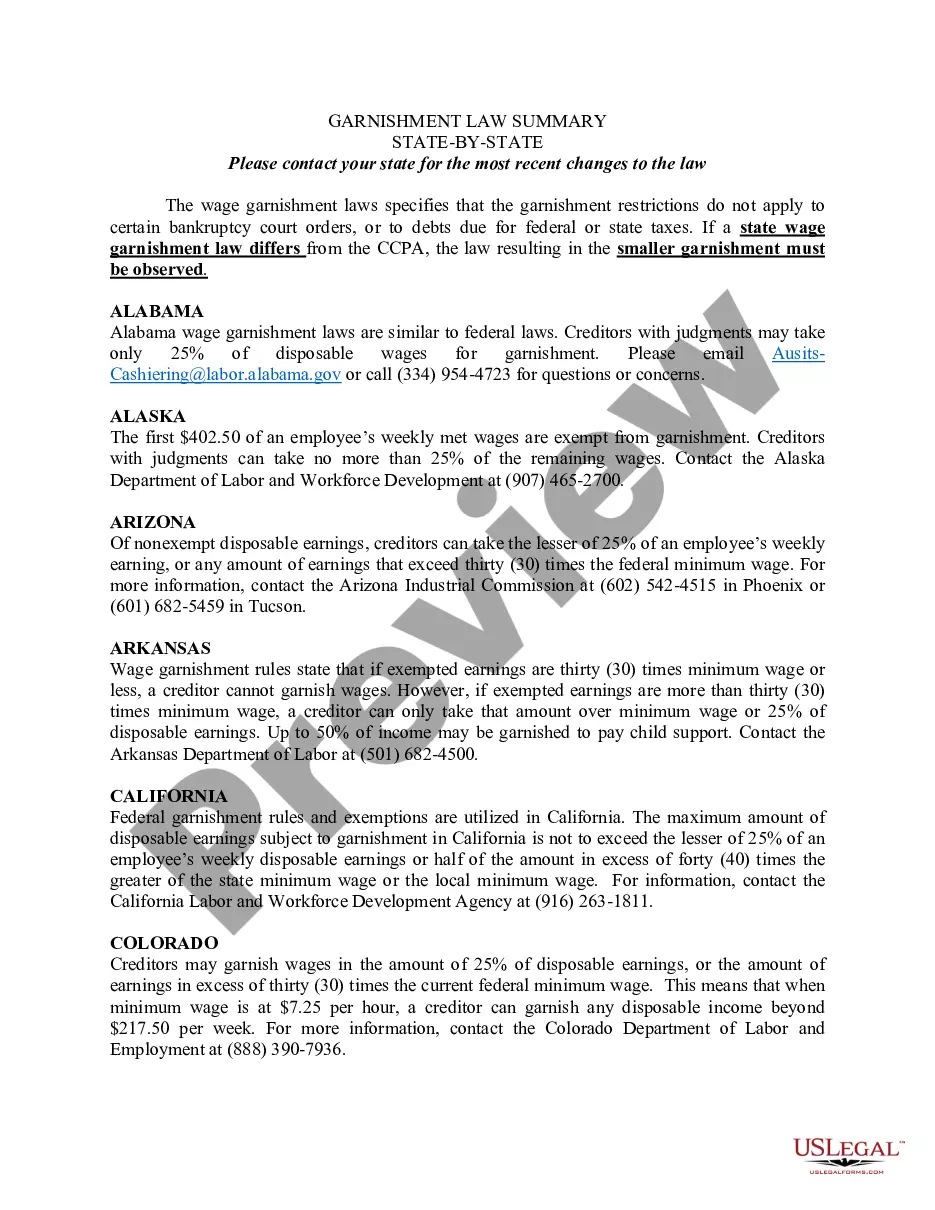
In Minnesota, wage garnishment typically requires a court order and a completed Minnesota Attorney Affidavit for Writ of Garnishment. The law limits the amount that can be garnished to 25% of disposable earnings or the amount by which weekly earnings exceed 40 times the federal minimum wage, whichever is less. Additionally, certain types of income, like Social Security and unemployment benefits, are exempt from garnishment. Understanding these rules can help you navigate the garnishment process effectively.
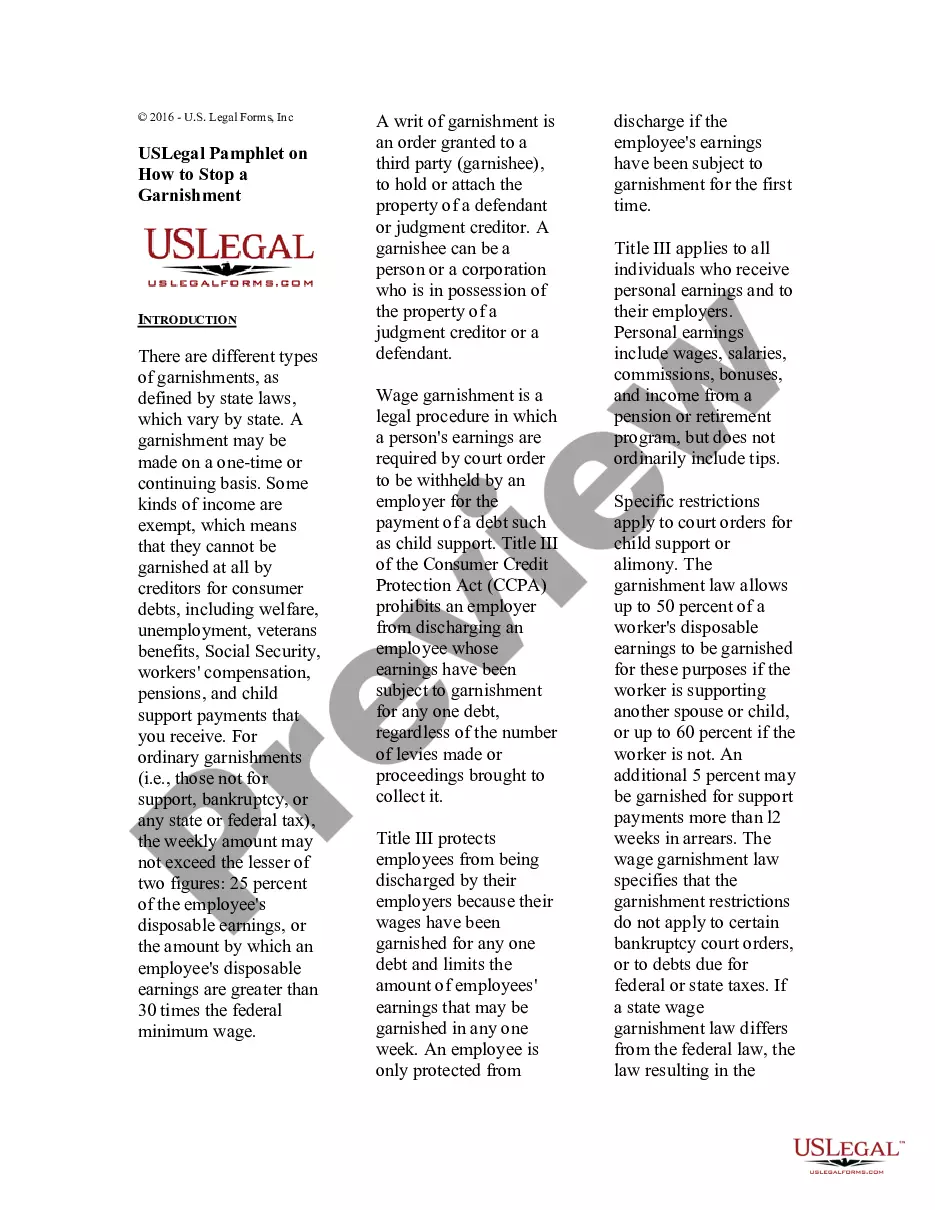
Garnishment is a proceeding by a creditor (a person or entity to whom money is owed) to collect a debt by taking the property or assets of a debtor (a person who owes money). Wage garnishment is a court procedure where a court orders a debtor's employer to hold the debtor's earnings in order to pay a creditor.
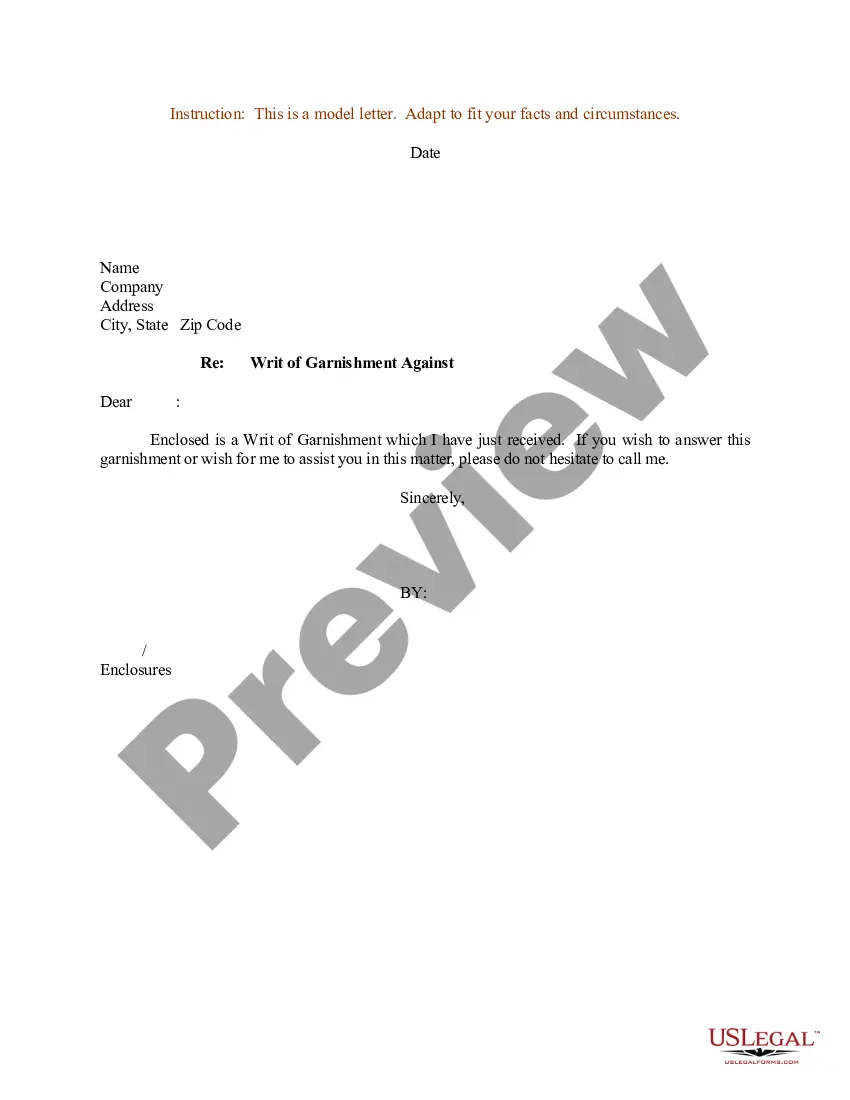
In most states, employers answer a writ of garnishment by filling out the paperwork attached to the judgment and returning it to the creditor or the creditor's attorney.
Step 1: Serve Notice of Garnishment. You must serve the debtor with a Garnishment Exemption Notice and Notice of Intent to Garnish Earnings Within 10 Days upon the debtor at least 10 days before attempting to garnish wages. Step 2: Garnishment Summons and Disclosure Form. Step 3: More Notice of Garnishment to the Debtor.
If you have found the judgment debtor's assets such as an active bank account or employment, collection can be made by a levy on the bank account or garnishment of wages. This is done by obtaining a Writ of Execution from the Court for a fee of $55.00.
If you are served with a garnishment summons, do not ignore these documents because they do not directly involve a debt that you owe. Instead, you should immediately freeze any payments to the debtor, retain the necessary property, and provide the required written disclosure.
If it's already started, you can try to challenge the judgment or negotiate with the creditor. But, they're in the driver's seat, and if they don't allow you to stop a garnishment by agreeing to make voluntary payments, you can't really force them to. You can, however, stop the garnishment by filing a bankruptcy case.
Respond to the Creditor's Demand Letter. Seek State-Specific Remedies. Get Debt Counseling. Object to the Garnishment. Attend the Objection Hearing (and Negotiate if Necessary) Challenge the Underlying Judgment. Continue Negotiating.
How to Protect Your Wages From Garnishment. If you receive a notice of a wage garnishment order, you might be able to protect or "exempt" some or all of your wages by filing an exemption claim with the court or raising an objection.