Minnesota Living Trust for Individual Who is Single, Divorced or Widow (or Widower) with No Children
Description
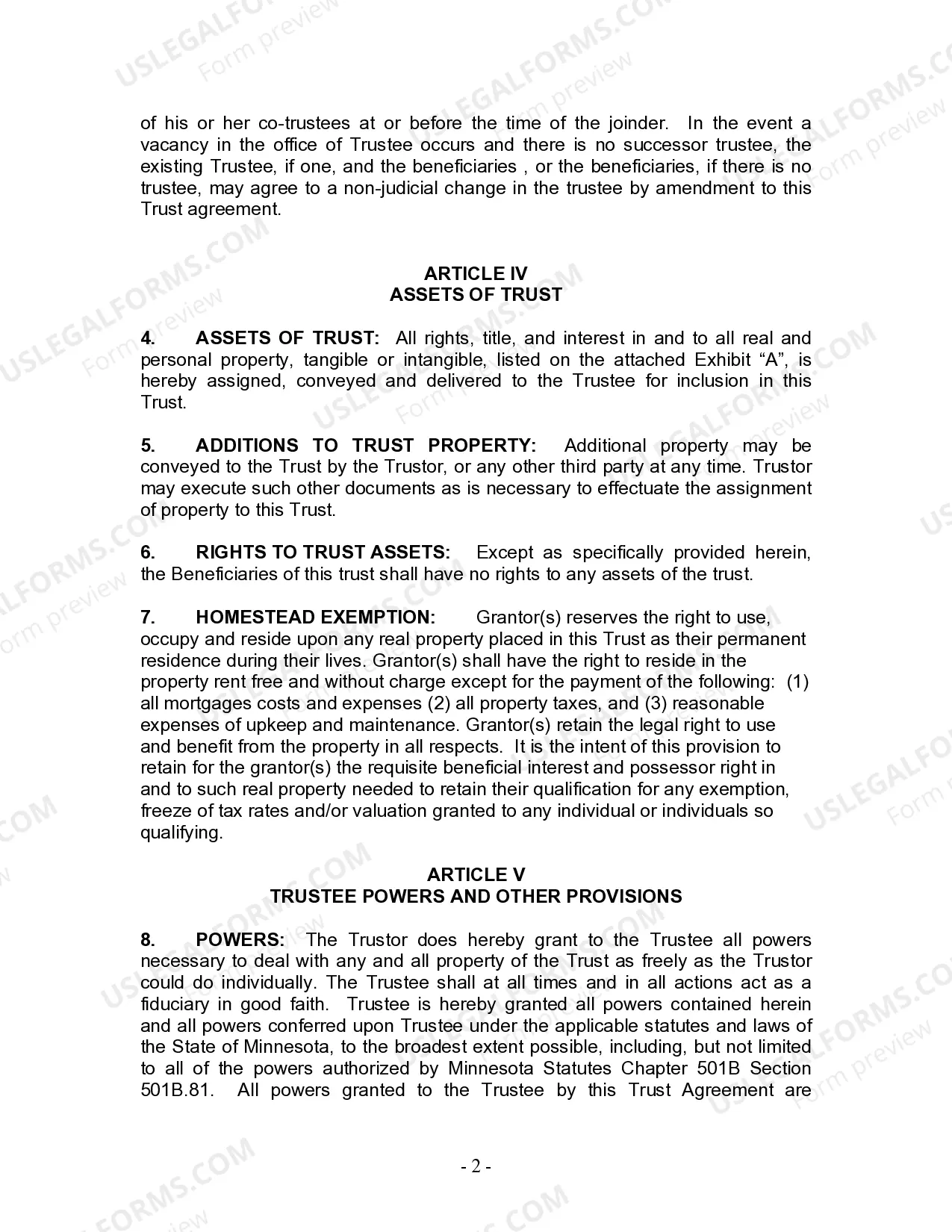
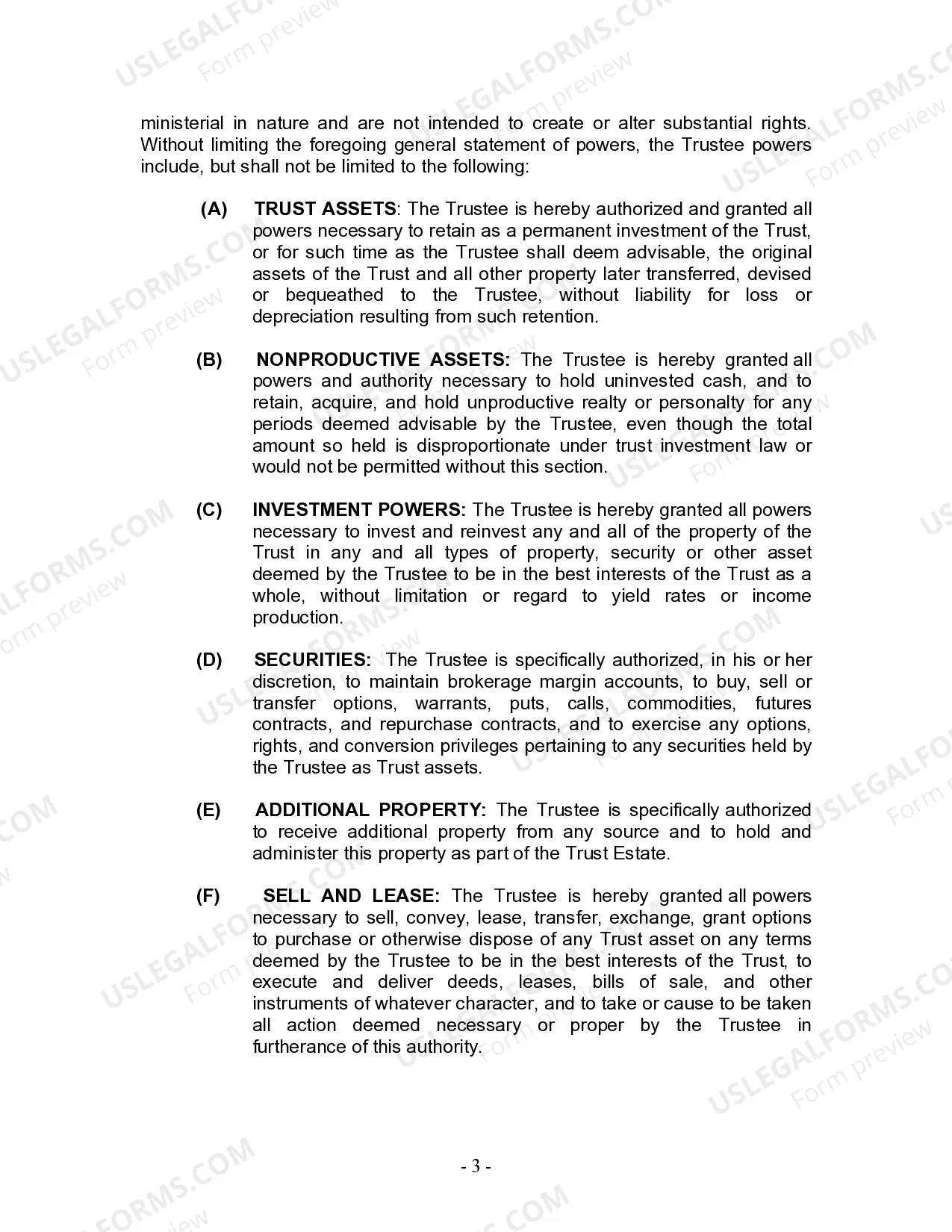
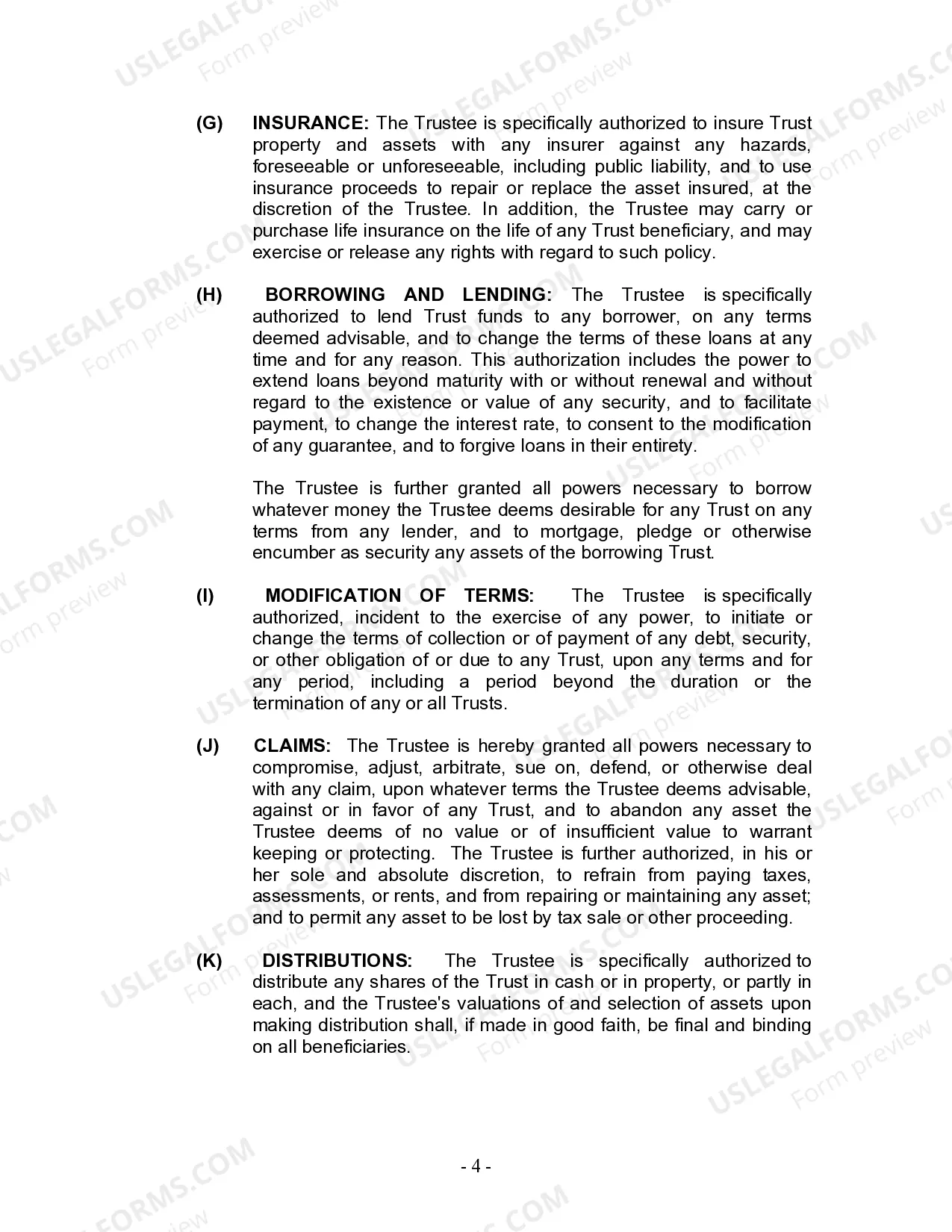
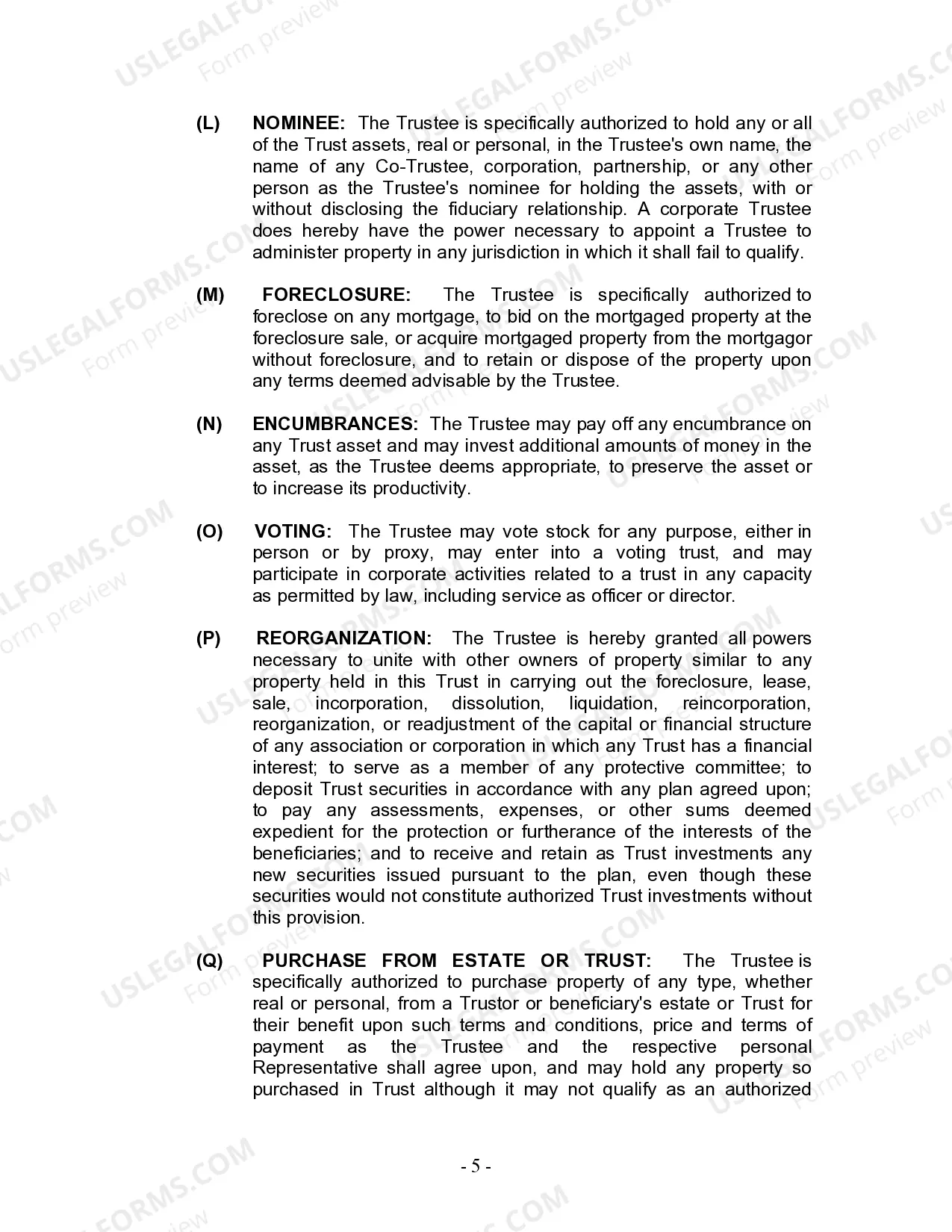
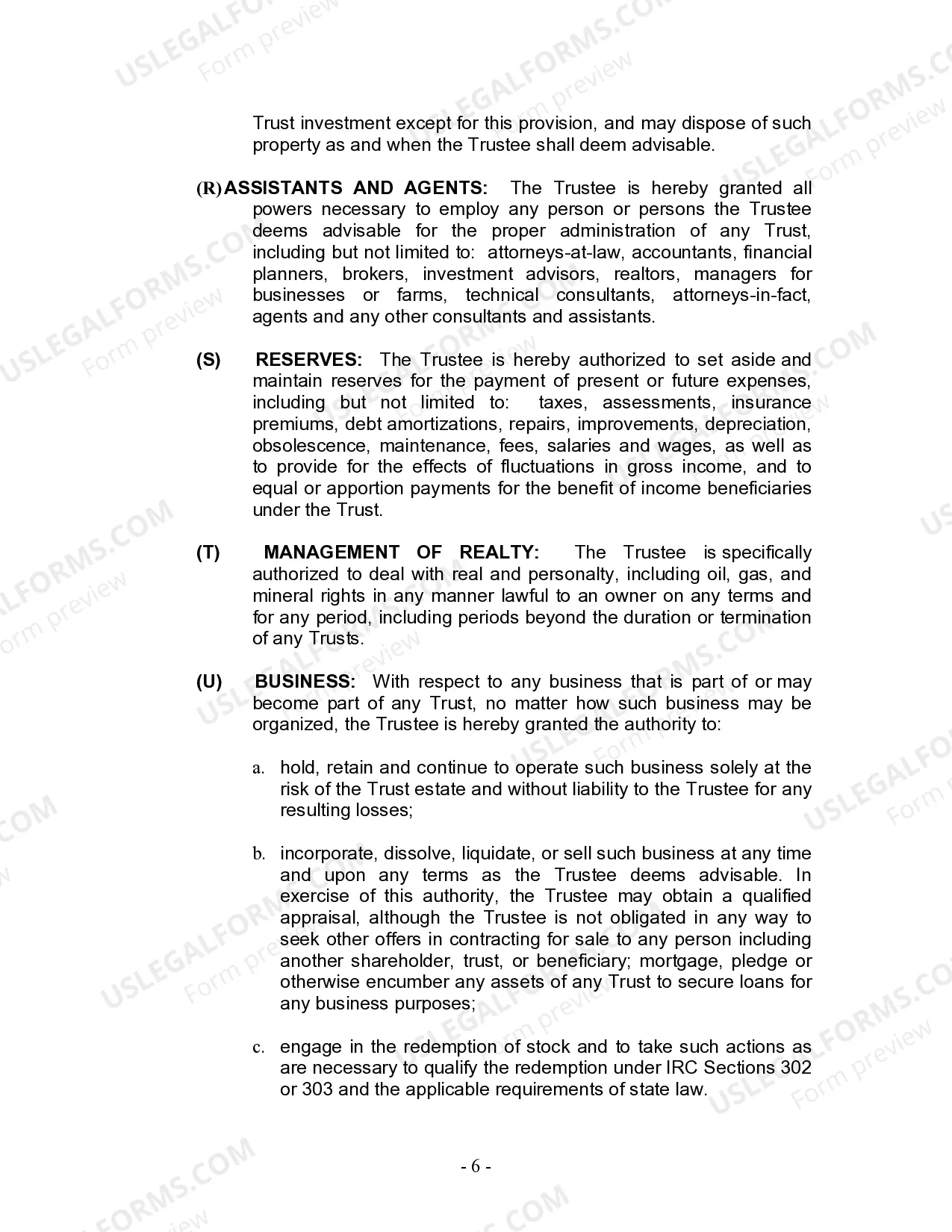
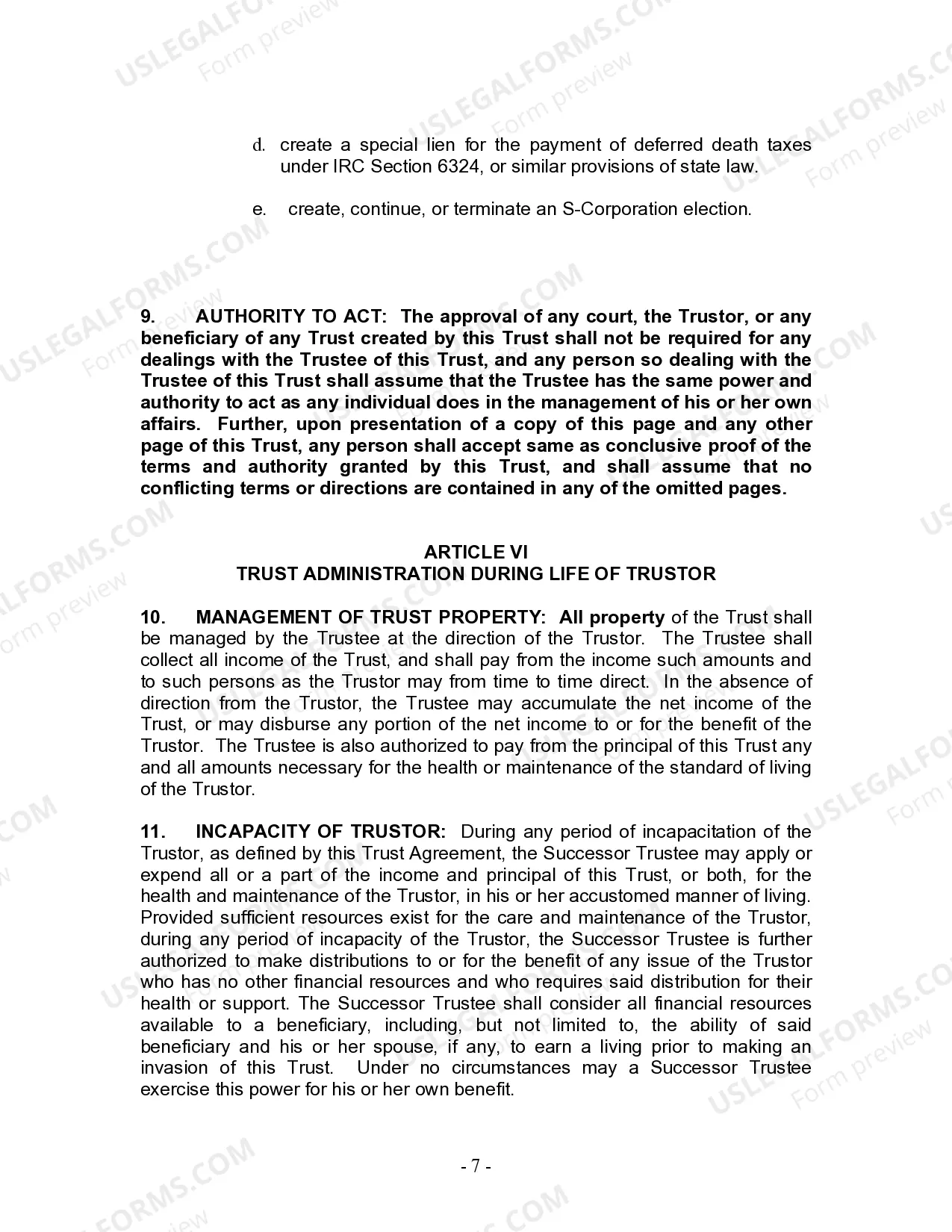
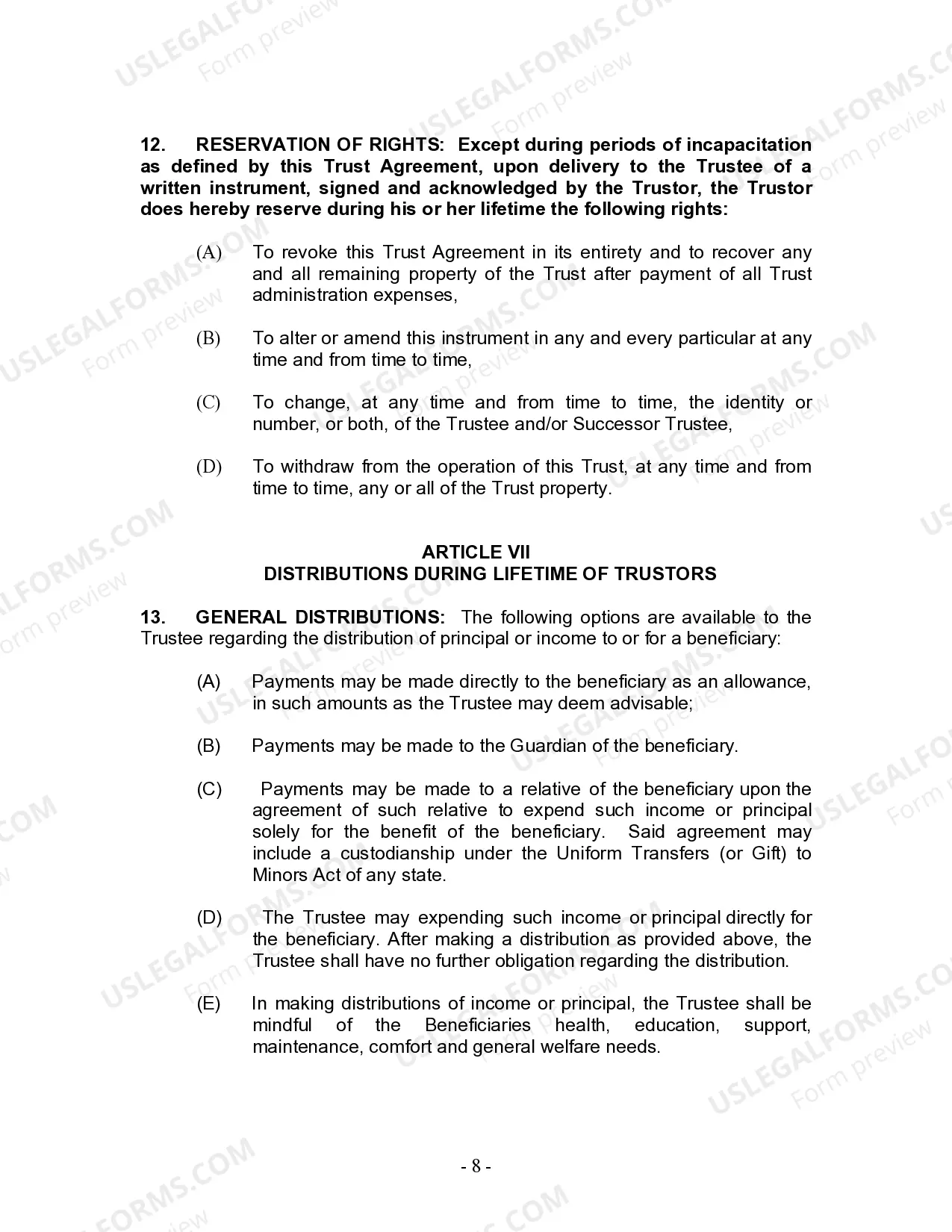
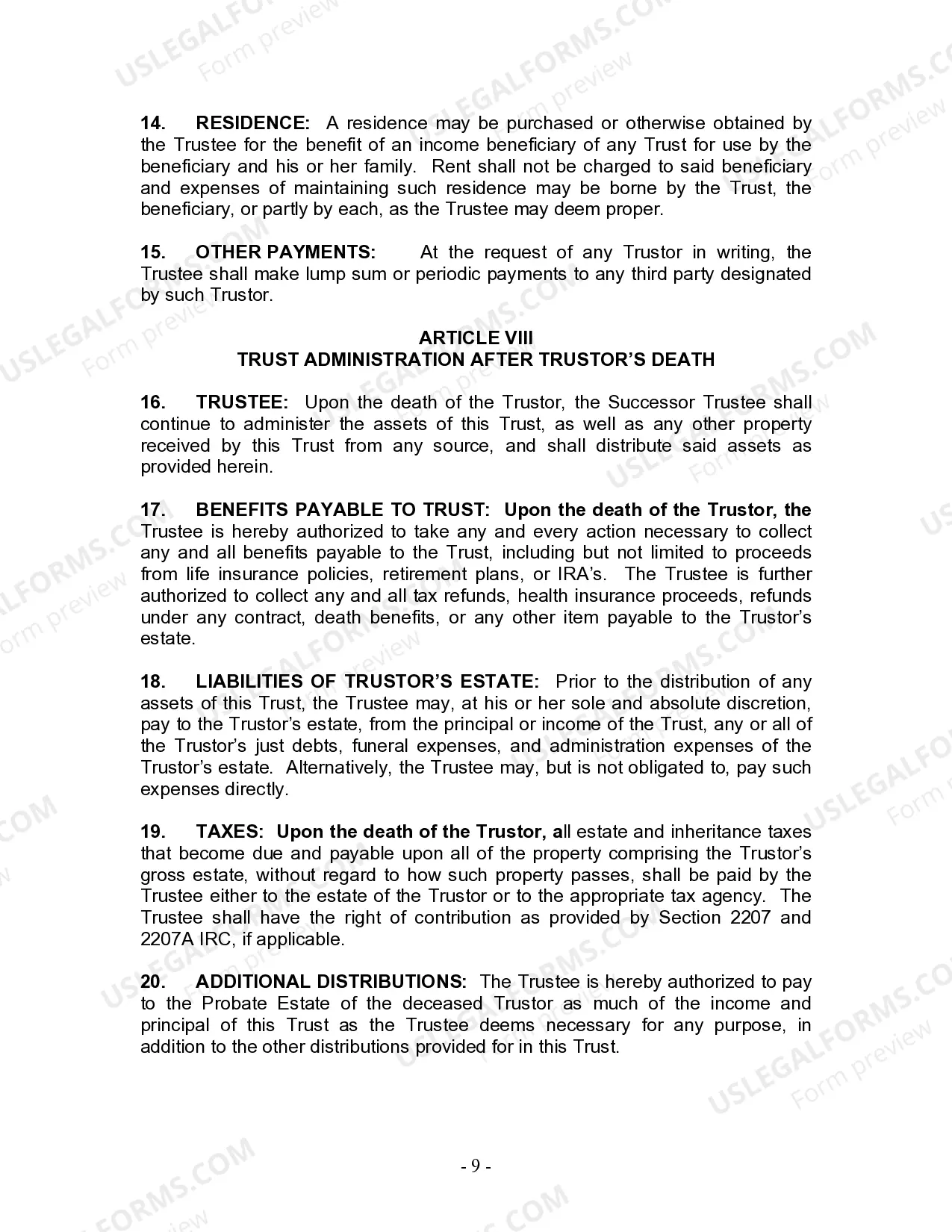
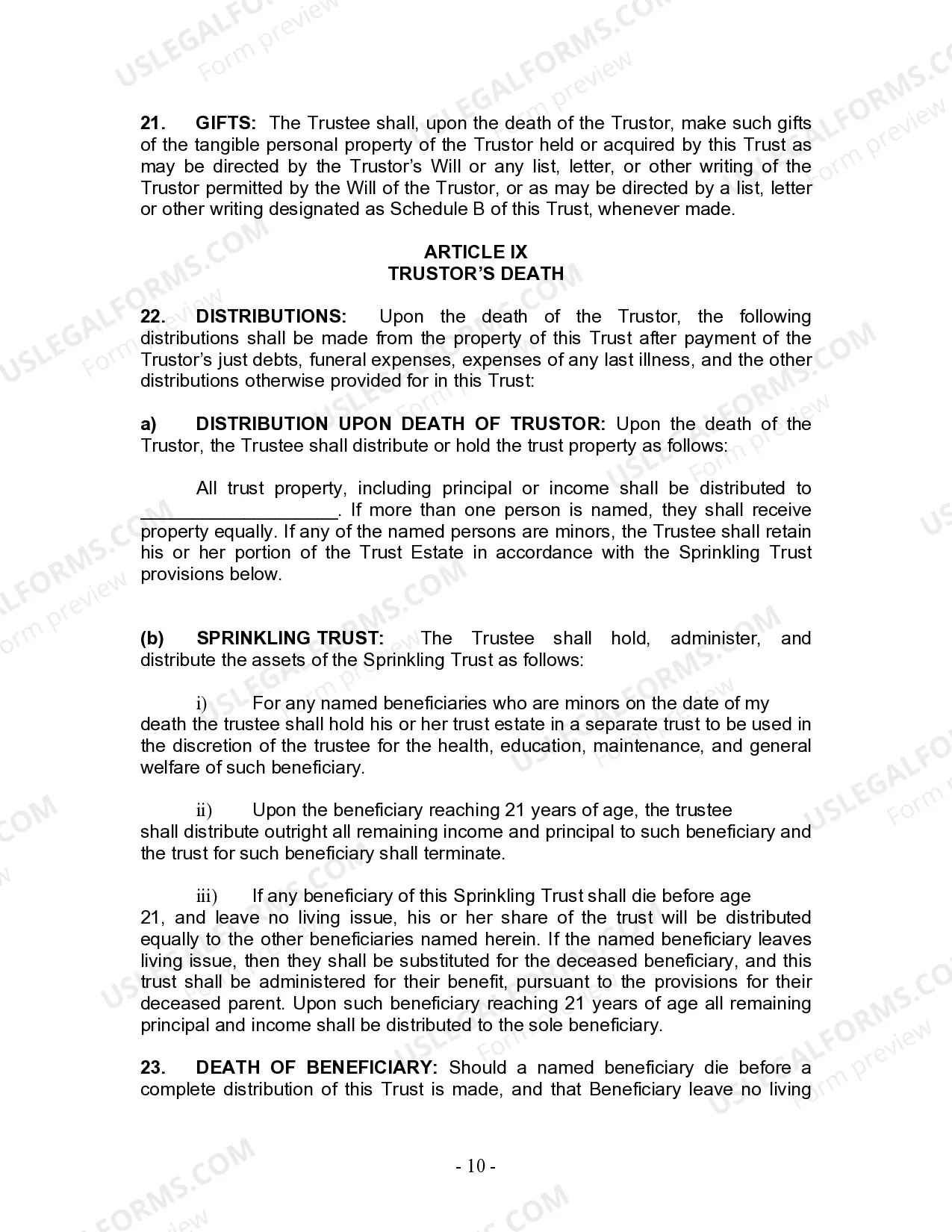

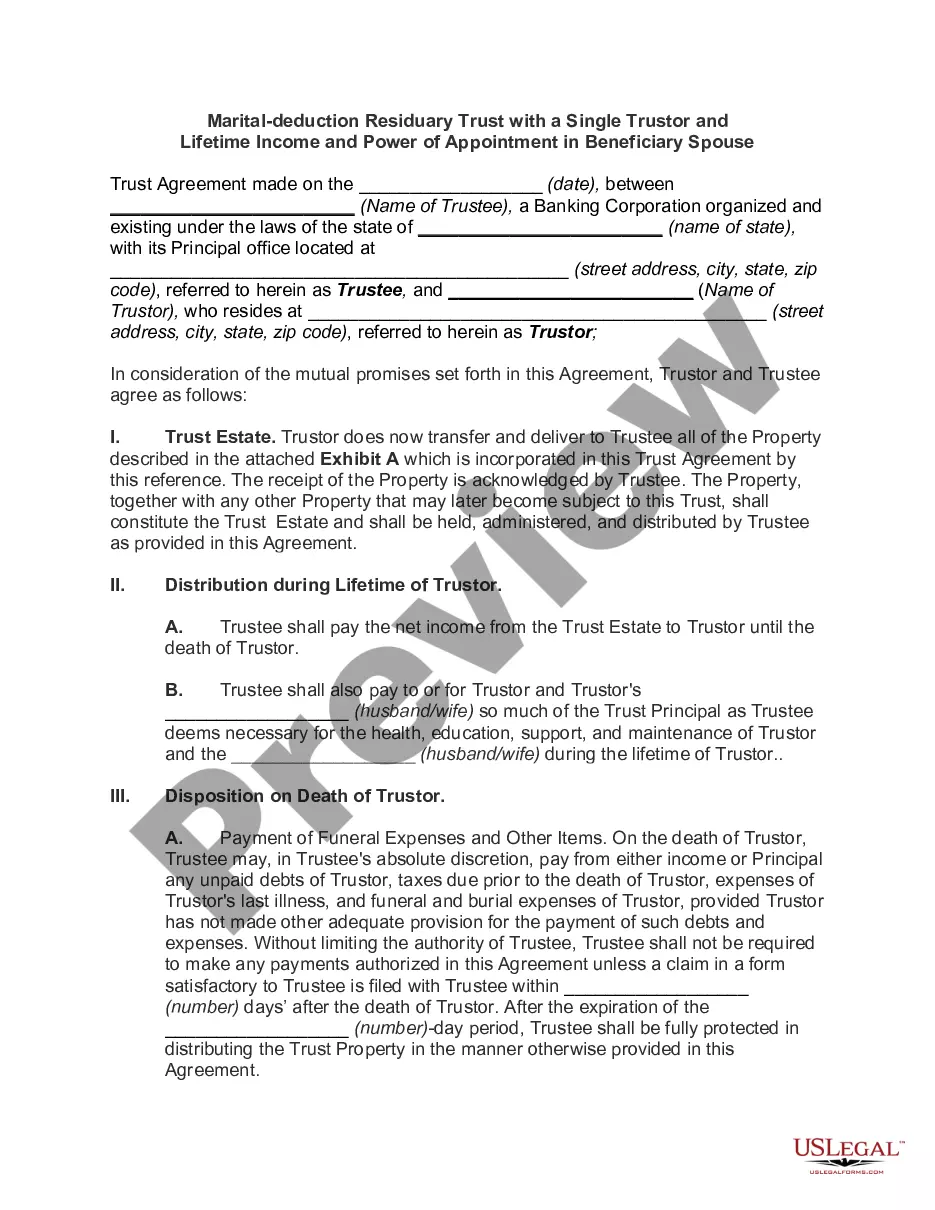
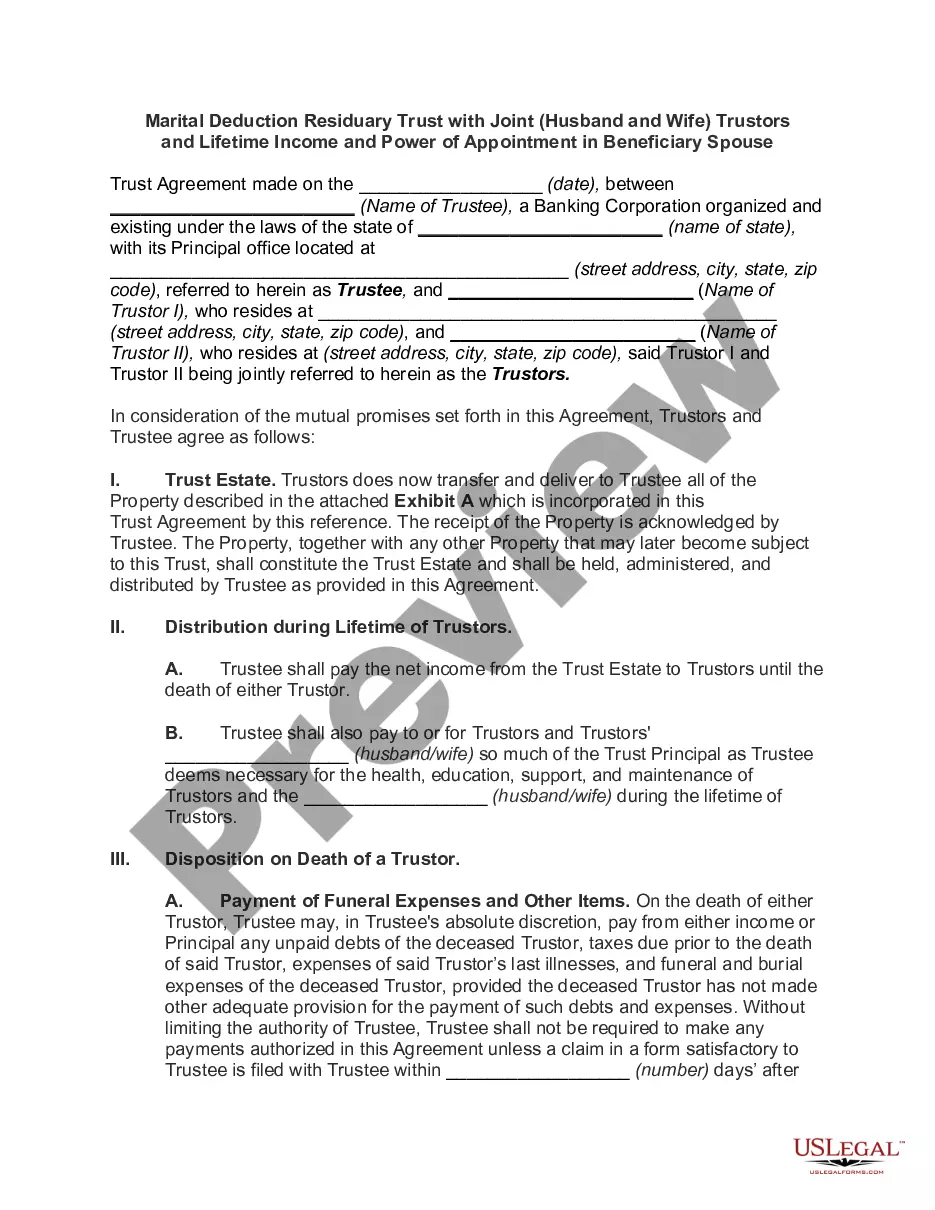
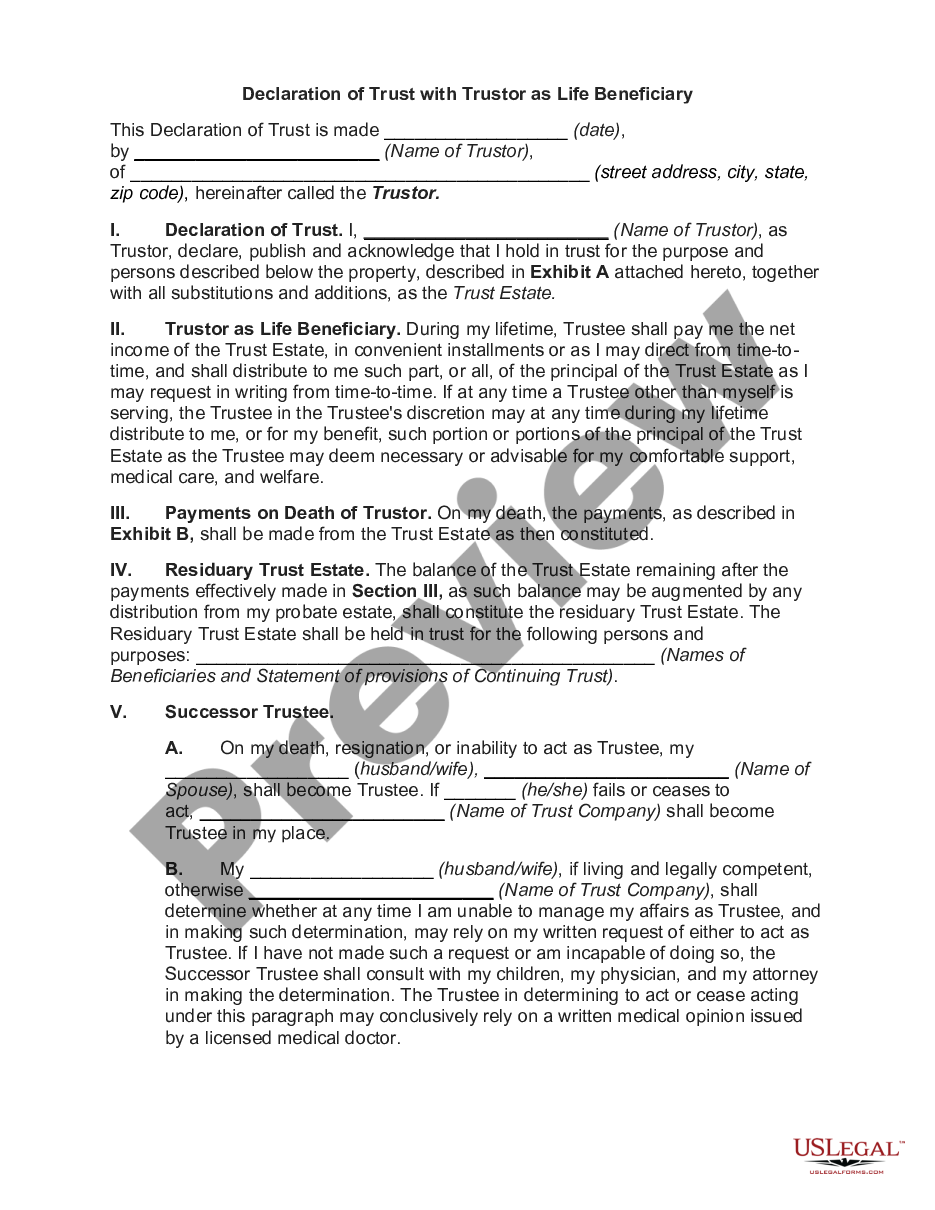


How to fill out Minnesota Living Trust For Individual Who Is Single, Divorced Or Widow (or Widower) With No Children?
Obtain any template from 85,000 legal documents including Minnesota Living Trust for Individuals Who are Unmarried, Divorced, or Widowed (or Widower) with No Offspring online with US Legal Forms.
Each template is crafted and revised by state-certified lawyers.
If you already possess a subscription, sign in. Once you arrive at the form’s page, click the Download button and navigate to My documents to retrieve it.
With US Legal Forms, you will consistently have instant access to the appropriate downloadable template. The platform will provide you with forms and categorizes them to streamline your search. Utilize US Legal Forms to obtain your Minnesota Living Trust for Individuals Who are Unmarried, Divorced, or Widowed (or Widower) with No Offspring quickly and easily.
- Verify the state-specific prerequisites for the Minnesota Living Trust for Individuals Who are Unmarried, Divorced, or Widowed (or Widower) with No Offspring you wish to utilize.
- Examine the description and preview the template.
- Once you are assured the template meets your requirements, simply click Buy Now.
- Choose a subscription plan that fits your financial plan.
- Establish a personal account.
- Complete the payment in either of two convenient methods: by credit card or through PayPal.
- Select a format to download the document in; two options are available (PDF or Word).
- Download the document to the My documents section.
- When your reusable template is prepared, print it out or save it to your device.
Form popularity
FAQ
If you are legally separated or divorced, you can choose to leave everything to your children rather than your husband. This decision can be formalized through a Minnesota Living Trust for Individual Who is Single, Divorced or Widow (or Widower) with No Children. It is crucial to ensure that your trust documents reflect your intentions clearly. Consulting an expert or using uslegalforms can help make this process straightforward.
Absolutely, you can establish a living trust without your spouse in Minnesota. The Minnesota Living Trust for Individual Who is Single, Divorced or Widow (or Widower) with No Children allows you to manage your assets on your own terms. This option offers flexibility and control over your estate planning. Engaging with uslegalforms can simplify the process and ensure your trust is set up correctly.
Yes, you can set up a trust without your spouse in Minnesota. If you are single, divorced, or a widow (or widower) with no children, you have the autonomy to create a Minnesota Living Trust tailored to your needs. This type of trust allows you to manage your assets independently. Utilizing uslegalforms can provide valuable resources to help you establish your trust efficiently.
Yes, you can write your own trust in Minnesota. However, it is essential to ensure that the document meets the legal requirements to be valid. A Minnesota Living Trust for Individual Who is Single, Divorced or Widow (or Widower) with No Children should be carefully crafted to avoid any future disputes. Using a reliable platform like uslegalforms can guide you through the process, ensuring all necessary elements are included.
When you get divorced, a Minnesota Living Trust for Individual Who is Single, Divorced or Widow (or Widower) with No Children may be affected, especially if your spouse was a beneficiary. It's important to review and possibly update the trust to reflect your new circumstances. In many cases, assets held in the trust can be reconsidered and redistributed as needed. Consulting with an expert can help ensure your trust aligns with your current wishes.
Yes, you can create a Minnesota Living Trust for Individual Who is Single, Divorced or Widow (or Widower) with No Children without your spouse. This type of trust allows you to manage your assets according to your wishes. It is a flexible estate planning tool that helps you avoid probate and ensures your assets are distributed as you desire. Using platforms like US Legal Forms can simplify the process, providing you with the necessary forms and guidance to establish your trust efficiently.
The process of funding your living trust by transferring your assets to the trustee is an important part of what helps your loved ones avoid probate court in the event of your death or incapacity. Qualified retirement accounts such as 401(k)s, 403(b)s, IRAs, and annuities, should not be put in a living trust.
Children - if there is no surviving married or civil partner If there is no surviving partner, the children of a person who has died without leaving a will inherit the whole estate. This applies however much the estate is worth. If there are two or more children, the estate will be divided equally between them.
Choose whether to make an individual or shared trust. Decide what property to include in the trust. Choose a successor trustee. Decide who will be the trust's beneficiaries who will get the trust property. Create the trust document.
A living trust is a legal entity that owns property you transfer into it during your lifetime.A living trust is created with a trust document or instrument. You may be able to create this yourself, but it makes sense to work with an attorney to create your trust in some situations.