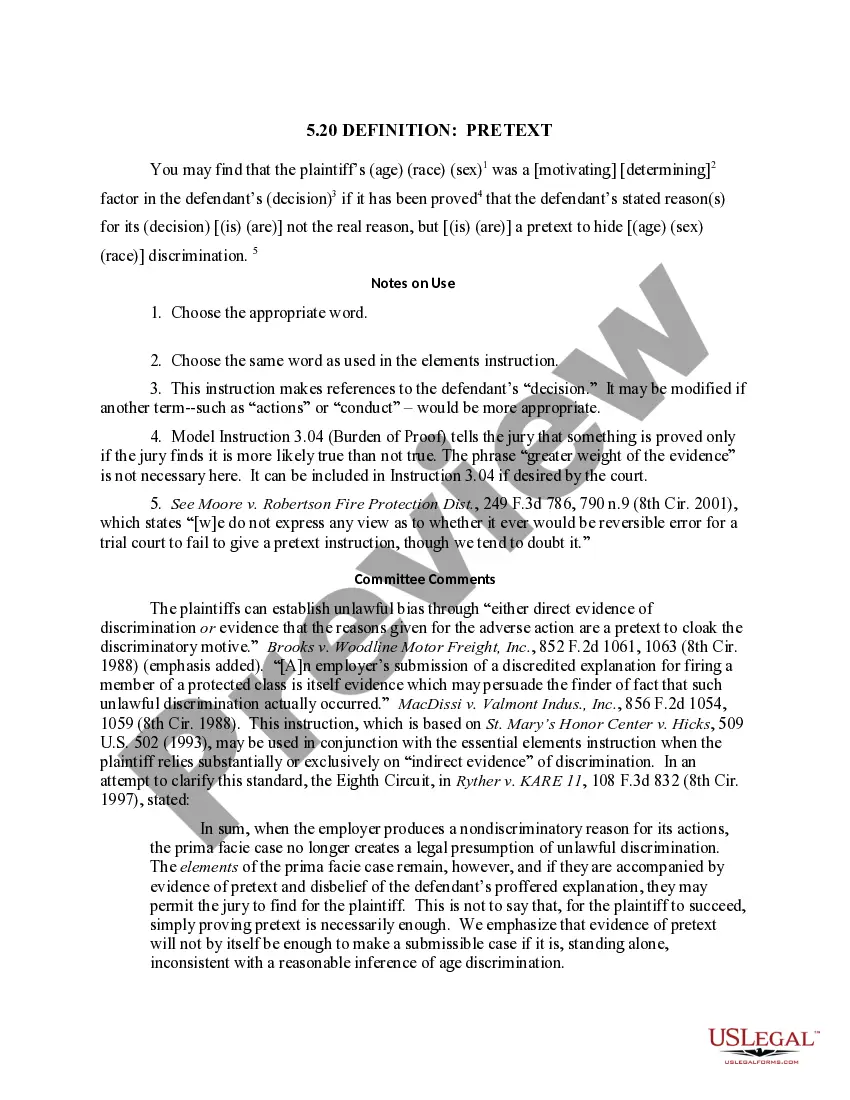
Minnesota Motion to Bar Use of Certain Aggravating Circumstances
Description
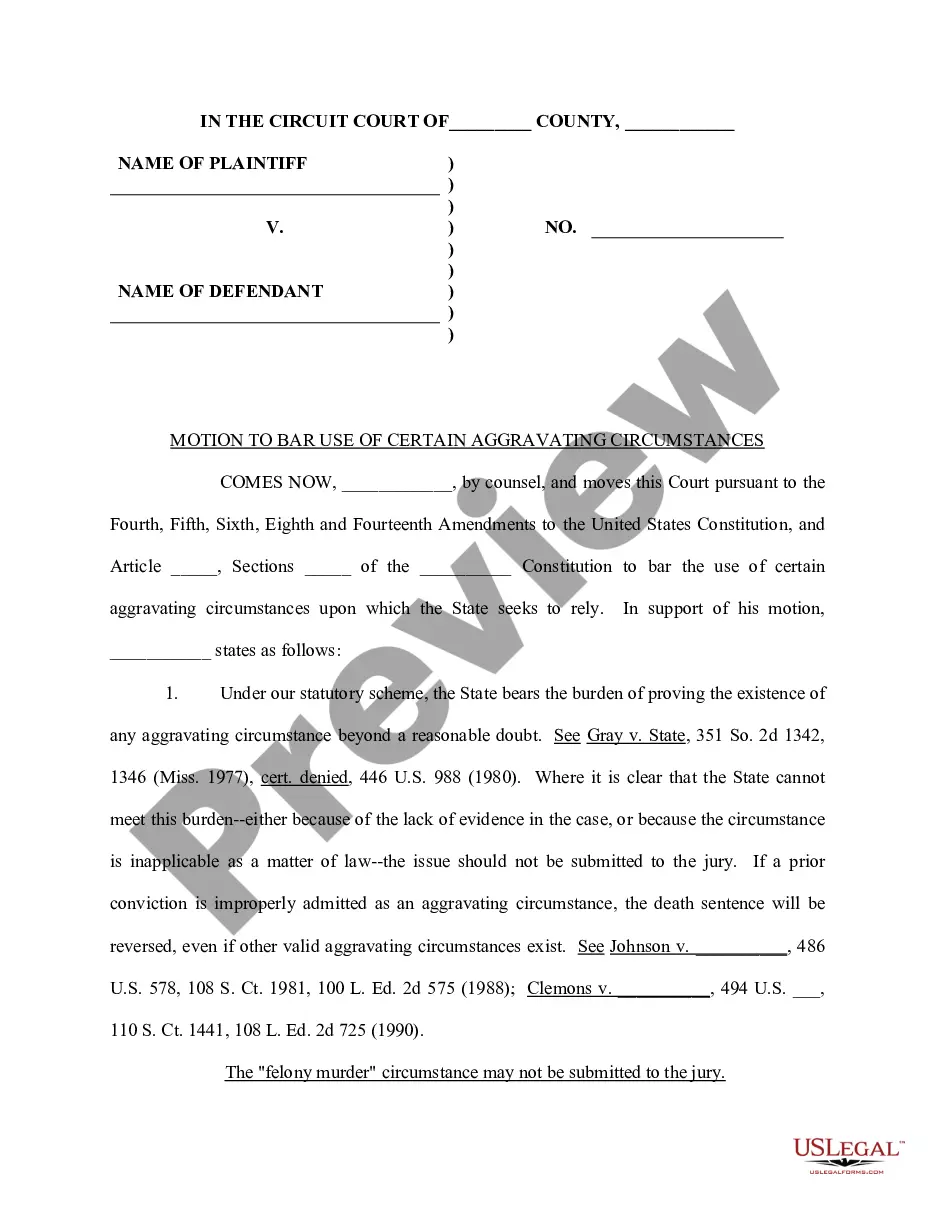
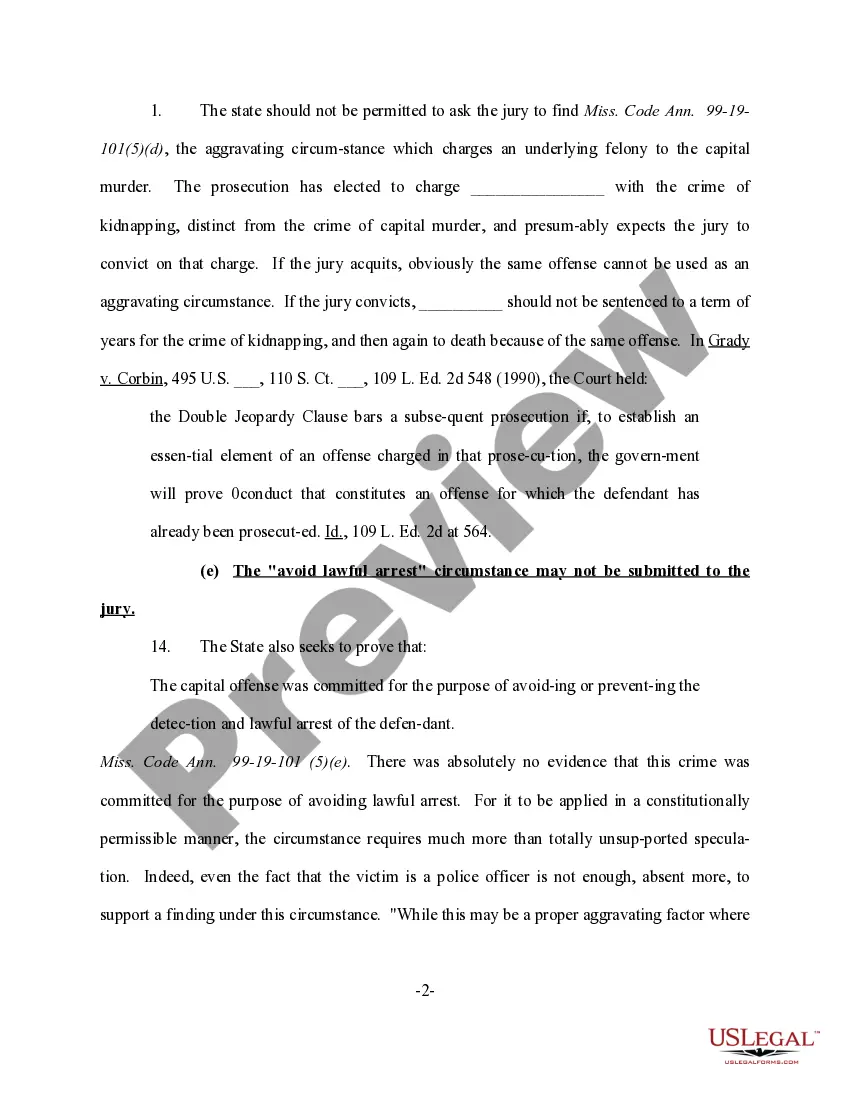
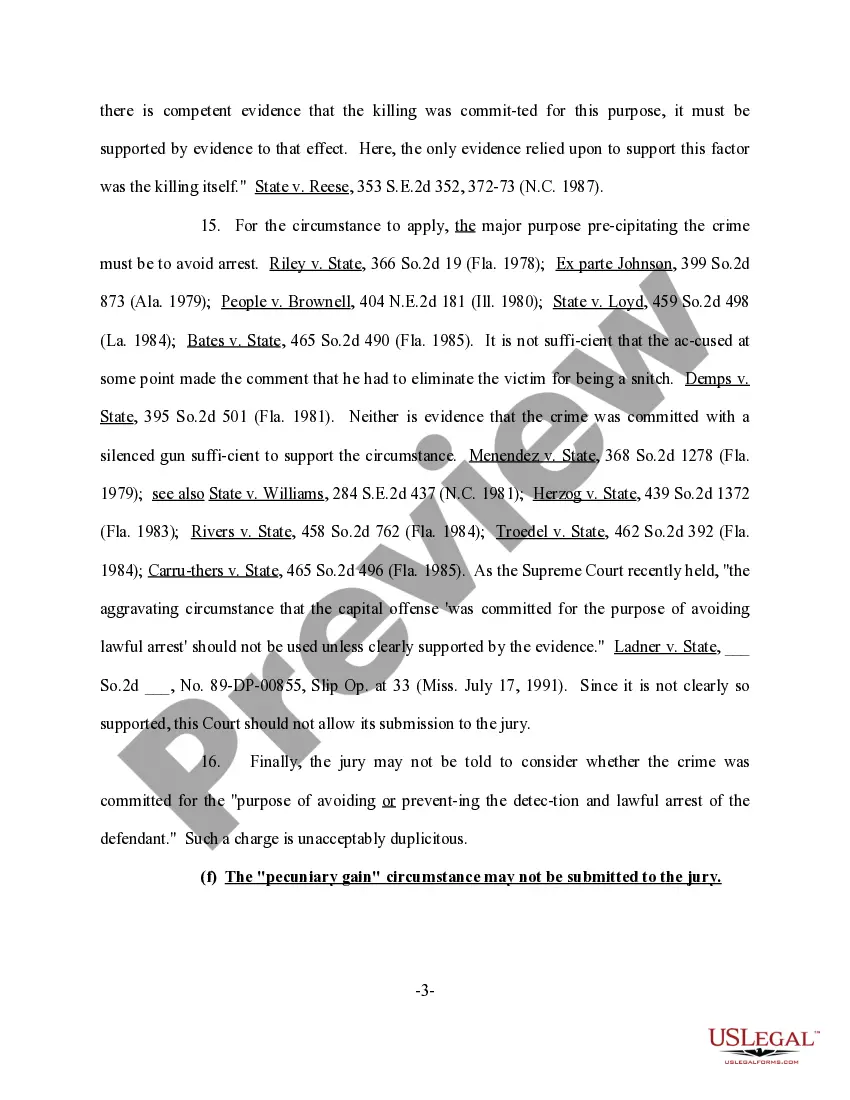
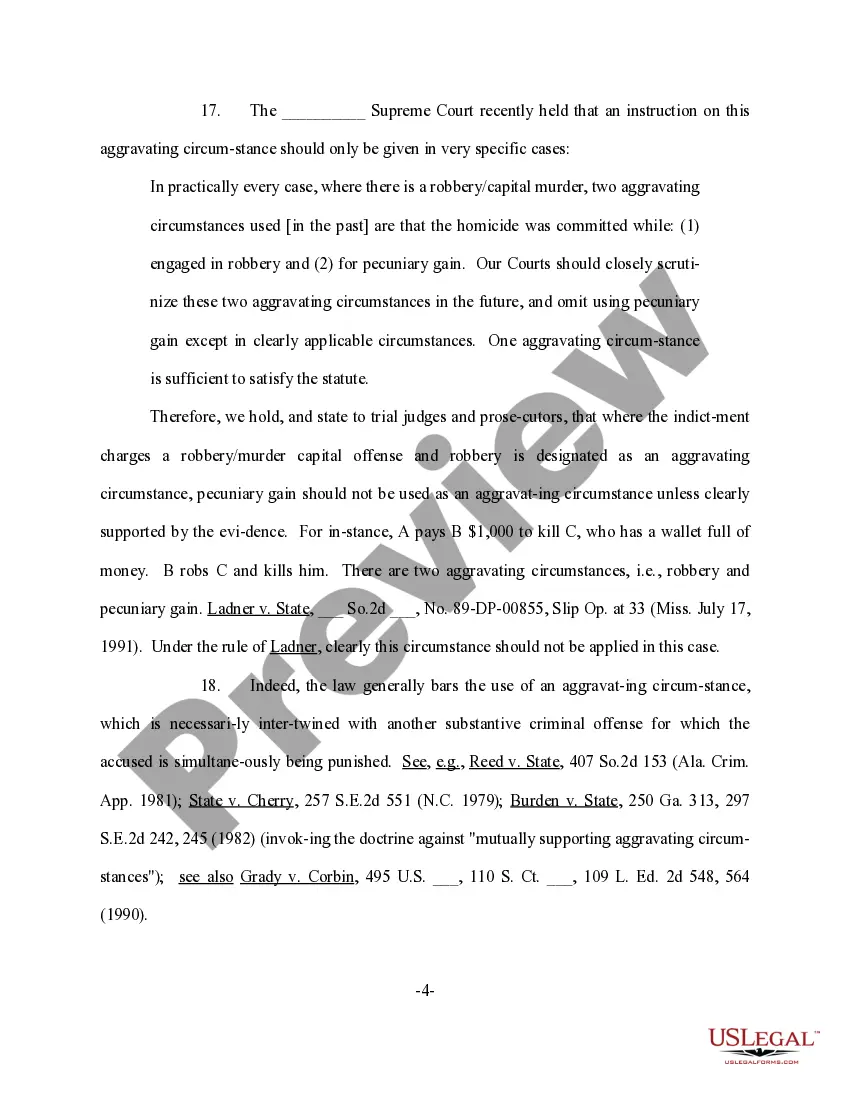
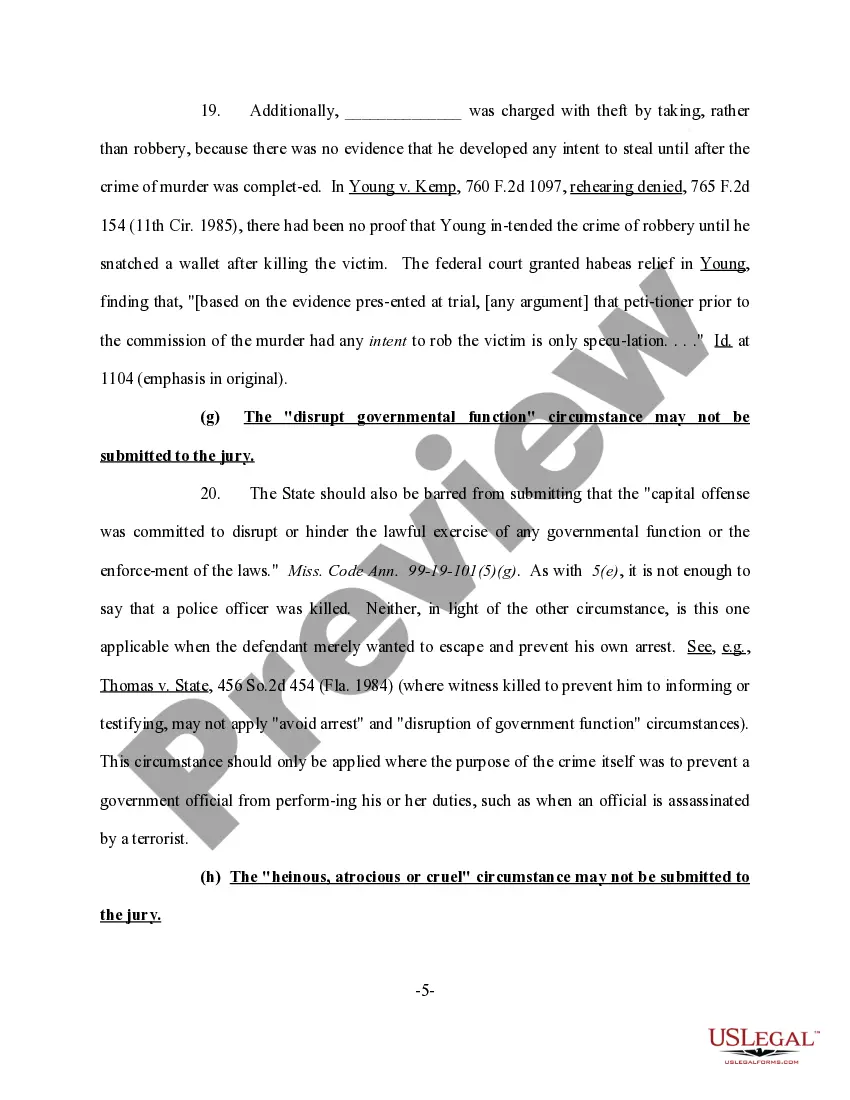
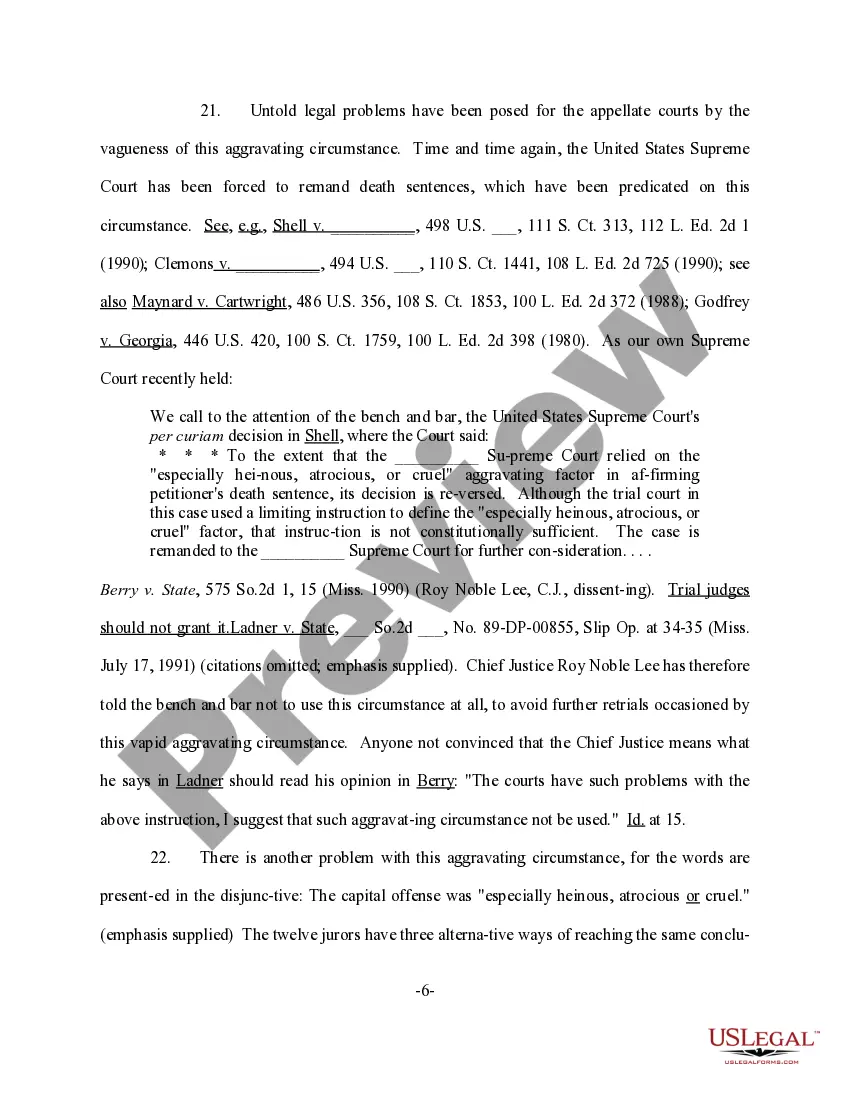
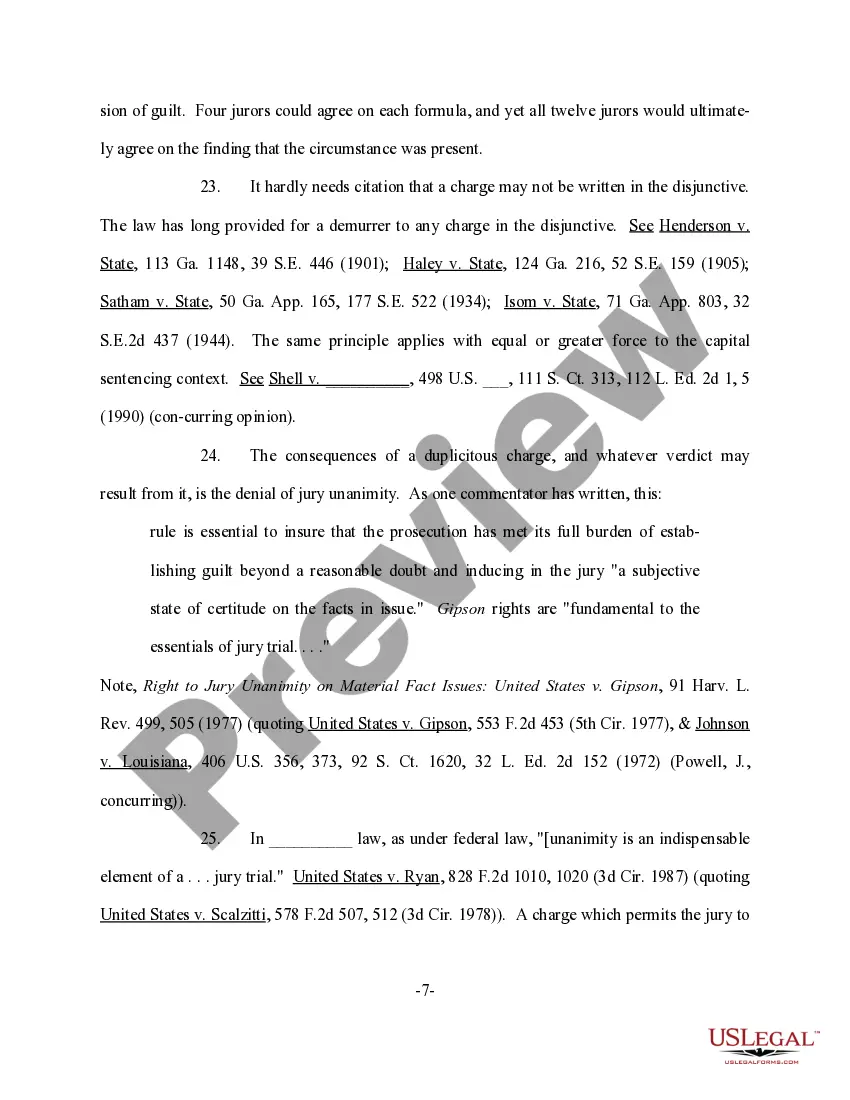
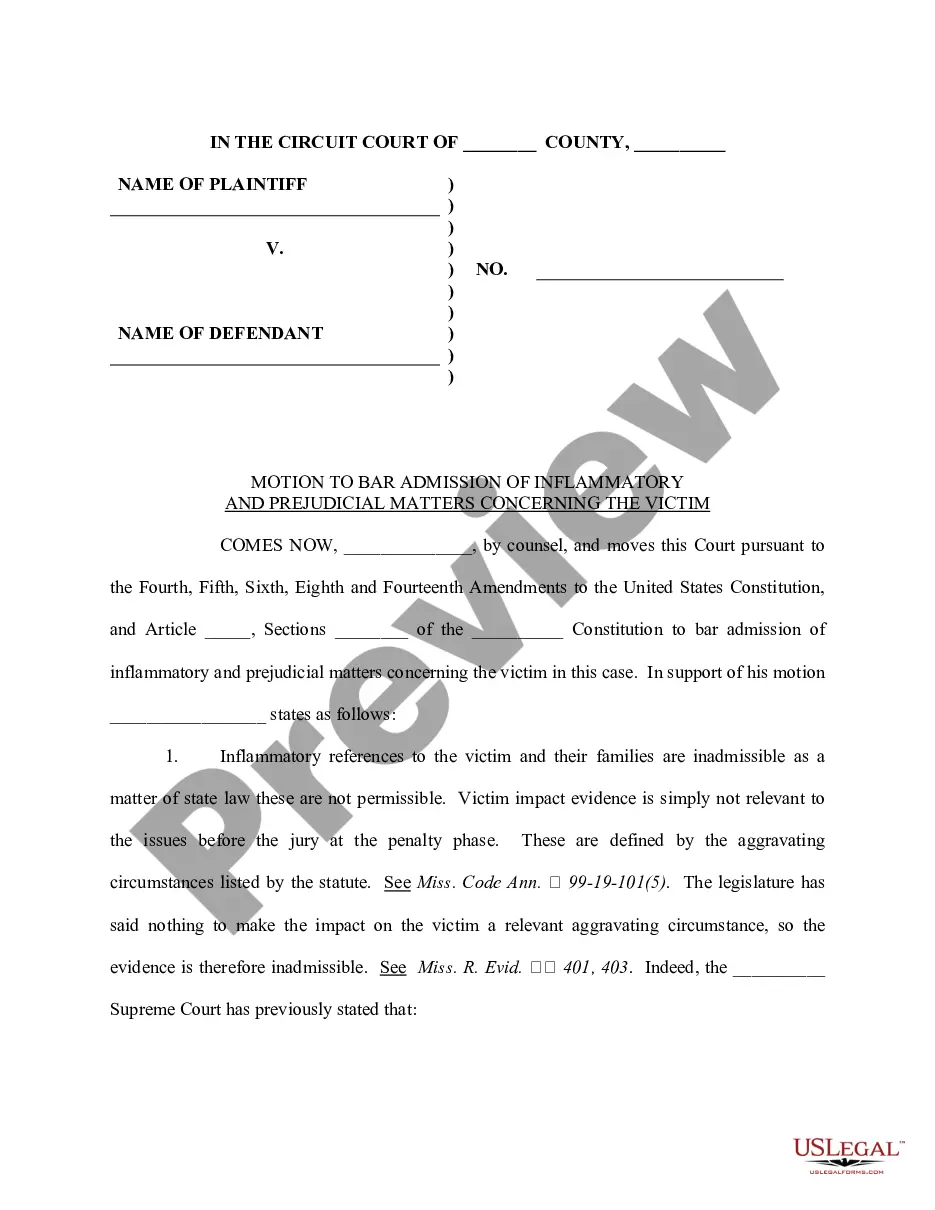
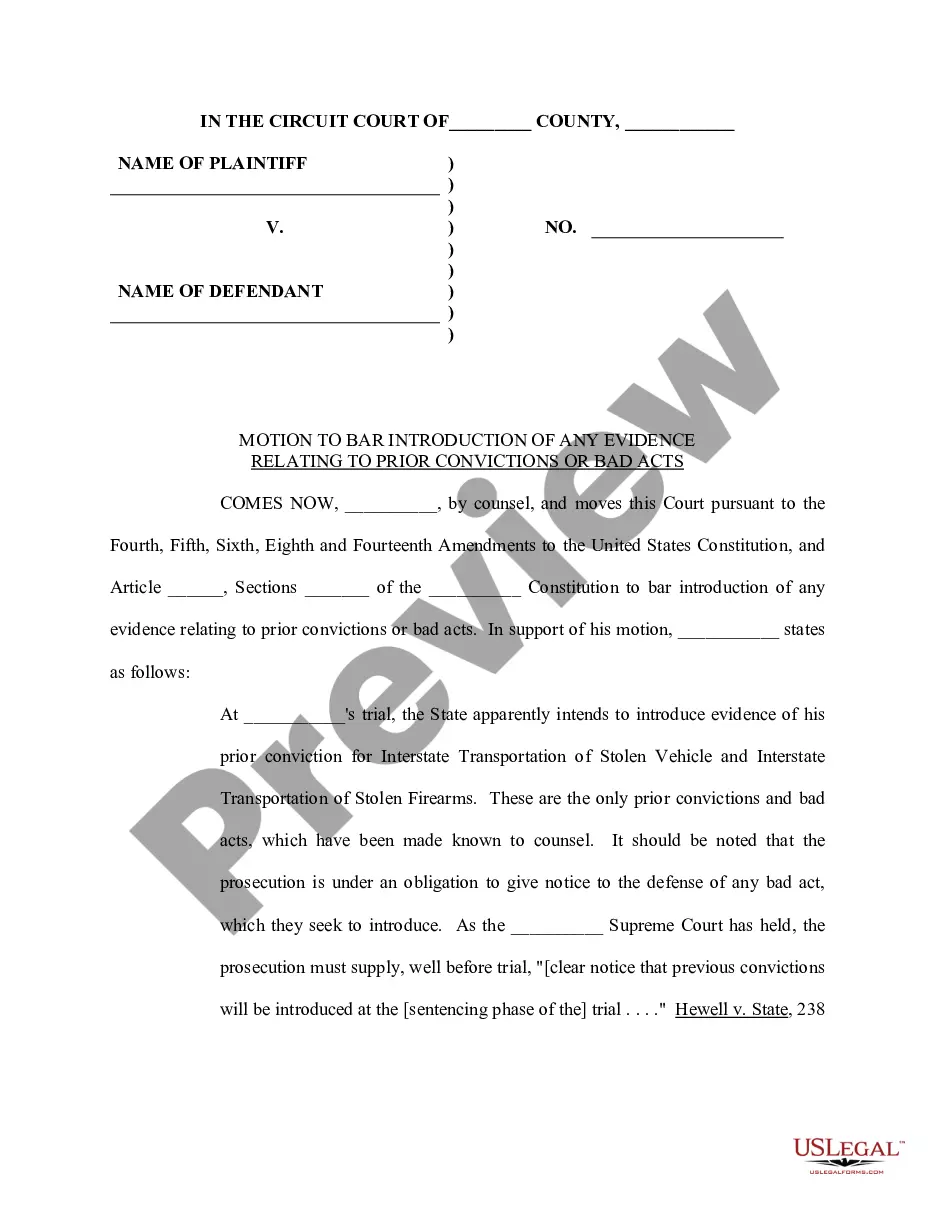
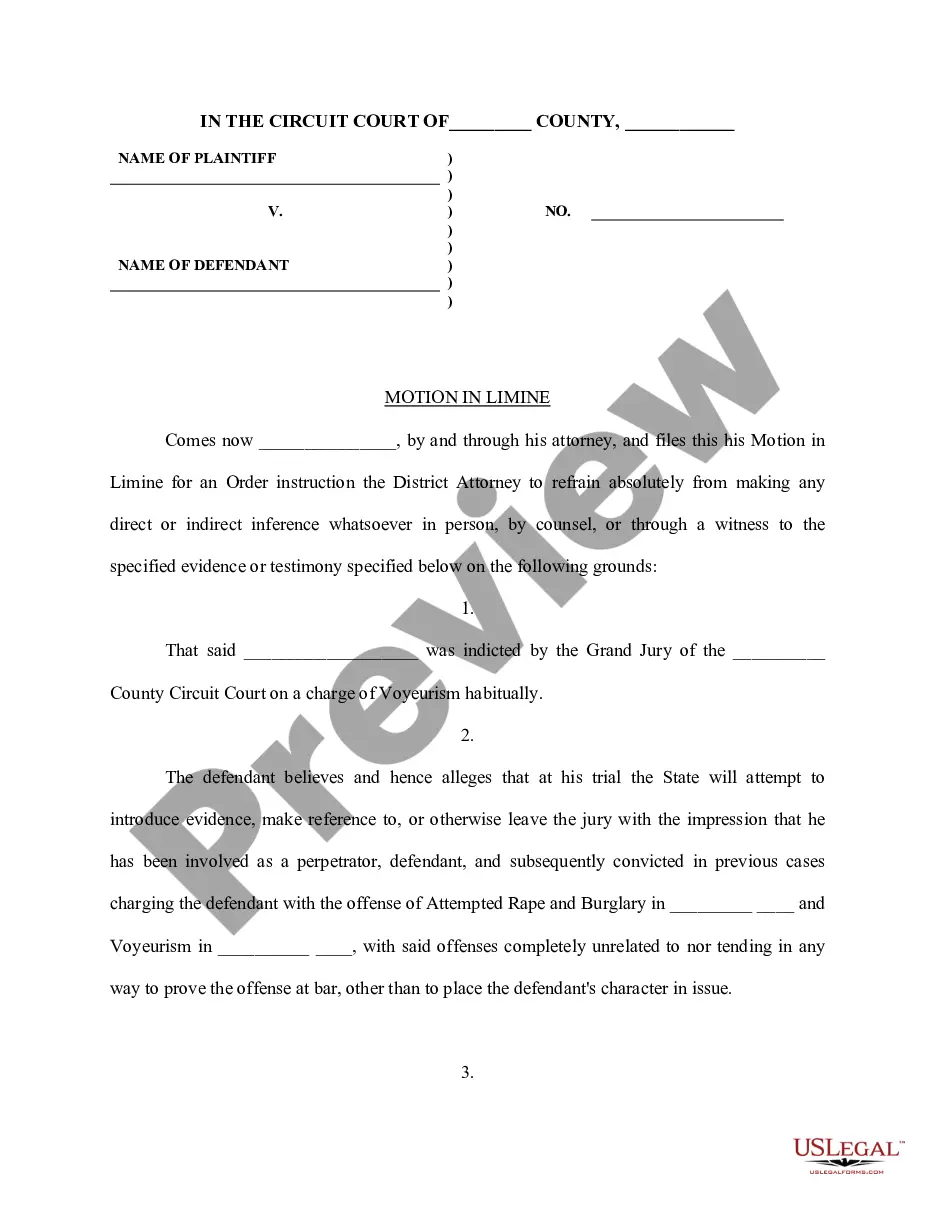
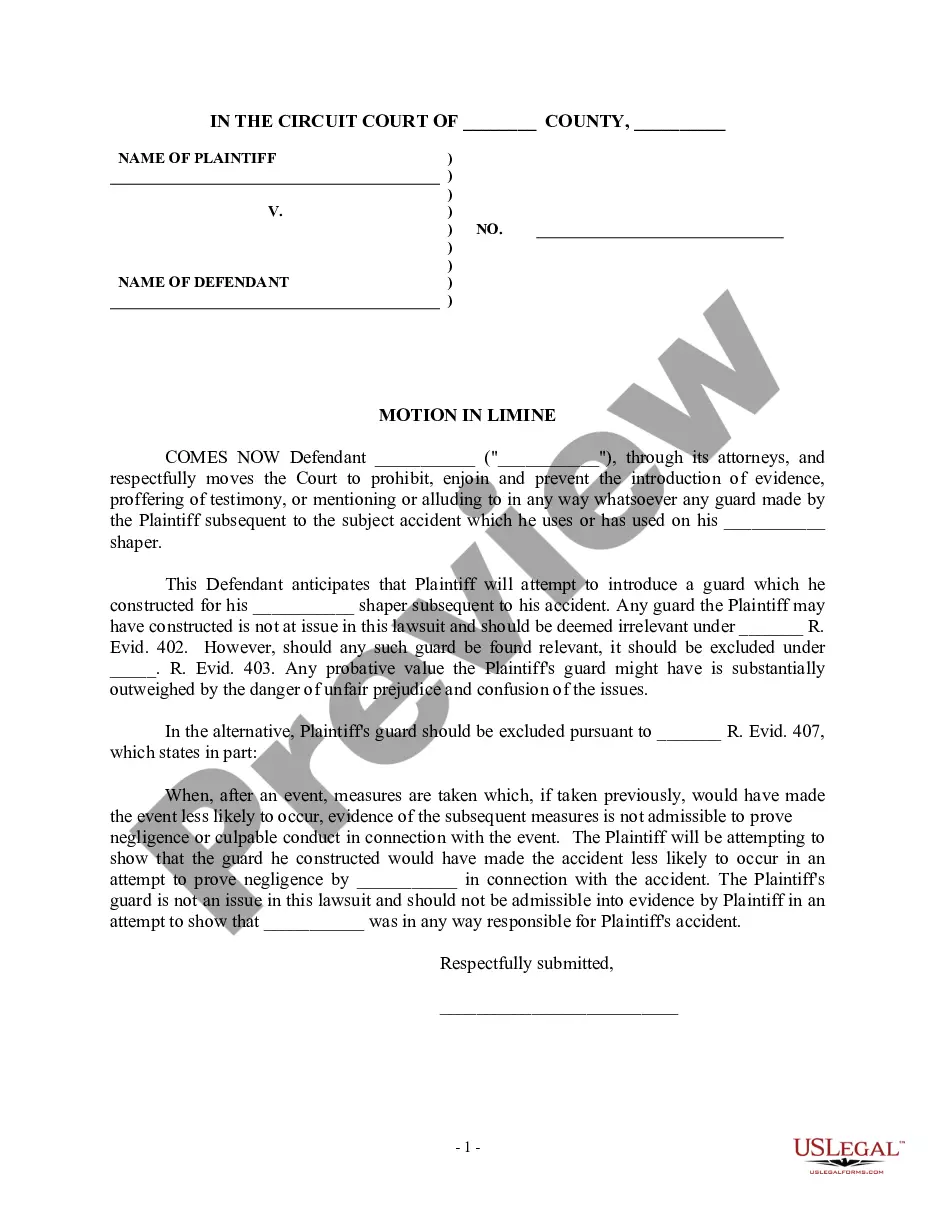
How to fill out Motion To Bar Use Of Certain Aggravating Circumstances?
You can spend numerous hours online looking for the official document format that complies with the federal and state requirements you require. US Legal Forms offers a plethora of legal forms that are reviewed by experts.
You can download or print the Minnesota Motion to Bar Use of Certain Aggravating Circumstances from the service. If you already have a US Legal Forms account, you can Log In and then click the Download button. After that, you can complete, modify, print, or sign the Minnesota Motion to Bar Use of Certain Aggravating Circumstances.
Every legal document format you acquire is yours permanently. To obtain an additional copy of any purchased form, go to the My documents tab and click the corresponding button. If you are using the US Legal Forms website for the first time, follow the simple instructions below: First, ensure that you have selected the correct document format for the county/region of your choice. Review the form description to confirm you have chosen the right form. If available, utilize the Preview button to view the document format as well.
Avoid altering or removing any HTML tags. Only synonymize plain text outside of the HTML tags.
- If you want to find another variation of the form, use the Search field to locate the format that suits your needs and requirements.
- Once you have found the format you desire, click on Get now to proceed.
- Select the pricing plan you want, enter your details, and register for a free account on US Legal Forms.
- Complete the transaction. You can use your Visa or Mastercard or PayPal account to pay for the legal form.
- Choose the format of the document and download it to your device.
- Make modifications to the document if possible. You can complete, modify, sign, and print the Minnesota Motion to Bar Use of Certain Aggravating Circumstances.
- Download and print numerous document templates using the US Legal Forms website, which provides the largest collection of legal forms. Utilize professional and state-specific templates to address your business or personal needs.
Form popularity
FAQ
Rule 6.01, subd. 4(b), reiterates that the citation must contain the statutorily required notice that failure to appear for a petty misdemeanor offense results in a conviction. As stated in the rule, the citation must direct the defendant to either appear or contact the court by a particular date.
Rule 27.03, subd. 1(B)(7) is in with Minnesota Statutes, section 244.10, subdivision 1, which requires that the court issue written findings of fact, conclusions of law and appropriate order on the issues raised at the sentencing hearing at the conclusion of the hearing or within 20 days afterwards.
In misdemeanor, gross misdemeanor, and felony cases, Rule 28 governs the procedure for appeals from the district courts to the Court of Appeals unless the defendant has been convicted of first-degree murder.
Rule 7.01Notice of Omnibus Issues (c) In misdemeanor cases, notice must be given either in writing or orally on the record in court on or before the date set for the defendant's pretrial conference, if one is scheduled, or seven days before trial if no pretrial conference is held.
Rule 7. There shall be a complaint and an answer (including such pleadings in a third-party proceeding when a third-party claim is asserted); a reply to a counterclaim denominated as such; and an answer to a cross-claim if the answer contains a cross-claim.
(a) The court must determine whether probable cause exists to believe that an offense has been committed and that the defendant committed it. (b) The prosecutor and defendant may offer evidence at the probable cause hearing.
6.01Computation Only if expressly so provided by any other rule or statute, a time period that is less than 7 days may exclude intermediate Saturdays, Sundays, and legal holidays.
Rule 29 governs the procedure in misdemeanor, gross misdemeanor, and felony cases for appeals from the Court of Appeals to the Supreme Court and from the district court to the Supreme Court if the defendant has been convicted of first-degree murder.