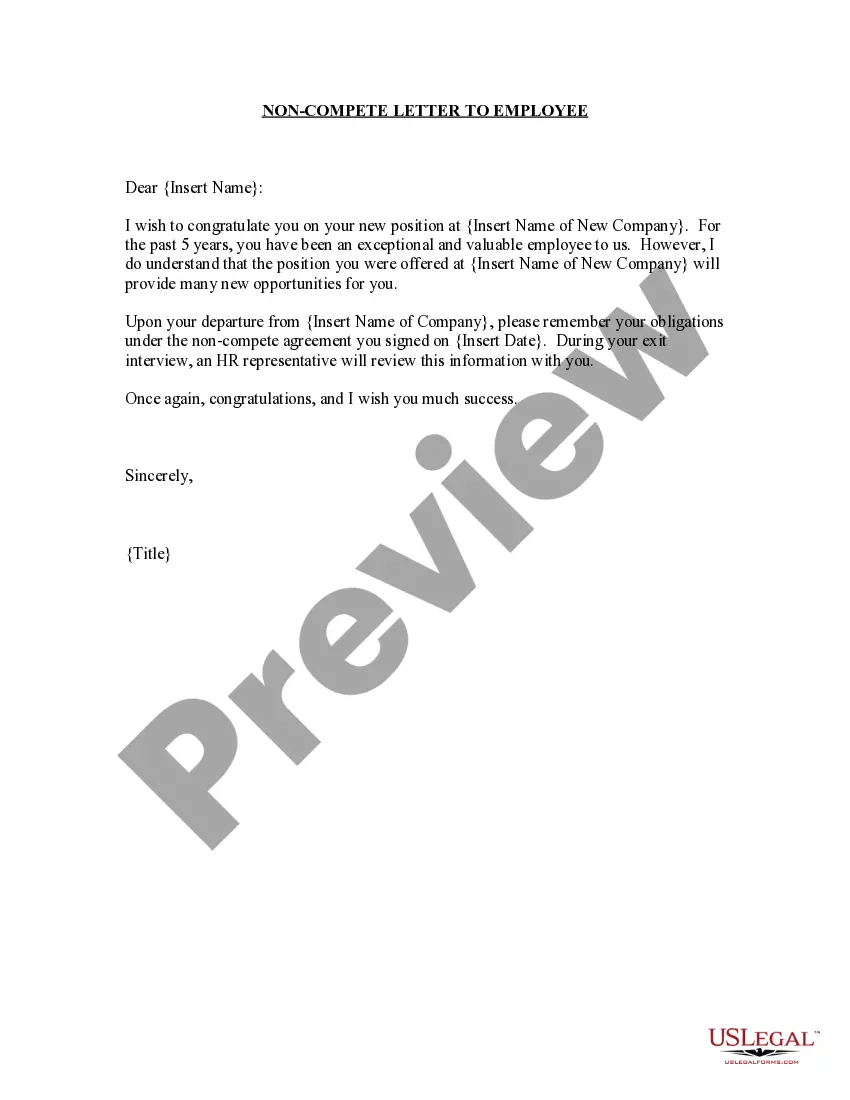
Minnesota Noncompete Letter to Departing Employee
Description
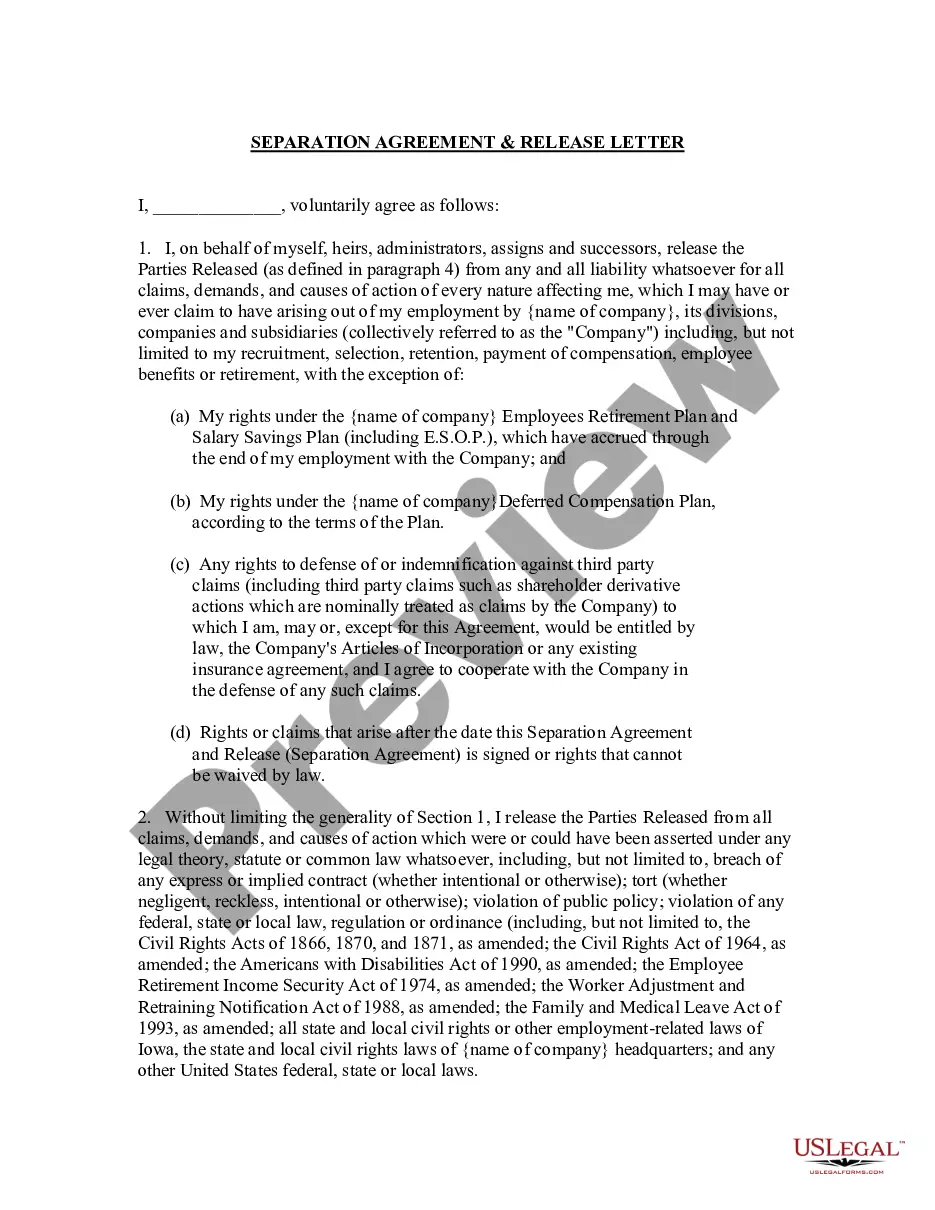
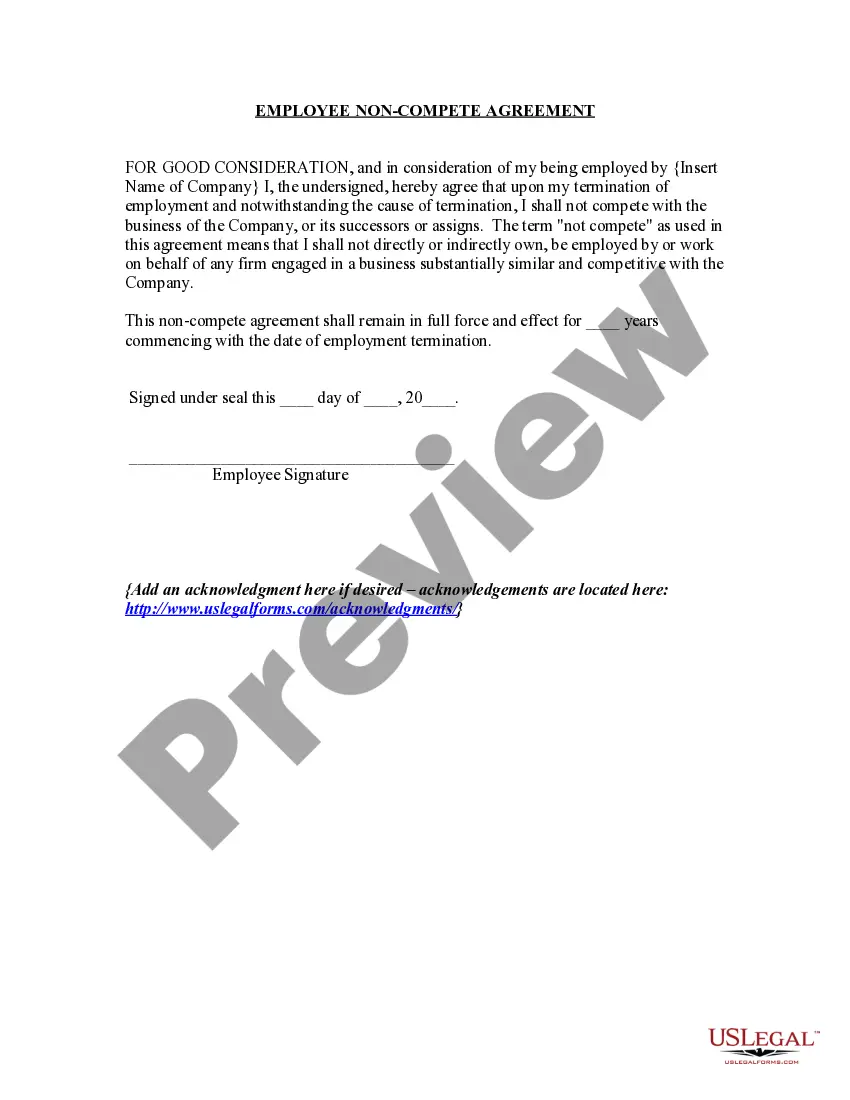
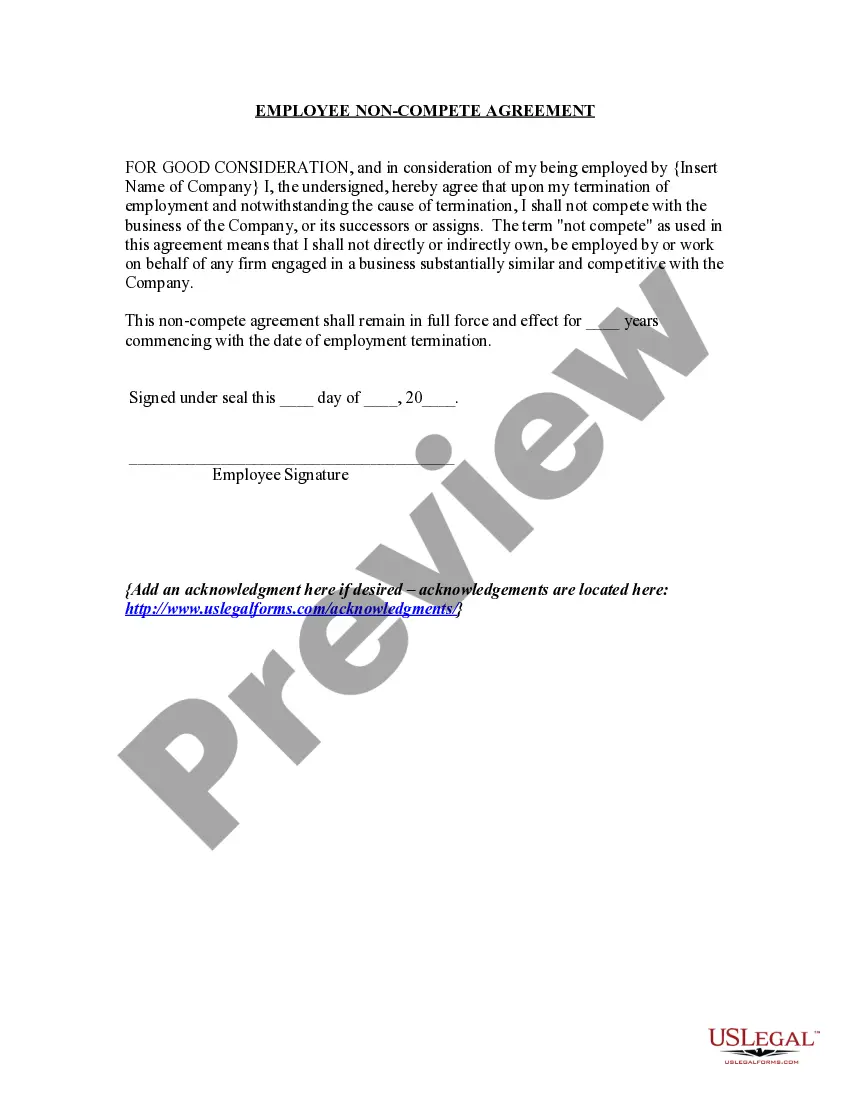
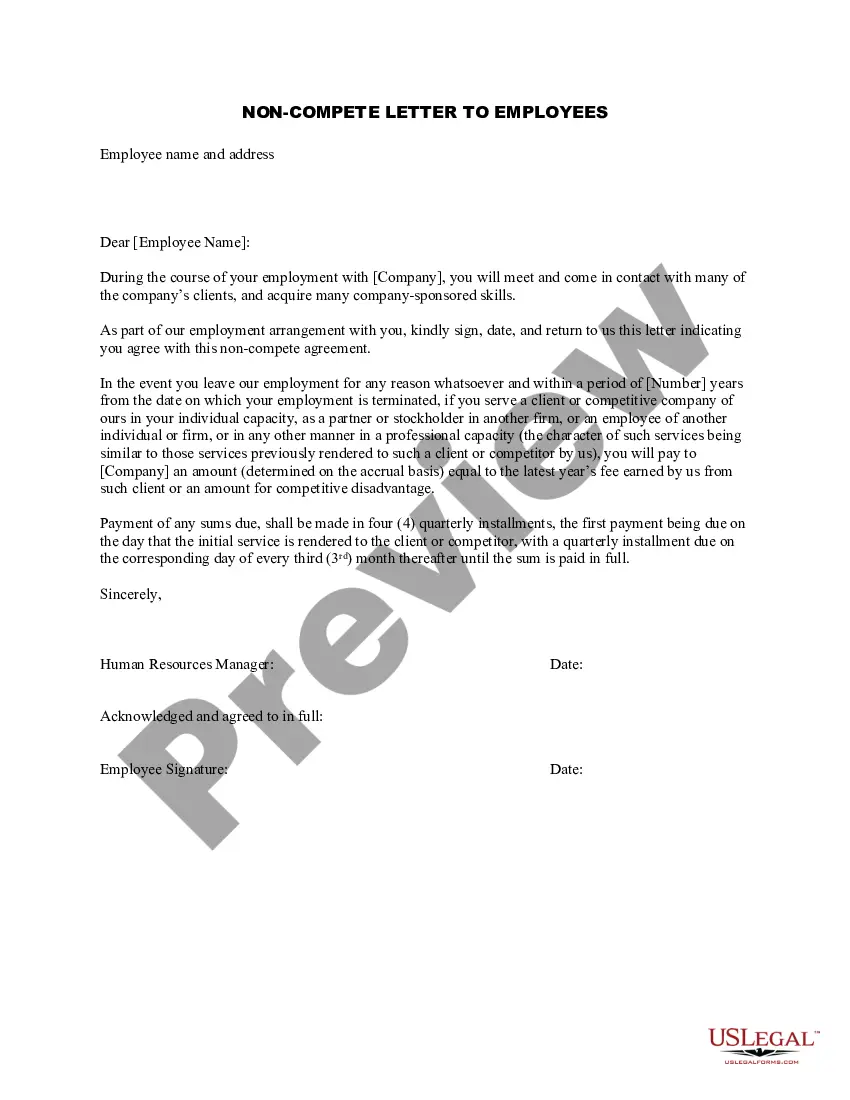
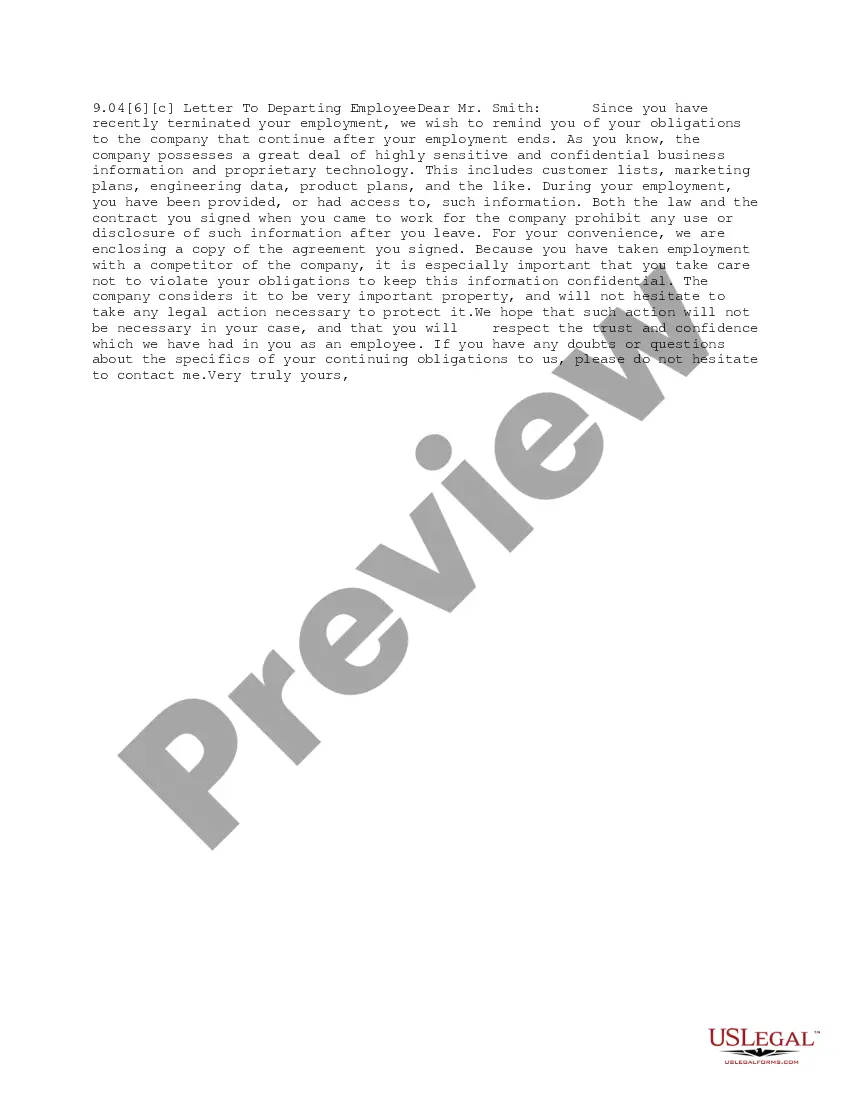
How to fill out Noncompete Letter To Departing Employee?
If you desire to complete, download, or print legal document templates, utilize US Legal Forms, the largest array of legal forms available online.
Take advantage of the site's simple and convenient search to find the documents you need.
Various templates for business and personal purposes are organized by categories and states, or keywords.
Step 4. Once you have found the form you need, choose the Purchase now option. Select your preferred pricing plan and input your information to register an account.
Step 5. Complete the transaction. You can use your credit card or PayPal account to finalize the purchase. Step 6. Choose the format of the legal form and download it to your device. Step 7. Complete, modify, and print or sign the Minnesota Noncompete Letter to Departing Employee.
- Utilize US Legal Forms to locate the Minnesota Noncompete Letter to Departing Employee in just a few clicks.
- If you are currently a US Legal Forms customer, Log In to your account and click the Download option to obtain the Minnesota Noncompete Letter to Departing Employee.
- You can also access forms you previously saved in the My documents section of your account.
- If this is your first time using US Legal Forms, follow the steps below.
- Step 1. Ensure you have selected the form for the correct city/state.
- Step 2. Use the Preview option to review the form's details. Don't forget to check the outline.
- Step 3. If you are not satisfied with the form, use the Search field at the top of the screen to find alternative versions of the legal form template.
Form popularity
FAQ
Yes. Contrary to popular opinion, non-compete agreements are enforceable under Minnesota law in many circumstances. While Minnesota courts often state that non-compete agreements are disfavored under the law and should be narrowly construed, in practice, non-compete agreements are commonly enforced in Minnesota.
Like most states, Minnesota provides some legal protection for employers who give information about employees to prospective employers who ask for a reference. As long as the employer acts in good faith and doesn't go beyond what the law allows, the employer can't be sued for defamation.
What Does an Employer Ask When Calling a Previous Employer?Employment Dates. One of the most common reasons a prospective employer calls the candidate's former employer is to verify employment dates.Salary Verification.Rehire Eligibility.Performance.Purpose of References.
Yes. Contrary to popular opinion, non-compete agreements are enforceable under Minnesota law in many circumstances. While Minnesota courts often state that non-compete agreements are disfavored under the law and should be narrowly construed, in practice, non-compete agreements are commonly enforced in Minnesota.
This may include a pay raise, new fringe benefits, additional training or a bonus. If you agreed to noncompete after your employment started and received no additional benefit, your noncompete may be invalid.
Employers are not prohibited by law from disclosing to a potential employer - who calls for a reference about a former employee - the reasons that the employee left, as long as the information they share is truthful.
Typically, employers are allowed to share general information regarding your tenure with their companiesthings like your dates of employment, job title, and responsibilities, all which serve to confirm your employment and validate the things you likely provided on your resume for potential employers.
An employer must give a truthful reason why an employee was terminated if it is requested in writing by the employee. The employee's written request must be made within 15 working days of termination. The employer has 10 working days from receipt of the request to give a truthful reason in writing for the termination.
Many people think of them as an afterthought or are convinced that it's illegal for their previous company to say anything about employees other than to confirm their dates of service and job title. In fact, companies and individuals can say anything they want to in a reference check, as long as it's true.
Typically, the only way to fight a non-compete agreement is to go to court. If you are an employee (or former employee) who signed such an agreement, this means you must violate the agreement and wait to be sued. It may be that your former employer has never sued another employee to enforce the non-compete agreement.