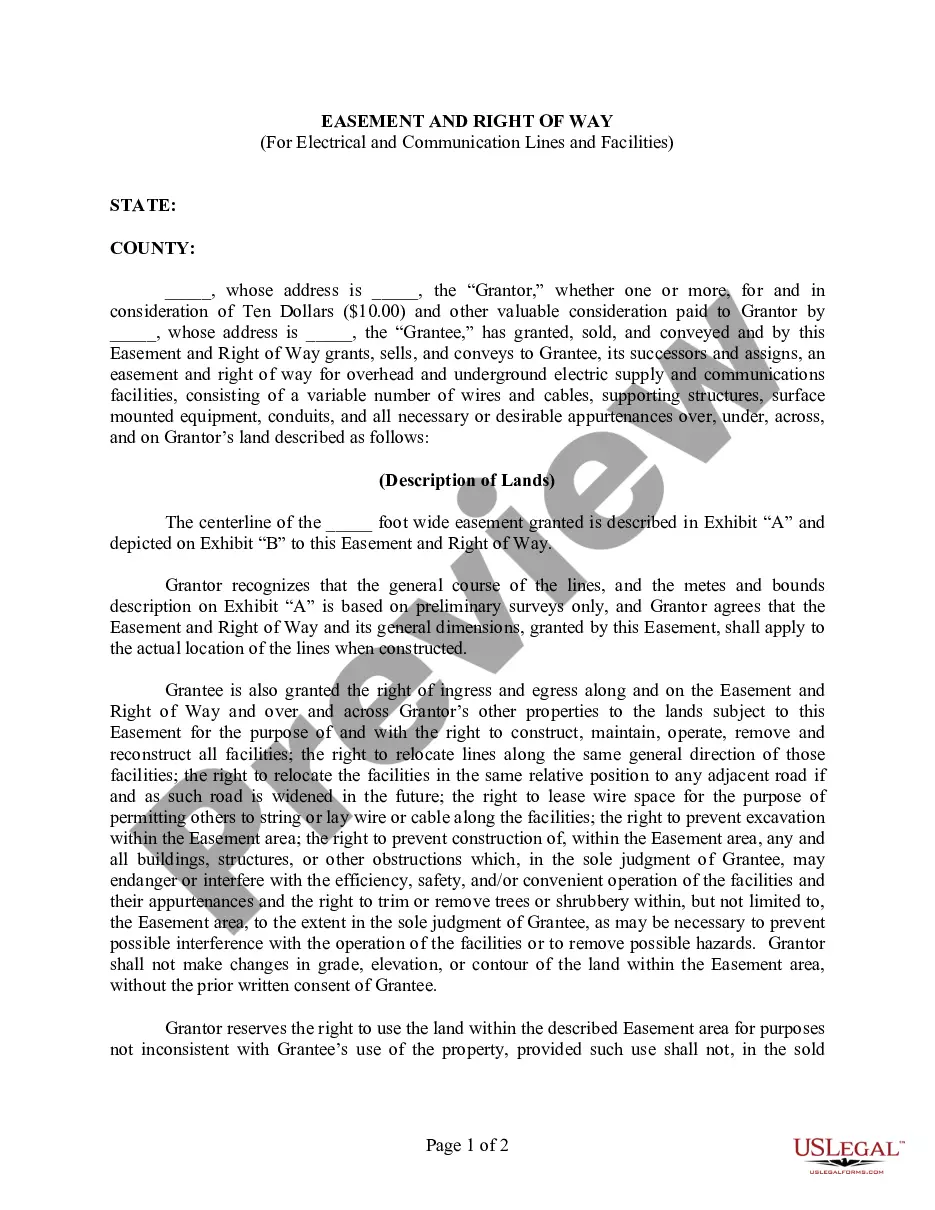
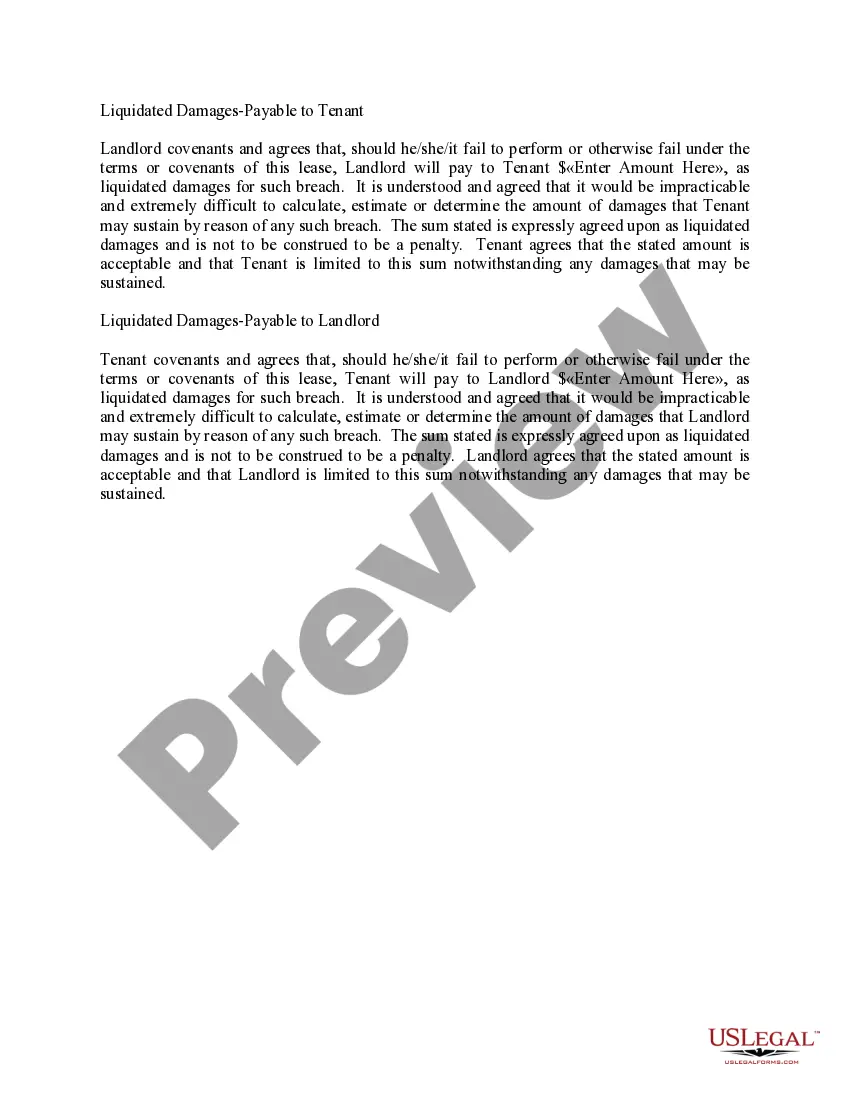
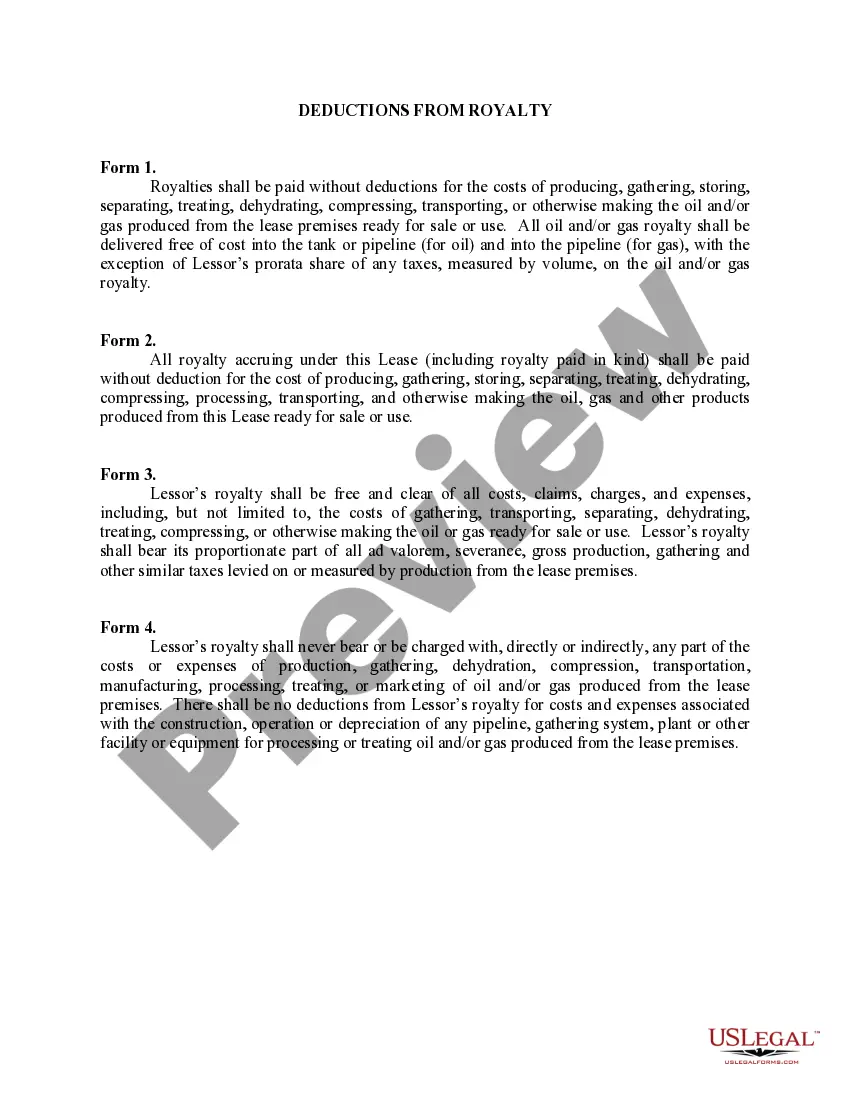
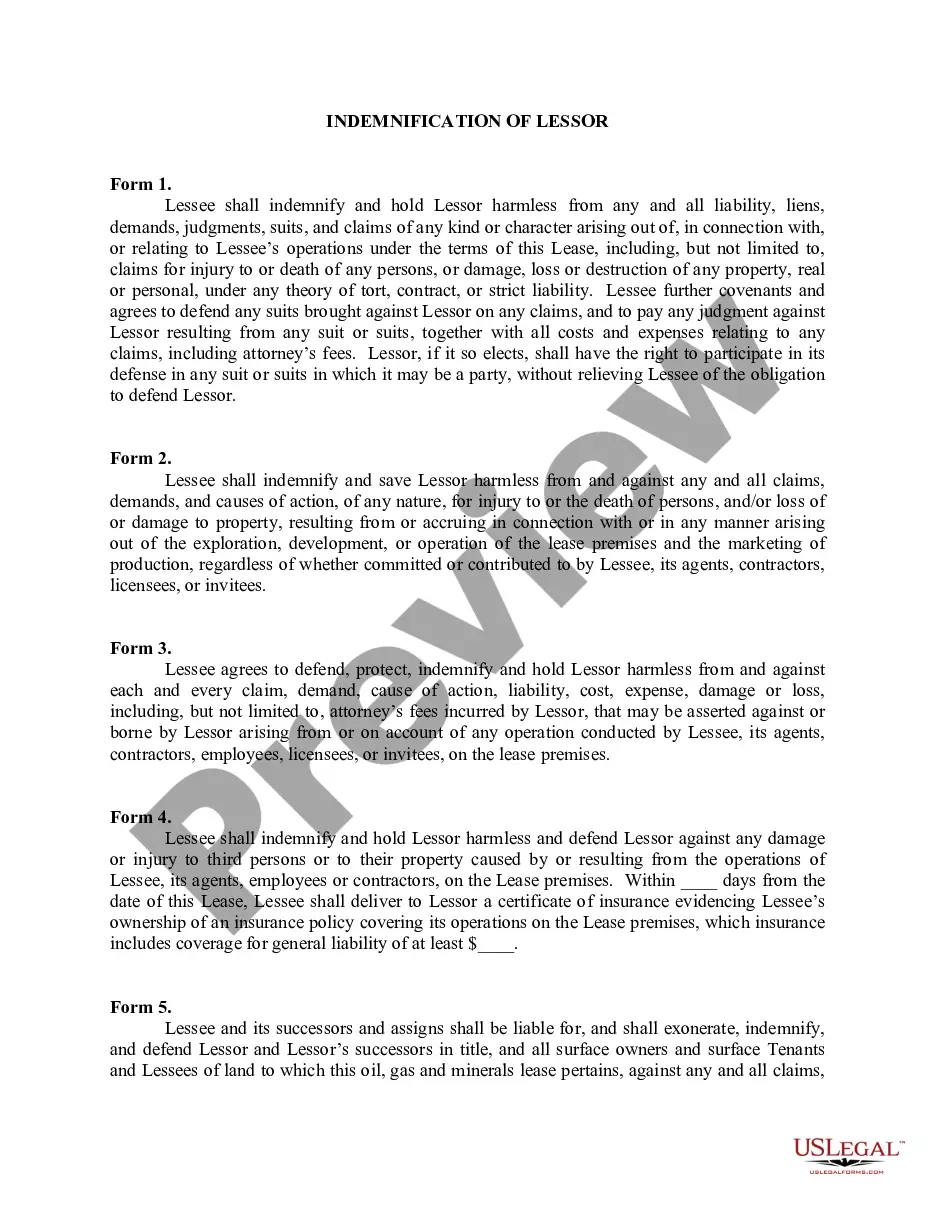
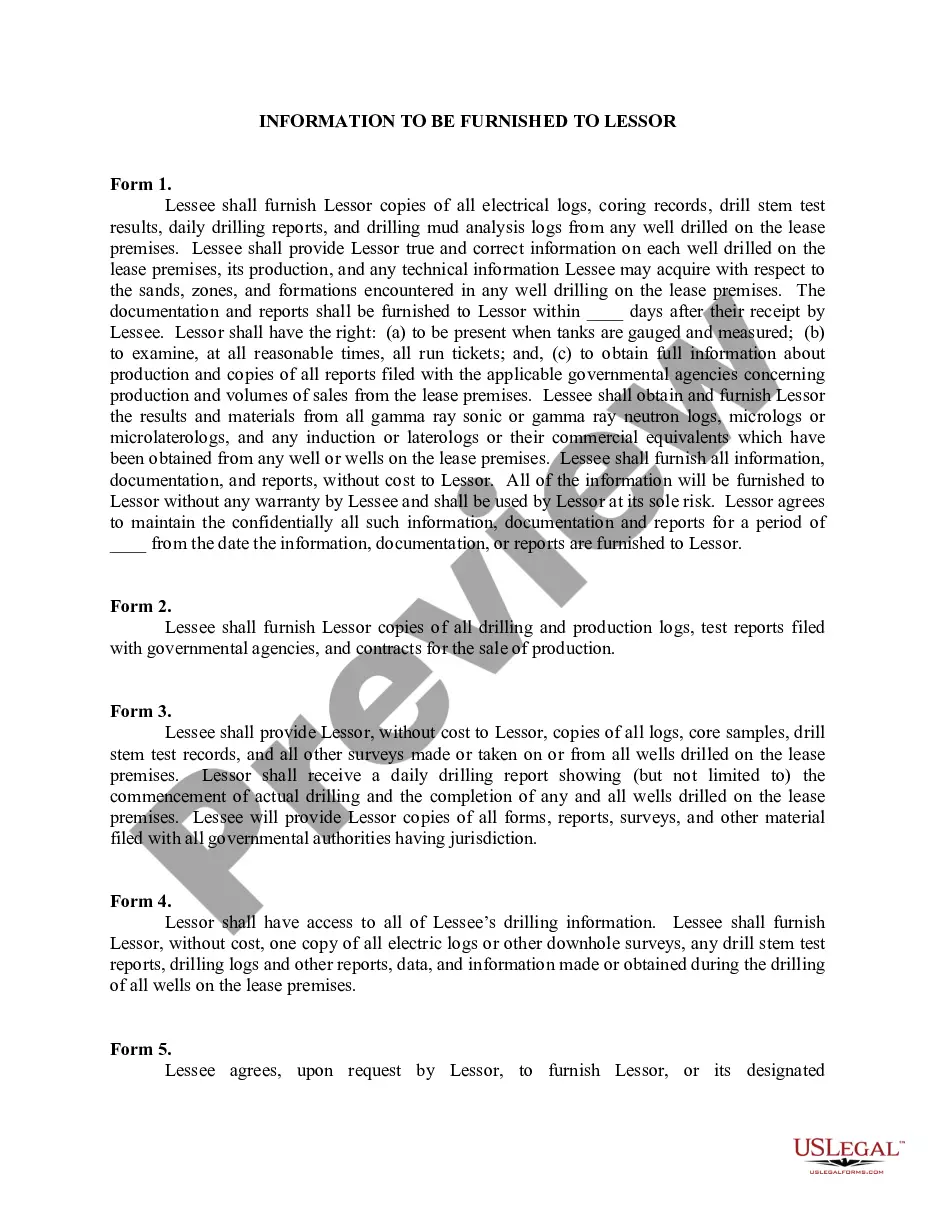
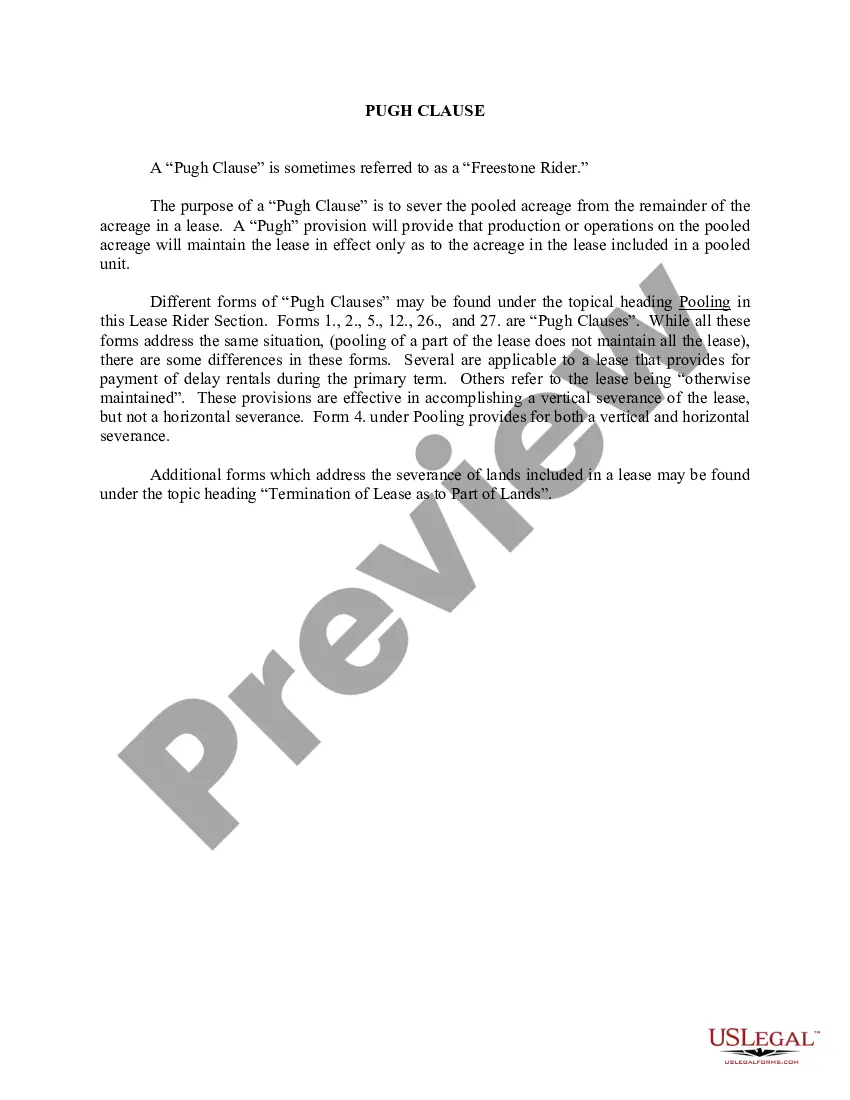
This lease rider form may be used when you are involved in a lease transaction, and you want to include additional provisions to that Lease form to address specific concerns you may have, or place limitations on the rights granted the Lessee in the standard lease form.
Minnesota Litigation Costs Clause for Lease
Category:
State:
Multi-State
Control #:
US-OG-804
Format:
Word;
Rich Text
Instant download
Description
How to fill out Litigation Costs Clause For Lease?
Are you currently in a circumstance where you require files for either organizational or personal purposes almost every time.
There are numerous legal document templates available online, but locating ones you can rely on isn't easy.
US Legal Forms offers thousands of form templates, such as the Minnesota Litigation Costs Clause for Lease, which are designed to comply with federal and state requirements.
Once you find the right form, click Get now.
Choose the pricing plan you want, fill in the required information to create your account, and purchase your order using your PayPal or Visa or Mastercard.
- If you are currently familiar with the US Legal Forms website and have an account, simply Log In.
- Then, you can download the Minnesota Litigation Costs Clause for Lease template.
- If you do not have an account and wish to start using US Legal Forms, follow these steps.
- Select the form you need and ensure it is for the correct area/region.
- Use the Preview option to review the form.
- Read the description to ensure you have selected the correct form.
- If the form isn't what you're looking for, use the Search field to find the form that meets your needs.
Form popularity
FAQ
Having a lawyer review a lease agreement is highly advisable for both landlords and tenants. A legal professional can identify potential issues, including the Minnesota Litigation Costs Clause for Lease, which may impact your rights and obligations. Their expertise helps ensure that your lease is fair and legally binding. By engaging a lawyer, you can approach your lease with confidence, knowing you have taken the necessary steps to protect your interests.
Minnesota's statute 504b primarily addresses essential areas of landlord-tenant relationships. It applies to lease agreements, eviction processes, security deposits, and tenant rights regarding repairs and maintenance. This statute is crucial for ensuring that all parties involved understand their responsibilities and rights. Incorporating elements such as the Minnesota Litigation Costs Clause for Lease can further clarify the financial obligations of landlords and tenants in disputes.
In Alaska, landlords must adhere to specific legal guidelines to ensure tenant rights are protected. Landlords cannot retaliate against tenants for exercising their legal rights, such as reporting unsafe living conditions. Additionally, they cannot enter a rental unit without proper notice, which is typically 24 hours. Understanding these rules, along with provisions like the Minnesota Litigation Costs Clause for Lease, ensures that both landlords and tenants maintain a fair rental relationship.
When reviewing a lease agreement, be on the lookout for vague language or ambiguous terms, which can lead to misunderstandings. Additionally, excessive fees or unclear penalty clauses are significant red flags, as they may indicate unfavorable Minnesota Litigation Costs Clause for Lease implications. Always check for clauses that limit your rights or impose unreasonable restrictions. By using resources like US Legal Forms, you can find clear, reliable templates to help you identify and address these concerns effectively.
Rule 54.04 in Minnesota pertains to the allocation of litigation costs in lease disputes. This rule allows the prevailing party to recover certain litigation expenses, which may include attorney fees, if a Minnesota Litigation Costs Clause for Lease is included in the agreement. It ensures that landlords or tenants who win their cases can seek reimbursement for their legal costs, fostering a fairer legal environment. Understanding this rule can help both parties negotiate better lease terms.
The most important clause to landlords is the duty of the tenant to pay the rent in full and on time. This includes the right to charge a fee for damages if payment is late. Other important clauses grant the landlord the right to enforce the rules and regulations written into the lease.
Here are some of the most important items to cover in your lease or rental agreement.Names of all tenants.Limits on occupancy.Term of the tenancy.Rent.Deposits and fees.Repairs and maintenance.Entry to rental property.Restrictions on tenant illegal activity.More items...?
These are eight clauses that a landlord should include in a lease agreement in California:Security Deposits.Specific Payment Requirements.Late Rent Fees.Rent Increases.Notice of Entry.Rental Agreement Disclosures.Gas and Electricity Disclosure.Recreational Marijuana and Rentals.
Here are seven essential clauses to include in your lease agreement.Identify Landlord and Tenants.Identify Property.Rental Term.Rent Amount and Due Date.Security Deposit Terms.Tenant Responsibilities.Landlord and Tenant Signatures.23-Apr-2019
Essential Lease Clauses In Your California Rental AgreementRental Agreement vs. Lease.Ownership of Inhabitancy.Mode of Communication.Description of Rental Property.Rent.Deposits & Fees.Repairs and Maintenance.Restricting tenant's illegal activities.More items...?