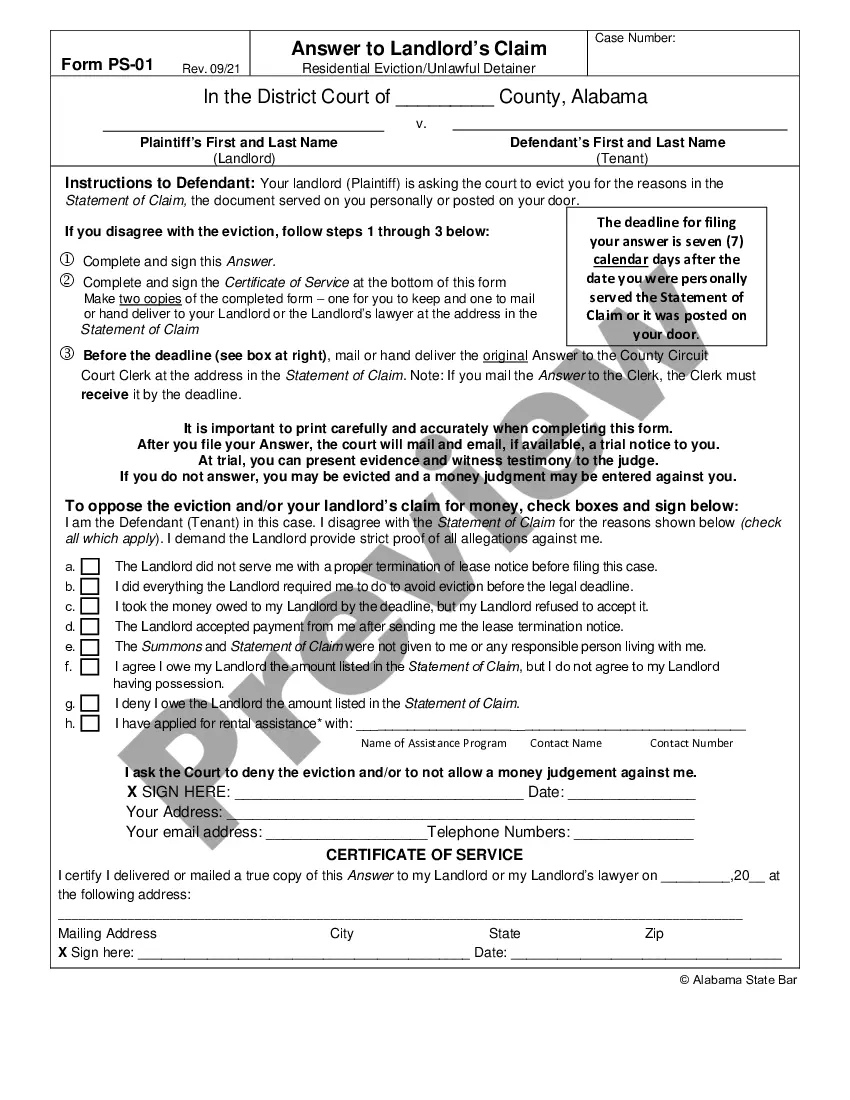
The Missouri Opioid Fact Sheet is a resource provided by the Missouri Department of Mental Health that provides detailed and up-to-date information on the state’s opioid crisis. It includes information on opioid misuse, opioid-related deaths, and opioid prescribing in Missouri. The Fact Sheet also includes a section on opioid-related resources, such as treatment and recovery support services, and information on overdose prevention strategies. The Fact Sheet is available in both PDF and PowerPoint formats. The Missouri Opioid Fact Sheet is divided into two categories: 1. Missouri Opioid Misuse and Overdose Prevention Fact Sheet: This version of the Fact Sheet provides a comprehensive overview of the opioid crisis in the state of Missouri, including statistics on opioid misuse, opioid-related deaths, opioid prescribing, and overdose prevention strategies. 2. Missouri Opioid Treatment and Recovery Support Services Fact Sheet: This version of the Fact Sheet provides detailed information on treatment and recovery support services in Missouri, including a list of available services, a map of service locations, and contact information for providers.
Missouri Opioid Fact Sheet
Description
Get your form ready online
Our built-in tools help you complete, sign, share, and store your documents in one place.
Make edits, fill in missing information, and update formatting in US Legal Forms—just like you would in MS Word.
Download a copy, print it, send it by email, or mail it via USPS—whatever works best for your next step.
Sign and collect signatures with our SignNow integration. Send to multiple recipients, set reminders, and more. Go Premium to unlock E-Sign.
If this form requires notarization, complete it online through a secure video call—no need to meet a notary in person or wait for an appointment.
We protect your documents and personal data by following strict security and privacy standards.

Make edits, fill in missing information, and update formatting in US Legal Forms—just like you would in MS Word.

Download a copy, print it, send it by email, or mail it via USPS—whatever works best for your next step.

Sign and collect signatures with our SignNow integration. Send to multiple recipients, set reminders, and more. Go Premium to unlock E-Sign.

If this form requires notarization, complete it online through a secure video call—no need to meet a notary in person or wait for an appointment.

We protect your documents and personal data by following strict security and privacy standards.
Looking for another form?
How to fill out Missouri Opioid Fact Sheet?
How much duration and resources do you typically allocate for drafting official documents.
There’s a better approach to obtain such forms than employing legal professionals or squandering hours browsing the internet for an appropriate template.
If not, continue to the next steps.
Click Buy now once you locate the appropriate blank. Choose the subscription plan that best fits your needs to gain full access to our library’s services.
- US Legal Forms is the leading online repository that provides expertly crafted and validated state-specific legal documents for any purpose, such as the Missouri Opioid Fact Sheet.
- To obtain and prepare a fitting Missouri Opioid Fact Sheet template, follow these straightforward steps.
- Review the form content to confirm it satisfies your state criteria.
- To do so, examine the form description or utilize the Preview option.
- If your legal template doesn’t fulfill your requirements, search for another one using the search bar at the top of the page.
- If you already possess an account with us, Log In and download the Missouri Opioid Fact Sheet.
Form popularity
FAQ
In 2012, synthetic opioids were involved in 6 percent of 41,502 overdose deaths. That figure quickly climbed to 18 percent of 52,404 deaths in 2015, 51 percent of 70,630 deaths in 2019, and then 66 percent of 106,699 deaths in 2021.
Drug Overdose Mortality by State LocationDeath Rate (Click for Rankings)DeathsMichigan31.53,089Minnesota24.51,356Mississippi28.4787Missouri36.52,15546 more rows
West Virginia has the highest drug overdose death rate of any state, ing to the most recent data available from the CDC.
Top Local Drug Threat Missouri Department of Health and Senior Services reported over 2,000 drug-related overdose deaths occurred in the state in 2021. Around 70% of these deaths were caused by synthetic opioids (non-heroin opioids ing to the graph) like illicit fentanyl.
Missouri launches dashboard displaying opioid overdose related data. JEFFERSON CITY, MO ? With 1,878 deaths, 2020 had the highest number of fatal drug overdoses to date in the state of Missouri ? a 19% increase from 2019. 1,375 of these deaths involved opioids.
The Department of Social Services (DSS) is dedicated to fighting this epidemic and is supporting the needs and protecting the health and safety of Missouri children and adults. Department of Social Services offices will be equipped with Naloxone and trained to use it for emergency treatment of an opioid overdose.
The latest federal data show more than 109,000 drug deaths in 2022, many from fentanyl. Drug deaths nationwide hit a new record in 2022. 109,680 people died as the fentanyl crisis continued to deepen, ing to preliminary data released by the Centers for Disease Control and Prevention.
Most people blame the epidemic on pharmaceutical companies and illegal drug dealers, though many also place blame on users themselves, as well as on doctors and the FDA. Most Americans agree that there is currently an opioid epidemic in the United States, which many describe as part of a larger mental health crisis.