If you are planning on buying a home, condominium, townhouse, or other property, you must take note of whether any restrictive covenants will affect your ability to use your new residence.
Missouri Agreement Creating Restrictive Covenants
Instant download
Description
Free preview
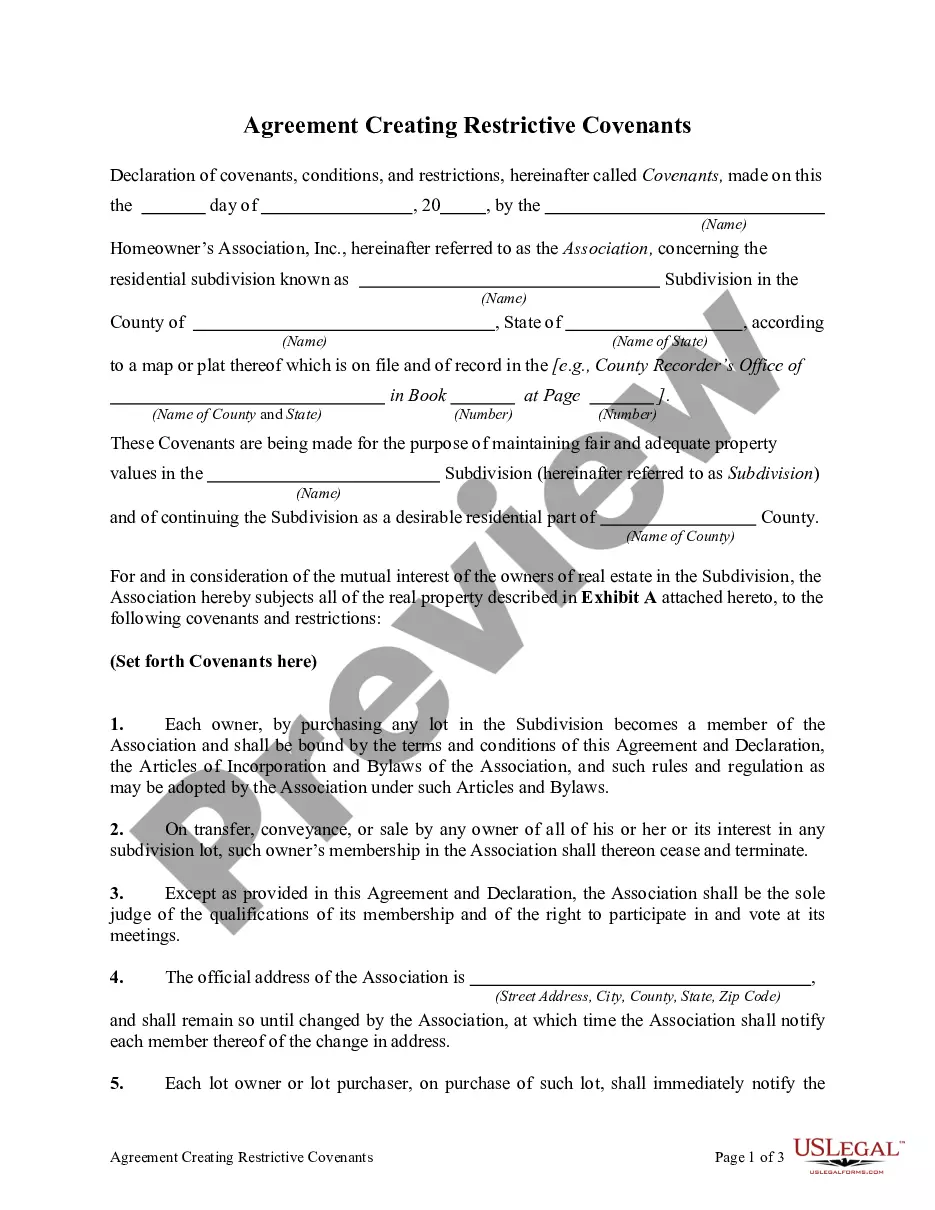
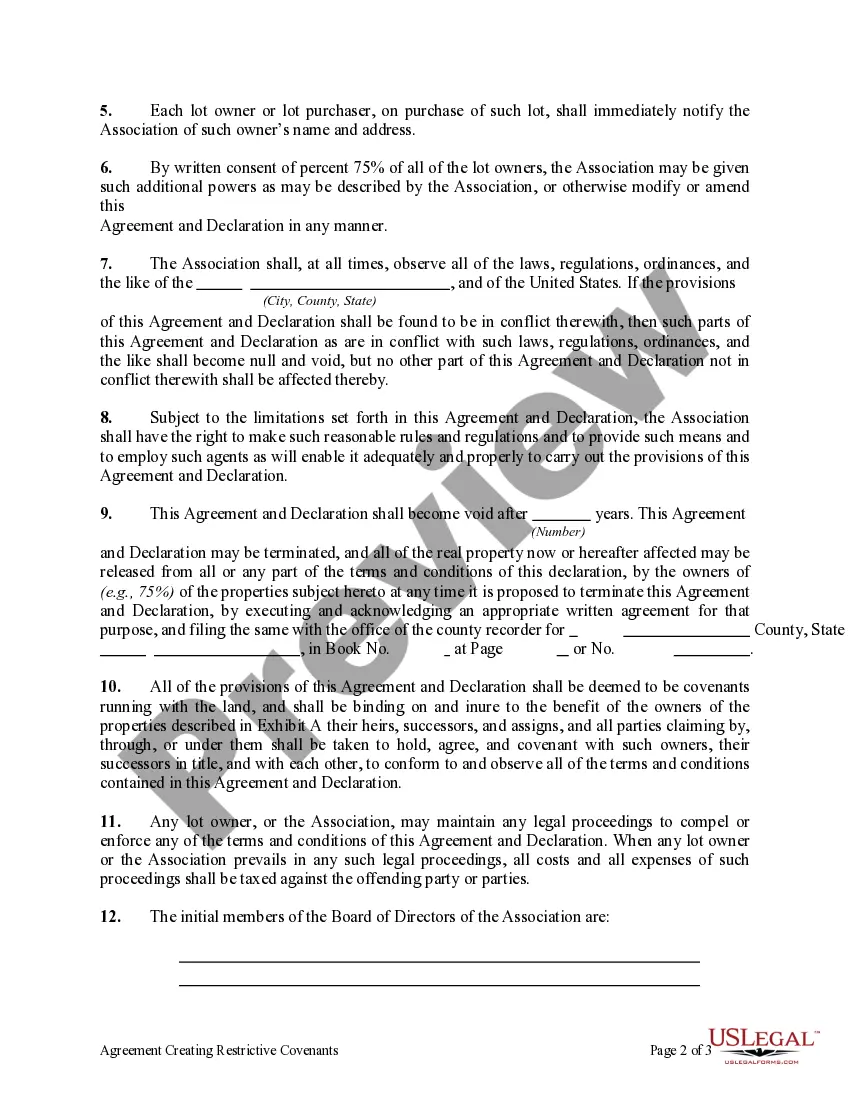
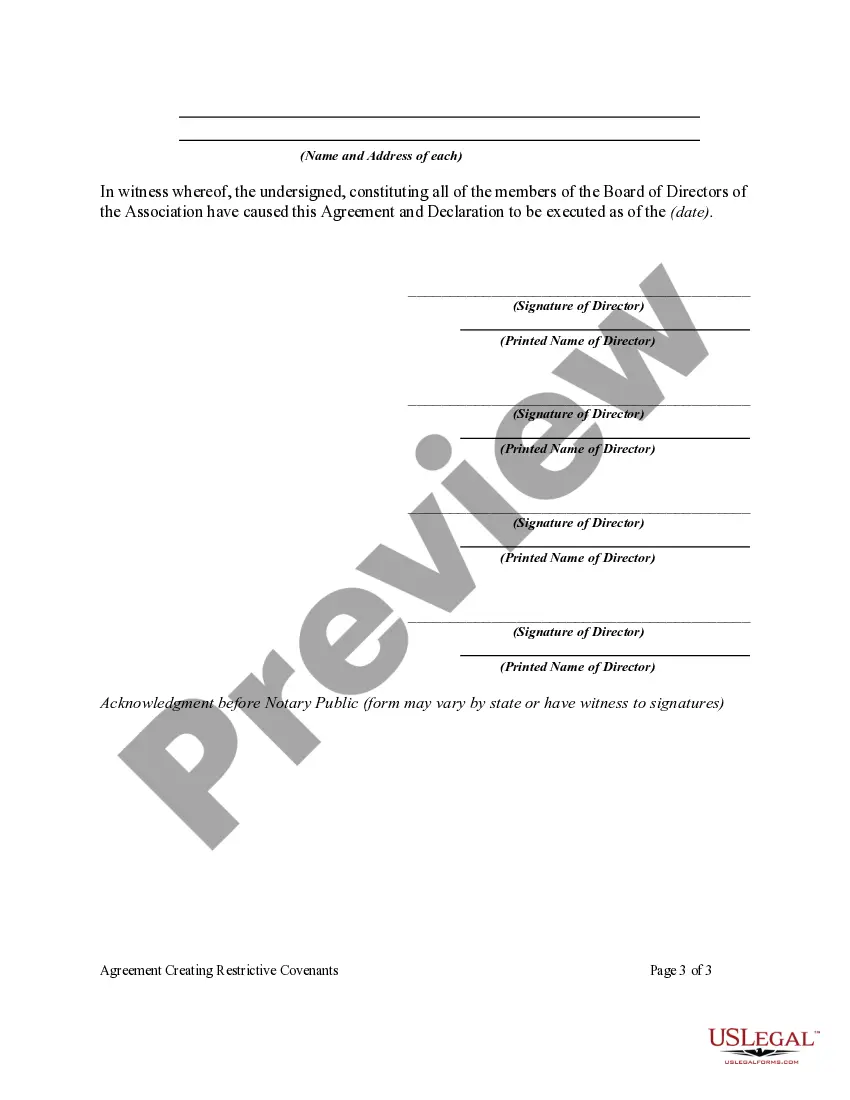

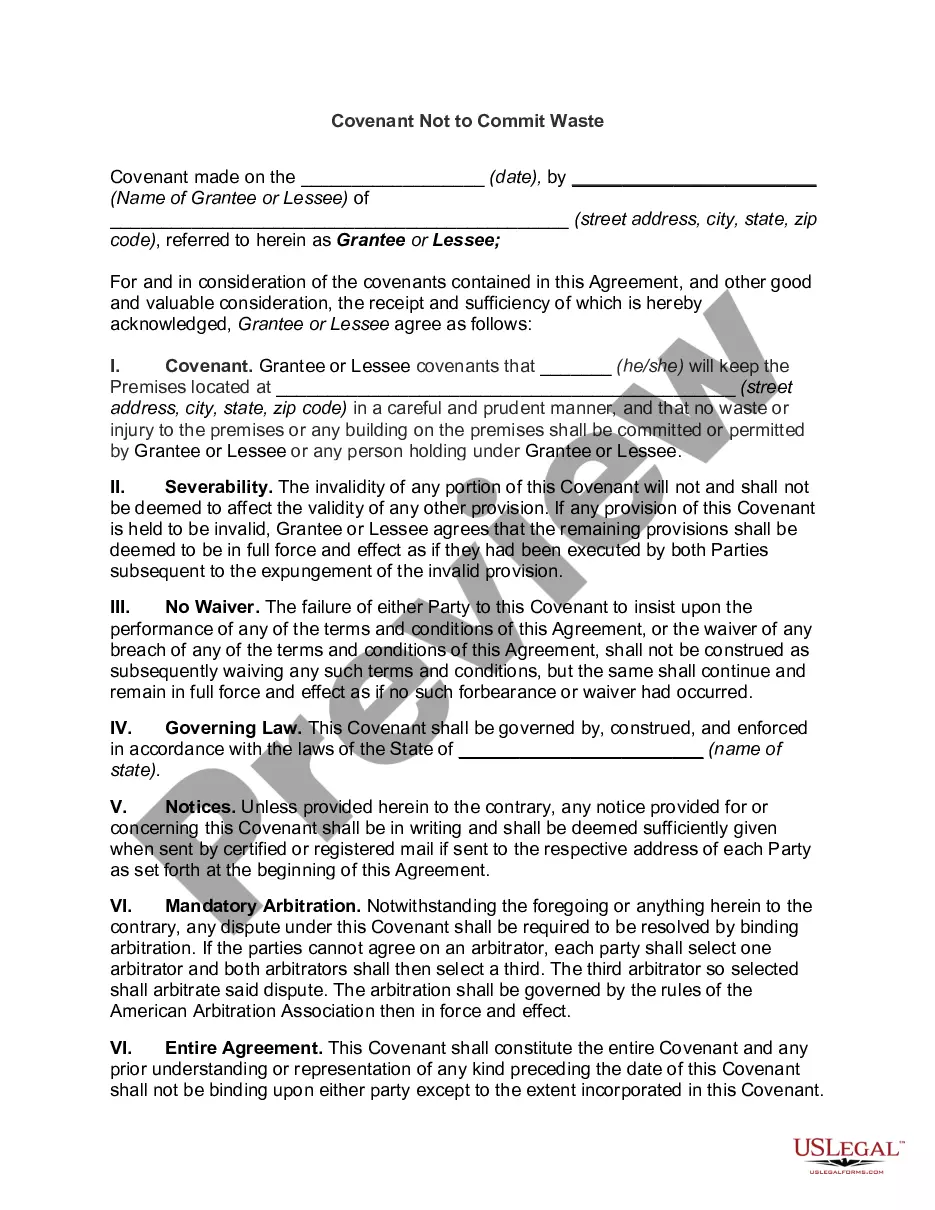
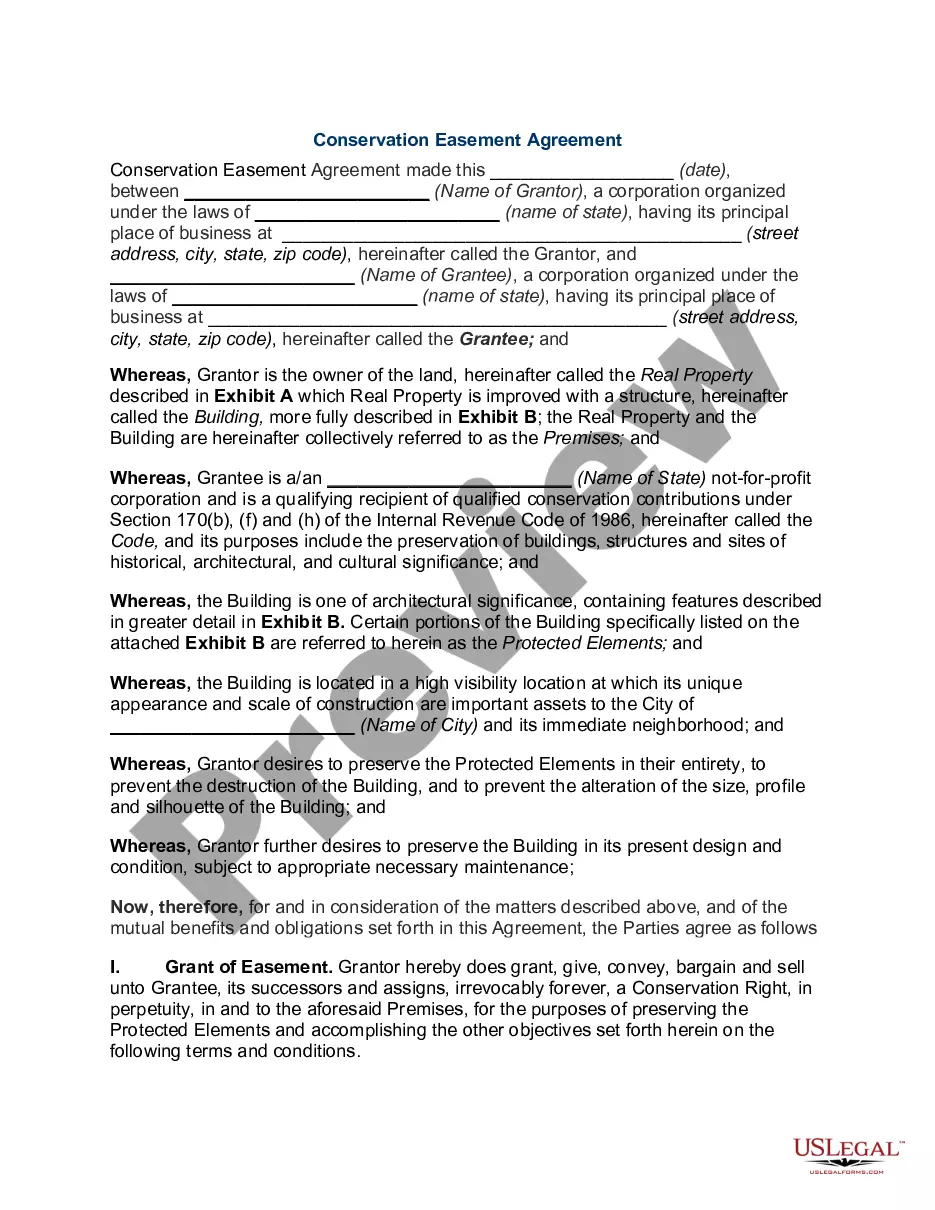
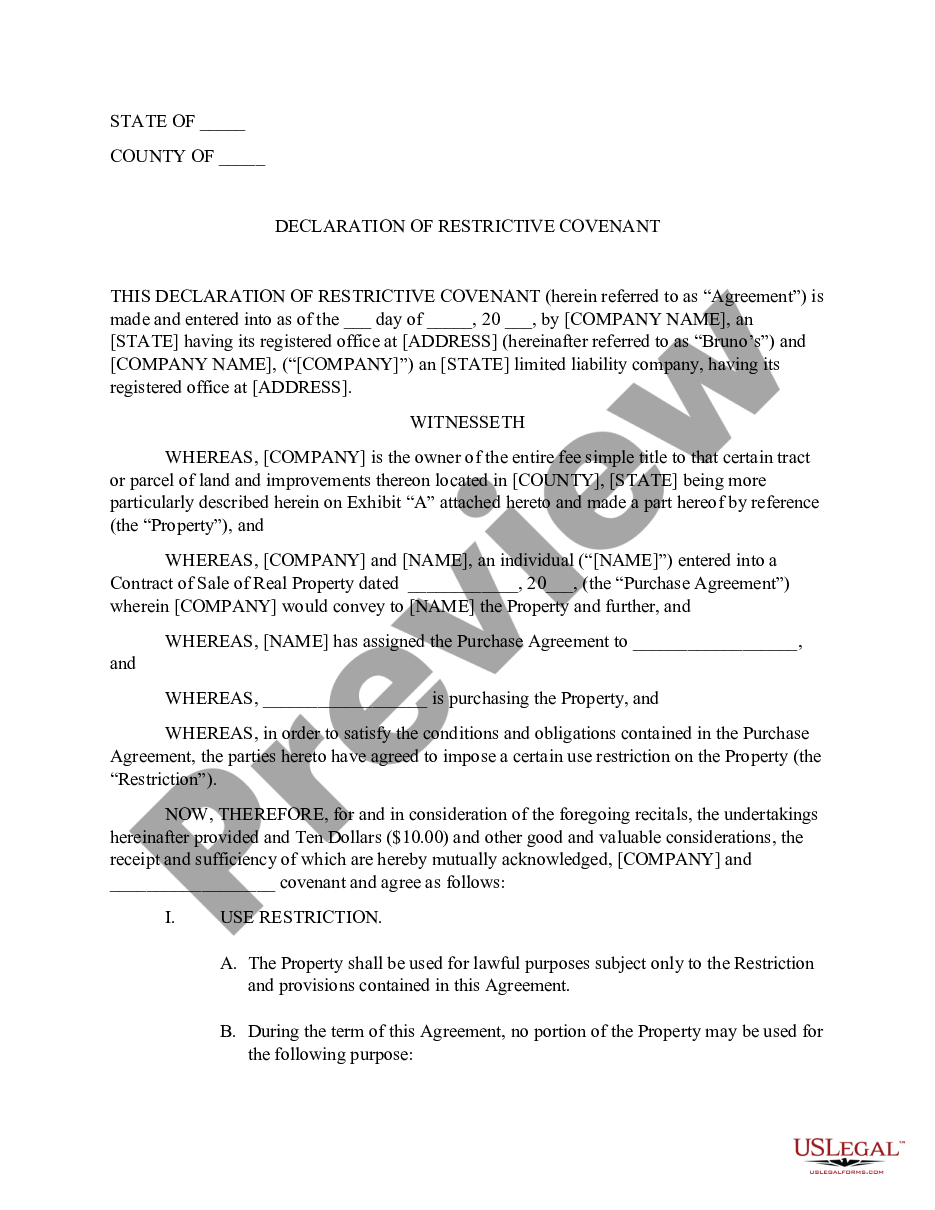
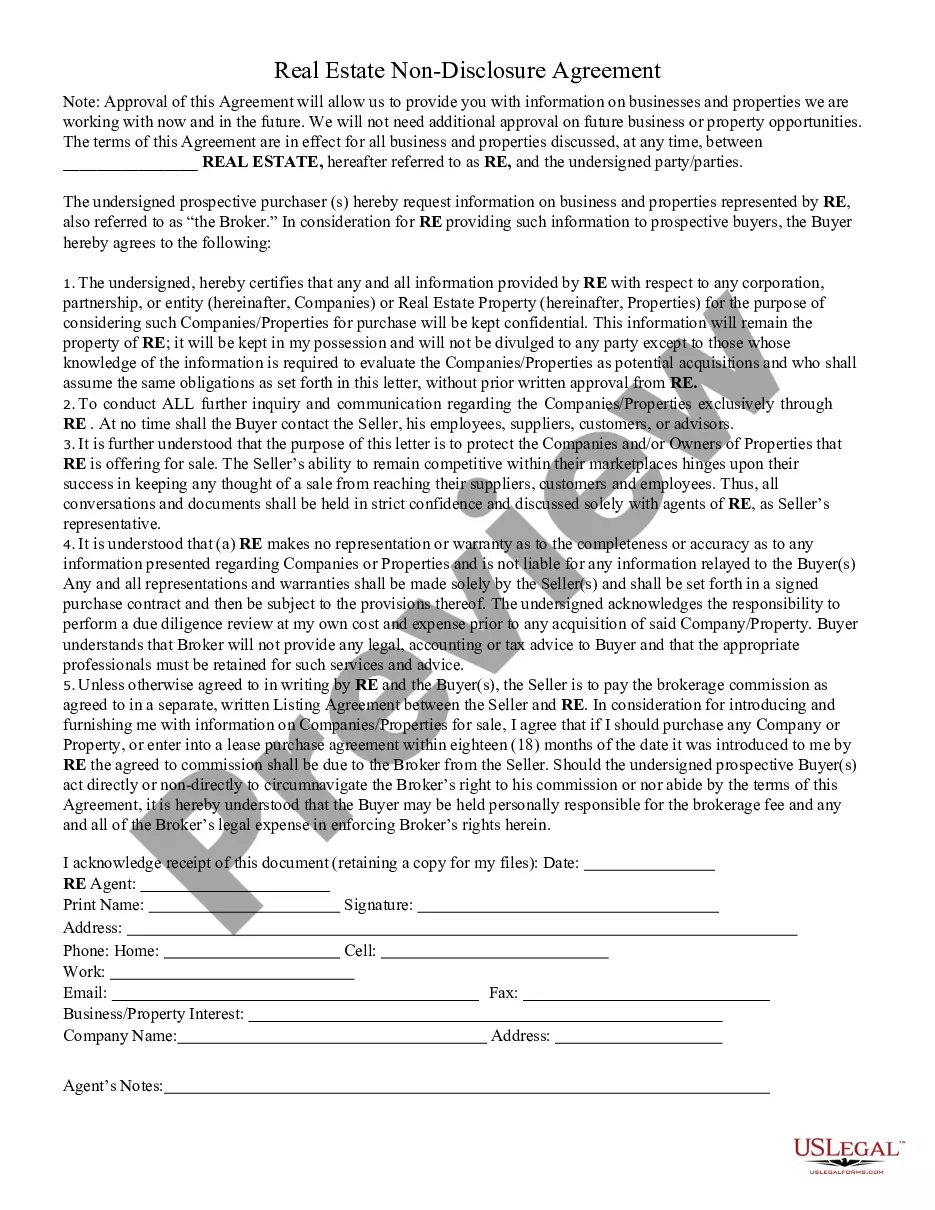
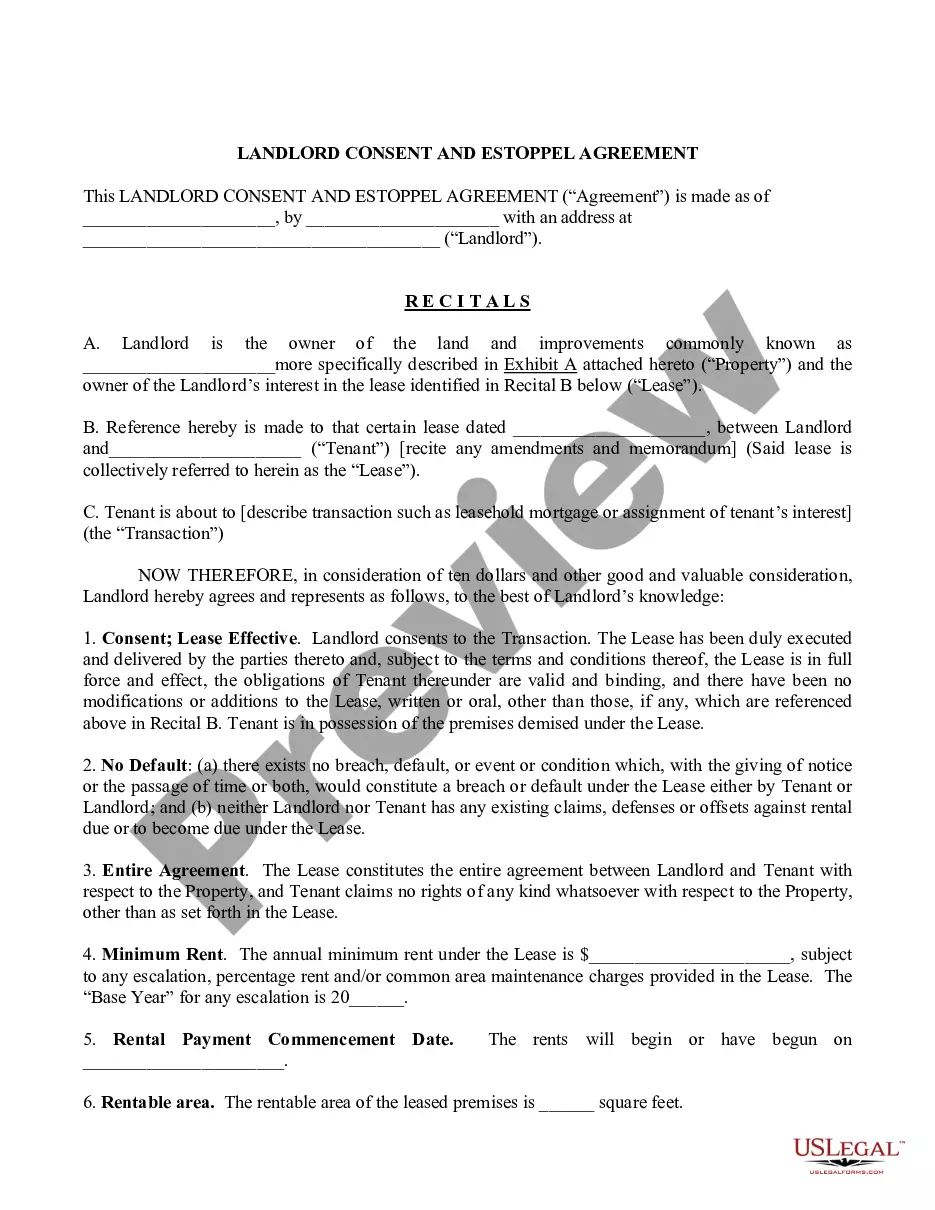
How to fill out Agreement Creating Restrictive Covenants?
If you need to total, download, or print sanctioned document templates, utilize US Legal Forms, the premier selection of legal forms available online.
Take advantage of the site’s straightforward and user-friendly search to find the documents you need.
Numerous templates for business and personal purposes are organized by categories and states, or keywords.
Step 4. Once you have found the form you need, select the Purchase now option. Choose the payment plan you prefer and enter your information to register for the account.
Step 5. Complete the transaction. You can use your Visa or Mastercard or PayPal account to finalize the transaction.
- Use US Legal Forms to obtain the Missouri Agreement Creating Restrictive Covenants in just a few clicks.
- If you are already a US Legal Forms user, Log In to your account and click the Download button to get the Missouri Agreement Creating Restrictive Covenants.
- You can also access forms you previously downloaded from the My documents tab in your account.
- If this is your first time using US Legal Forms, follow the instructions below.
- Step 1. Ensure you have selected the form for your correct region/country.
- Step 2. Use the Review option to examine the form’s contents. Be sure to read the overview.
- Step 3. If you are not satisfied with the form, use the Search field at the top of the screen to find other versions of the legal form template.
Form popularity
FAQ
Another way to defeat a non-compete contract is to show that your employer has behaved illegally or unethically towards their clients. In general, an employer will not want these matters raised in a court case, so they may void your non-compete agreement if you have proof of these behaviors.
If the restrictive covenant is in respect of a flat, you generally have the right under the terms of the lease to ask the landlord to enforce covenants against other flat owners. If you own the benefit of a restrictive covenant, then you can bring legal action yourself to enforce it.
In balancing these competing interests, Missouri courts generally enforce a non-compete agreement if it is demonstratively reasonable under the circumstances.
On , Missouri lawmakers passed Senate Bill (SB) 103, limiting the time and scope of covenants between a business entity and an ?owner? in which the owner promises not to solicit or interfere with the business's employees and customers after the owner's relationship with the business ends.
Protectable Interests Under Missouri Non-Compete Law A non-compete is valid and enforceable only to the extent necessary to protect trade secrets and customer contacts.
Restrictive covenants in the labor and employment context are agreements between an employer and employee that restrict the activities of an employee following a separation of employment.
To be enforceable, the restrictive covenant must define reasonable limits, either ing to a period of time, geographical area, or type of work. In some states, such as California, there are specific laws that make non-solicitation agreements unenforceable unless they are introduced to protect trade secrets.
Four states?California, Minnesota, North Dakota and Oklahoma?have banned noncompete agreements entirely, and many other states have enacted restrictions, such as setting a compensation threshold or requiring advance notice.