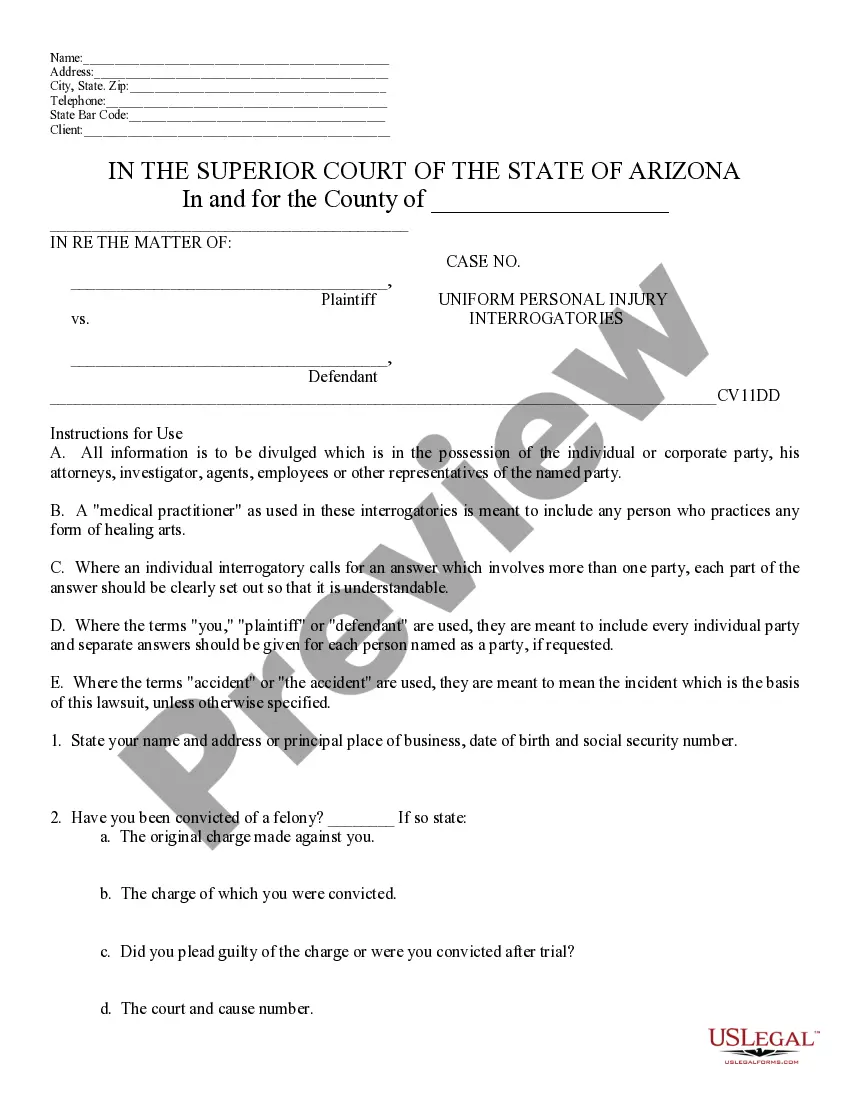
Mississippi Option to Purchase Stock - Short
Description
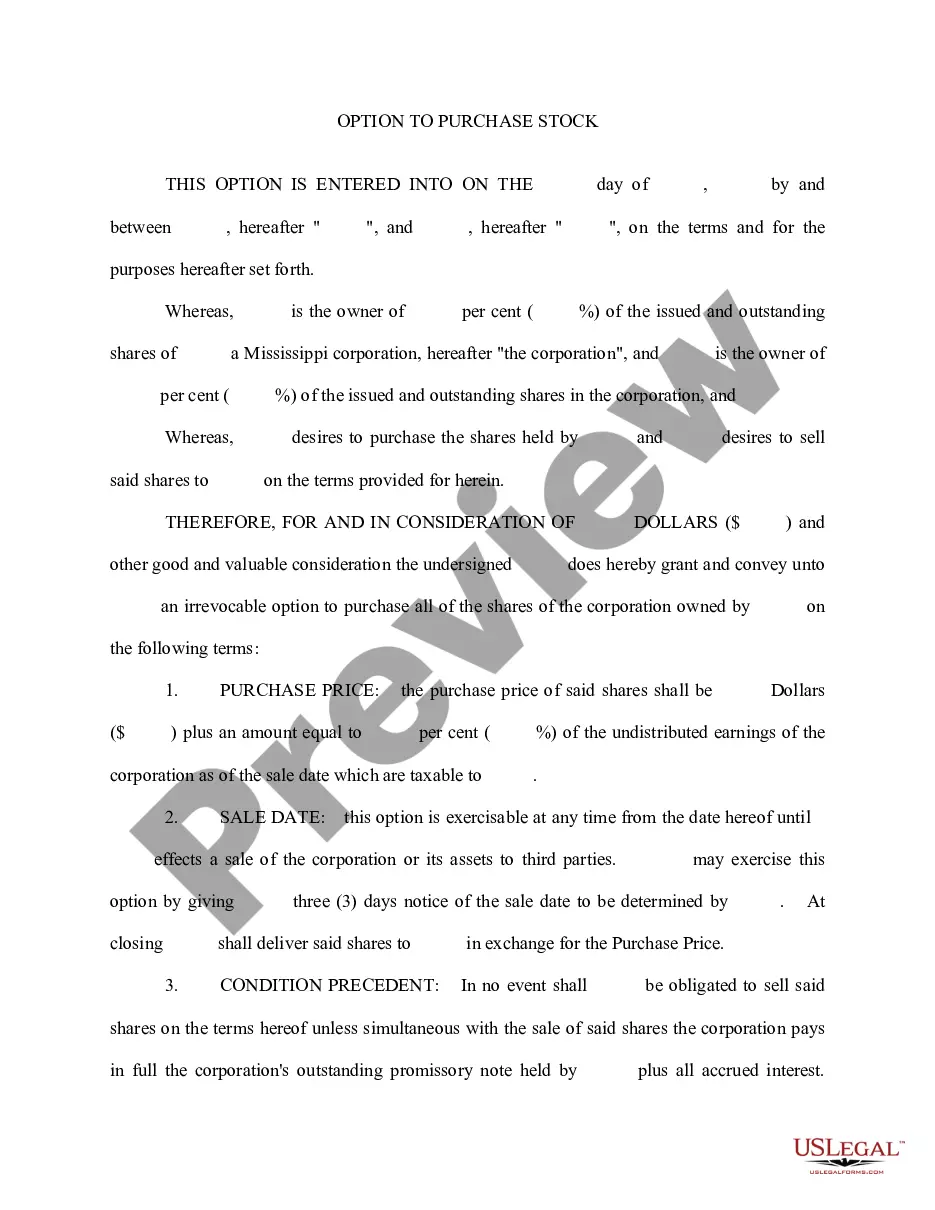
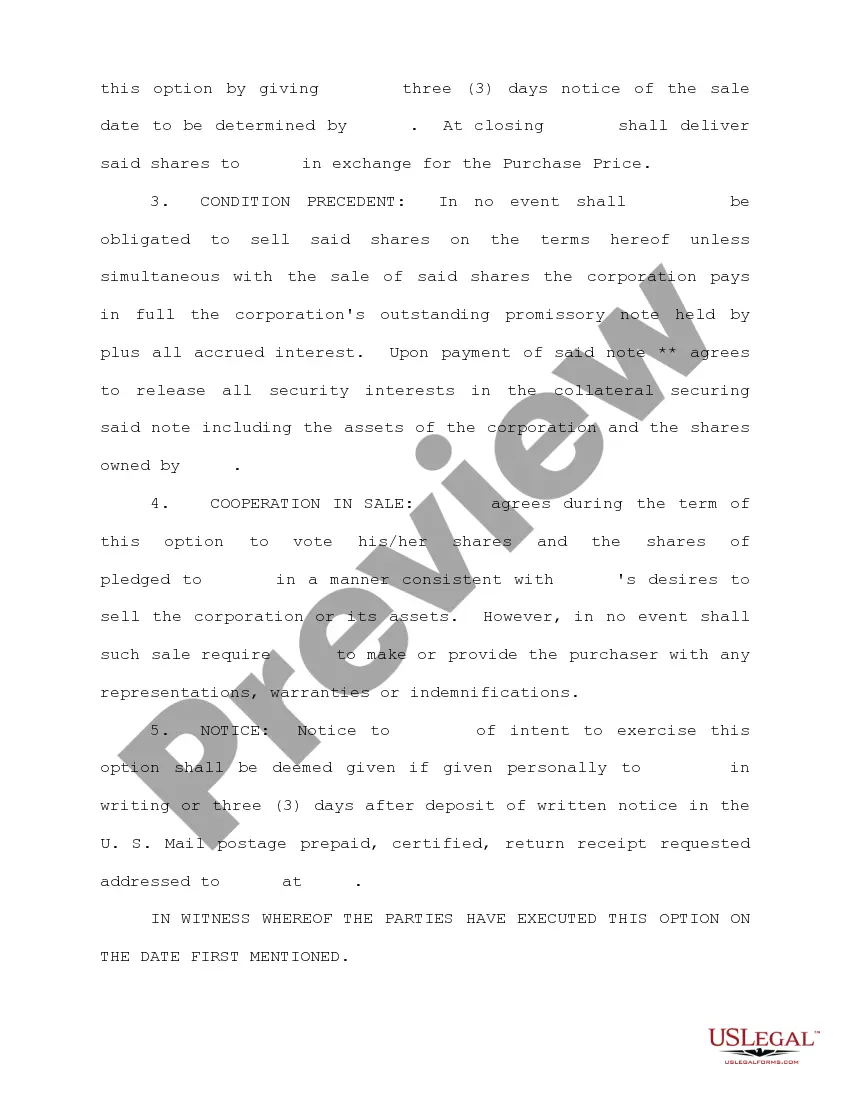

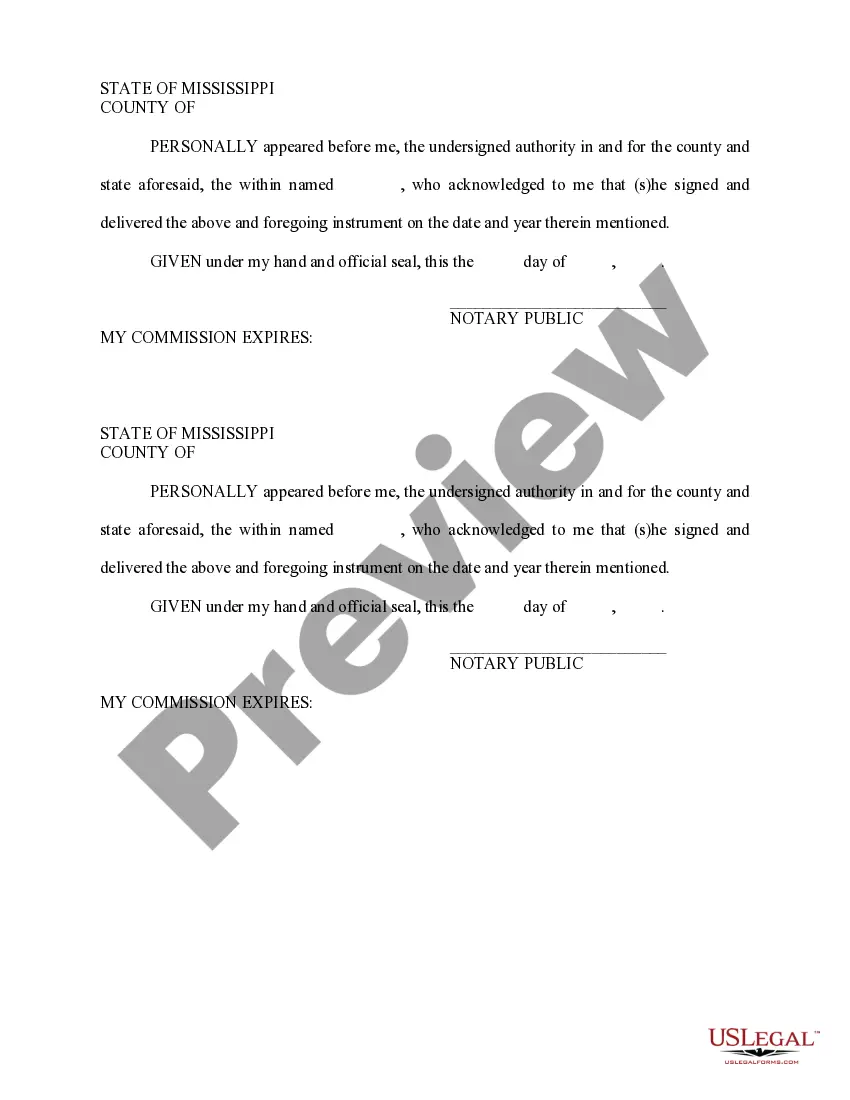
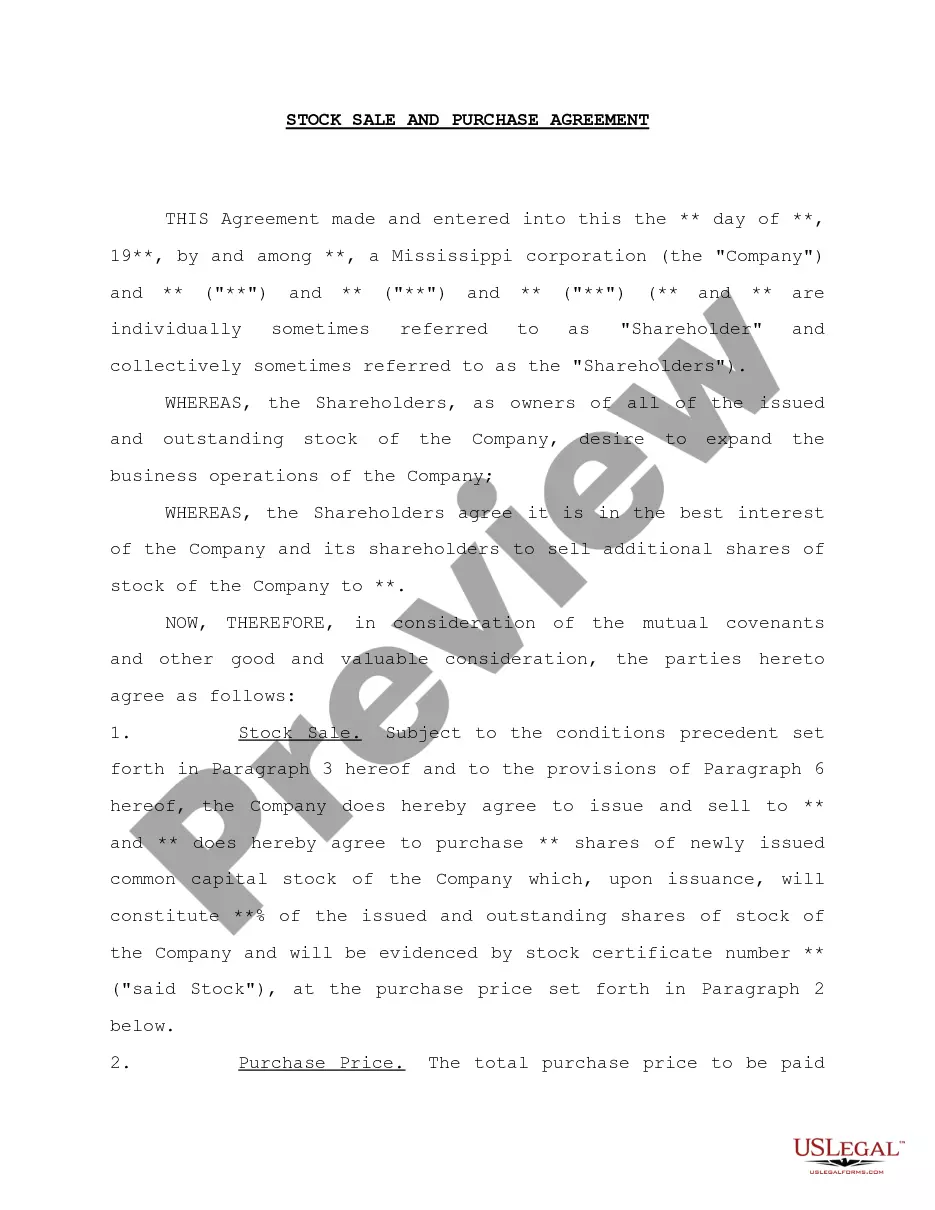
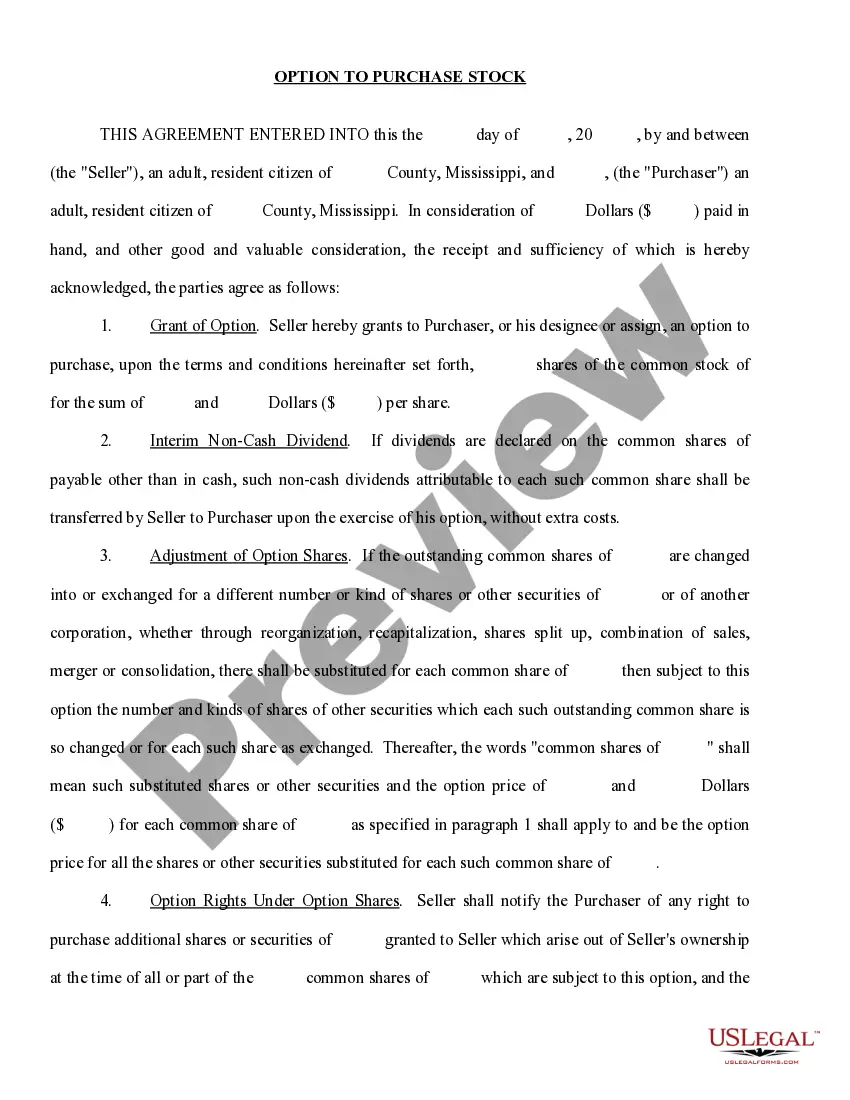
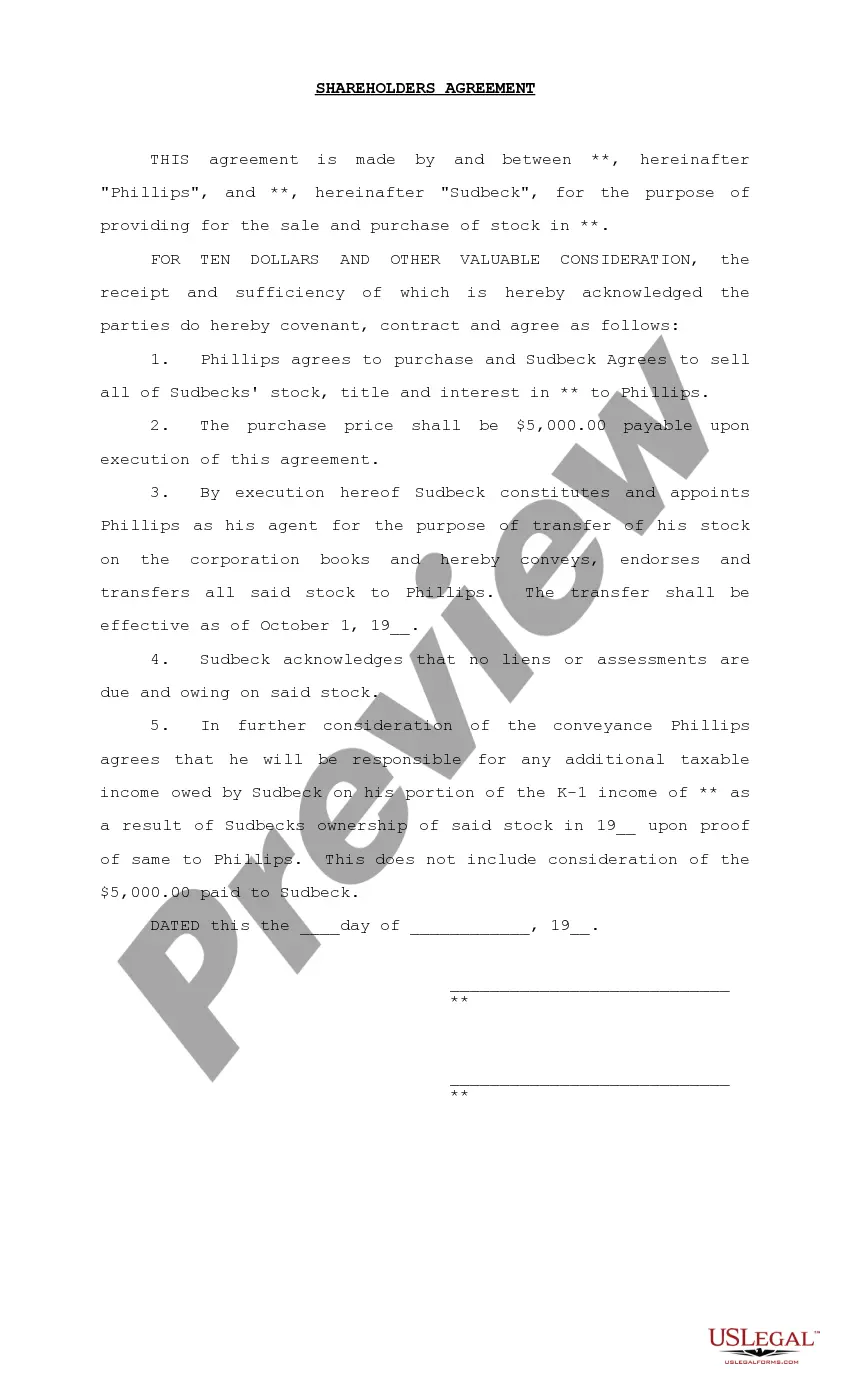
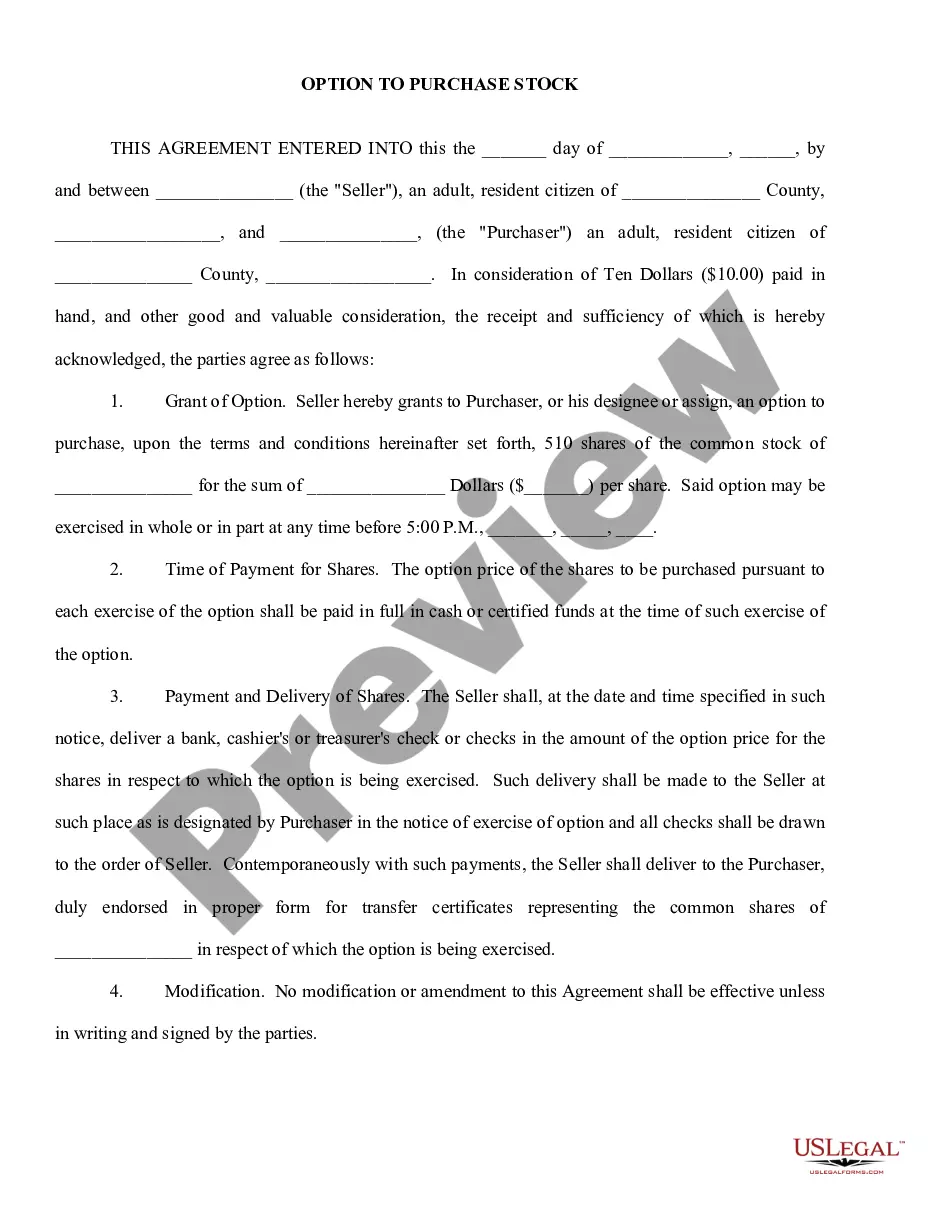
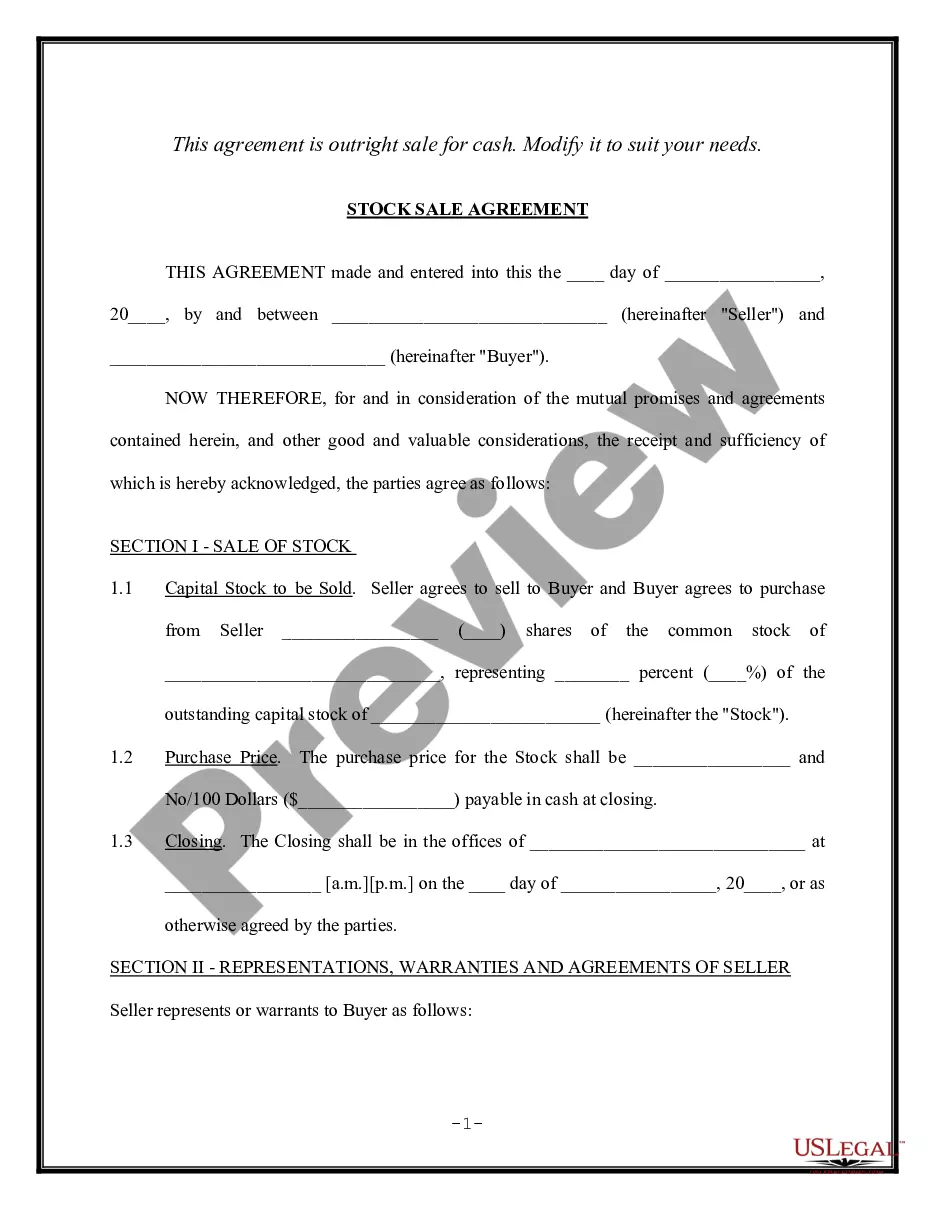


How to fill out Mississippi Option To Purchase Stock - Short?
Obtain a printable Mississippi Option to Acquire Stock - Short in just a few clicks from the most extensive collection of legal e-forms. Discover, download, and print professionally created and certified samples on the US Legal Forms website. US Legal Forms has been the leading provider of affordable legal and tax forms for US citizens and residents online since 1997.
Users who already possess a subscription must sign in to their US Legal Forms account, download the Mississippi Option to Acquire Stock - Short, and find it saved in the My documents section. Users without a subscription must adhere to the following instructions.
After downloading your Mississippi Option to Acquire Stock - Short, you can fill it out in any online editor or print it and complete it by hand. Utilize US Legal Forms to access 85,000 professionally drafted, state-specific documents.
- Ensure your template complies with your state's regulations.
- If available, review the form's description for additional information.
- If provided, examine the shape for further content.
- Once you are certain the form meets your requirements, click Buy Now.
- Create a personal account.
- Choose a plan.
- Pay via PayPal or credit card.
- Download the template in Word or PDF format.
Form popularity
FAQ
Short sellers are betting that the stock they sell will drop in price. If the stock does drop after selling, the short seller buys it back at a lower price and returns it to the lender. The difference between the sell price and the buy price is the profit.
The brokerage firm that lent the shares from one client's account to a short seller will usually replace the shares from its existing inventory. The shares are sold and the lender receives the proceeds of the sale into their account. The brokerage firm is still owed the shares by the short seller.
There is no mandated limit to how long a short position may be held. Short selling involves having a broker who is willing to loan stock with the understanding that they are going to be sold on the open market and replaced at a later date.Stocks are shorted by many investors every day.
The traditional way of shorting involves borrowing shares from your broker and selling them in the open market. Clearly, you want the value of the stock to decline, so you can buy the shares back at a lower price. Your profit is simply the price sold minus the price purchased pretty straightforward.
You're only allowed to place short sell orders when the stock price is on its way up or isn't changing. You can't short a stock while its price is falling. Securities that you hold as part of an IRA account or other qualified or tax-deferred account aren't eligible for short positions.
In a short sale transaction, a broker holding the shares is typically the one that benefits the most, as they can charge interest and commission on lending out the shares in their inventory.
It restricts short sales using a circuit breaker that is triggered when a stock has lost more than 10 percent in value in one day compared to the previous day's closing price.
To sell short, the security must first be borrowed on margin and then sold in the market, to be bought back at a later date. While some critics have argues that selling short is unethical because it is a bet against growth, most economists now recognize it as an important piece of a liquid and efficient market.
There is no mandated limit to how long a short position may be held. Short selling involves having a broker who is willing to loan stock with the understanding that they are going to be sold on the open market and replaced at a later date.