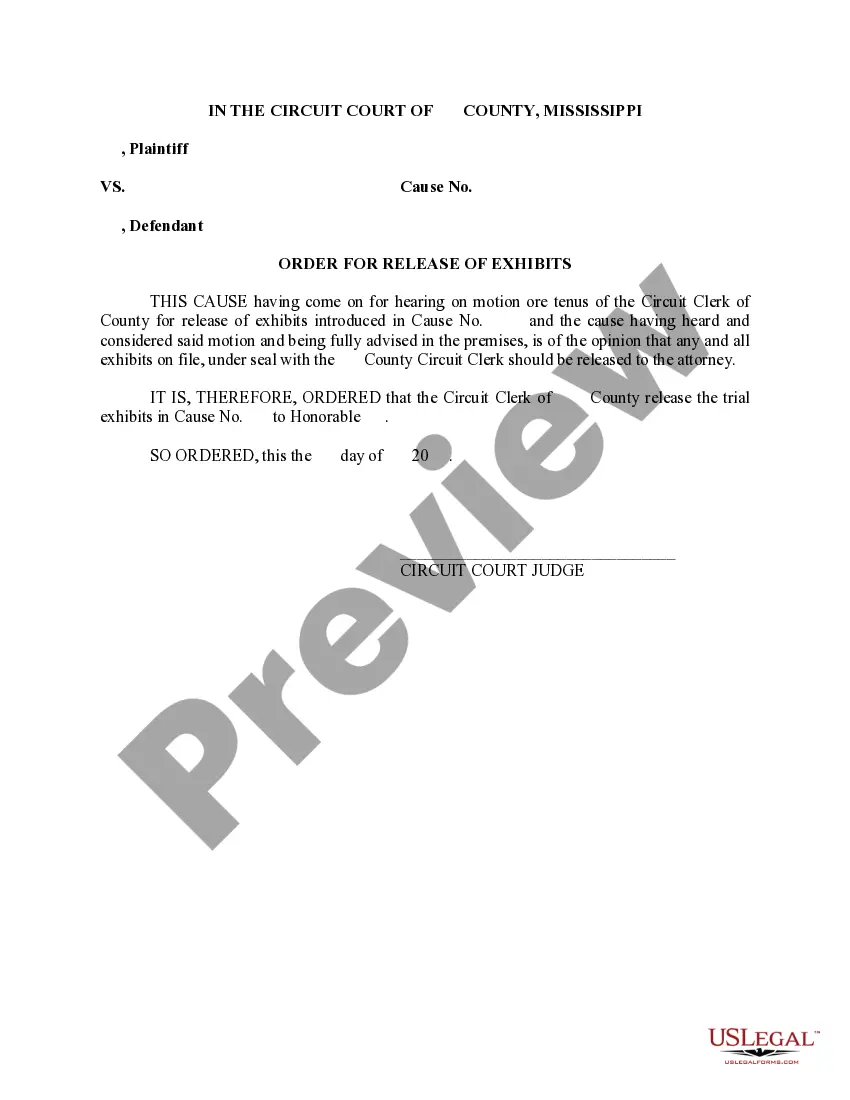
Mississippi Order for Release of Exhibits
About this form
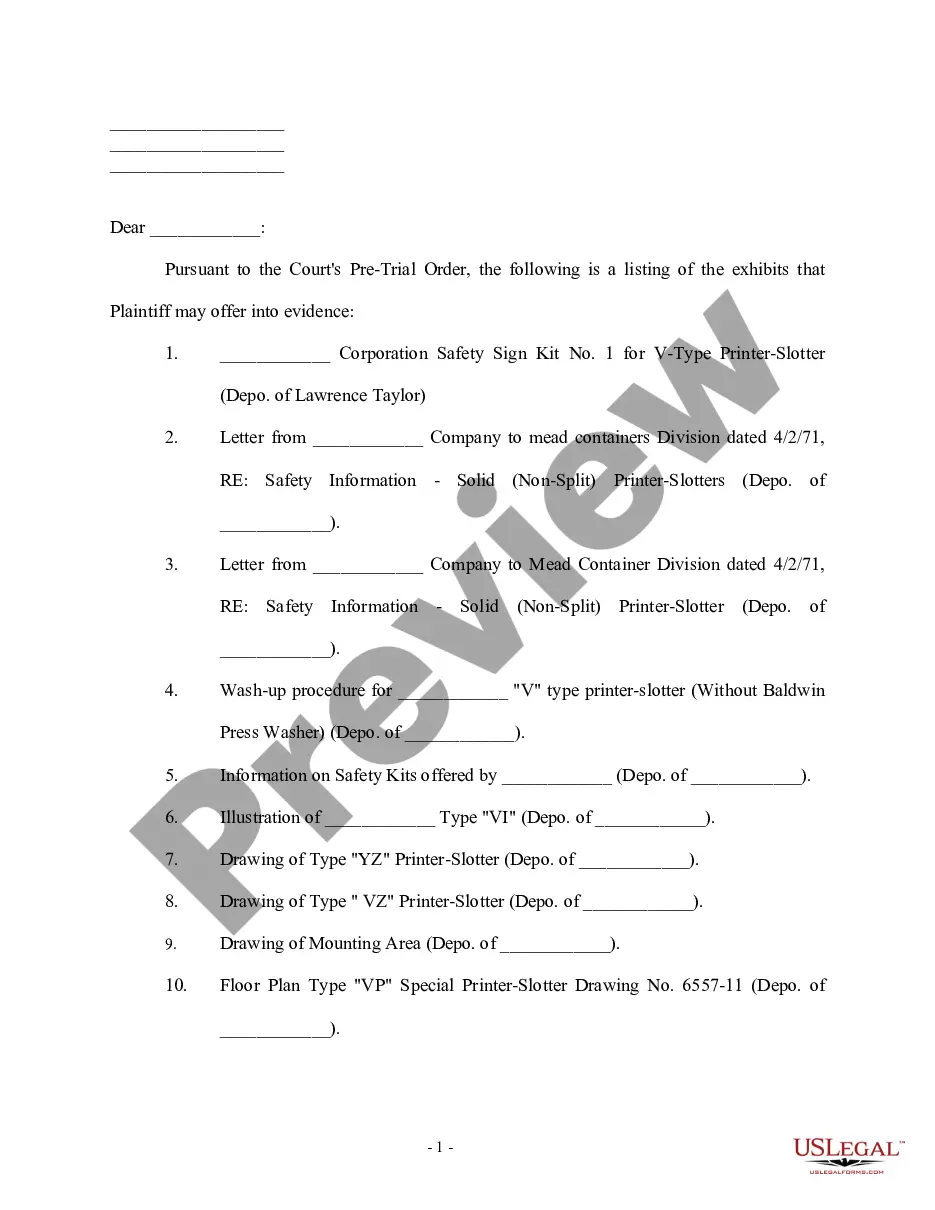
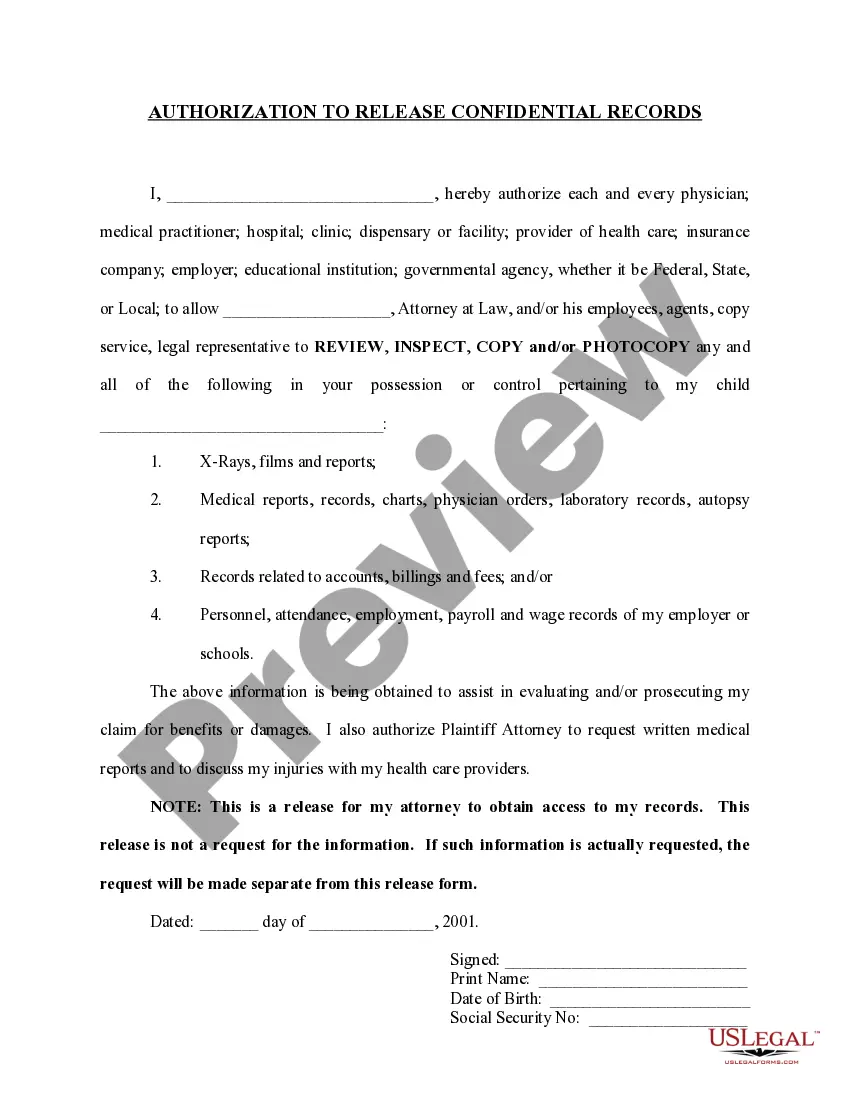
The Order for Release of Exhibits is a legal document that requests the court to release specific exhibits that were presented during a trial. This order is officially signed by a judge and serves to ensure the lawful and proper return of evidence that is no longer needed for trial purposes. Unlike other court orders, this form specifically focuses on the release of physical evidence, making it unique in its function and application.
Form components explained
- The identification of the plaintiff and defendant, along with the case number.
- The courtâs acknowledgment of the hearing regarding the release of exhibits.
- The directive for the circuit clerk to release specific trial exhibits.
- The signature section for the presiding circuit court judge.
- The date of the orderâs issuance.
When to use this form
This form is necessary when a party involved in a legal case wants the court to release exhibits that were previously submitted as evidence. It may be used after a trial concludes or when the need for the evidence has passed. For instance, if you want to retrieve physical evidence held by the court after a case has been resolved, this order is the appropriate legal tool to facilitate that request.
Who this form is for
This order should be used by:
- Attorneys representing plaintiffs or defendants in a case.
- Parties directly involved in a lawsuit who are seeking the return of exhibits.
- Legal professionals who require a structured format to request evidence from the court.
Steps to complete this form
- Enter the names of the plaintiff and defendant, along with the cause number at the top of the form.
- Describe the motion for the release of exhibits clearly in the specified section.
- Fill in the date and other details regarding the hearing on the motion.
- Specify the name of the circuit clerk for the county involved in the case.
- Obtain the signature of the circuit court judge to finalize the order.
Does this document require notarization?
Notarization is not commonly needed for this form. However, certain documents or local rules may make it necessary. Our notarization service, powered by Notarize, allows you to finalize it securely online anytime, day or night.
Get your form ready online
Our built-in tools help you complete, sign, share, and store your documents in one place.
Make edits, fill in missing information, and update formatting in US Legal Forms—just like you would in MS Word.
Download a copy, print it, send it by email, or mail it via USPS—whatever works best for your next step.
Sign and collect signatures with our SignNow integration. Send to multiple recipients, set reminders, and more. Go Premium to unlock E-Sign.
If this form requires notarization, complete it online through a secure video call—no need to meet a notary in person or wait for an appointment.
We protect your documents and personal data by following strict security and privacy standards.
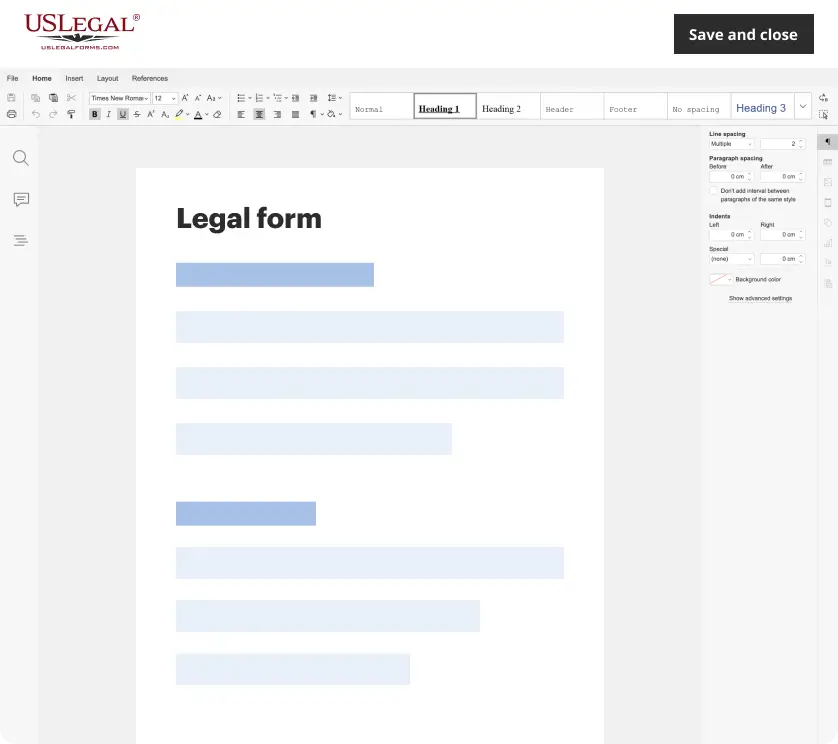
Make edits, fill in missing information, and update formatting in US Legal Forms—just like you would in MS Word.
Download a copy, print it, send it by email, or mail it via USPS—whatever works best for your next step.
Sign and collect signatures with our SignNow integration. Send to multiple recipients, set reminders, and more. Go Premium to unlock E-Sign.
If this form requires notarization, complete it online through a secure video call—no need to meet a notary in person or wait for an appointment.
We protect your documents and personal data by following strict security and privacy standards.
Common mistakes
- Failing to accurately fill in the case number, which can lead to confusion about the request.
- Not including the name of the circuit clerk or presiding judge, which may invalidate the order.
- Omitting the date of issuance, making the order unclear in terms of its validity period.
Why complete this form online
- Convenient access to a legally sound template, eliminating the need for drafting from scratch.
- Easy customization to fit the specific details of your case.
- Immediate availability for download, allowing for swift legal actions.
Looking for another form?






Form popularity
FAQ
1) A document or object (including a photograph) introduced as evidence during a trial. 2) a copy of a paper attached to a pleading (any legal paper filed in a lawsuit), declaration, affidavit, or other document, which is referred to and incorporated into the main document. courts.
Have the exhibit marked. Show the exhibit to opposing advocate. Ask permission to approach the witness. Show the exhibit to the witness. Lay the foundation for the exhibit. Move for admission of the exhibit in evidence.
Pre-mark the exhibit. Show it to opposing counsel. Show it to the witness. Ask the right predicate questions. Ask the court to admit the exhibit (see below for magic terminology) Let the clerk mark the exhibit into evidence.
There are basically 3 stages to a civil appeal in Mississippi. First, you file your notice of appeal and other preliminary documents. Critically, you MUST file your notice of appeal within 30 days of the trial court's final judgment. In some cases, you should file a post-trial motion within 10 days of the judgment.
However, before an exhibit can be offered into evidence, you must prove to the court that it is authentic, which is known as laying the foundation. This simply means that you must demonstrate to the court that you have the knowledge sufficient to prove that the exhibit is authentic.
Exhibits should be numbered (1, 2, 3) or lettered (A, B, C) consecutively in the order they are first encountered in the body of the contract.
Foundation is formed from three elements: Authenticity; Reliability; and Relevance must be established before an exhibit can be admitted as evidence. When you are ready to introduce an exhibit, pause and retrieve two copies of the exhibit from your table. Lawyer: Your honor may I approach the witness? Judge: Yes.
Run a search for the relevant documents and then click the Add to Exhibit Set icon. In the Add to exhibit set dropdown, enter a name for the exhibit set and then click Add. In the main menu, click Exhibit Sets. On the exhibit page, click Reorder Exhibits.