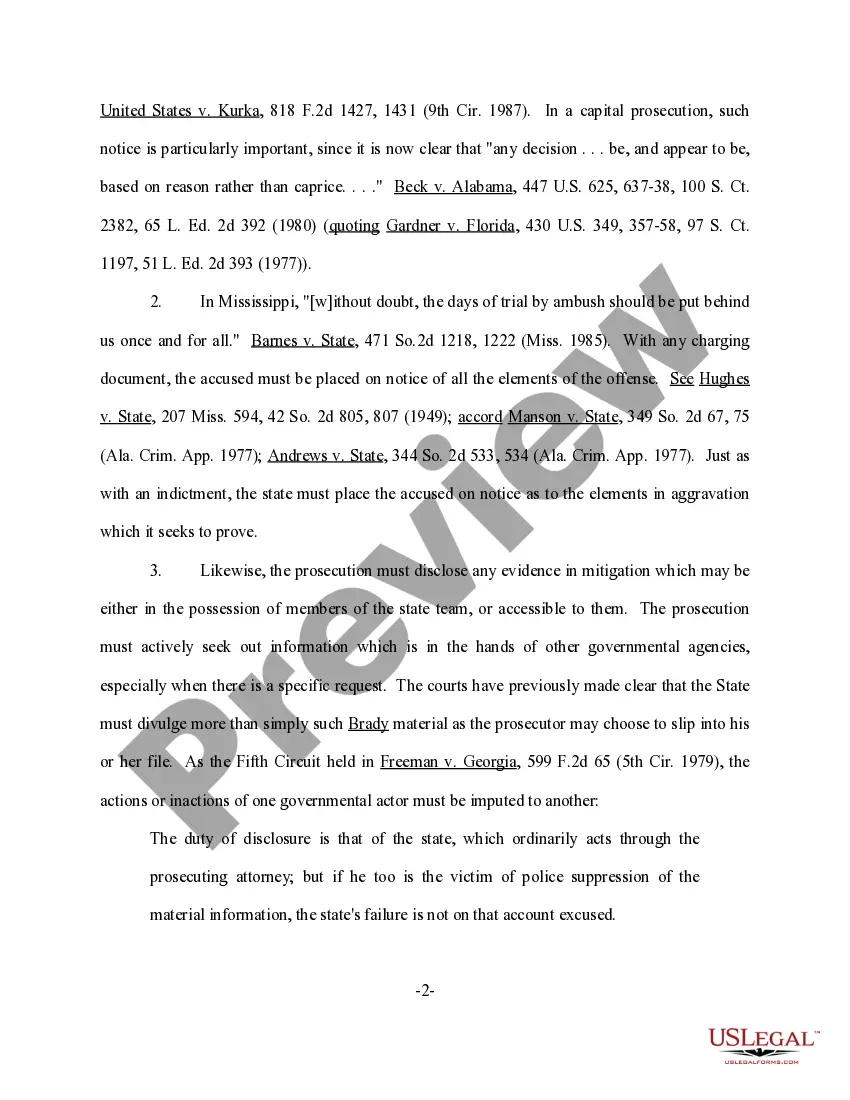
Mississippi Demand for Notice of Aggravating and for Disclosure of Evidence Supporting Mitigating Circumstances
Description
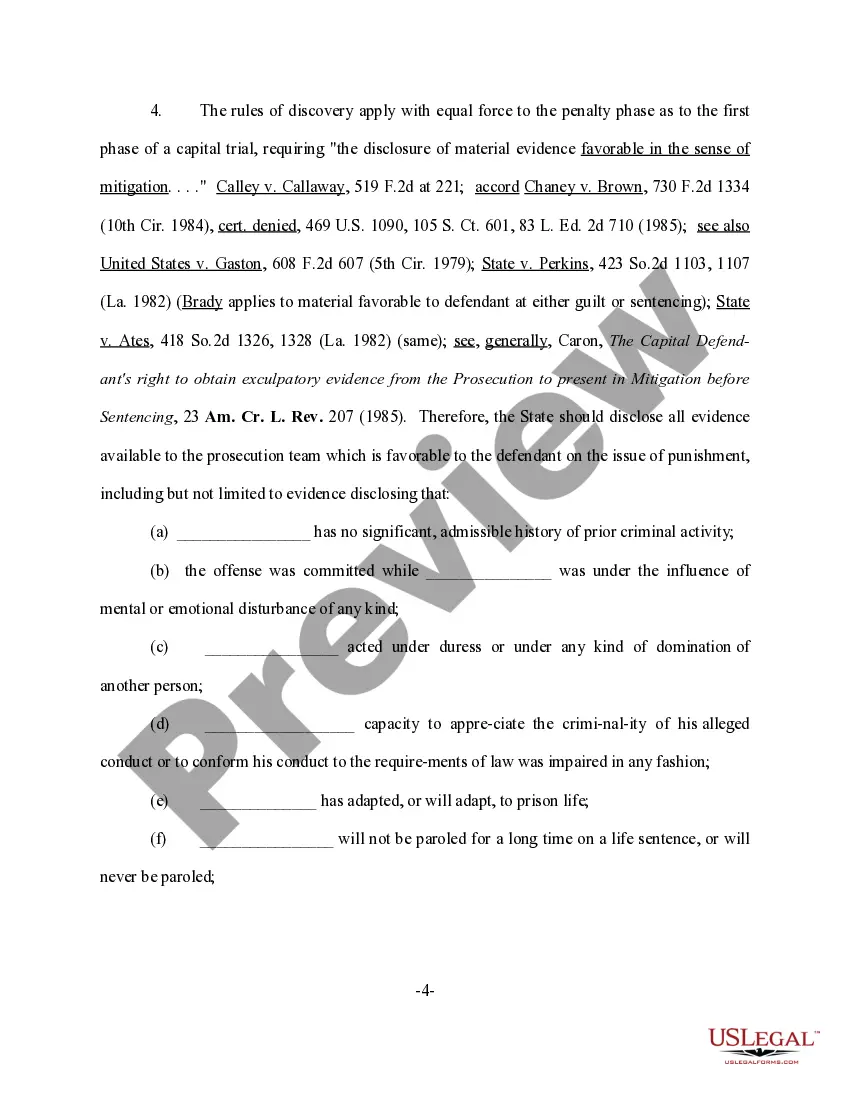
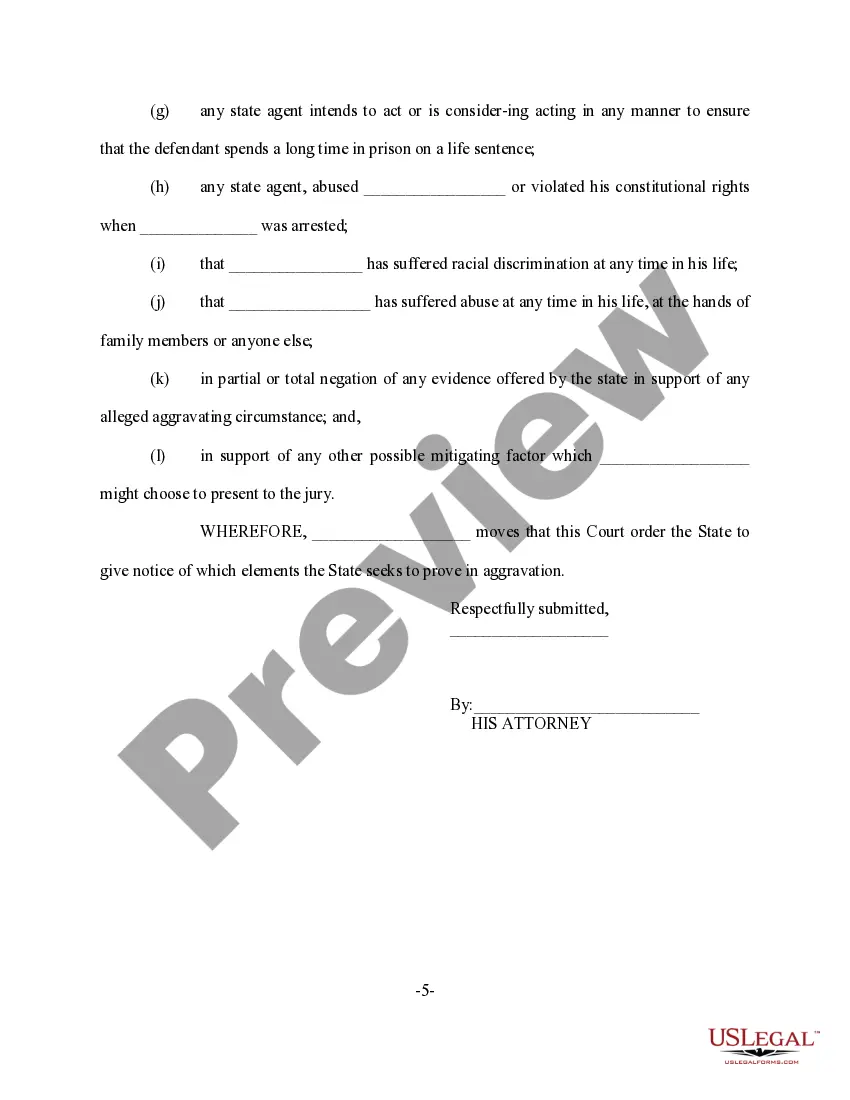
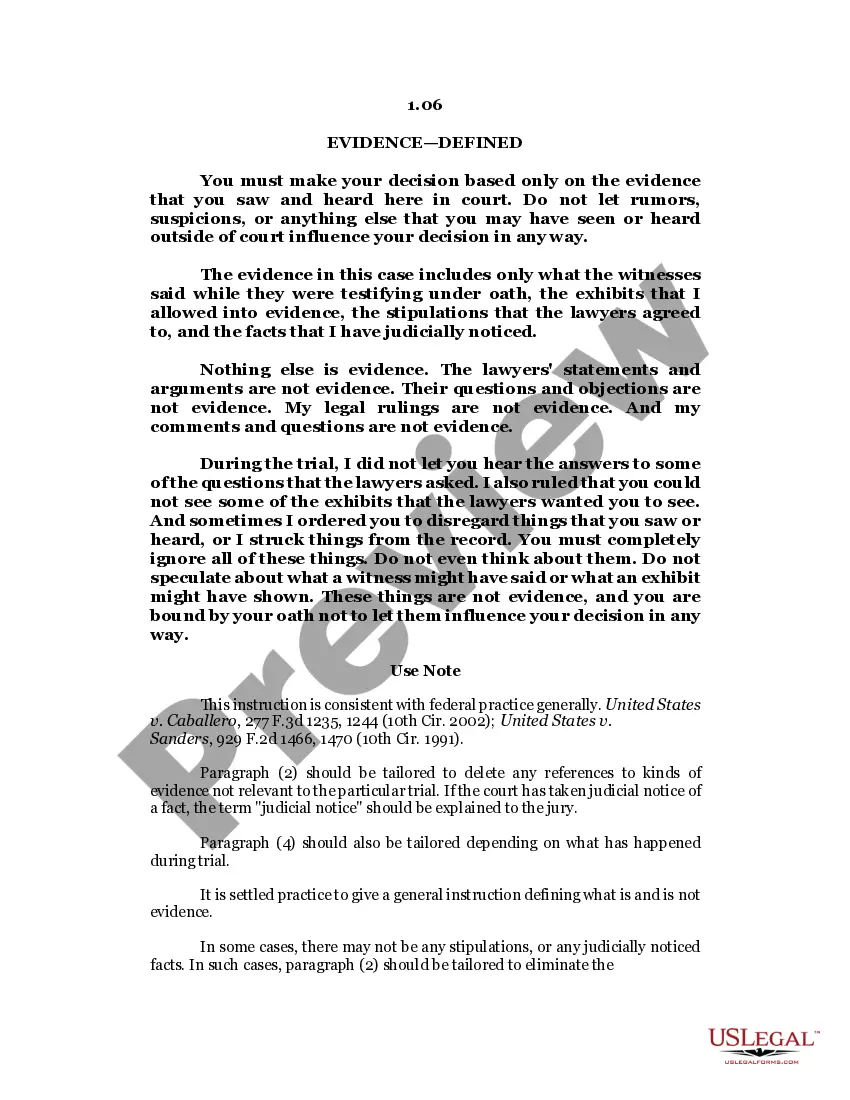
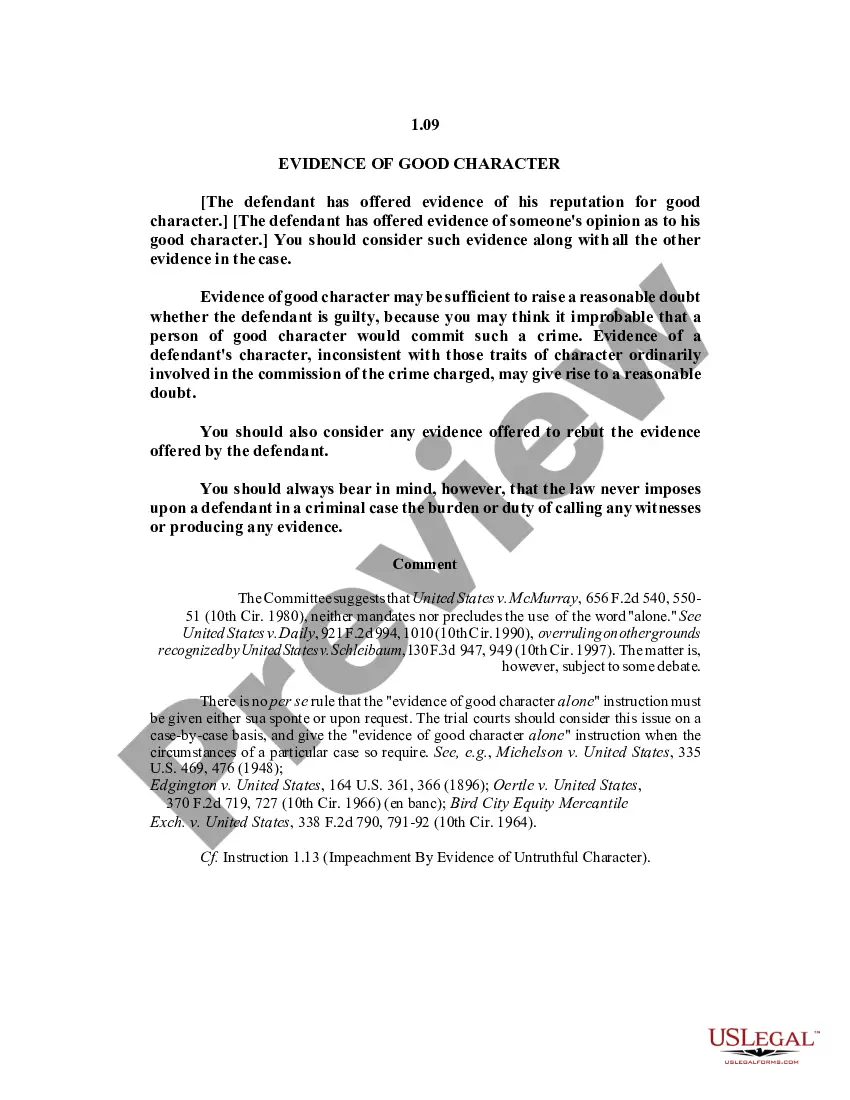
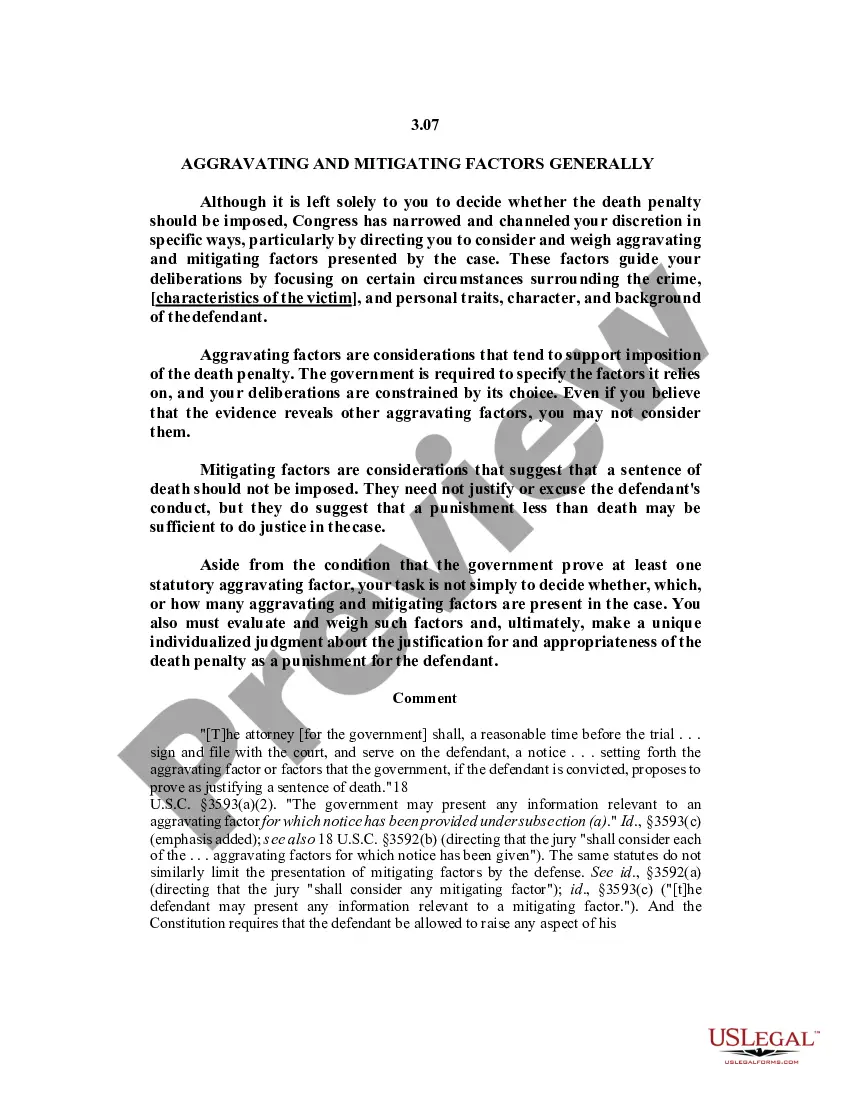
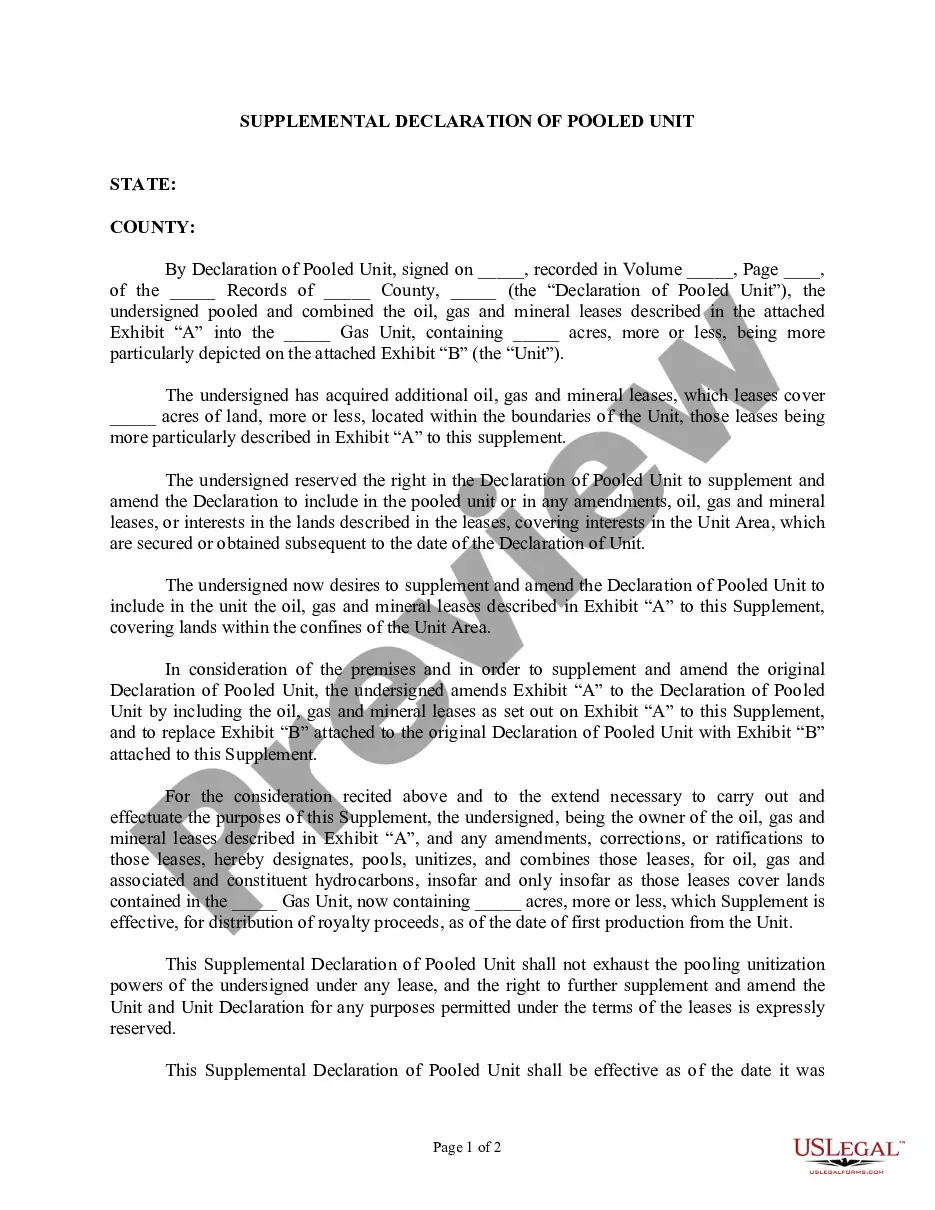
How to fill out Demand For Notice Of Aggravating And For Disclosure Of Evidence Supporting Mitigating Circumstances?
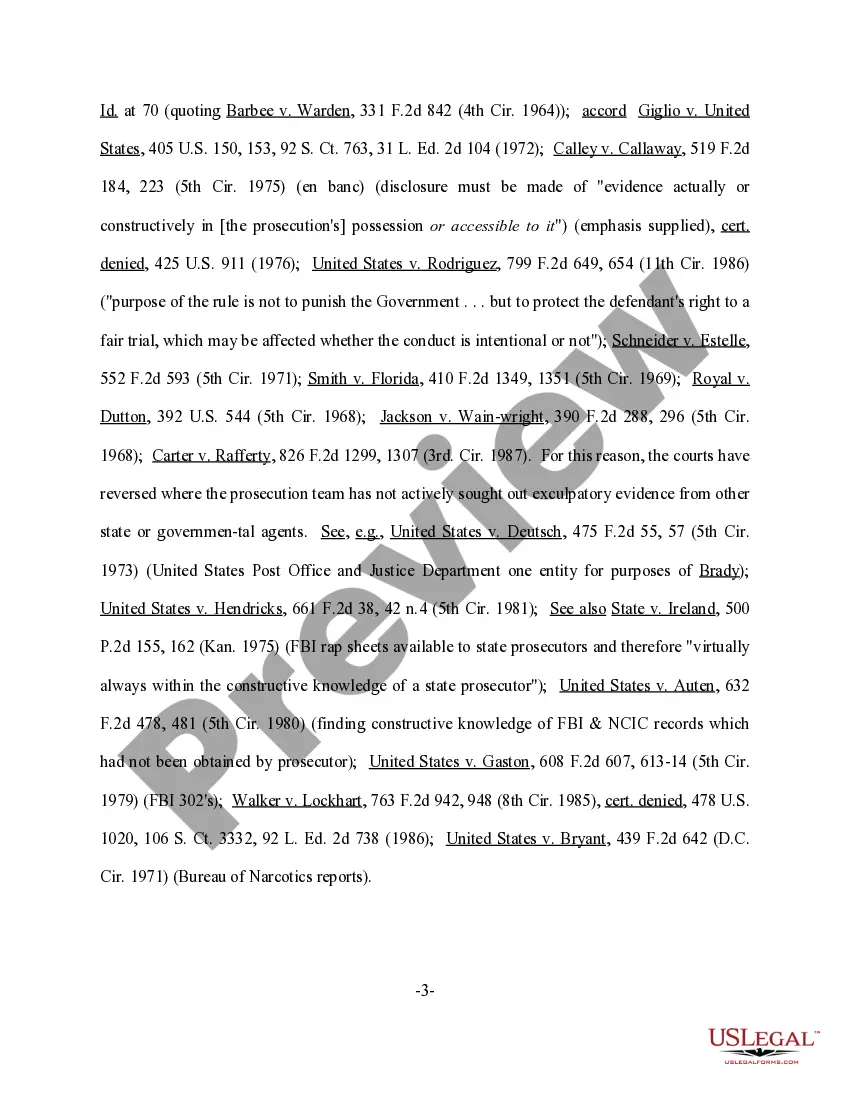
Selecting the appropriate authorized document template can be a challenge. Clearly, there are numerous templates accessible online, but how do you find the legal form you require? Utilize the US Legal Forms website. The service offers thousands of templates, including the Mississippi Demand for Notice of Aggravating and for Disclosure of Evidence Supporting Mitigating Circumstances, which can be used for business and personal purposes. All of the forms are reviewed by experts and comply with federal and state regulations.
If you are currently registered, Log In to your account and click on the Download button to obtain the Mississippi Demand for Notice of Aggravating and for Disclosure of Evidence Supporting Mitigating Circumstances. Use your account to look through the legal forms you may have previously acquired. Visit the My documents tab of your account and retrieve another copy of the document you need.
If you are a new user of US Legal Forms, here are simple instructions for you to follow: First, ensure you have selected the correct form for your region/county. You can review the form using the Review button and examine the form description to confirm it is the right one for you. If the form does not meet your requirements, utilize the Search field to find the correct form. Once you are confident the form is appropriate, click on the Purchase now button to acquire the form. Choose the pricing plan you desire and enter the necessary information. Create your account and complete the payment using your PayPal account or credit card. Select the file format and download the legal document template to your device. Finally, complete, edit, print, and sign the acquired Mississippi Demand for Notice of Aggravating and for Disclosure of Evidence Supporting Mitigating Circumstances.
In summary, US Legal Forms provides a comprehensive solution for acquiring legally compliant document templates that cater to both personal and business needs.
- US Legal Forms is the largest repository of legal forms where you can find a wide array of document templates.
- Use the service to obtain professionally crafted documents that adhere to state regulations.
- Ensure you have the correct type of form for your specific area.
- Review form descriptions carefully to confirm they meet your needs.
- Utilize the search feature effectively to locate the desired legal forms.
- Follow the payment and downloading instructions to access your documents.
Form popularity
FAQ
?Mitigating circumstances? are such as do not constitute a justification or excuse of the offense in question, but which, in fairness and mercy, may be considered as extenuating or reducing the degree of moral culpability.
Common mitigating factors include: Lack of a prior criminal record. Minor role in the offense; Culpability of the victim; Past circumstances, such as abuse that resulted in criminal activity;
Simply put, aggravating factors can increase the severity of a punishment, while mitigating factors can reduce it. Predictably, prosecutors often try to highlight aggravating factors to procure a more severe sentence when trying your case. For example, repeat offenses will usually carry harsher penalties.
Self-defense is a legal defense rather than a mitigating factor, as an act done in justified self-defense is not deemed to be a crime.
Some generally recognized aggravating circumstances include heinousness of the crime, lack of remorse, and prior conviction of another crime. Recognition of particular aggravating circumstances varies by jurisdiction.
Mitigating circumstances might include a significant short-term illness or injury, a long-term or recurring medical or mental health condition, the death or illness of a close family member, acute stress from personal or financial issues, absence for public service (e.g. jury service), or technical issues during an ...
A mitigating circumstance is anything that is used to explain why a defendant should receive a lesser sentence. For example, if an individual with severe combat PTSD attacks another, the fact that they are suffering from a mental illness is considered a mitigating circumstance.