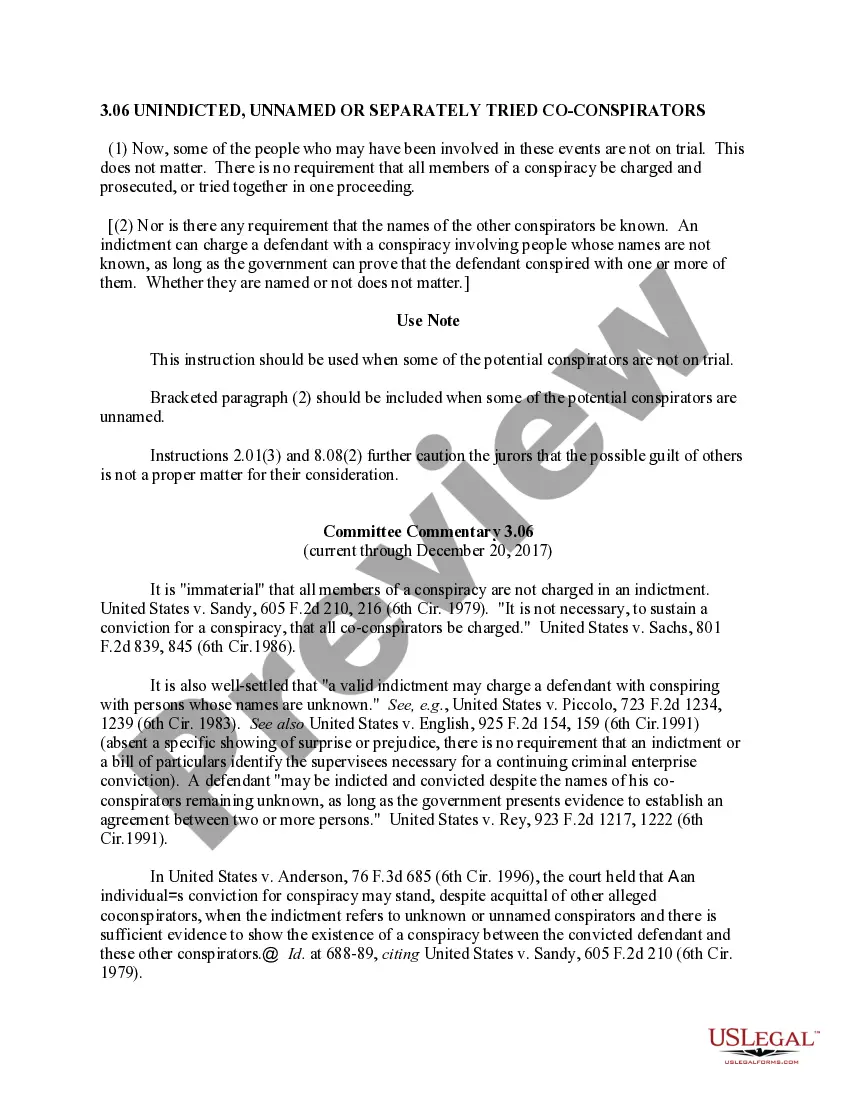
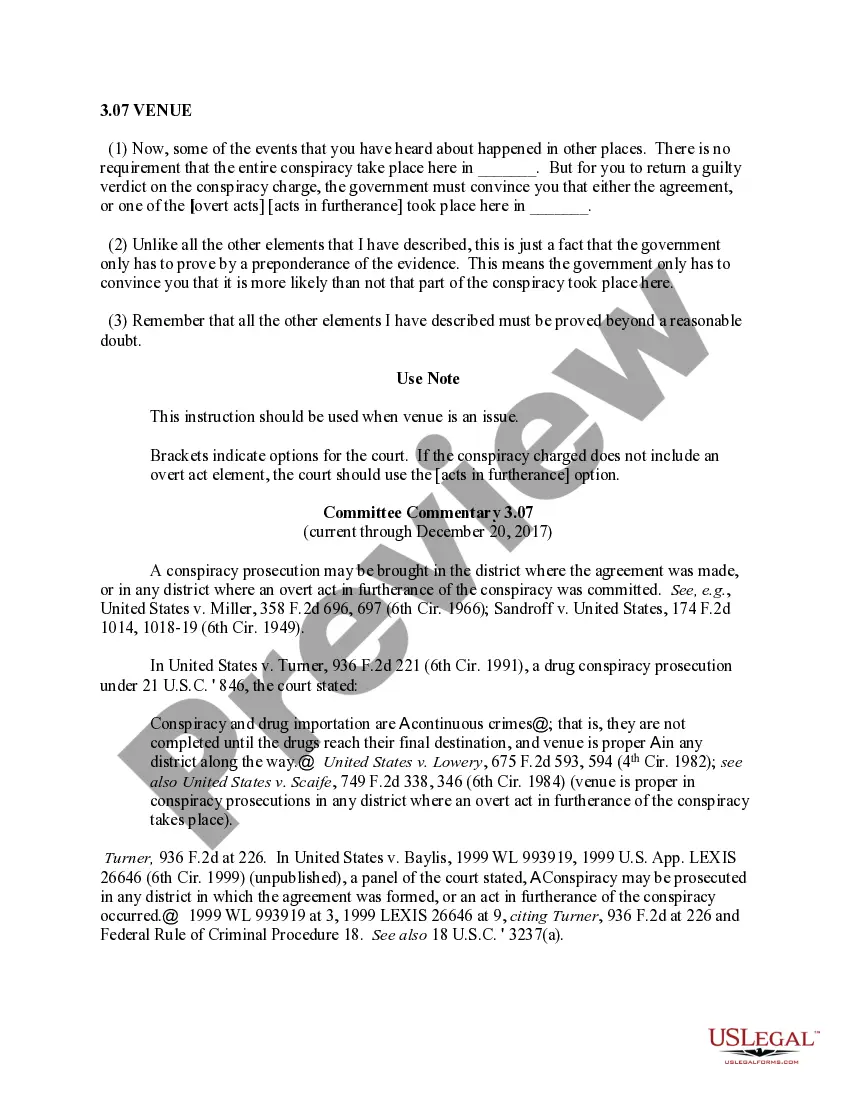
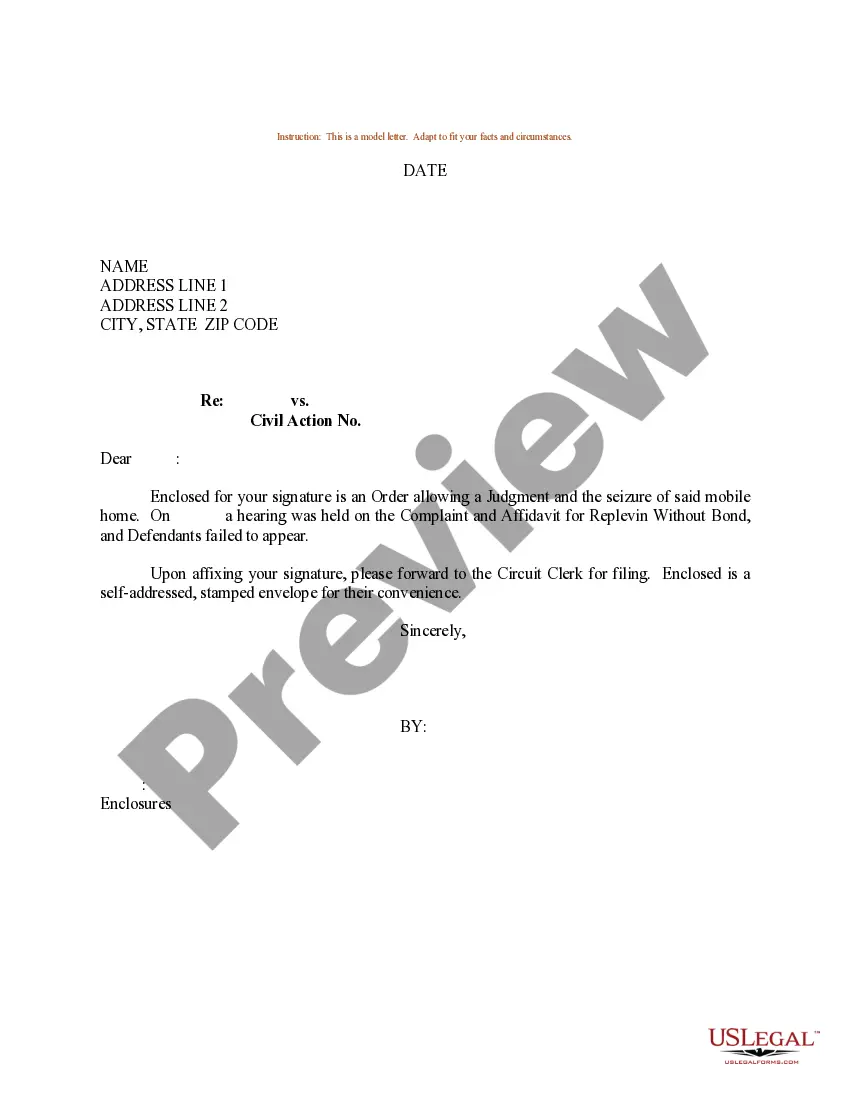
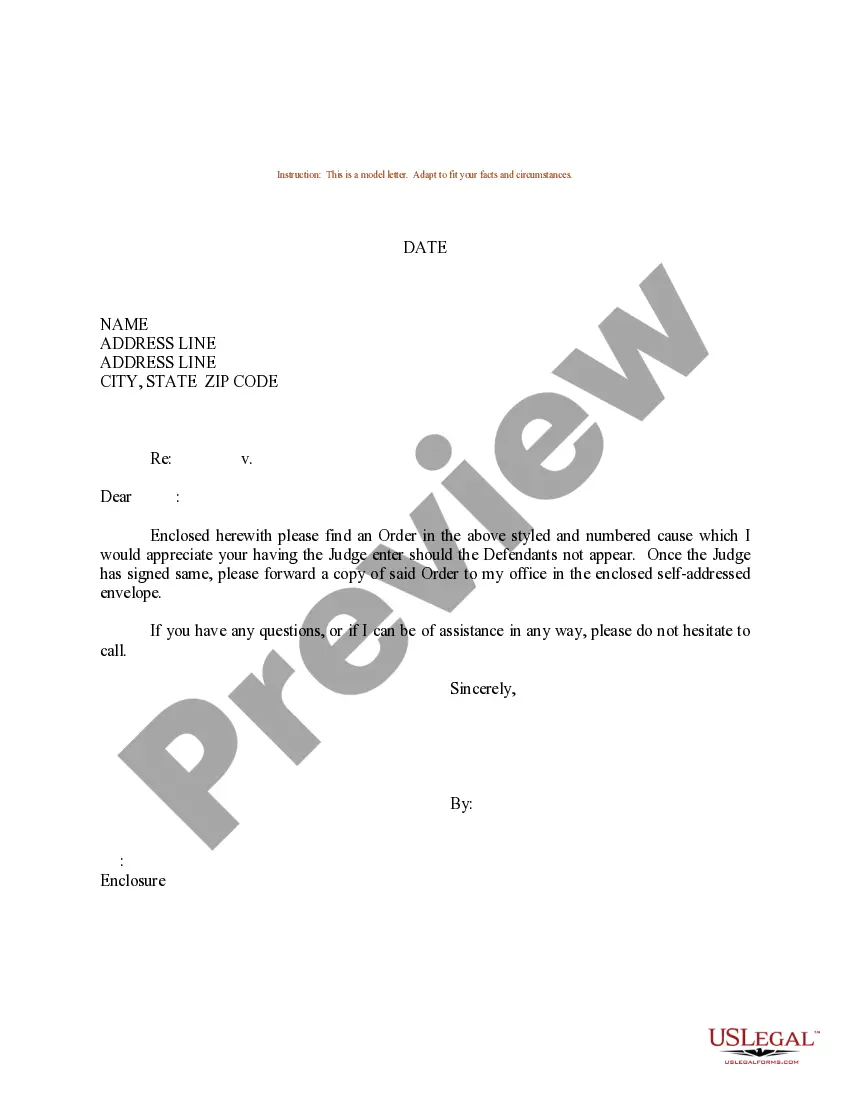
Mississippi Sample Letter to Judge concerning Order for Seizure of a Mobile
Description


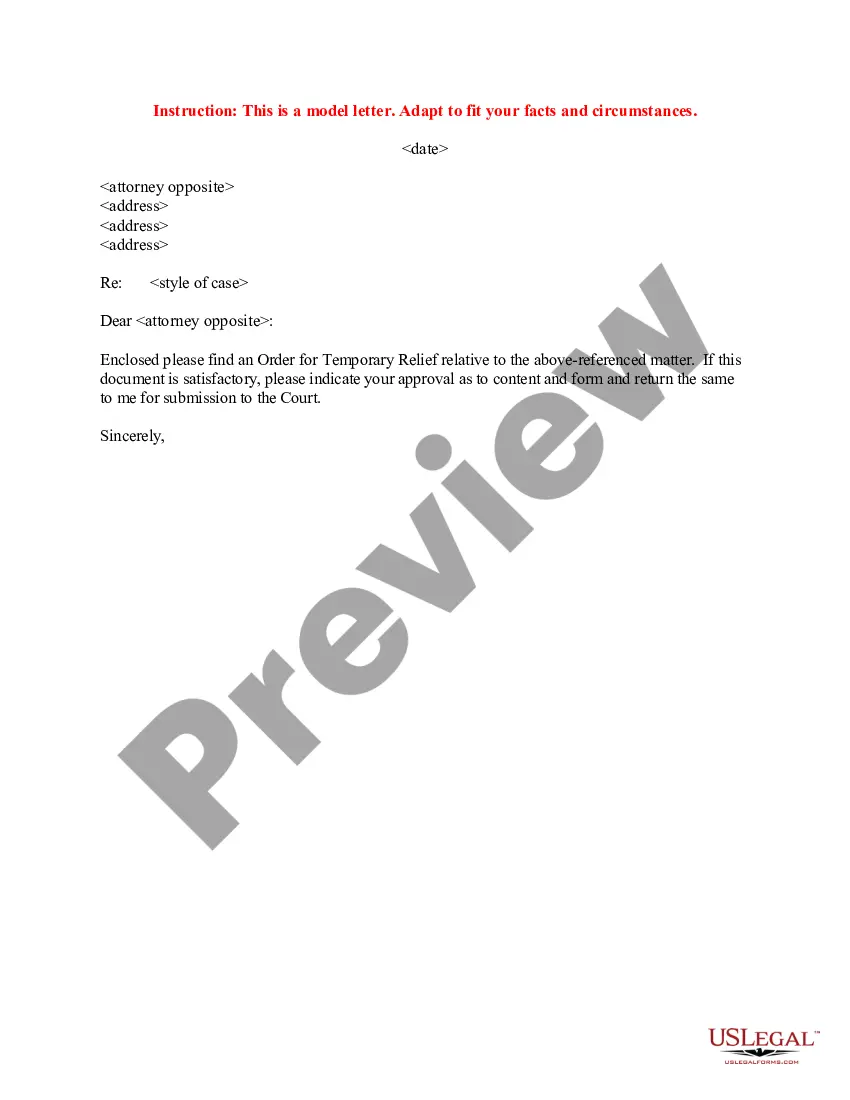
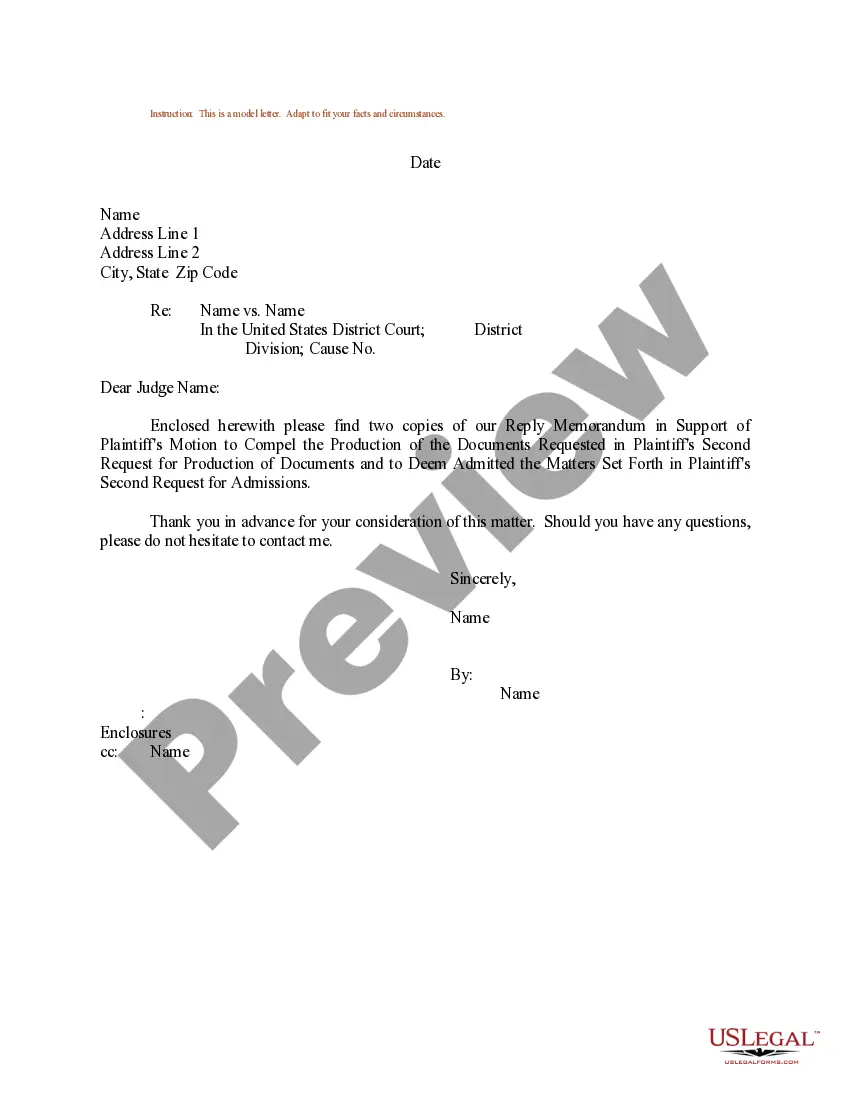
How to fill out Sample Letter To Judge Concerning Order For Seizure Of A Mobile?
Selecting the optimal legal document template can be challenging. Clearly, there is a multitude of templates accessible online, but how can you find the legal form you need? Utilize the US Legal Forms platform. This service provides a vast array of templates, such as the Mississippi Sample Letter to Judge regarding Order for Seizure of a Mobile, which can be utilized for both business and personal purposes. All documents are reviewed by experts and comply with state and federal regulations.
If you are already registered, Log In to your account and click the Obtain button to access the Mississippi Sample Letter to Judge regarding Order for Seizure of a Mobile. Use your account to view the legal documents you have previously purchased. Visit the My documents section of your account to download another copy of the document you need.
If you are a new user of US Legal Forms, here are simple steps you should follow: First, ensure that you have selected the correct form for your city/region. You can review the form using the Review button and check the form description to confirm it is the right one for you. If the form does not suit your needs, utilize the Search field to find the appropriate form. Once you are certain that the form is accurate, click the Purchase now button to obtain the form. Choose the payment plan you prefer and input the required information. Create your account and pay for the order using your PayPal account or credit card. Select the file format and download the legal document template to your device. Complete, modify, print, and sign the acquired Mississippi Sample Letter to Judge regarding Order for Seizure of a Mobile.
Take advantage of US Legal Forms to simplify your legal document needs and ensure you have the correct paperwork for your situation.
- US Legal Forms is the largest repository of legal documents where you can find various document templates.
- Make use of the service to download properly crafted paperwork that adhere to state regulations.
- Access a wide variety of legal templates for different needs.
- Ensure compliance with legal standards through professionally reviewed documents.
- Utilize the user-friendly interface for easy navigation and document retrieval.
- Enjoy a hassle-free experience with secure payment options.
Form popularity
FAQ
What To Include in a Character Letter Your name and contact information in case the court wants to reach you and needs to verify the information. How you know the defendant, and for how long. An explanation of why you are writing the letter. Details about the defendant's character and life.
If you are asked to write a character letter for someone, it can be helpful to keep the following tips in mind when creating your letter: Address Your Letter to the Judge. ... Establish a Clear Relationship with the Defendant. ... Be Truthful. ... Be Positive. ... Include a Discussion of the Crime. ... Do Not Suggest Penalties for the Crime.
Introduce yourself to the Court. Explain how you know (and how long you have known) the defendant. Make it personal when describing the defendant's characteristics. Can you think of examples of good deeds done by the defendant (hard work, dedication to family/church/community, generosity, etc).
The 5 most common tips in writing an effective leniency letter to a judge include: write a clear introduction, introduce yourself and establish credibility, provide reasons for leniency, tell a story, and. provide contact information.
Start by identifying yourself in the letter. You can express to the Court the impact that the crime has had on you and your family (financial, social, psychological, emotional, and physical). Express your feelings about an appropriate sentence, e.g. jail time, probation, fine, probation conditions, counseling, etc.
These letters can be a very important part of the sentencing process because they help the judge get to know the person they are sentencing in ways other than just the facts of the offense: The letter should be addressed to the Judge, but mailed to the defendant's attorney.
If you are found guilty of a crime by a jury or if you plead guilty to a criminal offense, a judge will look at the facts of the case as well as your criminal history in determining a sentence. One element that can often be helpful during sentencing is a character letter.
Remember that judges read hundreds of letters. The easier you make it for the judge to read, the most likely the judge will be able to focus on the message you are trying to convey. For most people, a typed letter is more legible than a handwritten one.