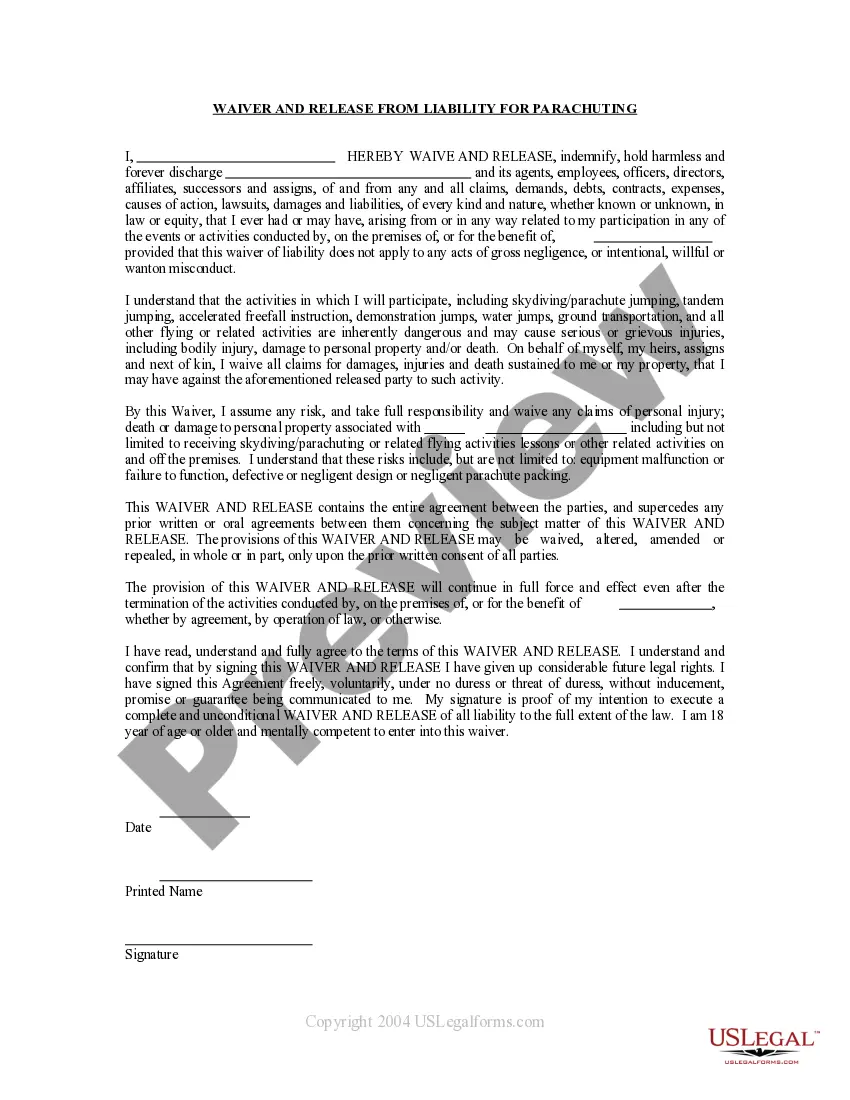
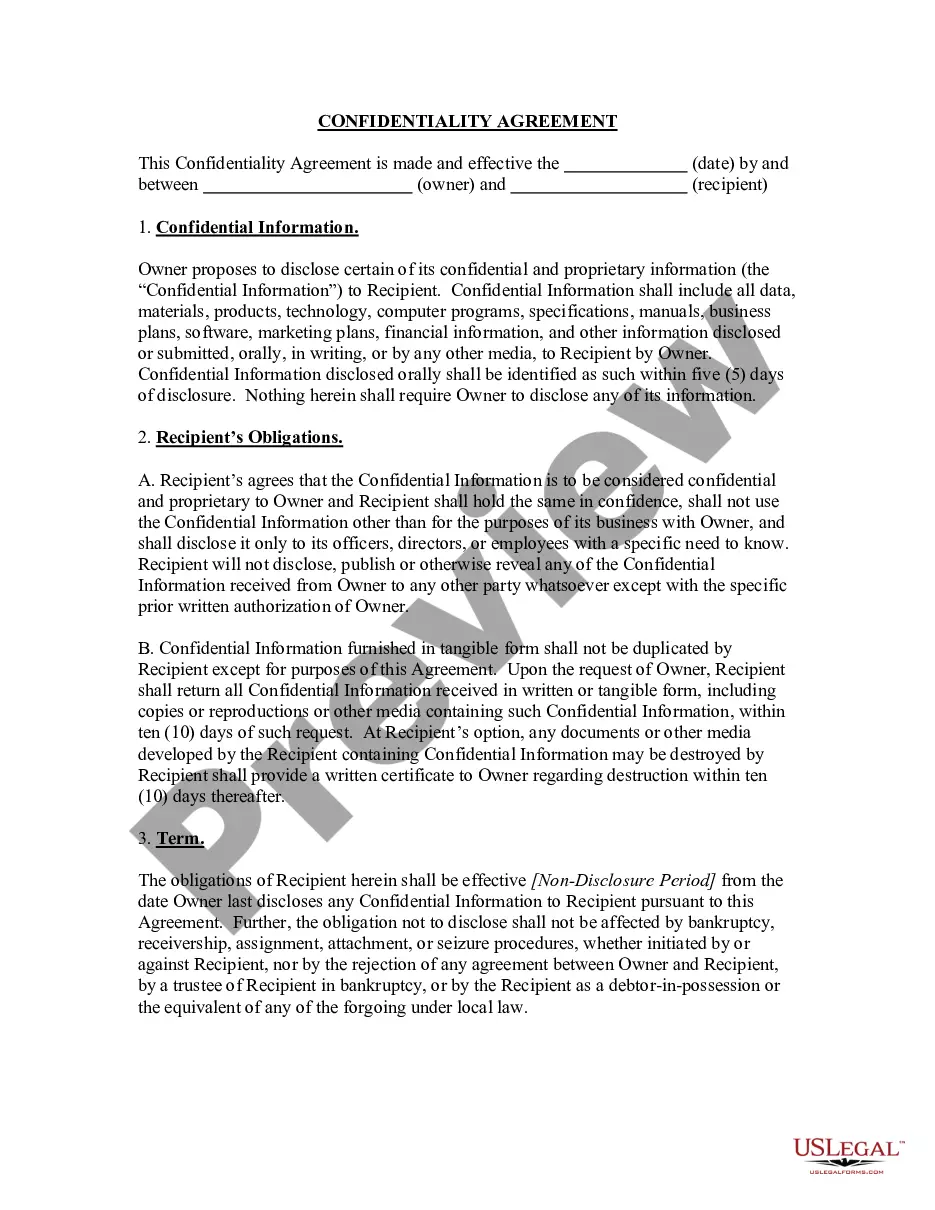
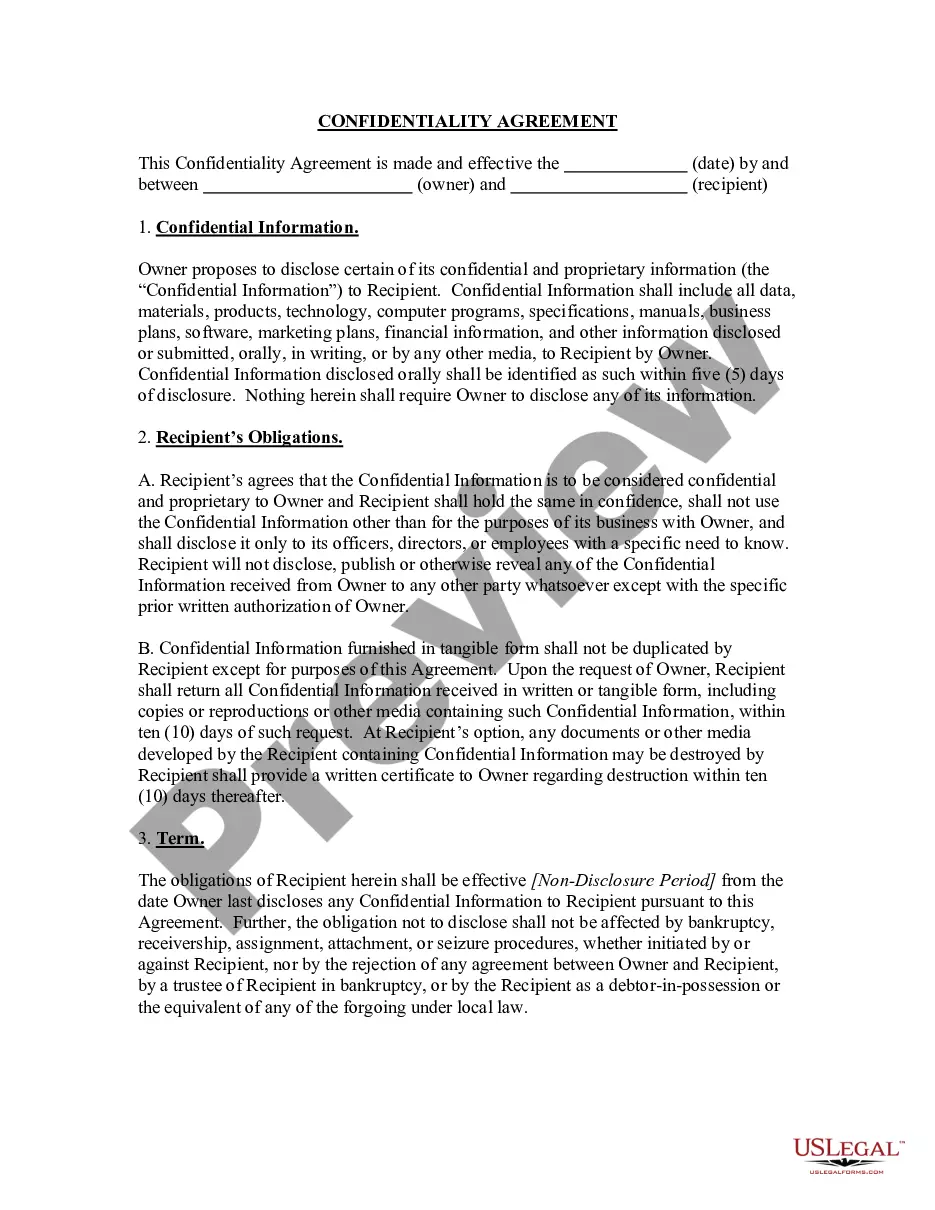
Mississippi Confidentiality Agreement for Interpreters
Description
Get your form ready online
Our built-in tools help you complete, sign, share, and store your documents in one place.
Make edits, fill in missing information, and update formatting in US Legal Forms—just like you would in MS Word.
Download a copy, print it, send it by email, or mail it via USPS—whatever works best for your next step.
Sign and collect signatures with our SignNow integration. Send to multiple recipients, set reminders, and more. Go Premium to unlock E-Sign.
If this form requires notarization, complete it online through a secure video call—no need to meet a notary in person or wait for an appointment.
We protect your documents and personal data by following strict security and privacy standards.
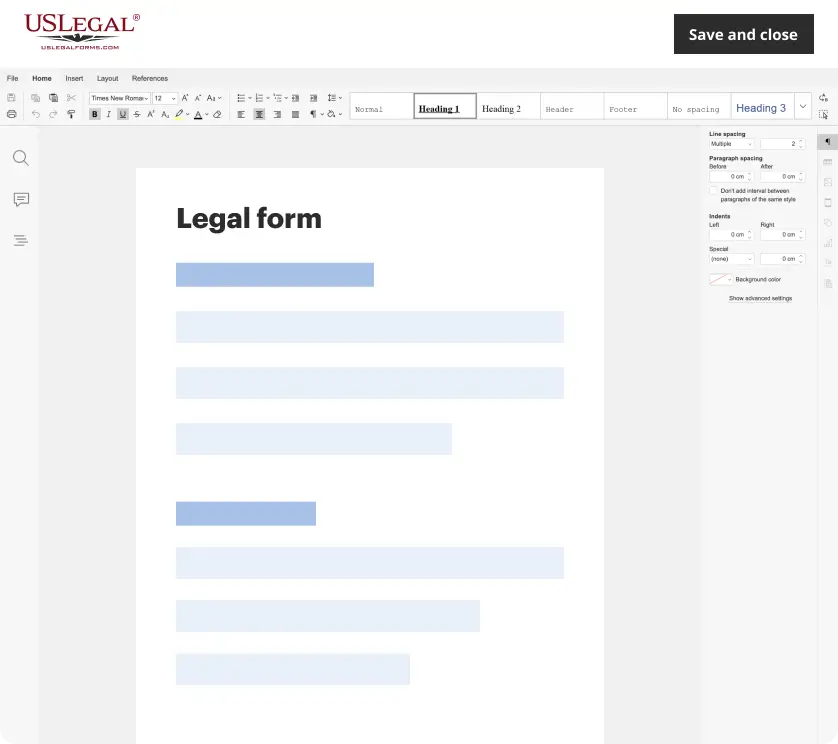
Make edits, fill in missing information, and update formatting in US Legal Forms—just like you would in MS Word.
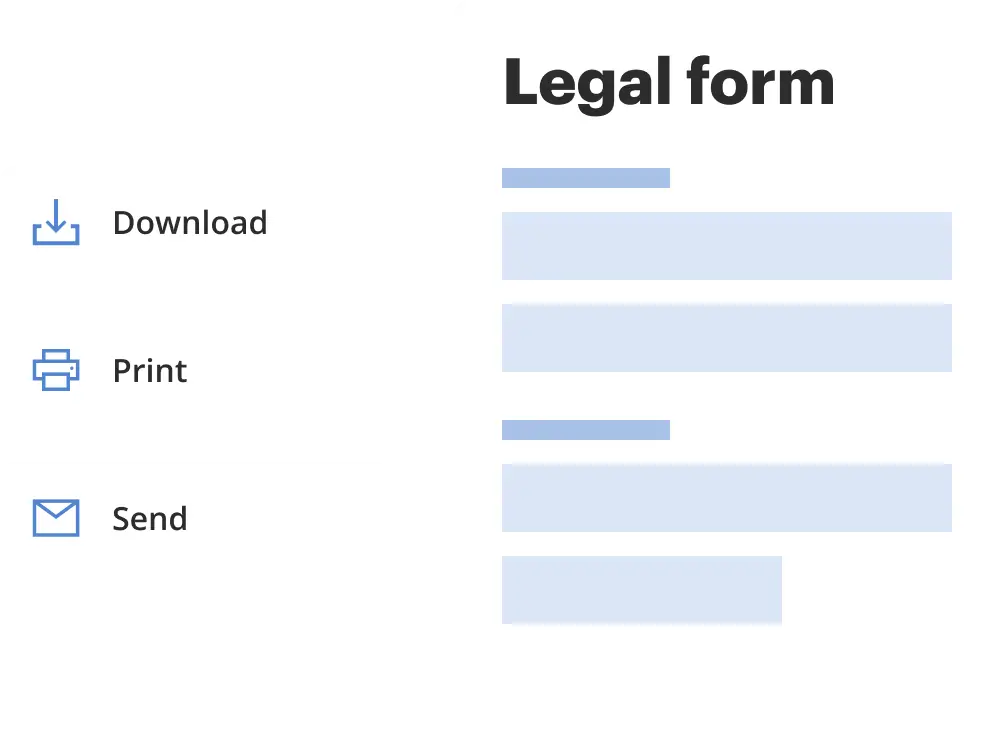
Download a copy, print it, send it by email, or mail it via USPS—whatever works best for your next step.
Sign and collect signatures with our SignNow integration. Send to multiple recipients, set reminders, and more. Go Premium to unlock E-Sign.
If this form requires notarization, complete it online through a secure video call—no need to meet a notary in person or wait for an appointment.
We protect your documents and personal data by following strict security and privacy standards.
Looking for another form?
How to fill out Confidentiality Agreement For Interpreters?
It is feasible to spend hours online searching for the valid document template that complies with the state and federal standards you require.
US Legal Forms offers thousands of valid forms that are reviewed by experts.
You can conveniently obtain or print the Mississippi Confidentiality Agreement for Interpreters from the platform.
If available, use the Review option to examine the document template as well.
- If you hold a US Legal Forms account, you can Log In and select the Download option.
- After that, you can complete, modify, print, or sign the Mississippi Confidentiality Agreement for Interpreters.
- Every valid document template you acquire is yours indefinitely.
- To obtain another copy of a purchased form, go to the My documents tab and click the corresponding option.
- If you are using the US Legal Forms website for the first time, follow the simple instructions below.
- First, ensure you have chosen the correct document template for the state/region of your choice.
- Review the form outline to confirm that you have selected the appropriate form.
Form popularity
FAQ
Confidentiality involves ensuring that information intended for one purpose is not used for another, without the agreement of the person or organisation supplying that information. Information must not be divulged to another agency or person without the consent of the informant.
Interpreters must treat all information learned during the interpretation as confidential. Information shall only be shared on a need to know basis with other employees and service providers to the extent permitted by law.
Unless a document or a piece of information is translated and transferred accurately, it risks being meaningless to the company receiving it. This can cause potential delays or misunderstandings in important tasks and could lead to financial losses.
Interpreters should never paraphrase, summarize, expand on the original speaker's words or offer any personal opinions.
Confidentiality involves ensuring that information intended for one purpose is not used for another, without the agreement of the person or organisation supplying that information. Information must not be divulged to another agency or person without the consent of the informant.
Confidentiality involves ensuring that information intended for one purpose is not used for another, without the agreement of the person or organisation supplying that information. Information must not be divulged to another agency or person without the consent of the informant.
Unless a document or a piece of information is translated and transferred accurately, it risks being meaningless to the company receiving it. This can cause potential delays or misunderstandings in important tasks and could lead to financial losses.
Education § 37-33-173. Interpreting services for deaf or hard of hearing consumers; definitions; certification; registration requirement; confidentiality.
Interpreters adhere to standards of confidential communication. Interpreters possess the professional skills and knowledge required for the specific interpreting situation. Interpreters conduct themselves in a manner appropriate to the specific interpreting situation. Interpreters demonstrate respect for consumers.
Court interpreters and translators are to remain impartial and neutral in proceedings where they serve, and must maintain the appearance of impartiality and neutrality, avoiding unnecessary contact with the parties. Court in- terpreters and translators shall abstain from comment on matters in which they serve.