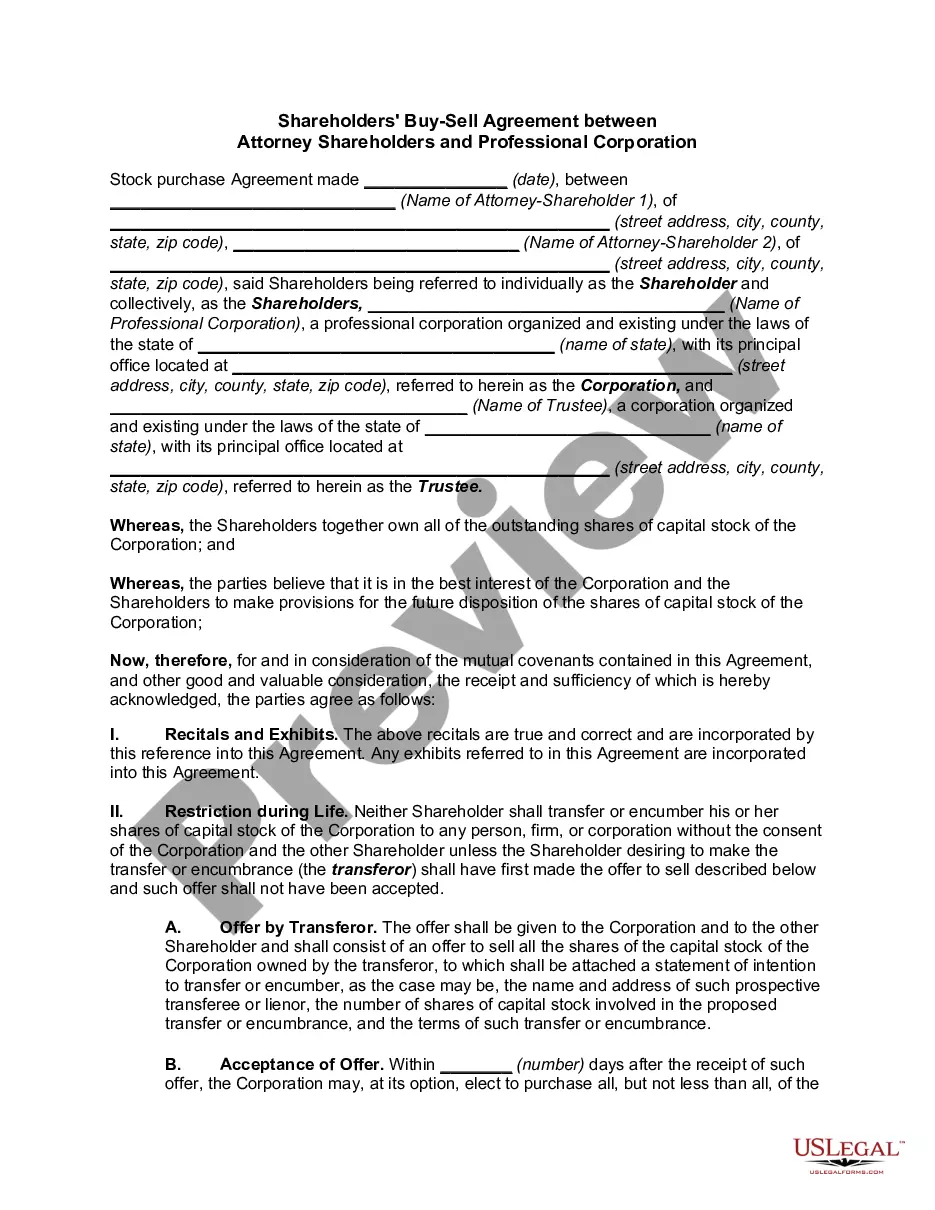
Montana Accounts Receivable - Contract to Sale
Description

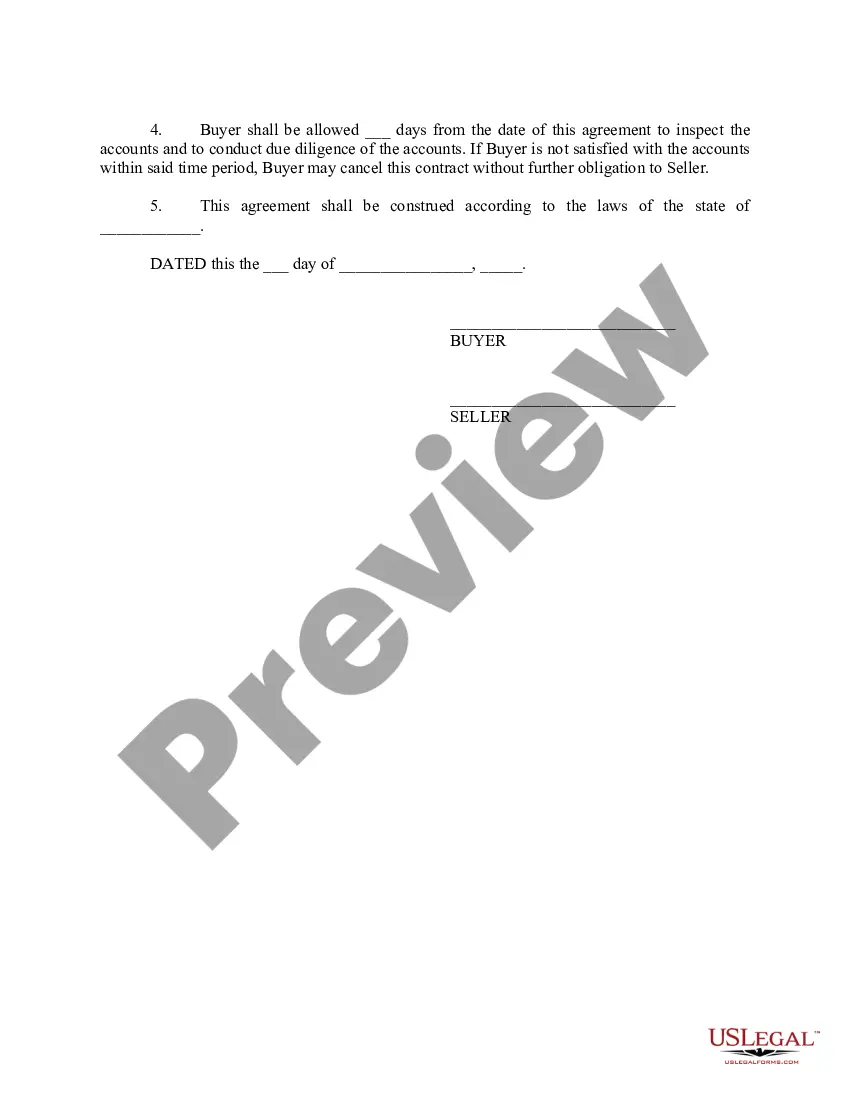
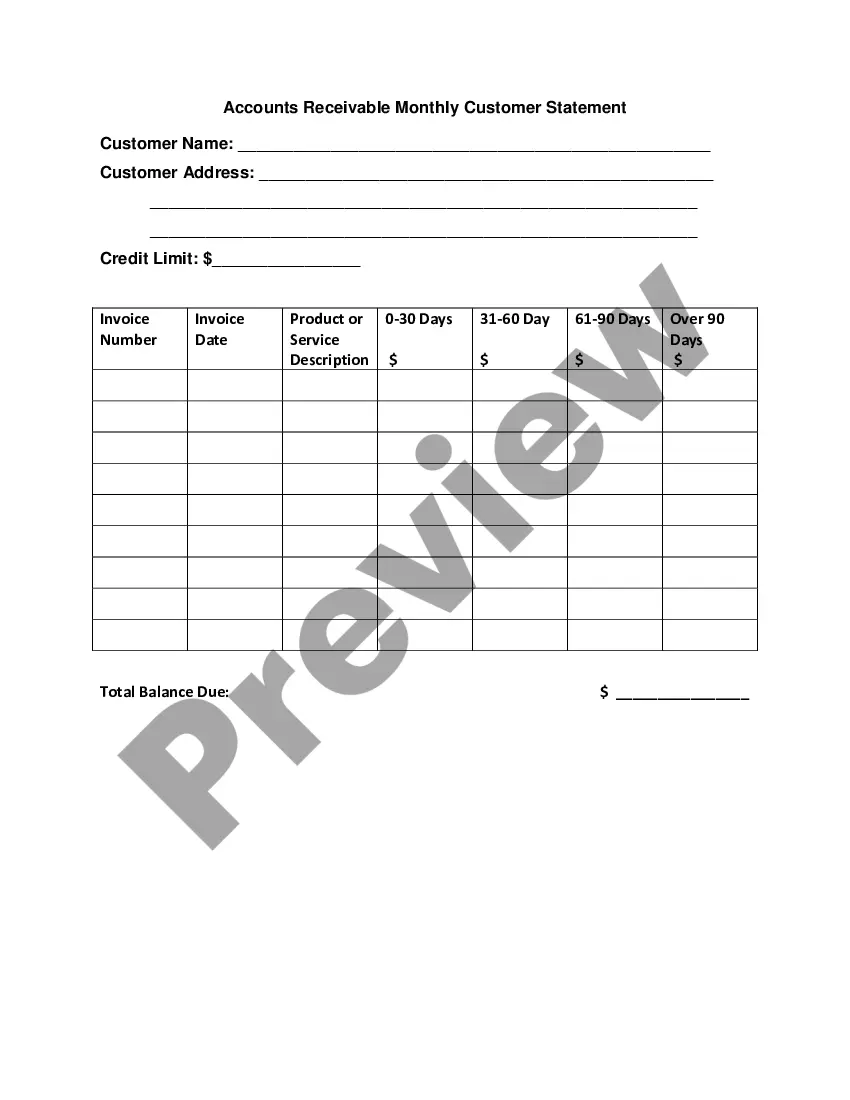

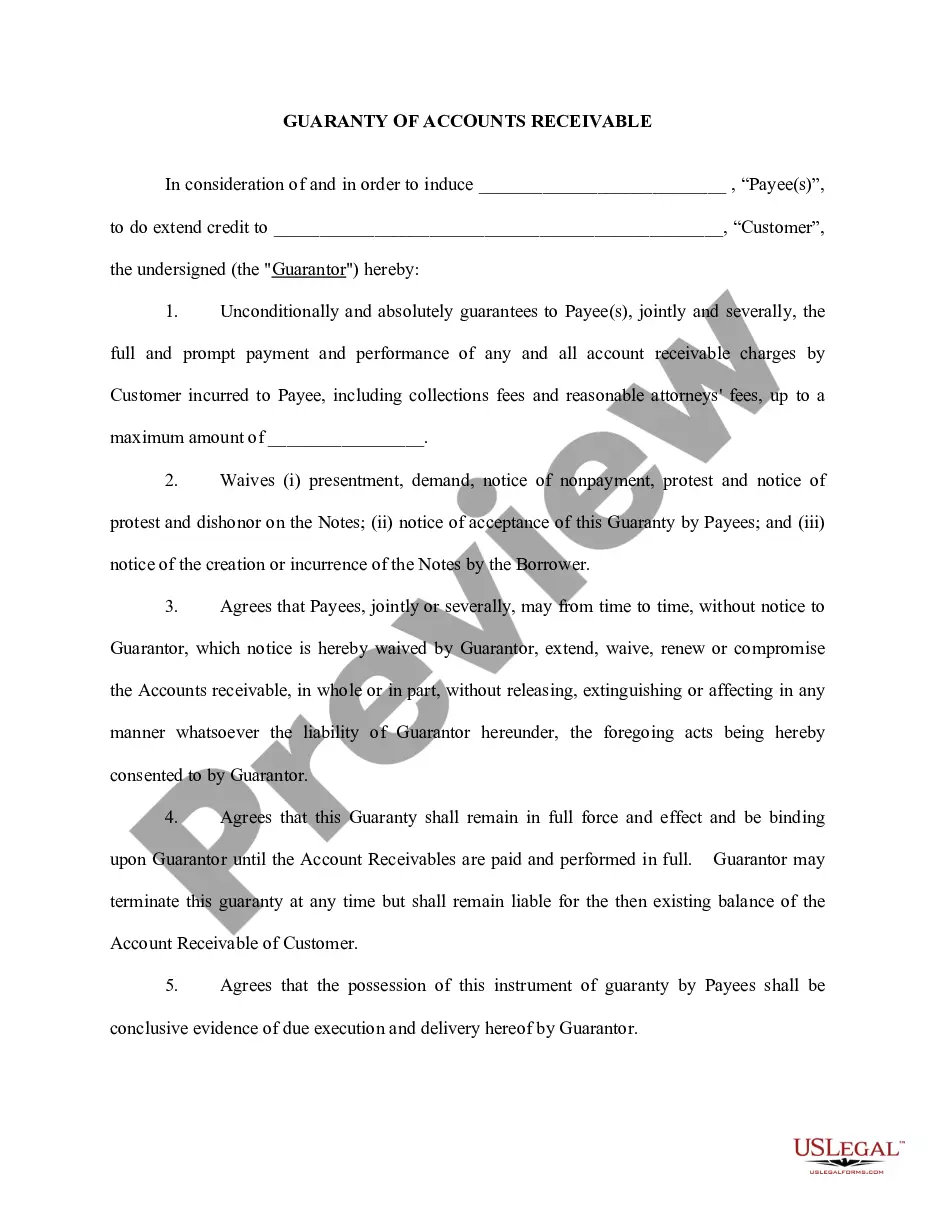


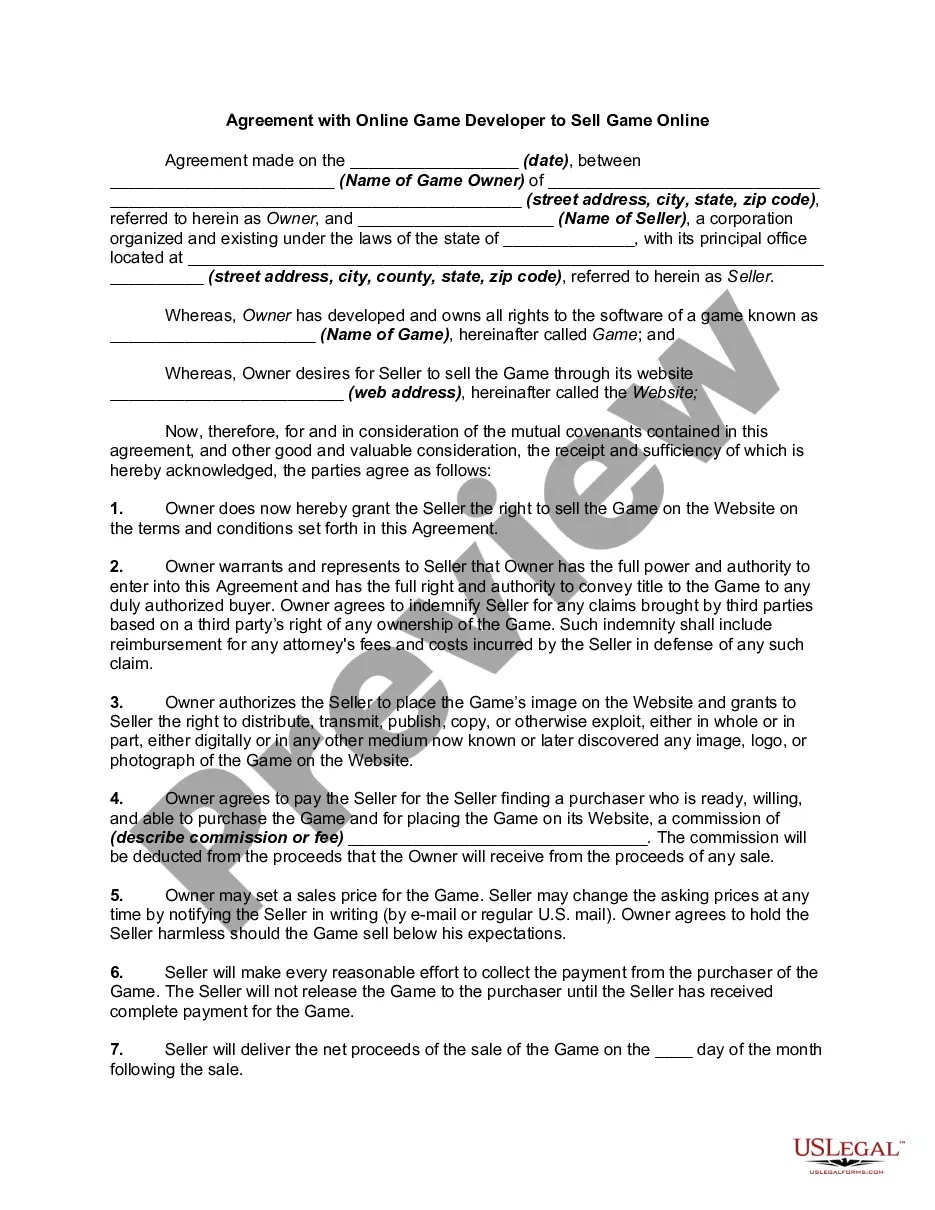
How to fill out Accounts Receivable - Contract To Sale?
If you wish to complete, acquire, or generate legal document templates, utilize US Legal Forms, the largest compilation of legal forms available online.
Employ the site's straightforward and user-friendly search to find the documentation you require.
A wide range of templates for business and personal purposes are organized by categories and states, or keywords.
Step 4. Once you have found the form you need, click the Purchase now button. Choose the payment plan you prefer and input your details to register for an account.
Step 5. Complete the transaction. You can use your Visa or MasterCard or PayPal account to finalize the payment. Step 6. Select the format of the legal document and download it to your device. Step 7. Complete, modify, and print or sign the Montana Accounts Receivable - Contract to Sale. Each legal document template you purchase is yours forever. You will have access to every form you downloaded in your account. Select the My documents section and choose a form to print or download again. Stay competitive and download, and print the Montana Accounts Receivable - Contract to Sale with US Legal Forms. There are thousands of professional and state-specific forms you can use for your business or personal needs.
- Use US Legal Forms to locate the Montana Accounts Receivable - Contract to Sale in just a few clicks.
- If you are already a US Legal Forms customer, Log In to your account and click the Download button to obtain the Montana Accounts Receivable - Contract to Sale.
- You can also access forms you previously downloaded in the My documents section of your account.
- If you are using US Legal Forms for the first time, follow the steps outlined below.
- Step 1. Ensure you have selected the form for the correct city/state.
- Step 2. Utilize the Review option to assess the form's content. Remember to read the information.
- Step 3. If you are not satisfied with the form, use the Search area at the top of the screen to find other variations of the legal form template.
Form popularity
FAQ
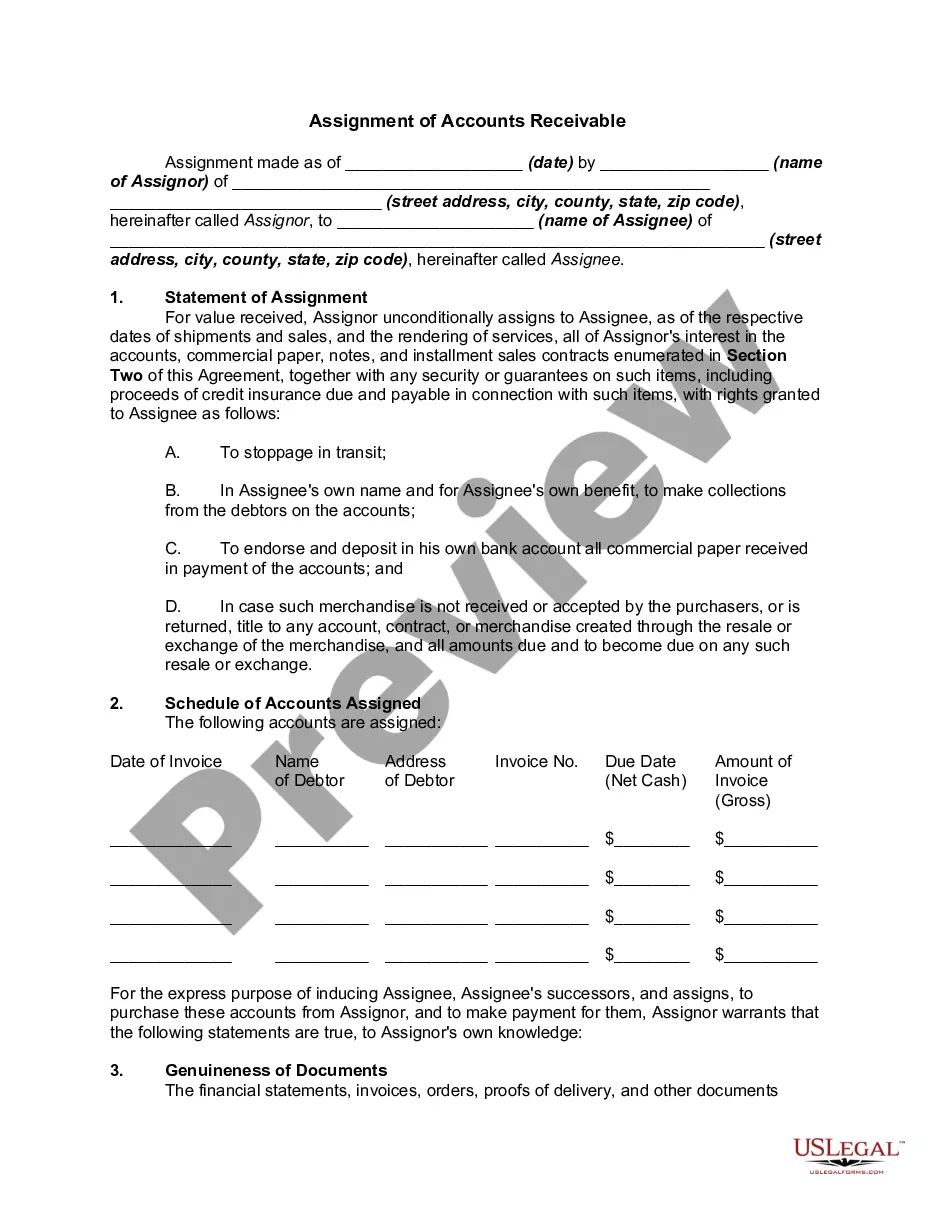
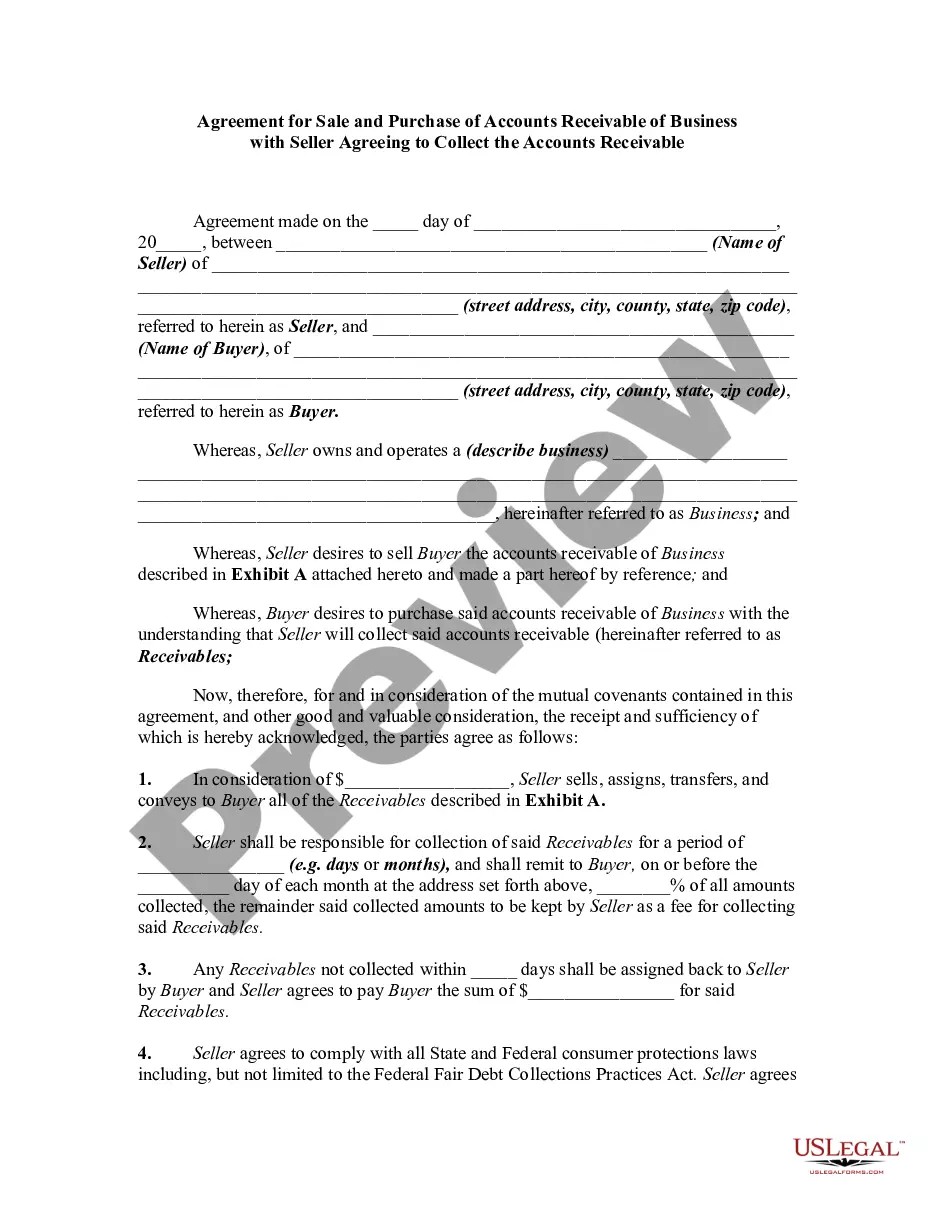
Filling out a sales contract involves several key steps. Start by clearly identifying the parties involved in the transaction and outlining the terms of the sale. Be sure to include details about the product or service, payment terms, and delivery specifics. For those dealing with Montana Accounts Receivable - Contract to Sale, using a template from a reliable platform like uslegalforms can simplify this process significantly.
Yes, Montana law requires a written property disclosure statement for residential real property transfers. This statement provides essential information about the property's condition, which helps buyers make informed decisions. By ensuring transparency, the disclosure fosters trust between buyers and sellers. If you need assistance with this process, consider using the US Legal platform for reliable forms and guidance.
Most buyers don't take accounts receivable. Instead, they come with ample working capital. You'll have to offer them a debt-free company for them to finalize the deal. This translates to retaining accounts receivables and paying off payables.
A receivable purchase agreement is a contract between a seller and a financial institution that allows the seller to sell unpaid invoices from buyers to the financial institution. This means that the seller can enable cash flow until payment is received from the buyer.
While all transactions are as unique as the parties involved, in most small business sale transactions the seller keeps the cash and outstanding receivables. They pay off the bills and any other outstanding payables and deliver the business free and clear of debt to the buyer.
Asset sales Normalized net working capital is also typically included in a sale. Net working capital often includes accounts receivable, inventory, prepaid expenses, accounts payable, and accrued expenses. Within IRS guidelines, asset sales allow buyers to ?step-up? the company's depreciable basis in its assets.
Factoring is simply selling your accounts receivables at a discount. While not for every business, it is a short-term solution ? typically two years or less ? for companies with an equally brief need for cash flow.
Factoring is when a company sells its accounts receivable to another company in exchange for cash in advance of the accounts receivable payment due date. The company pledges its rights to collect its accounts receivable to the Factor in exchange for a cash advance.
An accounts receivable purchase agreement is a contract between a buyer and seller. The seller sells receivables and the buyer collects the receivables. An accounts receivable purchase agreement is a contract between a buyer and seller.
Can accounts receivable be sold? Yes, accounts receivable can be sold through a process called factoring, which is a type of receivable financing where a company sells its outstanding invoices to a factor at a discount in exchange for immediate cash.