Montana Pledge Agreement College
Description
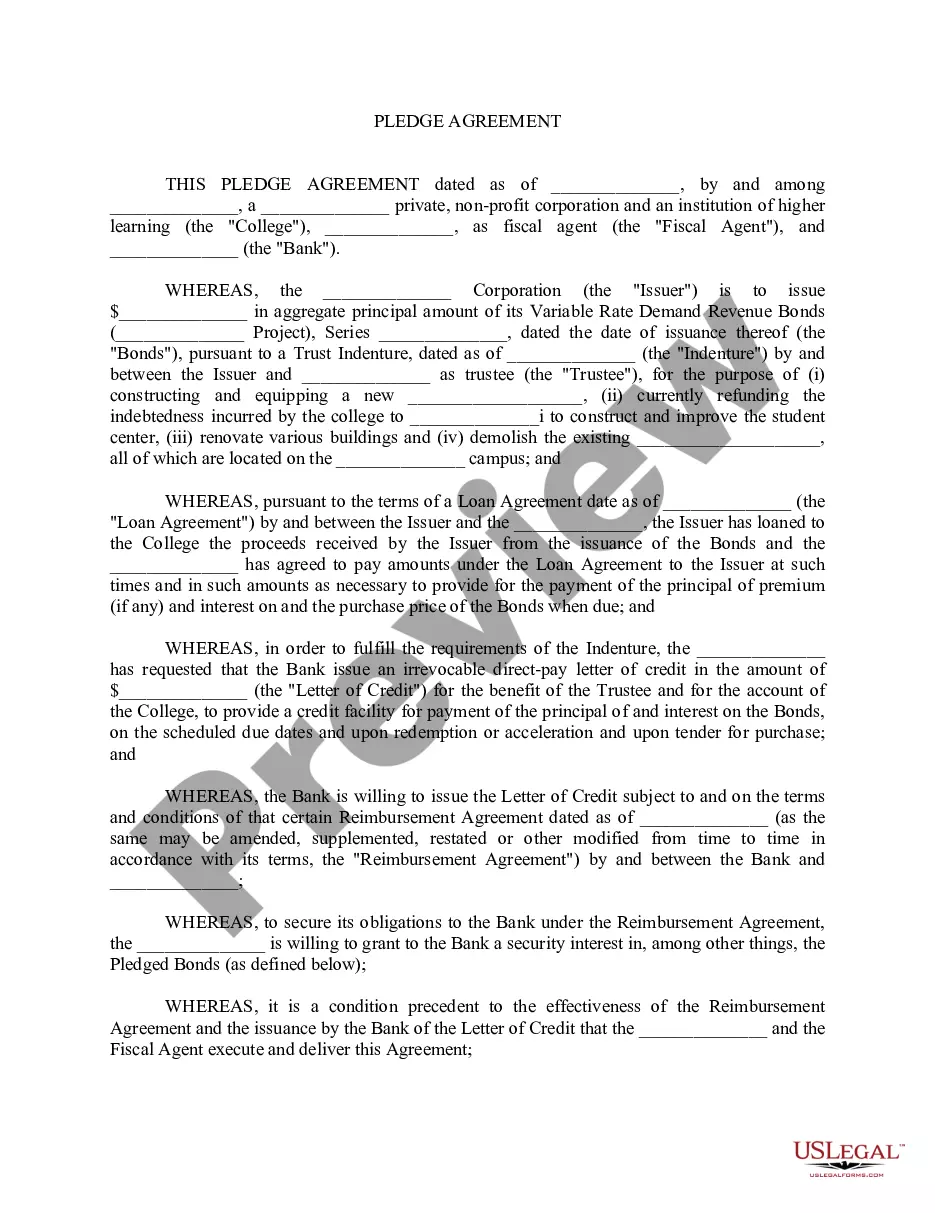
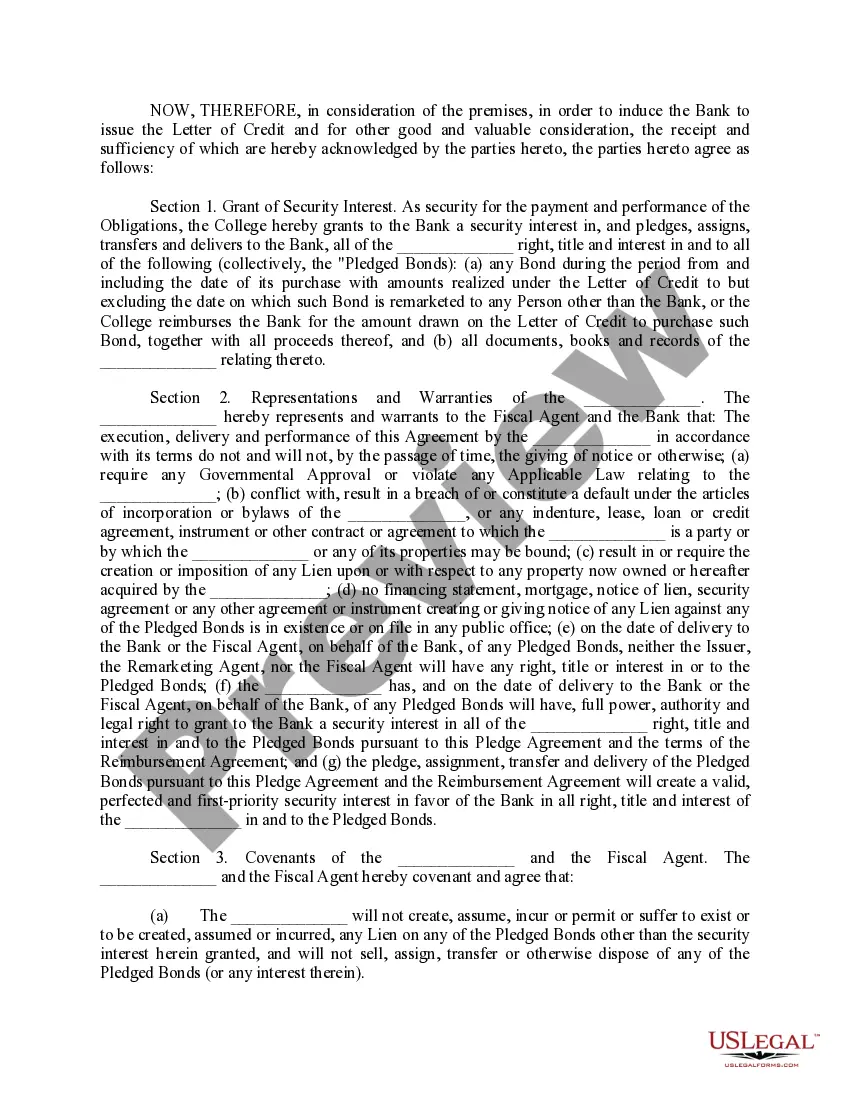

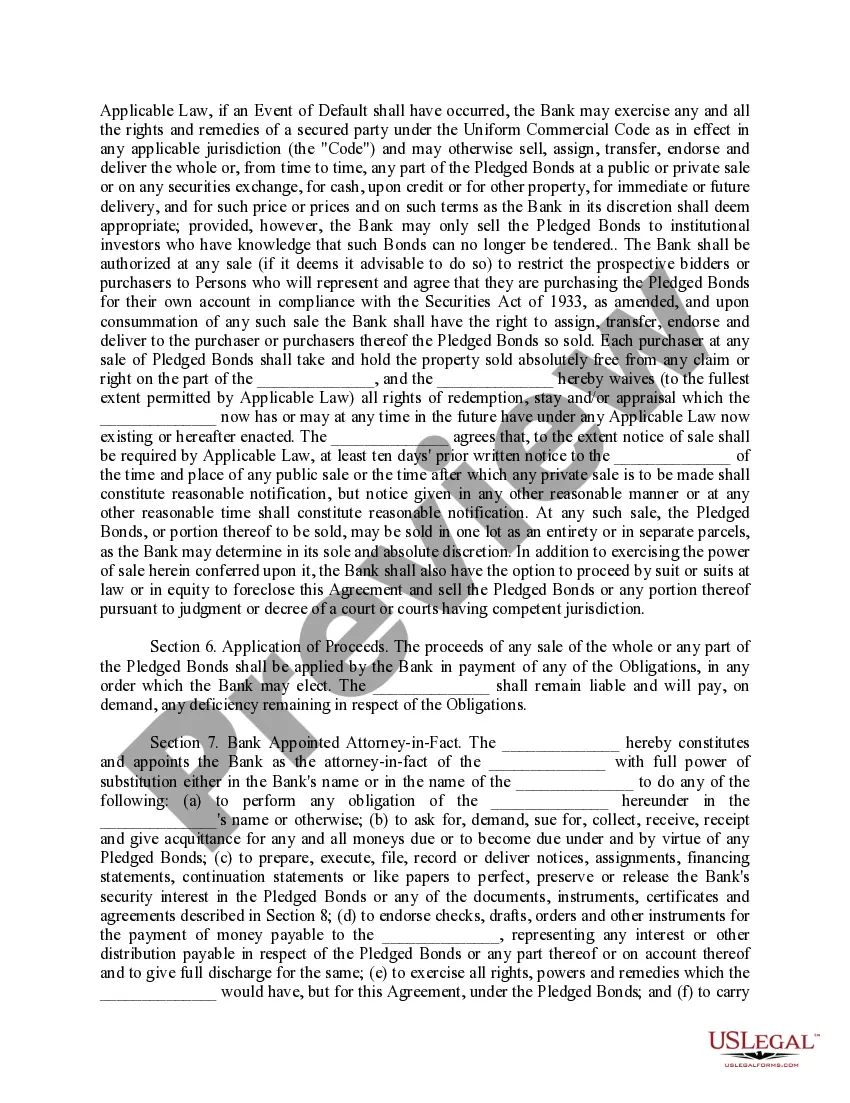
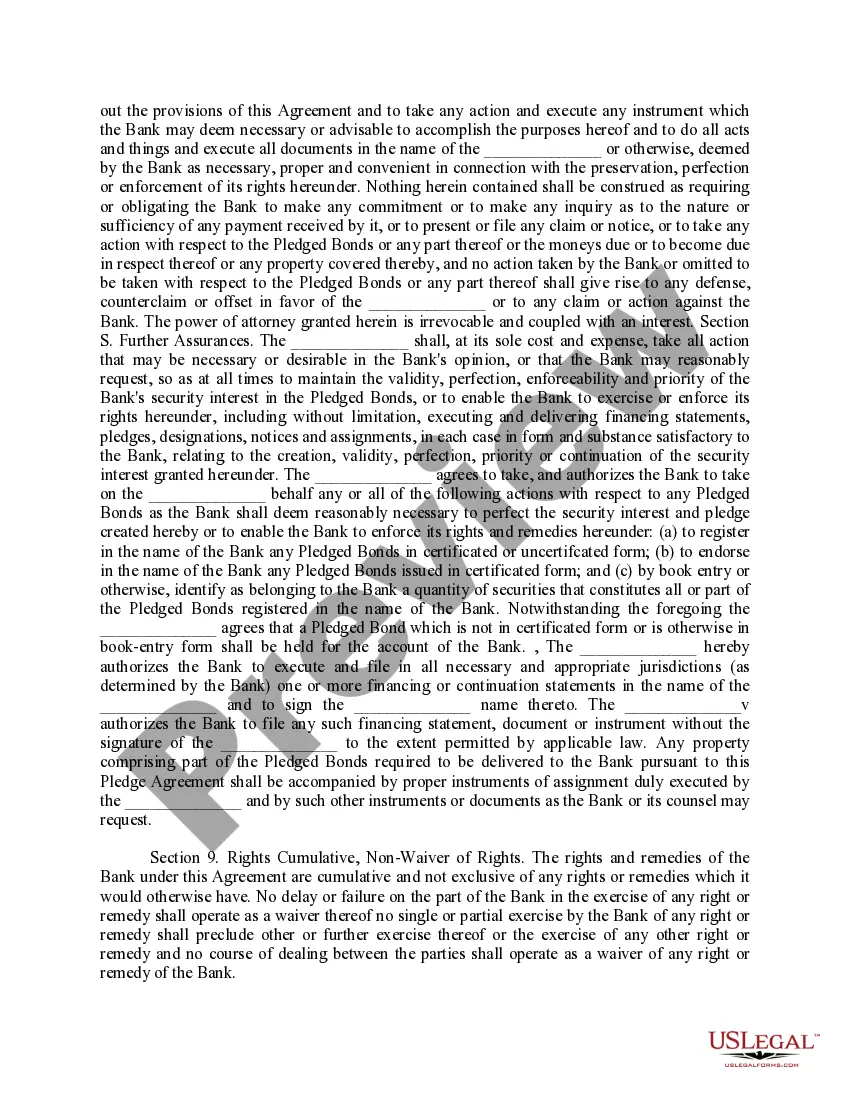
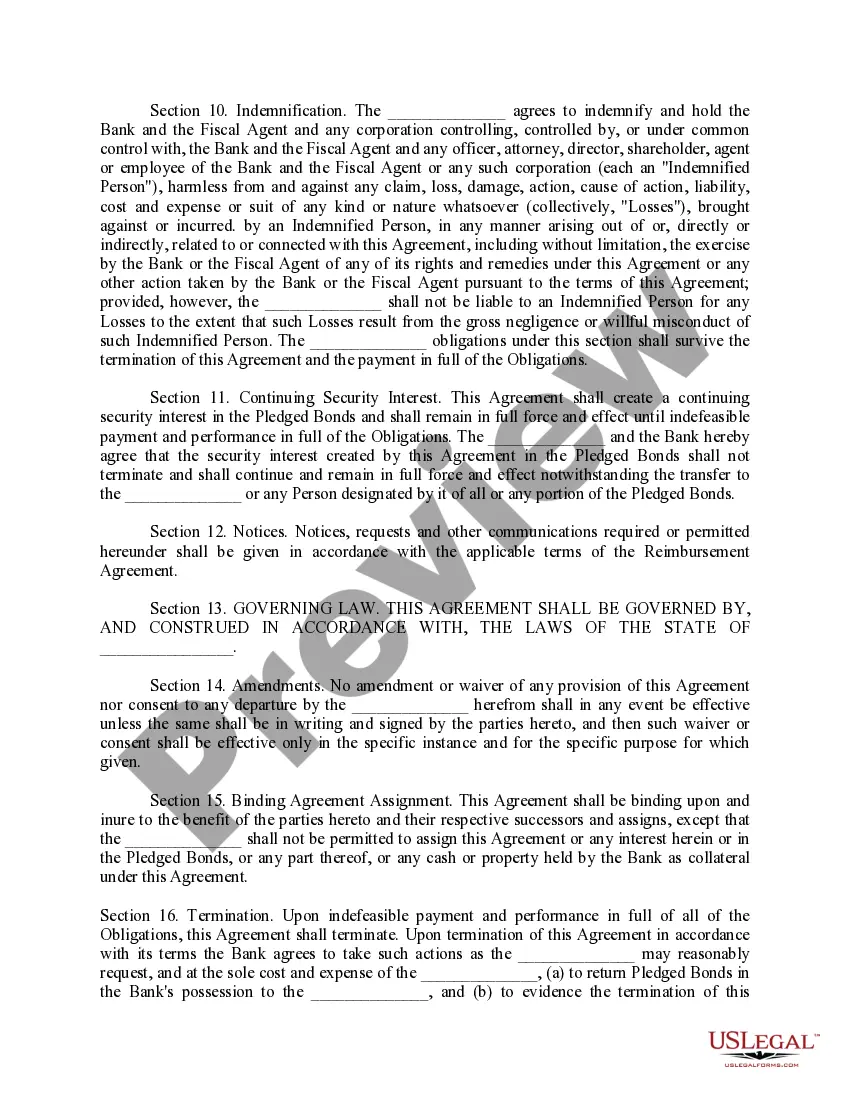
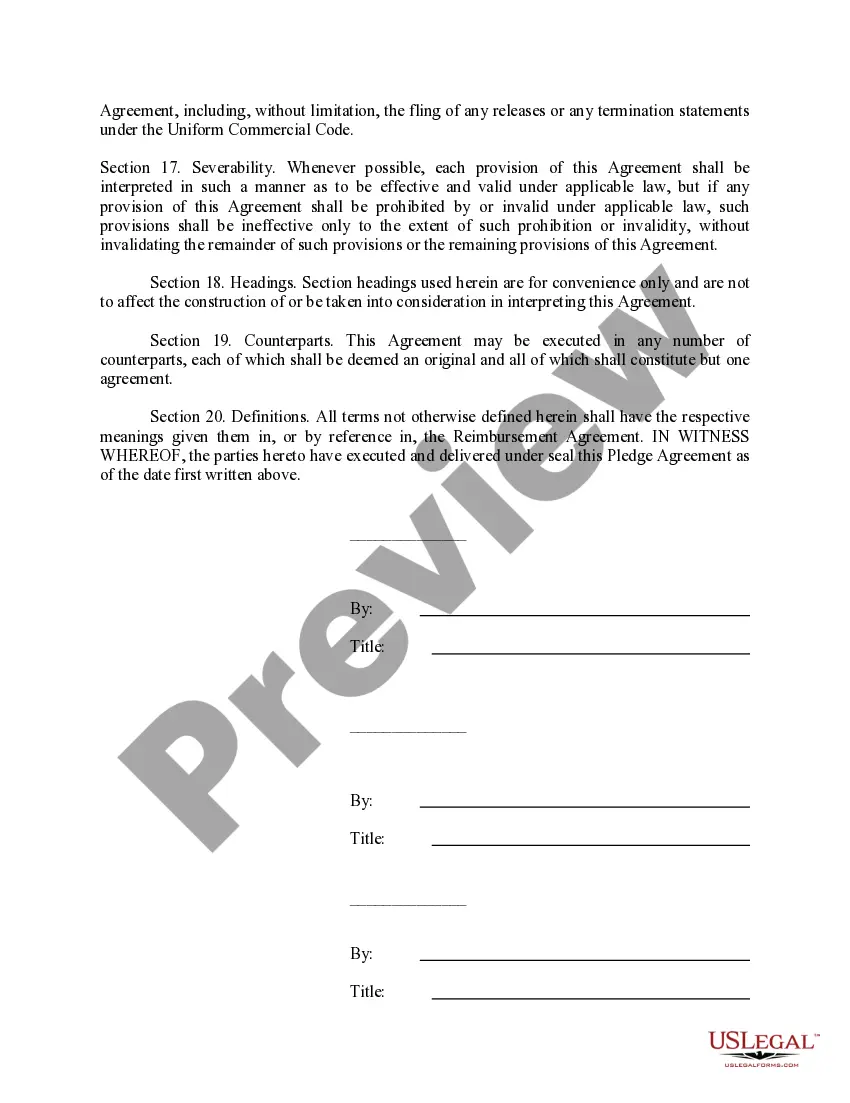
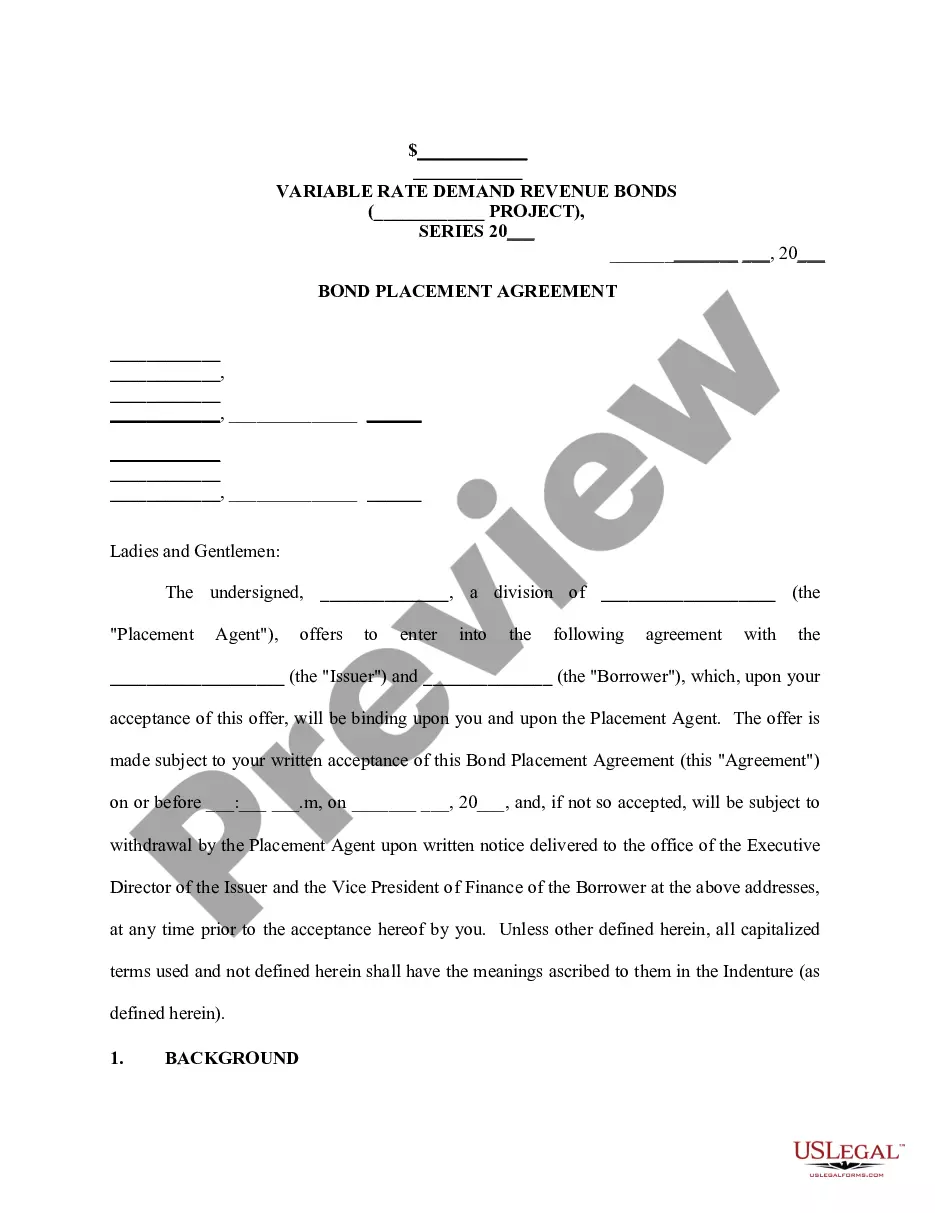
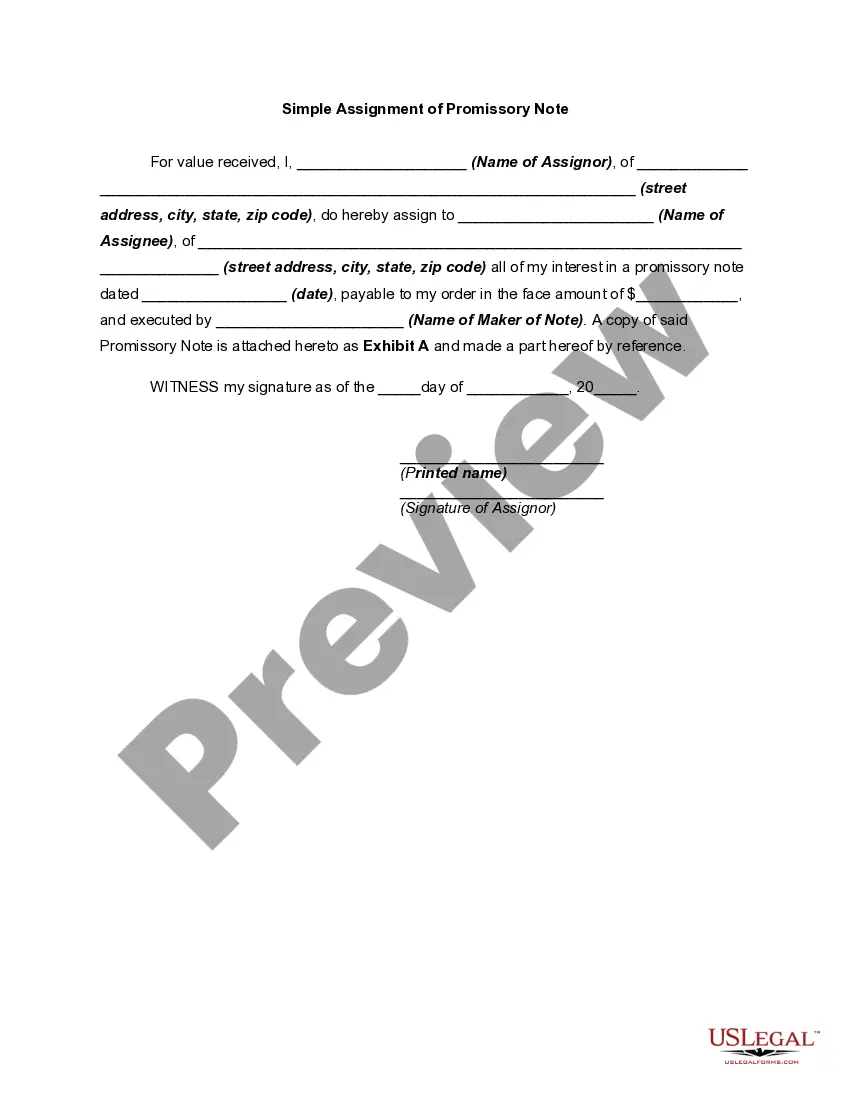
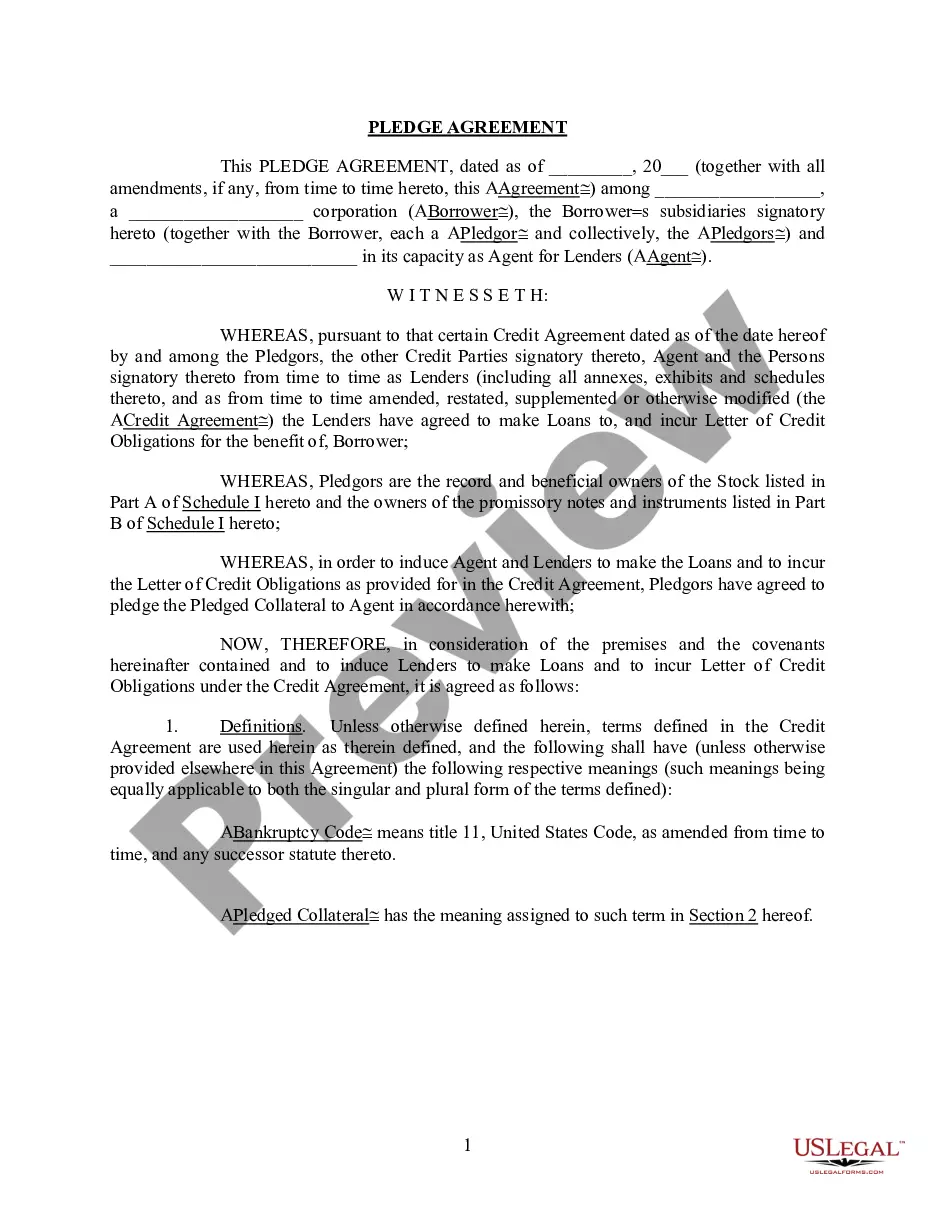
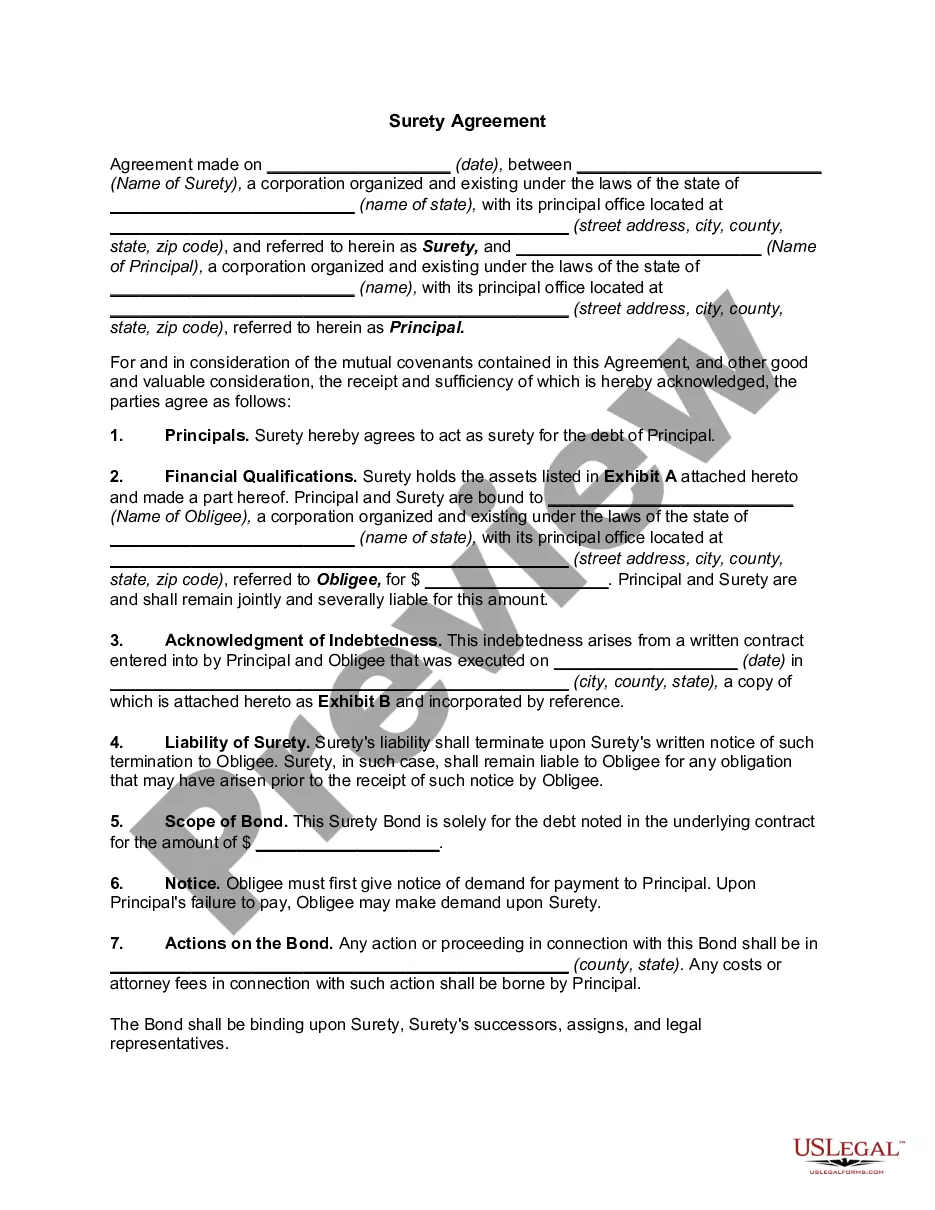
Get your form ready online
Our built-in tools help you complete, sign, share, and store your documents in one place.
Make edits, fill in missing information, and update formatting in US Legal Forms—just like you would in MS Word.
Download a copy, print it, send it by email, or mail it via USPS—whatever works best for your next step.
Sign and collect signatures with our SignNow integration. Send to multiple recipients, set reminders, and more. Go Premium to unlock E-Sign.
If this form requires notarization, complete it online through a secure video call—no need to meet a notary in person or wait for an appointment.
We protect your documents and personal data by following strict security and privacy standards.

Make edits, fill in missing information, and update formatting in US Legal Forms—just like you would in MS Word.

Download a copy, print it, send it by email, or mail it via USPS—whatever works best for your next step.

Sign and collect signatures with our SignNow integration. Send to multiple recipients, set reminders, and more. Go Premium to unlock E-Sign.

If this form requires notarization, complete it online through a secure video call—no need to meet a notary in person or wait for an appointment.

We protect your documents and personal data by following strict security and privacy standards.
Looking for another form?
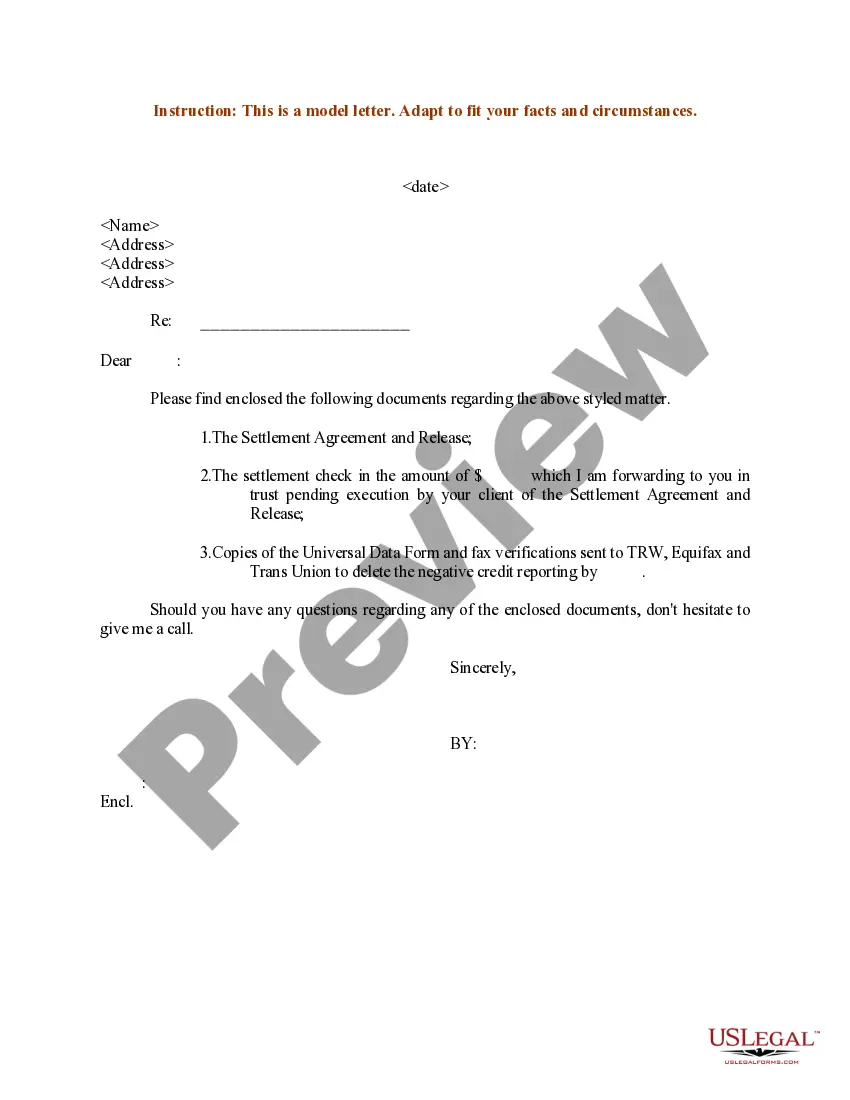
How to fill out Pledge Agreement College?
If you need to compile, obtain, or print legal document templates, utilize US Legal Forms, the largest collection of legal forms available online.
Take advantage of the website's easy and convenient search to find the documents you require. A range of templates for business and personal purposes are organized by categories and states, or keywords.
Use US Legal Forms to obtain the Montana Pledge Agreement College in just a few clicks.
Step 5. Complete the transaction. You can use your credit card or PayPal account to finalize the payment.
Step 6. Choose the format of your legal form and download it to your device. Step 7. Complete, edit, and print or sign the Montana Pledge Agreement College. Every legal document template you purchase is yours permanently. You have access to every form you acquired in your account. Go to the My documents section and select a form to print or download again. Be proactive and acquire, and print the Montana Pledge Agreement College with US Legal Forms. There are millions of professional and state-specific forms you can use for your business or personal needs.
- If you are already a US Legal Forms user, sign in to your account and click the Download button to receive the Montana Pledge Agreement College.
- You can also access forms you previously purchased in the My documents tab of your account.
- If you are using US Legal Forms for the first time, follow these instructions.
- Step 1. Ensure you have selected the form for the correct state/region.
- Step 2. Use the Preview option to review the form's content. Don't forget to check the outline.
- Step 3. If you are not satisfied with the form, utilize the Search field at the top of the screen to find other versions of the legal form template.
- Step 4. Once you have found the form you need, select the Buy Now button. Choose the pricing plan you prefer and enter your credentials to register for an account.
Form popularity
FAQ
No one's going to jail for refusing to recite it. Why? Because it violates the First Amendment, which protects free speech. Over the years, several court cases have stated that no one can force another person to salute the American flag or say the pledge.
While students have never been required to recite it since a 1943 Supreme Court decision, it remained a widespread daily ritual for decades. But since the 2000s, a growing number of schools have eliminated or modified the pledge, sparking heated debate.
Today, 47 states still require the pledge in public schools (although thanks to the Barnette decision, individual students may opt out). California law requires daily ?patriotic exercises? in public schools, and specifies that the pledge is one way to meet that requirement.
Another reason why students might not stand for the Pledge of Allegiance is that they just simply believe that America will and won't provide 'liberty and justice'. This could be because of personal experiences that they faced whether it be injustice, racism, sexism, and more.
Federal appellate courts have agreed that public schools may not force students to stand during the pledge of allegiance. The Supreme Court hasn't directly addressed the issue of students refusing to stand for the pledge or the national anthem?clear examples of symbolic speech.
When the pledge is given, unexcused students must show full respect to the flag by standing at attention, men removing the headdress, except when such headdress is worn for religious purposes, as provided by Pub. L. ch. 77-435, s.
Barnette that students cannot be compelled to recite the Pledge, nor can they be punished for not doing so. In several states, state flag pledges of allegiance are required to be recited after the pledge to the American flag.
The tradition stuck in part thanks to an older generation aiming to teach patriotism following the Civil War, and one eager to instill a patriotic fervor in new waves of immigrants. Today 47 states require students to recite the pledge in school, but there are varying exceptions.