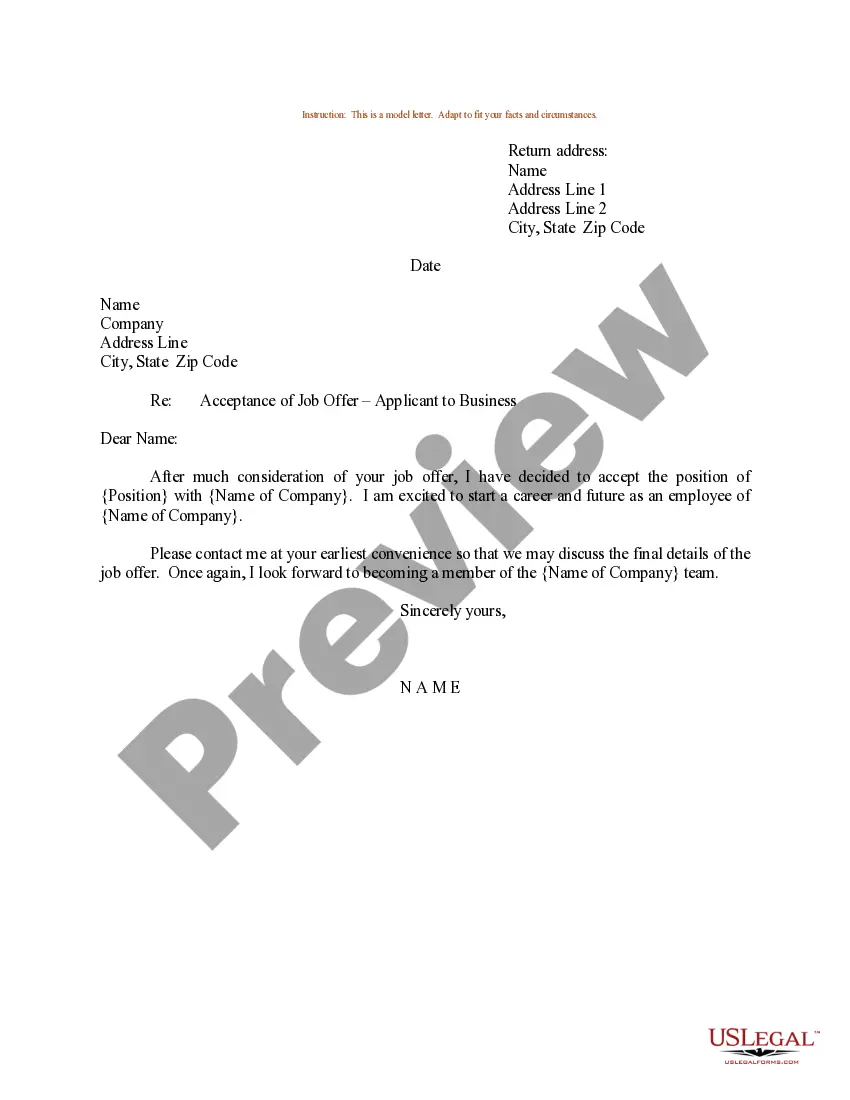
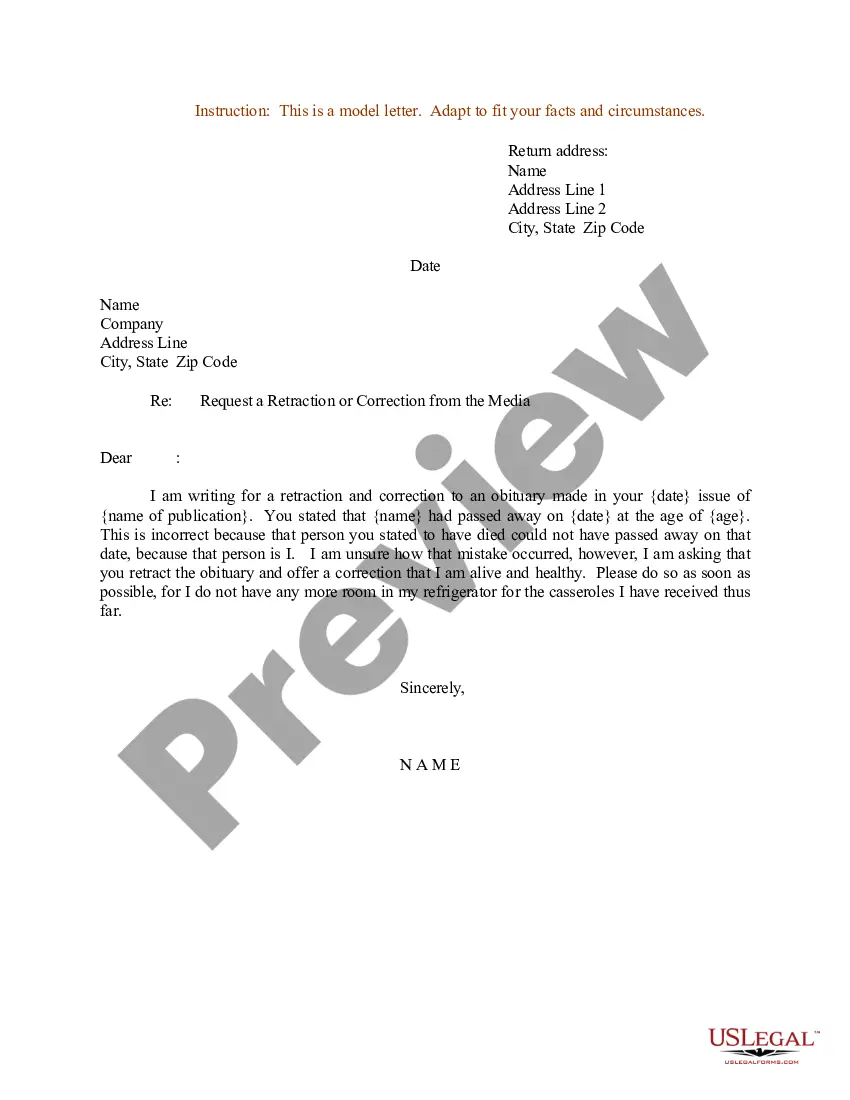
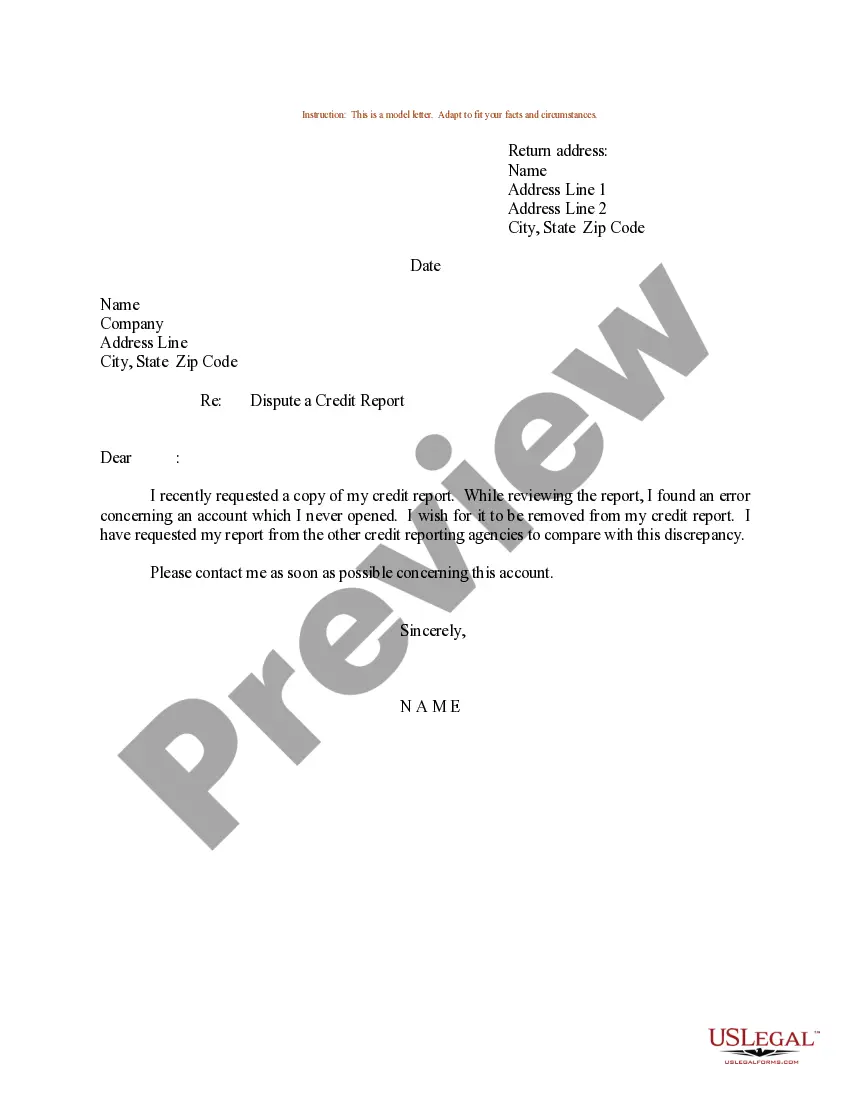
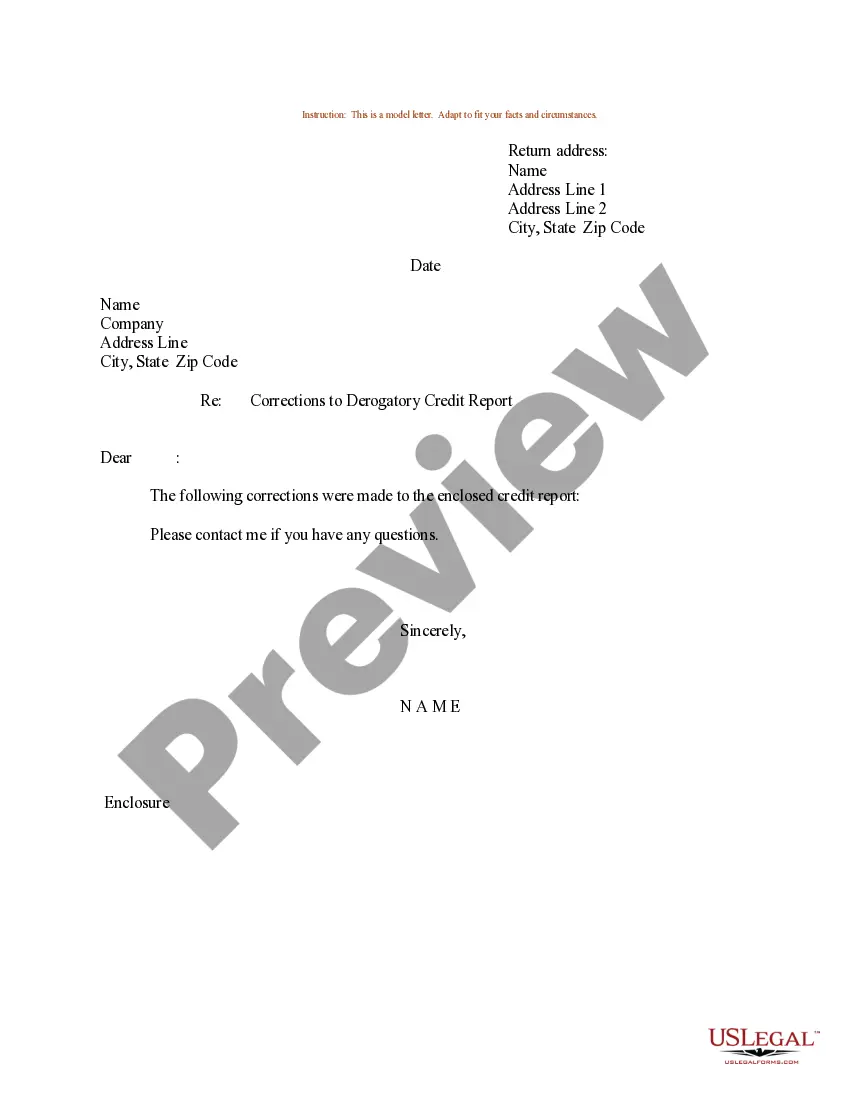
Montana Sample Letter for Request a Retraction or Correction from the Media
Description
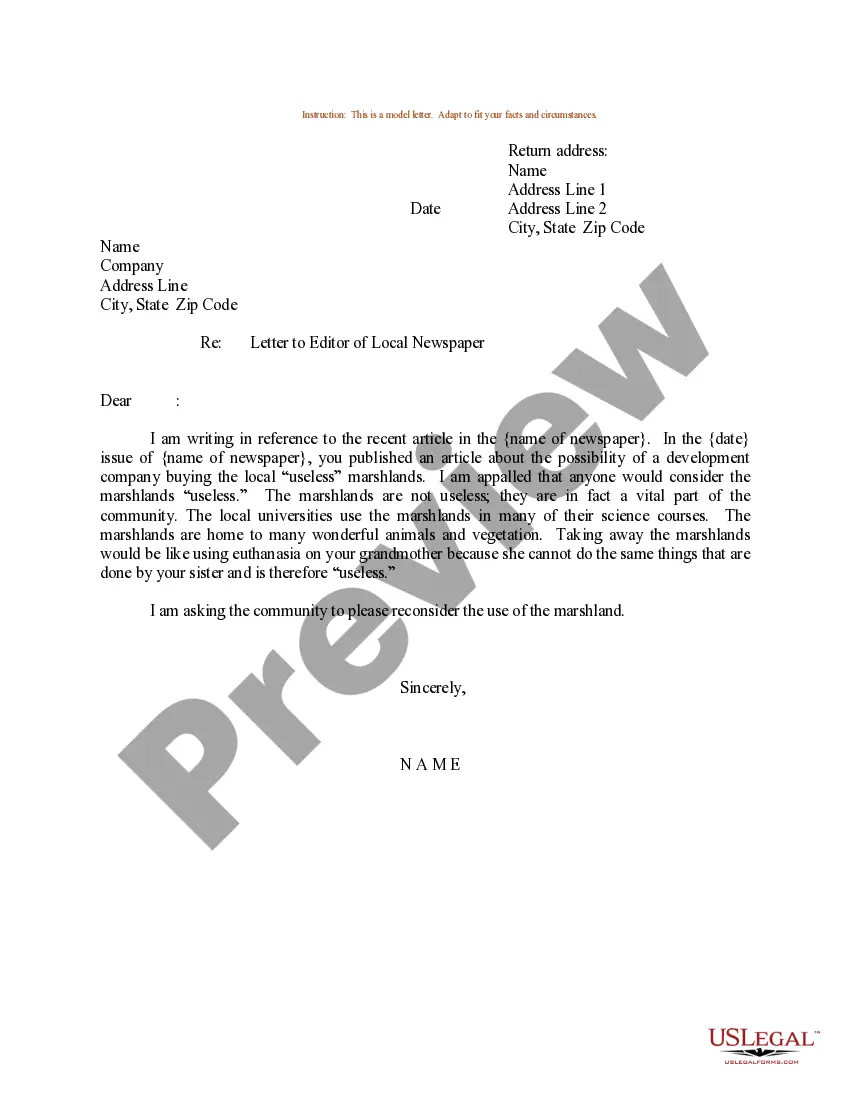
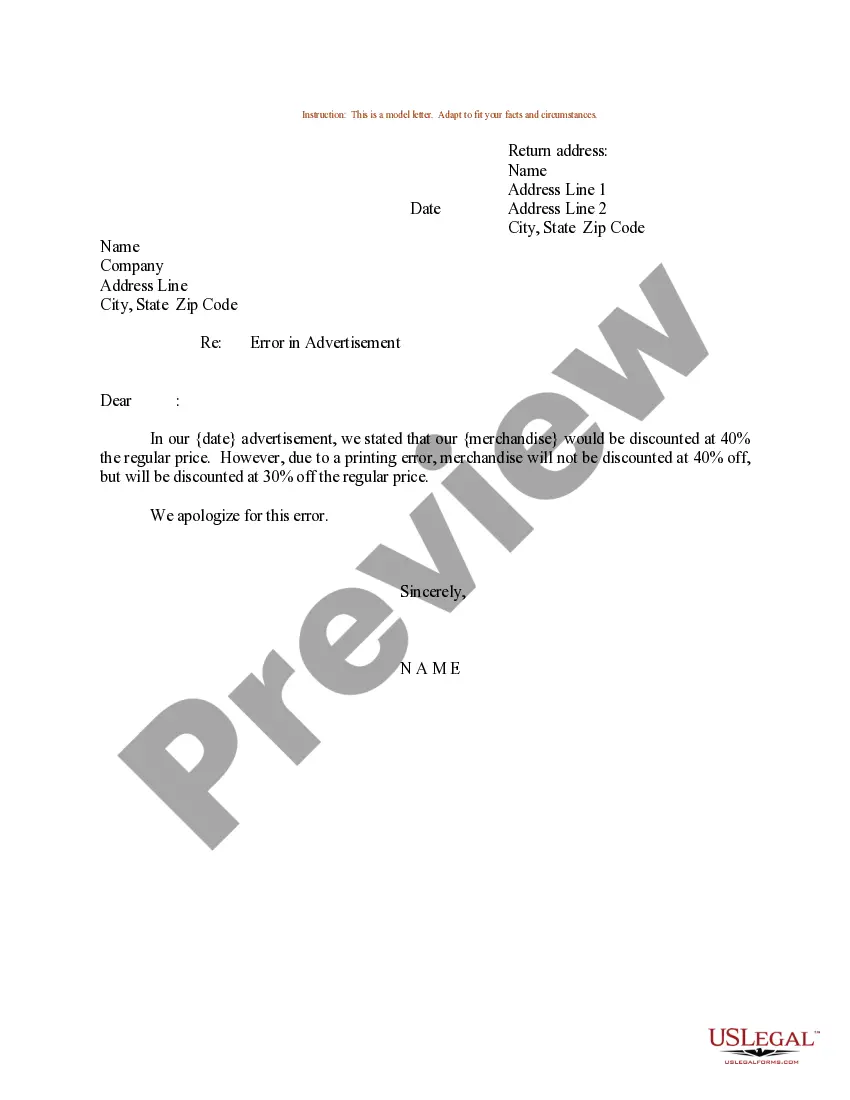
Get your form ready online
Our built-in tools help you complete, sign, share, and store your documents in one place.
Make edits, fill in missing information, and update formatting in US Legal Forms—just like you would in MS Word.
Download a copy, print it, send it by email, or mail it via USPS—whatever works best for your next step.
Sign and collect signatures with our SignNow integration. Send to multiple recipients, set reminders, and more. Go Premium to unlock E-Sign.
If this form requires notarization, complete it online through a secure video call—no need to meet a notary in person or wait for an appointment.
We protect your documents and personal data by following strict security and privacy standards.

Make edits, fill in missing information, and update formatting in US Legal Forms—just like you would in MS Word.

Download a copy, print it, send it by email, or mail it via USPS—whatever works best for your next step.

Sign and collect signatures with our SignNow integration. Send to multiple recipients, set reminders, and more. Go Premium to unlock E-Sign.

If this form requires notarization, complete it online through a secure video call—no need to meet a notary in person or wait for an appointment.

We protect your documents and personal data by following strict security and privacy standards.
Looking for another form?
How to fill out Sample Letter For Request A Retraction Or Correction From The Media?
It is feasible to allocate time online looking for the legal document template that satisfies the state and federal requirements you seek.
US Legal Forms offers thousands of legal forms that have been evaluated by experts.
You can download or print the Montana Sample Letter for Request a Retraction or Correction from the Media from my service.
Firstly, ensure that you have selected the correct document template for your county/city of choice. Review the form description to confirm that you have chosen the right form. If available, utilize the Review button to browse the document template as well.
- If you already possess a US Legal Forms account, you can Log In and press the Download button.
- Subsequently, you can complete, modify, print, or sign the Montana Sample Letter for Request a Retraction or Correction from the Media.
- Every legal document template you obtain is yours permanently.
- To obtain an additional copy of a purchased form, navigate to the My documents tab and click on the corresponding button.
- If you are using the US Legal Forms website for the first time, follow the simple instructions below.
Form popularity
FAQ
Get a hold of the right person, show that you have a valid case for complaint, and the newspaper may print a retraction, admitting and correcting the error. But remember to remain professional and pleasant along the way. Examine the story closely.
Procedure. A retraction may be initiated by the editors of a journal, or by the author(s) of the papers (or their institution). Retractions are typically accompanied by a retraction notice written by the editors or authors explaining the reason for the retraction.
How do you write a retraction letter?Address your boss and HR.Start with a retraction statement.Request to keep your job.Apologize for the inconvenience.Explain your reasoning.List the benefits of keeping you on.Discuss your plans.Close with thanks.
Write Your Letter Step-by-StepWrite Your Letter Step-by-Step. Inform the reader that he or she made an error in his or her report.State what was presented to the public and then give the correction.Request a retraction or correction.If appropriate, thank the reader for his or her cooperation.
A retraction letter is a document that withdraws, or rescinds, a previous claim. In the world of construction and mechanics lien rights, a retraction letter is most often used to retract a preliminary notice or a notice of intent to lien.
Call the media professional whose byline appears above the item containing the incorrect information. If no byline appears, call the media organization and explain where the original information appeared and specify that you are seeking a retraction.
Call the media professional whose byline appears above the item containing the incorrect information. If no byline appears, call the media organization and explain where the original information appeared and specify that you are seeking a retraction.
If you need to ask for a correction, start by calling the reporter who wrote the story, but don't belittle or yell at the reporter. Explain the inaccuracy, give him or her the correct information, then ask the reporter to read the correction back to you after it's written. You do not want an inaccurate correction.
While the terms correction and retraction are sometimes used interchangeably, in general, a correction alerts your audience to factual errors that do not take away from your main point, while a retraction informs your audience of factual errors that impact the main point of the statements.