Montana Tenant Improvement Lease
Description
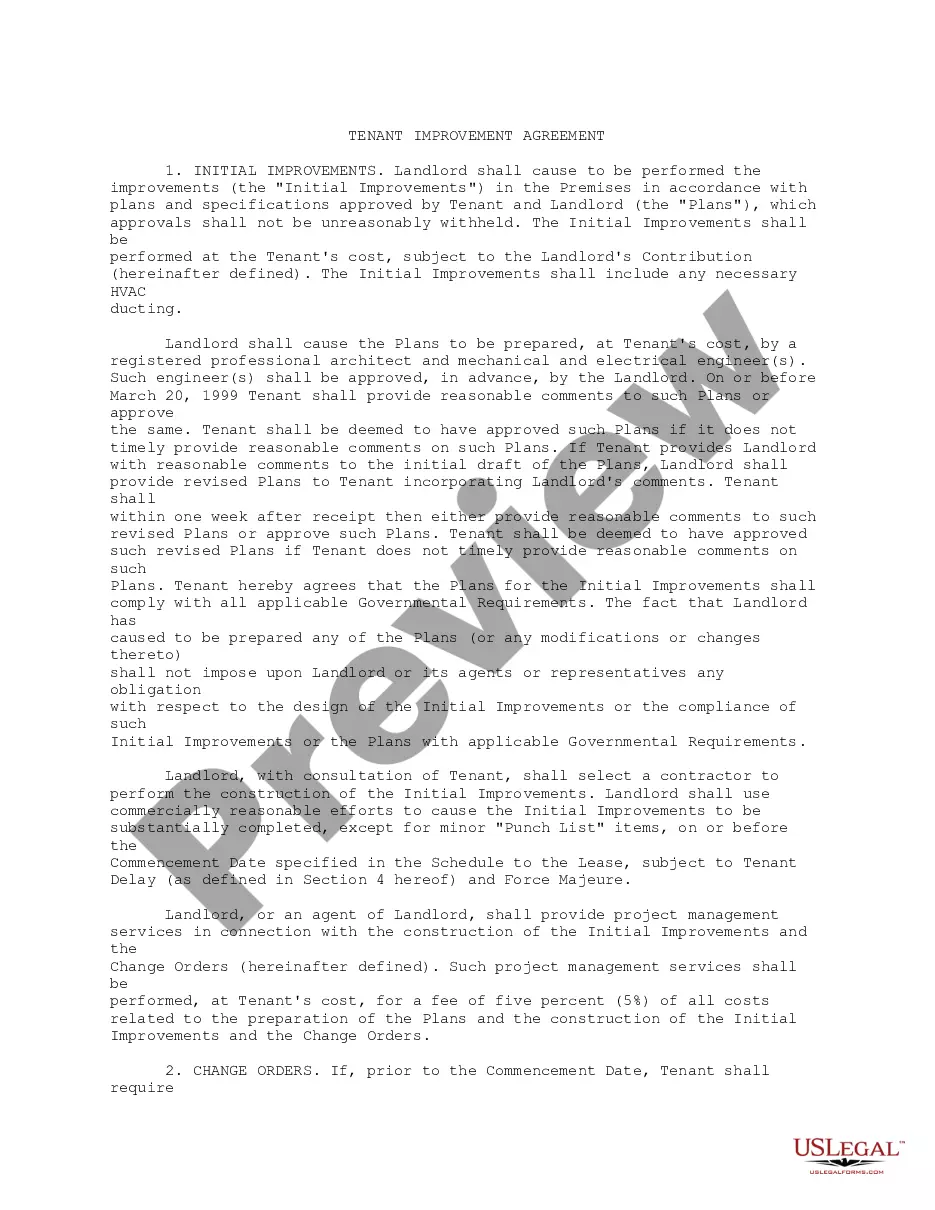

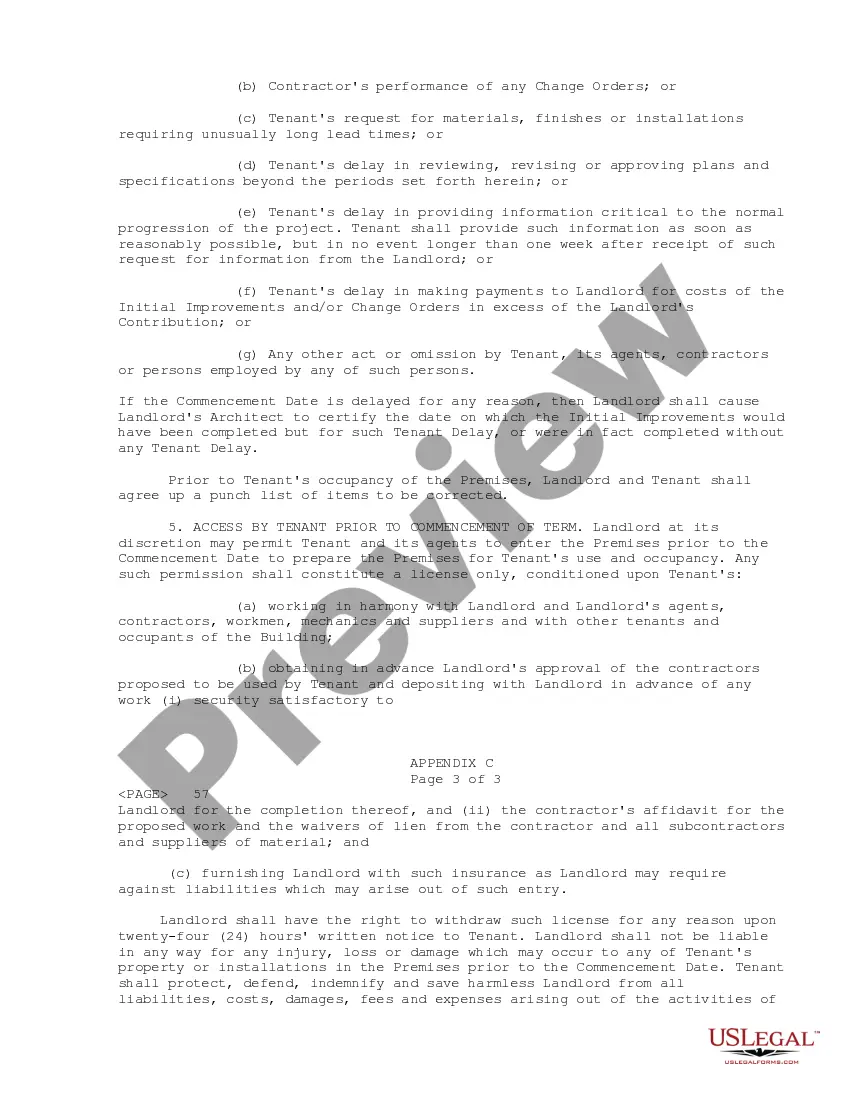
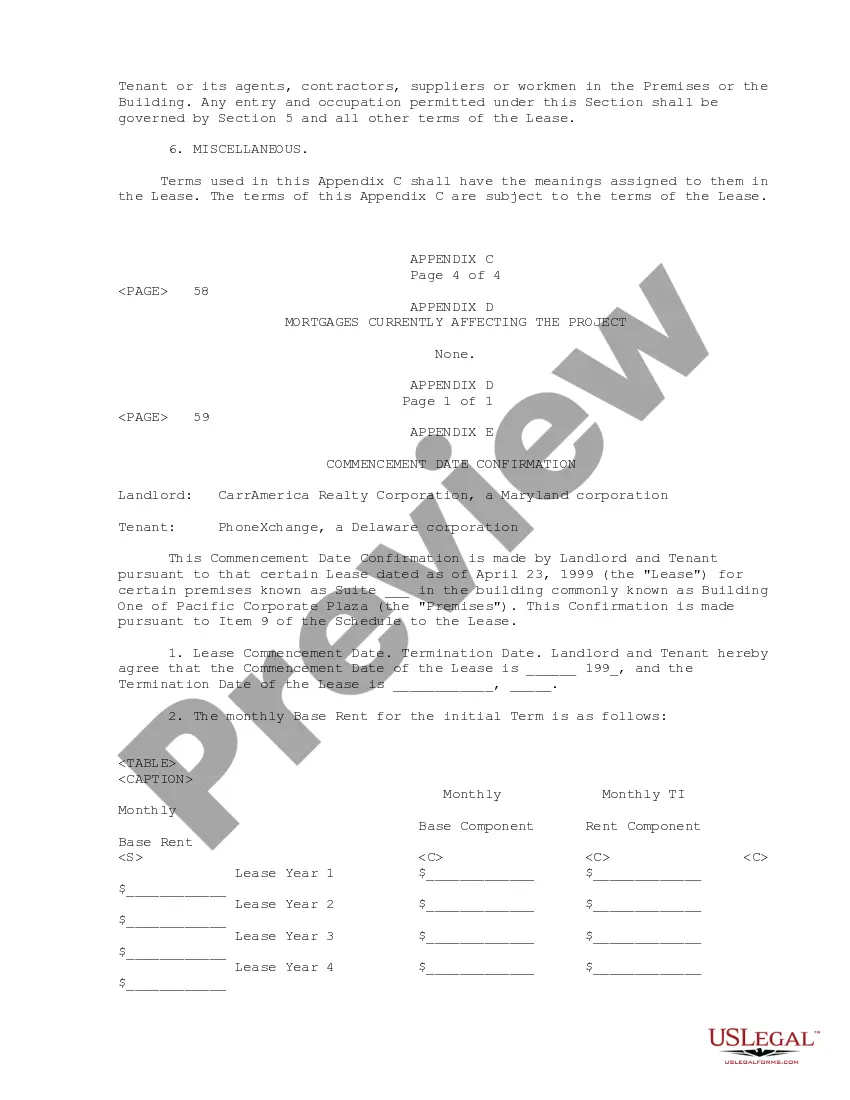
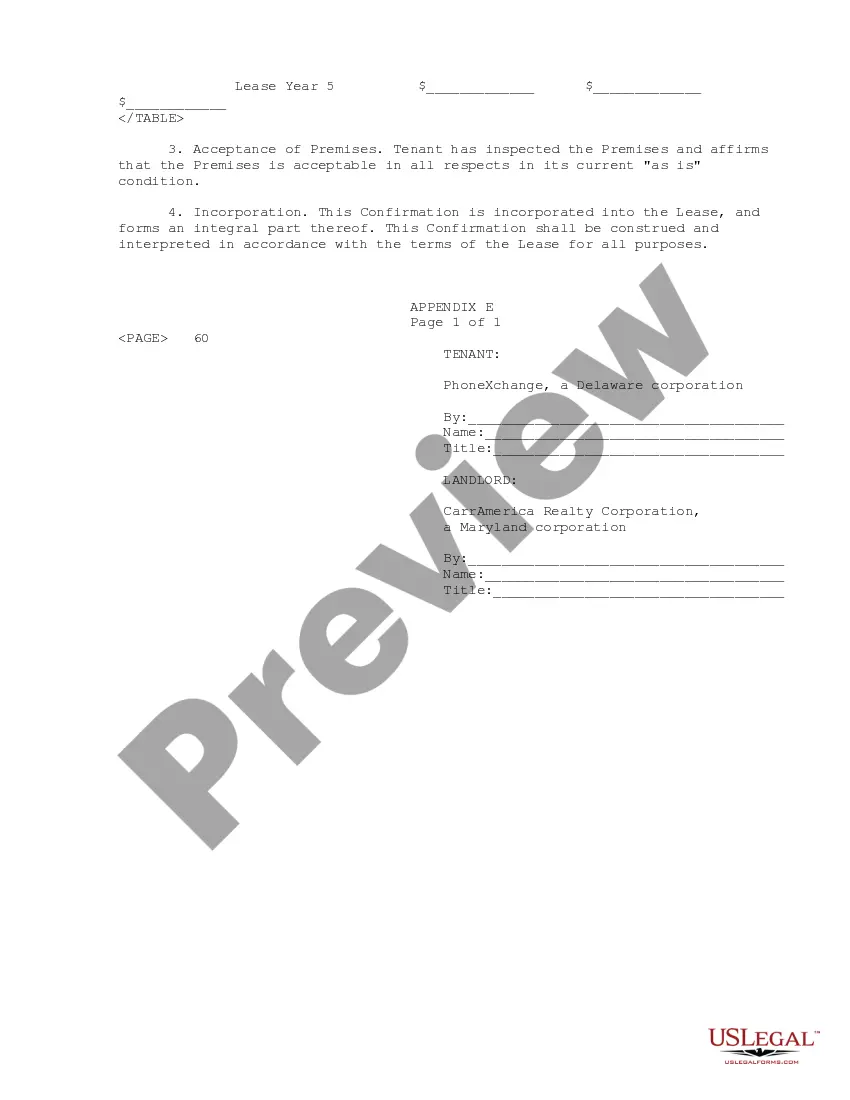
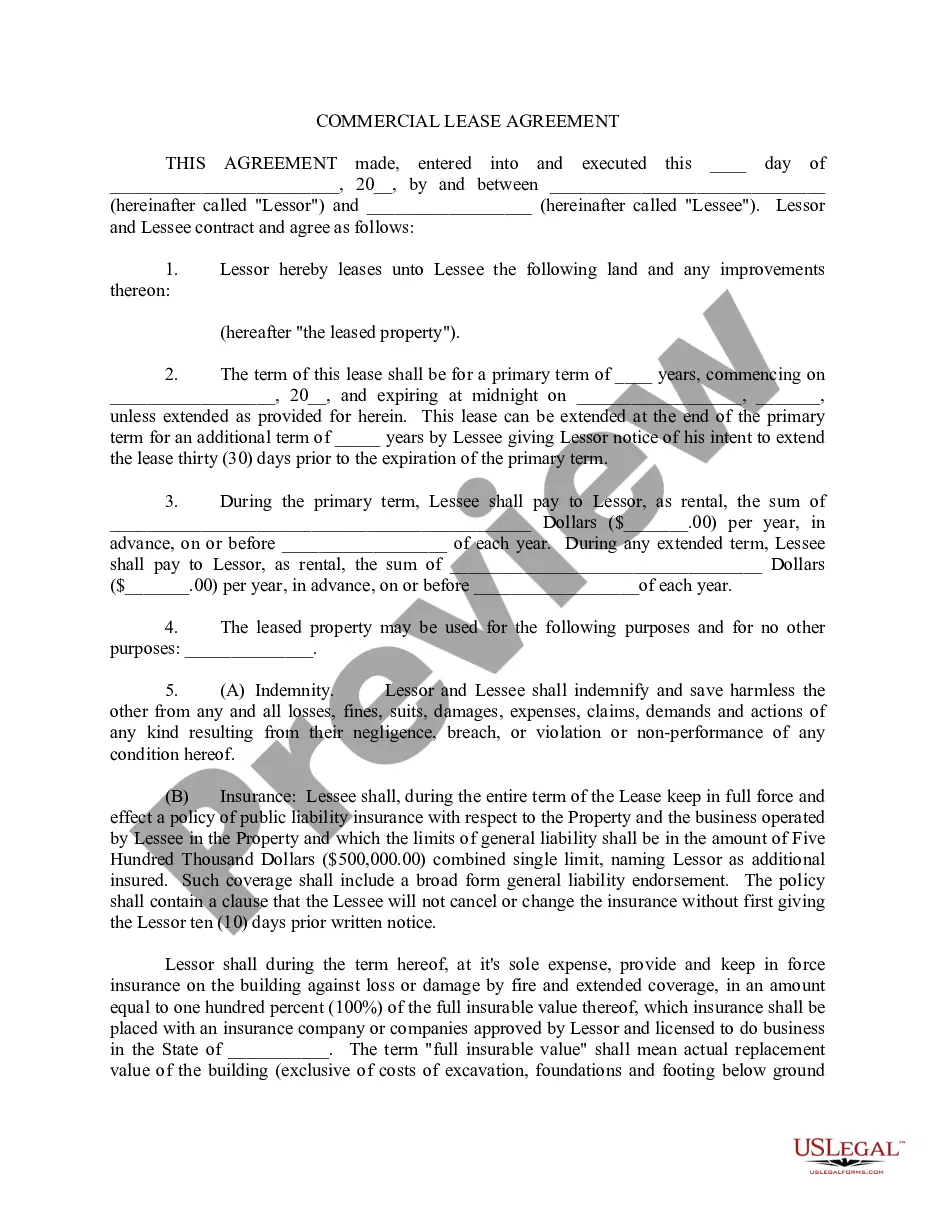
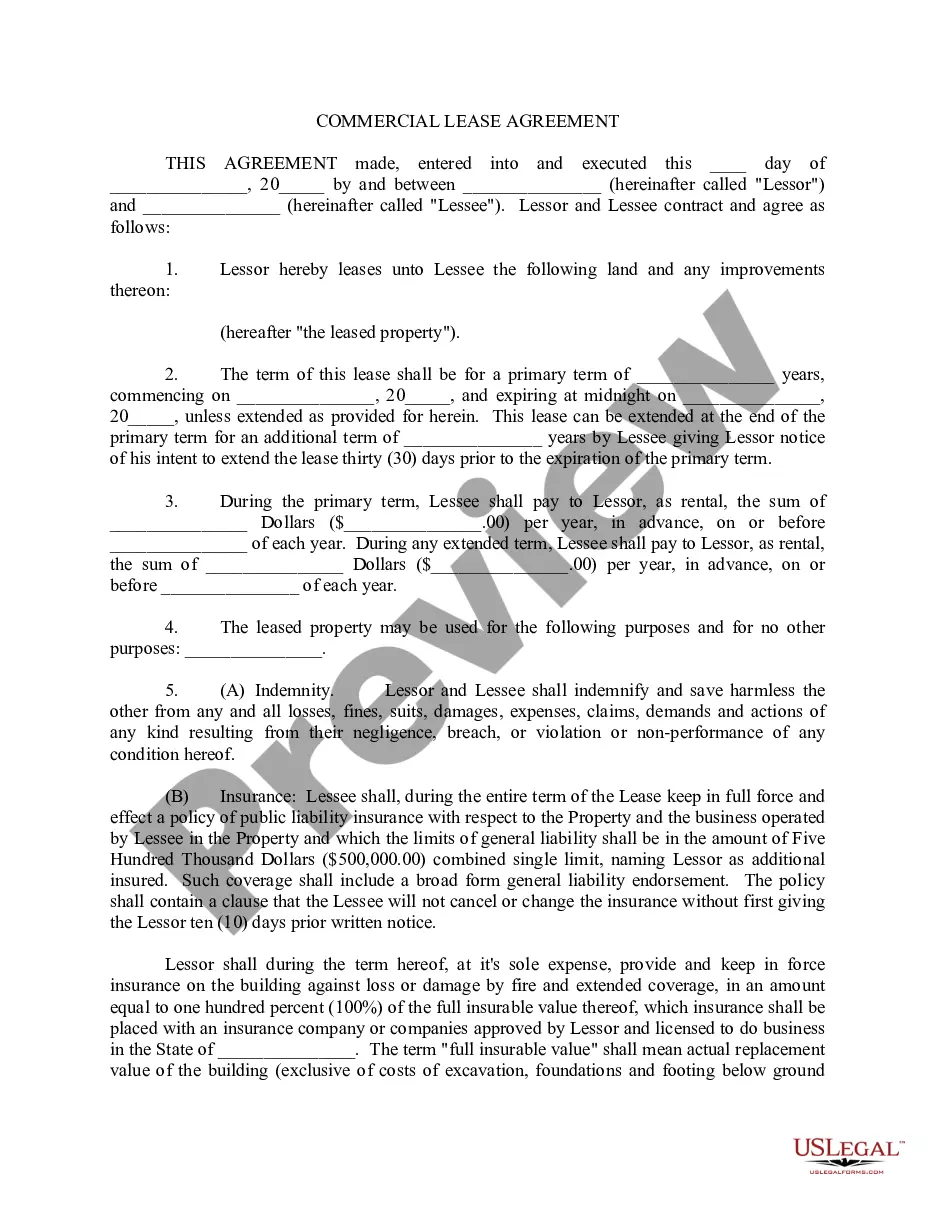
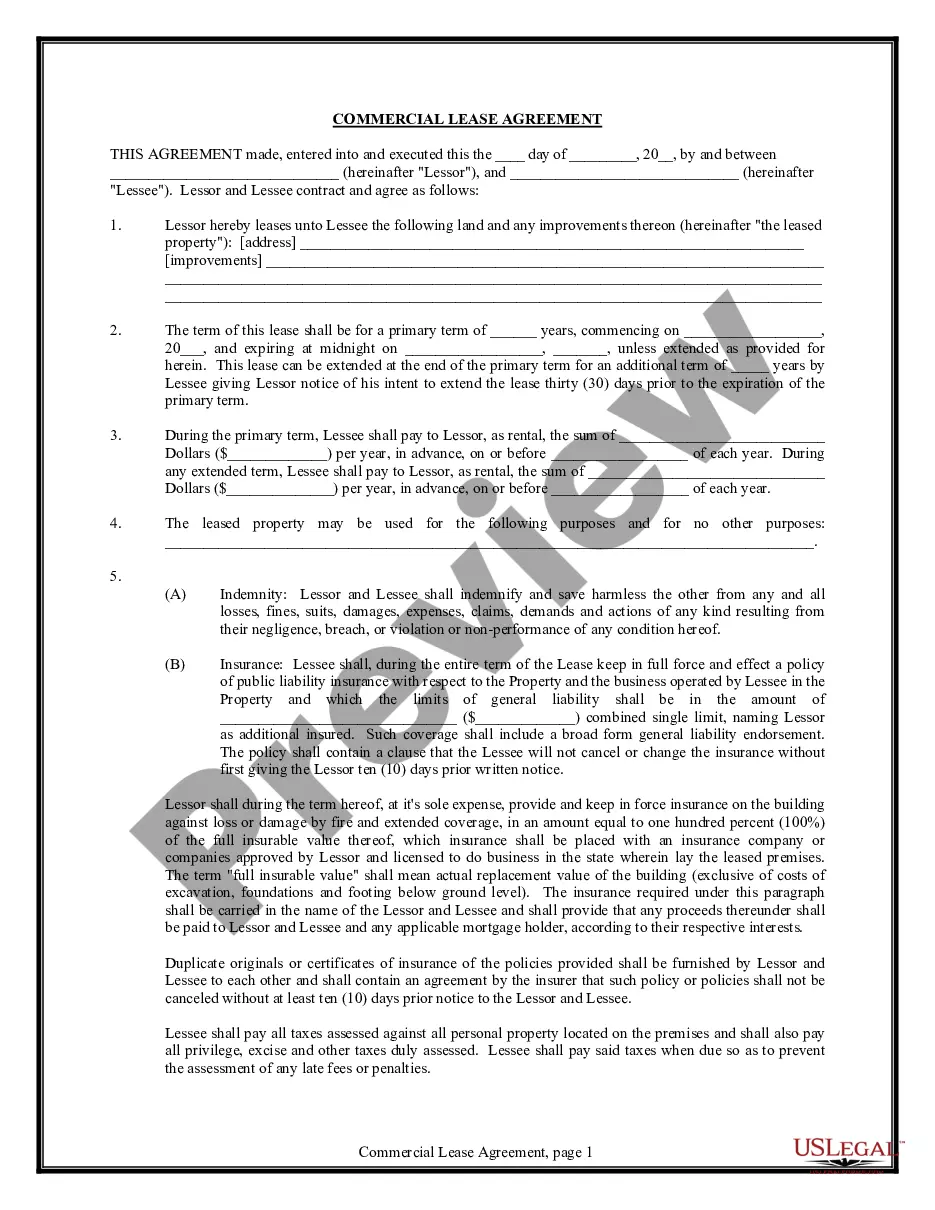
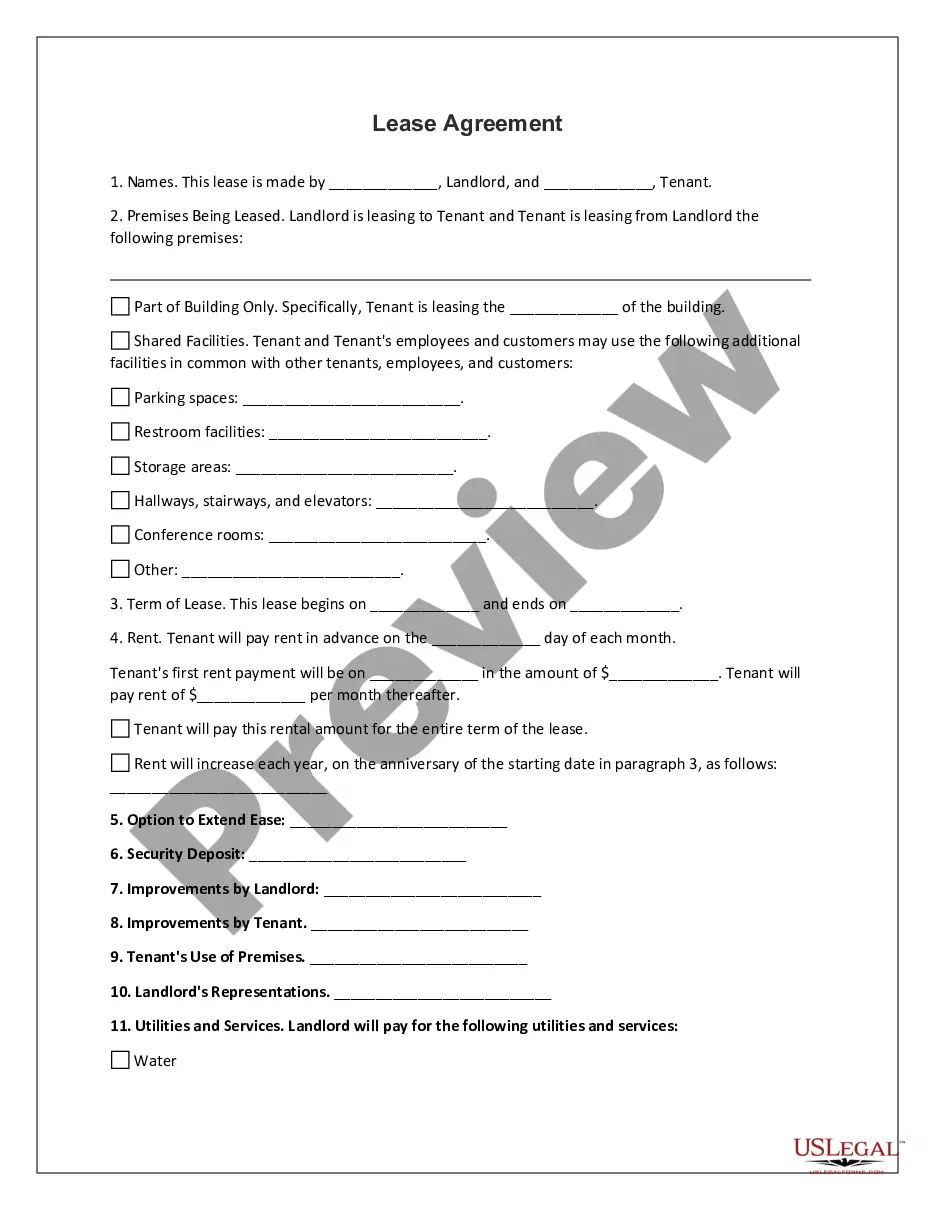



How to fill out Tenant Improvement Lease?
You can invest time online searching for the lawful record design that suits the state and federal demands you will need. US Legal Forms gives a large number of lawful types which can be analyzed by experts. It is possible to down load or printing the Montana Tenant Improvement Lease from the support.
If you have a US Legal Forms profile, you are able to log in and click on the Down load button. Following that, you are able to complete, change, printing, or signal the Montana Tenant Improvement Lease. Each and every lawful record design you buy is yours eternally. To get one more version associated with a acquired develop, go to the My Forms tab and click on the related button.
If you use the US Legal Forms web site the first time, stick to the straightforward guidelines below:
- Initial, make sure that you have selected the correct record design for your region/metropolis that you pick. Browse the develop explanation to make sure you have picked out the right develop. If accessible, take advantage of the Review button to check through the record design also.
- If you would like locate one more model from the develop, take advantage of the Look for field to discover the design that suits you and demands.
- Upon having discovered the design you desire, simply click Buy now to carry on.
- Find the costs prepare you desire, type your accreditations, and sign up for a free account on US Legal Forms.
- Comprehensive the transaction. You can utilize your bank card or PayPal profile to cover the lawful develop.
- Find the formatting from the record and down load it to the system.
- Make adjustments to the record if possible. You can complete, change and signal and printing Montana Tenant Improvement Lease.
Down load and printing a large number of record themes making use of the US Legal Forms web site, that offers the most important assortment of lawful types. Use professional and state-specific themes to take on your organization or personal needs.
Form popularity
FAQ
From an accounting standpoint, leasehold improvements must be capitalized on the balance sheet, meaning the cost of the improvements is spread out over time in line with the company's use of space. Leasehold Improvements: How to Determine the Accounting Owner mhmcpa.com ? insights ? article ? leasehold... mhmcpa.com ? insights ? article ? leasehold...
For purposes of accounting, the costs of leasehold improvements are capitalized as a fixed asset and then amortized rather than depreciated, as the prior section mentioned. Estimated Useful Life of the Improvement. Remaining Lease Term.
If the lessee owns the improvements, then the lessee initially records the allowance as an incentive (which is a deferred credit), and amortizes it over the lesser of either the term of the lease or the useful life of the improvements, with no residual value. Accounting for a tenant improvement allowance - AccountingTools accountingtools.com ? articles ? accounting-... accountingtools.com ? articles ? accounting-...
From an accounting standpoint, leasehold improvements must be capitalized on the balance sheet, meaning the cost of the improvements is spread out over time in line with the company's use of space.
Per-Square-Foot Basis: Many leases calculate TIAs based on a per-square-foot basis. This involves multiplying the agreed-upon per-square-foot allowance by the total square footage of the leased space. For example, if the TIA is $10 per square foot, and your space is 2,000 square feet, your TIA would be $20,000. Here's What You Need to Know about Tenant Improvement Allowances tylercauble.com ? blog ? tenant-improveme... tylercauble.com ? blog ? tenant-improveme...
How do leasehold improvements impact ASC 842? Leasehold improvements are reported as property, plant and equipment (PP&E) assets on the balance sheet. ASC 842 does not change the way they are handled, unless a tenant uses a tenant improvement allowance to make their improvements.
What are some examples of TI's? Every business has specific needs and TI's enable them to customize a lease space to meet specific needs. Some examples of TI's include adding walled offices, a break room or kitchen, an additional bathroom, conference rooms, drop ceilings and painting. What is a Tenant Improvement? - Q4 Real Estate q4realestate.com ? what-is-a-tenant-improvement q4realestate.com ? what-is-a-tenant-improvement
The TIA accounting standards process typically involves the following steps: Record the TIA as a Liability. The landlord pays the TIA amount to the tenant. ... Capitalize the Improvements. The tenant then uses the TIA funds to make improvements to the office space. ... Amortize the TIA. ... Record Depreciation Expense.