North Carolina Monthly Retirement Planning
Description
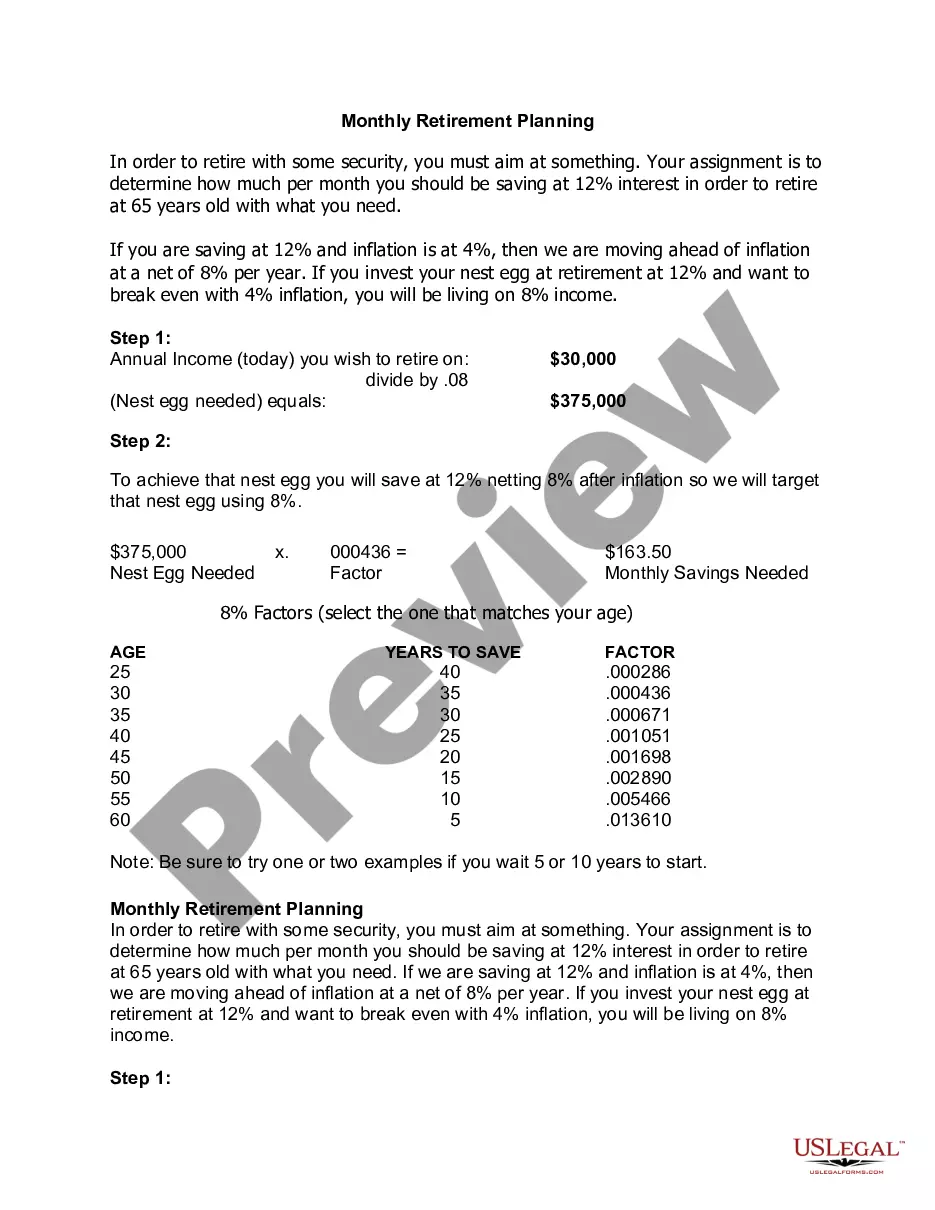
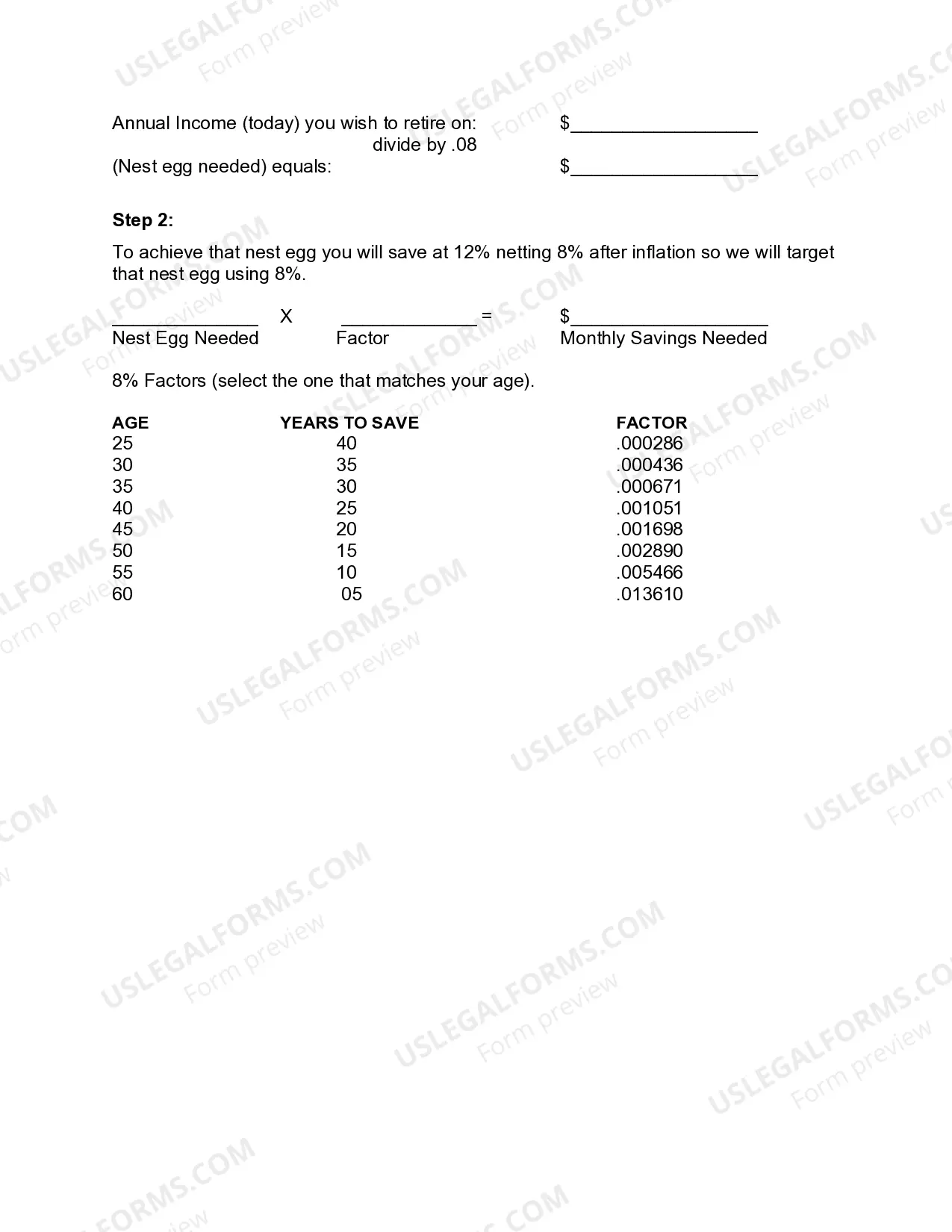
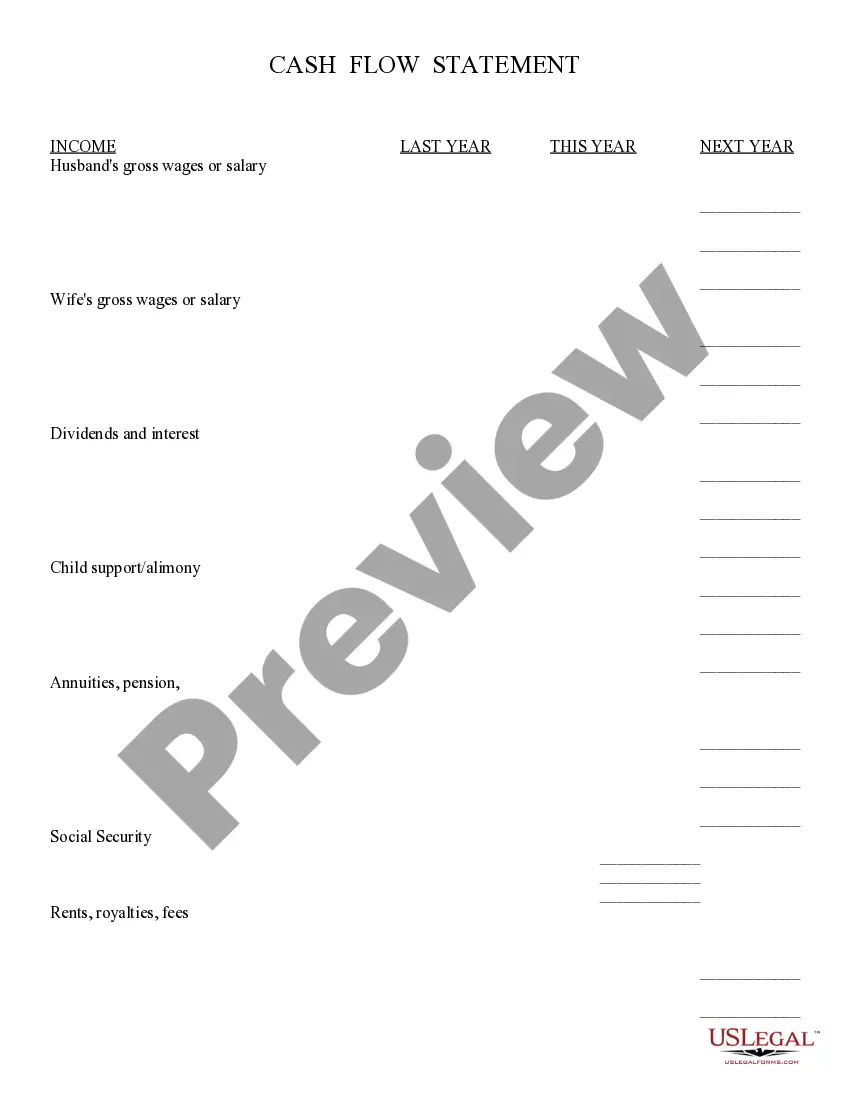
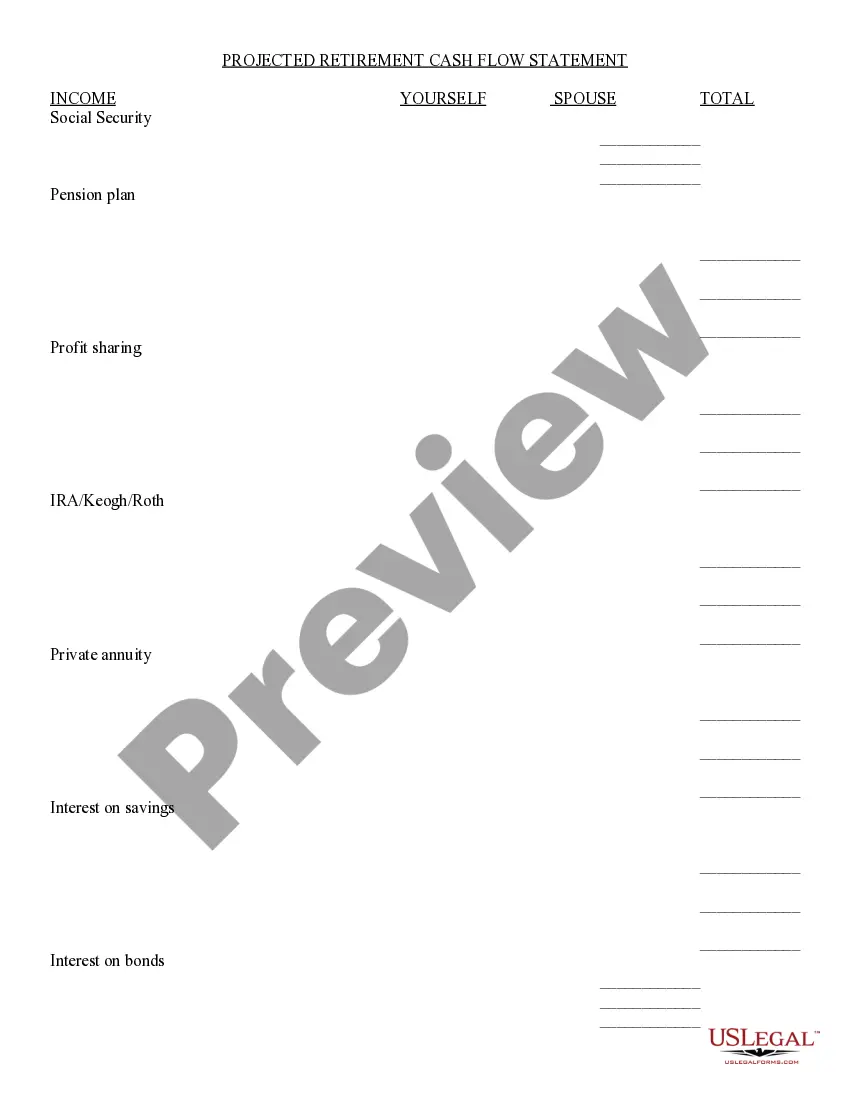
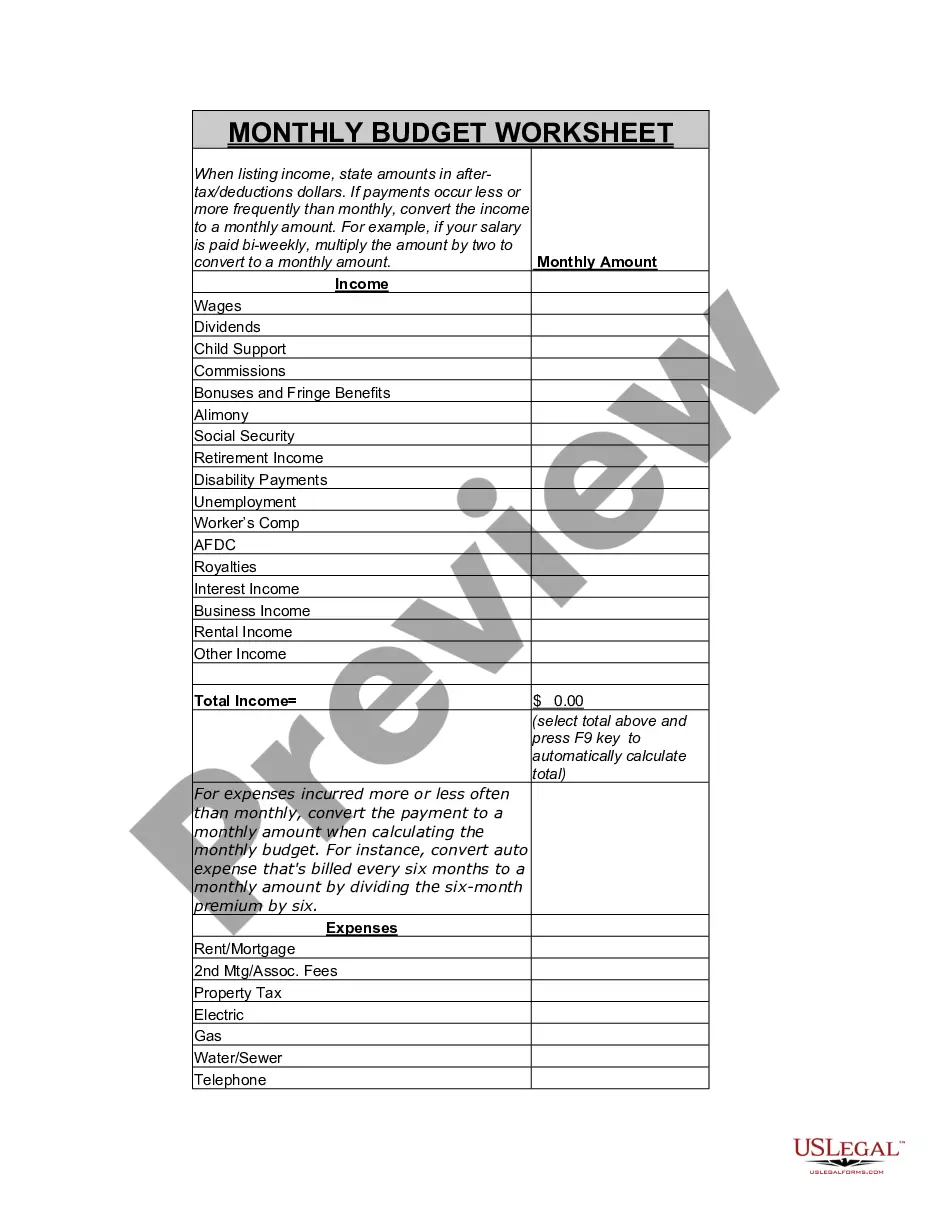
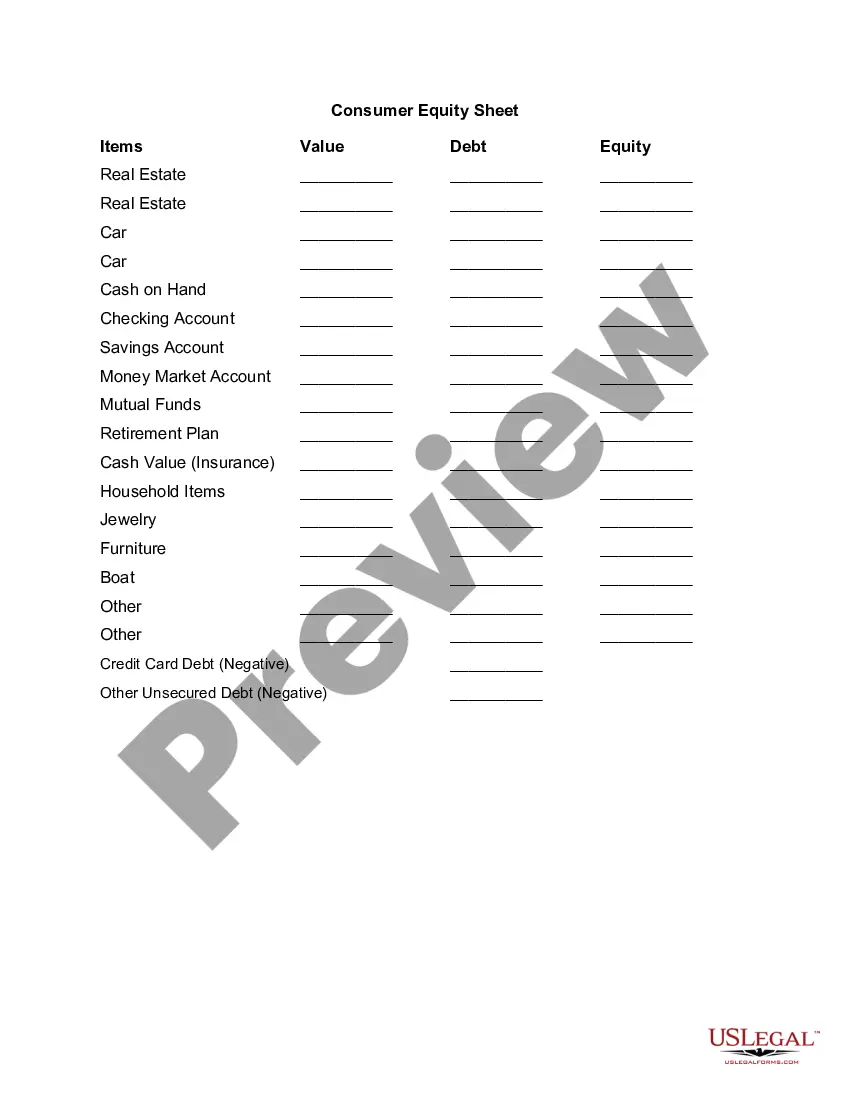
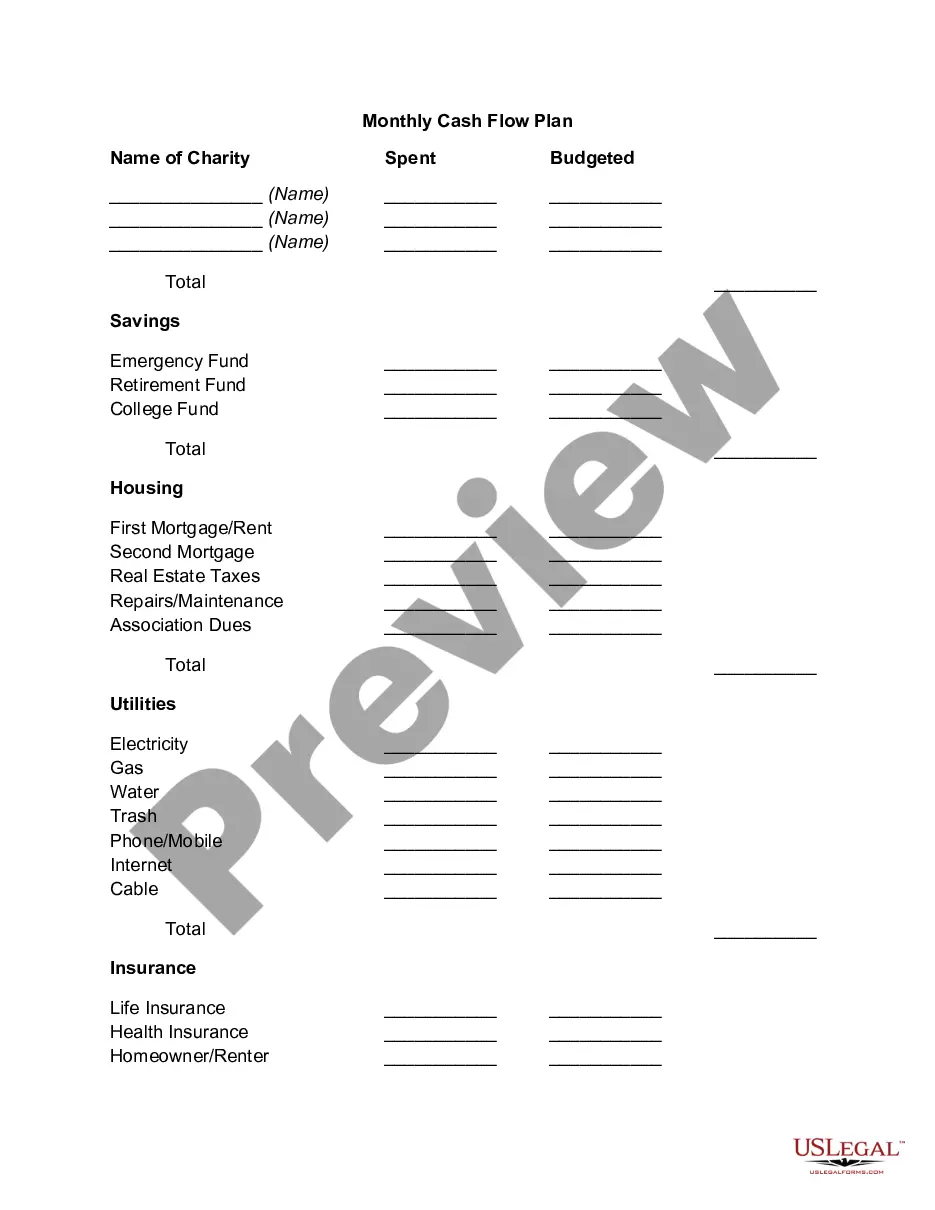
How to fill out Monthly Retirement Planning?
You can invest time online searching for the legal document template that meets the federal and state requirements you need.
US Legal Forms offers a plethora of legal forms that are assessed by professionals.
You can conveniently download or print the North Carolina Monthly Retirement Planning from your account.
If available, use the Preview button to browse through the document template as well.
- If you already have a US Legal Forms account, you may Log In and click the Acquire button.
- After that, you can complete, modify, print, or sign the North Carolina Monthly Retirement Planning.
- Every legal document template you purchase belongs to you indefinitely.
- To obtain another copy of a purchased form, navigate to the My documents section and click the appropriate button.
- If you're using the US Legal Forms website for the first time, follow the simple instructions below.
- First, ensure that you have chosen the correct document template for the area/city of your choice.
- Read the form description to confirm you have selected the proper template.
Form popularity
FAQ
In North Carolina, retirement income is subject to state taxes, but the rules can vary based on the type of income. Social Security benefits are not taxed, while pensions and 401(k) distributions may be. Understanding these tax implications is essential in your North Carolina Monthly Retirement Planning to maximize your retirement income and minimize tax liabilities.
The 3 R's of retirement are readiness, resources, and retirement income. Readiness involves assessing if you are prepared for retirement, resources refer to your savings and investments, and retirement income is about how you will fund your lifestyle. Focusing on these elements is crucial in North Carolina Monthly Retirement Planning, as they help you establish a solid foundation for your future.
Filing for retirement in North Carolina involves understanding your eligibility and the necessary steps to take. You should gather required documents and review options for Social Security and pension benefits. Additionally, North Carolina Monthly Retirement Planning can guide you through each step, ensuring you complete your application accurately and on time.
To start your retirement planning, evaluate your current financial situation and set clear goals for your future. Consider factors like your desired retirement age, lifestyle, and potential expenses. Utilizing tools and resources for North Carolina Monthly Retirement Planning can provide clarity and help you create a detailed plan that meets your unique needs.
The $1000 a month rule for retirement suggests that if you can save $1000 each month, you will build a substantial nest egg over time. This approach emphasizes consistency in saving, making retirement planning more manageable. By following this rule, you can pave the way for a secure financial future, especially with North Carolina Monthly Retirement Planning strategies that focus on long-term growth.
One common mistake in North Carolina Monthly Retirement Planning is underestimating the amount needed for healthcare costs in retirement. Many people overlook these expenses, which can greatly impact their savings. Another mistake is failing to create a detailed strategy that accounts for inflation and market fluctuations. Lastly, procrastinating in starting your retirement plan is a serious error; the earlier you begin, the more you benefit from compound interest and growth on your savings.
Living off $3,000 a month in retirement can be feasible for some, especially in the context of North Carolina monthly retirement planning. This amount may cover basic living expenses, but it largely depends on individual circumstances, including debts, lifestyle preferences, and overall financial health. To make the most of your retirement budget, consider creating a detailed plan and exploring reliable resources, such as US Legal Forms, to help set your retirement goals effectively.
As individuals approach retirement at age 65, the average 401k balance typically ranges between $200,000 and $300,000. When planning for retirement in North Carolina, it’s essential to assess your personal savings alongside this average. A solid understanding of the average balance can help you gauge your readiness for North Carolina monthly retirement planning. It’s important to take stock of all your retirement accounts to ensure your financial security.
Yes, North Carolina is viewed as a retirement-friendly state, thanks to its moderate climate, diverse recreational activities, and a wealth of cultural opportunities. Additionally, the state provides various tax benefits for retirees and ample outdoor spaces for relaxation and fun. Engaging in North Carolina Monthly Retirement Planning can maximize these advantages and improve your retirement experience.
