North Dakota Tax Free Exchange Agreement Section 1031
Description
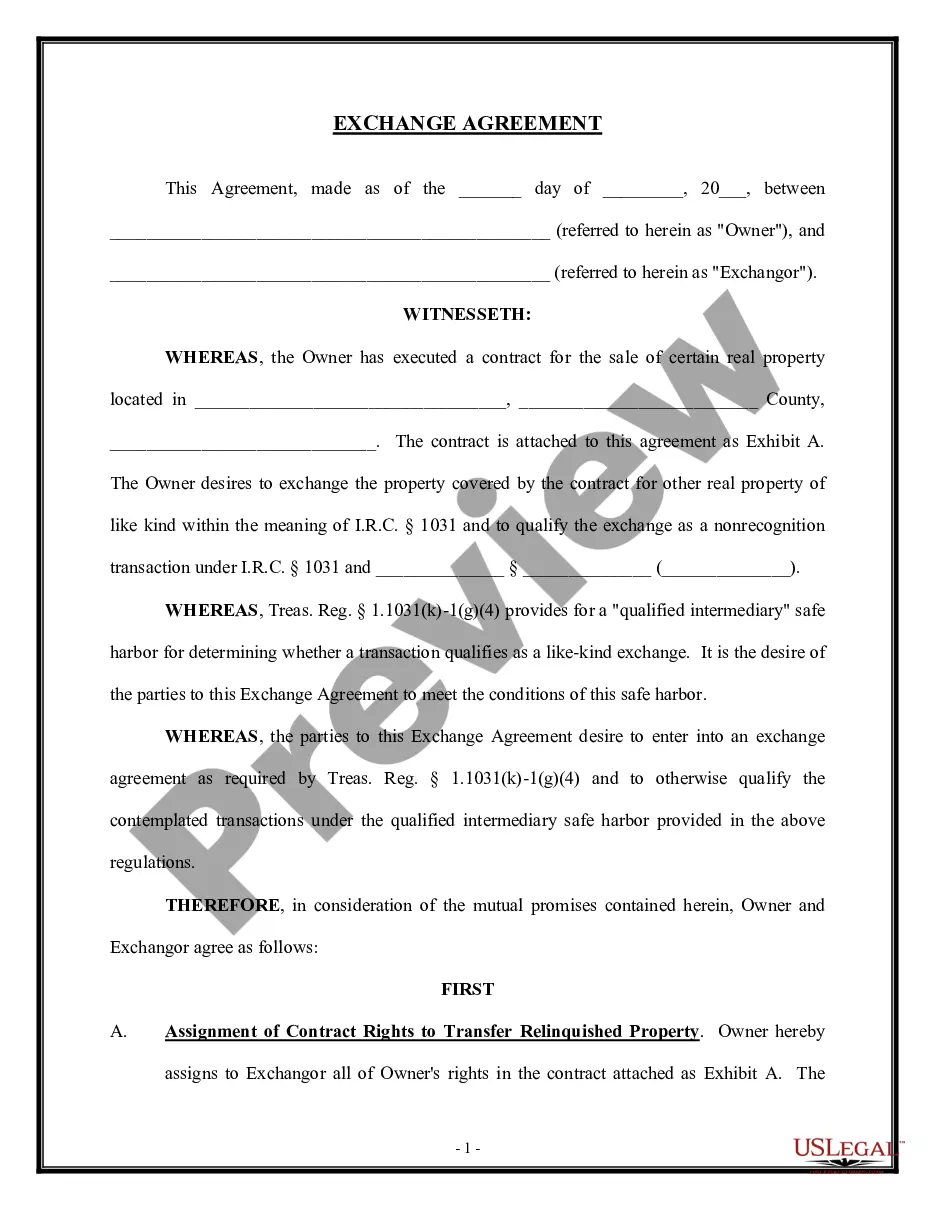
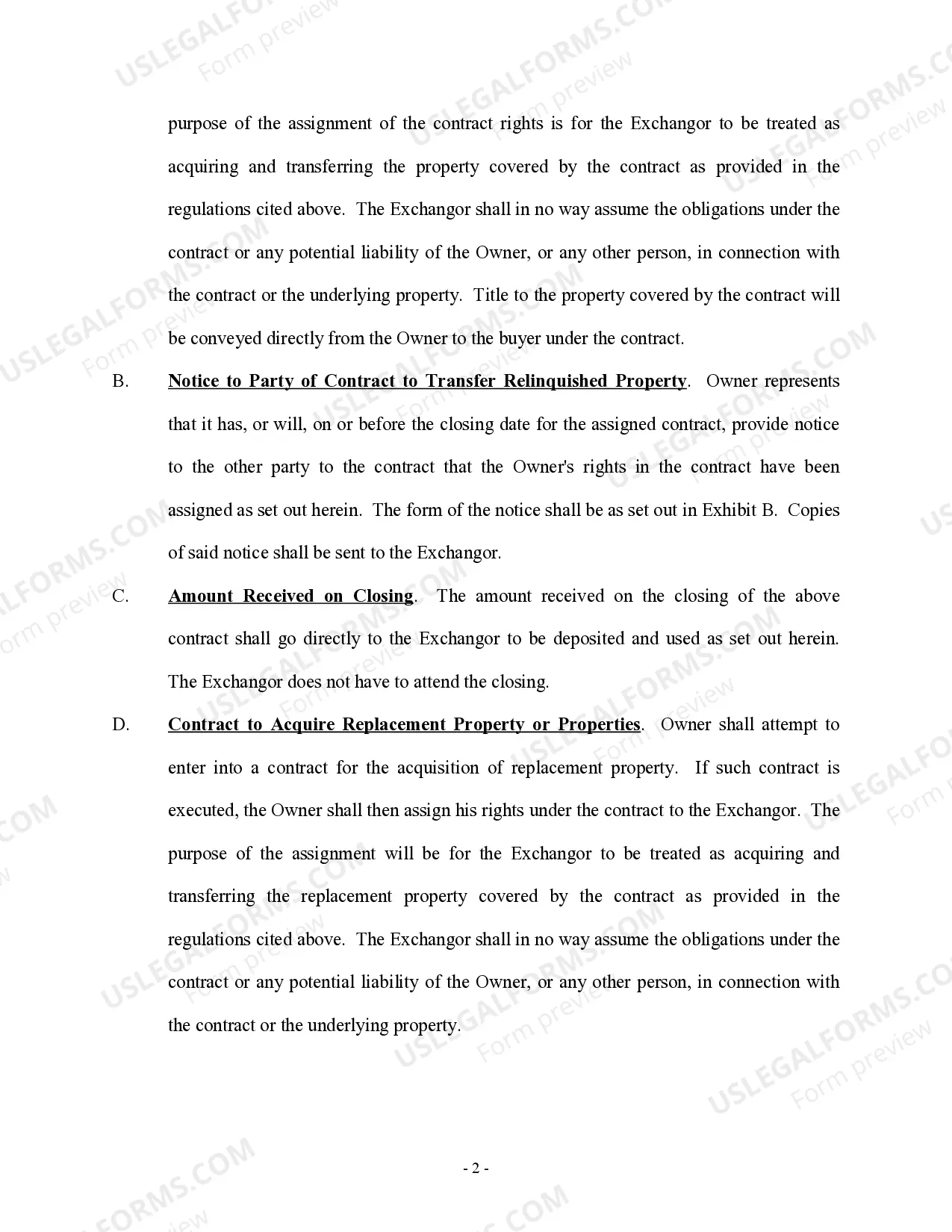
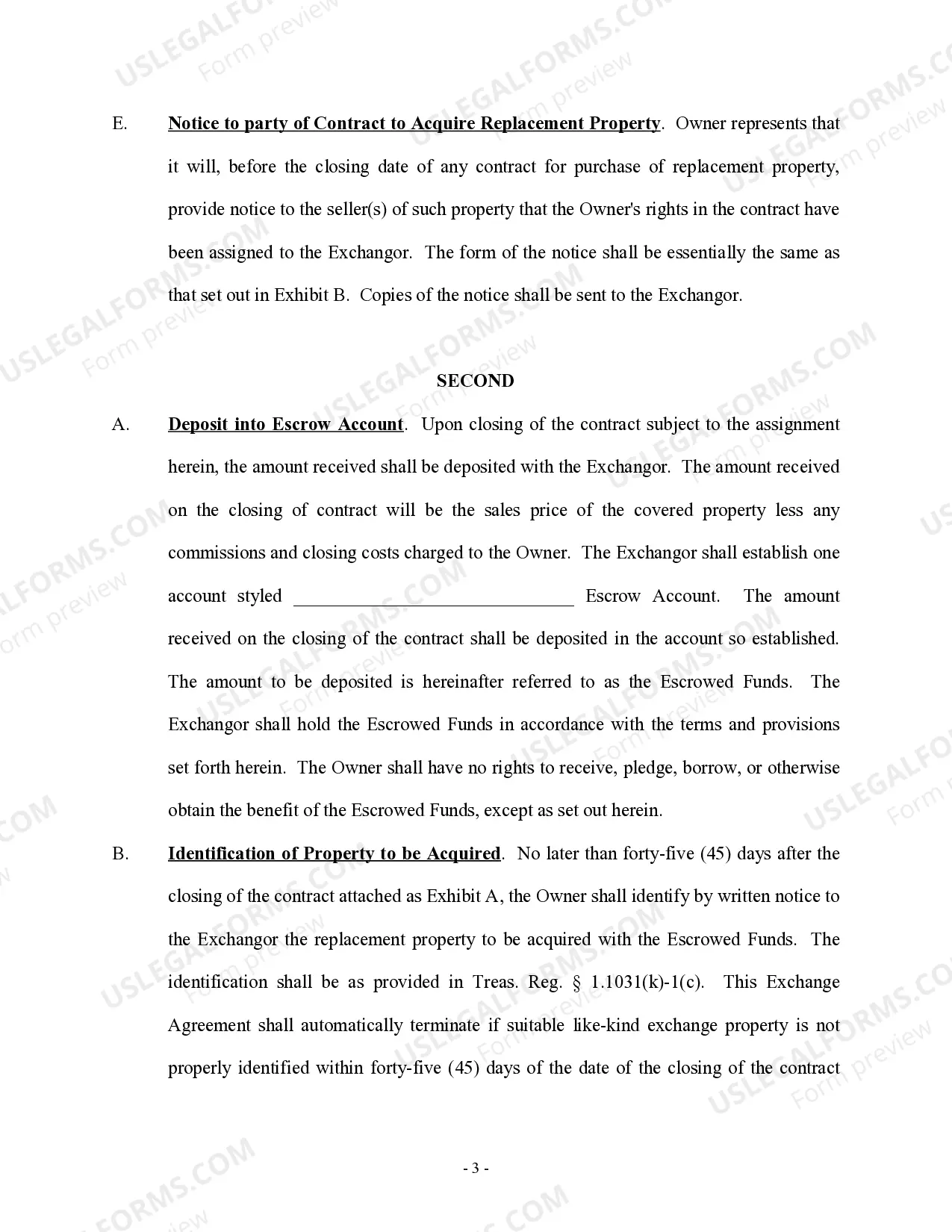
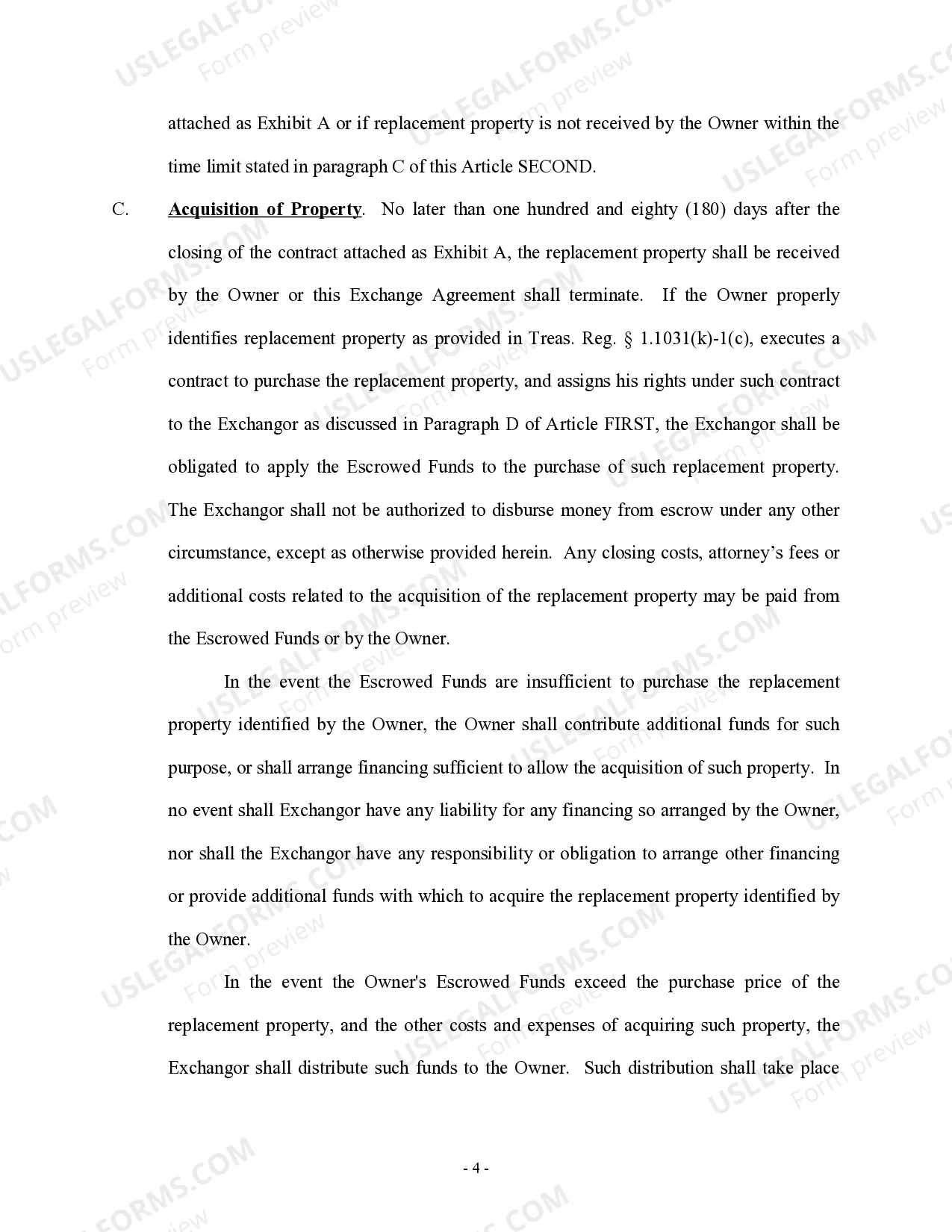
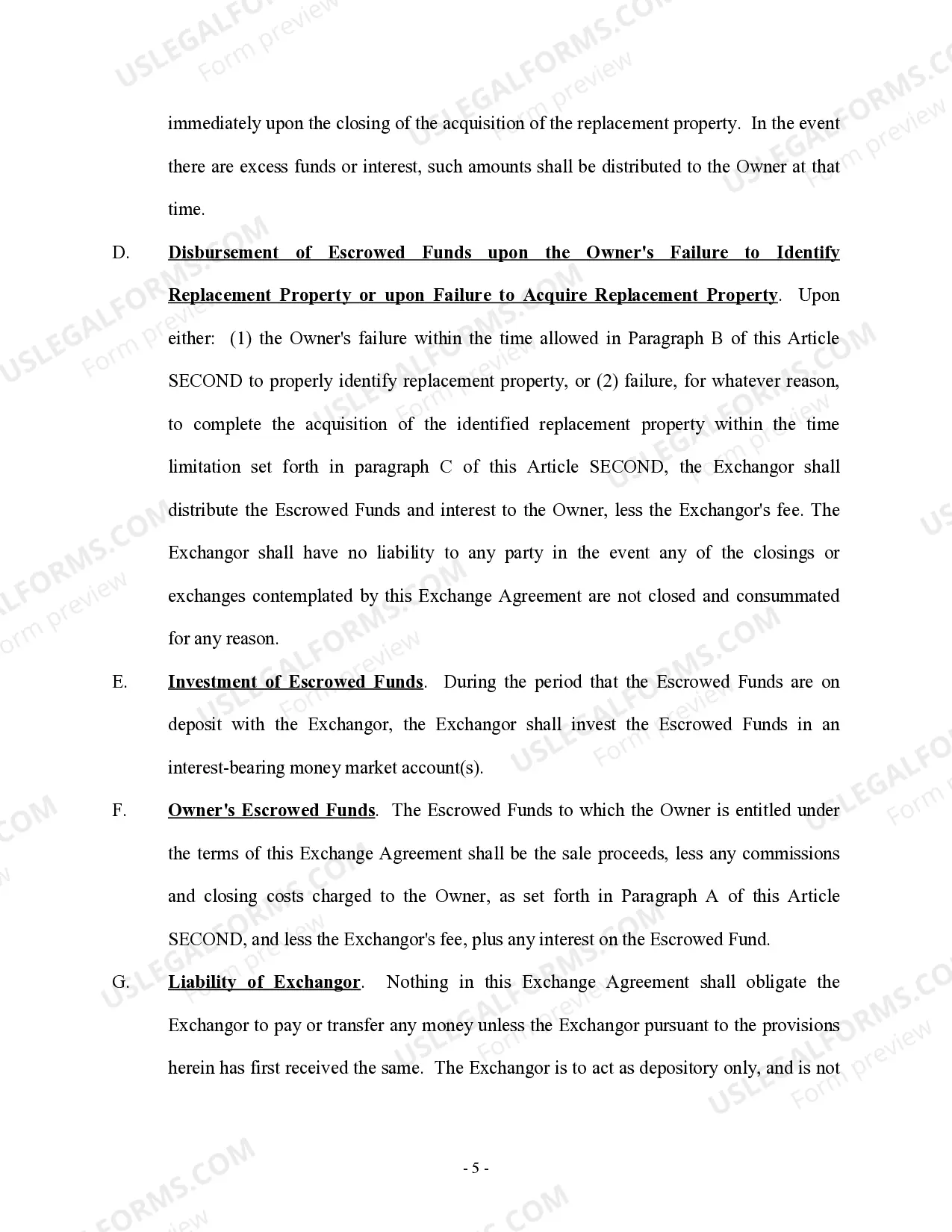
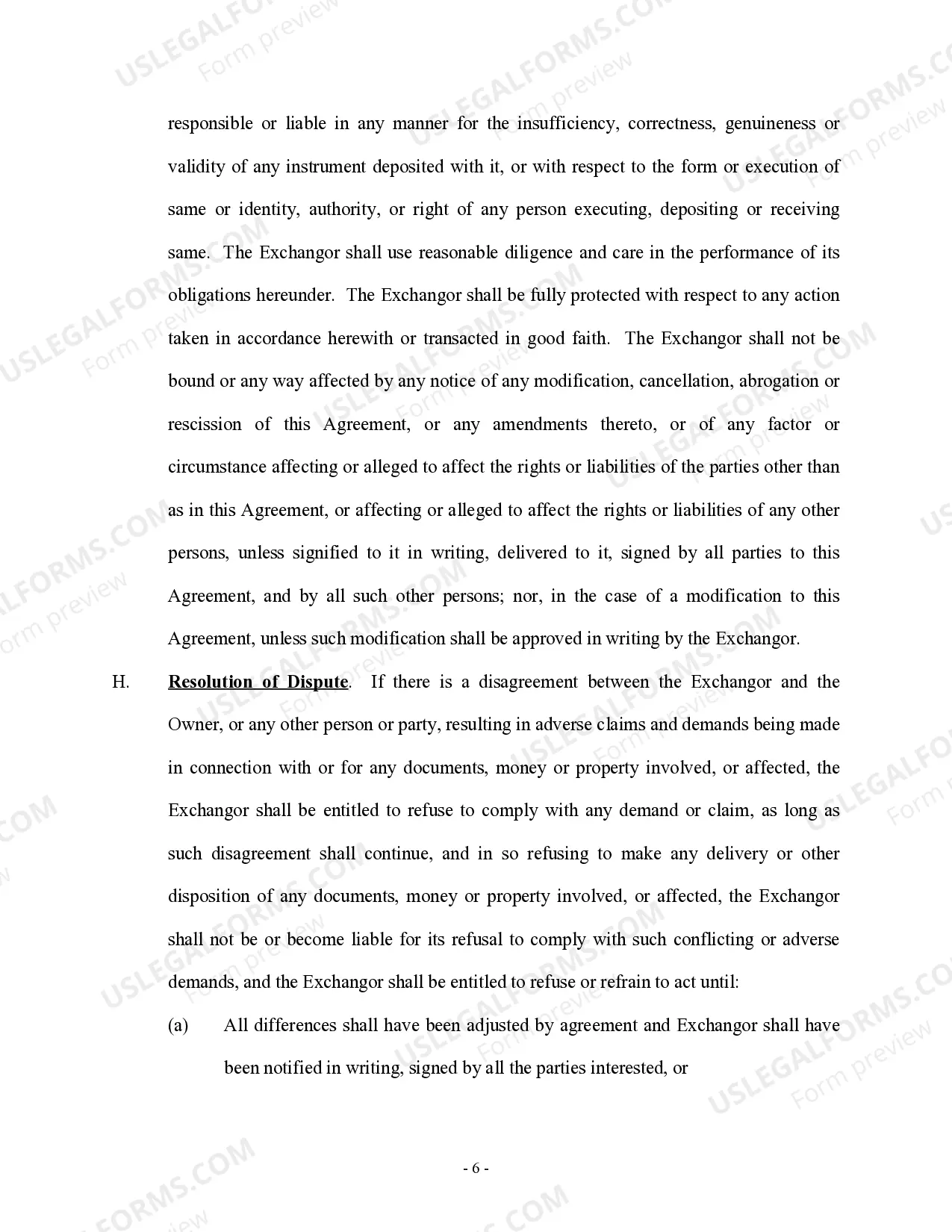
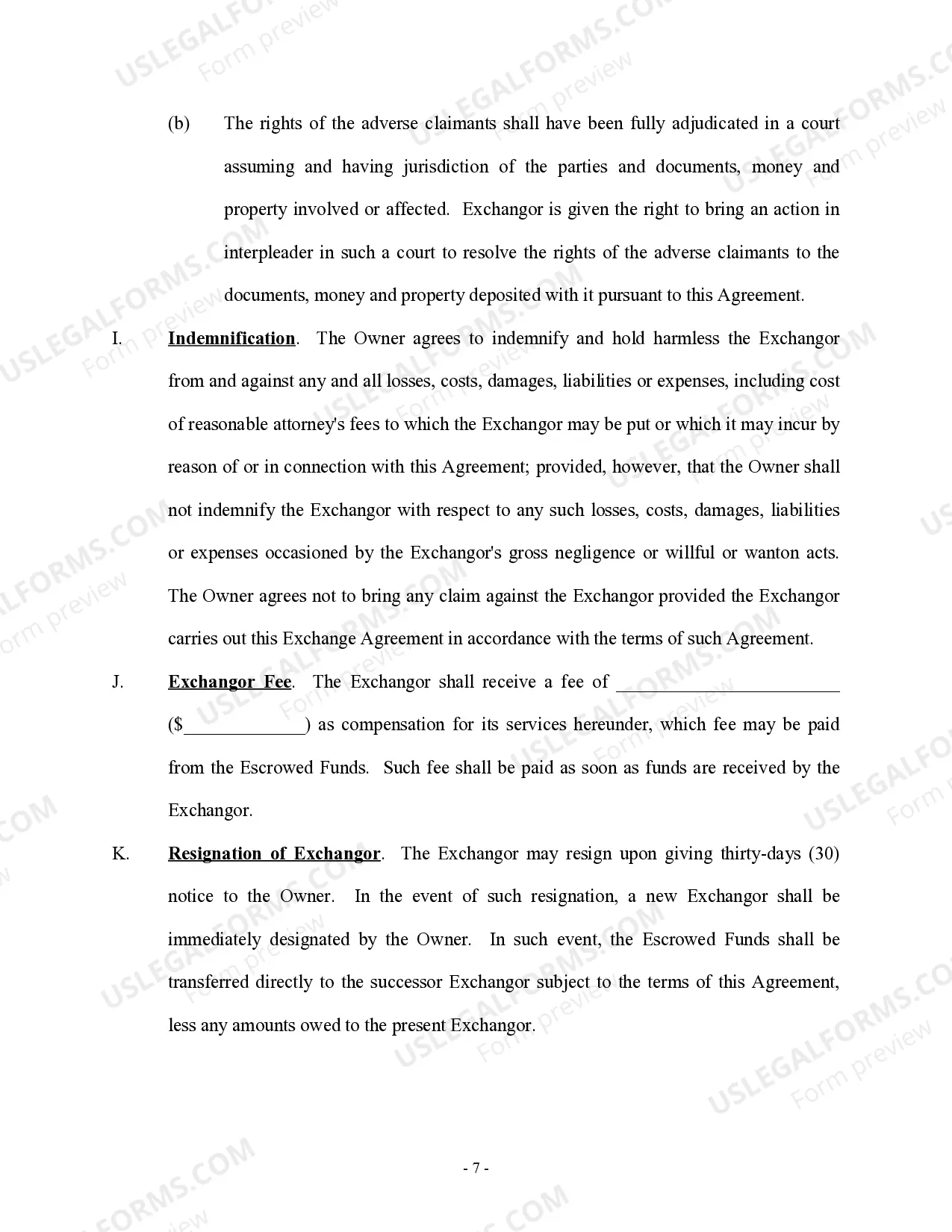
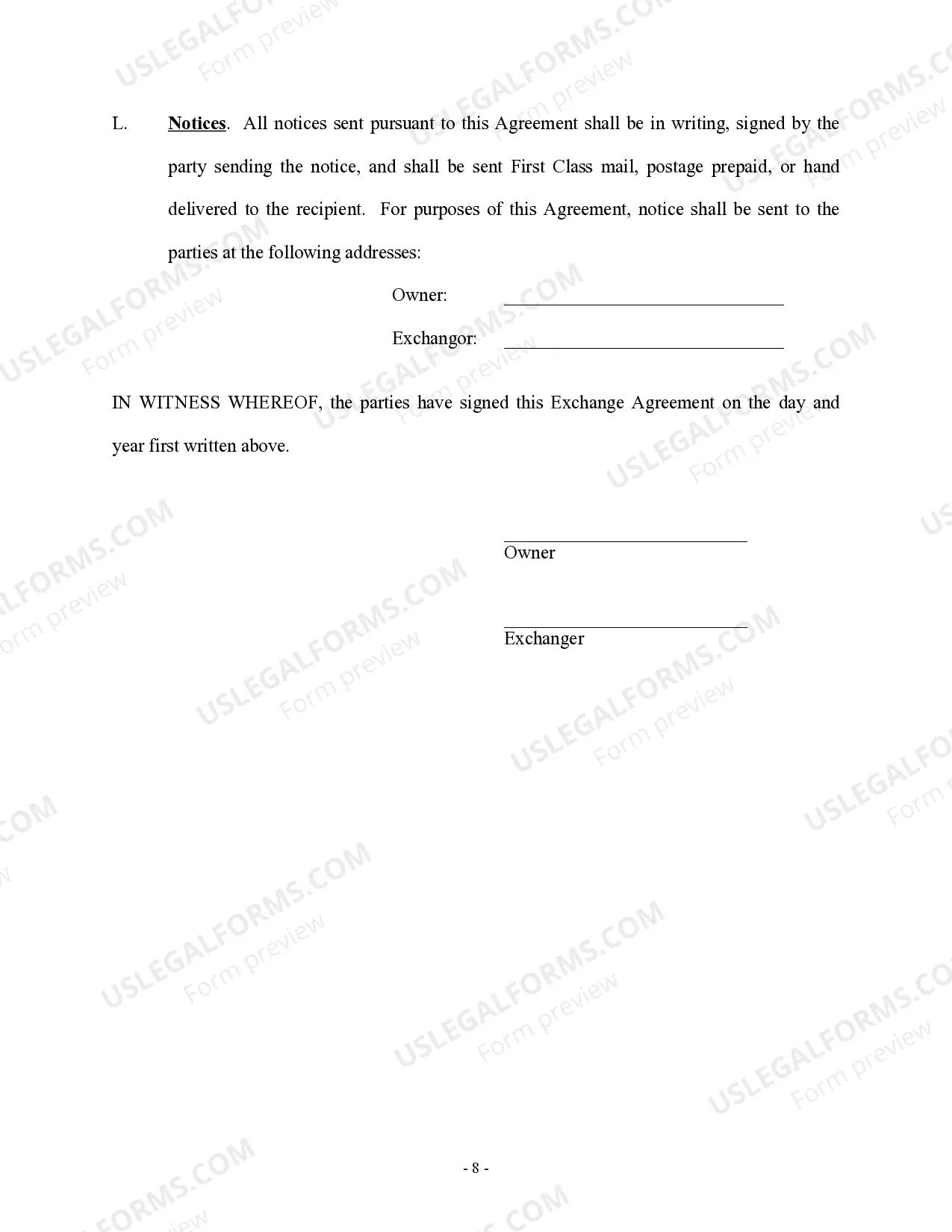
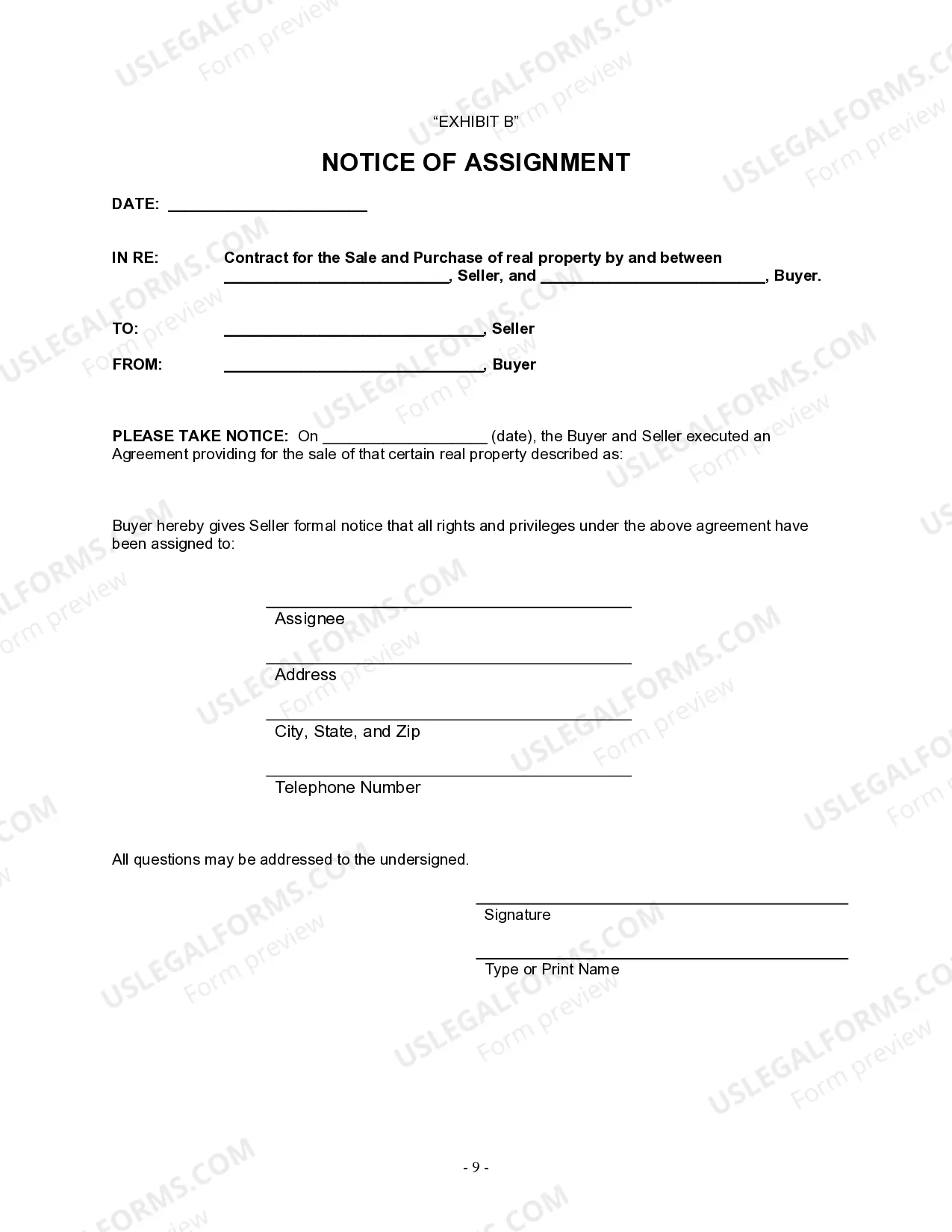

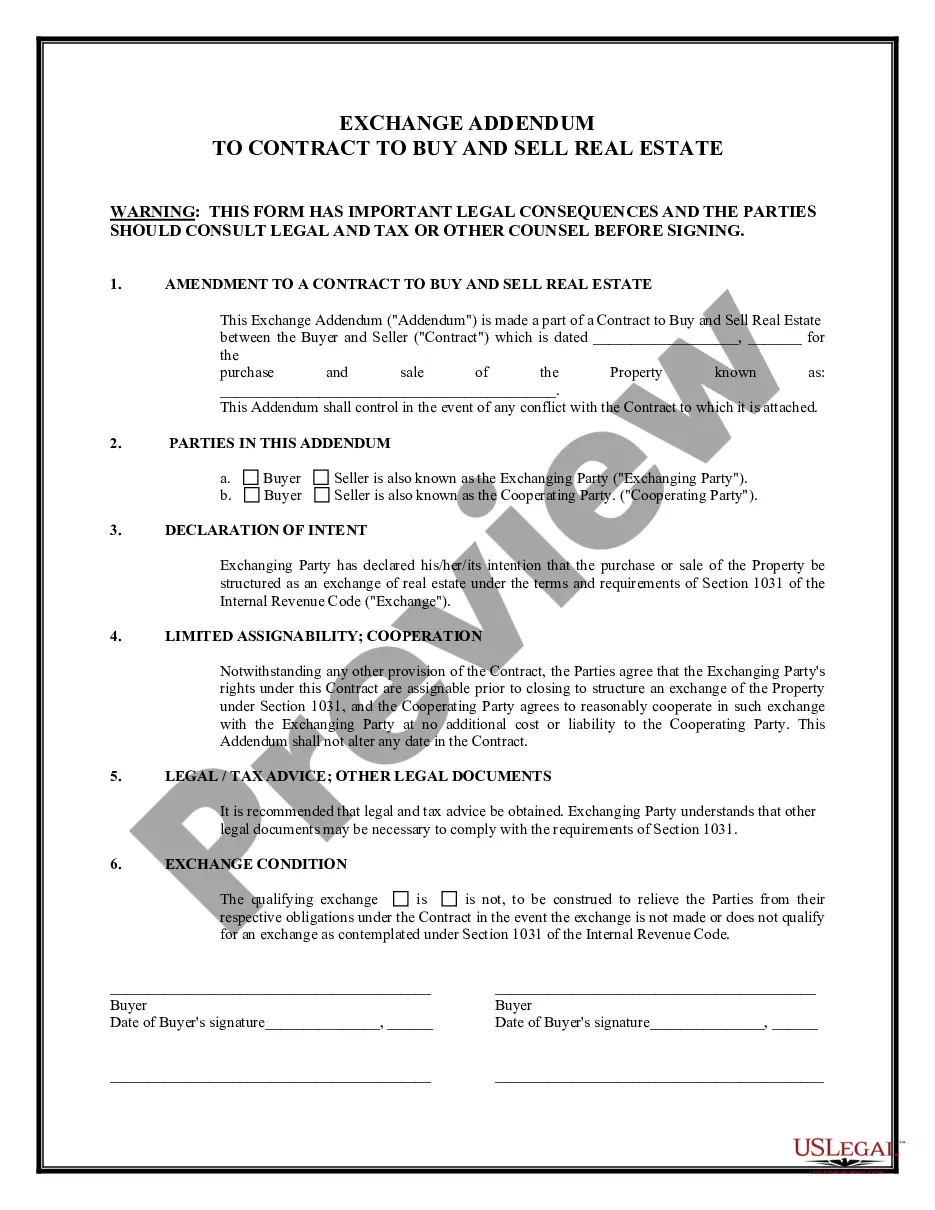
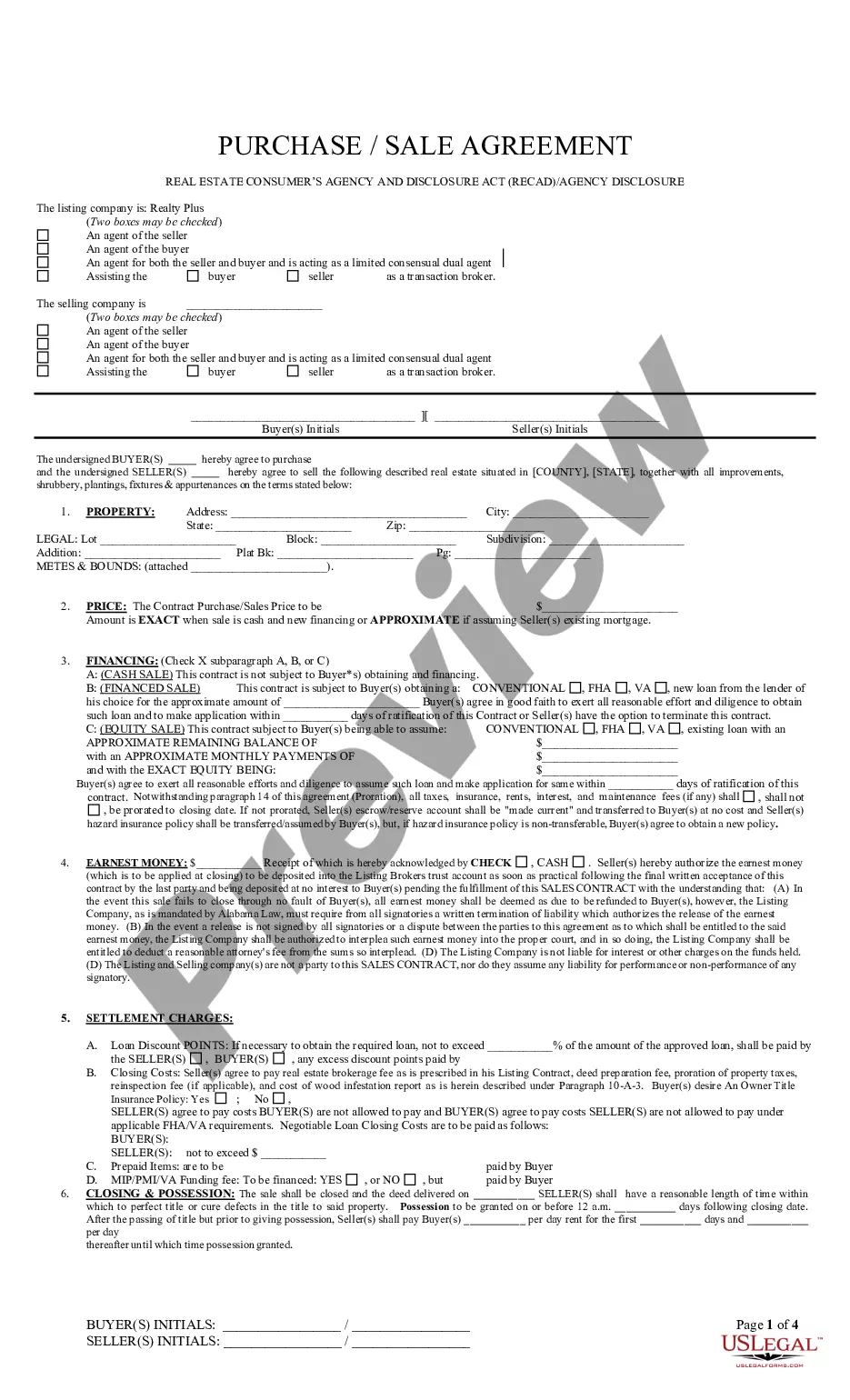
How to fill out Tax Free Exchange Agreement Section 1031?
US Legal Forms - one of the largest collections of legal documents in the United States - offers a range of legal document templates that you can download or print.
By using the website, you can find thousands of forms for business and personal purposes, organized by categories, states, or keywords. You can discover the latest forms like the North Dakota Tax-Free Exchange Agreement Section 1031 in moments.
If you have a monthly subscription, Log In and download the North Dakota Tax Free Exchange Agreement Section 1031 from your US Legal Forms library. The Download button will appear on every form you view. You can access all previously saved forms in the My documents section of your account.
Then, choose the pricing plan you prefer and provide your information to register for an account.
Complete the purchase. Use your credit card or PayPal account to finalize the transaction.
- If you are using US Legal Forms for the first time, here are simple steps to get started.
- Make sure you have chosen the correct form for your area/state.
- Choose the Preview option to review the form's details.
- Check the form's description to ensure you have selected the right form.
- If the form does not meet your requirements, use the Search box at the top of the screen to find the one that does.
- When you are satisfied with the form, confirm your selection by clicking the Buy Now button.
Form popularity
FAQ
A primary residence usually does not qualify for an exchange because it is not used in trade or business or investment. That said, that portion of the primary residence that is used in a trade or business or for investment may qualify for a 1031 Exchange.
Section 1031 is a federal tax code, so it is recognized in all states, so you can exchange from state to state. We regularly are dealing with transactions from our home state of Oregon and into California, Washington, and vice versa.
Under Internal Revenue Code Section 1031, real estate located in one U.S. state is like kind to real estate located in any other state, and you can trade from one state to another. In most cases you are able to defer both federal and state tax, assuming the state has an income tax.
Tom: The short answer is yes. Section 1031 is a federal tax code, so it is recognized in all states, so you can exchange from state to state. We regularly are dealing with transactions from our home state of Oregon and into California, Washington, and vice versa.
There are also states that have withholding requirements if the seller of a piece of property in these states is a non-resident of any of the following states: California, Colorado, Hawaii, Georgia, Maryland, New Jersey, Mississippi, New York, North Carolina, Oregon, West Virginia, Maine, South Carolina, Rhode Island,
The gain on the sale of the property goes untaxed as long as it is reinvested. Biden said he would get rid of 1031 exchanges on the 2020 campaign trail and instead expand funding for the care economy. But that elimination has yet to happen.
The main requirements for a 1031 exchange are: (1) must purchase another like-kind investment property; (2) replacement property must be of equal or greater value; (3) must invest all of the proceeds from the sale (cannot receive any boot); (4) must be the same title holder and taxpayer; (5) must identify new
This usually implies a minimum of two years' ownership. To receive the full benefit of a 1031 exchange, your replacement property should be of equal or greater value. You must identify a replacement property for the assets sold within 45 days and then conclude the exchange within 180 days.
Gain deferred in a like-kind exchange under IRC Section 1031 is tax-deferred, but it is not tax-free. The exchange can include like-kind property exclusively or it can include like-kind property along with cash, liabilities and property that are not like-kind.
There are also states that have withholding requirements if the seller of a piece of property in these states is a non-resident of any of the following states: California, Colorado, Hawaii, Georgia, Maryland, New Jersey, Mississippi, New York, North Carolina, Oregon, West Virginia, Maine, South Carolina, Rhode Island,