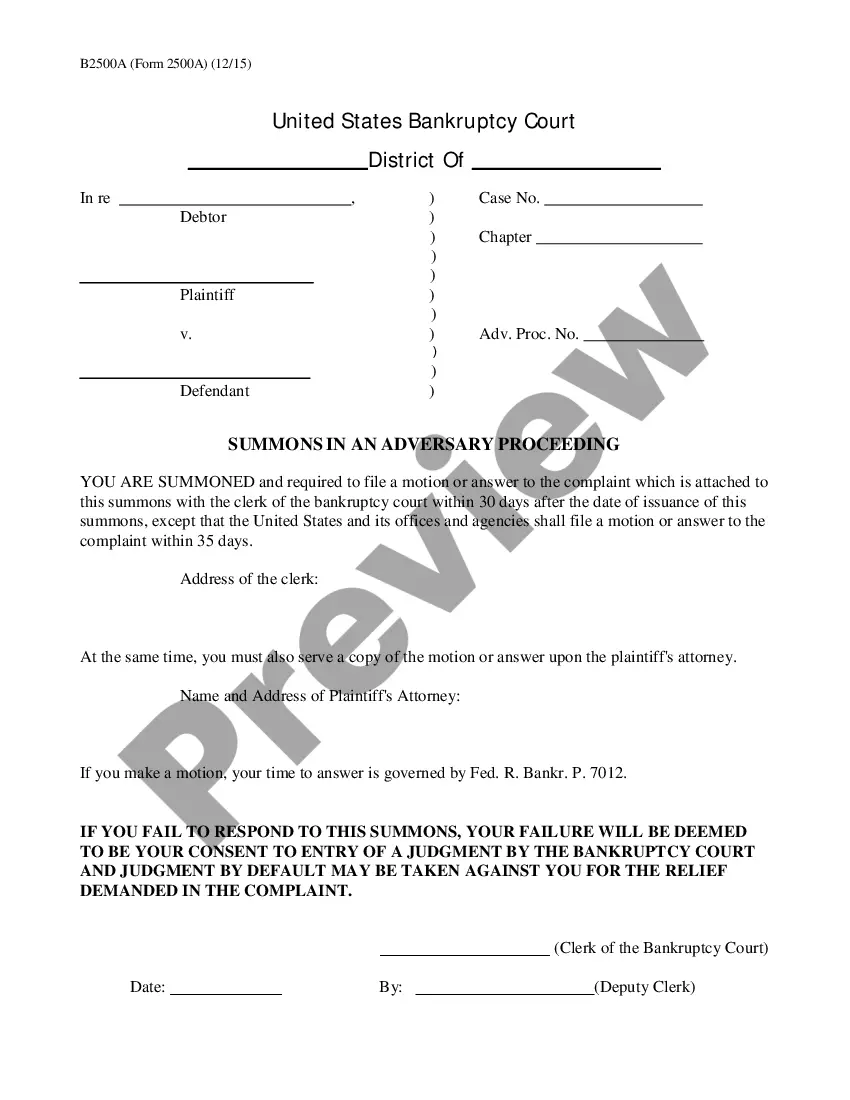
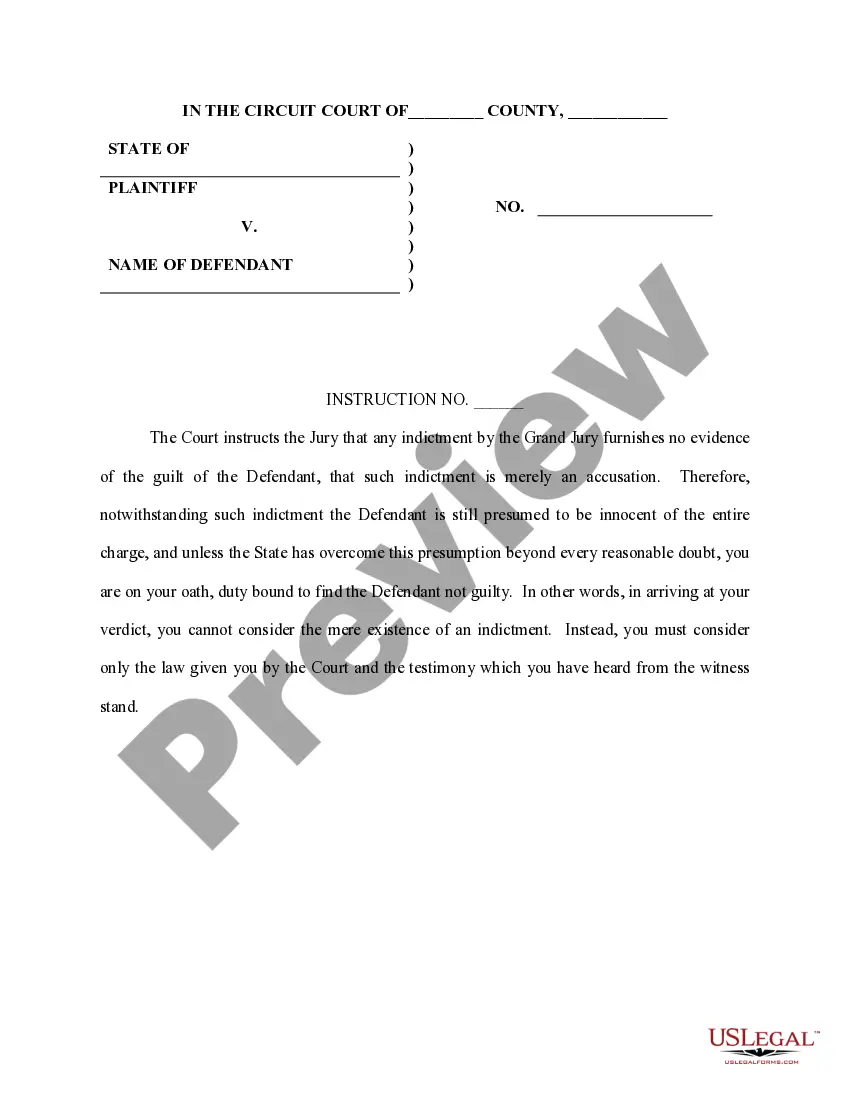
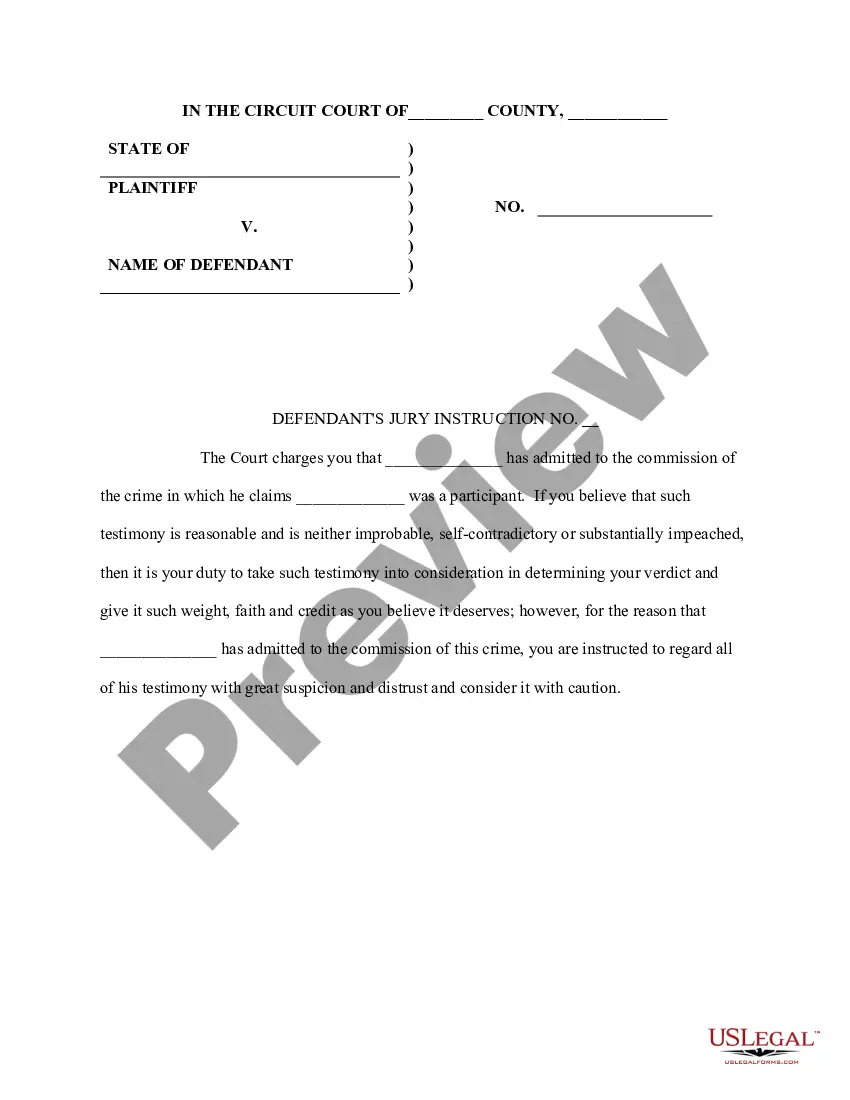
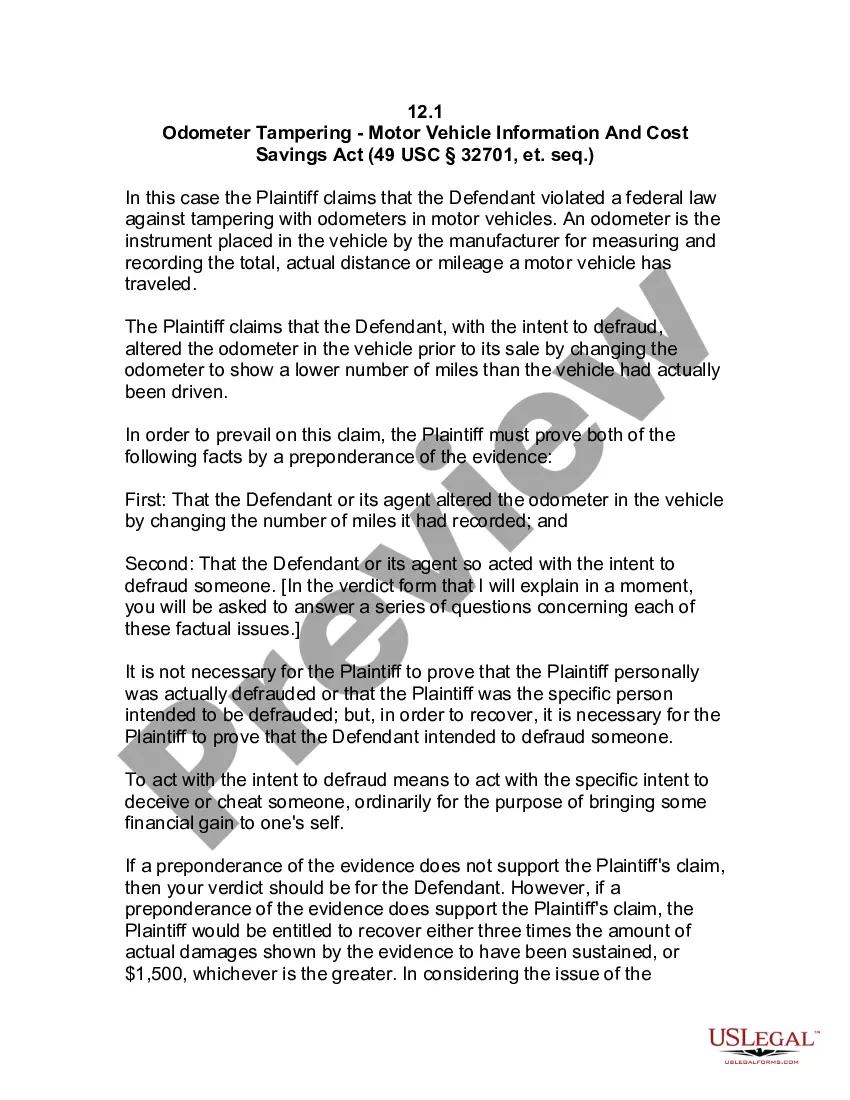
North Dakota Grand Jury Instruction
Description
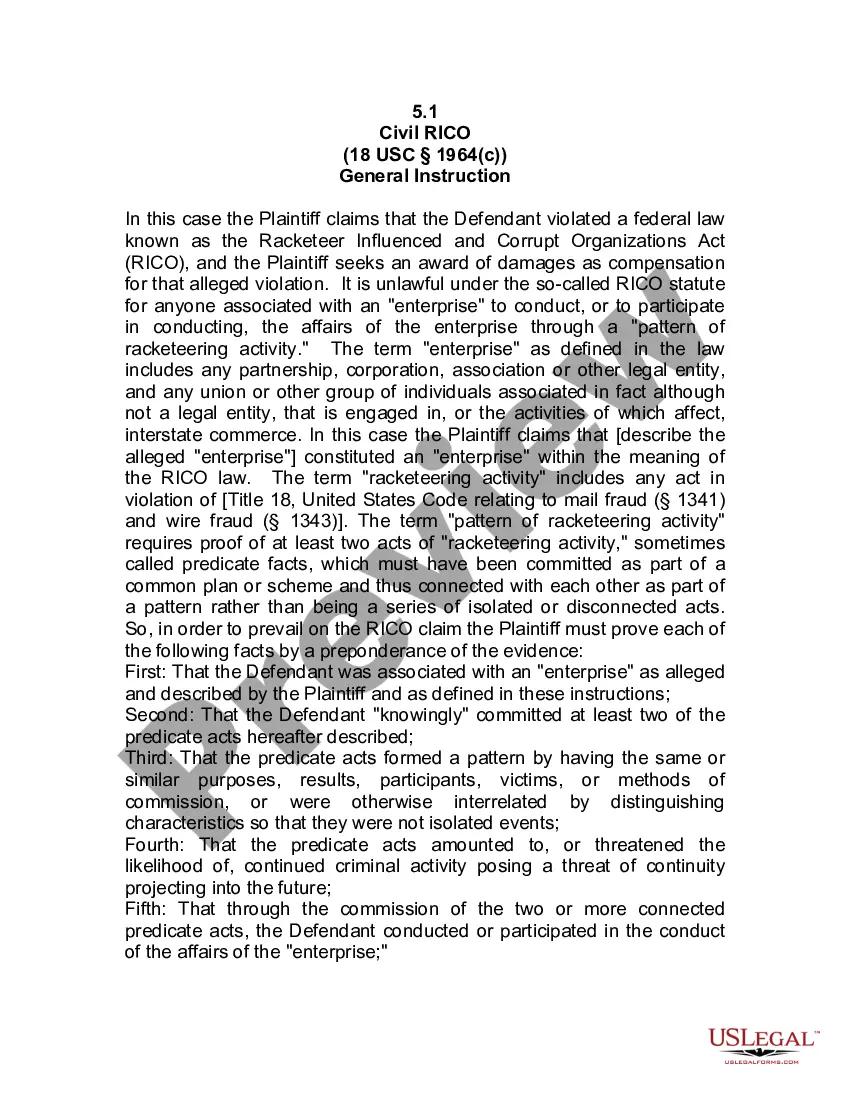
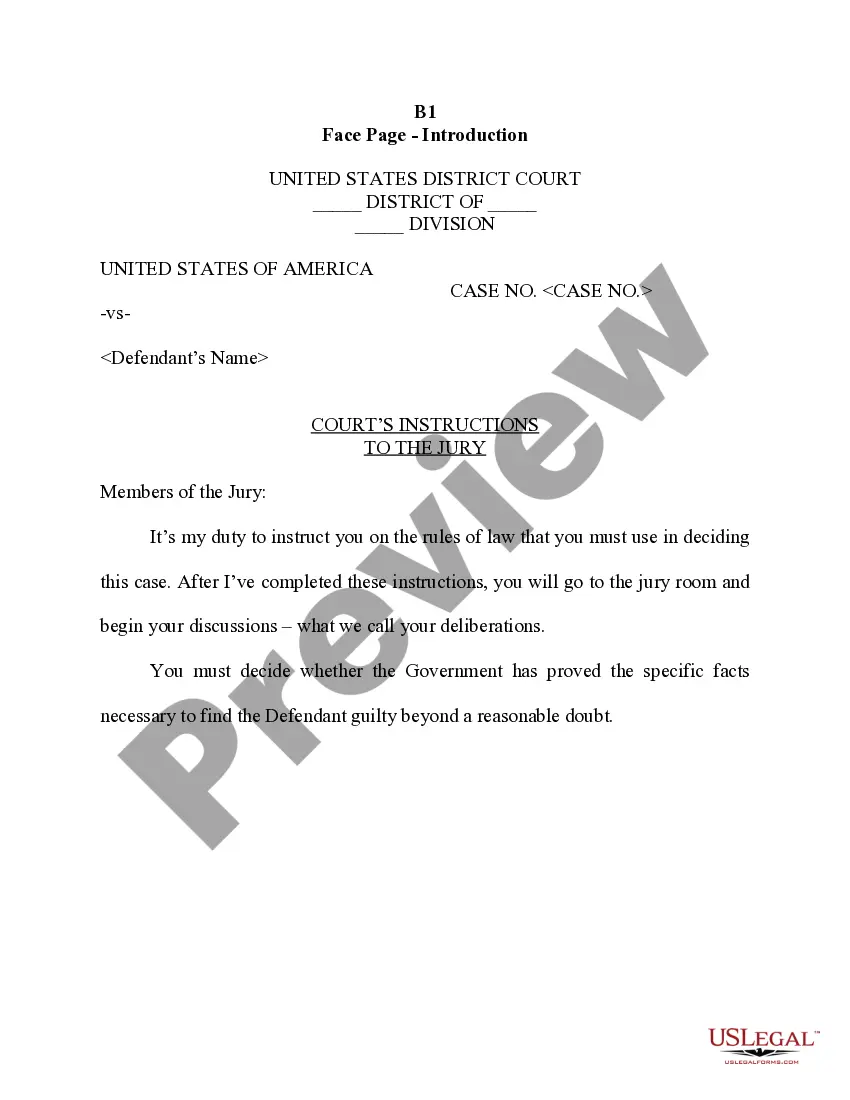
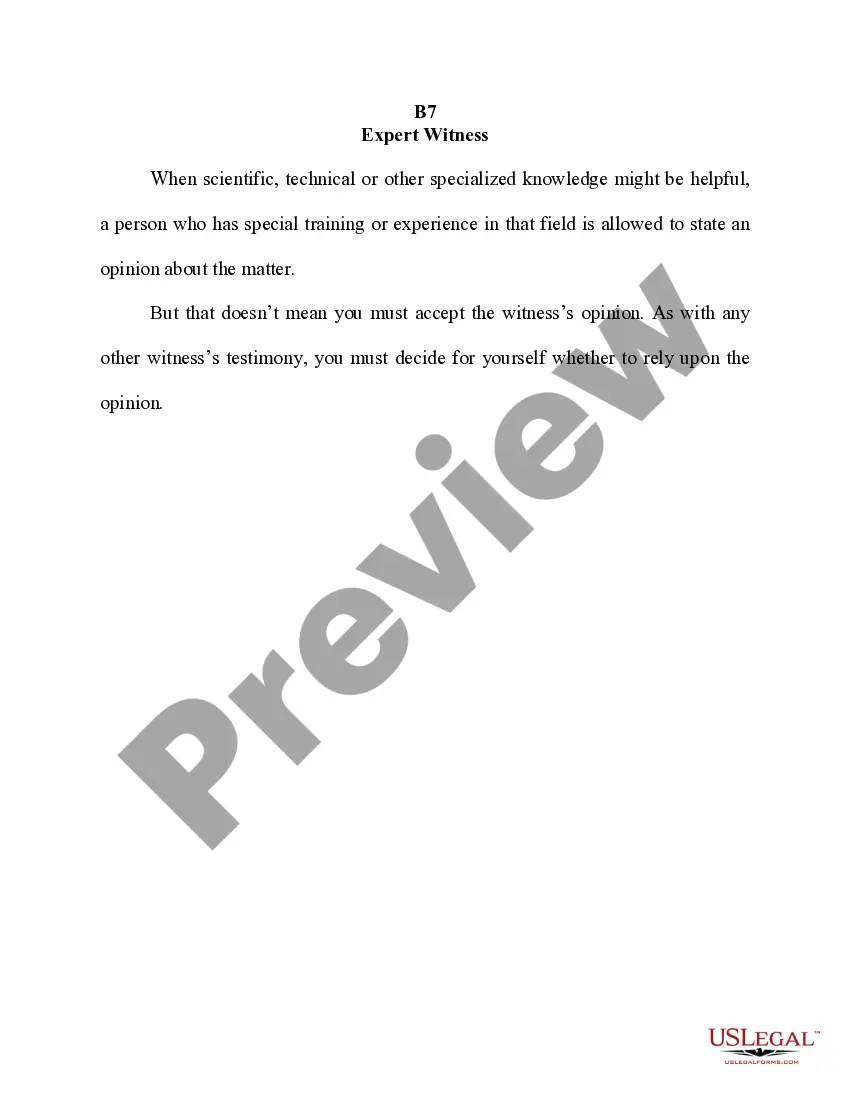
Get your form ready online
Our built-in tools help you complete, sign, share, and store your documents in one place.
Make edits, fill in missing information, and update formatting in US Legal Forms—just like you would in MS Word.
Download a copy, print it, send it by email, or mail it via USPS—whatever works best for your next step.
Sign and collect signatures with our SignNow integration. Send to multiple recipients, set reminders, and more. Go Premium to unlock E-Sign.
If this form requires notarization, complete it online through a secure video call—no need to meet a notary in person or wait for an appointment.
We protect your documents and personal data by following strict security and privacy standards.

Make edits, fill in missing information, and update formatting in US Legal Forms—just like you would in MS Word.

Download a copy, print it, send it by email, or mail it via USPS—whatever works best for your next step.

Sign and collect signatures with our SignNow integration. Send to multiple recipients, set reminders, and more. Go Premium to unlock E-Sign.

If this form requires notarization, complete it online through a secure video call—no need to meet a notary in person or wait for an appointment.

We protect your documents and personal data by following strict security and privacy standards.
Looking for another form?

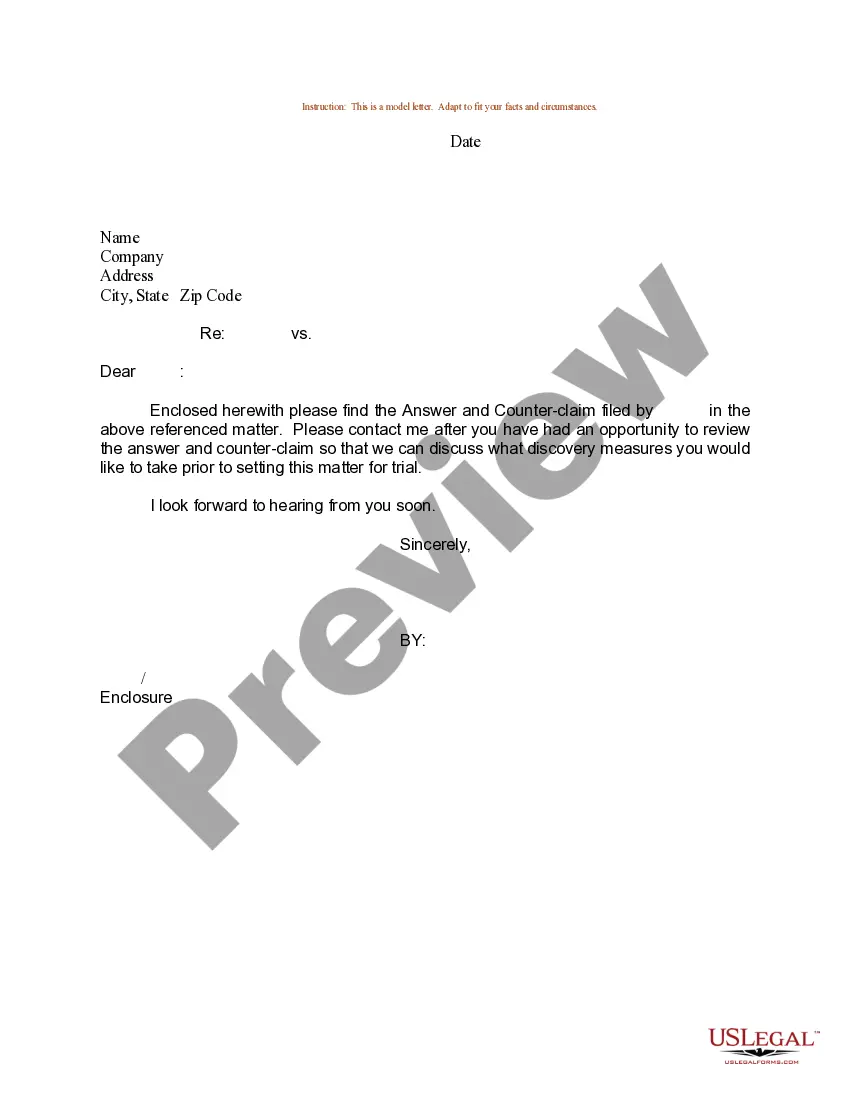
How to fill out Grand Jury Instruction?
It is feasible to spend time online attempting to locate the legal document template that fulfills the state and federal standards you require. US Legal Forms offers thousands of legal forms that are reviewed by professionals. You can easily obtain or print the North Dakota Grand Jury Instruction from our platform.
If you already have a US Legal Forms account, you can Log In and click the Download button. Afterwards, you can complete, modify, print, or sign the North Dakota Grand Jury Instruction. Each legal document template you purchase is yours indefinitely. To get an additional copy of the acquired form, visit the My documents tab and click the corresponding button.
If you are using the US Legal Forms website for the first time, follow the simple guidelines below: First, ensure you have selected the correct document template for your county/city of choice. Review the form outline to confirm you have chosen the right form. If available, utilize the Review button to browse the document template as well.
- If you wish to find another version of the form, use the Search section to locate the template that suits your needs and requirements.
- Once you have identified the template you want, click Buy now to proceed.
- Select the pricing plan you prefer, enter your credentials, and register for an account on US Legal Forms.
- Complete the transaction. You can use your credit card or PayPal account to purchase the legal form.
- Choose the format of the document and download it to your device.
- Make adjustments to your document if necessary. You can complete, modify, and sign and print the North Dakota Grand Jury Instruction.
- Download and print thousands of document templates using the US Legal Forms website, which provides the largest collection of legal forms. Utilize professional and state-specific templates to address your business or personal needs.
Form popularity
FAQ
29-10.1-19. The grand jury may issue subpoenas or subpoenas duces tecum to any witness within the state. Subpoenas may also be issued by the state's attorney or prosecutor in the manner provided in the statutes or North Dakota Rules of Criminal Procedure.
The jurors meet in a room outside the courtroom to decide whether the prosecutor has proven beyond a reasonable doubt that the accused is guilty. All the jurors must agree on the decision or verdict ? their decision must be unanimous.
You may make the request to be excused when completing the juror qualification questionnaire. If you wish to make the request after you have returned the questionnaire, you must submit a written request for excuse.
The judge instructs the jury that their vote must be unanimous and that, if found guilty, the boy will face the death penalty. Cut to the jury room where the story takes place. An anonymous vote is taken where all the jurors vote guilty, save one...
The trial judge will typically instruct the jury on these topics: instruction on the relevant legal issues, including the charges faced by the accused; an explanation of the theories of each side; a review of the salient facts which support the theories and case of each side;
The judge will advise the jury that it is the sole judge of the facts and of the credibility (believability) of witnesses. He or she will note that the jurors are to base their conclusions on the evidence as presented in the trial, and that the opening and closing arguments of the lawyers are not evidence.
(1) Members of the jury, now it is time for me to instruct you about the law you must follow in deciding this case. (2) I will start by explaining your duties and the general rules that apply in every criminal case. (3) Then I will explain the elements of the crimes that the defendant is accused of committing.
In a jury trial, there is no written judgment: the jury simply pronounces the verdict of Guilty or Not Guilty. As a result, the instructions given to the jury by the judge, and the comments the judge makes to the jury, are carefully scrutinized by the Court of Appeal. Errors can result in the case being overturned.