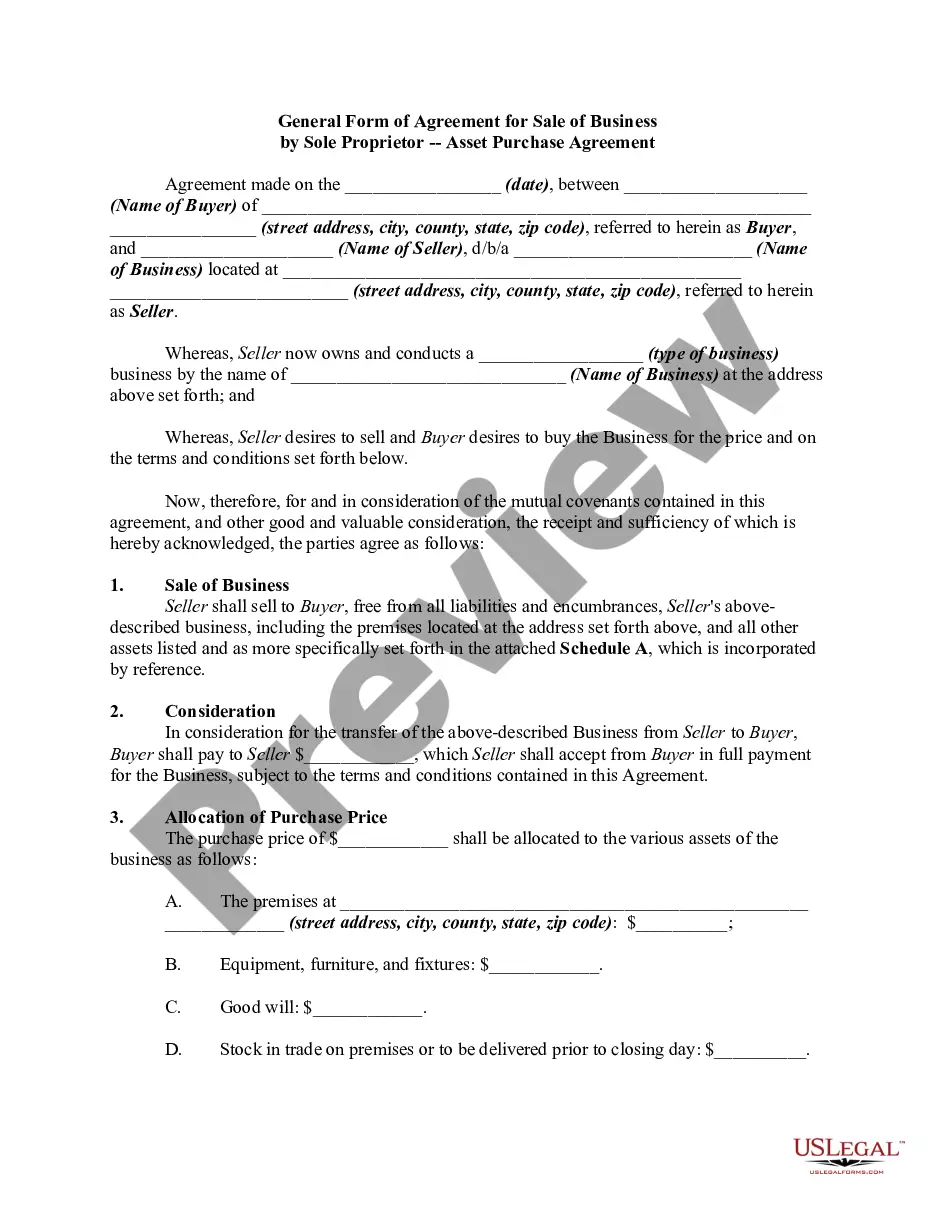
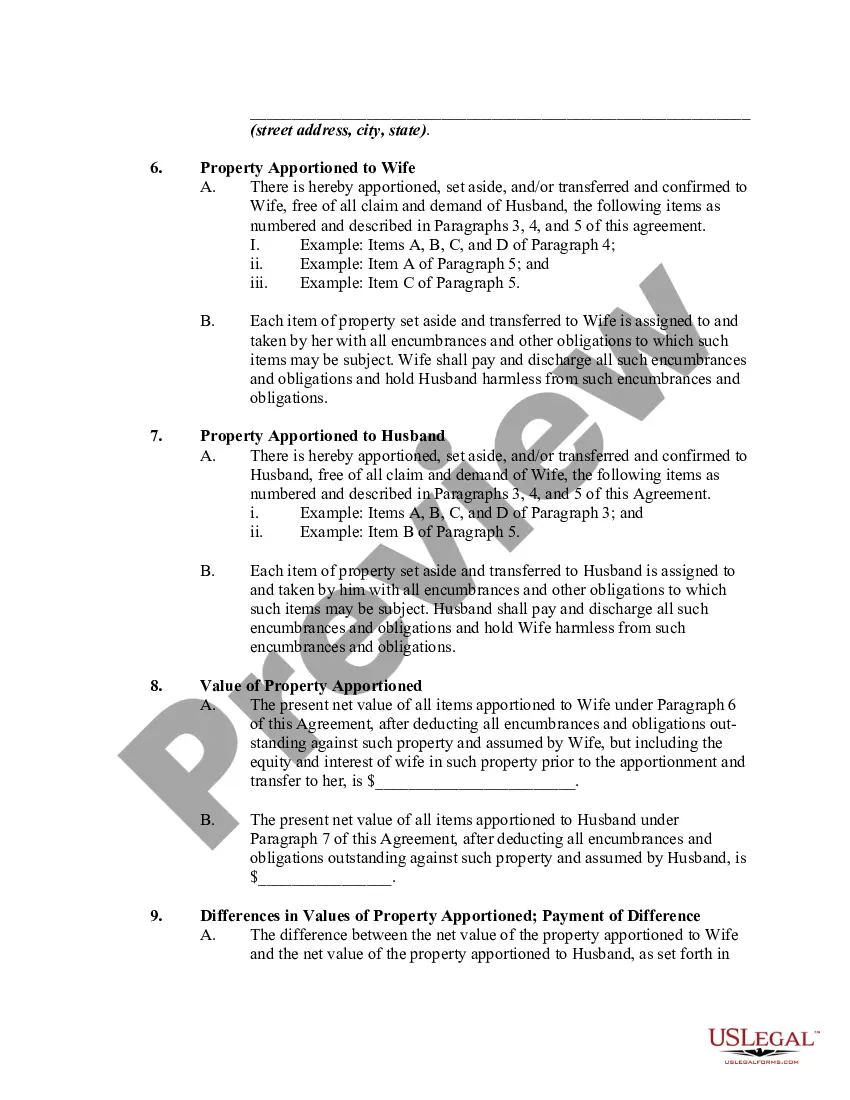
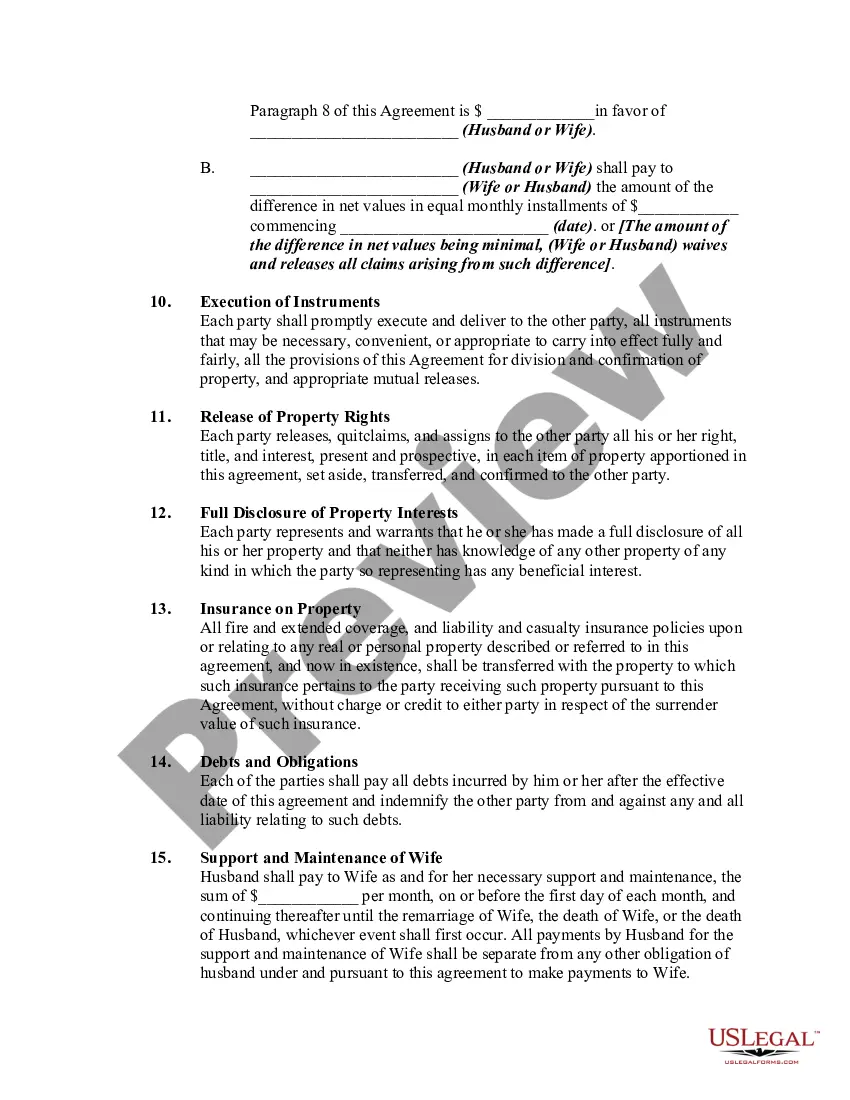
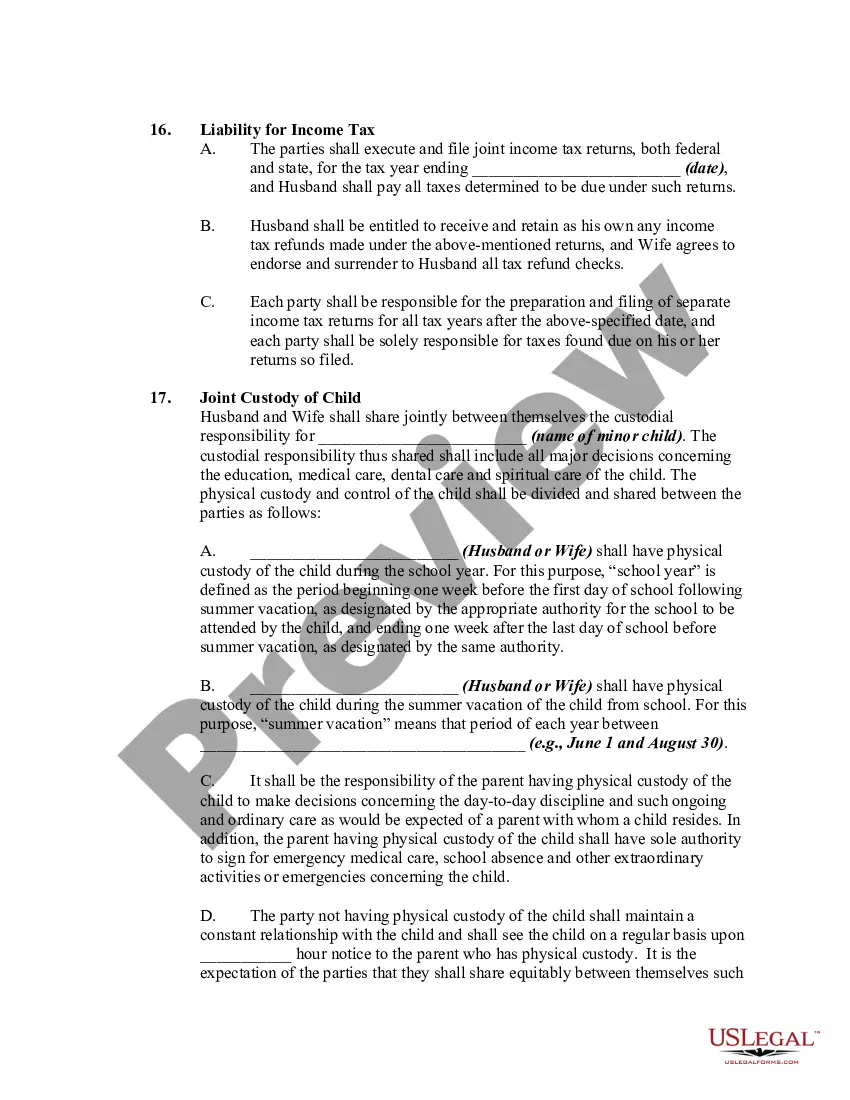
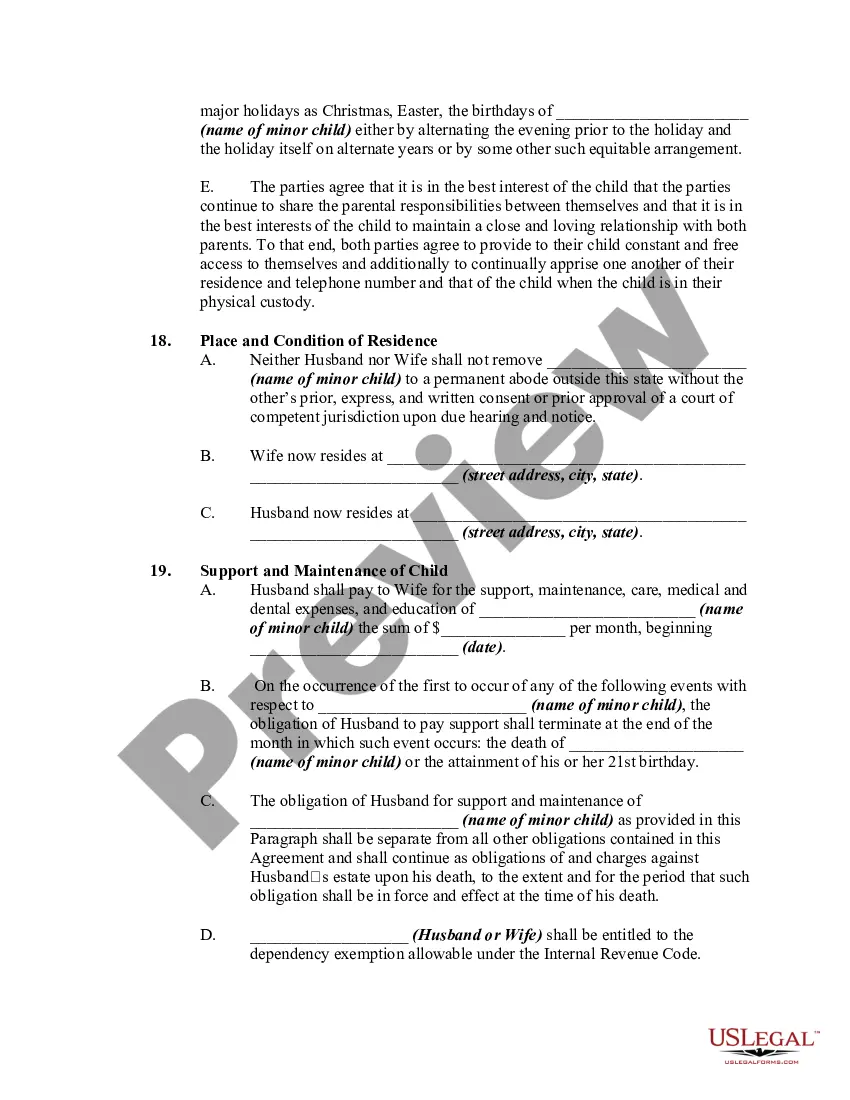
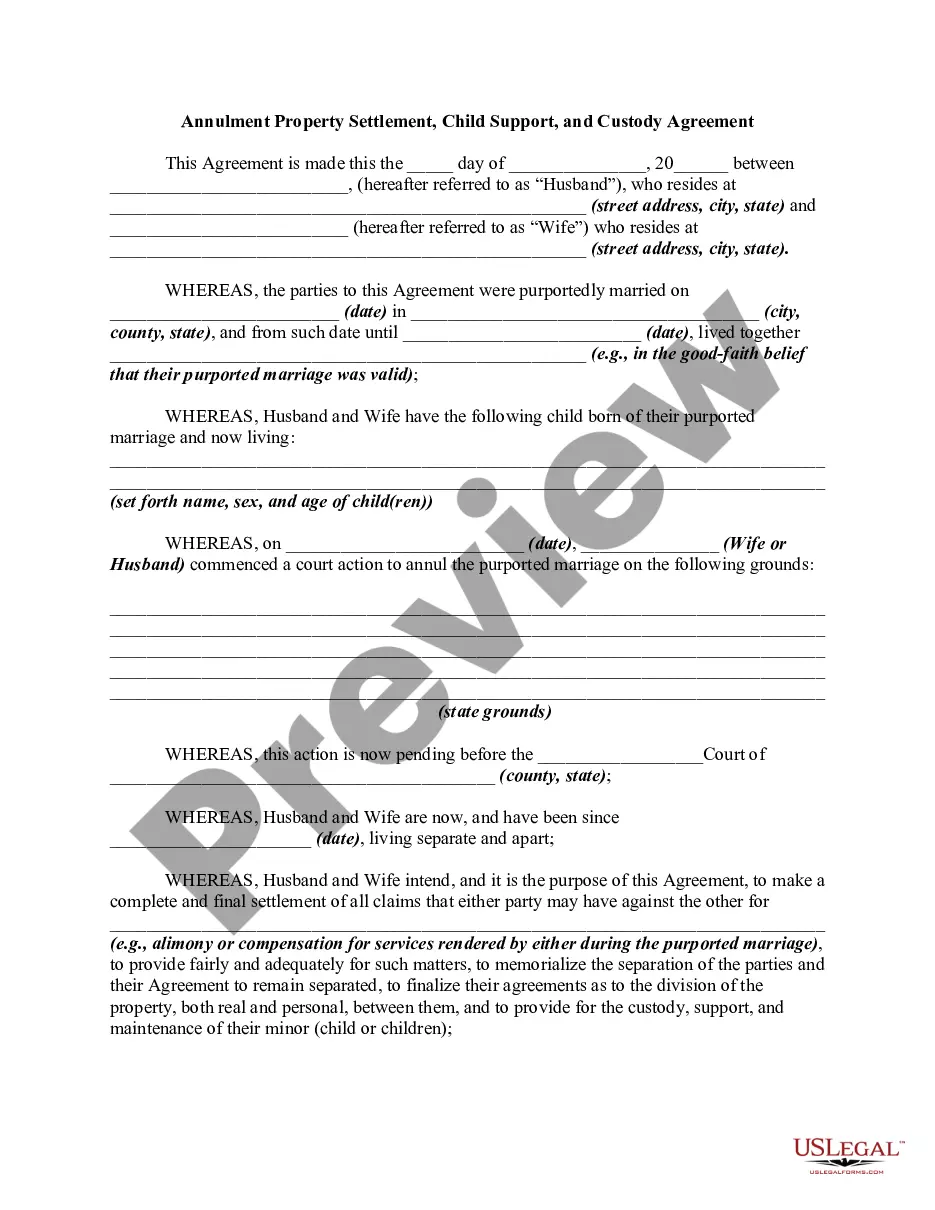
The following form is a Property Settlement and Joint Custody Agreement.
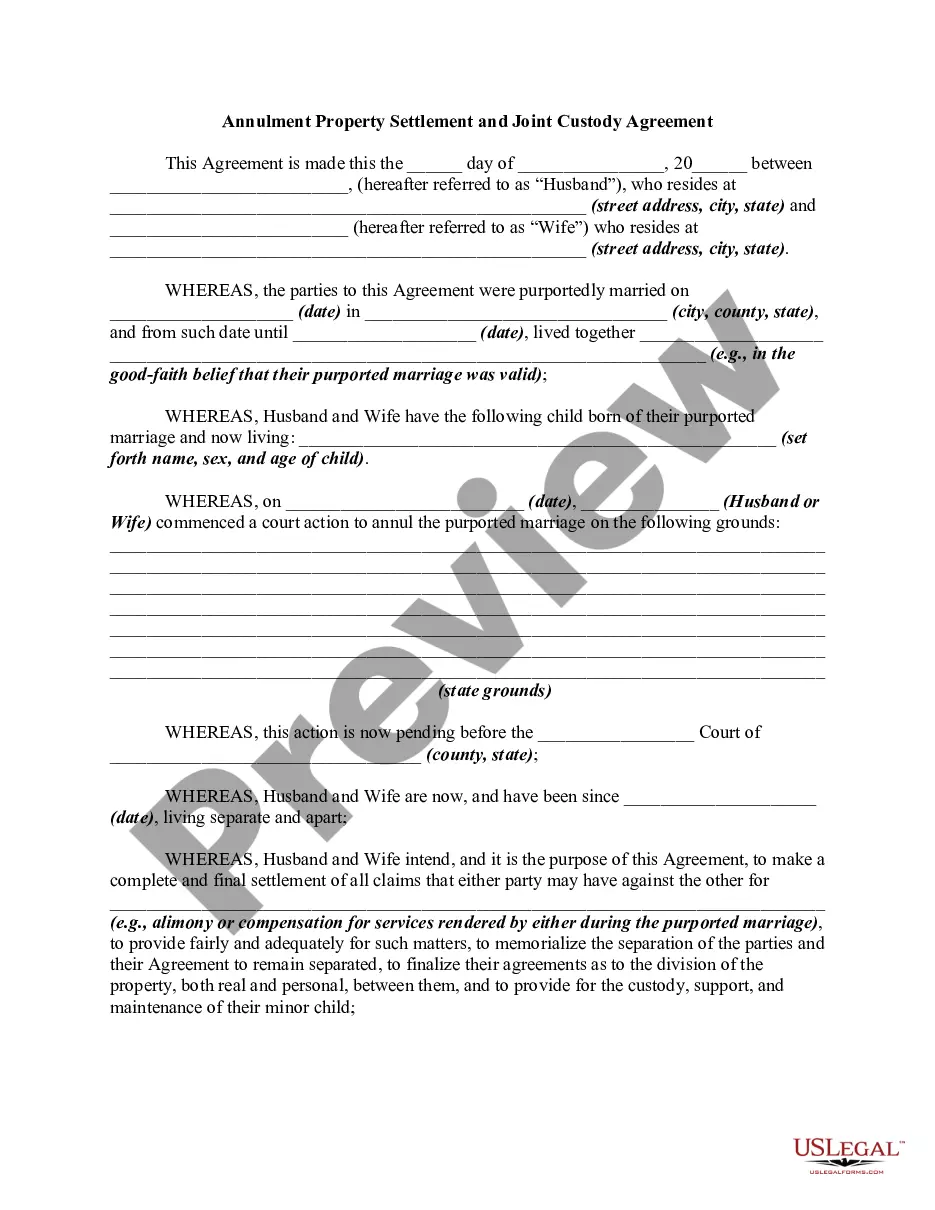
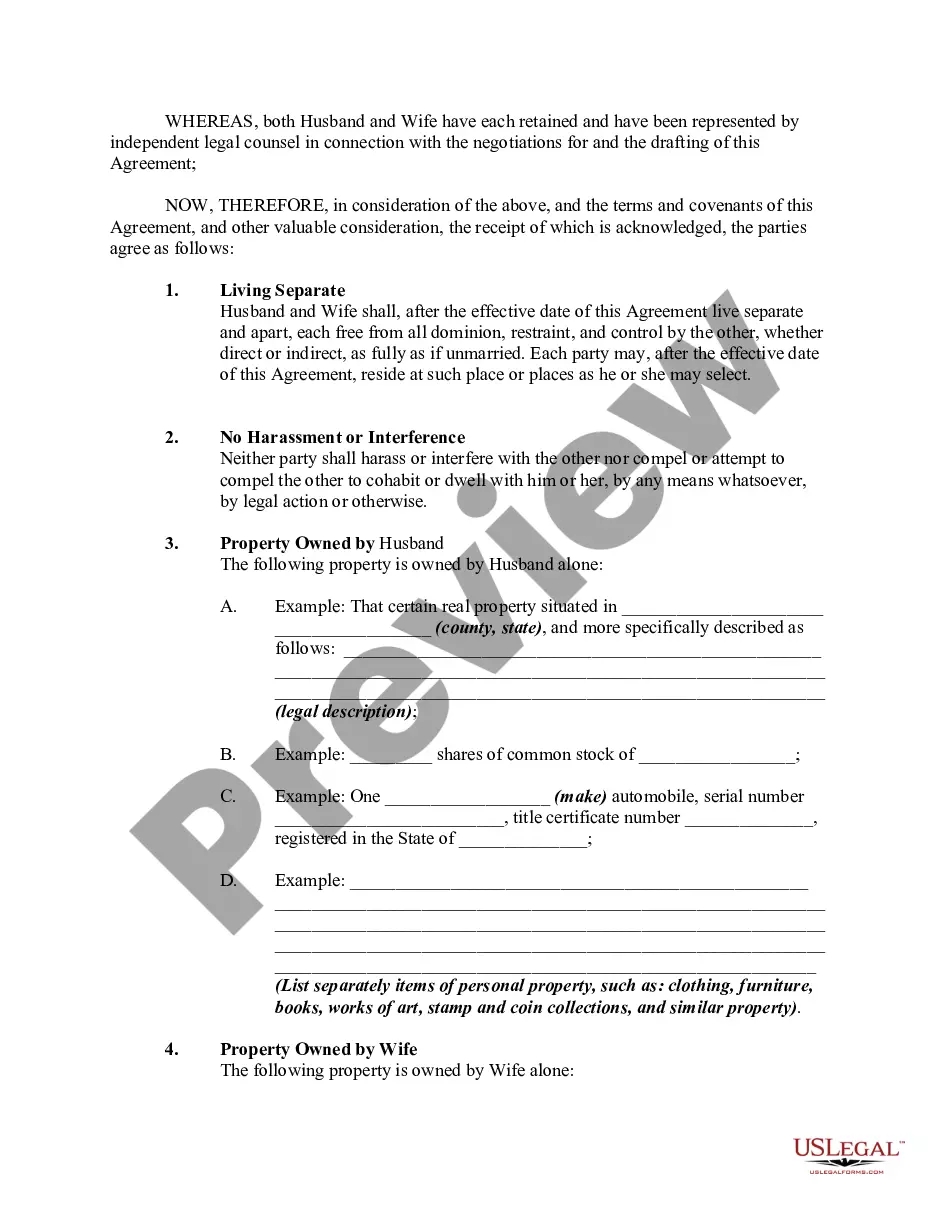
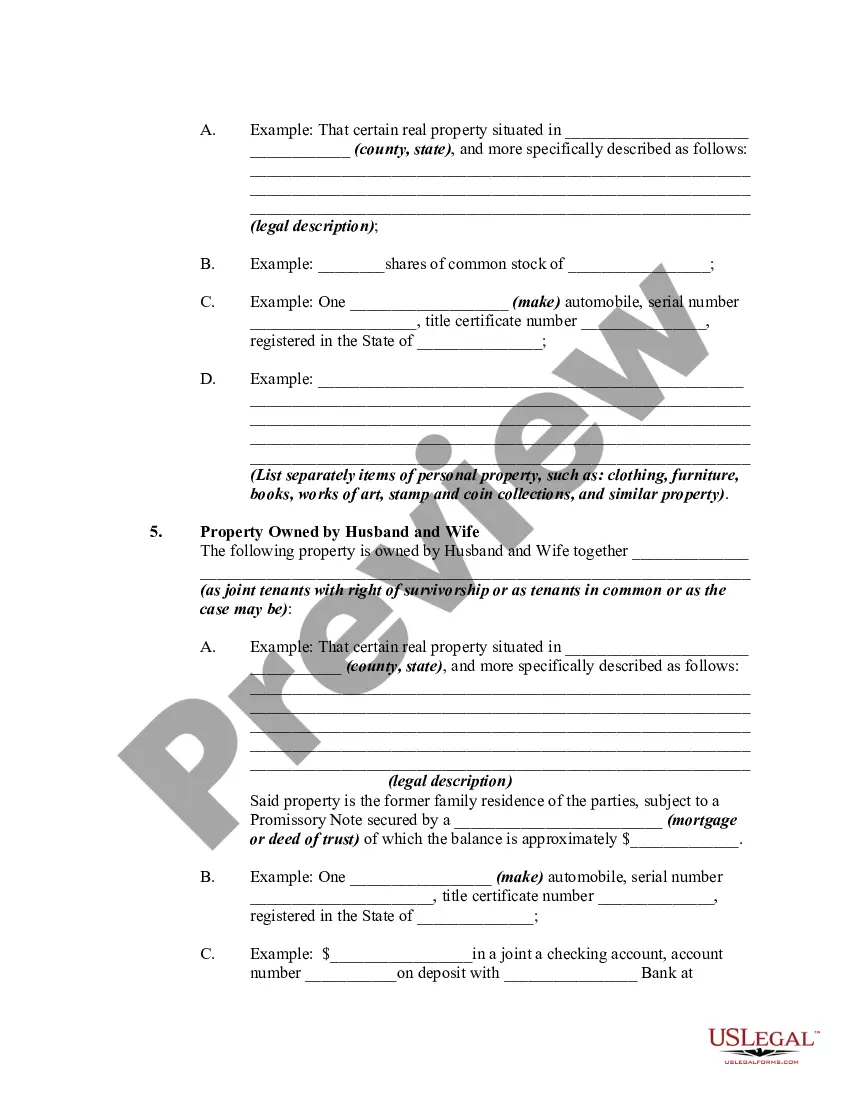
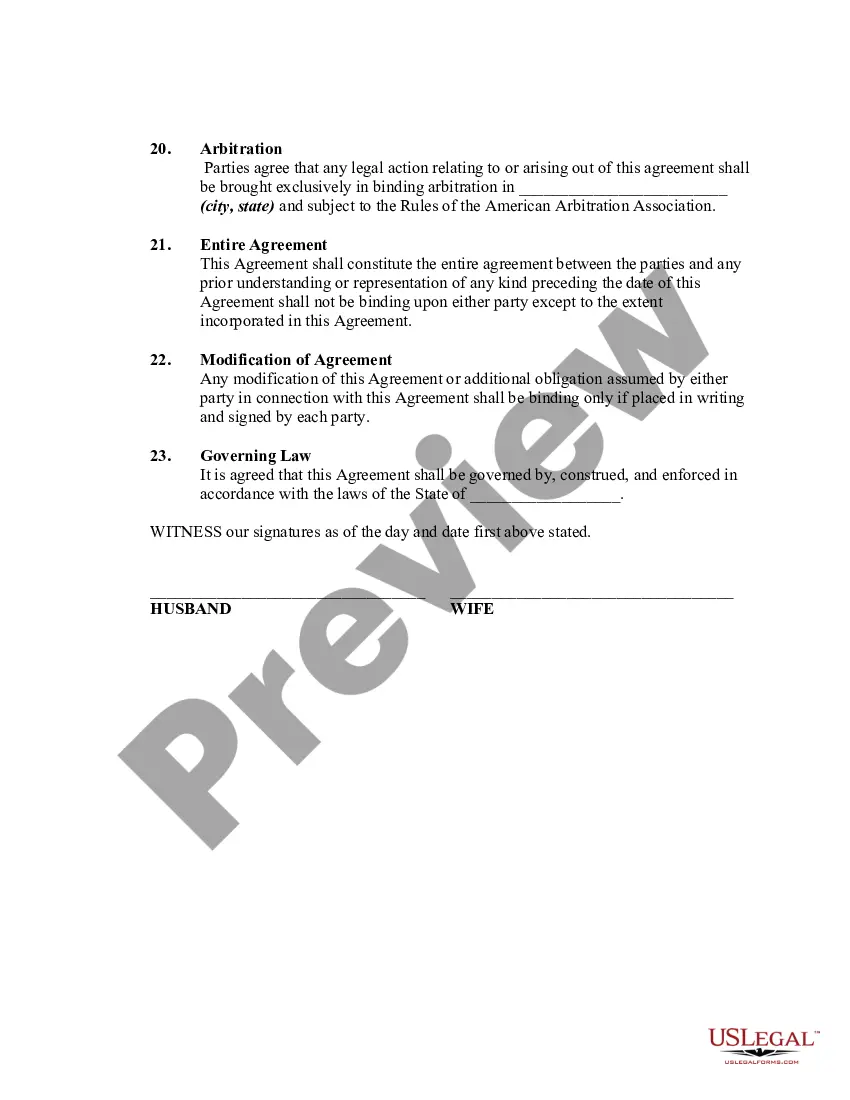
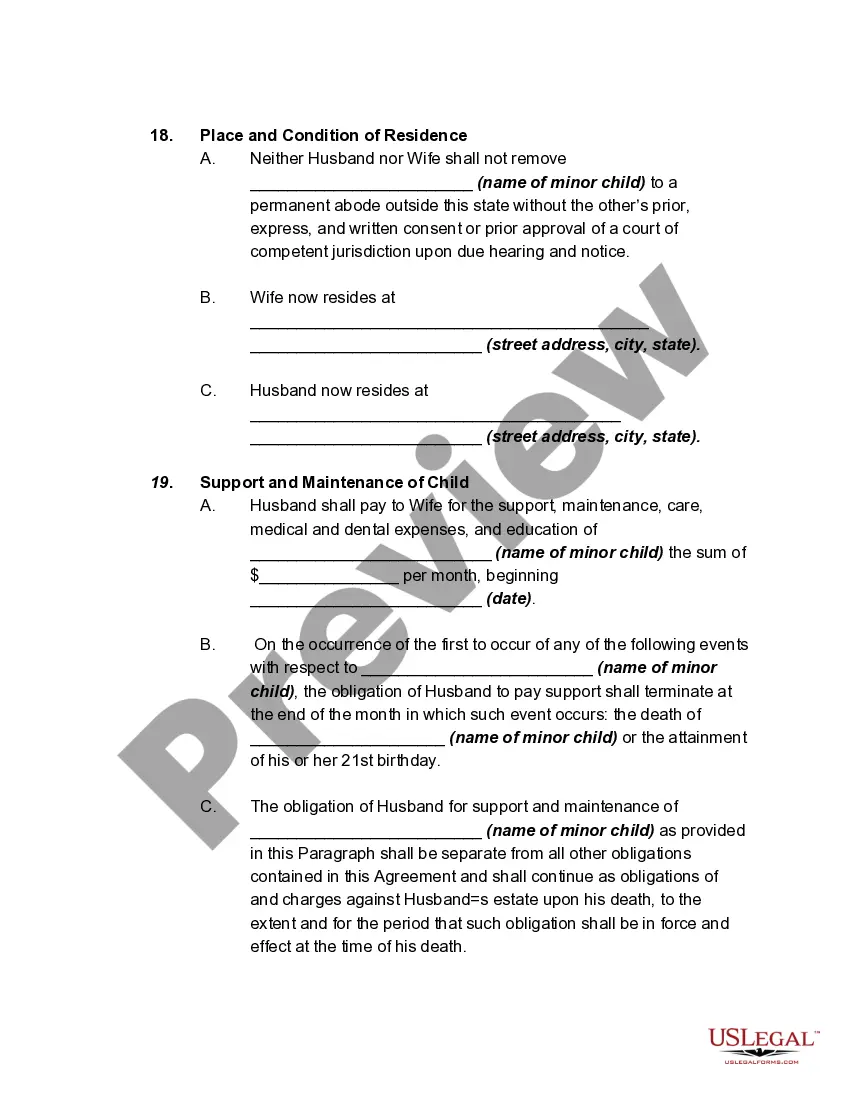
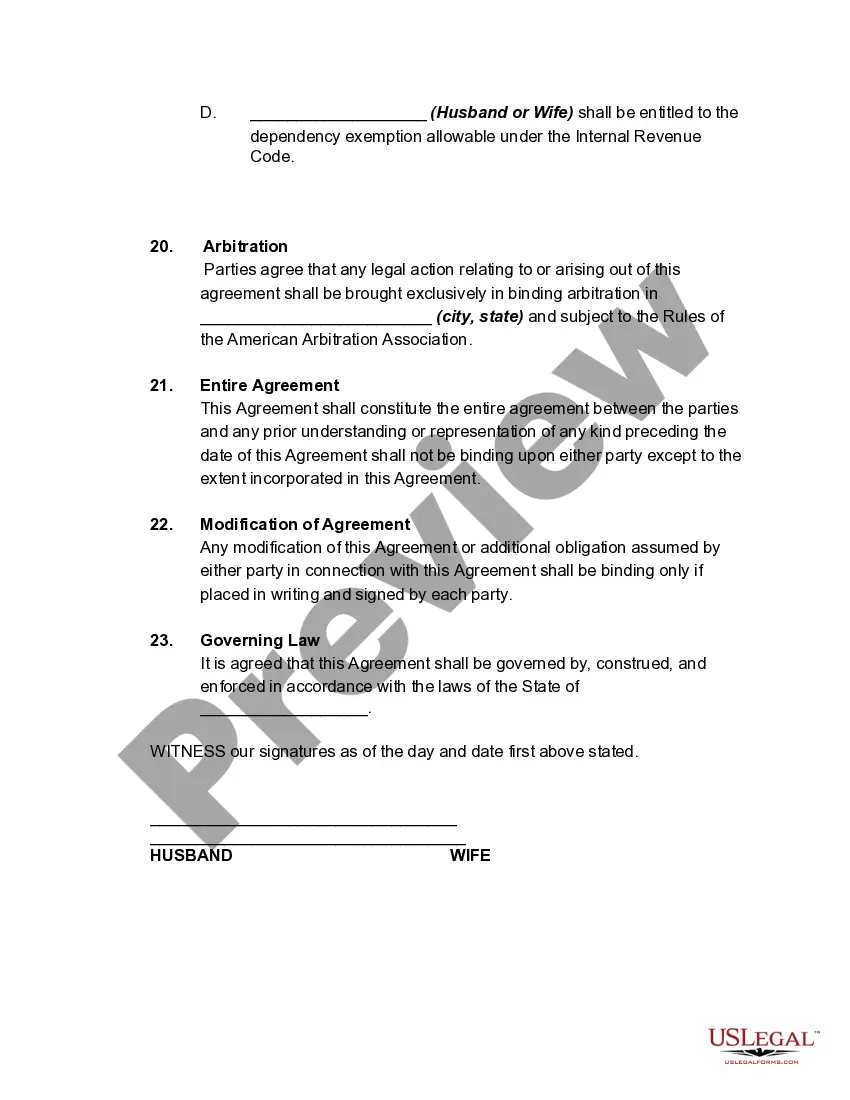
New Hampshire Annulment Property Settlement and Joint Custody Agreement
Instant download
Description
Free preview
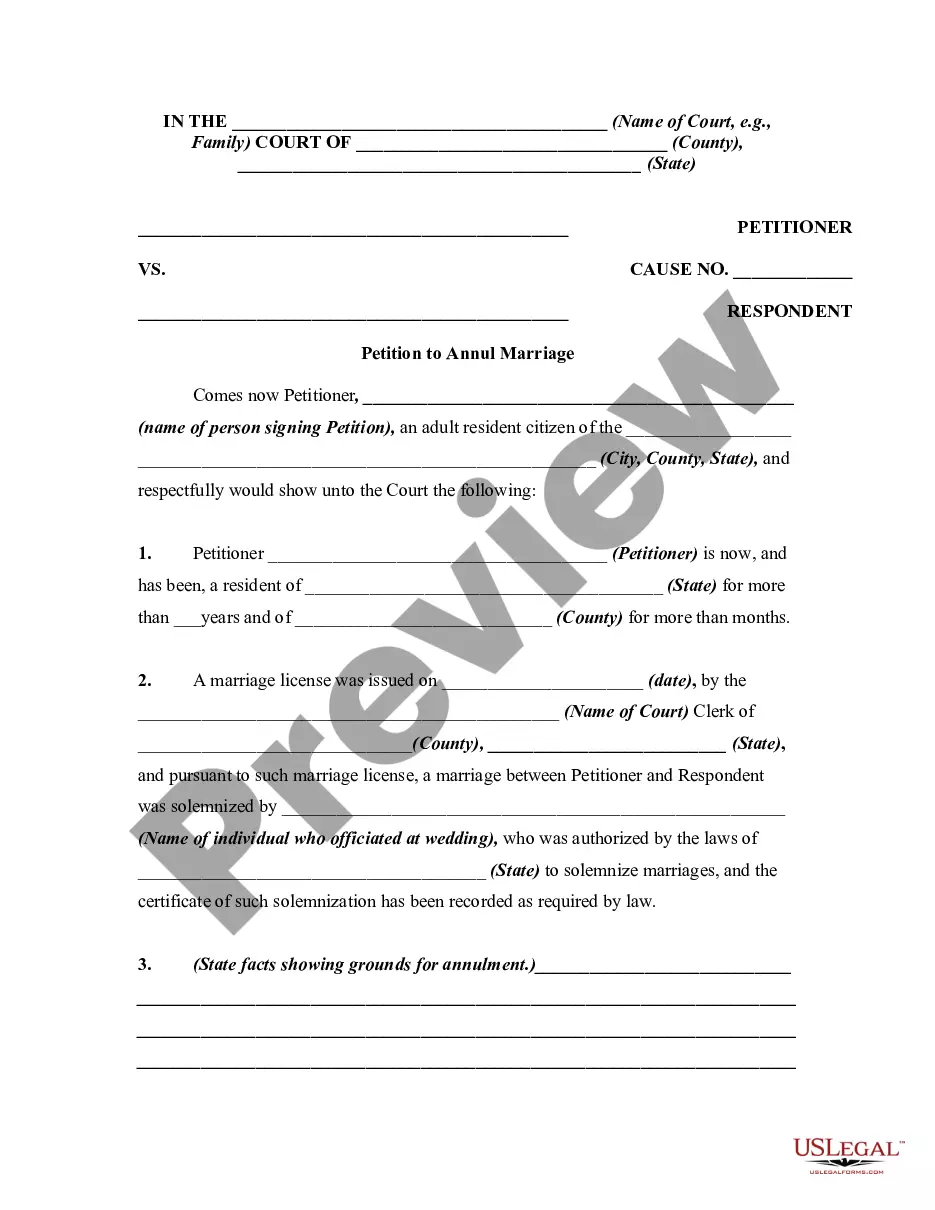
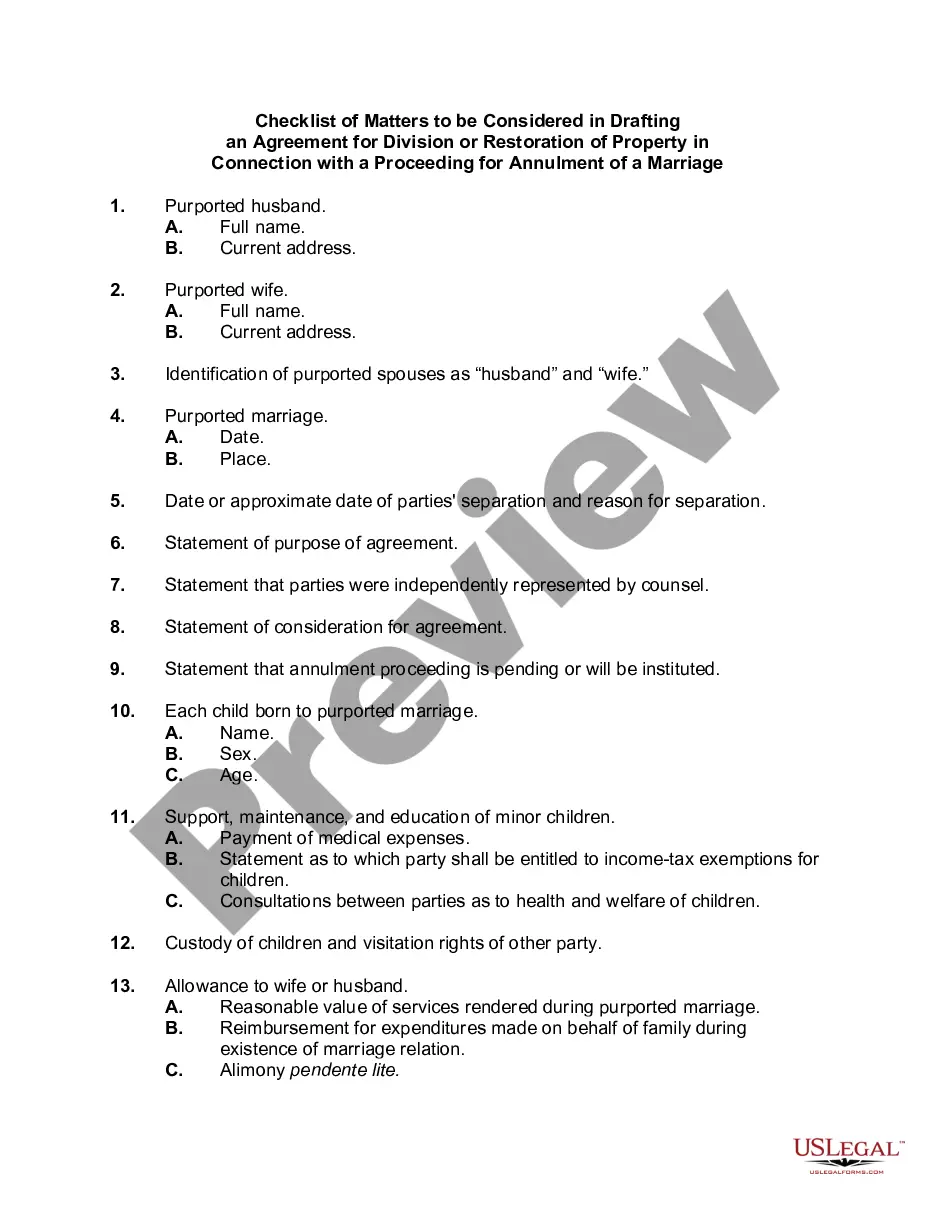
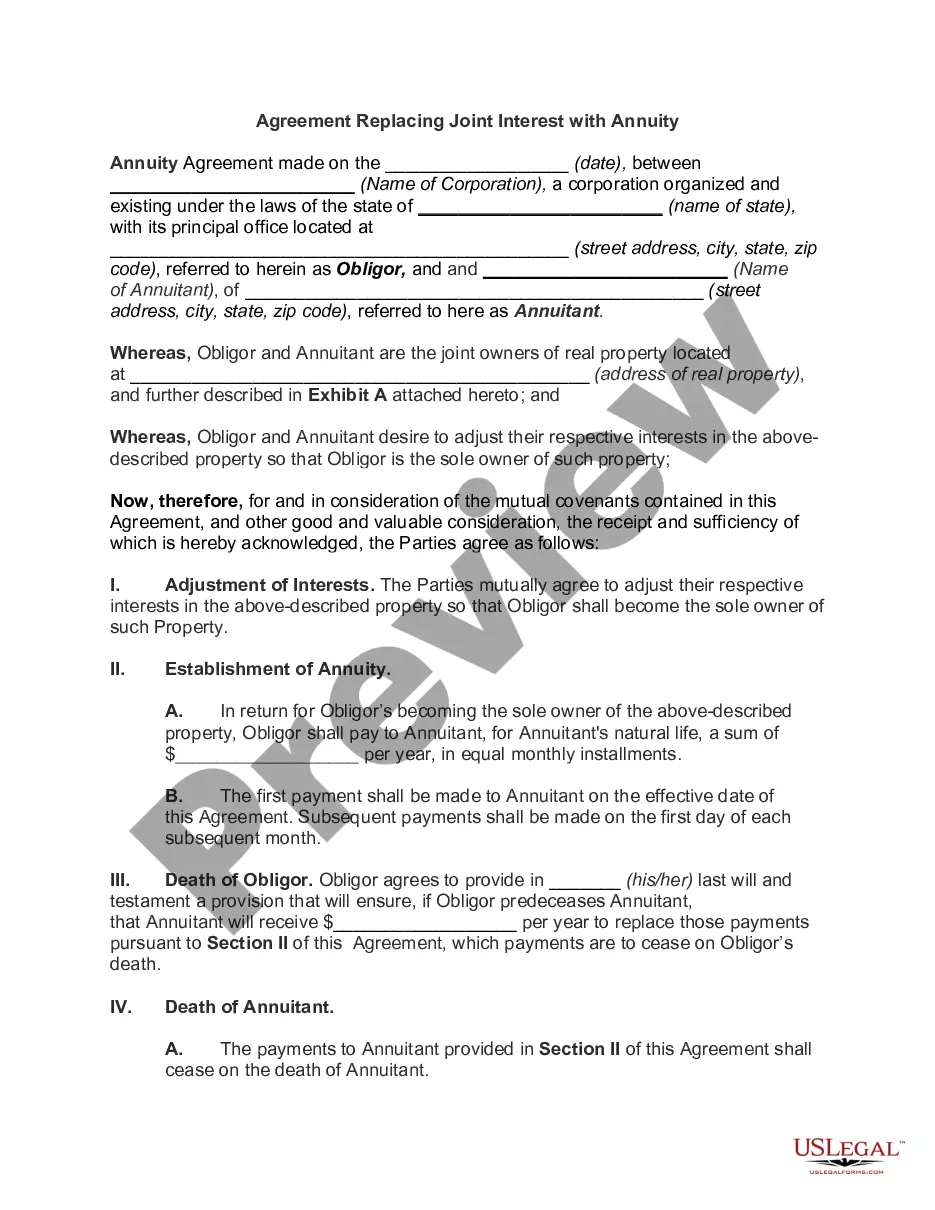
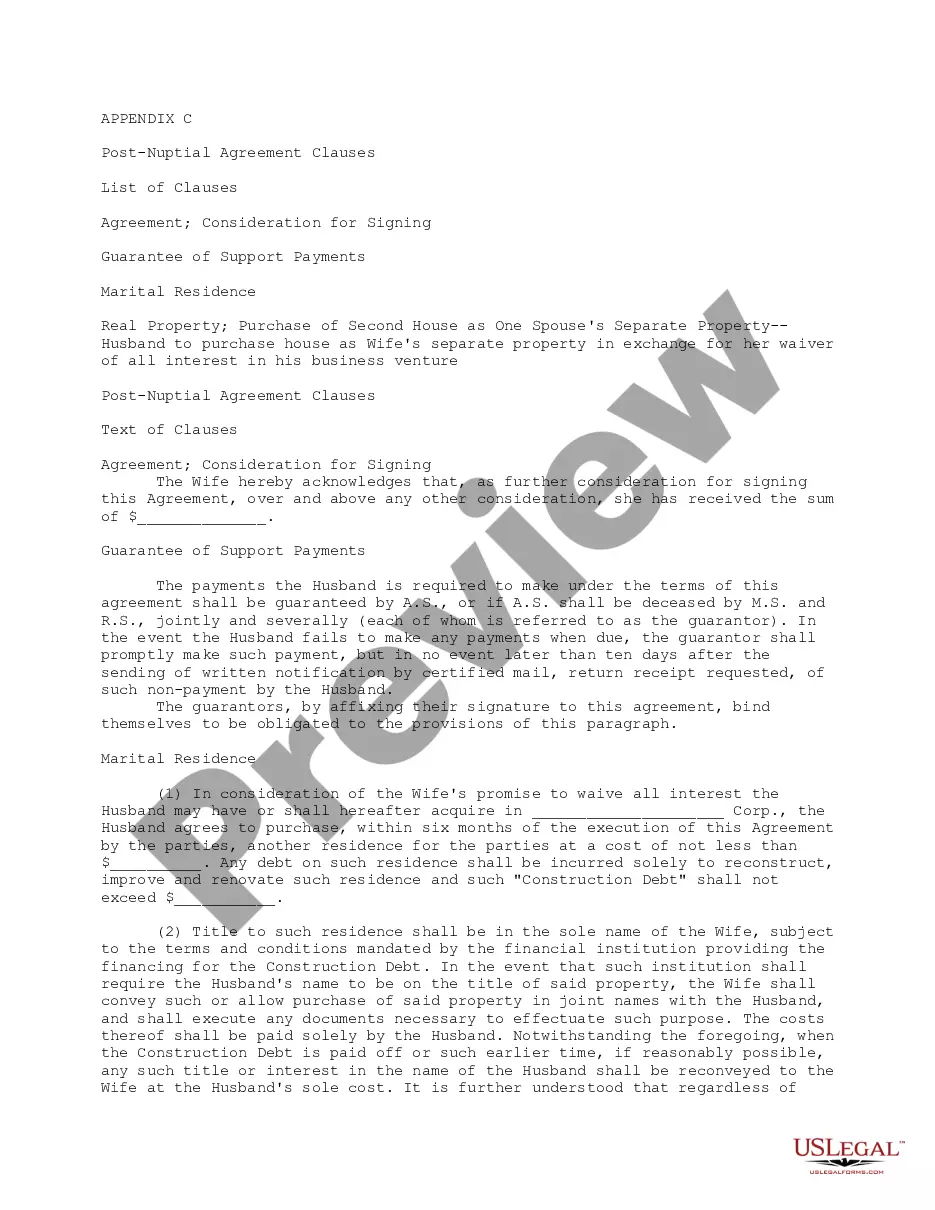
Get your form ready online
Our built-in tools help you complete, sign, share, and store your documents in one place.
Built-in online Word editor
Make edits, fill in missing information, and update formatting in US Legal Forms—just like you would in MS Word.
Export easily
Download a copy, print it, send it by email, or mail it via USPS—whatever works best for your next step.
E-sign your document
Sign and collect signatures with our SignNow integration. Send to multiple recipients, set reminders, and more. Go Premium to unlock E-Sign.
Notarize online 24/7
If this form requires notarization, complete it online through a secure video call—no need to meet a notary in person or wait for an appointment.
Store your document securely
We protect your documents and personal data by following strict security and privacy standards.

Make edits, fill in missing information, and update formatting in US Legal Forms—just like you would in MS Word.

Download a copy, print it, send it by email, or mail it via USPS—whatever works best for your next step.

Sign and collect signatures with our SignNow integration. Send to multiple recipients, set reminders, and more. Go Premium to unlock E-Sign.

If this form requires notarization, complete it online through a secure video call—no need to meet a notary in person or wait for an appointment.

We protect your documents and personal data by following strict security and privacy standards.
Looking for another form?
How to fill out Annulment Property Settlement And Joint Custody Agreement?
Have you found yourself in a situation where you need documents for both professional or personal purposes almost every working day.
There are numerous legal document templates available online, but obtaining ones you can trust is not easy.
US Legal Forms offers a multitude of form templates, such as the New Hampshire Annulment Property Settlement and Joint Custody Agreement, which can be tailored to meet state and federal standards.
Once you find the appropriate form, click Purchase now.
Select the pricing plan you prefer, enter the required information to create your account, and complete the transaction using your PayPal or Visa or Mastercard.
- If you are already familiar with the US Legal Forms website and have an account, simply Log In.
- Then, you can download the New Hampshire Annulment Property Settlement and Joint Custody Agreement template.
- If you do not have an account and wish to start using US Legal Forms, follow these steps.
- Locate the form you require and ensure it is for the correct city/state.
- Utilize the Review option to evaluate the form.
- Check the summary to ensure you have selected the correct form.
- If the form is not what you're looking for, use the Search field to find the form that meets your needs.
Form popularity
FAQ
The Judge Can Determine How to Equitably Distribute Assets Even if you and your spouse hold all assets jointly, New Hampshire does not require a 50/50 split of assets after the divorce.
Desertion and Abandonment There are two elements that have to be present in order to constitute desertion: the willful desire or the intent to desert and the cutting off of the marital relationship. In New Hampshire, the abandonment has to continue for 2 years or longer.
Courts in New Hampshire presume that everything a party owns is marital property to be divided equally, regardless as to when either spouse acquired it, what the title says about ownership, or who gave it to either party.
Ing to New Hampshire's property division laws for divorce, the courts see all property as marital property and divide them equally. This includes assets that individuals acquire before the marriage, as well as any gifts that either party receives, such as an inheritance, during the marriage.
This topic usually comes up at the Law Library when people ask us if New Hampshire is a community property state, referring to the division, or distribution, of property in divorces. The answer is, no, it isn't: New Hampshire is an ?equitable division? state.
In general, the person accusing a spouse of adultery must prove that they had ?voluntary sexual intercourse? with someone outside of the marriage. Remember, they have to provide specific proof that the infidelity occurred. It can't be circumstantial evidence.
Is New Hampshire a 50/50 divorce state? New Hampshire is an "equitable distribution state?, not a ?community property state?. The judge decides what is fair, which doesn't mean a 50/50 split. The court has broad discretion to make a divorce order to fit the individual facts and particular circumstances of each case.
This topic usually comes up at the Law Library when people ask us if New Hampshire is a community property state, referring to the division, or distribution, of property in divorces. The answer is, no, it isn't: New Hampshire is an ?equitable division? state.