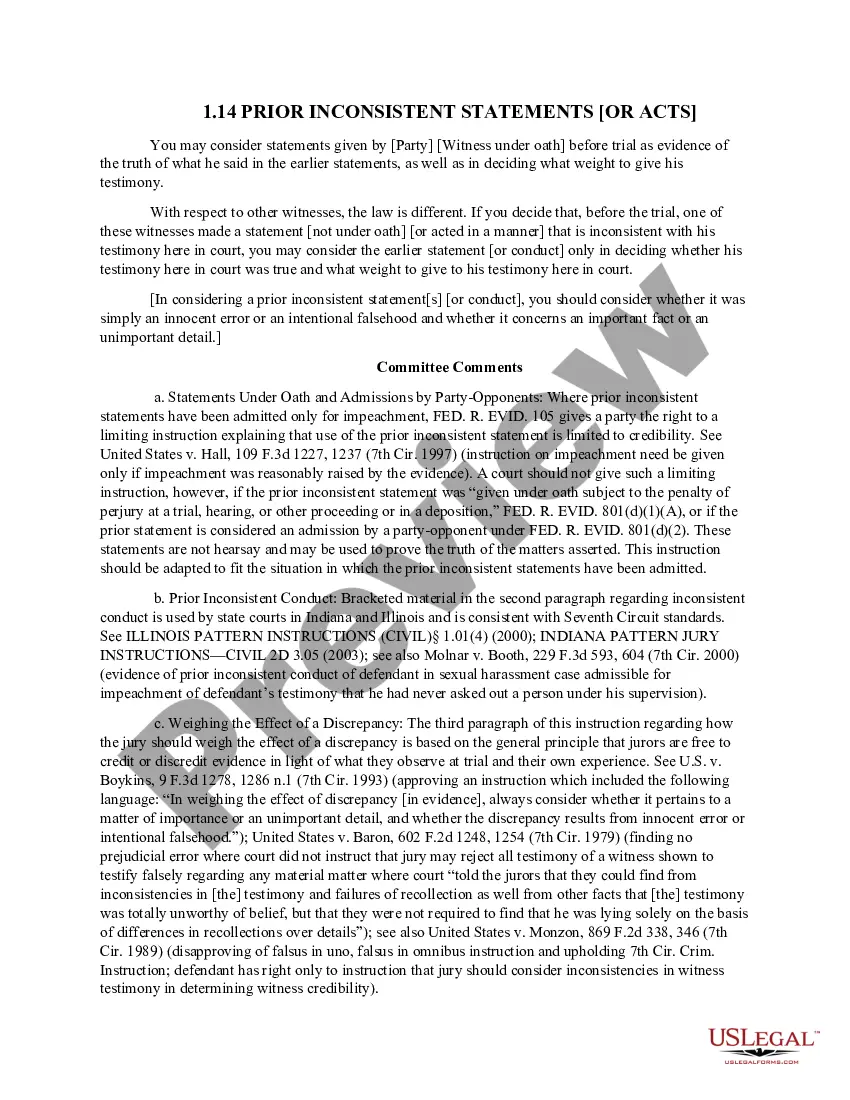
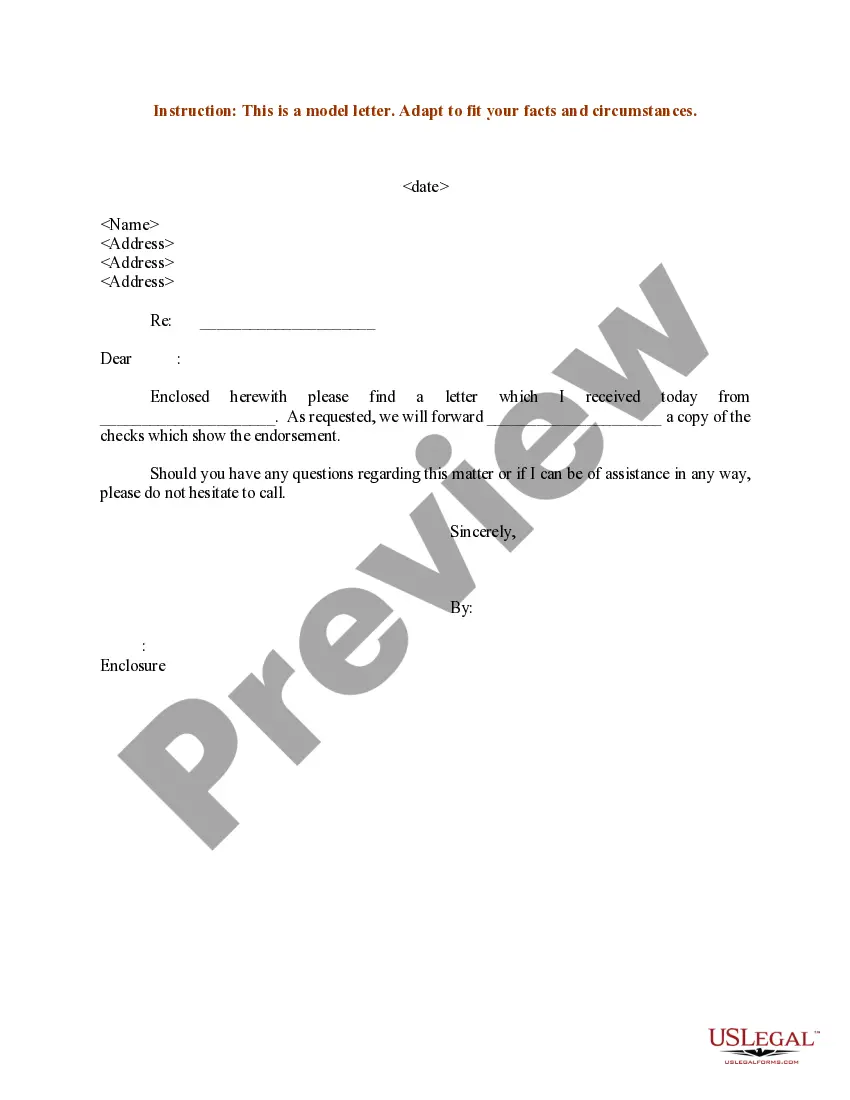
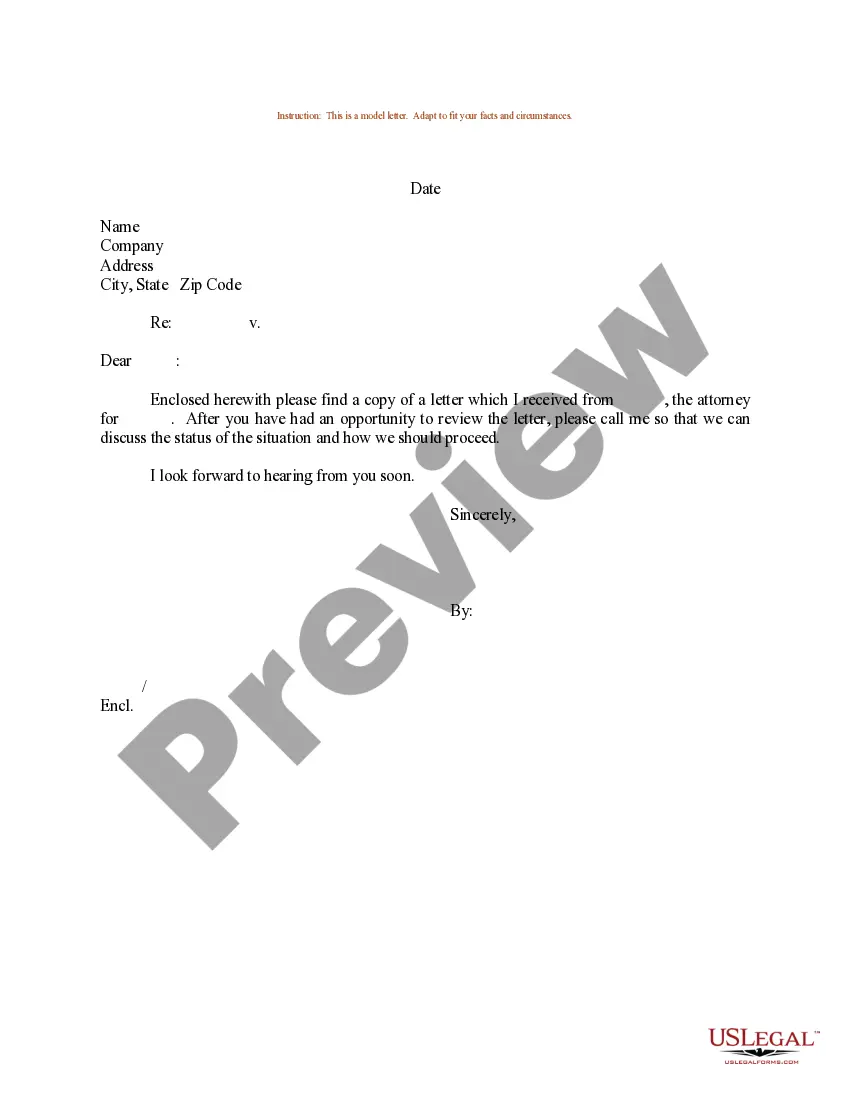
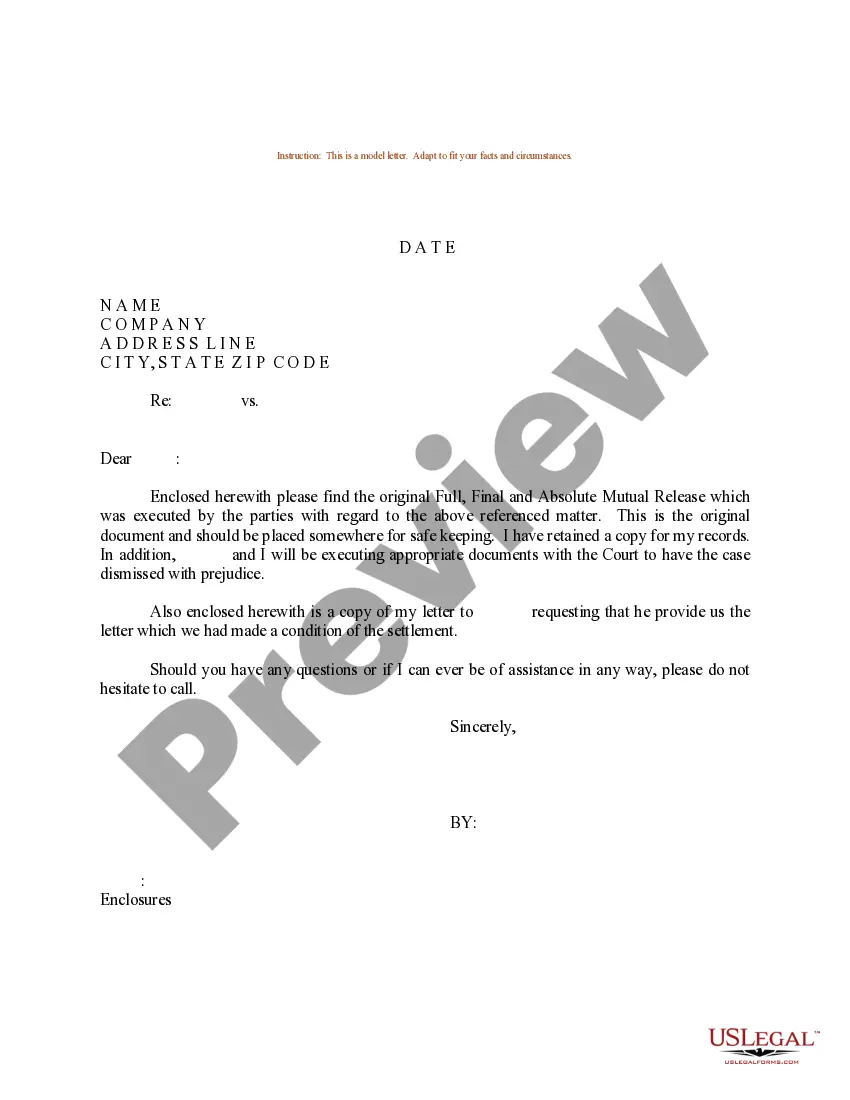
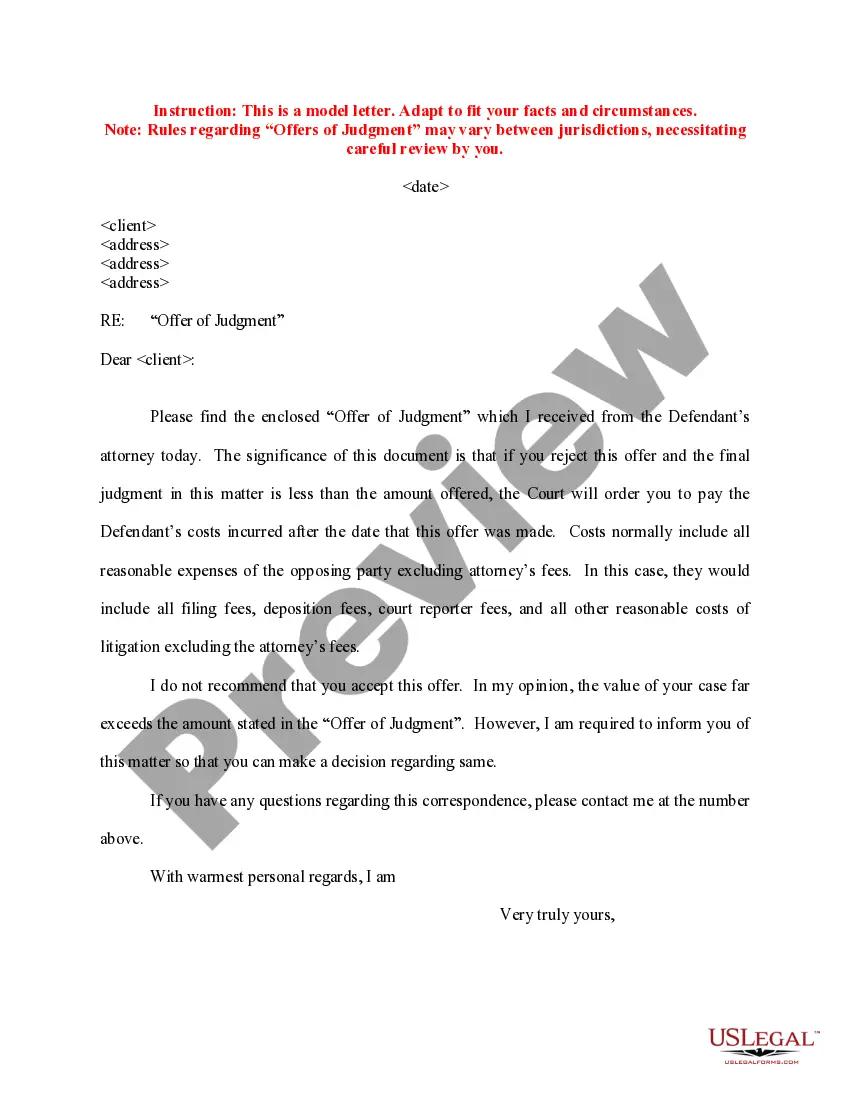
New Hampshire Sample Letter for Correspondence received from Defendant
Description
Get your form ready online
Our built-in tools help you complete, sign, share, and store your documents in one place.
Make edits, fill in missing information, and update formatting in US Legal Forms—just like you would in MS Word.
Download a copy, print it, send it by email, or mail it via USPS—whatever works best for your next step.
Sign and collect signatures with our SignNow integration. Send to multiple recipients, set reminders, and more. Go Premium to unlock E-Sign.
If this form requires notarization, complete it online through a secure video call—no need to meet a notary in person or wait for an appointment.
We protect your documents and personal data by following strict security and privacy standards.
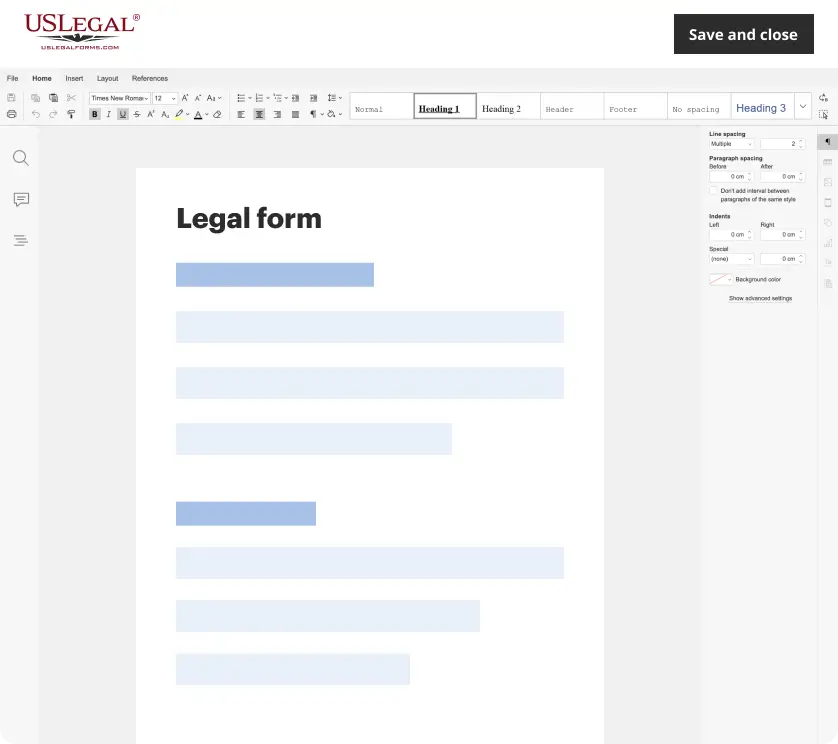
Make edits, fill in missing information, and update formatting in US Legal Forms—just like you would in MS Word.
Download a copy, print it, send it by email, or mail it via USPS—whatever works best for your next step.
Sign and collect signatures with our SignNow integration. Send to multiple recipients, set reminders, and more. Go Premium to unlock E-Sign.

If this form requires notarization, complete it online through a secure video call—no need to meet a notary in person or wait for an appointment.
We protect your documents and personal data by following strict security and privacy standards.
Looking for another form?
How to fill out Sample Letter For Correspondence Received From Defendant?
Are you currently in a location where you frequently require documents for both business and personal purposes almost every day? There are numerous legal document templates available online, but finding ones that you can rely on can be challenging. US Legal Forms offers thousands of form templates, including the New Hampshire Sample Letter for Correspondence received from Defendant, which can be created to satisfy federal and state regulations.
If you are already familiar with the US Legal Forms website and possess an account, simply Log In. After that, you can download the New Hampshire Sample Letter for Correspondence received from Defendant template.
If you do not have an account and wish to start using US Legal Forms, follow these steps: Obtain the form you need and ensure it is for your specific city/region. Utilize the Preview button to review the form. Check the summary to confirm you have selected the correct form. If the form is not what you require, use the Search box to find the form that suits your needs and specifications. Once you locate the correct form, click Buy now. Choose the pricing plan you prefer, provide the necessary information to create your account, and complete the payment using your PayPal or credit card. Select a suitable document format and download your copy.
- Retrieve all the document templates you have purchased in the My documents section. You can obtain another copy of the New Hampshire Sample Letter for Correspondence received from Defendant at any time, if needed. Just follow the necessary steps to download or print the document template.
- Utilize US Legal Forms, one of the most comprehensive collections of legal forms, to save time and avoid errors. The service provides professionally crafted legal document templates that can be used for various purposes.
- Create your account on US Legal Forms and start simplifying your life.
Form popularity
FAQ
Trial Procedure. (1) Opening Statements. Opening statements are not permitted in circuit court ? district division trials except with permission of the court for good cause shown.
Medical Injuries and Special Damages. (a) Medical Examinations. In actions to recover damages for personal injuries, the defendant shall have the right to a medical examination of the plaintiff prior to trial.
Depositions. (a) A party may take as many depositions as necessary to adequately prepare a case for trial so long as the combined total of deposition hours does not exceed 20 unless otherwise stipulated by counsel or ordered by the court for good cause shown.
Summary Disposition. (1) Except in a mandatory appeal, the supreme court may at any time, on its own motion and without notice or on such notice as it may order, dispose of a case, or any question raised therein, summarily.
Conflicts of Interest. (2) there is a significant risk that the representation of one or more clients will be materially limited by the lawyer's responsibilities to another client , a former client or a third person or by a personal interest of the lawyer.
Confidentiality of Information. (a) A lawyer shall not reveal information relating to the representation of a client unless the client gives informed consent, the disclosure is impliedly authorized in order to carry out the representation, or the disclosure is permitted by paragraph (b).
(A) Deposition of an Expert Who May Testify. A party may depose any person who has been identified as an expert whose opinions may be presented at trial. If Rule 26(a)(2)(B) requires a report from the expert, the deposition may be conducted only after the report is provided.
When a lawyer has been directly involved in a specific transaction, subsequent representation of other clients with materially adverse interests in that transaction clearly is prohibited.