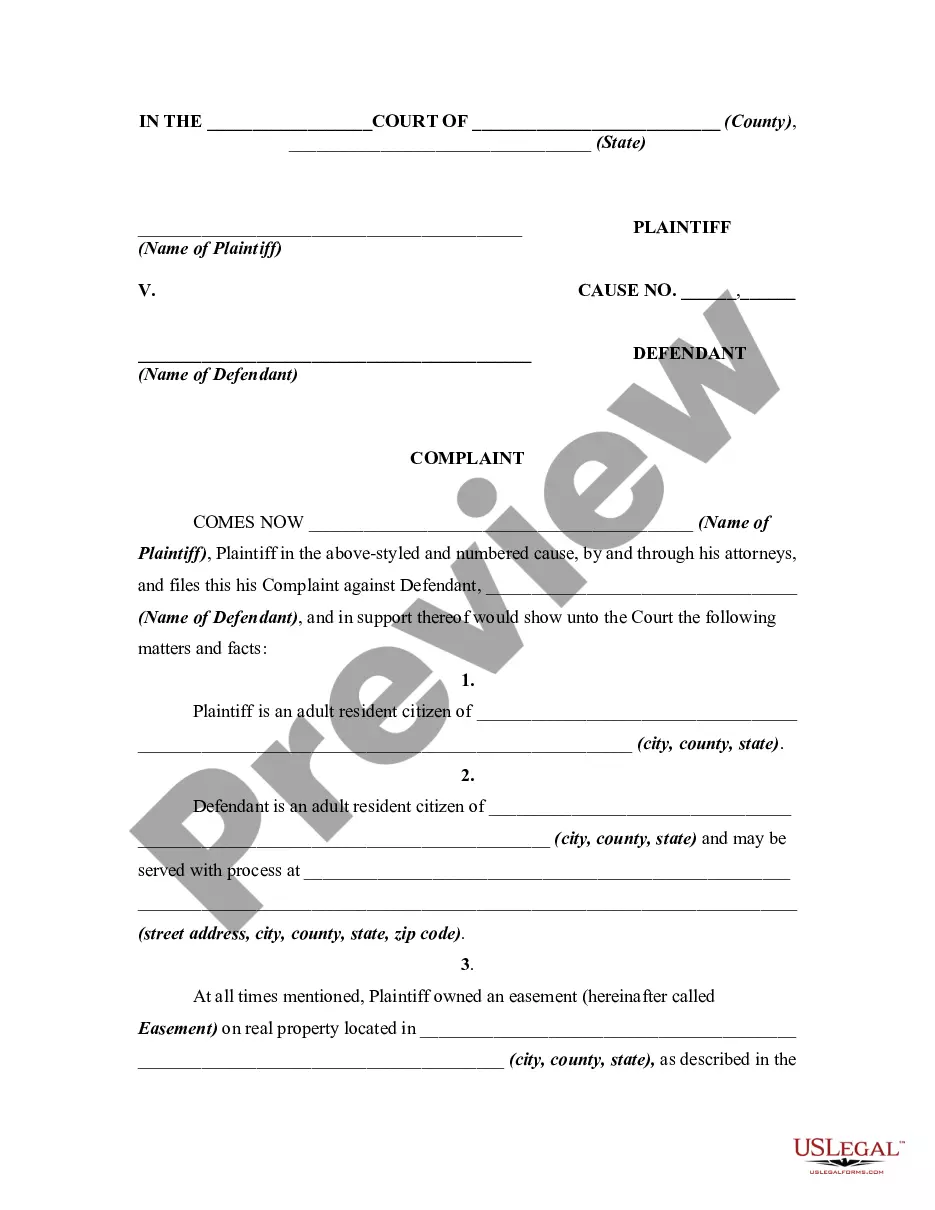
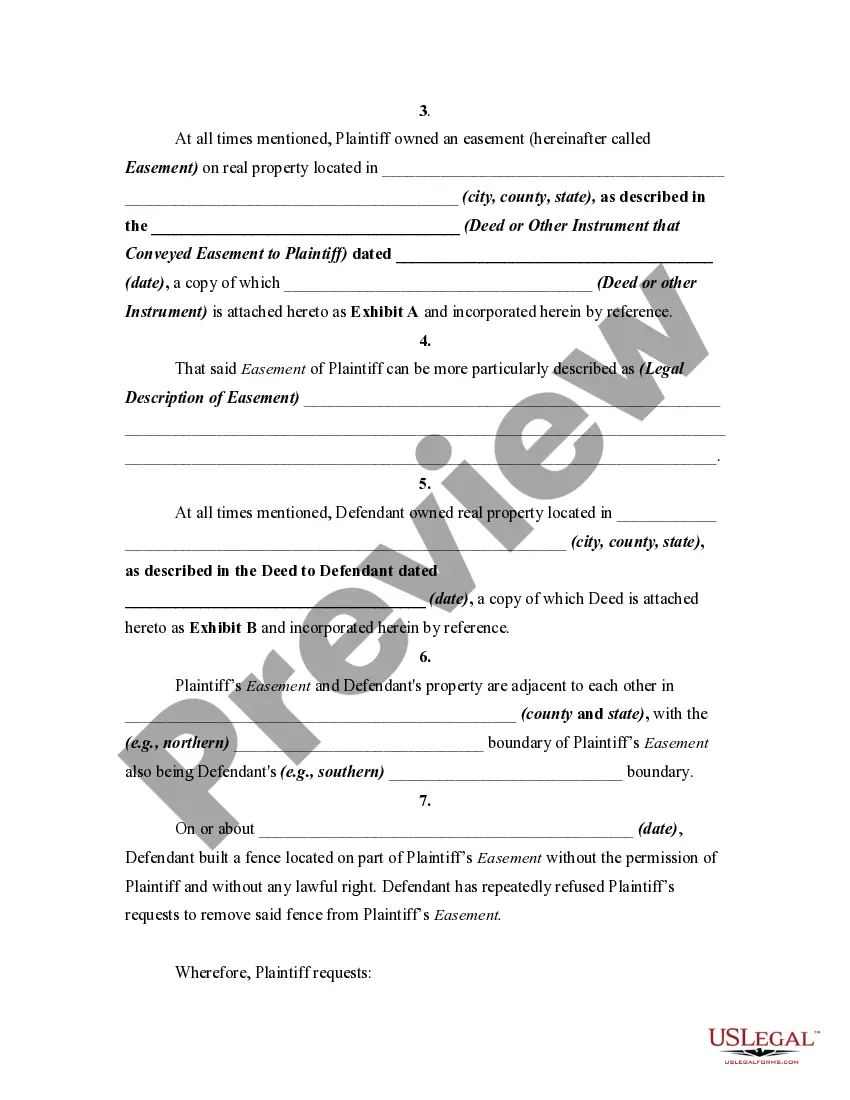
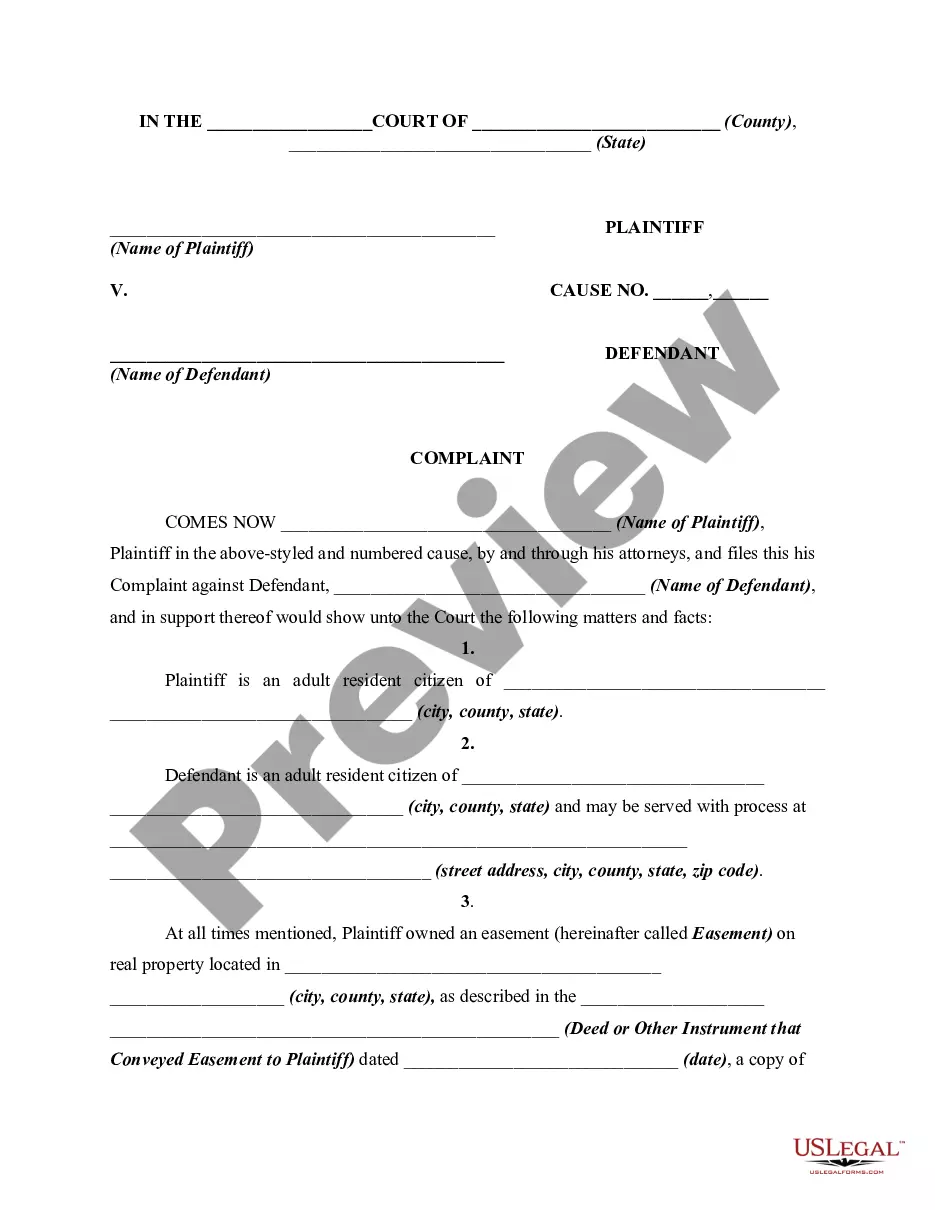
Injunctive relief consists of a court order called an injunction, requiring an individual to do or not do a specific action. This form is a generic pleading and adopts the "notice pleadings" format of the Federal Rules of Civil Procedure, which have been adopted by most states in one form or another. This form is for illustrative purposes only. Local laws should be consulted to determine any specific requirements for such a form in a particular jurisdiction.
New Hampshire Complaint or Petition for Injunctive Relief Against Adjoining Landowner for Refusing to Remove Fence on Easement of Plaintiff or Petitioner
State:
Multi-State
Control #:
US-01426BG
Format:
Word;
Rich Text
Instant download
Description
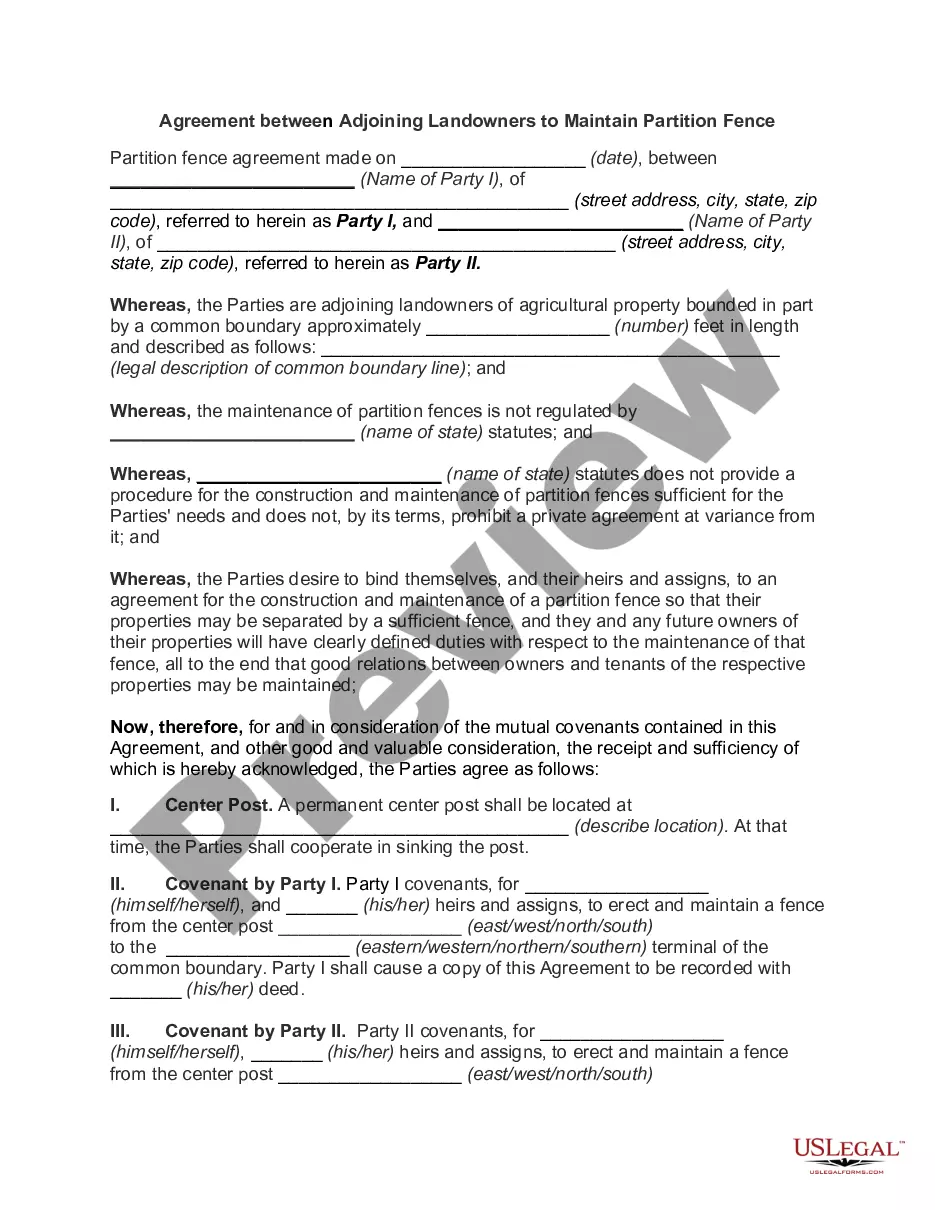
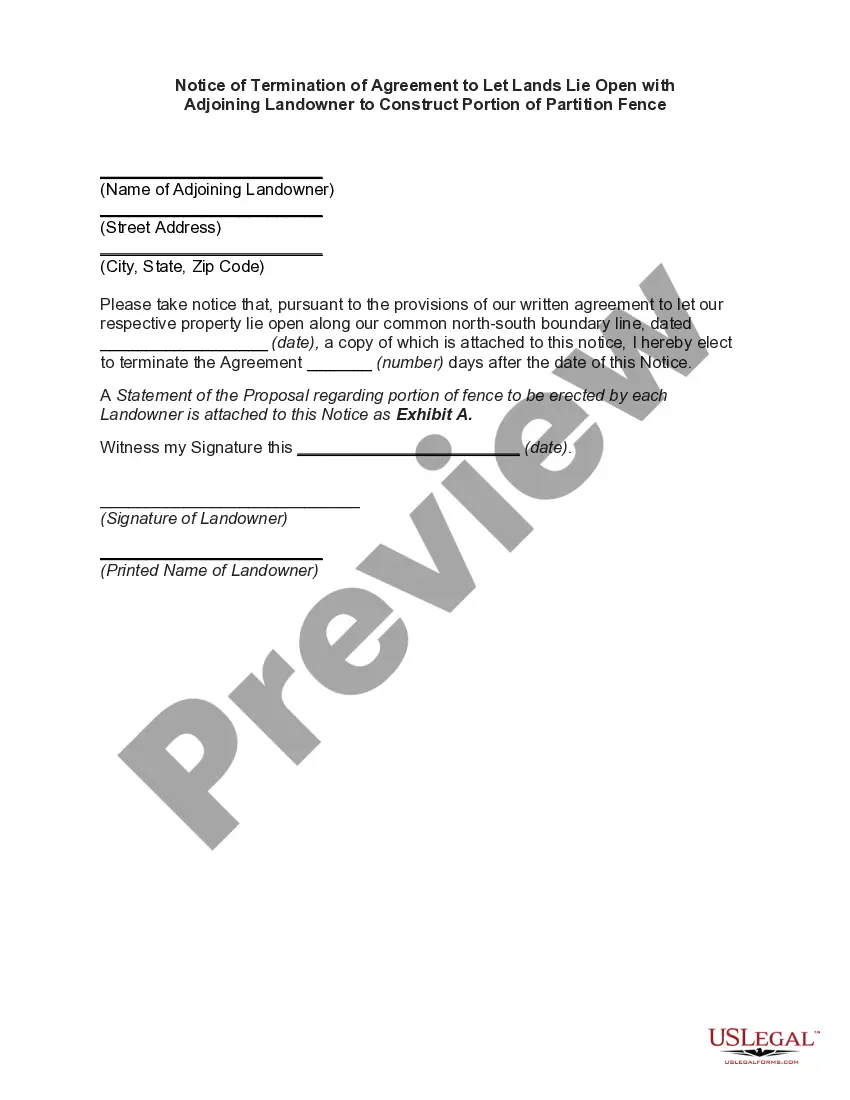
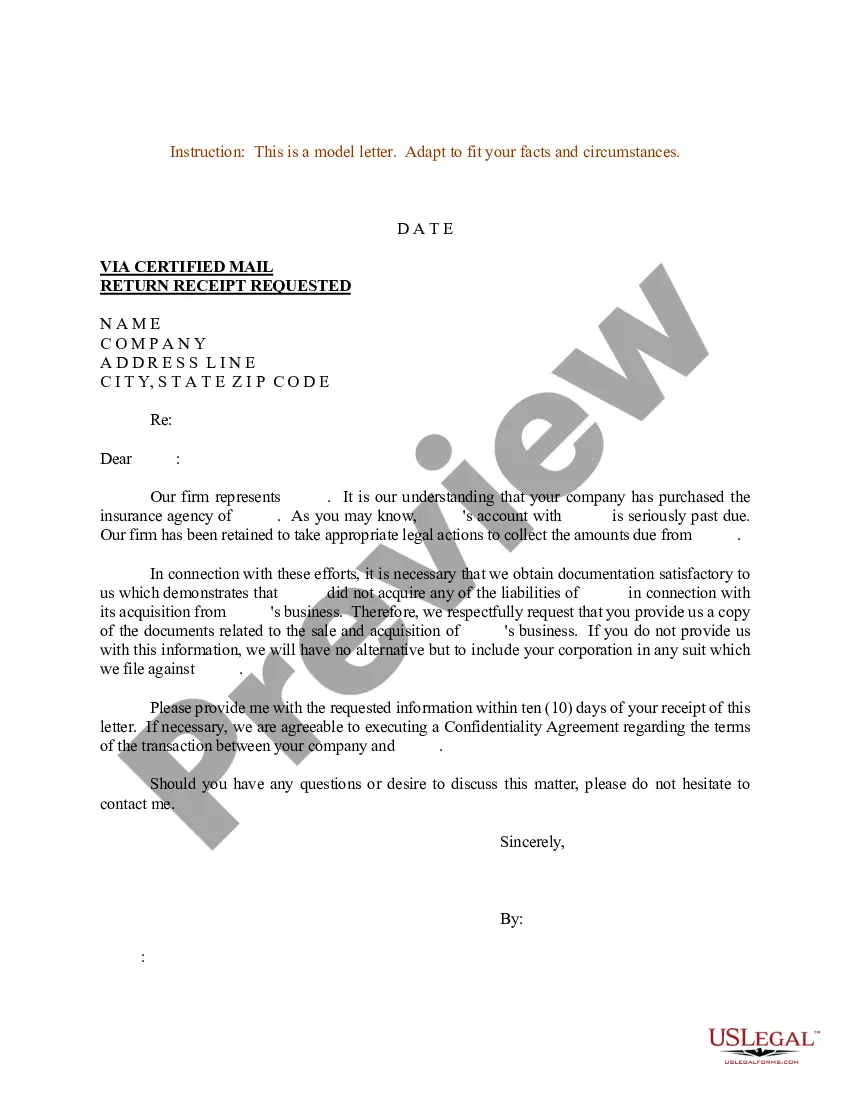
Free preview
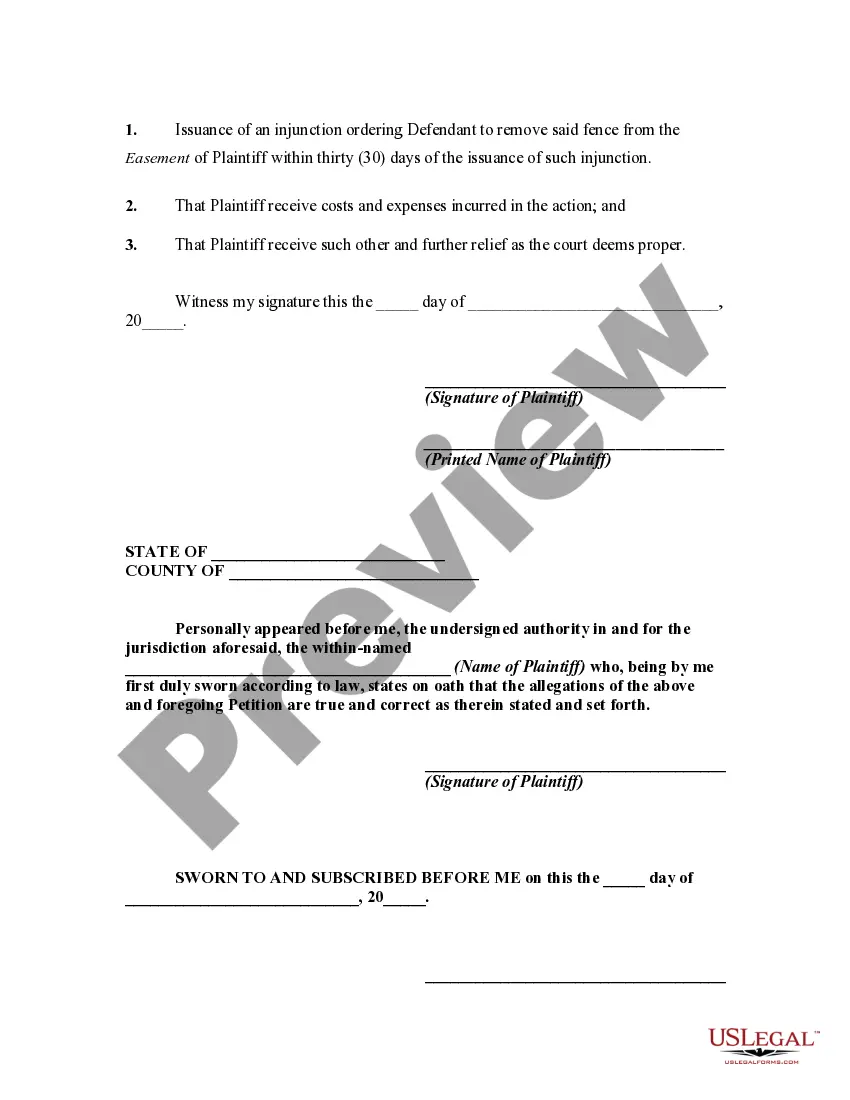
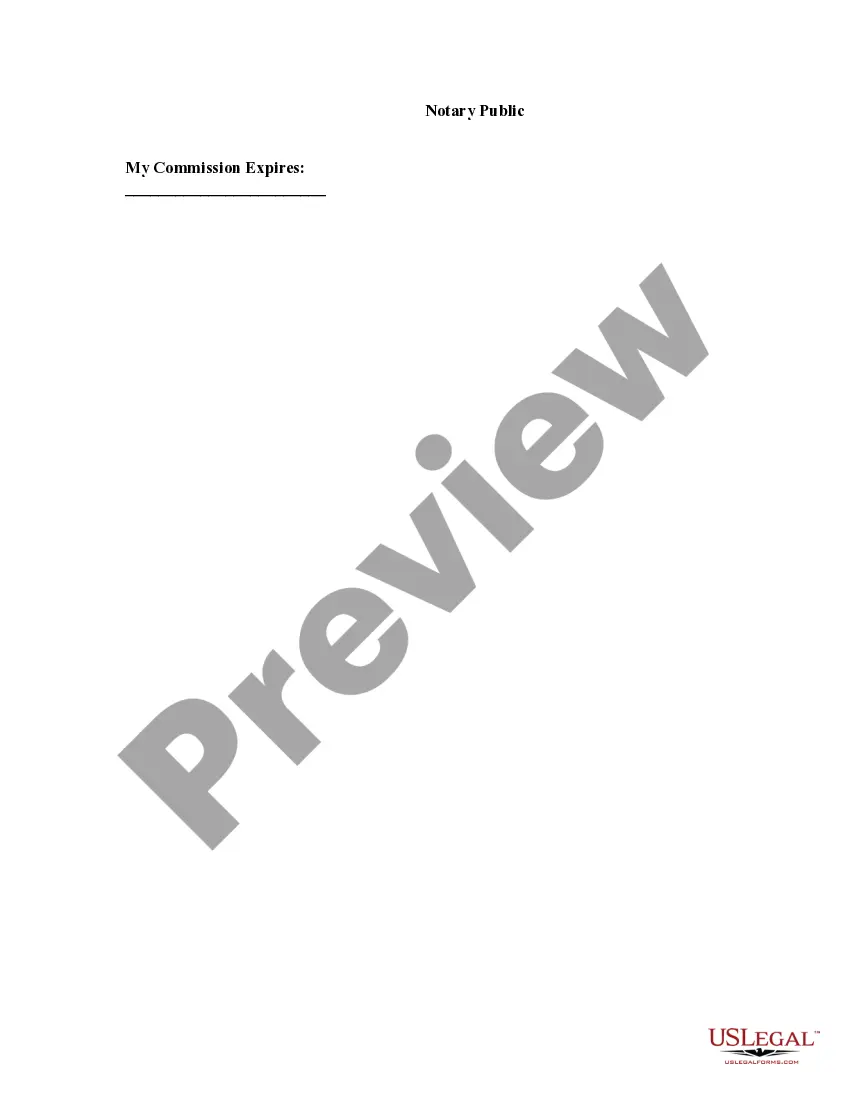
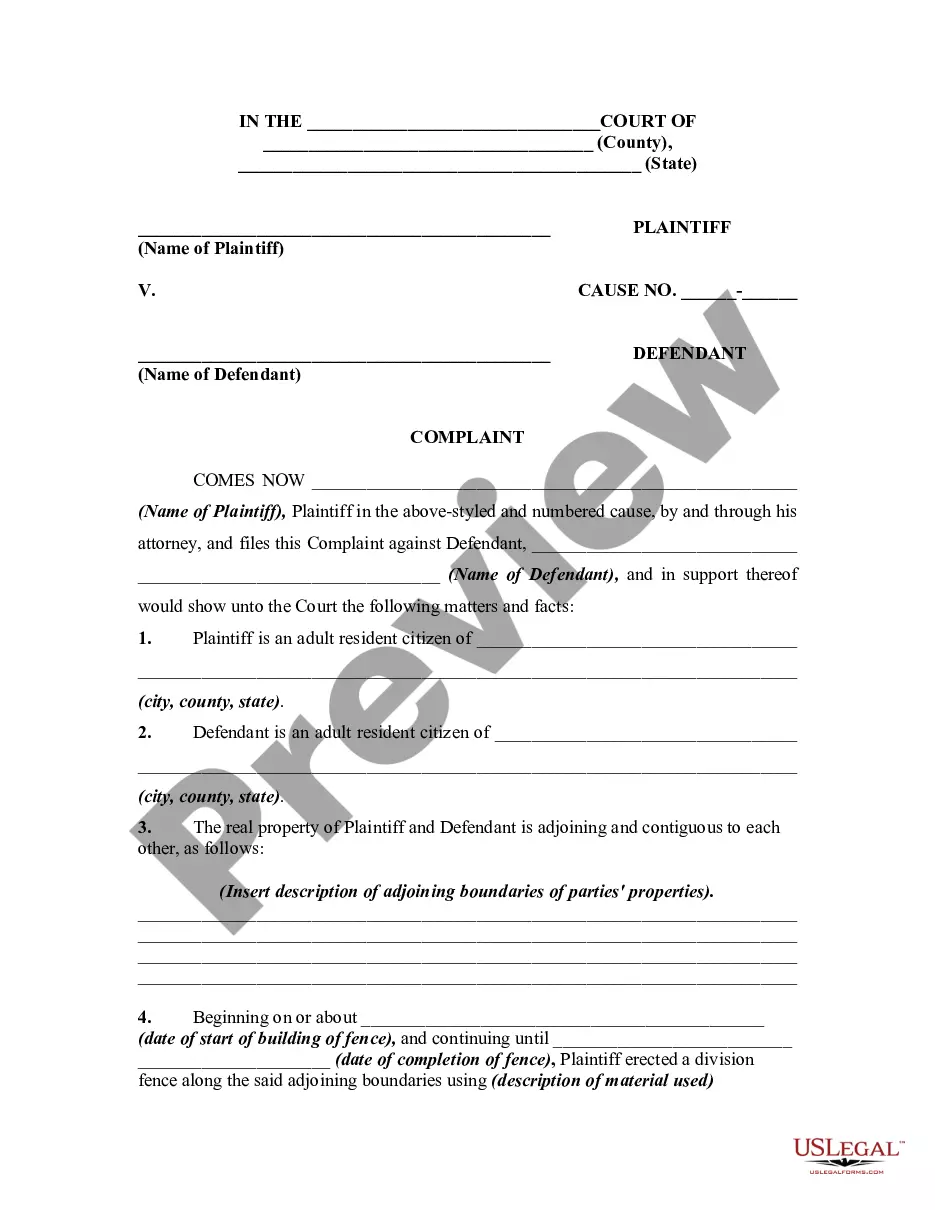
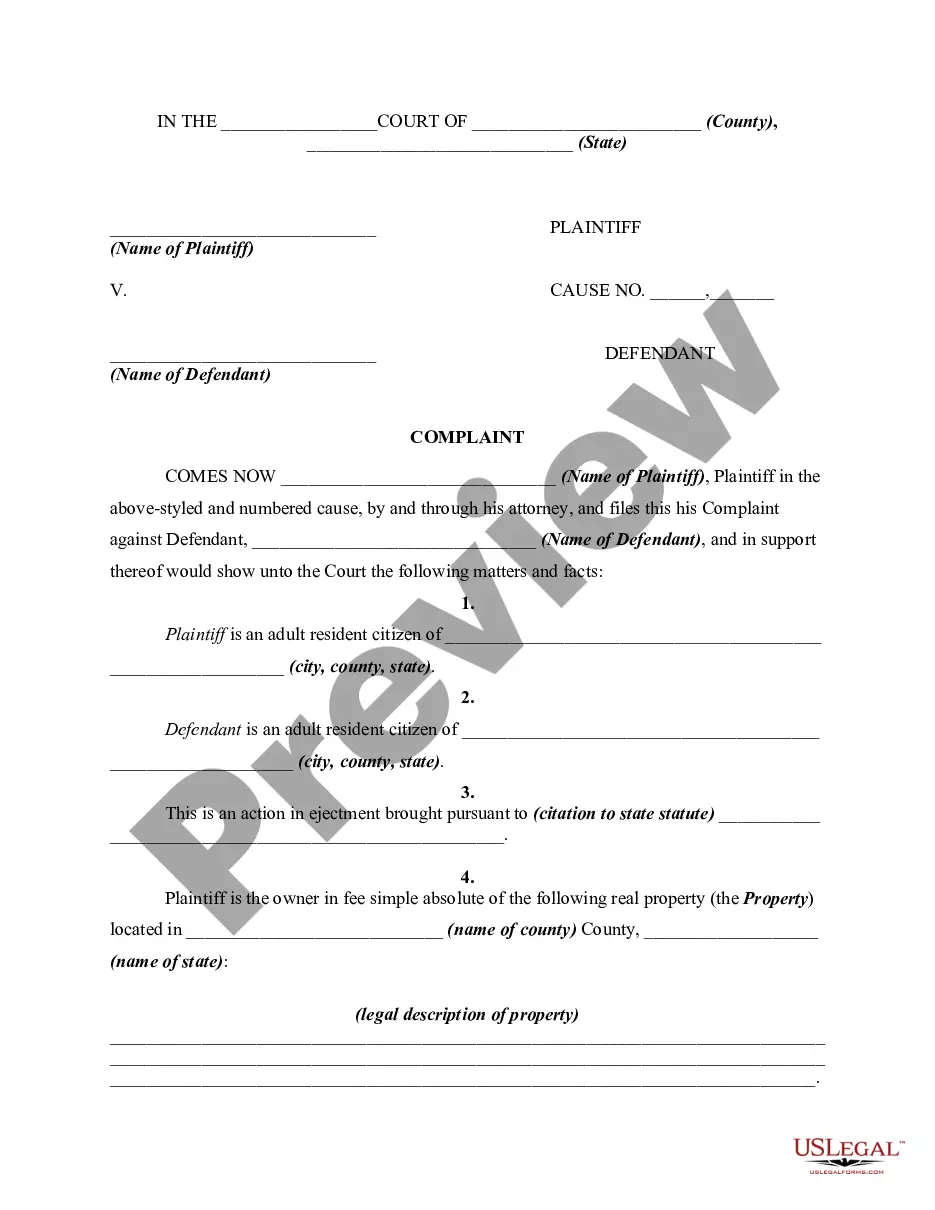

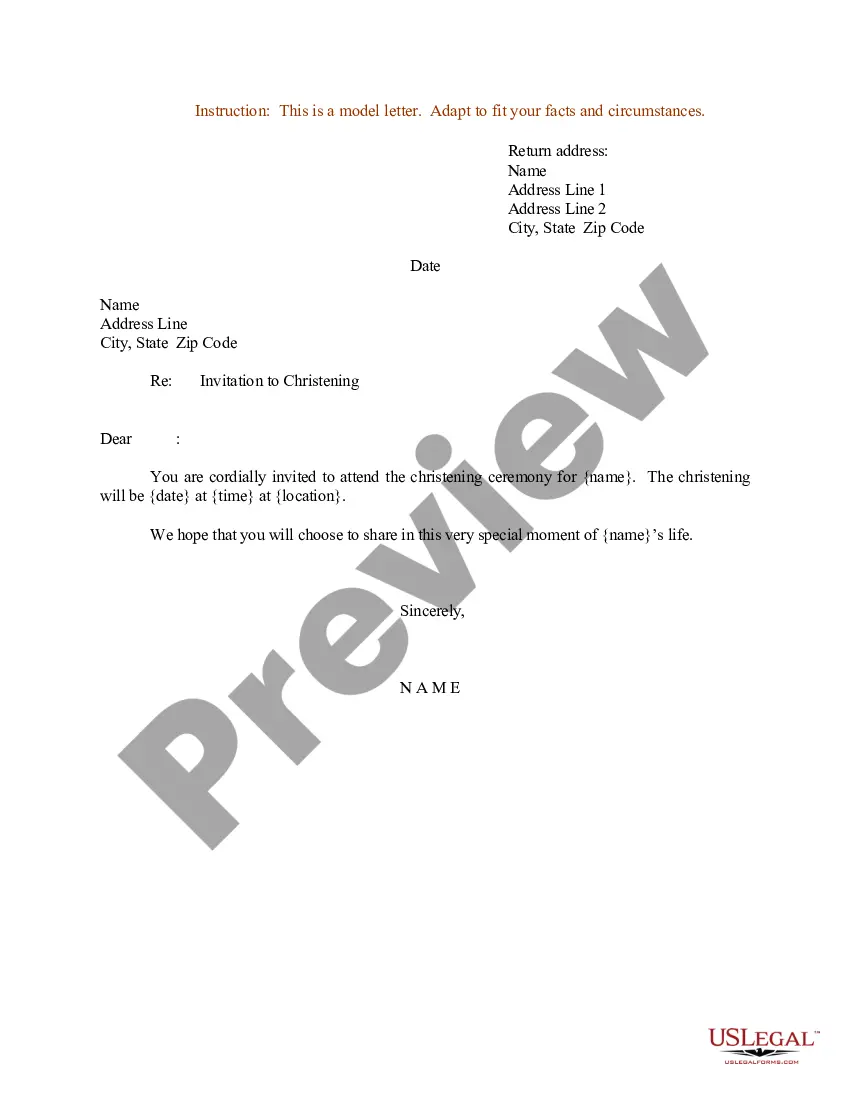

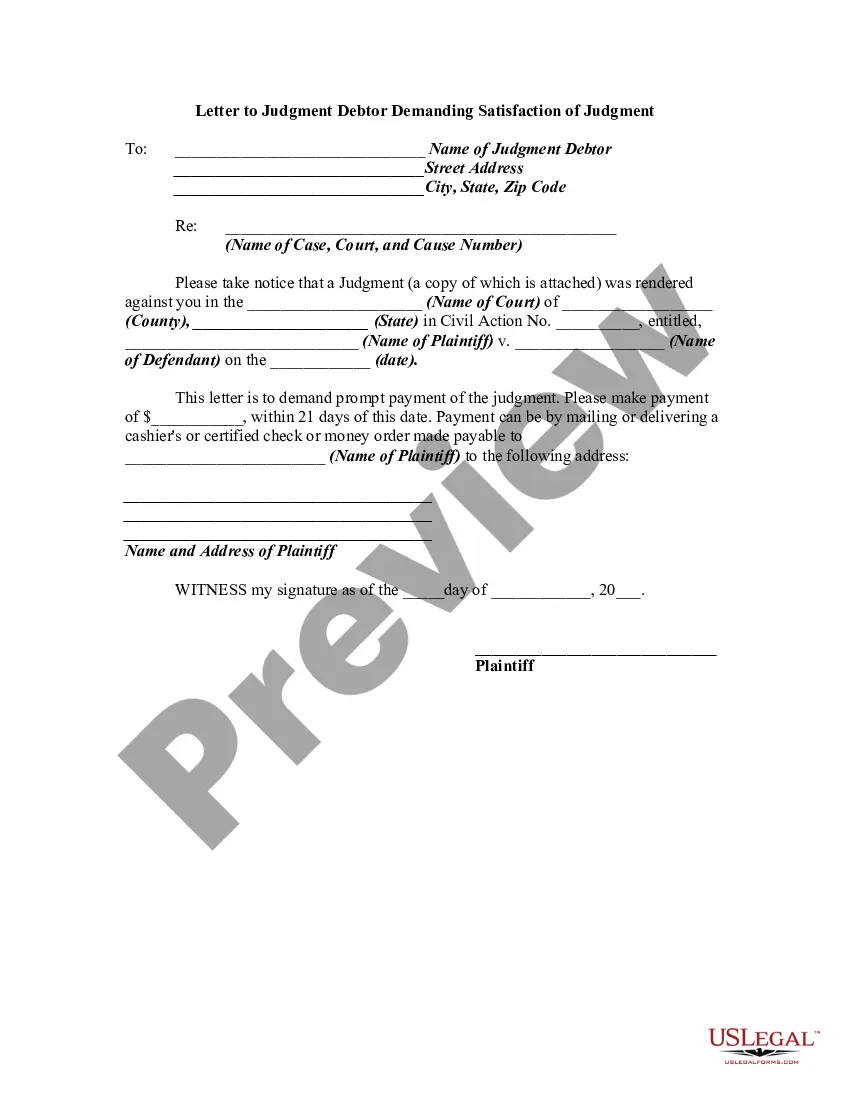
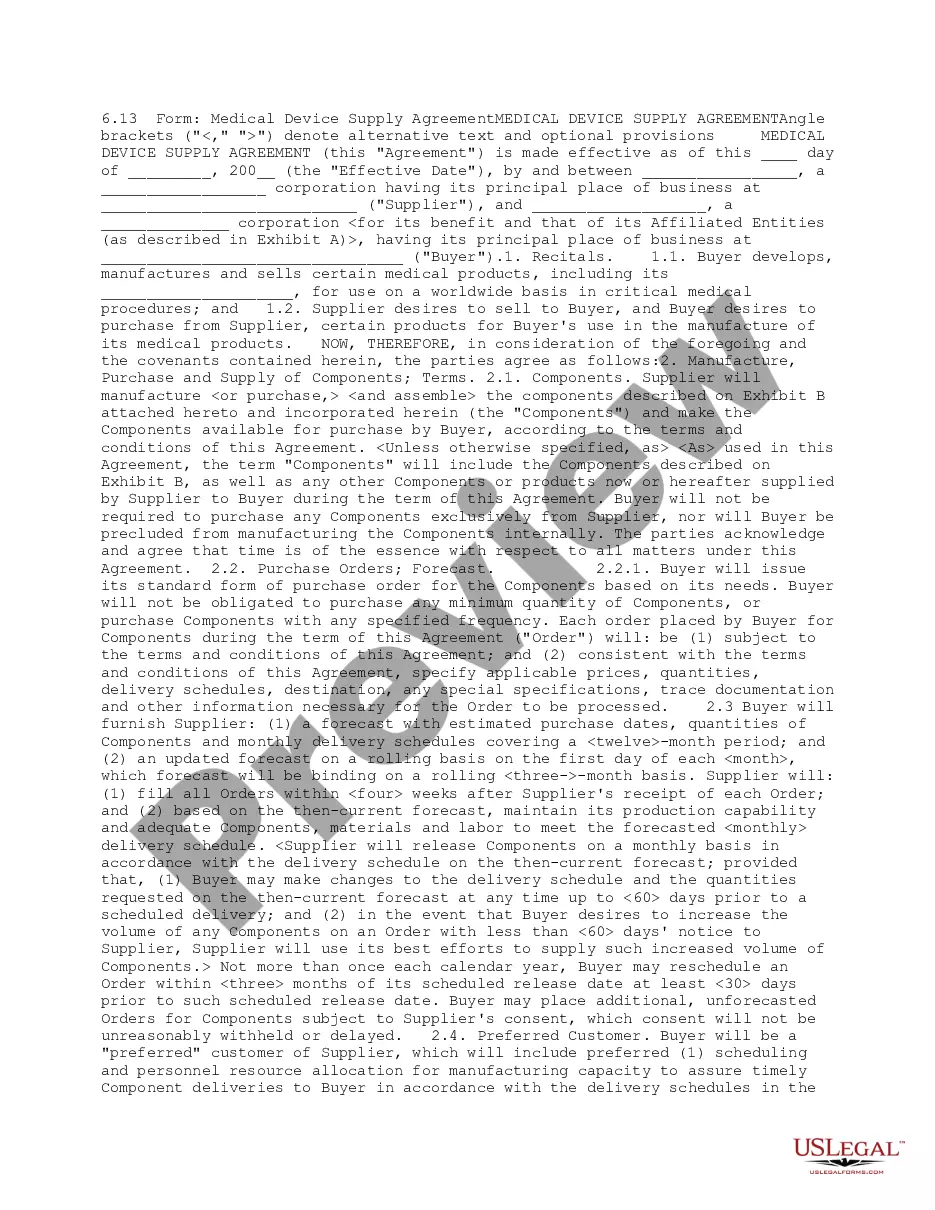

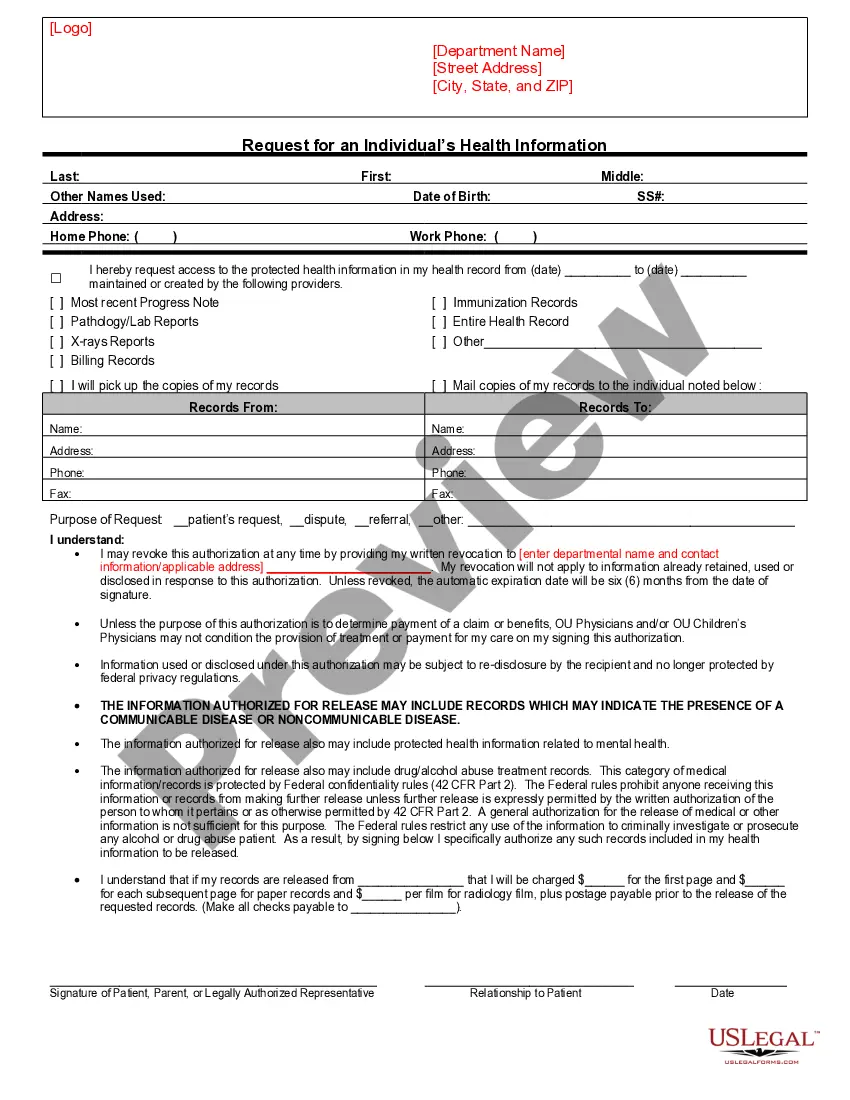
How to fill out Complaint Or Petition For Injunctive Relief Against Adjoining Landowner For Refusing To Remove Fence On Easement Of Plaintiff Or Petitioner?
Locating the correct authorized document template can be a challenge. Naturally, there are numerous designs available online, but how can you identify the legal form you need? Utilize the US Legal Forms website. This service offers a vast array of templates, including the New Hampshire Complaint or Petition for Injunctive Relief Against Adjoining Landowner for Refusing to Remove Fence on Easement of Plaintiff or Petitioner, suitable for both business and personal use. All templates are vetted by experts and comply with state and federal regulations.
If you are already registered, Log In to your account and click the Download button to acquire the New Hampshire Complaint or Petition for Injunctive Relief Against Adjoining Landowner for Refusing to Remove Fence on Easement of Plaintiff or Petitioner. Use your account to access the legal forms you have purchased previously. Navigate to the My documents section of your account to retrieve another copy of the document you need.
If you are a new user of US Legal Forms, here are simple steps you can follow: First, confirm that you have selected the correct form for your area/region. You can review the form using the Preview button and examine the form details to ensure it is suitable for you. If the form does not meet your requirements, use the Search field to find the correct form. Once you are confident that the form is appropriate, click the Purchase now button to obtain the form. Choose the pricing plan you prefer and provide the necessary information. Create your account and pay for your order using your PayPal account or Visa or Mastercard. Select the format and download the legal document template to your device. Complete, edit, print, and sign the obtained New Hampshire Complaint or Petition for Injunctive Relief Against Adjoining Landowner for Refusing to Remove Fence on Easement of Plaintiff or Petitioner.
Make the most of your time by utilizing US Legal Forms to access a wide range of legal documents tailored to your needs.
- US Legal Forms is the largest repository of legal forms where you can find various document templates.
- Utilize the service to download properly crafted documents that comply with state regulations.
- Ensure you have the right form for your specific needs.
- Take advantage of the expert-reviewed templates available.
- Access your previously purchased forms easily through your account.
- Follow the straightforward steps for new users to navigate the platform.
Form popularity
FAQ
An injunction is a court order stating that a company must do something or seize from doing a certain action. Injunctions are often granted when monetary damages are not sufficient to remedy a given situation. For example, an industrial plant dumping waste into a lake may be served an injunction to stop that activity.
In order to be granted an injunction, the plaintiff must demonstrate that he is likely to suffer irreparable harm without it, that the injunction's benefit to him outweighs its burden on the defendant, that the injunction is in the public interest, and (in the case of a preliminary injunction) that he is likely to ...
State as briefly as possible the facts showing that each plaintiff is entitled to the injunction or other relief sought. State how each defendant was involved and what each defendant did that caused the plaintiff harm or violated the plaintiff's rights, including the dates and places of that involvement or conduct.
A court needs to examine whether the plaintiff is likely to succeed on the merits, whether the plaintiff is likely to suffer irreparable harm without the injunction, whether the balance of equities and hardships is in the plaintiff's favor, and whether an injunction is in the public interest.
There are three types of injunctions: Permanent injunctions, Temporary restraining orders and preliminary injunctions.