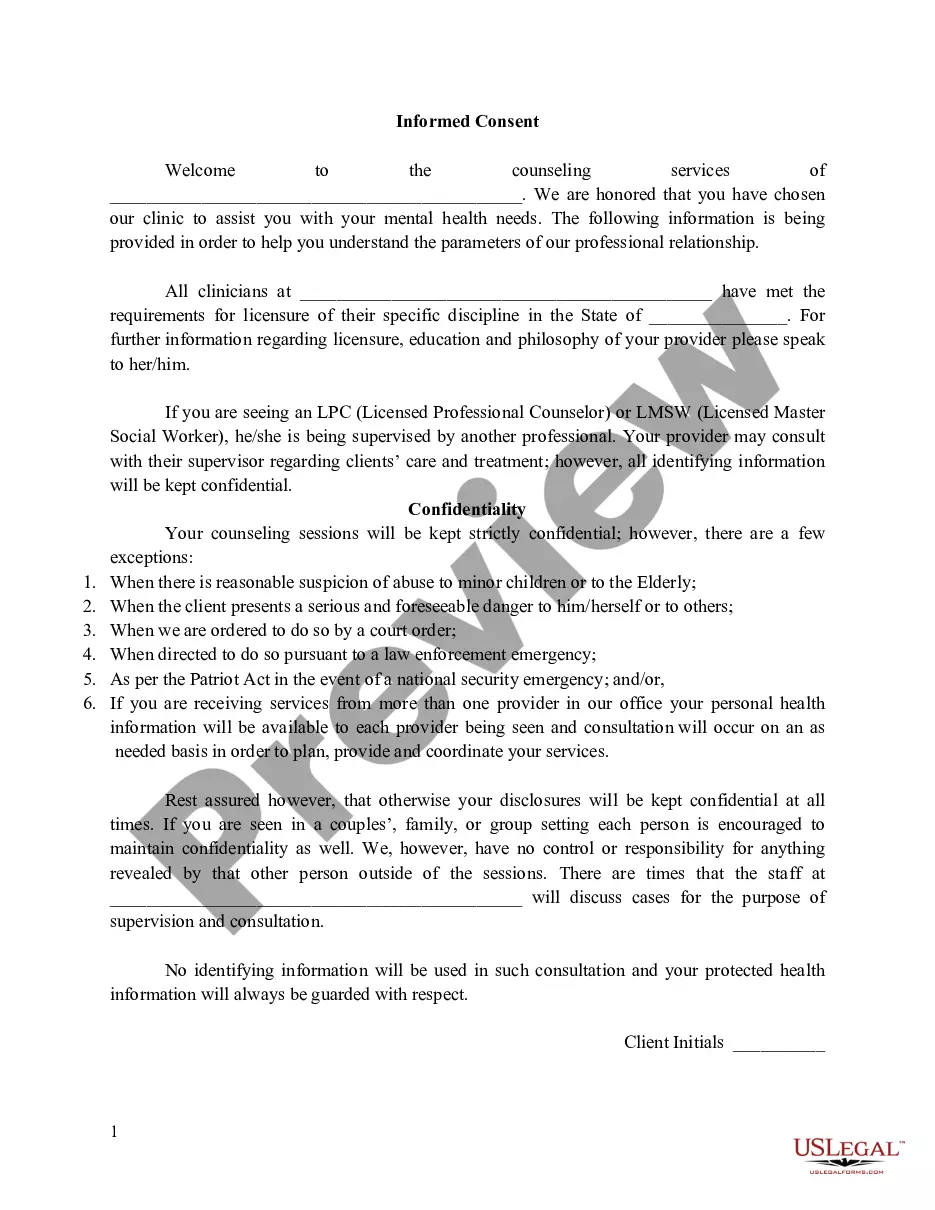
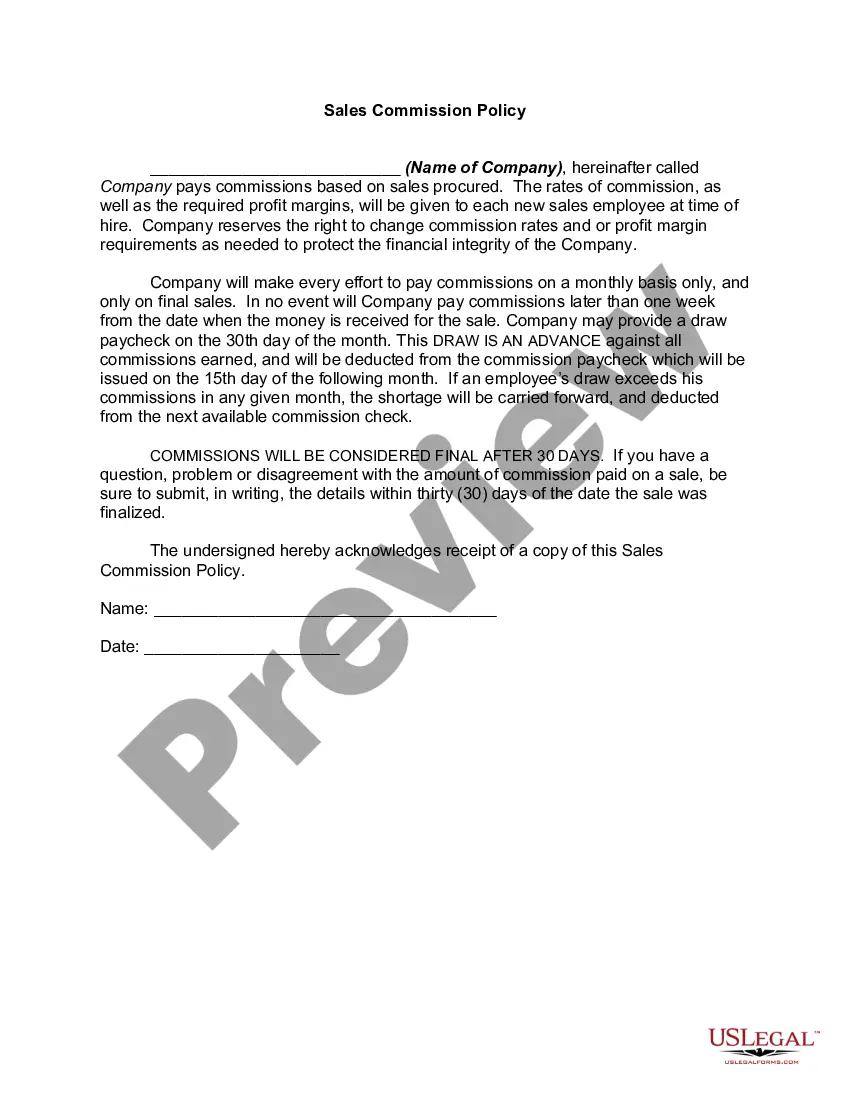
New Hampshire Sales Commission Policy
Description
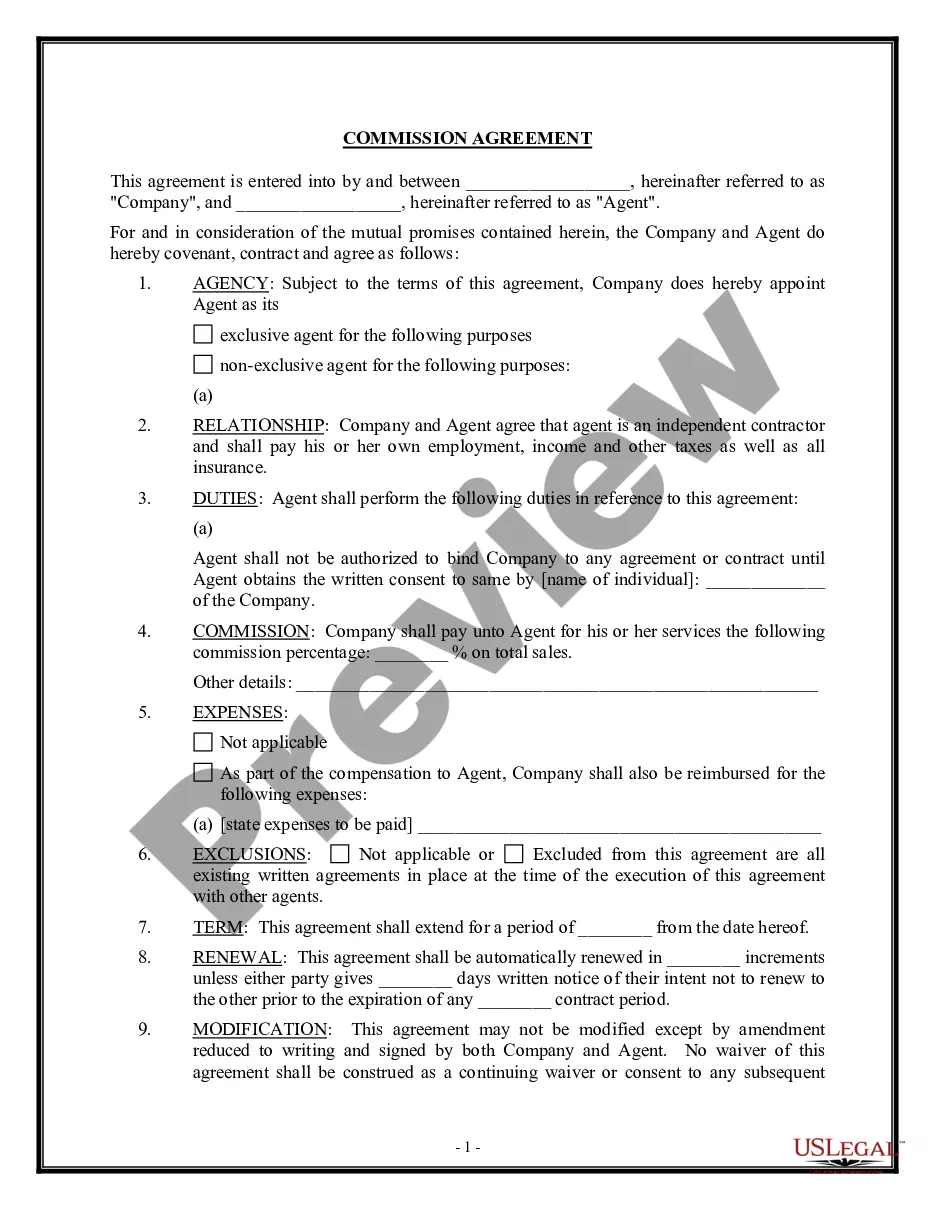
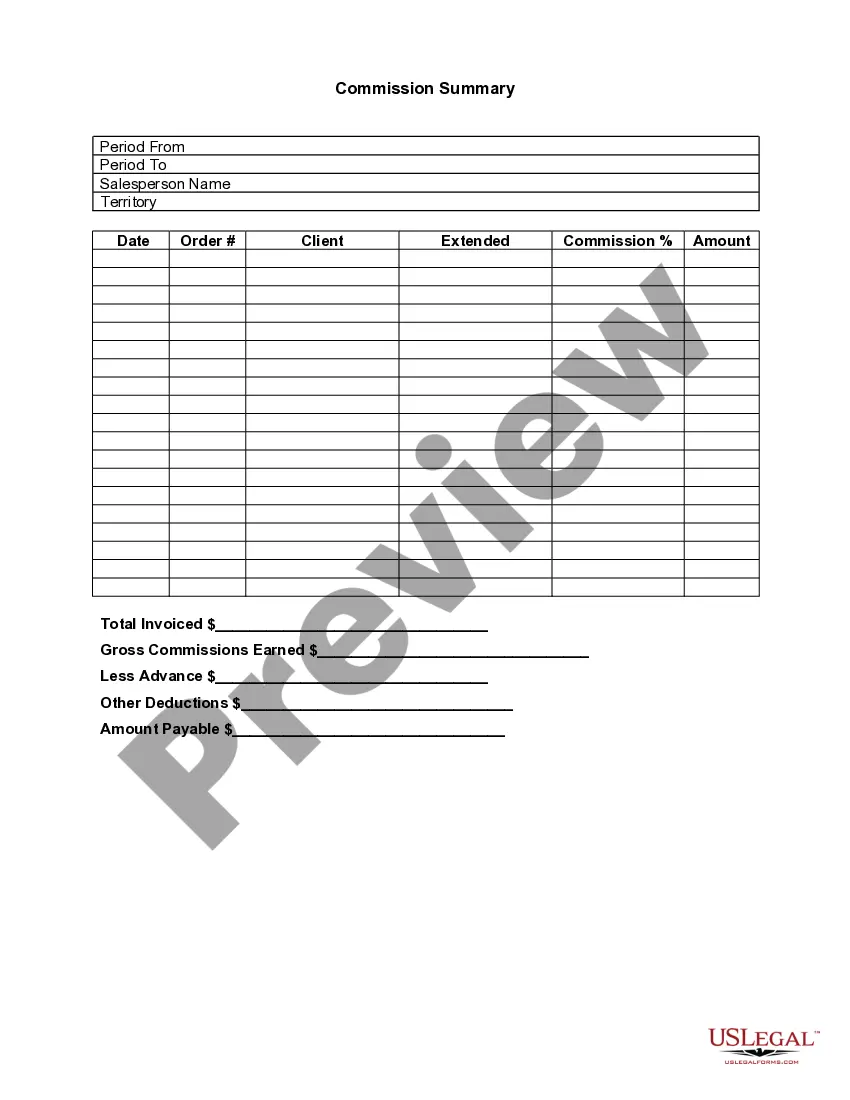
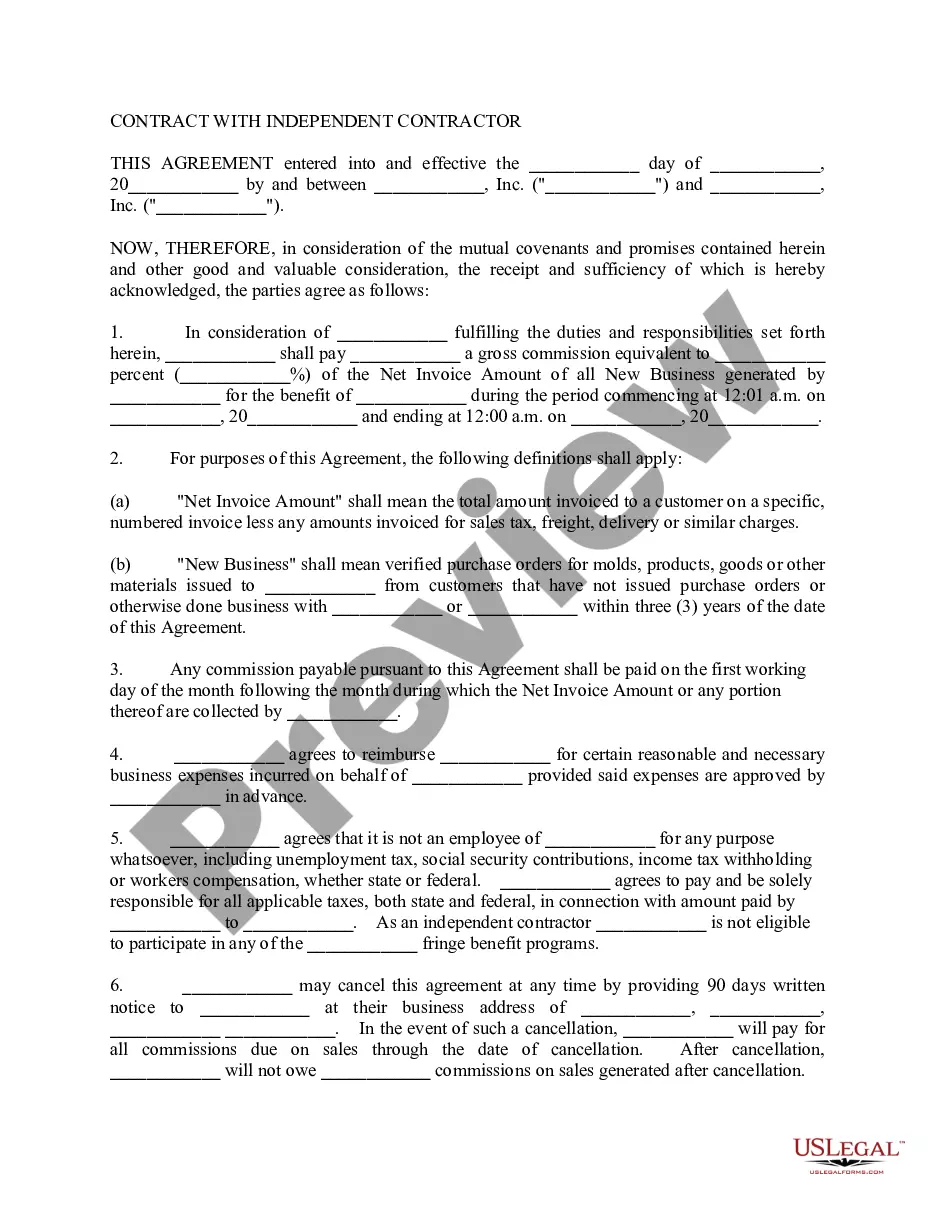
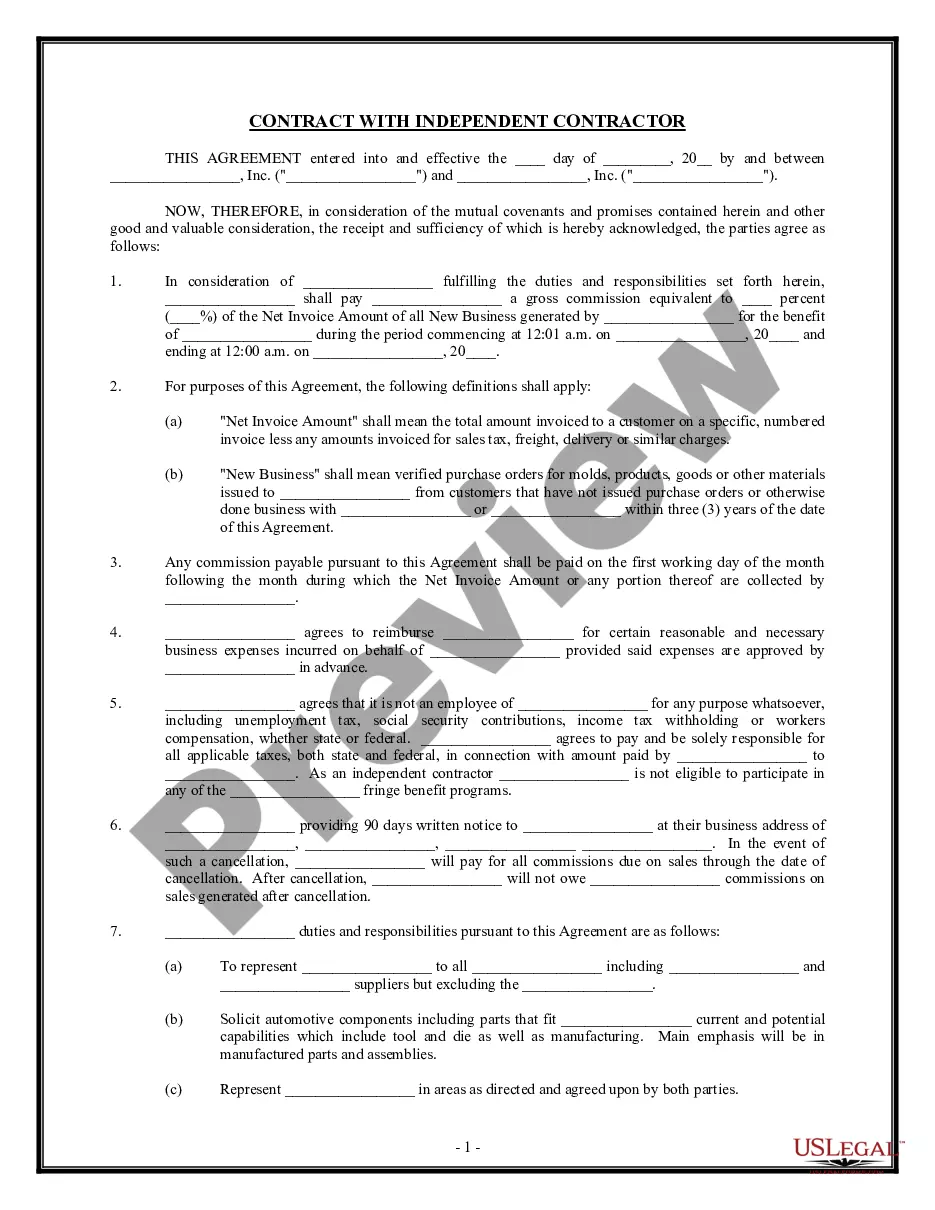
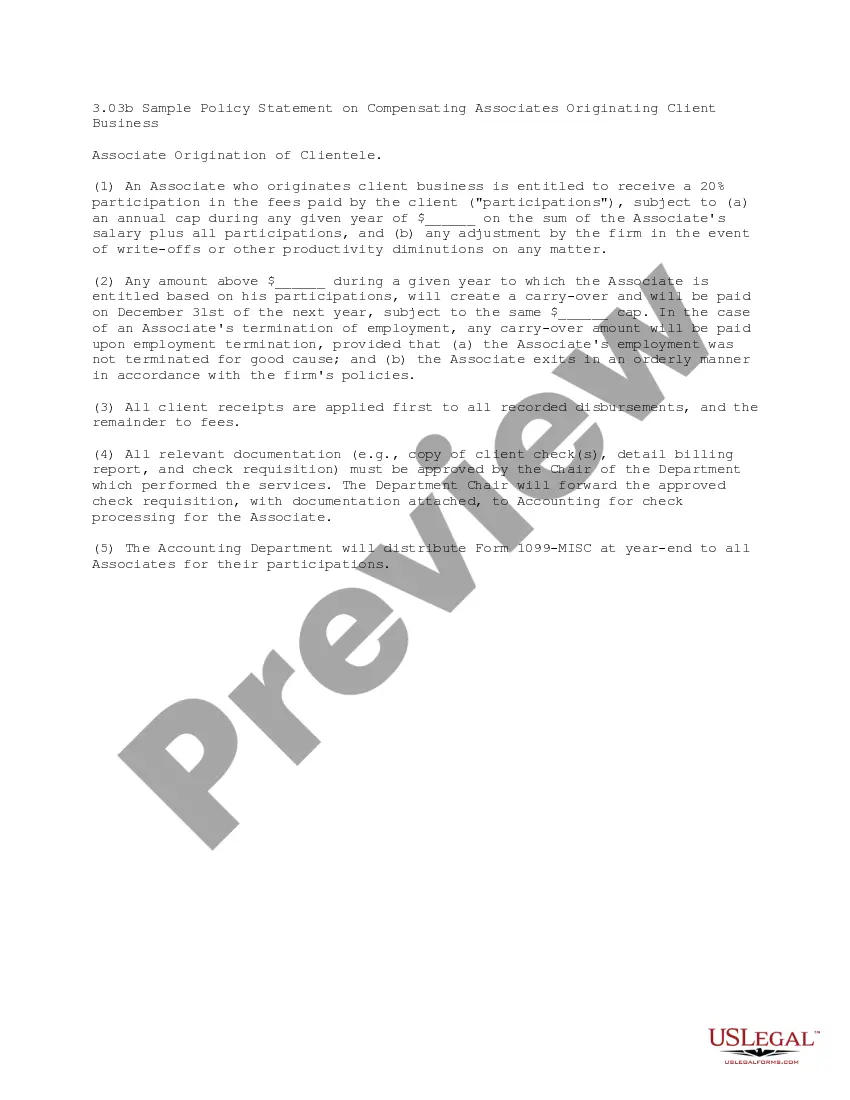





How to fill out Sales Commission Policy?
US Legal Forms - one of the top collections of legal documents in the United States - provides a diverse selection of legal form templates that you can download or print.
By using the website, you can discover thousands of forms for business and personal needs, organized by categories, states, or keywords. You can access the latest editions of forms such as the New Hampshire Sales Commission Policy in moments.
If you already have a monthly membership, Log In and download the New Hampshire Sales Commission Policy from the US Legal Forms library. The Download button will be visible on each form you review. You can find all previously downloaded forms in the My documents section of your account.
Make modifications. Fill in, amend, print, and sign the downloaded New Hampshire Sales Commission Policy.
Every document you add to your account has no expiration date and belongs to you forever. Therefore, if you wish to download or print another copy, simply go to the My documents section and click on the form you need.
- If you are using US Legal Forms for the first time, here are straightforward instructions to get you started.
- Ensure you have selected the correct form for your locality. Click the Review button to check the form’s content. Refer to the form description to confirm that you have selected the right document.
- If the form does not fit your needs, utilize the Search field at the top of the page to find one that does.
- Once you are satisfied with the form, confirm your choice by clicking the Purchase now button. Then, select your preferred payment plan and provide your details to register for an account.
- Process the payment. Use a Visa or Mastercard or your PayPal account to complete the transaction.
- Select the format and download the form onto your device.
Form popularity
FAQ
An acceptable sales commission aligns with industry standards and compensates the sales representative fairly for their efforts. Generally, commissions from 10% to 15% are considered acceptable, but this can differ based on the type of product or service sold. To find out what is common in your industry, refer to the New Hampshire Sales Commission Policy and market research. USLegalForms can provide valuable templates and guidelines to help you establish a fair commission structure.
Yes, 100% commission jobs are legal, provided they comply with labor laws regarding minimum wage and employee classification. In New Hampshire, it is essential to understand the implications of a 100% commission structure, as outlined in the New Hampshire Sales Commission Policy. Such arrangements can offer higher earning potential for driven salespeople but may also come with risks. Be sure to review your employment terms and seek guidance through USLegalForms to ensure compliance.
The standard commission for sales varies by industry but often ranges from 5% to 20% of the sales amount. In New Hampshire, the Sales Commission Policy can specify these rates for various sectors, influencing how sales representatives earn. Knowing the typical commission rates in your field can help you set realistic compensation expectations. For comprehensive insights, check out the resources available on USLegalForms.
The sales commission policy refers to the guidelines and procedures that govern how commissions are calculated and distributed to sales staff. In New Hampshire, the Sales Commission Policy may include elements like commission rates, payment schedules, and eligibility criteria. It is crucial for sales professionals to familiarize themselves with this policy to ensure transparency and to maximize their earnings. USLegalForms provides resources that can help you navigate these policies effectively.
To account for commission sales, record the revenue earned when a sale occurs and then record the associated commission expense as outlined in your New Hampshire Sales Commission Policy. This method ensures that both revenue and expenses are recognized in the same accounting period, thus providing a clearer financial picture. Keeping accurate records of both aspects helps maintain proper financial management.
The 2 hour rule in New Hampshire refers to a regulation regarding payment of wages, including commission to employees. It stipulates that if an employee works a minimum of two hours, they are entitled to receive commission for that duration. Understanding this rule is essential for compliance with the New Hampshire Sales Commission Policy, ensuring proper compensation practices.
In accounting, commissions are recorded as an expense on the income statement. Specifically, they fall under selling expenses, as they directly relate to sales efforts. This categorization is important as it helps illustrate how your expenses align with revenue generation under the New Hampshire Sales Commission Policy.
To calculate the commission due to sales representatives under the New Hampshire Sales Commission Policy, you start by determining the total sales generated by each representative. Then, apply the agreed-upon commission rate, which is typically a percentage of those sales. Additionally, ensure to consider any bonuses or incentives as stipulated in your policy, as these can also affect the final commission amount.
Yes, commissions are generally considered wages under New Hampshire law. This classification means that commissions are subject to the same protections as traditional wages, including minimum wage and overtime regulations. Understanding how commissions fit into the New Hampshire Sales Commission Policy helps you navigate your rights as an employee. If you’re unsure about your rights, uslegalforms can guide you through the complexities.
Building a sales compensation plan requires a strategic approach to balance incentives with business goals. Start by identifying the key performance indicators for your sales team. Be sure to align your plan with the New Hampshire Sales Commission Policy to avoid compliance issues. Platforms like uslegalforms can offer valuable resources to help you create a robust compensation plan that meets your organization's objectives.