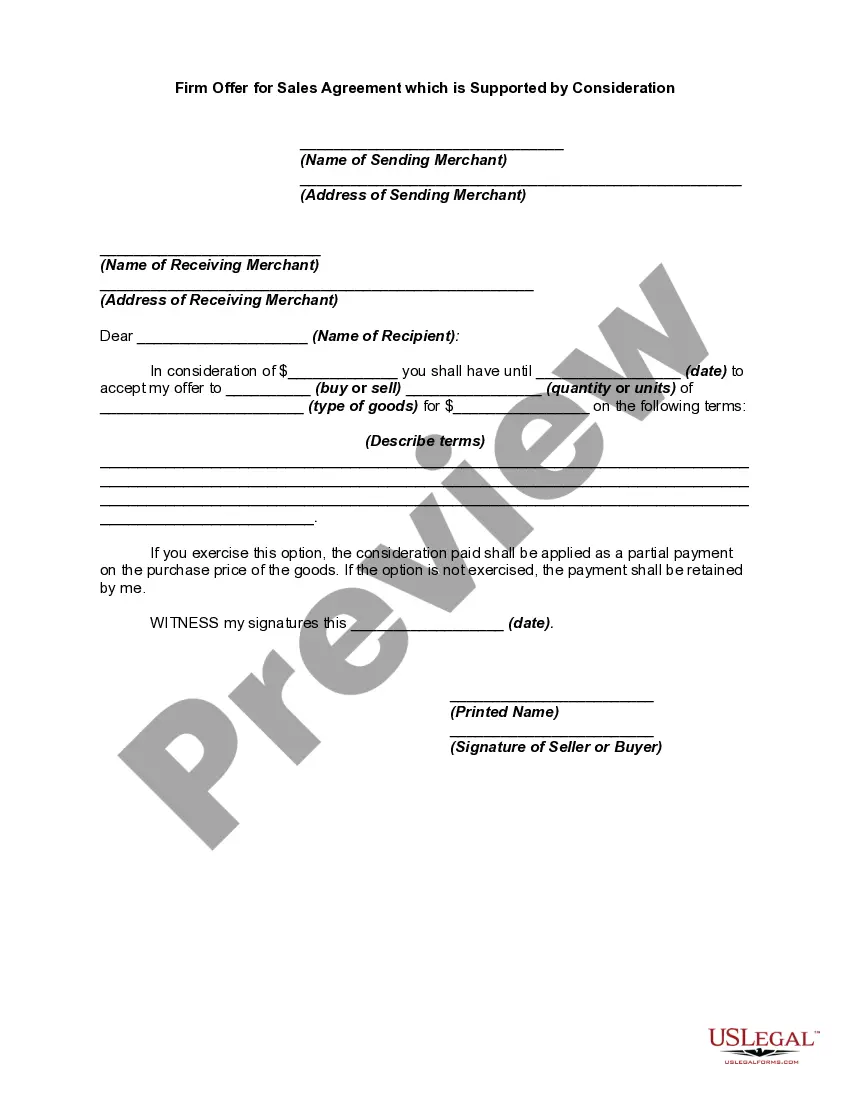
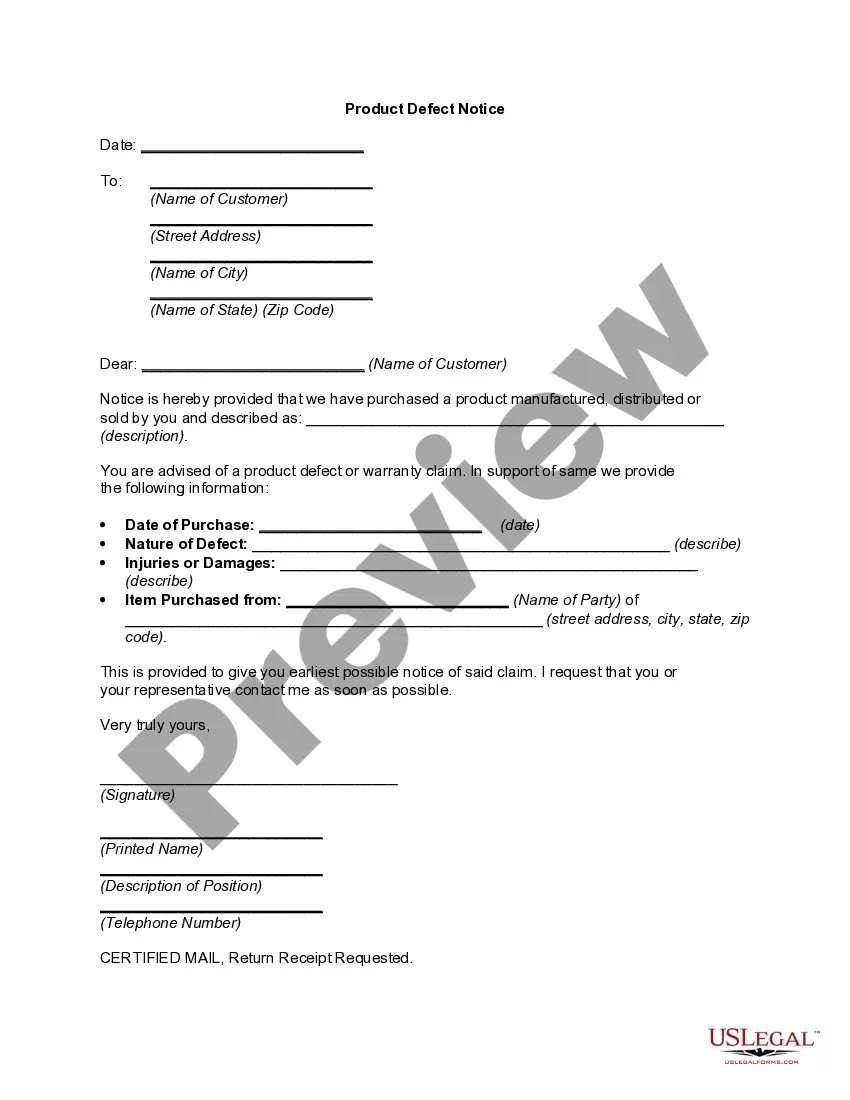
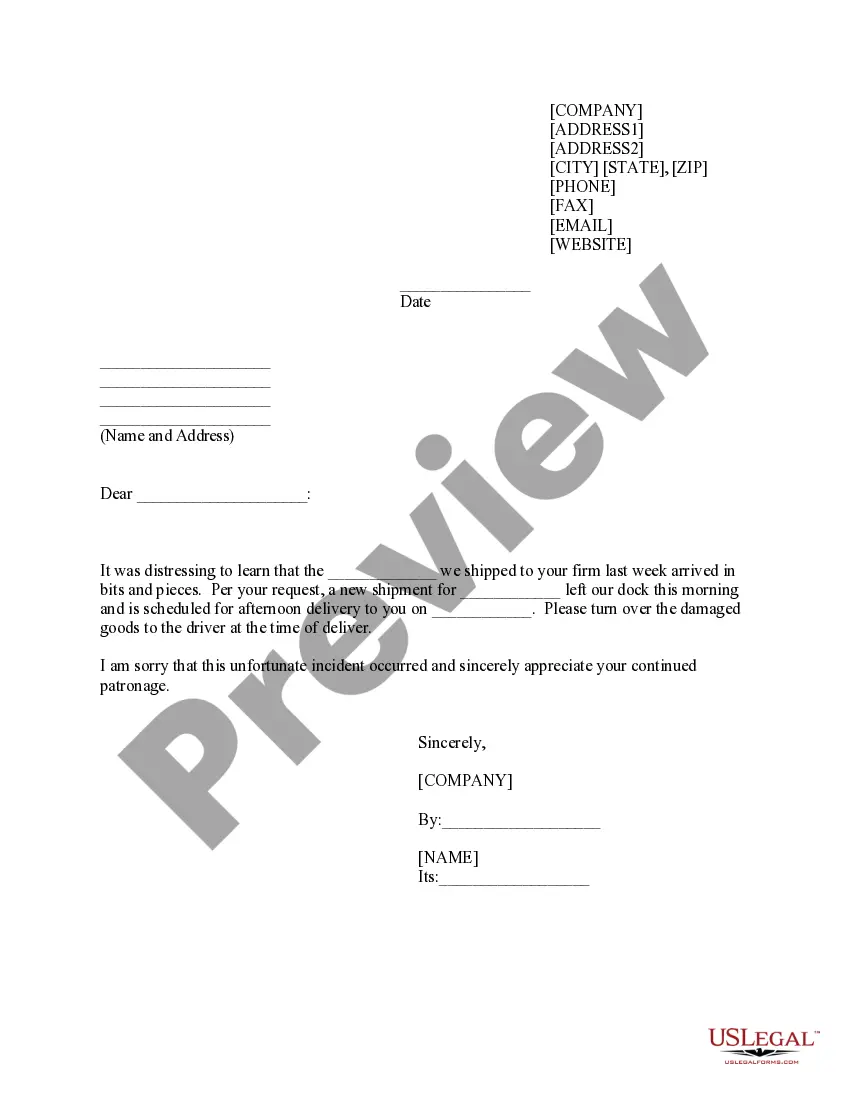
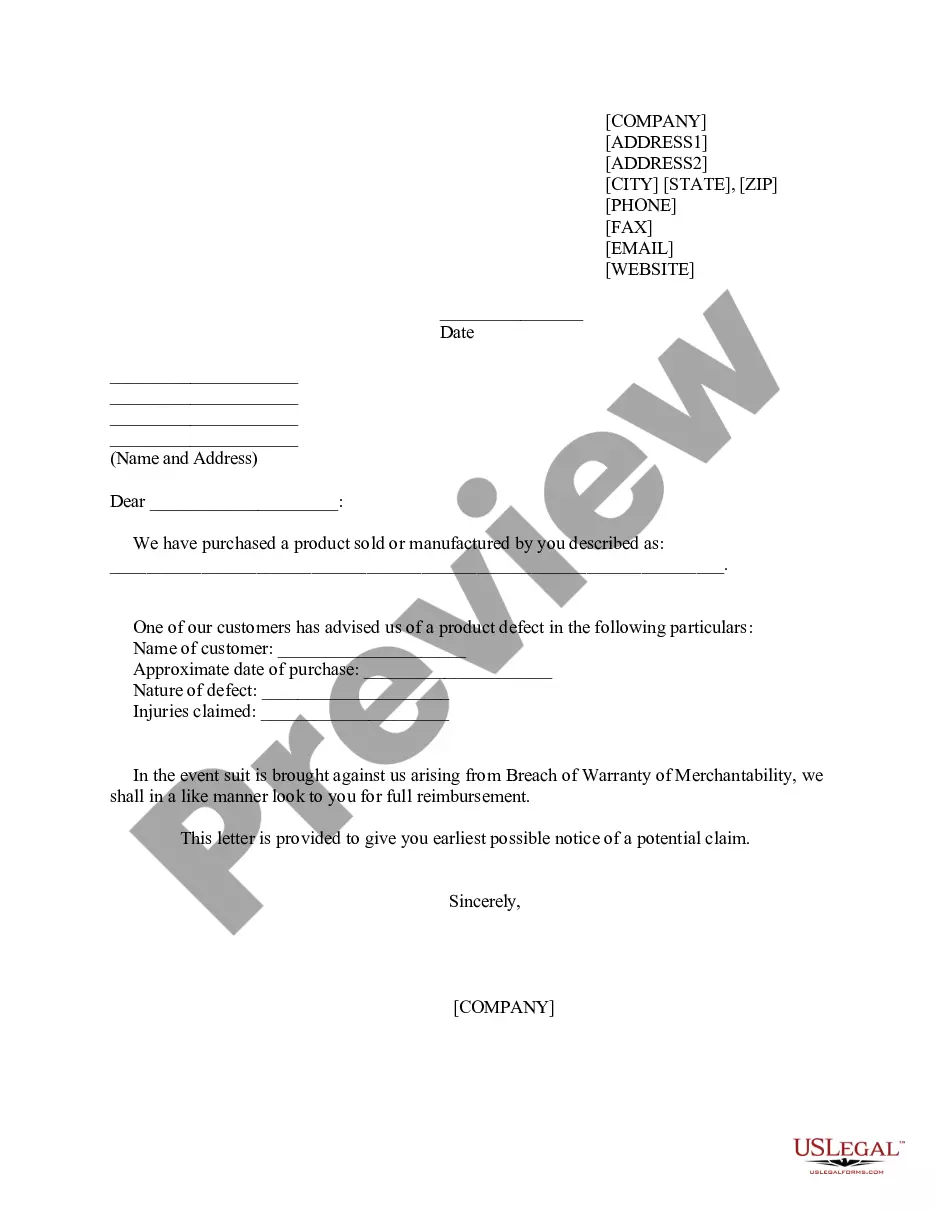
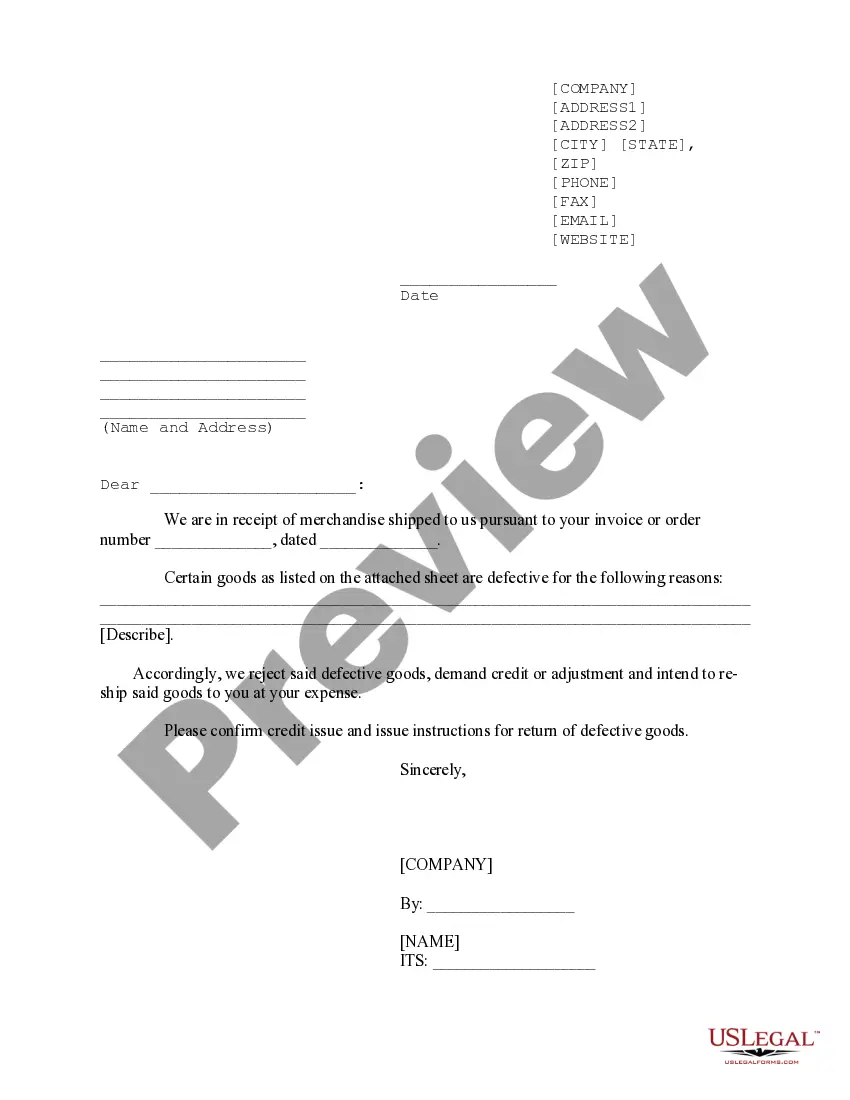
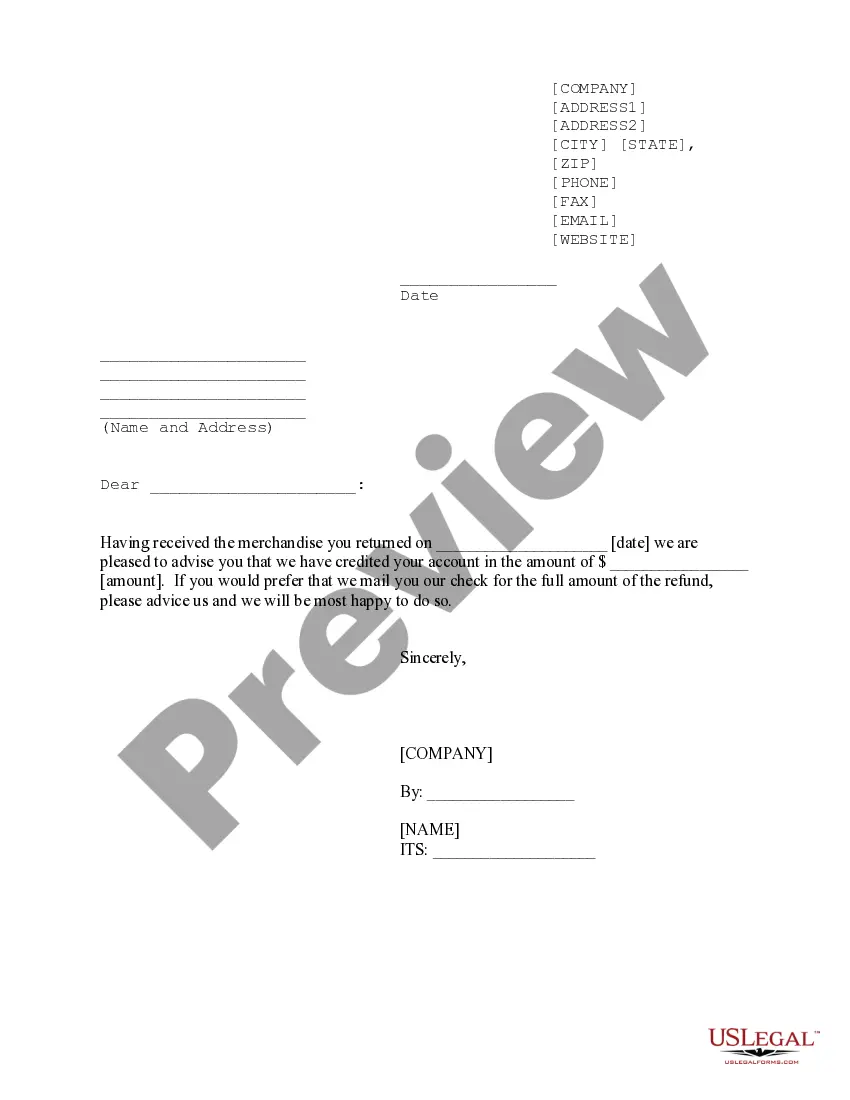
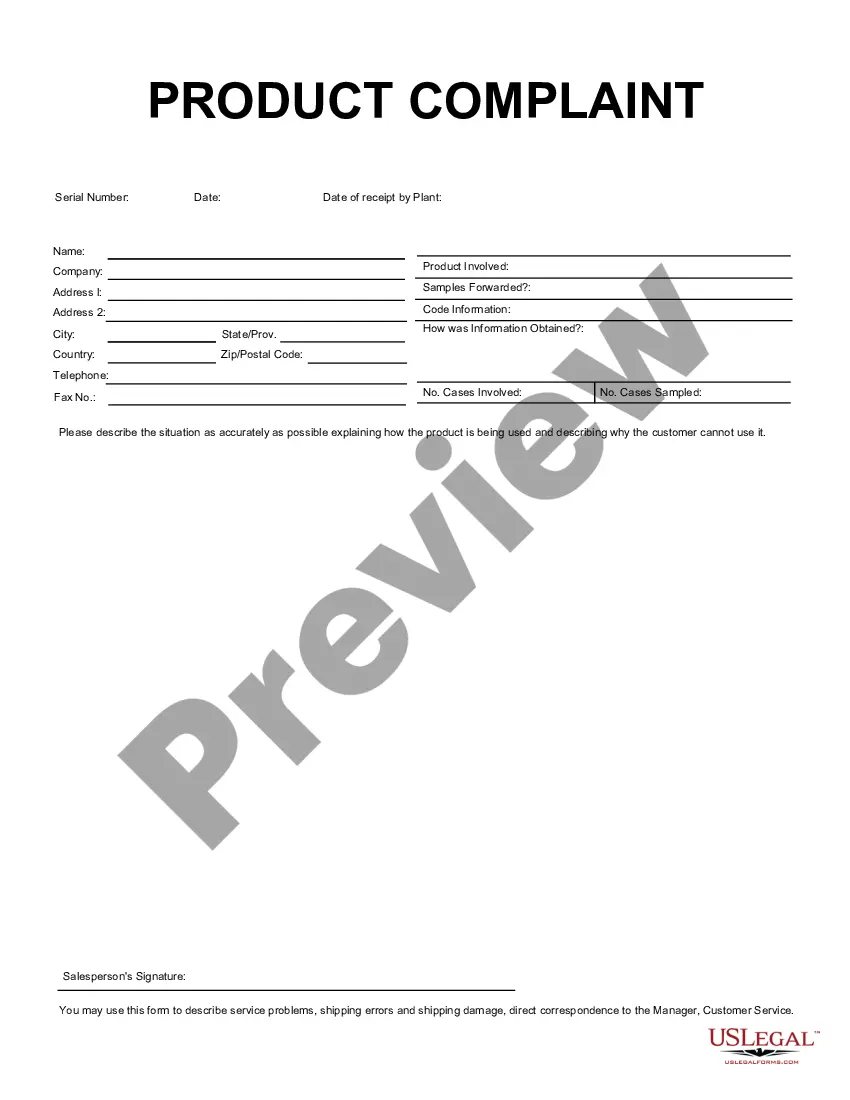
New Hampshire Product Defect Notice
Description
Get your form ready online
Our built-in tools help you complete, sign, share, and store your documents in one place.
Make edits, fill in missing information, and update formatting in US Legal Forms—just like you would in MS Word.
Download a copy, print it, send it by email, or mail it via USPS—whatever works best for your next step.
Sign and collect signatures with our SignNow integration. Send to multiple recipients, set reminders, and more. Go Premium to unlock E-Sign.
If this form requires notarization, complete it online through a secure video call—no need to meet a notary in person or wait for an appointment.
We protect your documents and personal data by following strict security and privacy standards.

Make edits, fill in missing information, and update formatting in US Legal Forms—just like you would in MS Word.

Download a copy, print it, send it by email, or mail it via USPS—whatever works best for your next step.

Sign and collect signatures with our SignNow integration. Send to multiple recipients, set reminders, and more. Go Premium to unlock E-Sign.

If this form requires notarization, complete it online through a secure video call—no need to meet a notary in person or wait for an appointment.

We protect your documents and personal data by following strict security and privacy standards.
Looking for another form?

How to fill out Product Defect Notice?
Have you found yourself in a situation where you need documents for either business or personal reasons almost constantly? There are numerous legal document templates accessible online, but finding ones you can trust can be challenging.
US Legal Forms offers thousands of document templates, including the New Hampshire Product Defect Notice, designed to comply with federal and state regulations.
If you are currently aware of the US Legal Forms website and have an account, simply Log In. After that, you can download the New Hampshire Product Defect Notice template.
- Search for the document you need and ensure it matches the correct city/region.
- Utilize the Review button to assess the template.
- Read the description to confirm you have chosen the right document.
- If the template is not what you are looking for, use the Search bar to find the document that suits your needs and requirements.
- Once you find the correct document, click Get now.
- Select the pricing plan you prefer, fill in the necessary information to create your account, and pay for the order using your PayPal or Visa or Mastercard.
- Choose a convenient file format and download your copy.
Form popularity
FAQ
Consumers are not always aware of the many different ways products can harm them. In general, a product defect will fit into one of three categories....Marketing DefectIncorrect user instructions.False claims.Failure to warn consumer of risks.Advertisements encouraging improper use.Improper warning labels.
Defects means any part of the Works not completed in accordance with the Contract, or completed with deficiencies and flaws and includes deficiencies, flaws, etc. developed during the execution of Works and during the Defect Liability Period.
A product defect is any characteristic of a product which hinders its usability for the purpose for which it was designed and manufactured. Product defects arise most prominently in legal contexts regarding product safety, where the term is applied to "anything that renders the product not reasonably safe".
Customer Returns and Refunds Under Federal Law While many retailers have decided this makes for the best business practice, they aren't legally required to accept returns. Rather, retailers are required to accept returns only if the sold good is defective or if they otherwise break the sales contract.
Under the Consumer Rights Act, you have the right to return something within 30 days and get all of your money back if it's faulty, not as described, or unfit for purpose.
A product defect is any characteristic of a product which hinders its usability for the purpose for which it was designed and manufactured. Product defects arise most prominently in legal contexts regarding product safety, where the term is applied to "anything that renders the product not reasonably safe".
Rather, retailers are required to accept returns only if the sold good is defective or if they otherwise break the sales contract. In addition to retailers being required to accept the return of defective items, federal law provides a "Cooling-Off Rule " giving buyers three days to cancel purchases of $25 or more.
What to do After Buying a Defective ProductStop Using the Product Immediately. The moment you realize a product is defective, stop using it.Check Your Receipts.Return Rejected Goods.Contact an Attorney.07-Dec-2015
How Can I Help Build My Defective Product Case?Keep the Product. When companies recall products, they always recommend throwing away the product or turning it over to a designated agent for disposal.Store the Product Safely.Gather Documents for the Product.
If you do find you've purchased a bad product, follow these steps to resolve the situation quickly.Stop Using the Product Immediately. The moment you realize a product is defective, stop using it.Check Your Receipts.Return Rejected Goods.Contact an Attorney.