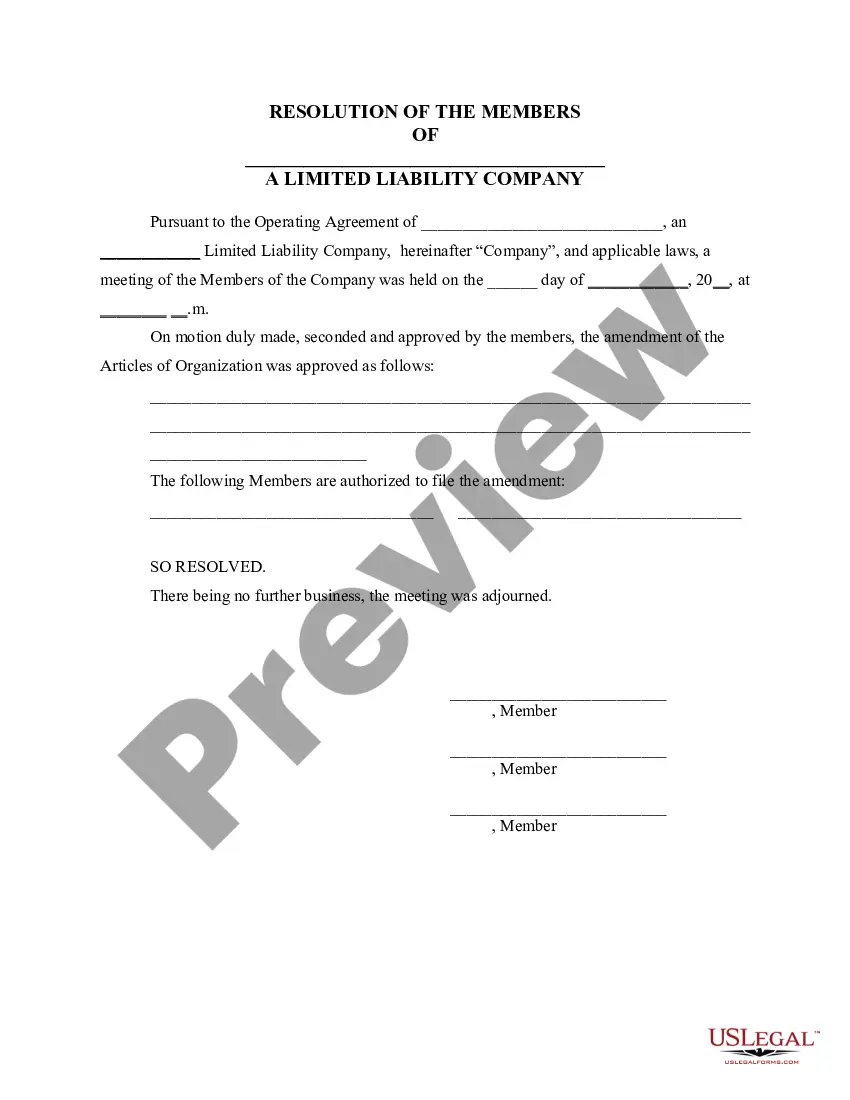
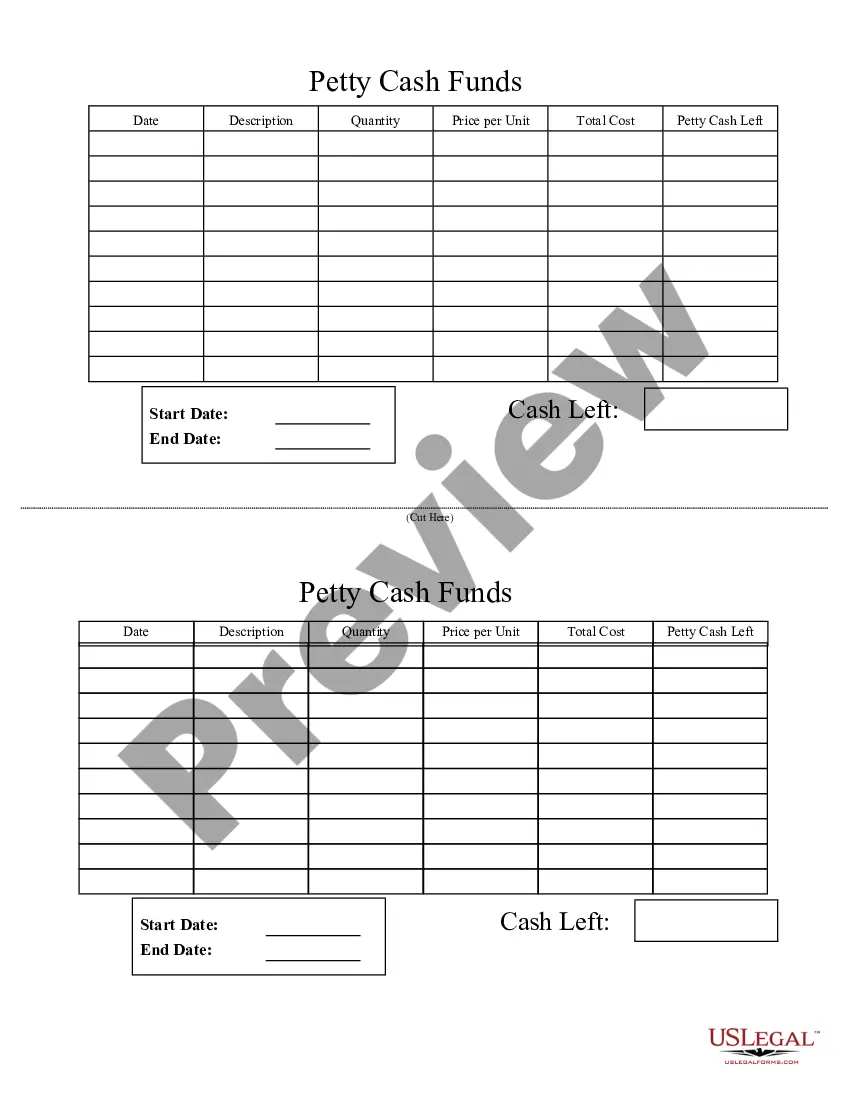
This form is a business type form that is formatted to allow you to complete the form using Adobe Acrobat or Word. The word files have been formatted to allow completion by entry into fields. Some of the forms under this category are rather simple while others are more complex. The formatting is worth the small cost.
New Hampshire Petty Cash Funds
Category:
State:
Multi-State
Control #:
US-178-AZ
Format:
Word;
PDF;
Rich Text
Instant download
Description
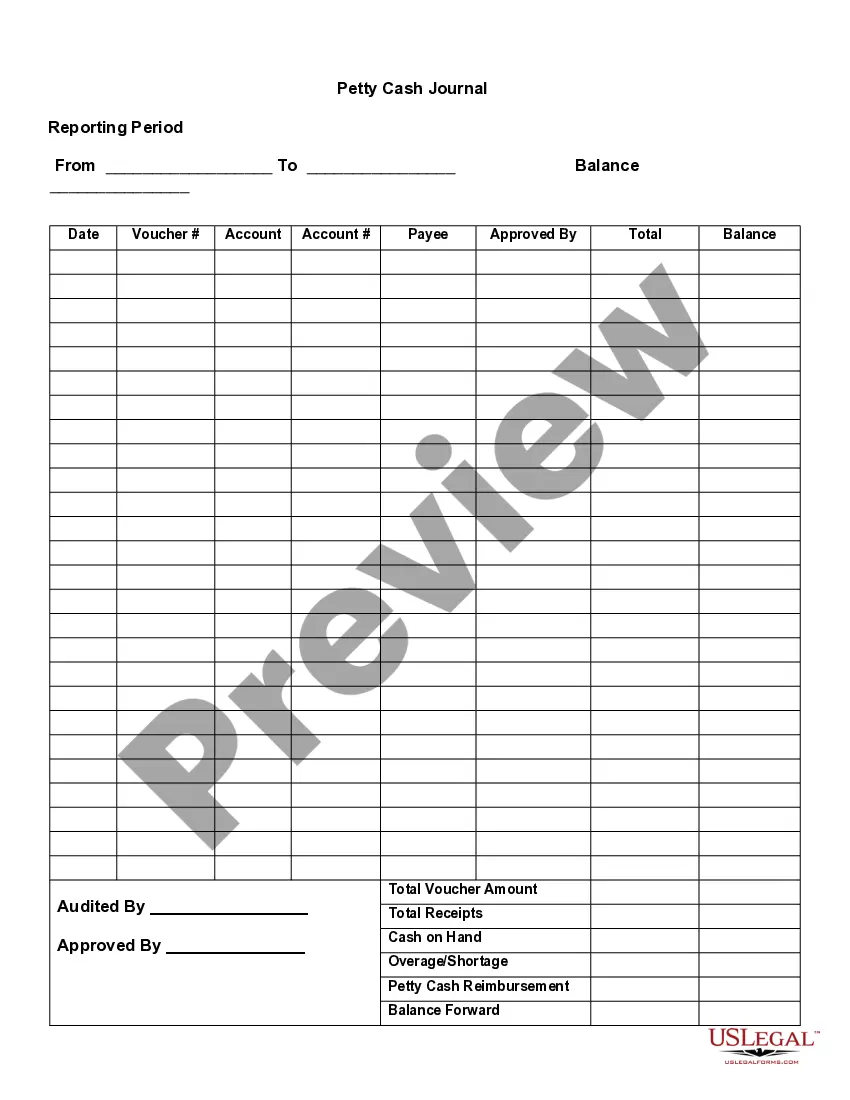
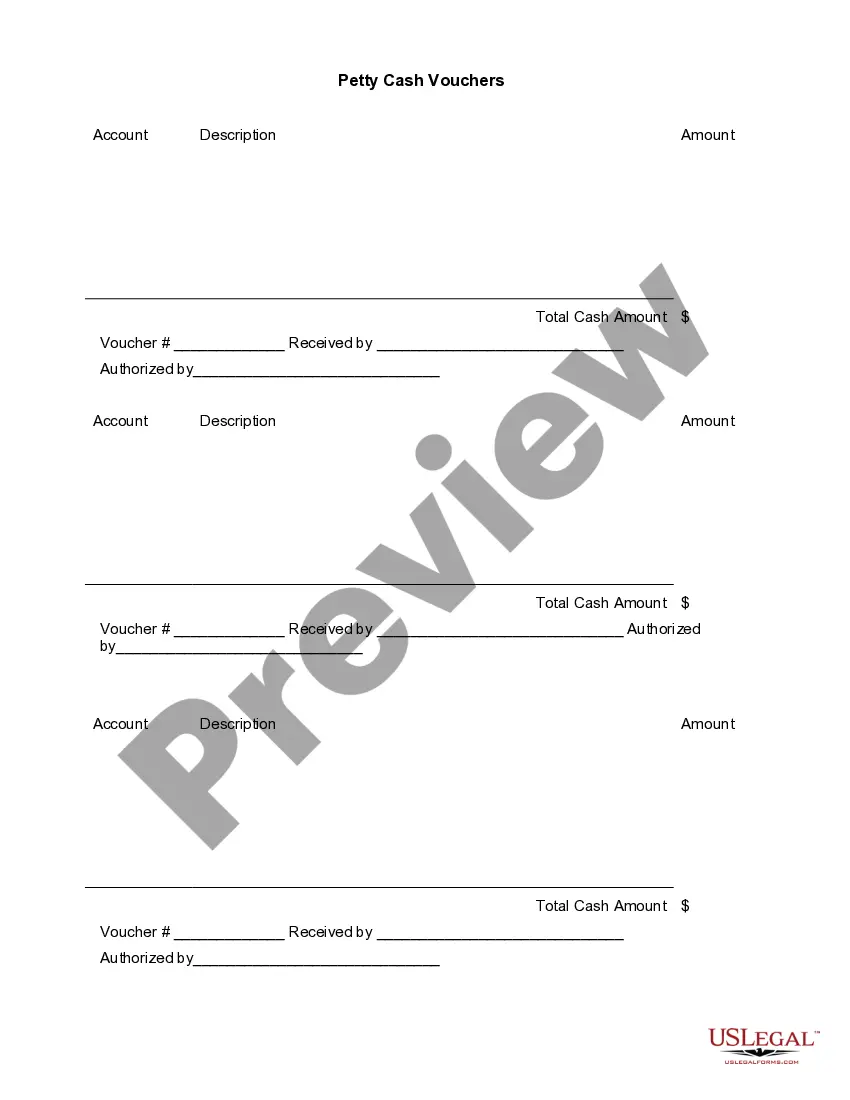
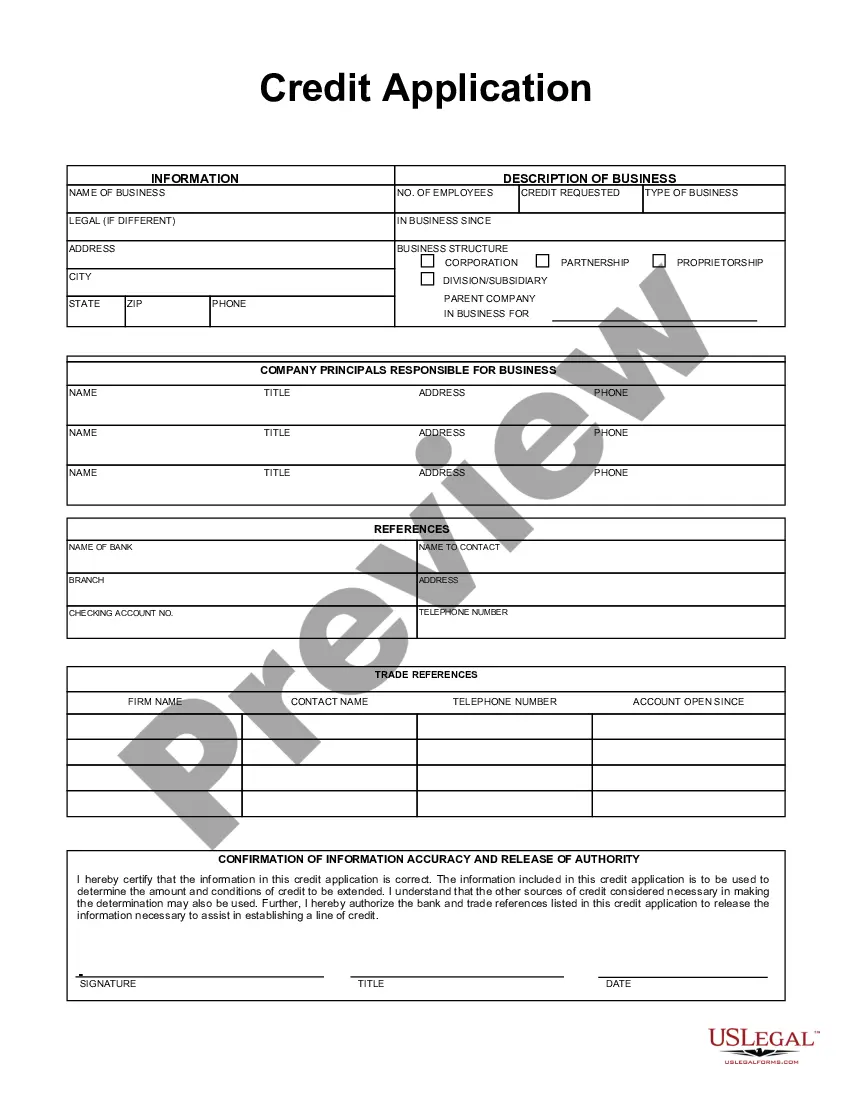
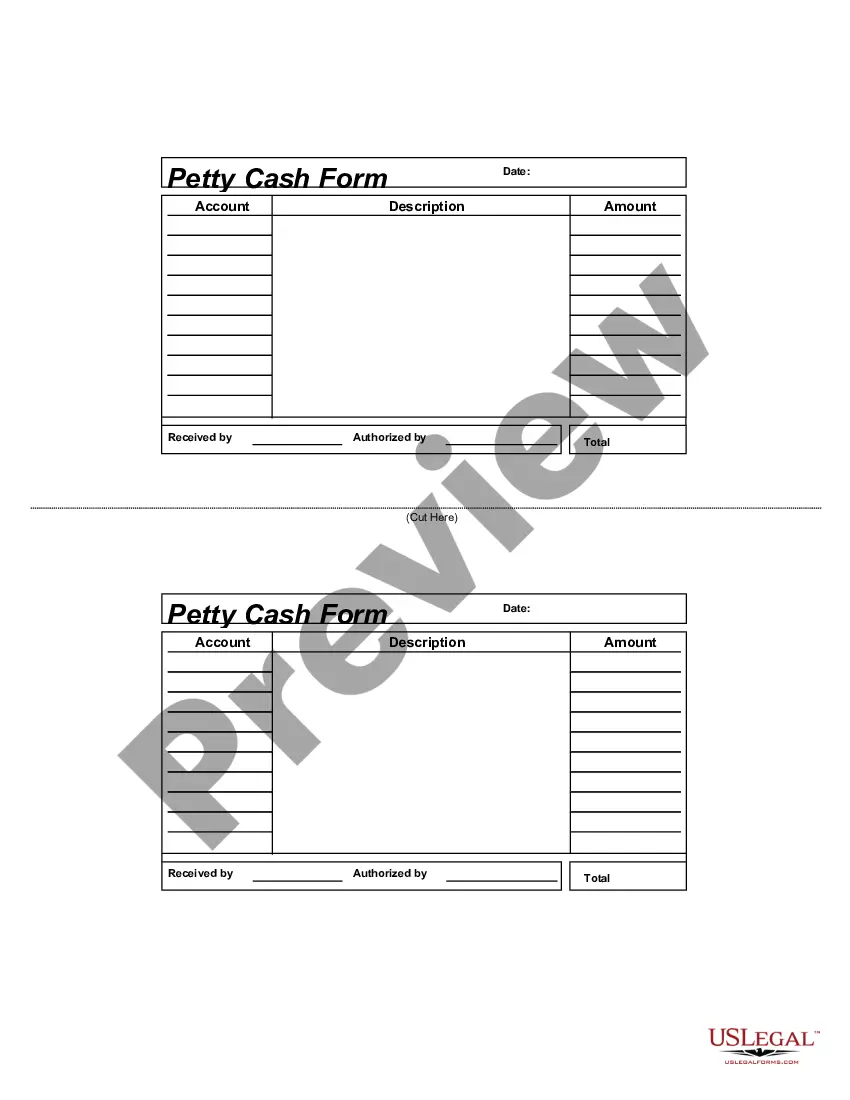
How to fill out Petty Cash Funds?
Have you ever found yourself in a situation where you require documents for either business or personal matters almost daily.
There are numerous legitimate document templates available online, but finding reliable ones can be challenging.
US Legal Forms provides thousands of template options, such as the New Hampshire Petty Cash Funds, which can be printed to comply with federal and state regulations.
If you discover the appropriate template, click Purchase now.
Select the payment plan you want, fill out the necessary information to create your account, and pay for the order using PayPal or a credit card.
- If you are already familiar with the US Legal Forms website and have an account, simply Log In.
- After logging in, you can download the New Hampshire Petty Cash Funds template.
- If you do not have an account but wish to use US Legal Forms, follow these instructions.
- Find the template you need and confirm it is for the correct city/region.
- Use the Review option to evaluate the document.
- Check the outline to ensure you have selected the correct template.
- If the template does not meet your needs, utilize the Lookup field to find the document that suits your requirements.
Form popularity
FAQ
To set up New Hampshire Petty Cash Funds, start by determining the fund's amount and appointing a custodian. After that, create a petty cash policy outlining usage and tracking procedures. Utilizing a platform like uslegalforms can simplify this process, providing templates and guidelines to help you manage your petty cash effectively.
Typically, the office manager or a trusted employee supervises the petty cash fund. This person is accountable for maintaining accurate records and ensuring that New Hampshire Petty Cash Funds are used appropriately. Assigning responsibility not only guarantees proper usage but also fosters trust within the organization.
Yes, petty cash still exists and remains a practical tool for businesses, including those in New Hampshire. Companies use petty cash funds for minor expenditures that do not warrant a formal purchasing process. Many find that maintaining a petty cash fund enables quicker transactions and easier cash flow management.
The ideal amount for New Hampshire Petty Cash Funds depends on your business activities and frequency of transactions. Generally, a fund between $200 and $300 proves sufficient for many small to mid-sized organizations. Keeping the amount at a manageable level helps in maintaining better oversight and control over expenses.
The amount of a petty cash fund can vary based on the organization’s needs, but it typically ranges from $100 to $500 for small businesses. New Hampshire Petty Cash Funds should be adequate to cover minor expenses without requiring constant replenishment. It's important to assess your regular transactions to determine the right amount, ensuring it is neither too high nor too low.
Establishing a petty cash fund in New Hampshire involves defining the amount, purpose, and management of the fund. Clearly outlined policies regarding disbursement processes and documentation will enhance accountability. If you need assistance with setting up efficient workflows, consider leveraging US Legal Forms to access templates and resources that streamline the establishment of petty cash funds.
To obtain a petty cash fund in New Hampshire, start by submitting a request to your organization’s finance department. In your request, include the amount needed, the intended use, and a brief explanation of how it aligns with your company’s budgetary goals. Once approved, you can secure the funds, allowing you to manage small expenses directly without the lengthy reimbursement process.
Typically, petty cash is provided by the financial management team or the accounting department within an organization. They allocate a specific amount to individuals responsible for managing the fund. This ensures that the use of New Hampshire petty cash funds is monitored and that resources are distributed appropriately to meet operational needs.
To establish a petty cash fund in New Hampshire, you first need to determine the initial amount required based on your organization’s needs. Next, outline the purpose of the fund, setting clear guidelines for what expenses it will cover. Finally, maintain accurate records and trial balances, ensuring that all transactions are properly documented to uphold transparency.
Entering a petty cash fund for New Hampshire Petty Cash Funds is straightforward. First, document the opening balance in your accounting system. As you make transactions, record each expense against the petty cash account to keep track of spending, and make sure to replenish the fund as necessary to maintain operational efficiency.