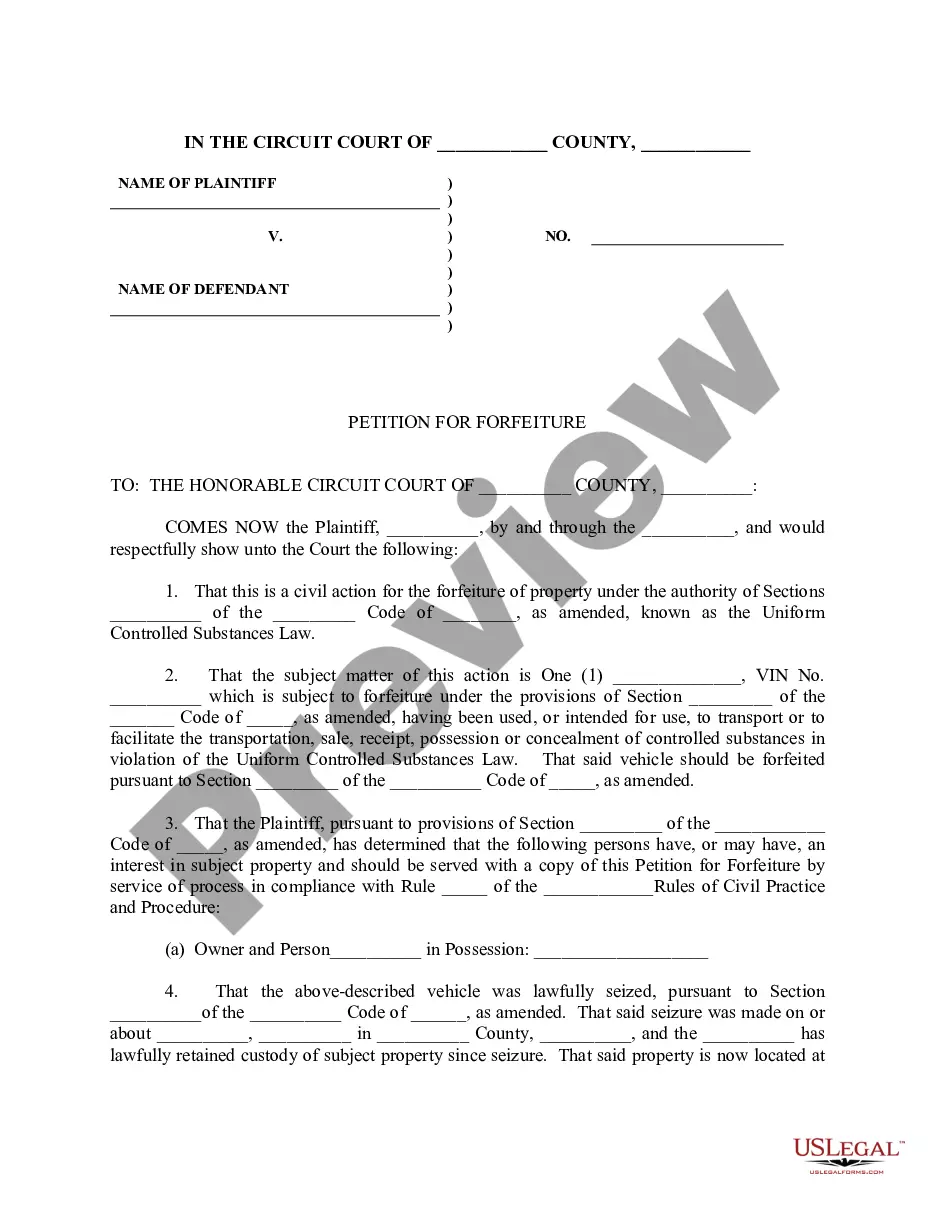
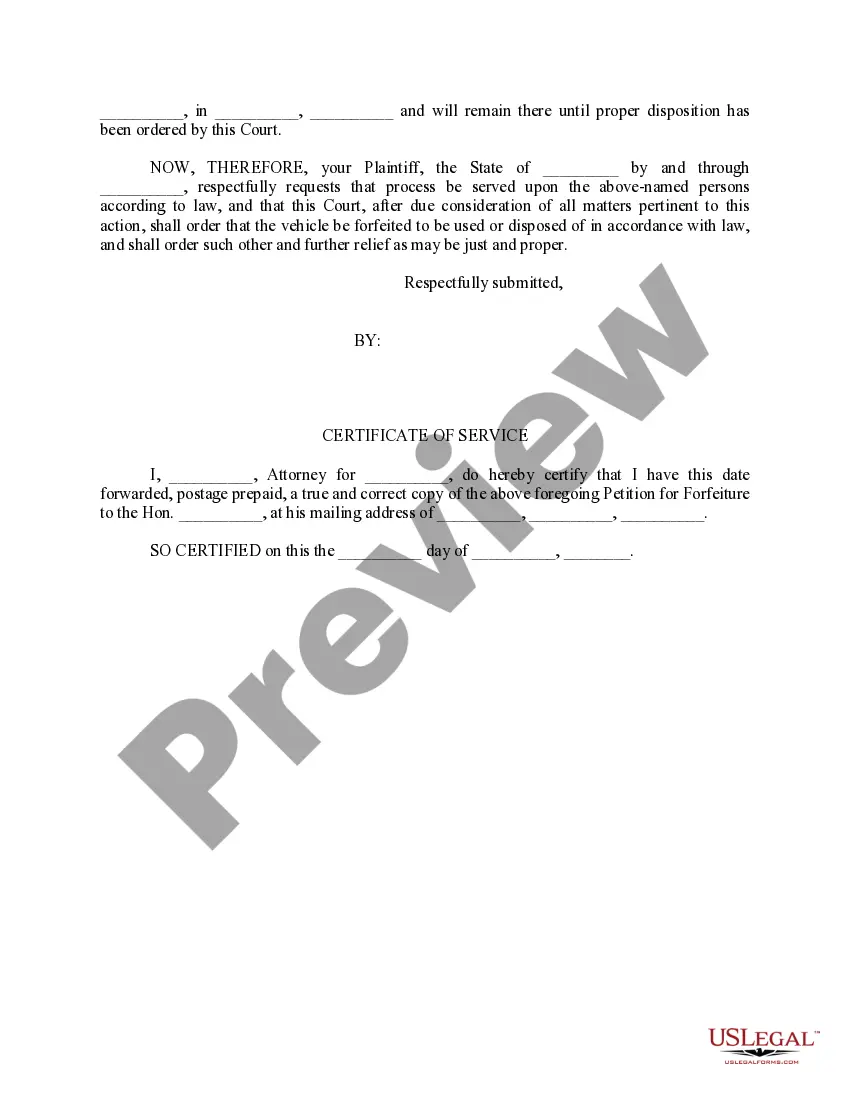
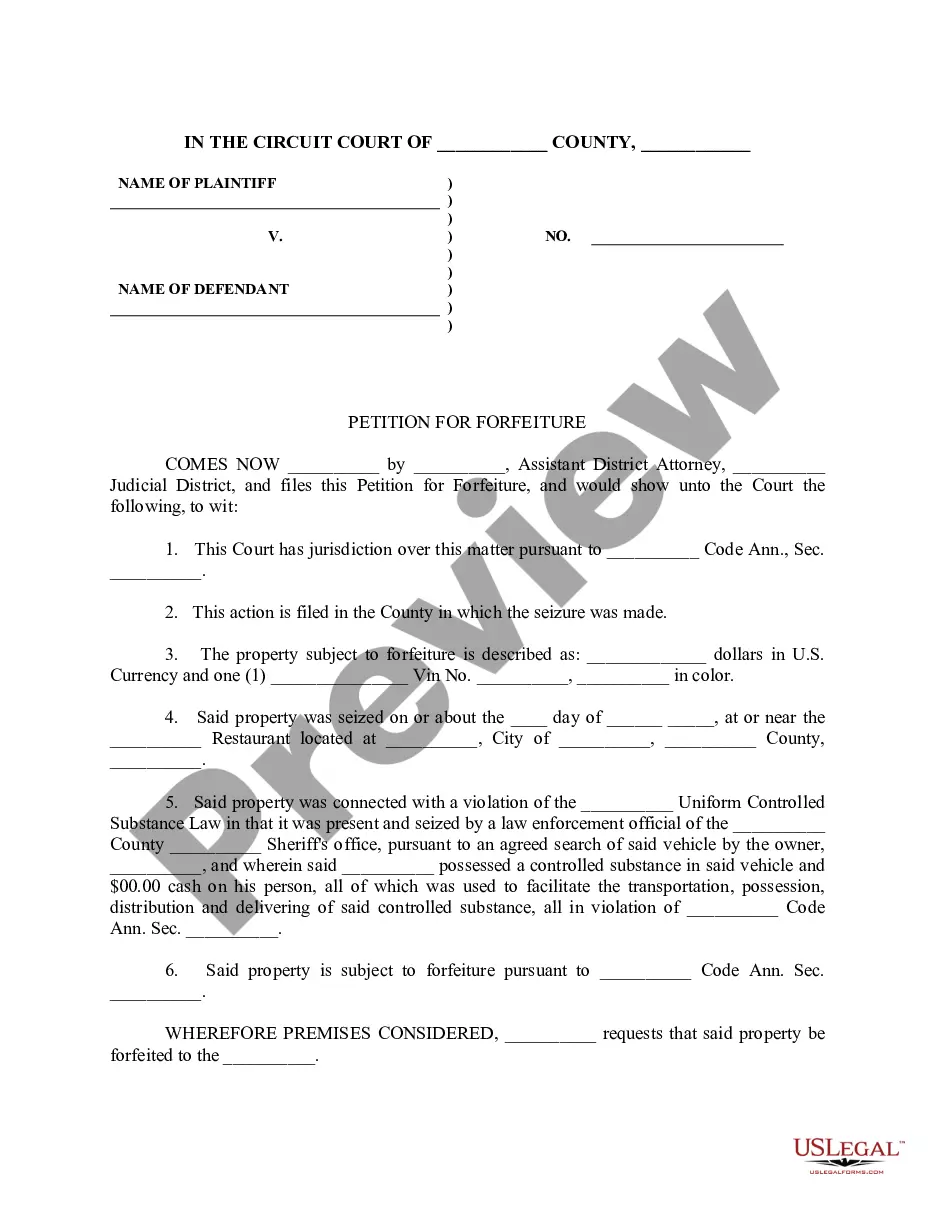
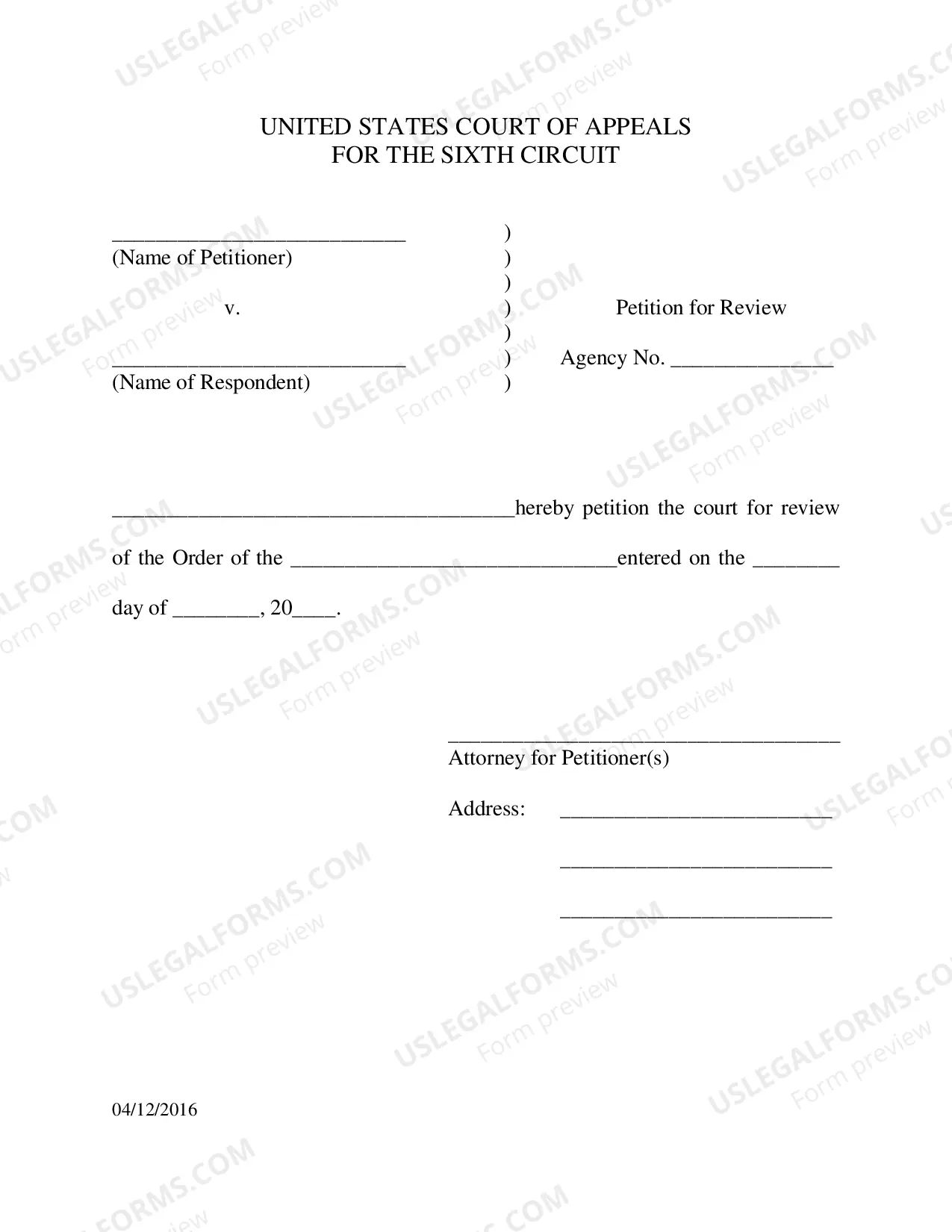
New Jersey Petition for Forfeiture of Auto - 41-29-101
Description
Get your form ready online
Our built-in tools help you complete, sign, share, and store your documents in one place.
Make edits, fill in missing information, and update formatting in US Legal Forms—just like you would in MS Word.
Download a copy, print it, send it by email, or mail it via USPS—whatever works best for your next step.
Sign and collect signatures with our SignNow integration. Send to multiple recipients, set reminders, and more. Go Premium to unlock E-Sign.
If this form requires notarization, complete it online through a secure video call—no need to meet a notary in person or wait for an appointment.
We protect your documents and personal data by following strict security and privacy standards.

Make edits, fill in missing information, and update formatting in US Legal Forms—just like you would in MS Word.

Download a copy, print it, send it by email, or mail it via USPS—whatever works best for your next step.

Sign and collect signatures with our SignNow integration. Send to multiple recipients, set reminders, and more. Go Premium to unlock E-Sign.

If this form requires notarization, complete it online through a secure video call—no need to meet a notary in person or wait for an appointment.

We protect your documents and personal data by following strict security and privacy standards.
Looking for another form?
How to fill out Petition For Forfeiture Of Auto - 41-29-101?
Are you currently in the situation where you need documents for either business or personal activities frequently.
There are numerous authentic document templates accessible online, but finding ones you can rely on is challenging.
US Legal Forms offers a vast collection of form templates, including the New Jersey Petition for Forfeiture of Auto - 41-29-101, which can be drafted to satisfy federal and state requirements.
Find all the document templates you have purchased in the My documents section.
You can obtain an additional copy of the New Jersey Petition for Forfeiture of Auto - 41-29-101 whenever needed; just select the desired form to download or print the document template.
- If you are already acquainted with the US Legal Forms website and have an account, simply Log In.
- After that, you can download the New Jersey Petition for Forfeiture of Auto - 41-29-101 template.
- If you do not have an account and wish to start using US Legal Forms, follow these instructions.
- Locate the form you need and ensure it is for the correct city/region.
- Use the Review button to check the form.
- Read the description to confirm you have selected the appropriate form.
- If the form is not what you are looking for, use the Lookup field to find the form that suits your needs and requirements.
- If you find the correct form, click on Buy now.
- Choose the pricing plan you want, complete the necessary details to create your account, and purchase your order using your PayPal or credit card.
- Select a suitable file format and download your copy.
Form popularity
FAQ
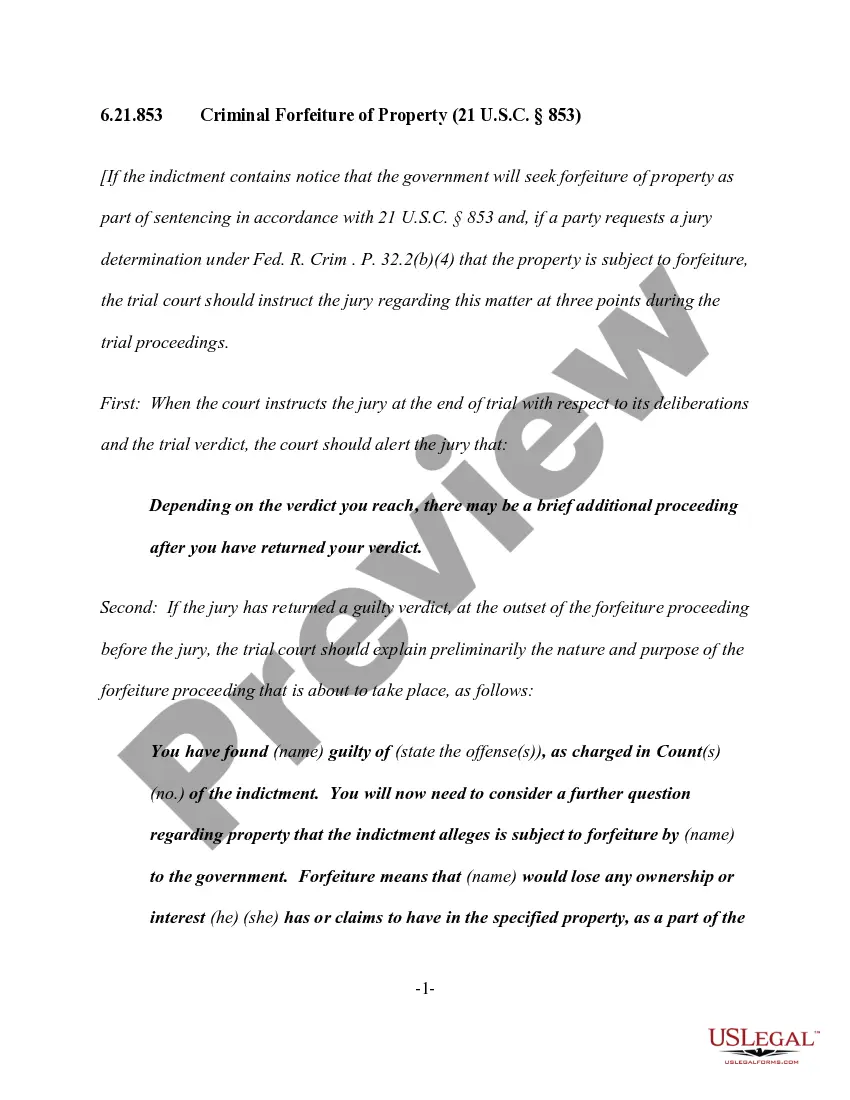
The New Jersey forfeiture law (N.J.S.A. 2C:64-1) states that the following classes of property are subject to seizure: Any proceeds from an illegal activity, such as cash from drug dealing. Property that is integral to the illegal acts, like money financing illegal gambling.
Forfeiture is broadly defined as the loss of property for failing to obey the law, and that property is generally lost to the state. A person may have a vested interest in property to be forfeit in two ways: In personum jurisdiction and in rem jurisdiction.
Under Federal law, there are three (3) types of forfeiture: criminal forfeiture, civil judicial forfeiture, and administrative forfeiture.
If you have been arrested and charged with a criminal offense in New Jersey, your property including, but not limited to, cash, car and/or home, may be subject to what is known as a ?civil forfeiture? under certain circumstances.
Criminal forfeiture operates as punishment for a crime. It, therefore, requires a conviction, following which the state takes the assets in question from the criminal. Civil forfeiture rests on the idea (a legal fiction) that the property itself, not the owner, has violated the law.
Remission, referring to the return of forfeited assets, and mitigation, referring to acceptance of a smaller financial penalty in lieu of forfeiture, are discretionary forms of relief granted by the agencies that are involved in seizing property or by the Criminal Division of the Department of Justice in Washington, ...