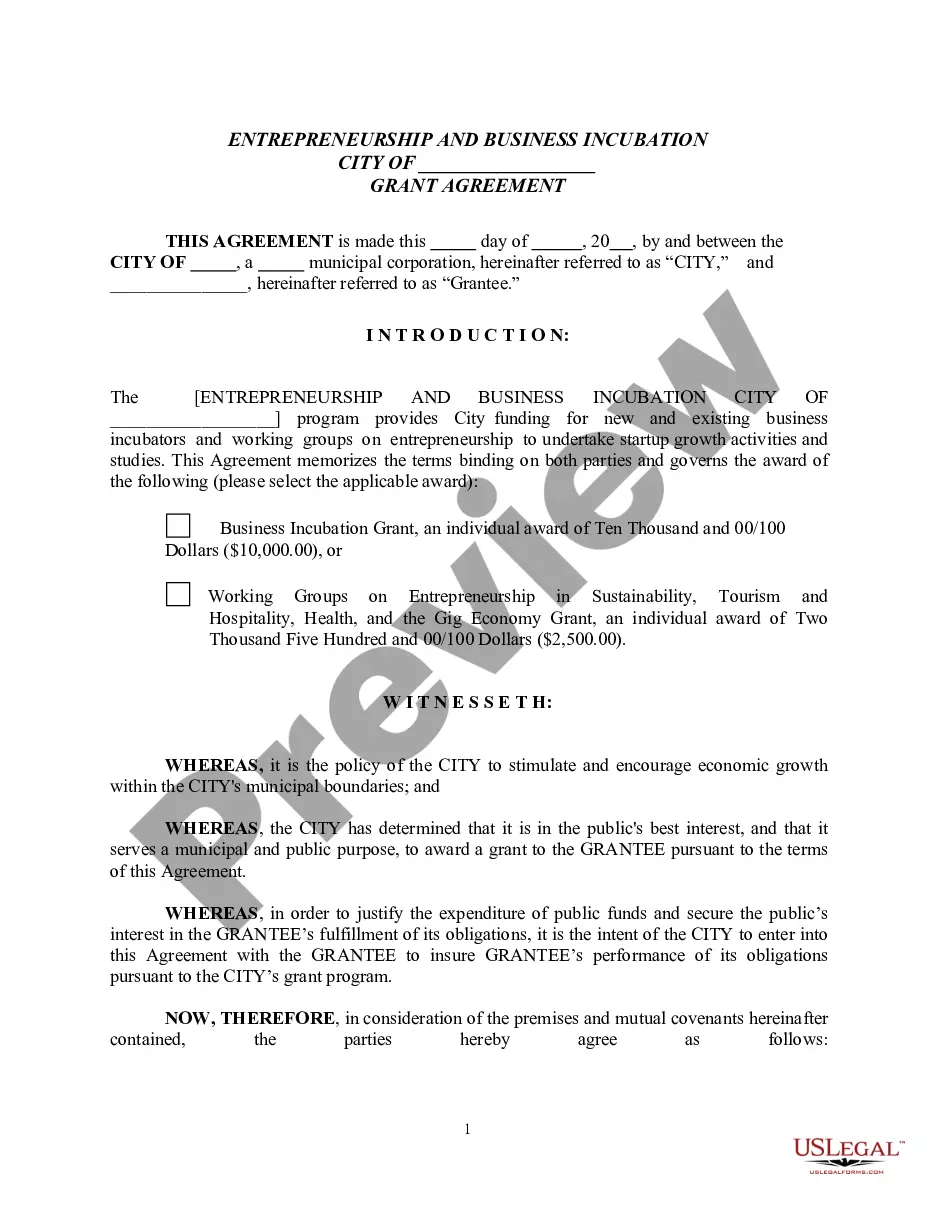
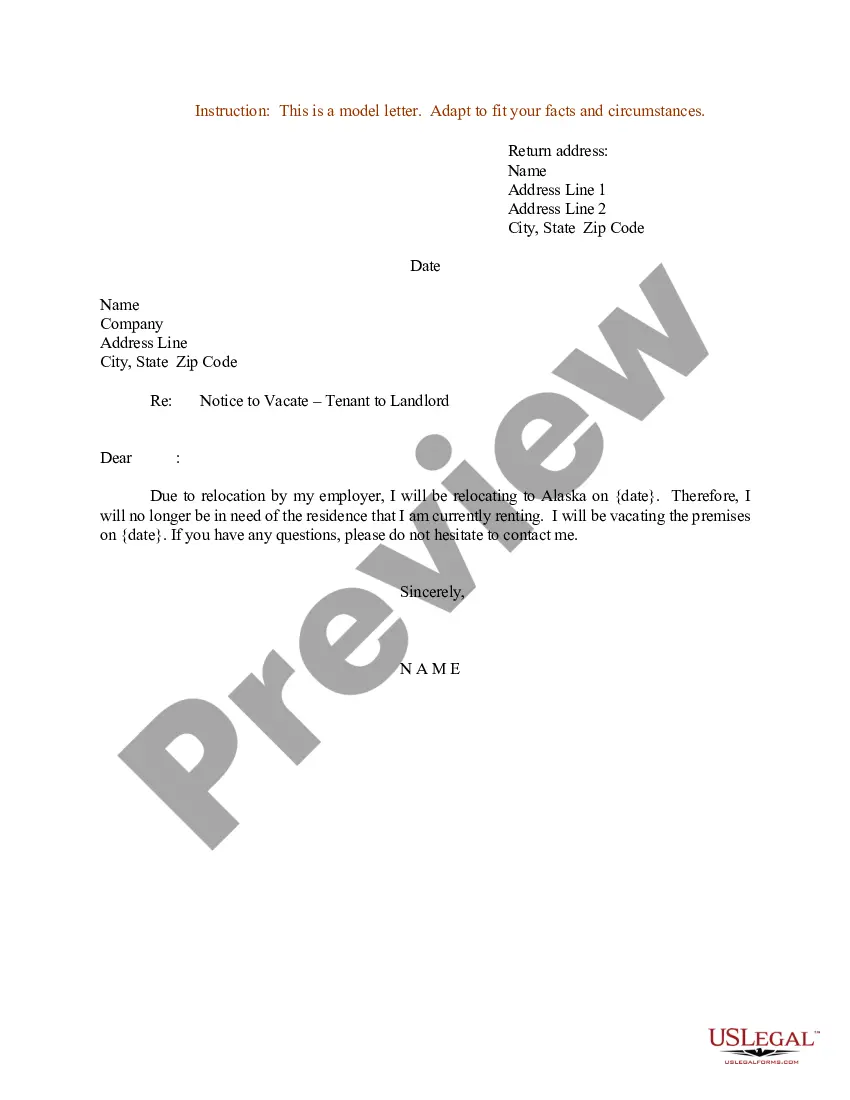
New Jersey Notice to Vacate for Repairs
Description
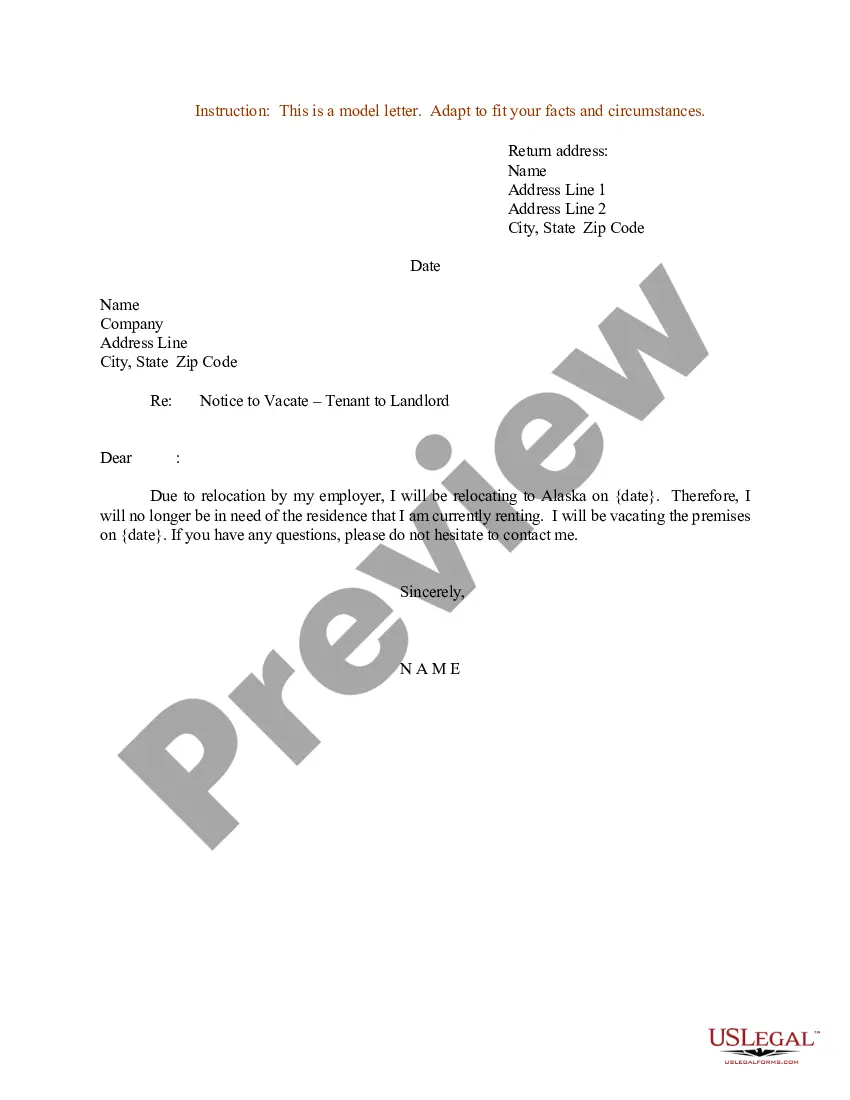
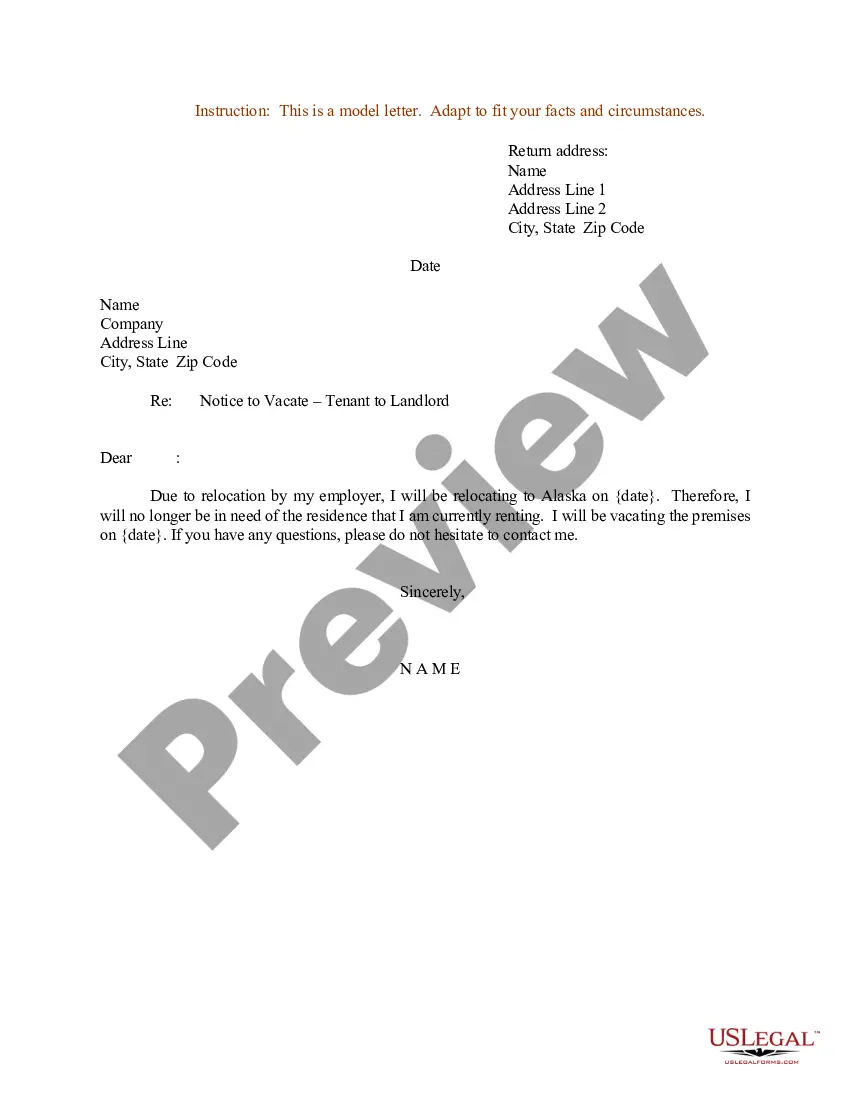

How to fill out Notice To Vacate For Repairs?
Have you found yourself in a situation where you need documents for either business or personal purposes almost all the time.
There are numerous reliable document templates available online, but finding ones you can rely on can be challenging.
US Legal Forms offers thousands of form templates, including the New Jersey Notice to Vacate for Repairs, designed to meet federal and state requirements.
Utilize US Legal Forms, which offers the largest selection of legitimate forms, to save time and avoid mistakes.
The service provides expertly crafted legal document templates that can be used for various purposes. Create an account on US Legal Forms and start making your life a bit easier.
- If you are already familiar with the US Legal Forms website and have an account, just Log In.
- After that, you can download the New Jersey Notice to Vacate for Repairs template.
- If you do not have an account and wish to start using US Legal Forms, follow these steps.
- Find the form you need and ensure it is for the correct city/state.
- Use the Preview button to review the form.
- Check the description to confirm that you have selected the right form.
- If the form is not what you are looking for, use the Search area to find the form that meets your needs.
- Once you find the appropriate form, click on Acquire now.
- Choose the pricing plan you want, complete the necessary information to create your account, and pay for the order using your PayPal or credit card.
- Select a convenient file format and download your copy.
- Locate all the form templates you have purchased in the My documents section. You can obtain another copy of the New Jersey Notice to Vacate for Repairs anytime if necessary. Simply select the needed form to download or print the document template.
Form popularity
FAQ
In New Jersey, the timeframe a landlord must give a tenant to move out often depends on the reason for eviction. Generally, for evictions linked to lease violations, a landlord can provide a New Jersey Notice to Vacate for Repairs and require 30 days’ notice. However, if the situation involves illegal activity or other severe violations, the notice period can be shorter. It’s important to be aware of these timelines to plan accordingly.
Failing to provide the required 30-day notice may complicate your situation significantly. In New Jersey, if you do not notify your landlord, they may proceed with your eviction process. This could lead to a formal eviction lawsuit, which can impact your rental history. To avoid these issues, consider using resources like US Legal Forms to understand your obligations.
Yes, a landlord can initiate eviction even without a lease in New Jersey. In such cases, they usually provide a New Jersey Notice to Vacate for Repairs or another valid reason. However, they still must adhere to state laws regarding notice periods and proper legal procedures. Understanding your rights helps you navigate this situation effectively.
In New Jersey, the minimum time a landlord must give you to move out can vary depending on the reason for the eviction. If a landlord issues a New Jersey Notice to Vacate for Repairs, typically, they should provide at least 30 days’ notice. This allows you to make arrangements and avoid any last-minute stress. Always check your lease agreement for specific terms.
In New Jersey, landlords are responsible for maintaining a safe and functional living environment for their tenants. This includes necessary repairs, ensuring utilities are operational, and complying with health and safety codes. When landlords understand their responsibilities, it can significantly reduce conflicts, particularly when a New Jersey Notice to Vacate for Repairs is required.
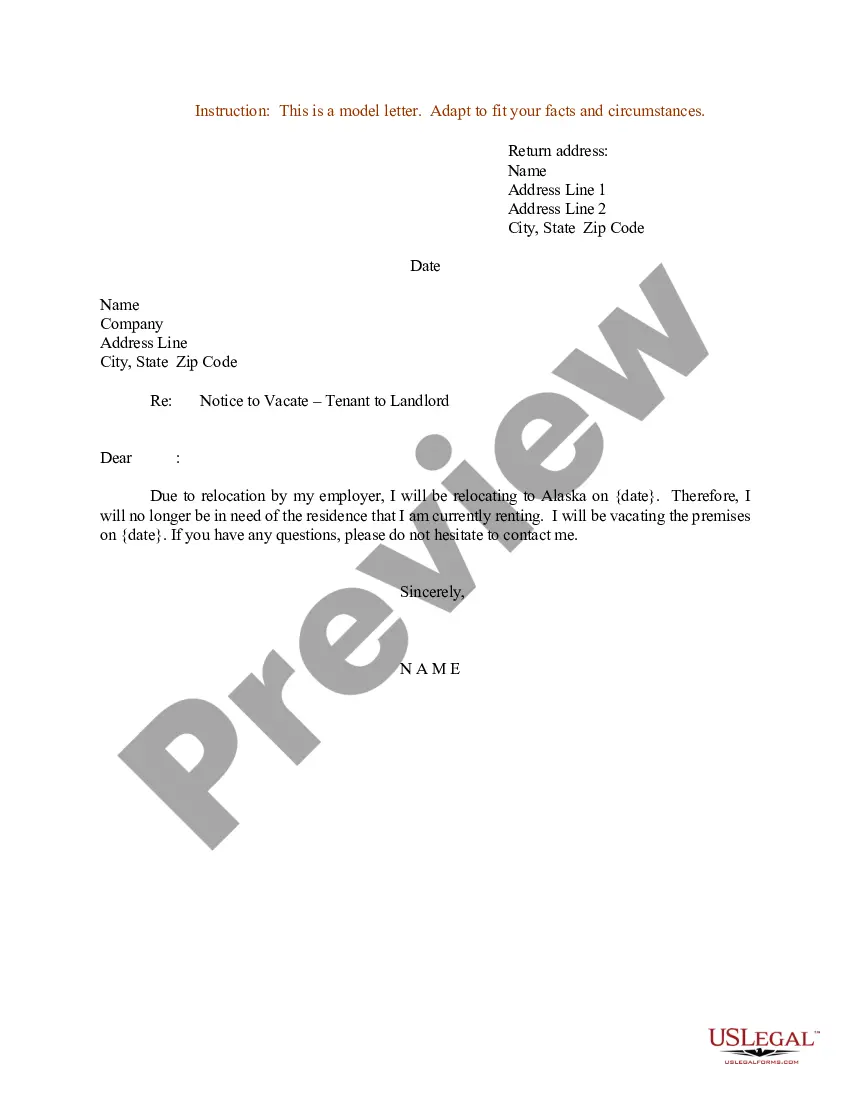
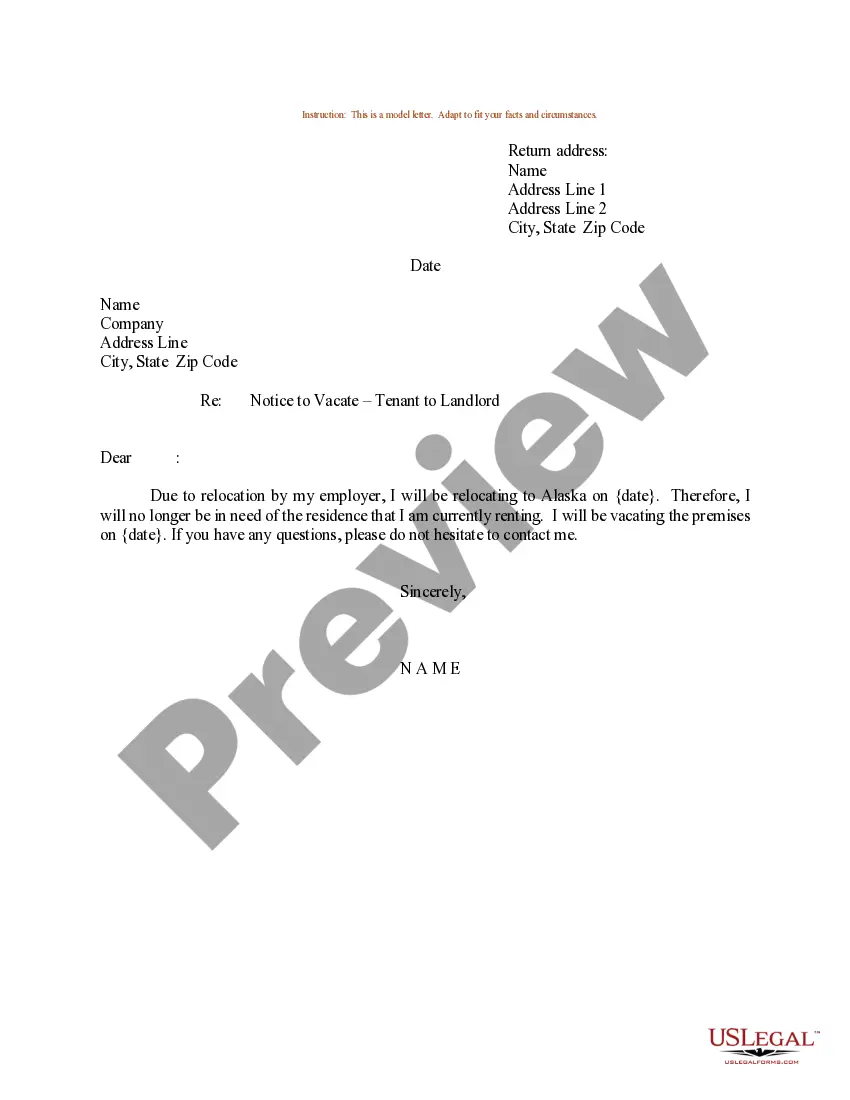
Writing a notice to vacate letter to a tenant involves including key details such as the property address, date of the notice, and the intended move-out date. It’s also important to specify the reasons for the notice, especially if they relate to necessary repairs. Using a streamlined platform like US Legal Forms can help you craft a professional and legally sound New Jersey Notice to Vacate for Repairs.
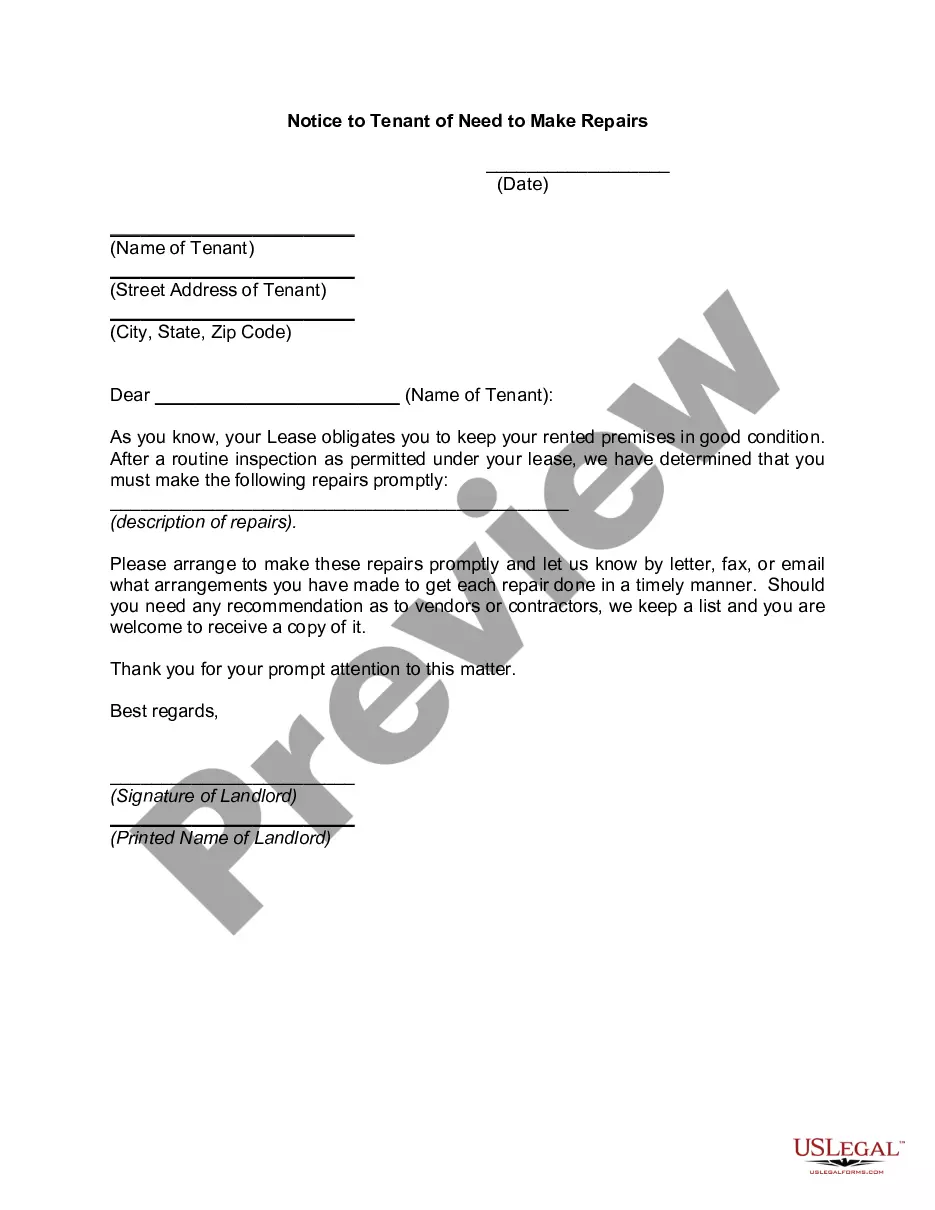
Landlords in New Jersey are generally responsible for repairs that ensure a habitable living environment, such as plumbing, heating, and structural integrity. They must address issues that may pose health or safety risks, promptly and effectively. Understanding these responsibilities can guide you when considering a New Jersey Notice to Vacate for Repairs.
Unlivable conditions in New Jersey include severe issues such as lack of heat, water leaks, pest infestations, or unsafe electrical systems. These conditions breach the habitability requirements and can necessitate a tenant issuing a New Jersey Notice to Vacate for Repairs to the landlord. Tenants should document these issues to protect their rights and seek proper remedies.
Normal wear and tear in a rental property refers to the gradual deterioration that naturally occurs over time. Common examples include faded paint, worn carpets, or minor scuff marks on floors. Knowing what constitutes normal wear and tear is essential in situations related to a New Jersey Notice to Vacate for Repairs, as it can prevent unnecessary disputes over damages.
In New Jersey, a landlord is not responsible for repairs that result from a tenant’s misuse or neglect of the property. For instance, if a tenant damages walls or appliances, the landlord is not obligated to fix these issues. Understanding these boundaries can help both parties maintain a positive rental relationship and assist in issuing a New Jersey Notice to Vacate for Repairs, if necessary.