New Jersey Employment Separation Agreement
Description
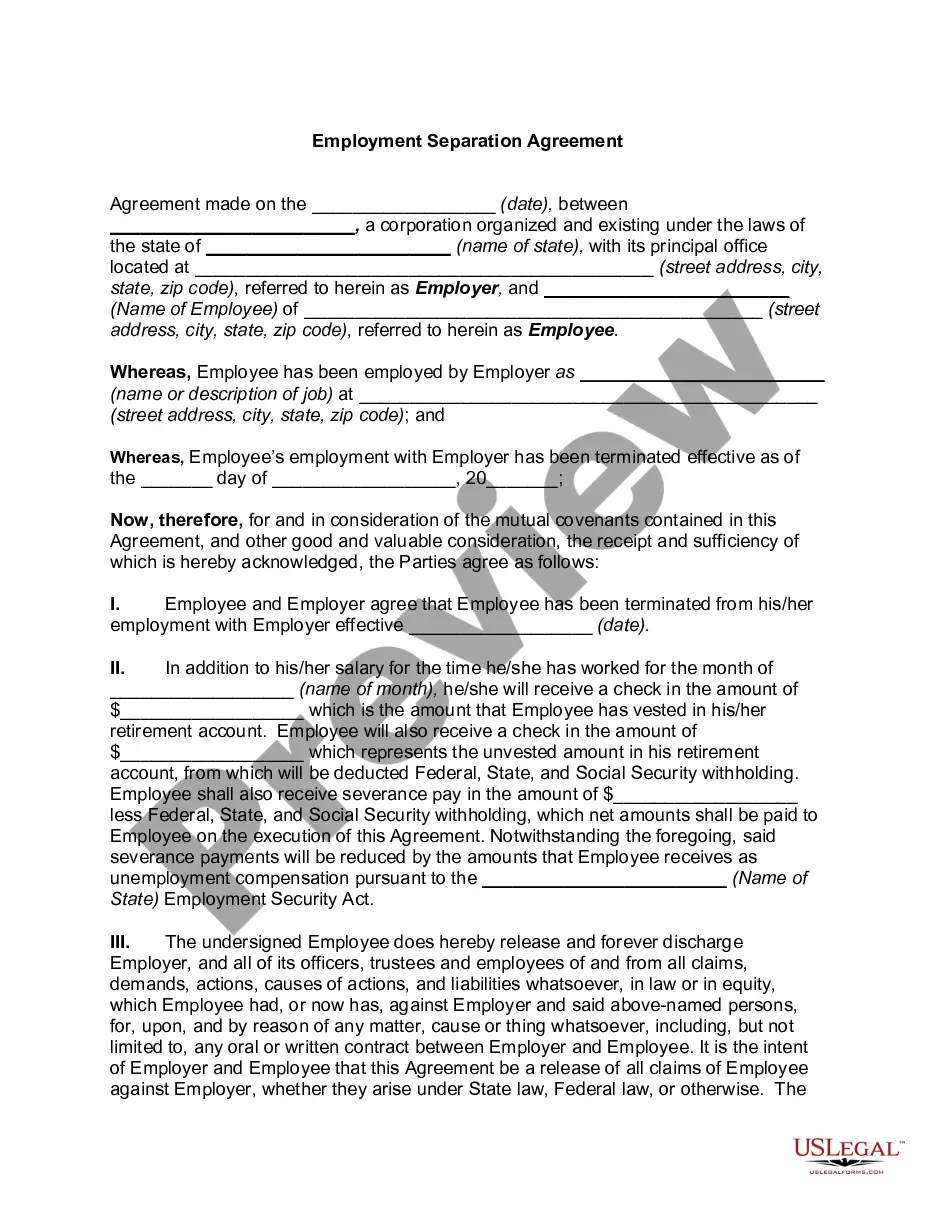
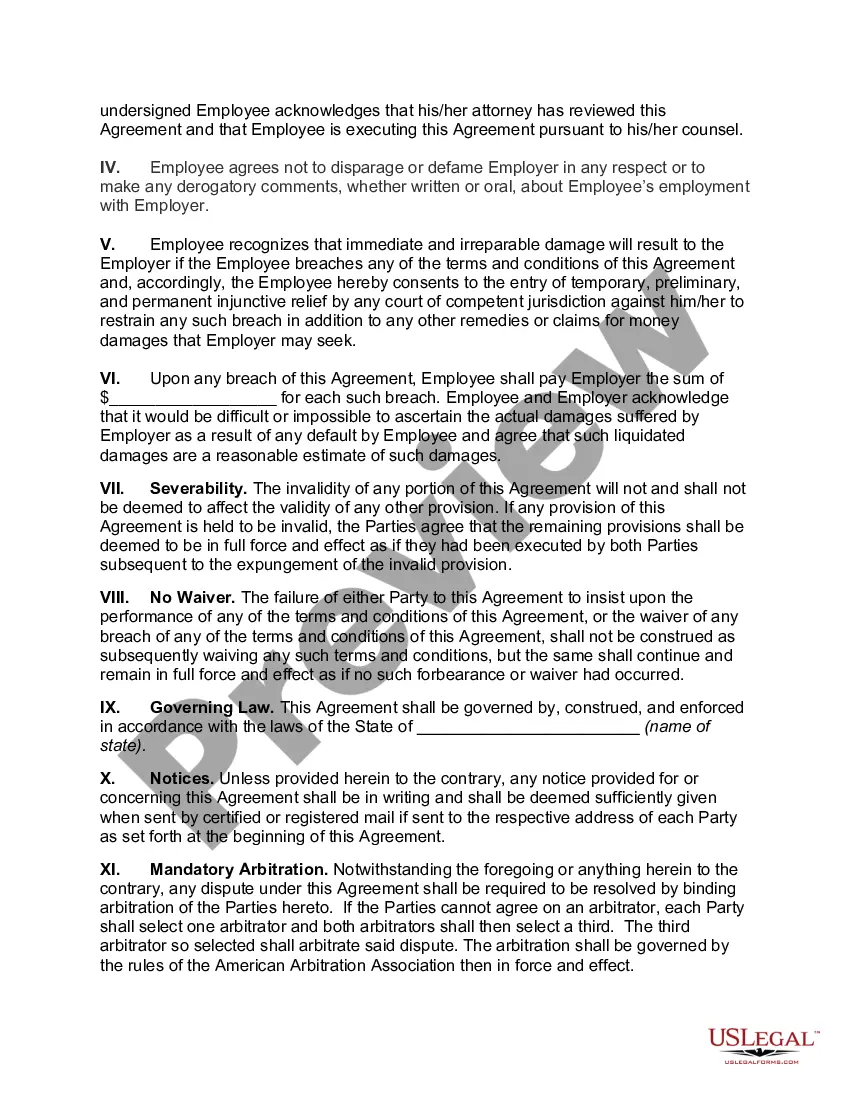
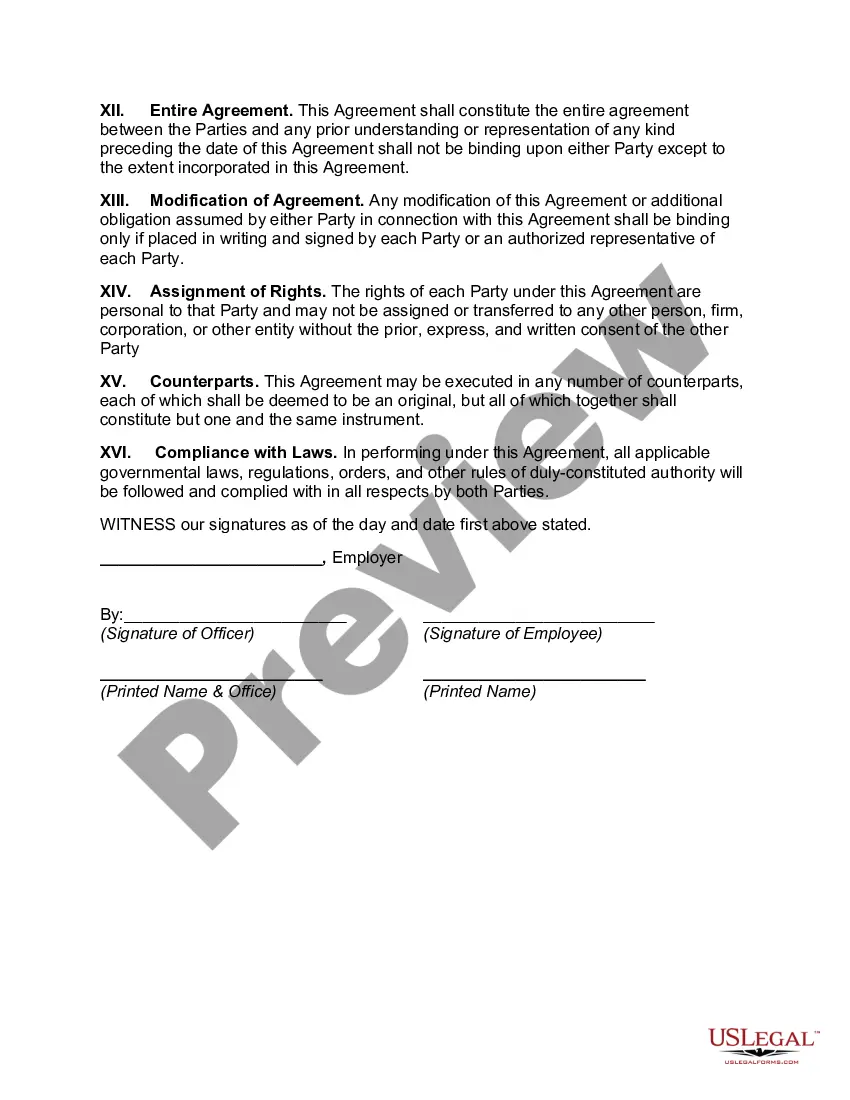
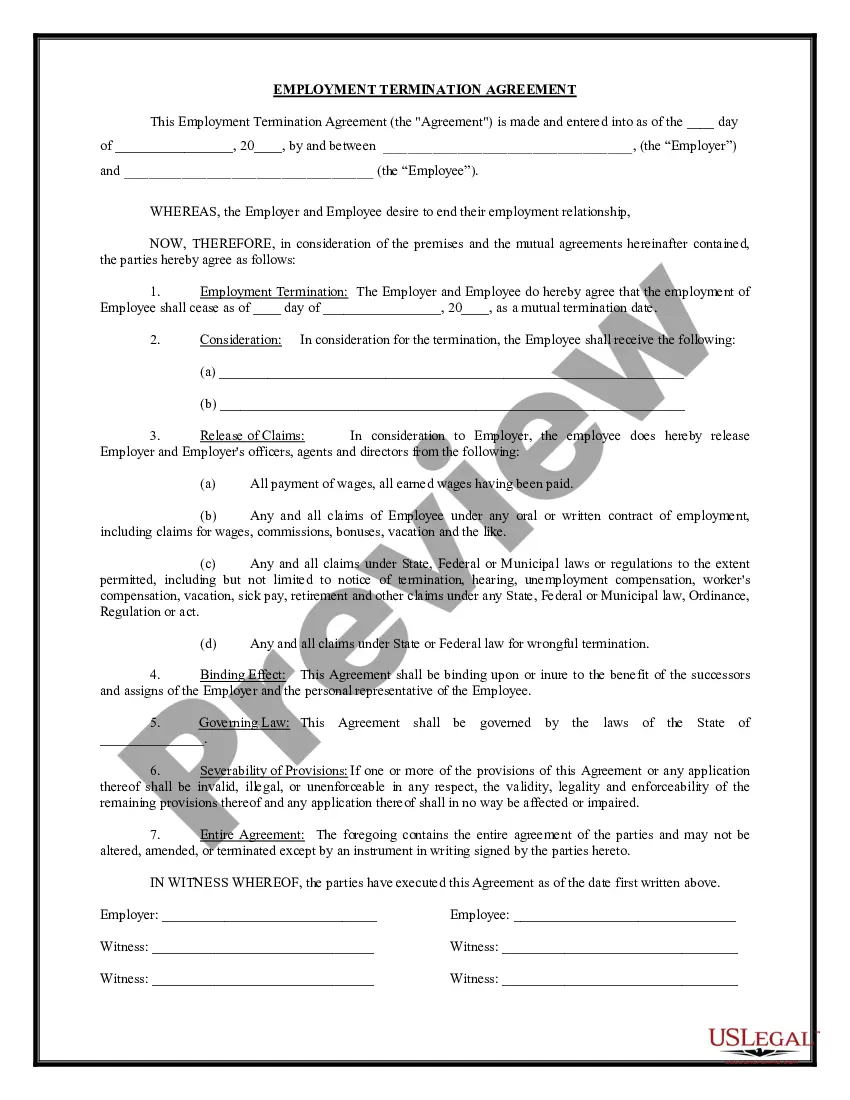
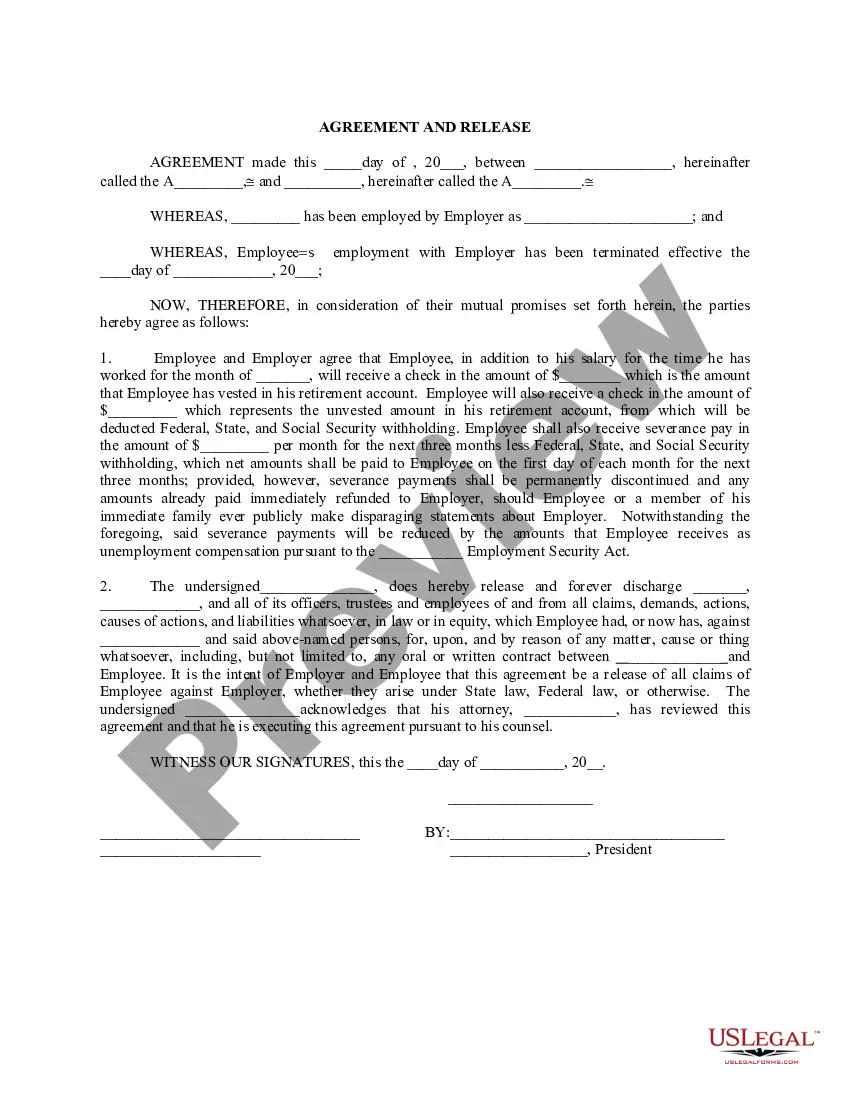
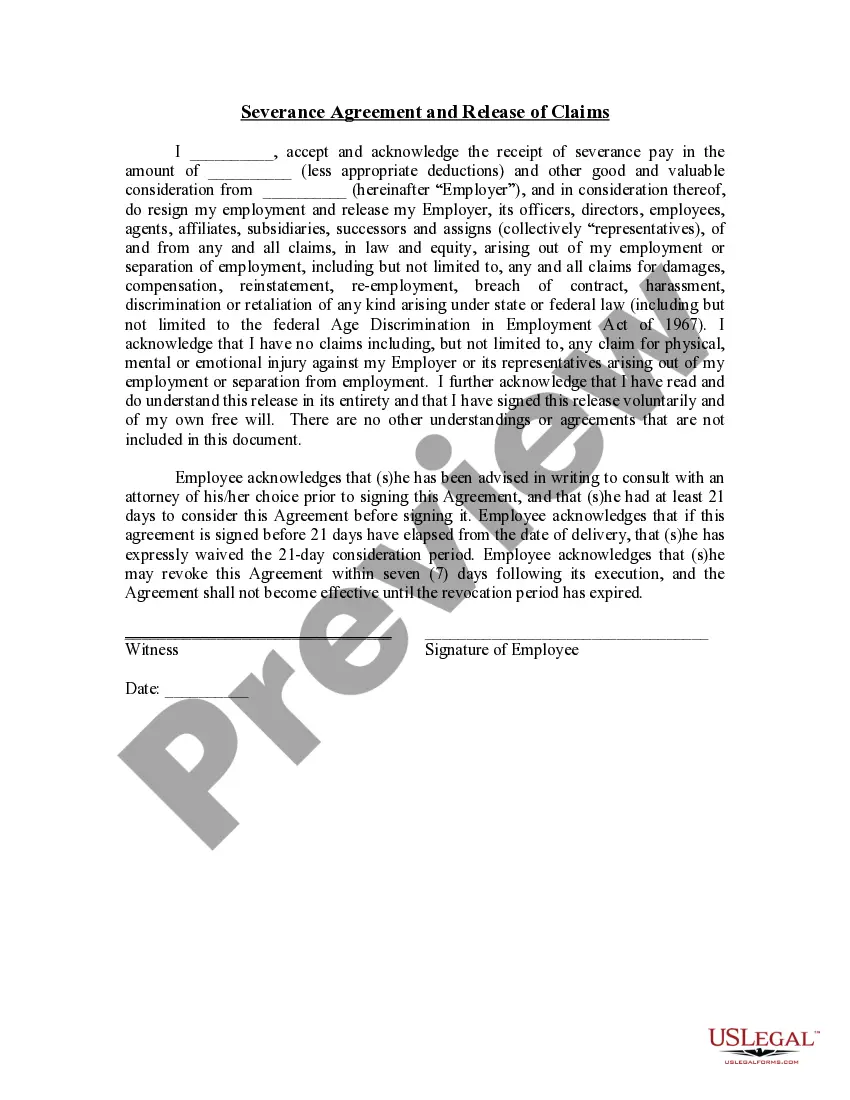
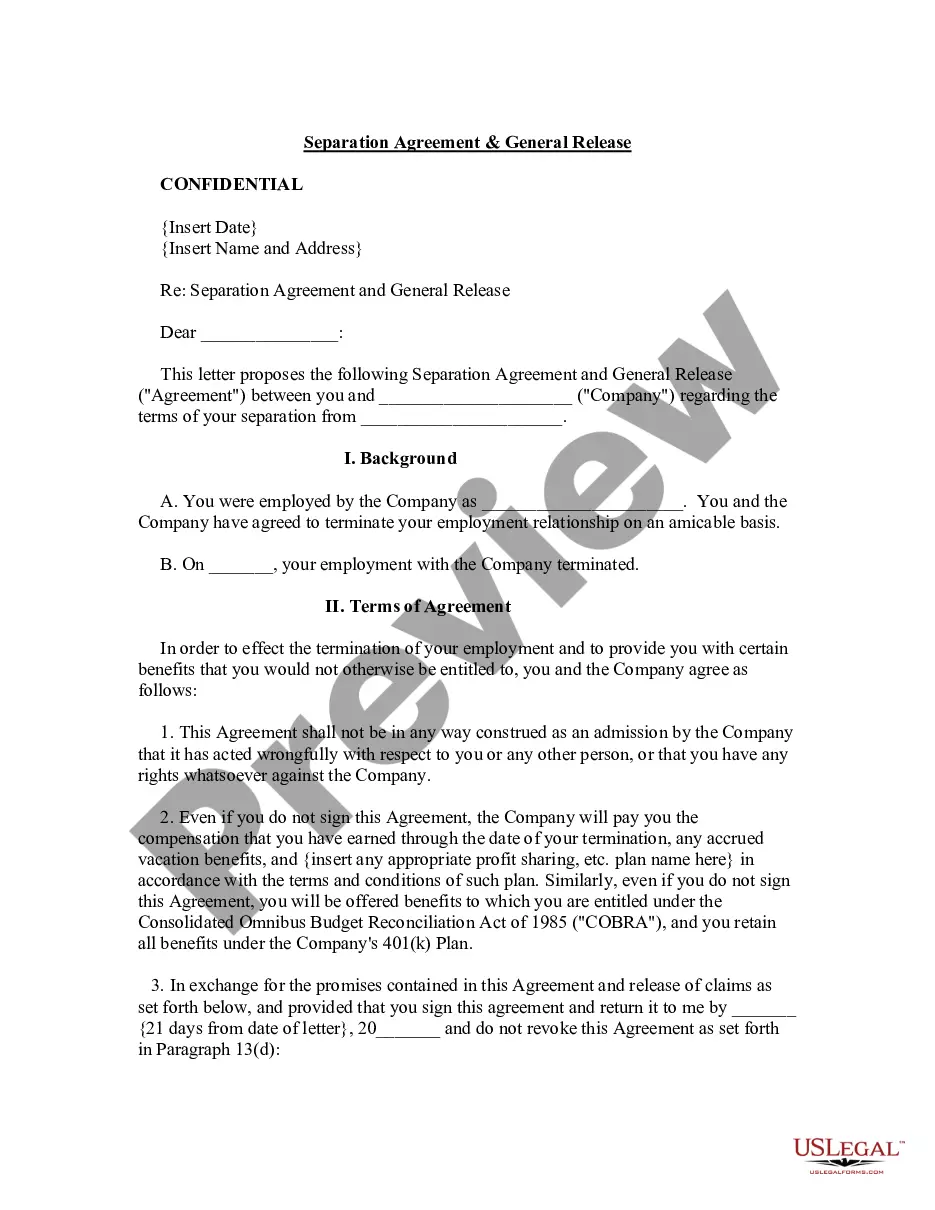

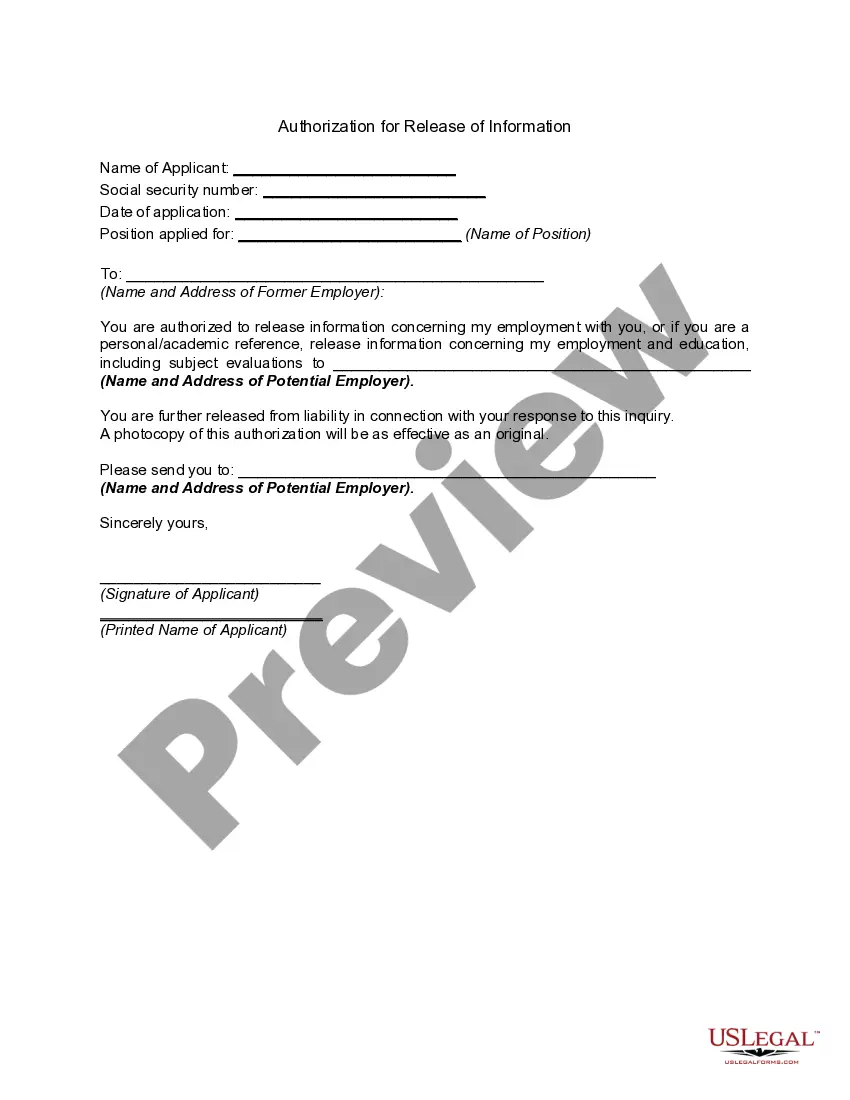
How to fill out Employment Separation Agreement?
Finding the correct legal document template can be challenging. Naturally, there are numerous designs available online, but how can you find the legal template you require? Utilize the US Legal Forms website. The service provides thousands of designs, including the New Jersey Employment Separation Agreement, that are useful for business and personal needs. All documents are reviewed by professionals and adhere to state and federal regulations.
If you are already registered, sign in to your account and click on the Download button to obtain the New Jersey Employment Separation Agreement. Use your account to explore the legal documents you’ve previously acquired. Go to the My documents section of your account and retrieve another copy of the document you need.
If you are a new user of US Legal Forms, here are simple instructions to follow: First, ensure you have selected the correct document for your city/state. You can preview the document using the Preview button and read the document description to confirm it suits your needs. If the document does not satisfy your requirements, use the Search field to find the right document. Once you are confident that the document is correct, click the Acquire now button to get the document. Choose the pricing plan you prefer and enter the necessary details. Create your account and complete your purchase using your PayPal account or credit/debit card. Select the file format and download the legal document template to your device. Complete, modify, print, and sign the purchased New Jersey Employment Separation Agreement.
US Legal Forms is the largest collection of legal documents where you can discover a variety of document templates. Leverage the service to acquire well-crafted papers that comply with state regulations.
- Choosing the correct legal template can be difficult.
- There are countless options available online.
- US Legal Forms site provides thousands of templates.
- All documents are verified by experts.
- Follow simple steps to obtain your required document.
Form popularity
FAQ
A separated employee is one who leaves an employment situation for any reason, whether voluntary or involuntary. A terminated employee is involuntarily let go, usually because of poor performance or lack of work.
When a company ends an employee's job, they typically provide a termination letter, also called a letter of separation, stating the reason for termination and next steps. A termination letter is an official and professional way to document and describe the separation between the employee and employer.
New Jersey's labor laws generally do not require employers to provide severance pay to terminated employees. However, employers that do provide these benefits must do so in accordance with their employment contract or stated policy.
Severance pay a retrenched employee must at least be paid 1 week's pay for each completed year of ongoing service. However, the employer must pay the retrenched employee the amount specified in any policy or his/her employment contract, if that amount is larger.
New Jersey will be the first state in the nation to require covered employers to provide employees with severance pay, whether they provide enough advance WARN notice or not. Specifically, when an employer provides 90-days' notice, the New Jersey law requires one week of severance pay for each year of employment.
Employment Agreements in New Jersey are enforceable during your employment and after your employment terminates for any reason. New Jersey employment contracts typically contain non-compete, non-solicitation and other covenants that will restrict you from competing in the future against the employer.
According to the employment standards in Alberta: After serving three months, an employer must give you one week's notice. After twelve consecutive months of employment, an employer must give you two week's notice. After three consecutive years of employment, an employer must give you three week's notice.
Employment separation occurs when the employment contract or at-will agreement between an employee and his or her company comes to an end. Some terminations will be forced by an employer, including getting fired or laid off. Other separations, like retirement or resignation, will be voluntary.
Under the amended NJ WARN Act, an employer will be required to pay severance in an amount equal to one week of pay for every full year of employment to affected employees, regardless of whether advance notice is provided. Currently, severance pay is required as a penalty for failing to provide WARN notice.
As long as severance is paid in a lump sum, is intended to recognize past years of service, or does not otherwise extend a person's employment, it should not affect eligibility for NJ unemployment.