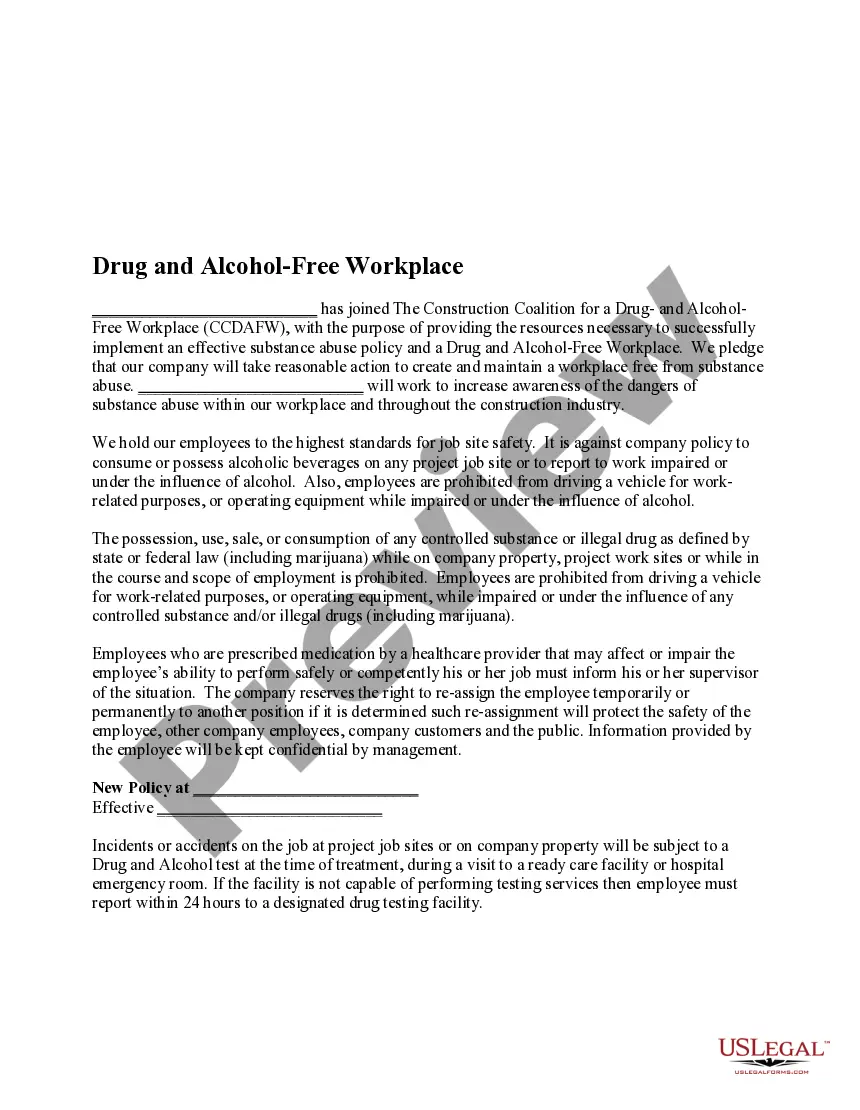
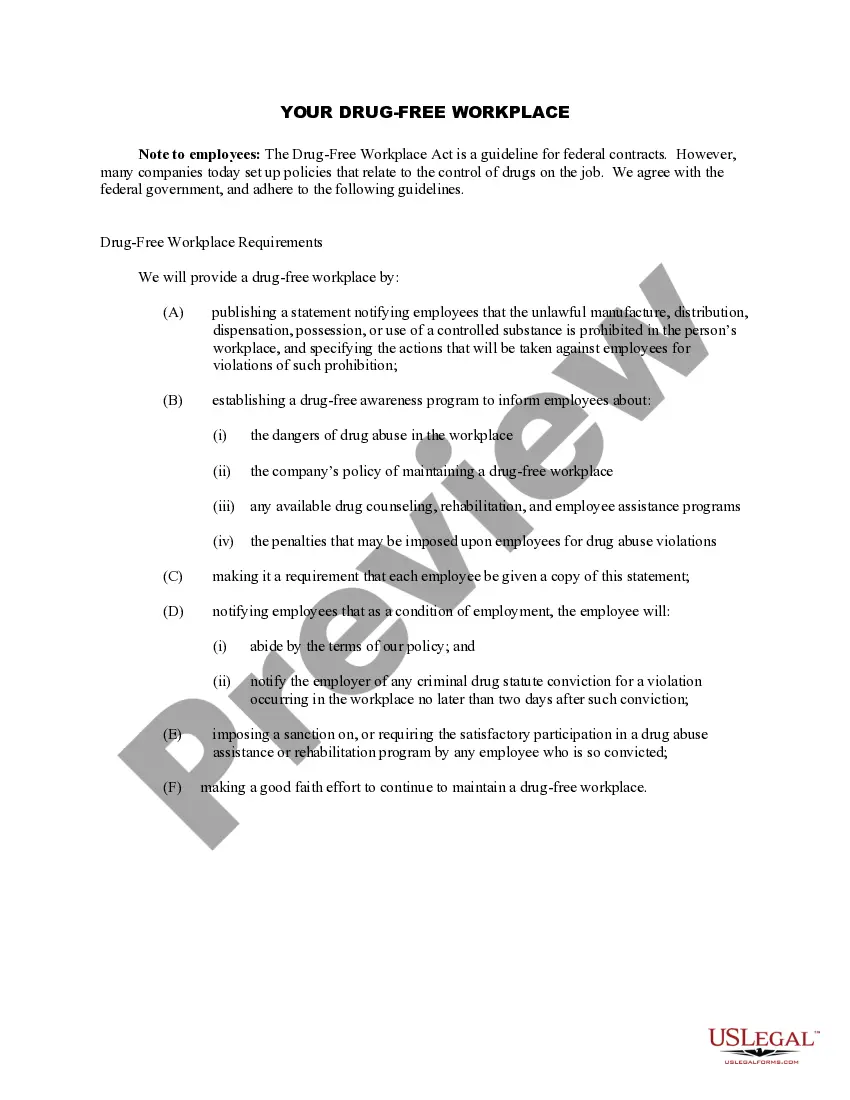
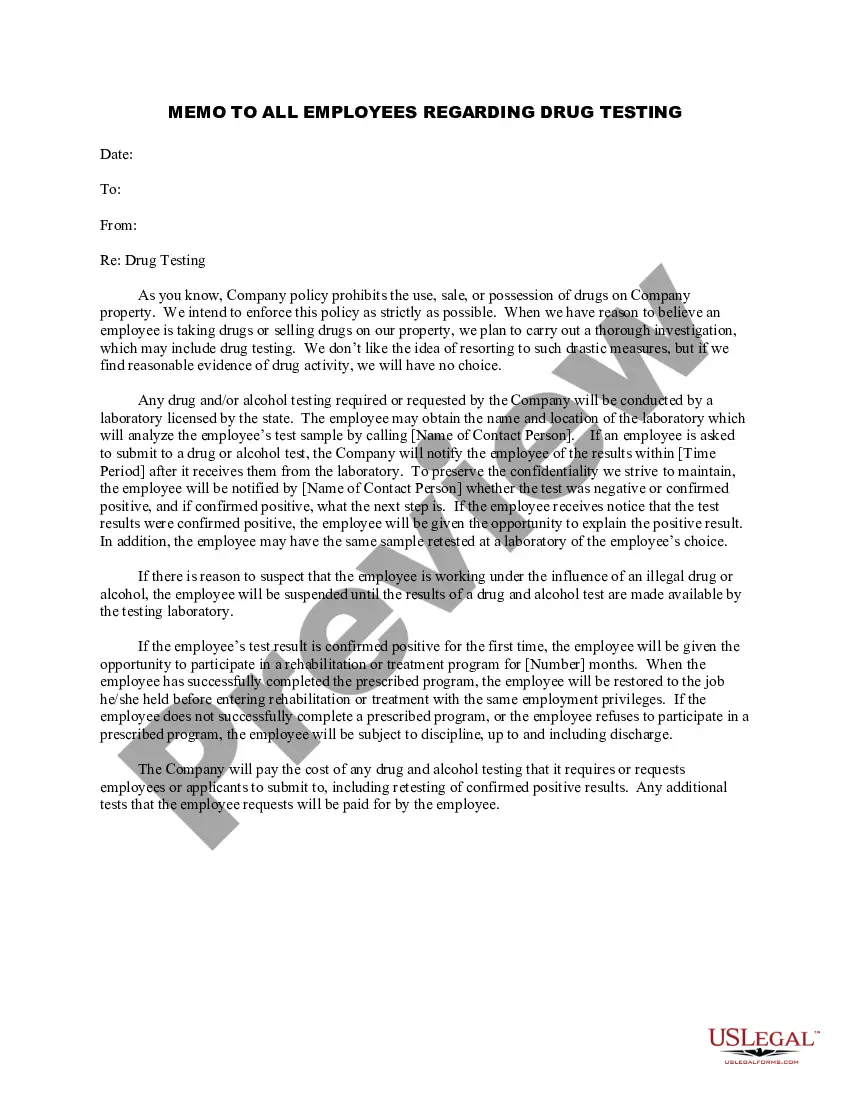
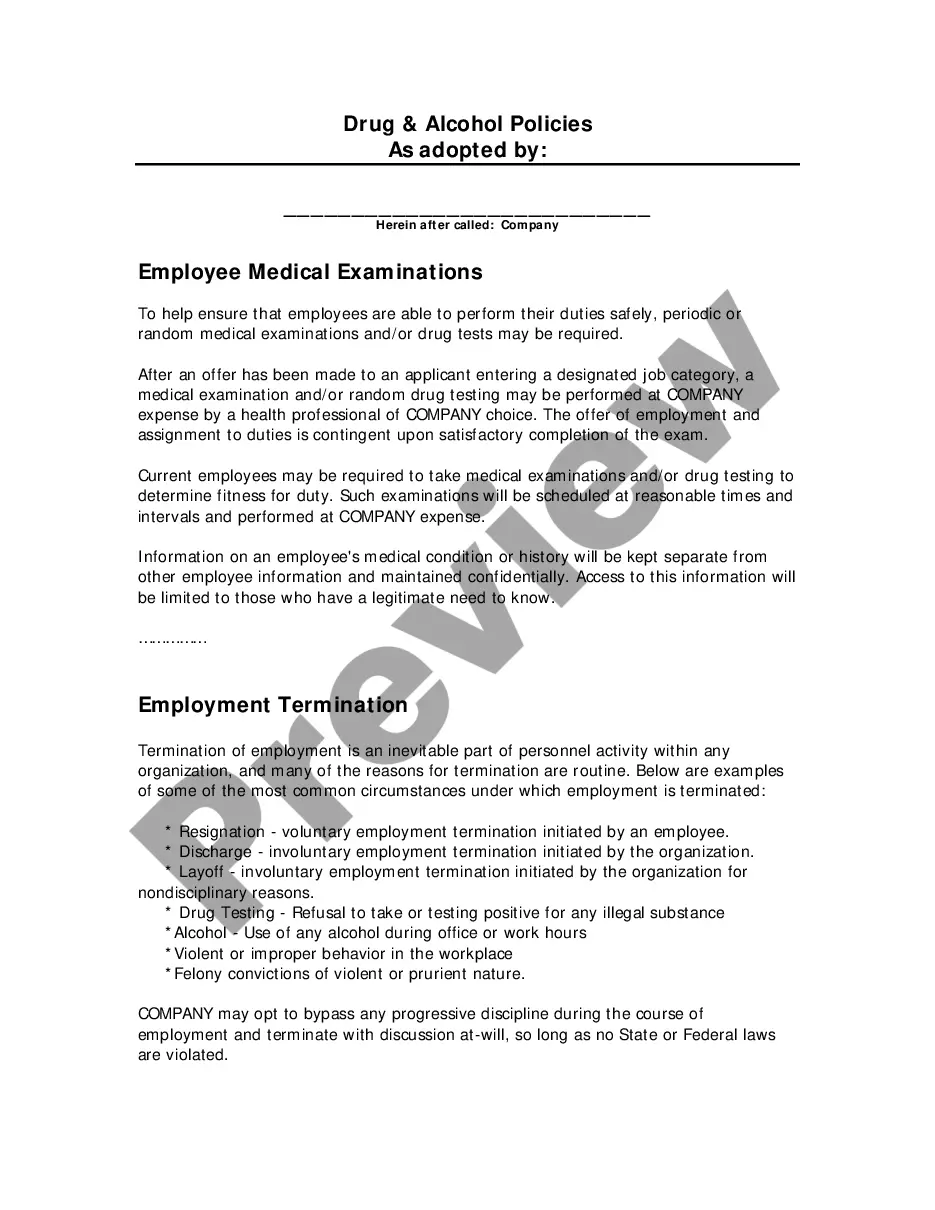
New Jersey Your Drug-Free Workplace
Description
Get your form ready online
Our built-in tools help you complete, sign, share, and store your documents in one place.
Make edits, fill in missing information, and update formatting in US Legal Forms—just like you would in MS Word.
Download a copy, print it, send it by email, or mail it via USPS—whatever works best for your next step.
Sign and collect signatures with our SignNow integration. Send to multiple recipients, set reminders, and more. Go Premium to unlock E-Sign.
If this form requires notarization, complete it online through a secure video call—no need to meet a notary in person or wait for an appointment.
We protect your documents and personal data by following strict security and privacy standards.

Make edits, fill in missing information, and update formatting in US Legal Forms—just like you would in MS Word.

Download a copy, print it, send it by email, or mail it via USPS—whatever works best for your next step.

Sign and collect signatures with our SignNow integration. Send to multiple recipients, set reminders, and more. Go Premium to unlock E-Sign.

If this form requires notarization, complete it online through a secure video call—no need to meet a notary in person or wait for an appointment.

We protect your documents and personal data by following strict security and privacy standards.
Looking for another form?







How to fill out Your Drug-Free Workplace?
Locating the correct authorized document template can be a challenge.
Of course, there are numerous templates accessible online, but how can you identify the legal form you require.
Utilize the US Legal Forms website. The platform provides thousands of templates, including the New Jersey Your Drug-Free Workplace, that you can employ for both professional and personal use.
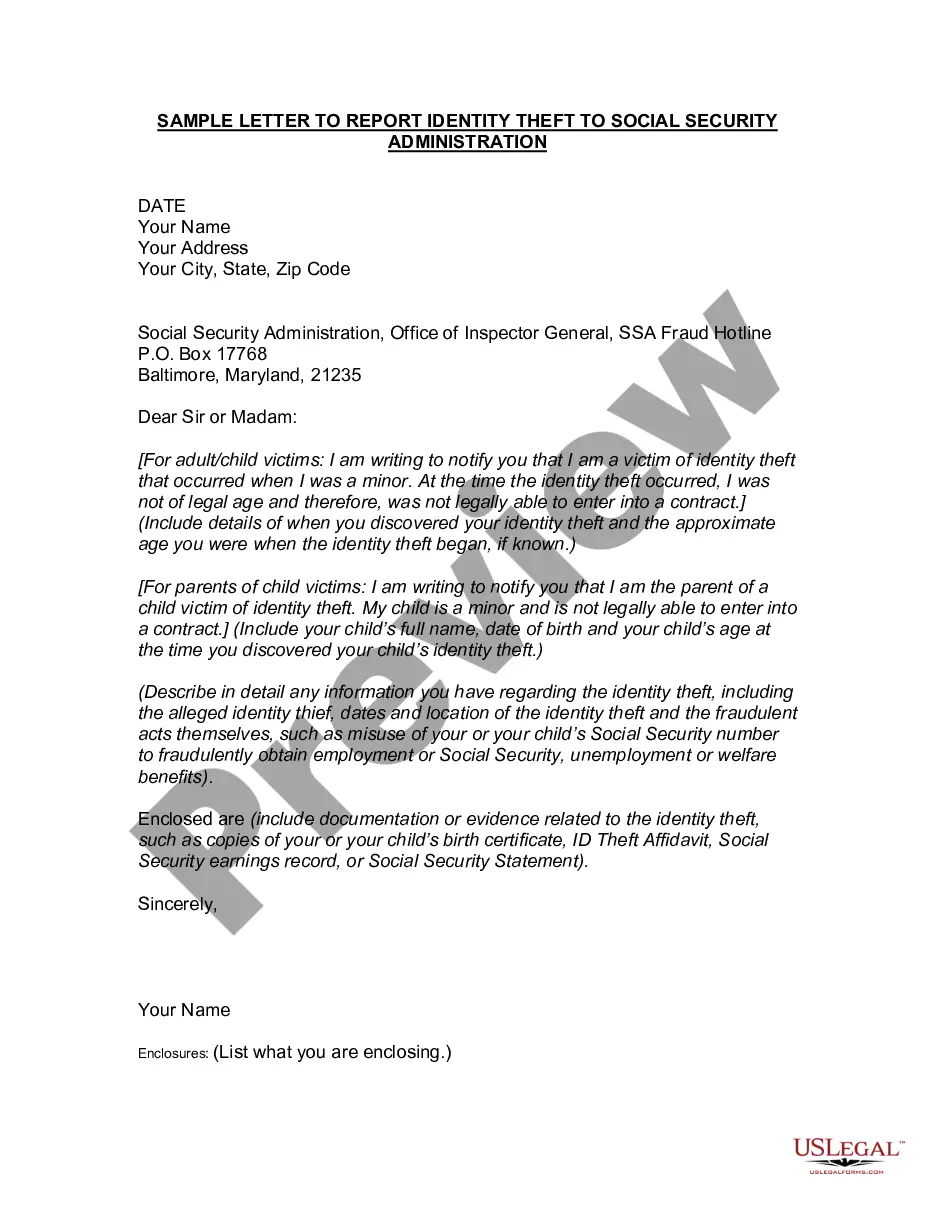
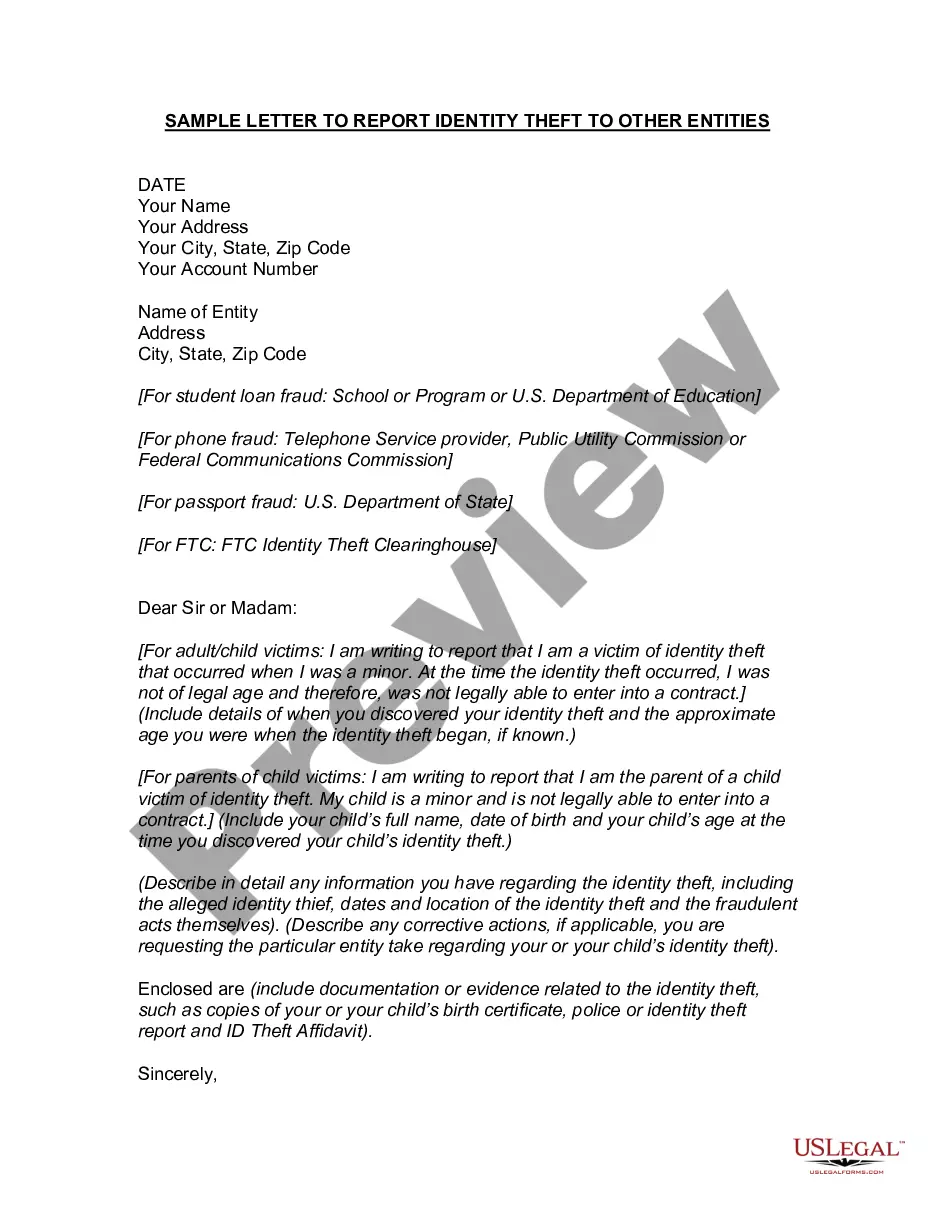
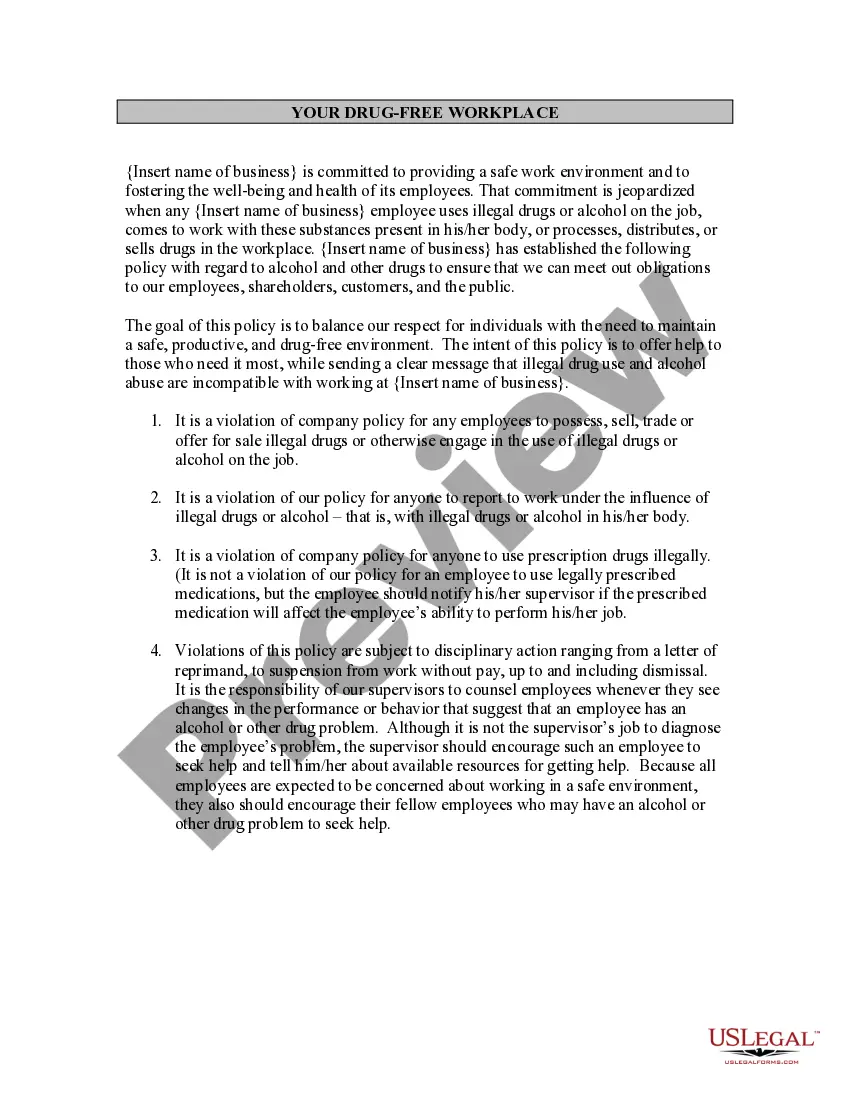
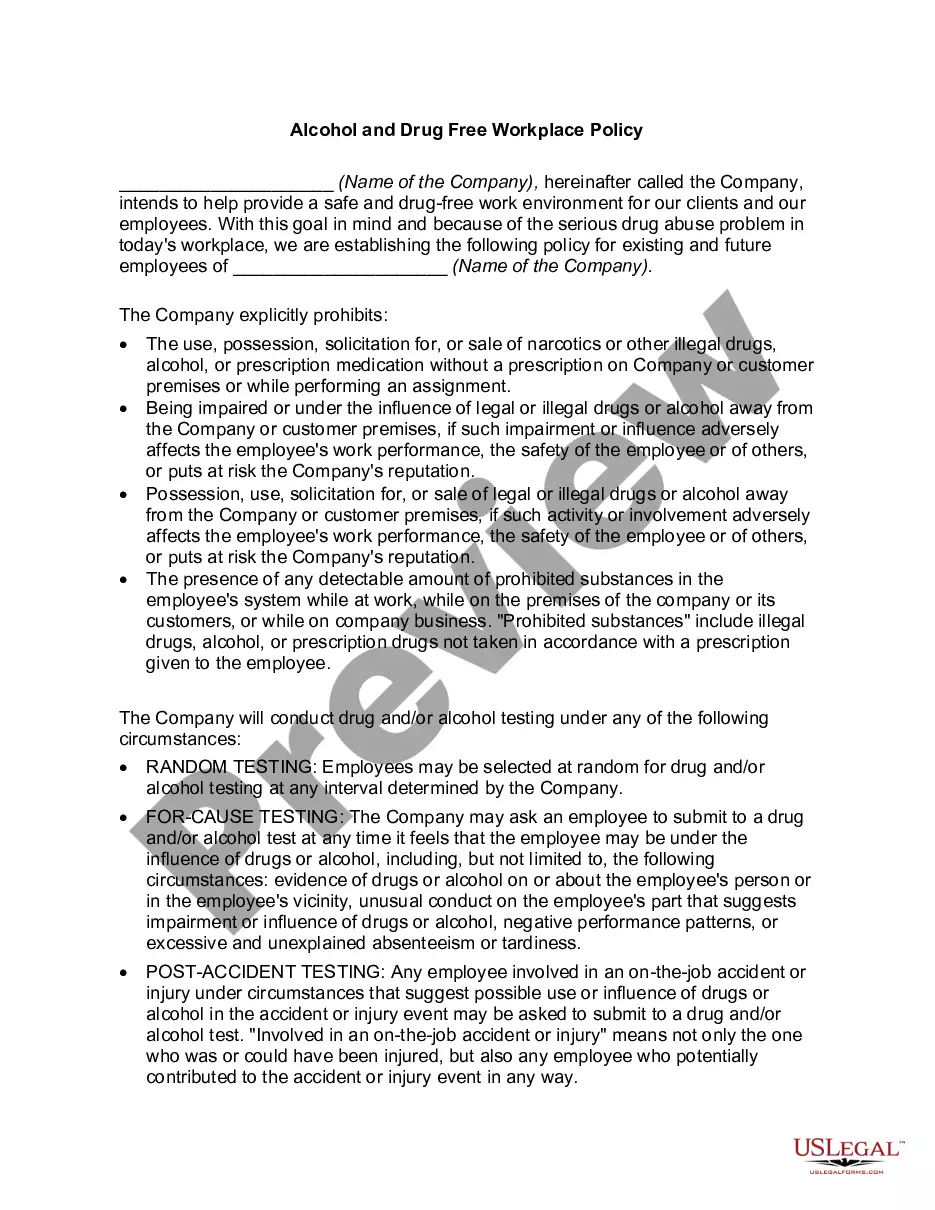
You can view the form using the Review button and read the form summary to ensure it is the correct one for you.
- All of the documents are reviewed by professionals and comply with federal and state regulations.
- If you are already a member, sign in to your account and click the Download button to retrieve the New Jersey Your Drug-Free Workplace.
- Use your account to search through the authorized documents you have previously purchased.
- Visit the My documents section of your account to download any additional version of the document you require.
- If you are a new user of US Legal Forms, here are some simple instructions to follow.
- First, ensure you have selected the appropriate form for your city/state.
Form popularity
FAQ
If you fail a drug test in New Jersey but hold a medical marijuana card, the situation can be complex. New Jersey's laws provide certain protections for medical marijuana users, but these do not necessarily prevent employment consequences. Employers in New Jersey are allowed to maintain a drug-free workplace, which includes testing for substances, so your job may still be at risk. To navigate this situation effectively, consider using resources like US Legal Forms to understand your rights and plan your next steps.
Pre-employment drug testing in New Jersey for 2025 involves screening candidates for illegal substances before they join a company. This practice is essential for maintaining a safe workplace, as it supports the state's goals for a drug-free environment. New Jersey Your Drug-Free Workplace emphasizes the significance of these tests in hiring decisions, ensuring that new employees align with an organization’s commitment to safety and health.
The Healthy Workplace Act in New Jersey aims to promote safe and drug-free environments for employees. This legislation encourages employers to establish policies that contribute to a healthy workplace, aligning with the vision of New Jersey Your Drug-Free Workplace. By implementing this act, employers can increase productivity and enhance employee well-being, ultimately creating a more positive work environment.
The drug policy in New Jersey includes regulations on the use of controlled substances, especially in the workplace. Employers can establish their policies to promote a drug-free environment. If you are concerned about conflicts regarding a New Jersey Your Drug-Free Workplace, it may be beneficial to consult resources like uslegalforms for clear guidance on navigating these policies effectively.
New Jersey has specific drug laws that regulate both the use and distribution of controlled substances. While recreational marijuana usage is now legal, organizations maintain the right to enforce drug-free workplace policies. When navigating these regulations, especially as part of a New Jersey Your Drug-Free Workplace, it is wise to stay informed and seek guidance compliant with the law.
Drug tests in New Jersey typically screen for substances such as marijuana, cocaine, opiates, amphetamines, and phencyclidine (PCP). Specific tests may vary depending on the employer’s policies and the context of the testing. If you are part of a New Jersey Your Drug-Free Workplace, understanding what substances are tested can help you maintain compliance and avoid issues.
Yes, a job can choose not to hire you if you have a medical card in New Jersey. Employers in New Jersey can enforce their drug-free policies, which may include disqualifying candidates who test positive for drugs. Therefore, it's crucial for job seekers to understand the implications of being part of a New Jersey Your Drug-Free Workplace while applying for jobs.
Yes, you can fail a drug test even if you have a medical card in New Jersey. Employers have the right to maintain a drug-free workplace and may enforce their own drug testing policies. If you are involved in a New Jersey Your Drug-Free Workplace, it is advisable to be cautious and communicate with your employer about your medical usage to avoid misunderstandings.
Yes, you can buy from a dispensary in New Jersey. The state has legalized cannabis for both medical and recreational use, making it accessible to eligible individuals. However, it's essential to ensure that you comply with state laws and regulations, especially if you are maintaining a New Jersey Your Drug-Free Workplace. Always check with local laws to avoid any legal complications.