New Mexico Buyer's Home Inspection Checklist
Description
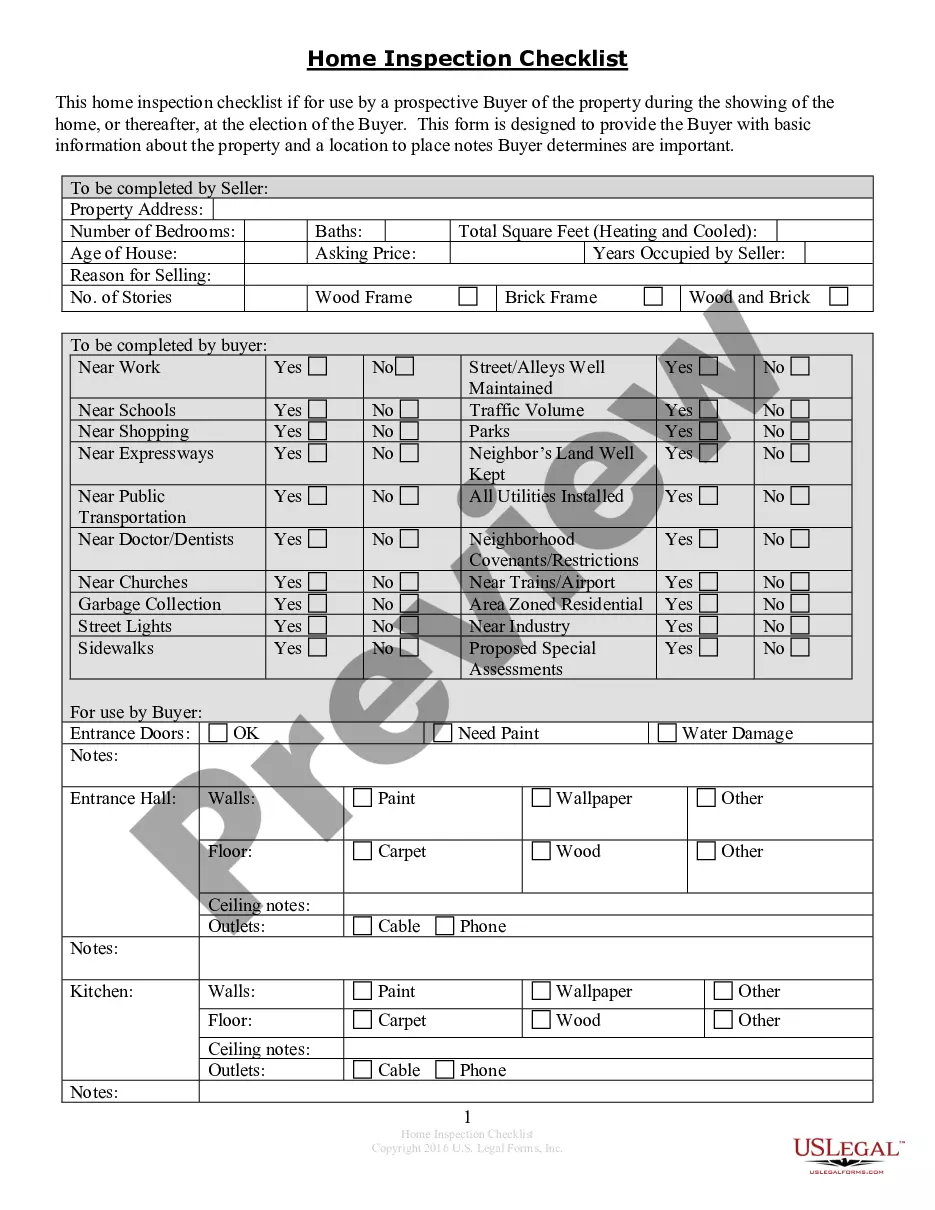
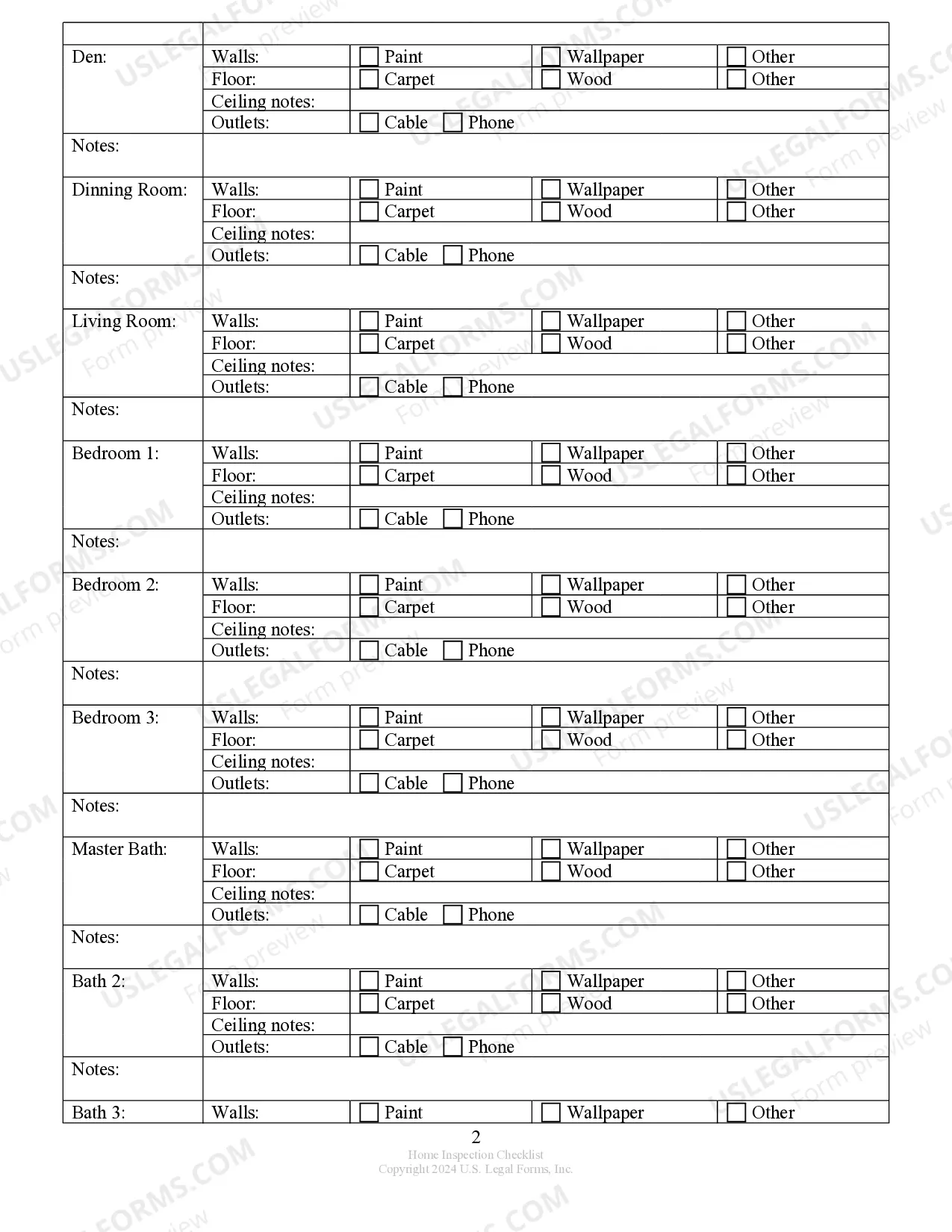
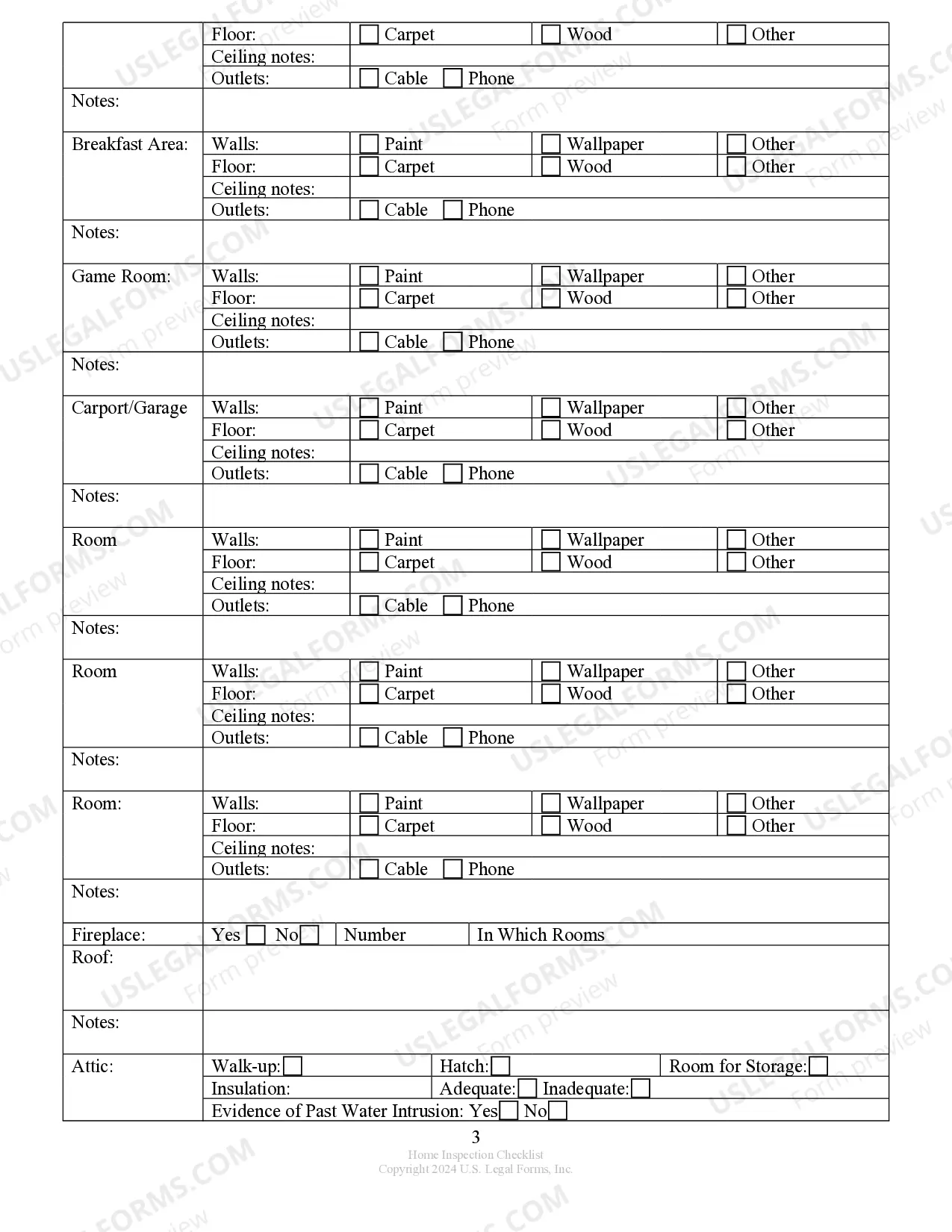
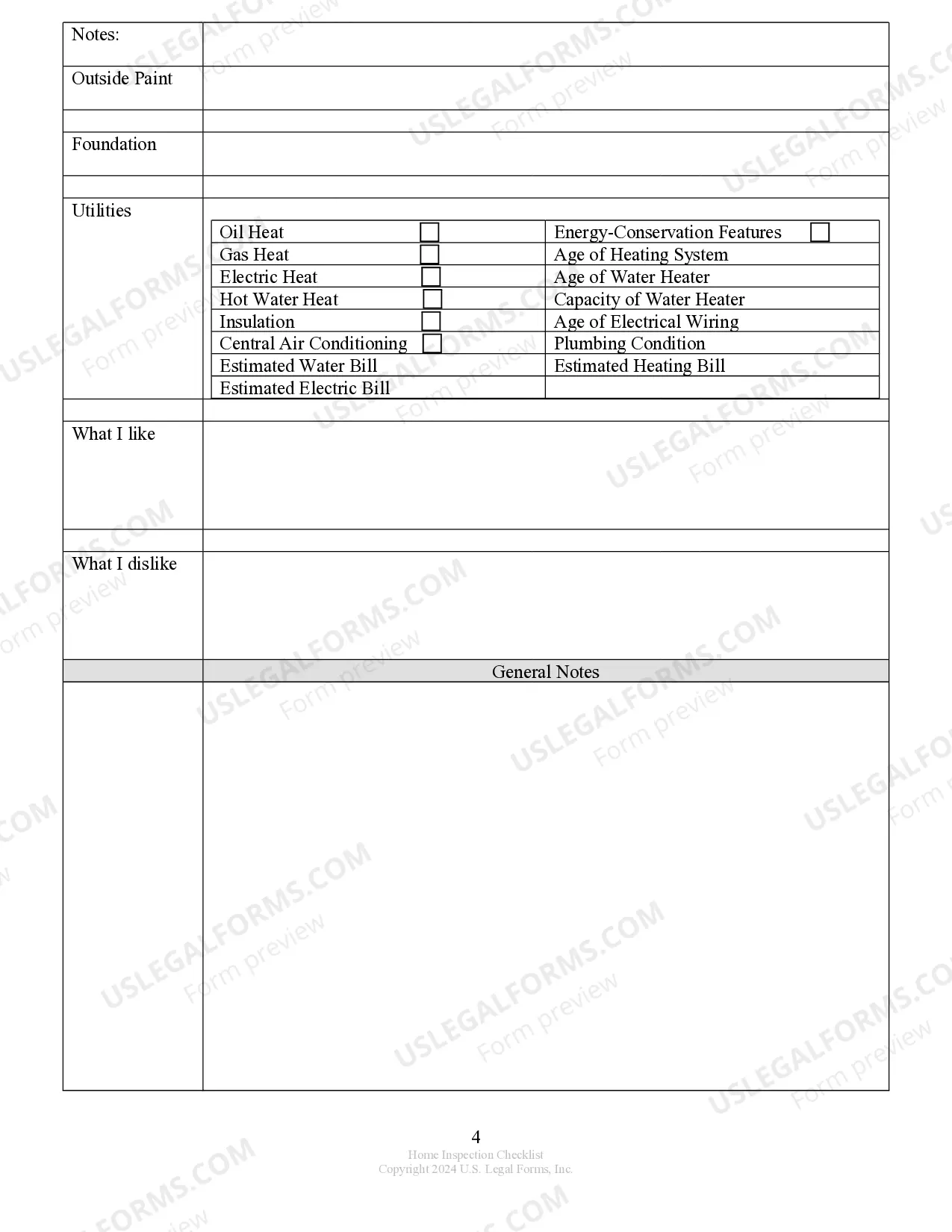
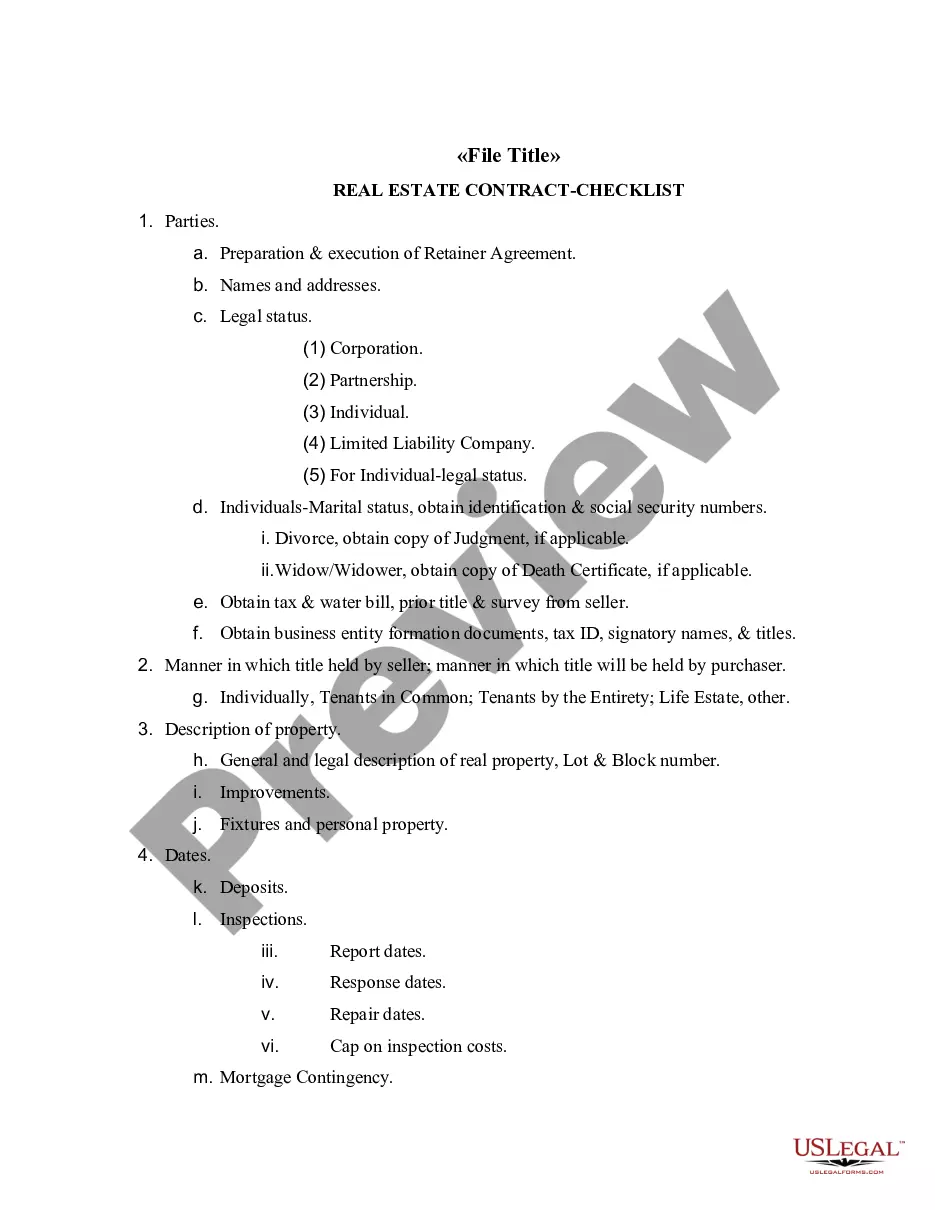
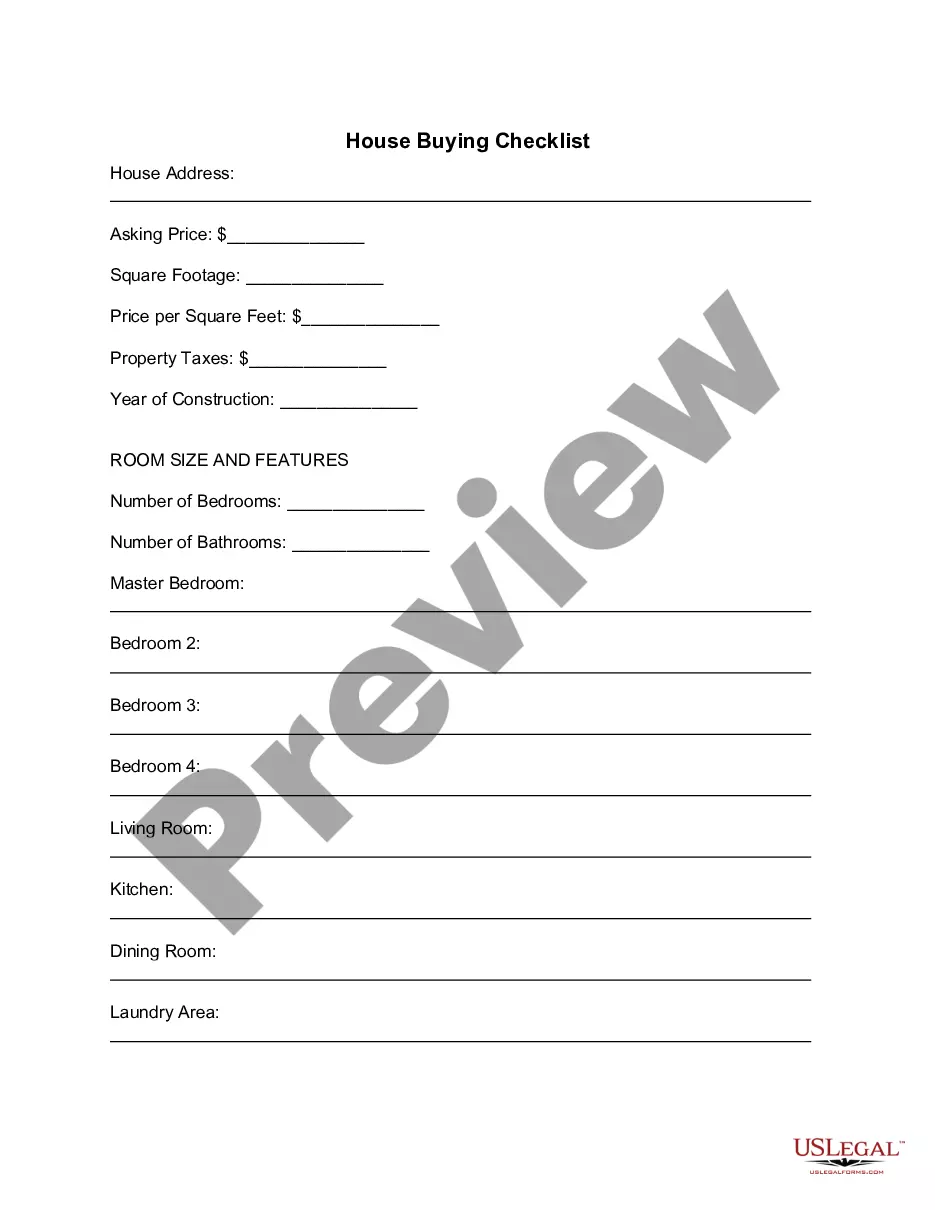
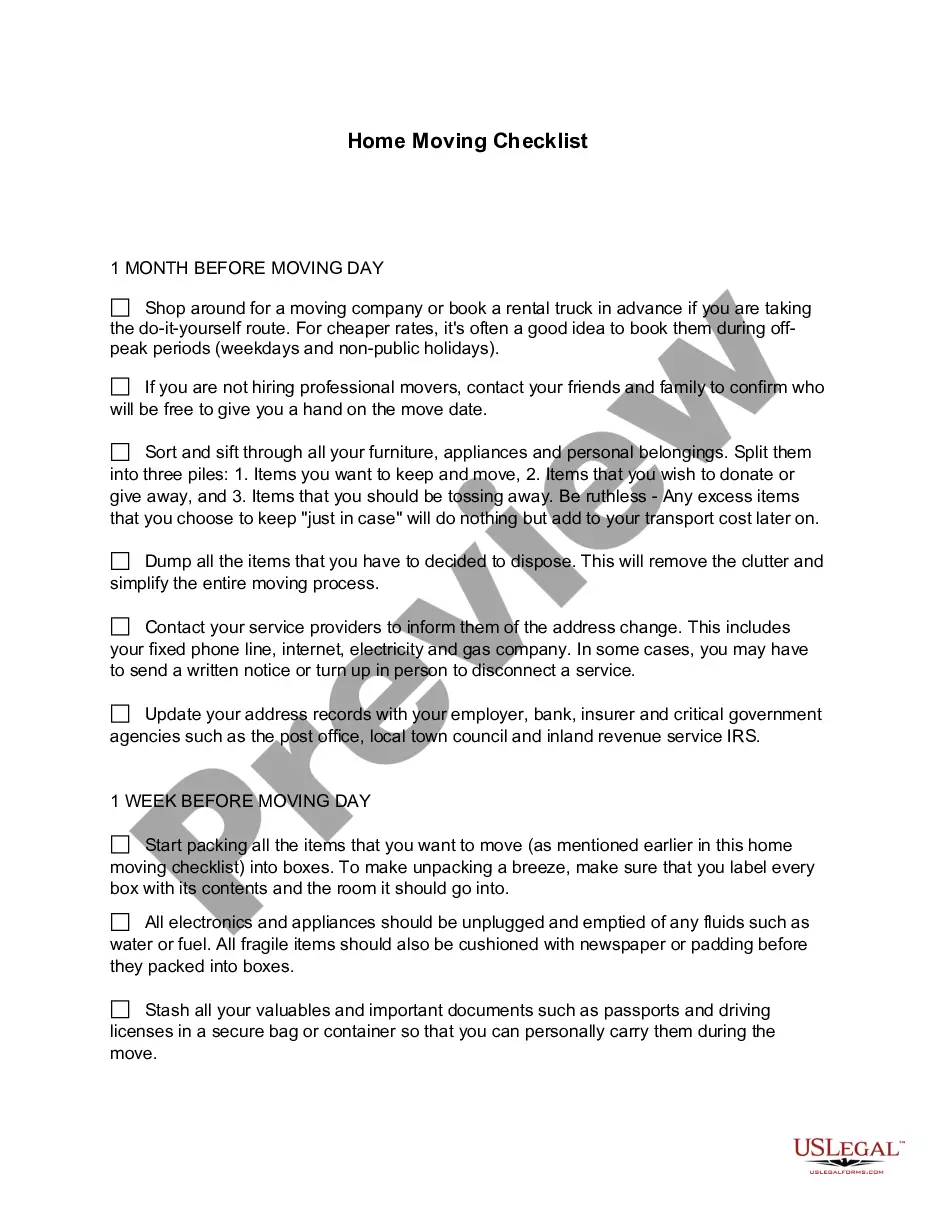
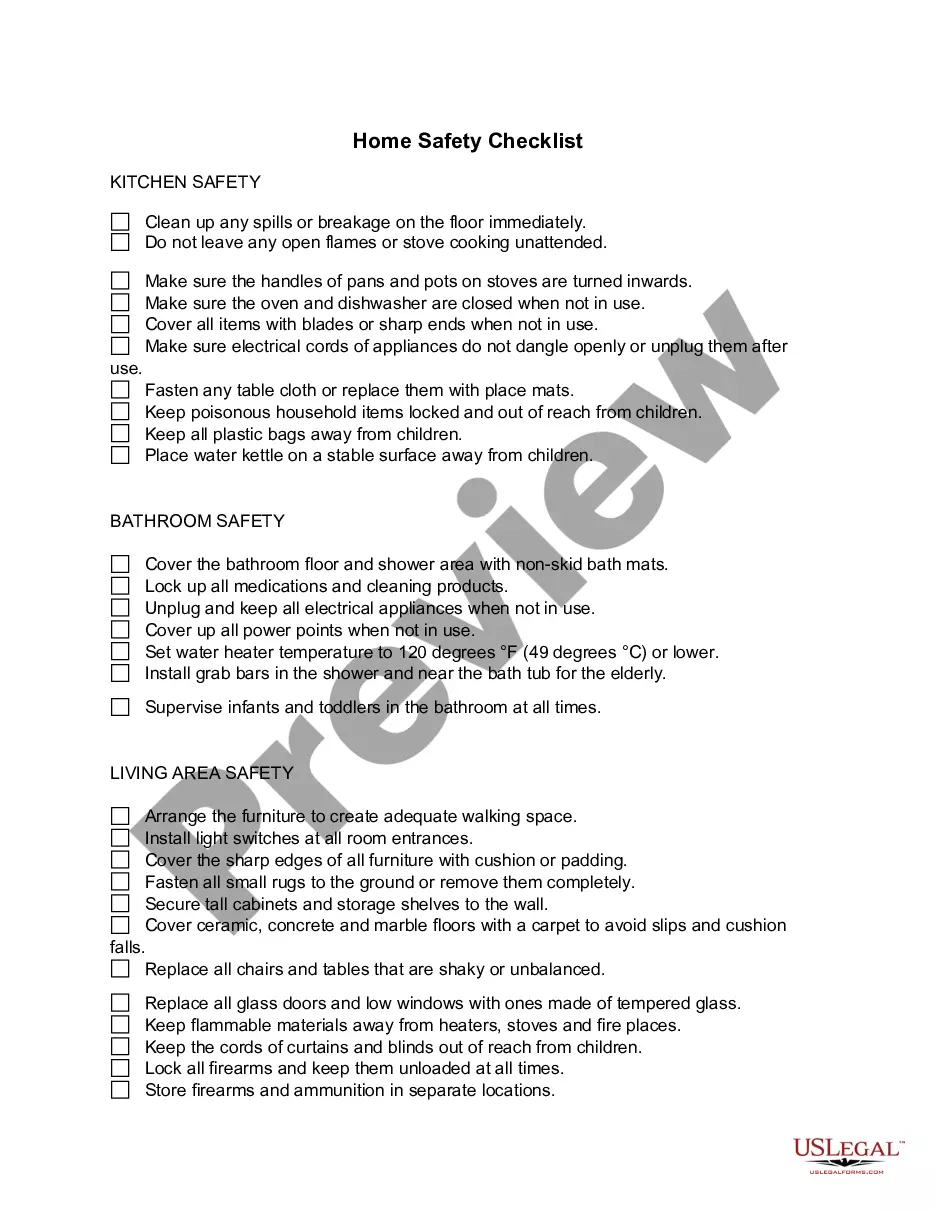
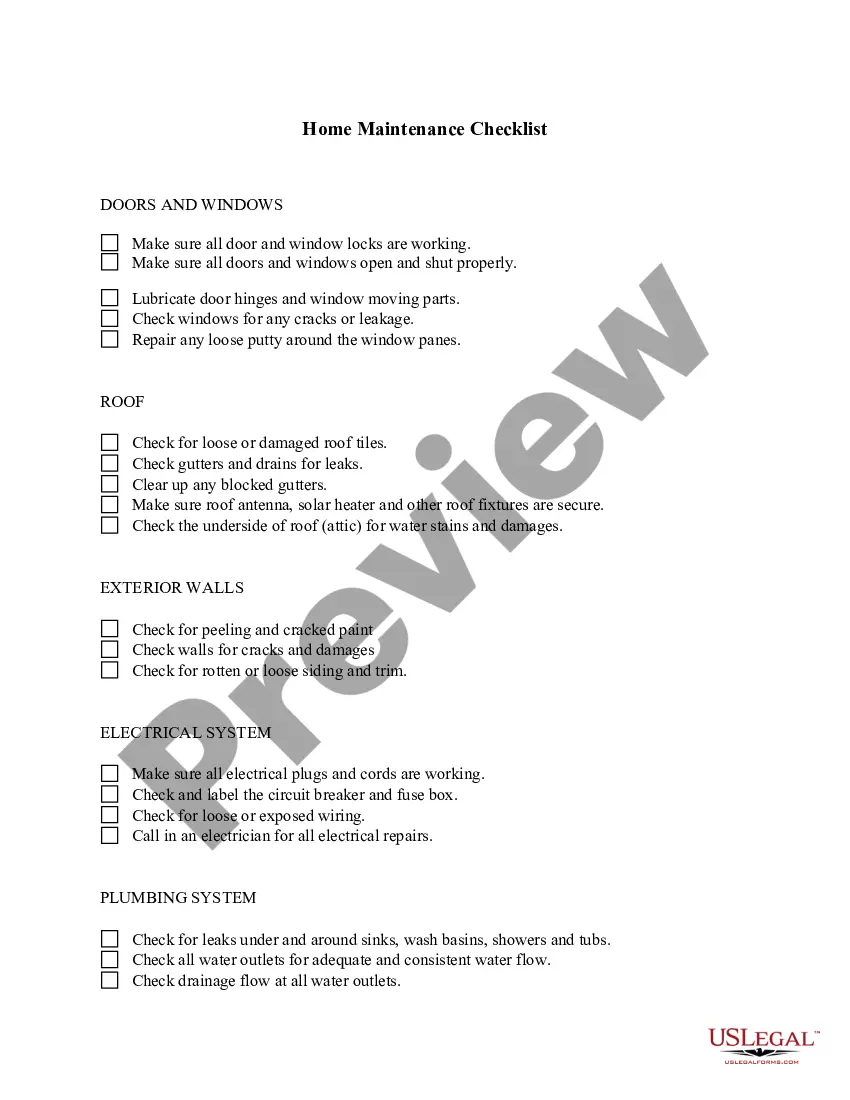




How to fill out New Mexico Buyer's Home Inspection Checklist?
Among lots of paid and free templates that you get online, you can't be sure about their accuracy and reliability. For example, who made them or if they’re skilled enough to deal with the thing you need these people to. Always keep relaxed and use US Legal Forms! Locate New Mexico Buyer's Home Inspection Checklist templates developed by professional attorneys and prevent the expensive and time-consuming procedure of looking for an lawyer or attorney and after that having to pay them to write a papers for you that you can easily find yourself.
If you already have a subscription, log in to your account and find the Download button next to the file you’re trying to find. You'll also be able to access your earlier downloaded files in the My Forms menu.
If you’re using our service the first time, follow the guidelines below to get your New Mexico Buyer's Home Inspection Checklist fast:
- Make sure that the document you find applies where you live.
- Review the file by reading the description for using the Preview function.
- Click Buy Now to start the purchasing process or find another template using the Search field located in the header.
- Choose a pricing plan and create an account.
- Pay for the subscription using your credit/debit/debit/credit card or Paypal.
- Download the form in the required file format.
When you have signed up and paid for your subscription, you can utilize your New Mexico Buyer's Home Inspection Checklist as often as you need or for as long as it continues to be valid where you live. Edit it with your preferred editor, fill it out, sign it, and print it. Do far more for less with US Legal Forms!
Form popularity
FAQ
A buyer and seller's real estate agents will be able to fill them in on the laws in their particular state, but in general a seller is responsible for paying to fix severe water damage or mold issues, to replace missing or broken smoke detectors, and to remedy building code violations, among other things.
Water Damage. Most home inspectors agree that water damage to the structure is one of the most damaging and costly problems you can encounter. Faulty Wiring. Poor Drainage and Grade Sloping. Problematic Gutters. Roof Issues. Foundation Flaws. General Disrepair. Faulty Plumbing.
It's a good idea for the buyer to attend the home inspection because it'll be the perfect chance to ask the inspector how the home's various systems work and hear about maintenance. I always encourage the buyer at the beginning of the inspection to share anything that they have questions about, Pretty says.
Replace light bulbs. Re-caulk around bathtubs and sinks. Repair any water damage in bathrooms. Remove any drain clogs. Update any dingy grout. Replace torn screens and cracked windows. Replace any missing roofing. Replace damaged insulation in attic and crawl space.
Ask the seller to make the repairs themselves. Ask for credits toward your closing costs. Ask the seller to reduce the sales price to make up for the repairs. Back out of the transaction (if you have an inspection contingency in place) Move forward with the deal.
Problem #1: Rundown roofing. Problem #2: Drainage issues. Problem #3: Faulty foundation. Problem #4: Plumbing problems. Problem #5: Pest infestations. Problem #6: Hidden mold. Problem #7: Failing heating systems. Problem#8: Electrical wiring.
Chimney Inspections. Electrical Inspections. Lead-Based Paint. Heating and Air Conditioning. Wood Damage. Foundation Inspections. Pool and Spa Inspections. Roof Inspections.
Provide open access to areas that need to be checked. Clear the perimeter. Check the roof. Keep a clean house. Replace any bulbs that are out. Make sure your toilets are functioning properly. Put in a fresh furnace return filter.
A home inspector will look at things like a home's foundation, structural components, roof, HVAC, plumbing, and electrical systems, then provide a written home inspection report with results.Buyers should attend the inspection so they can explore their new home in detail and ask questions during the process.