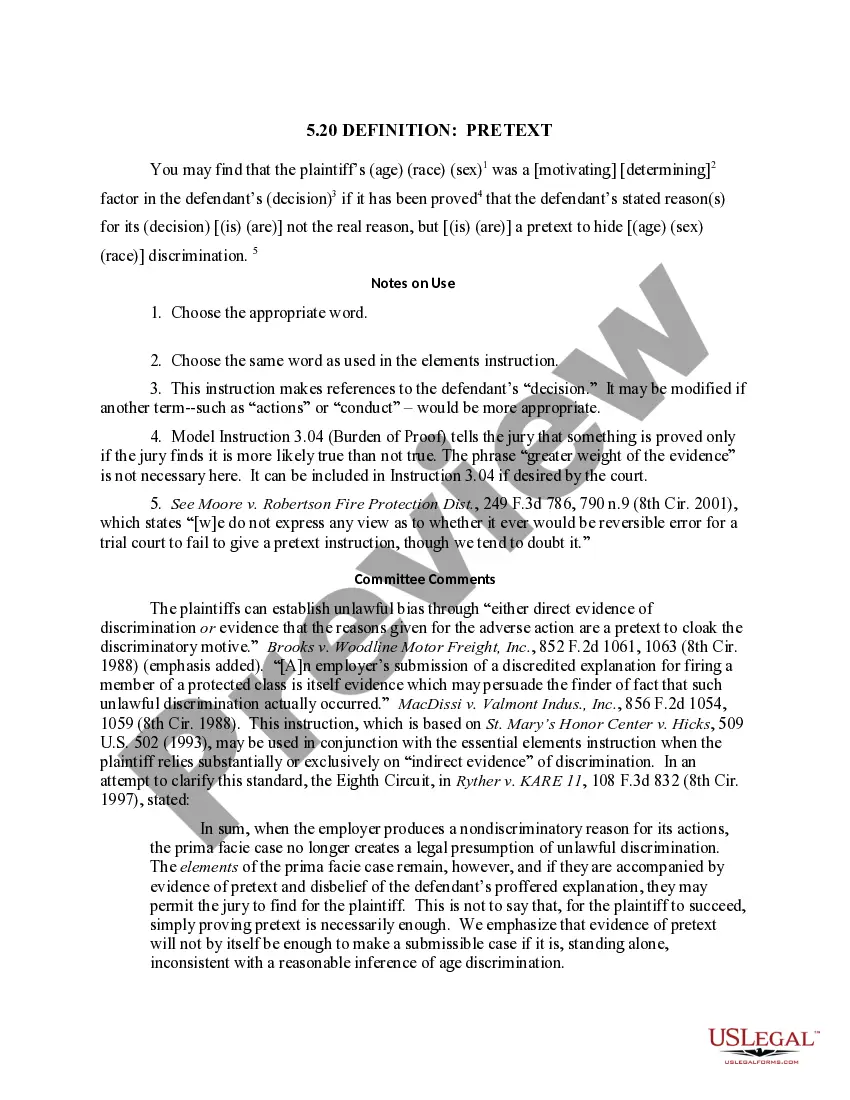
New Mexico Motion to Bar Use of Certain Aggravating Circumstances
Description
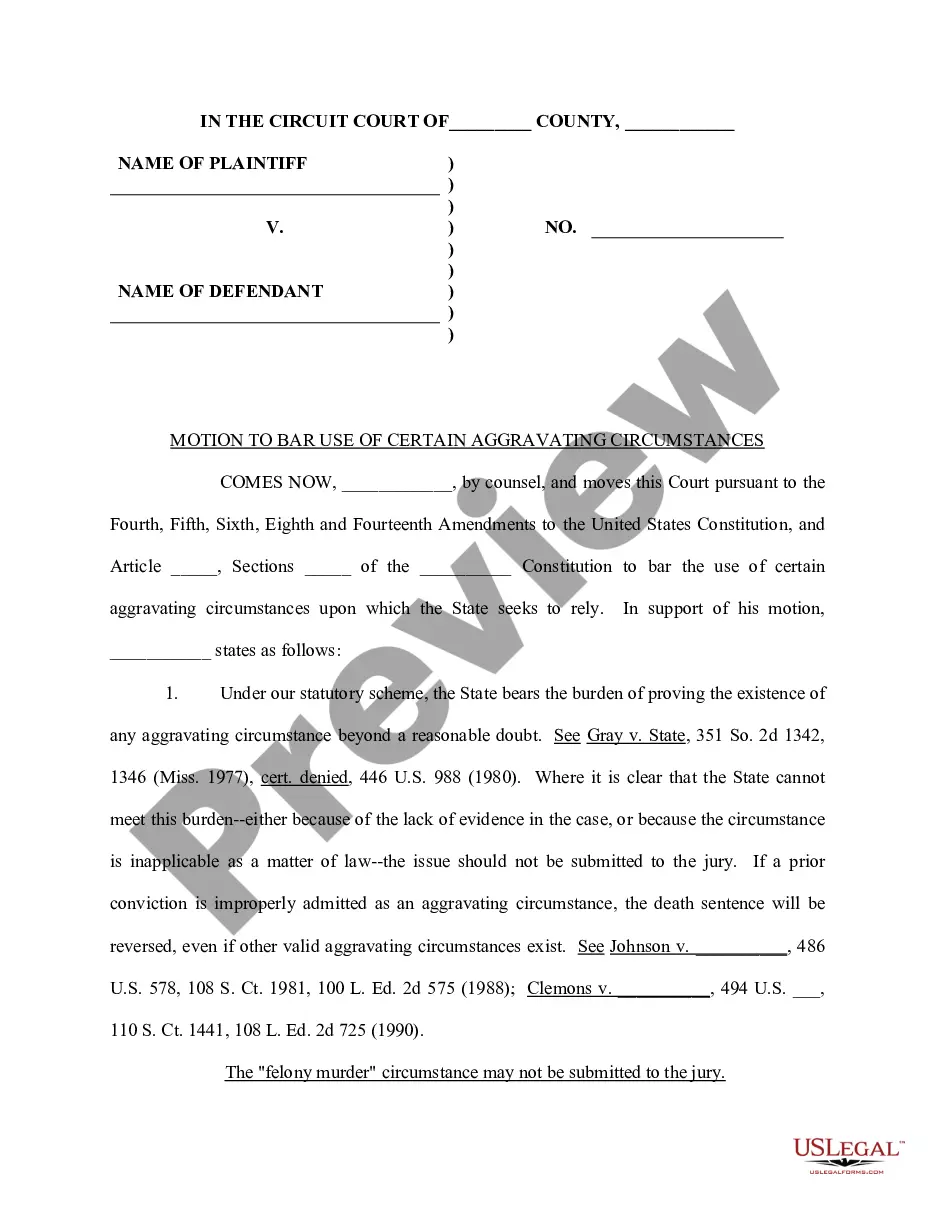
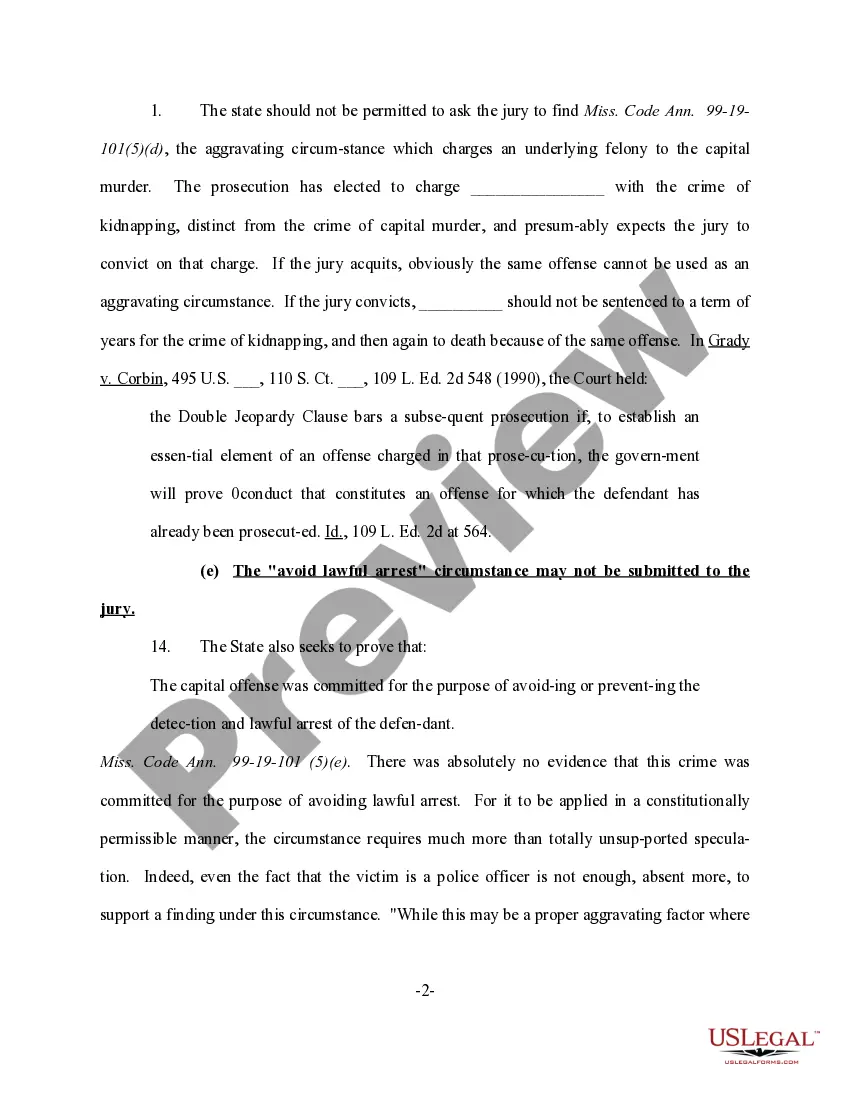
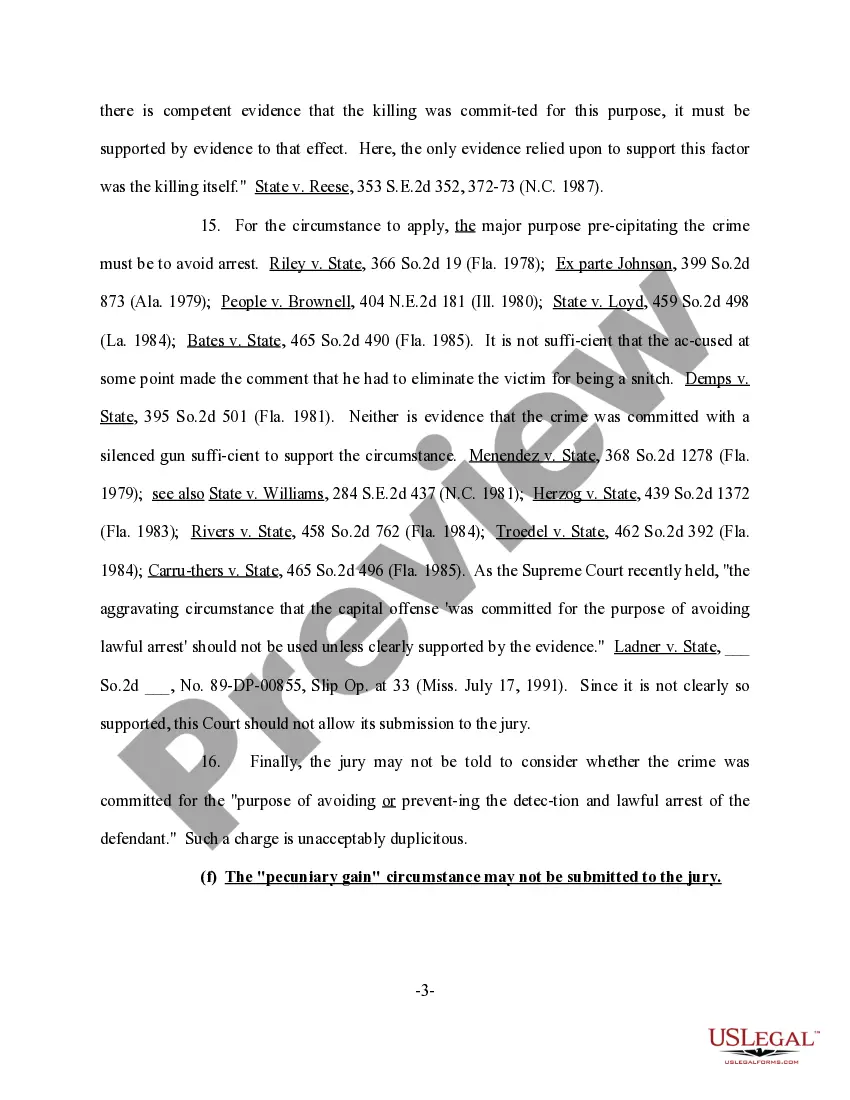
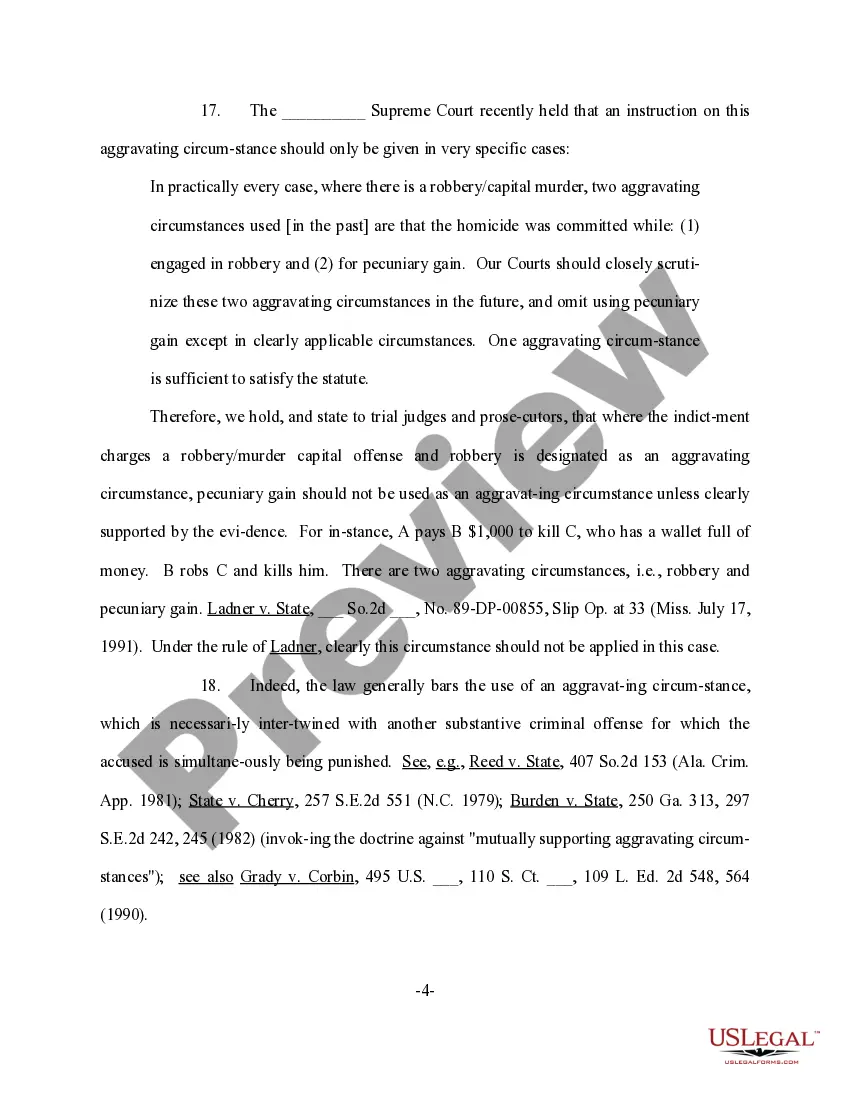
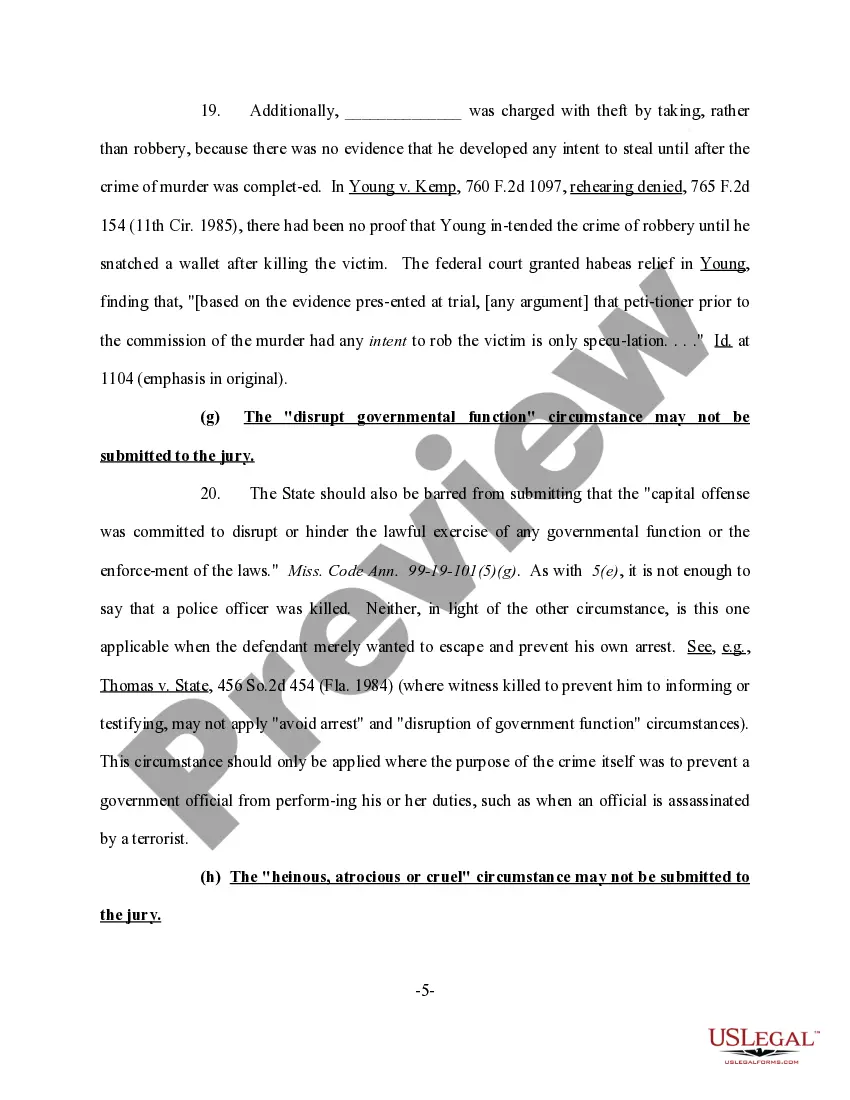
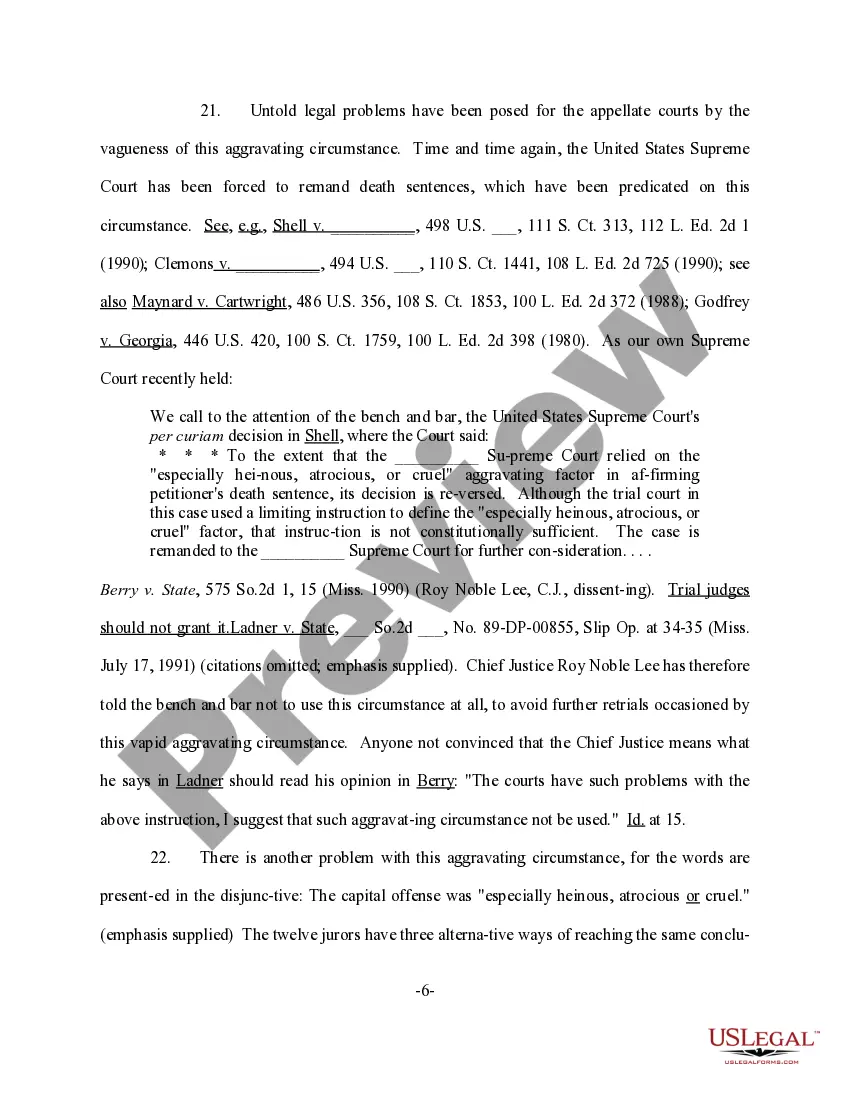
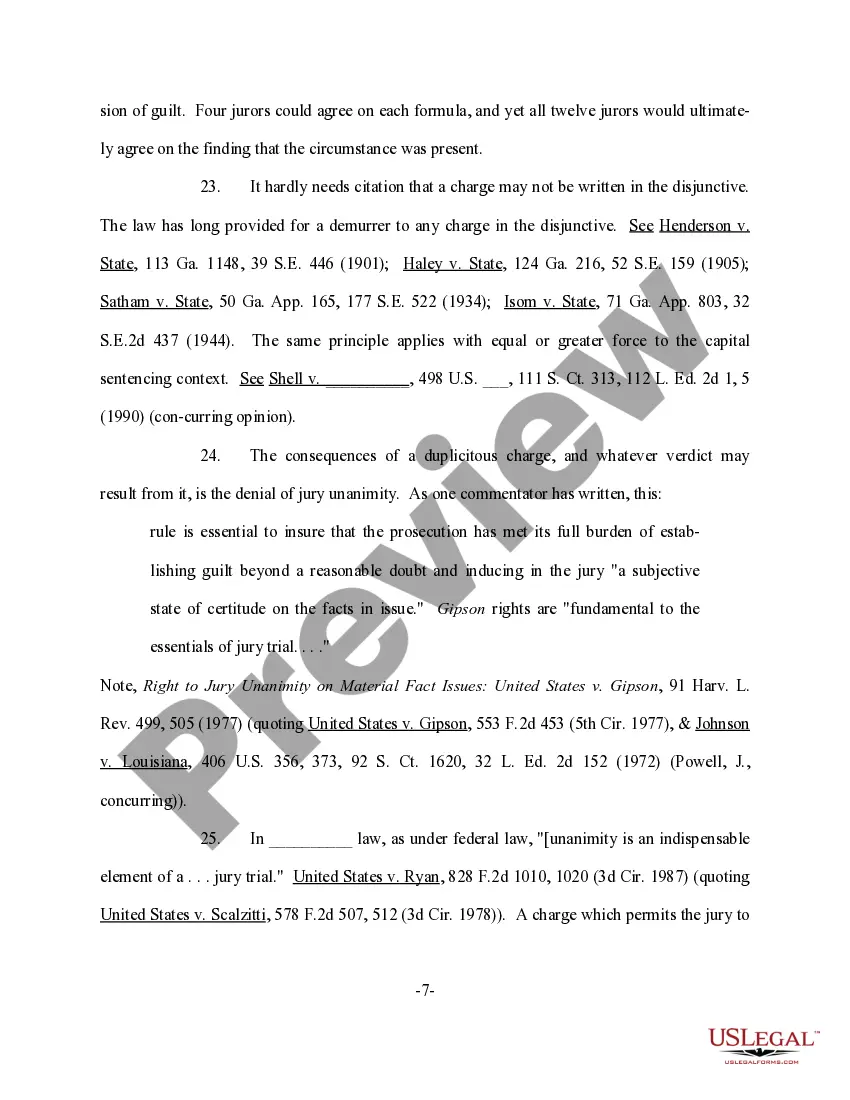
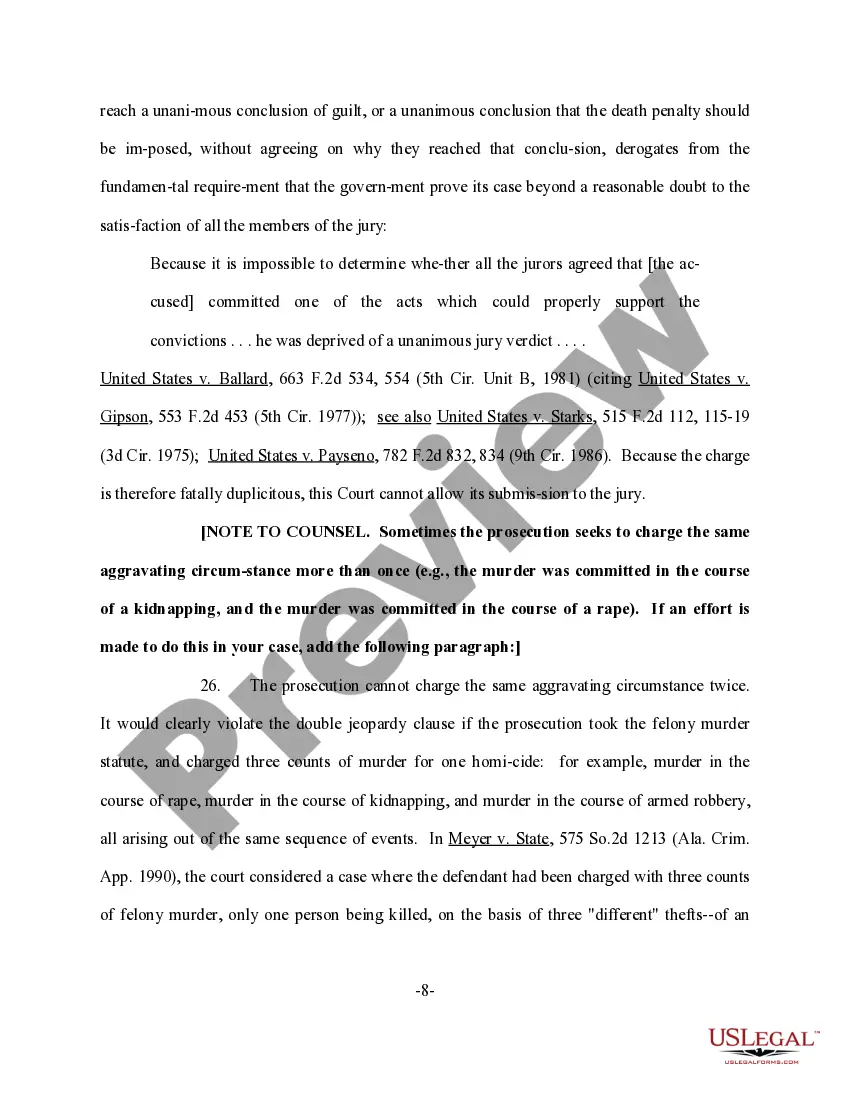
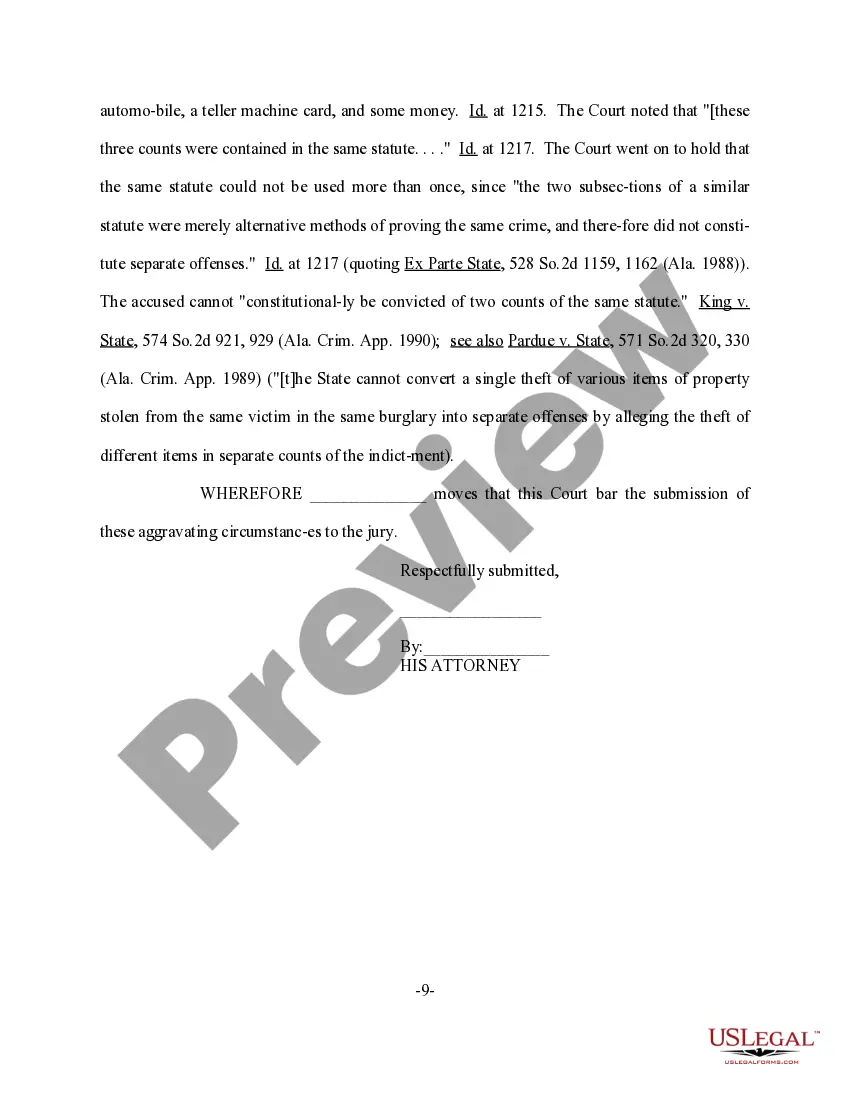
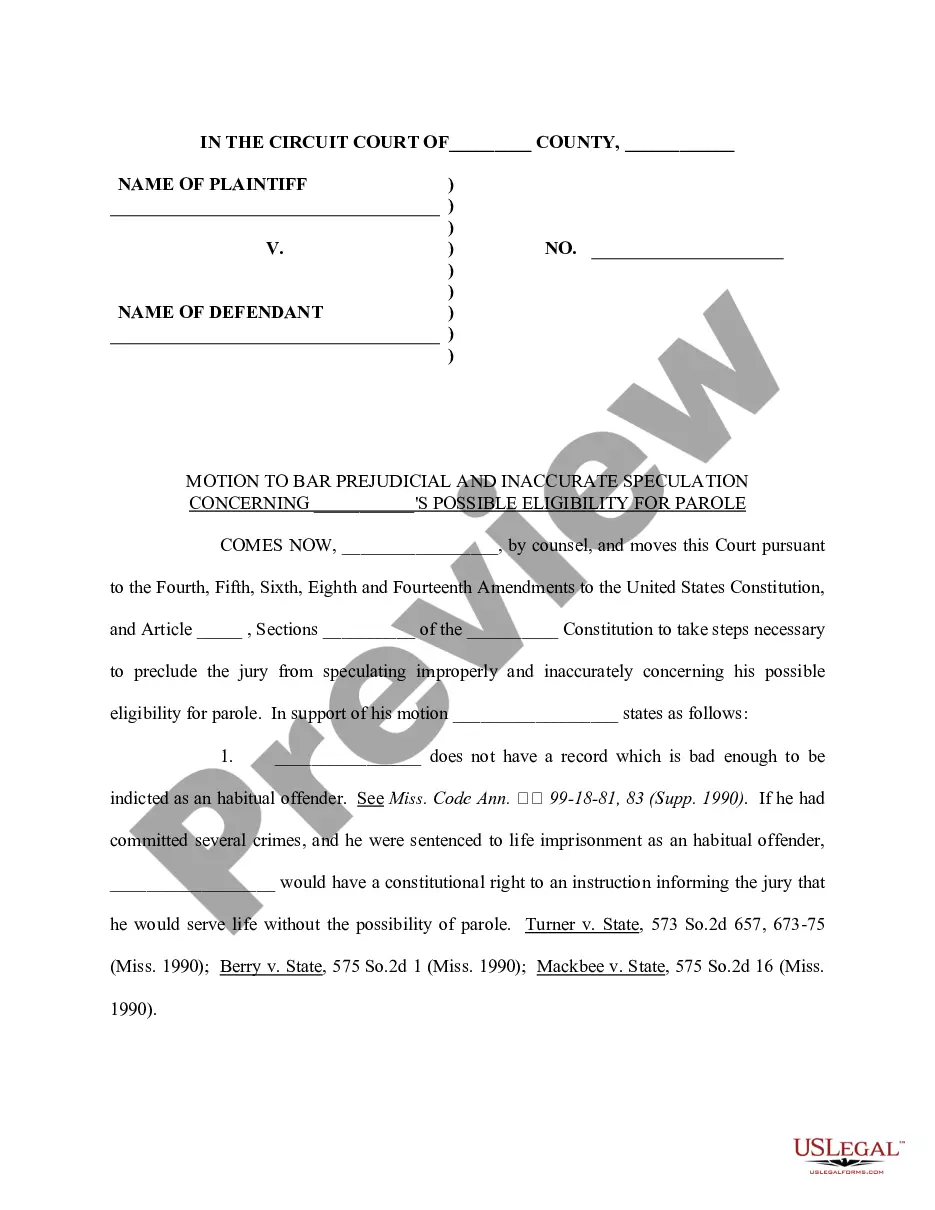
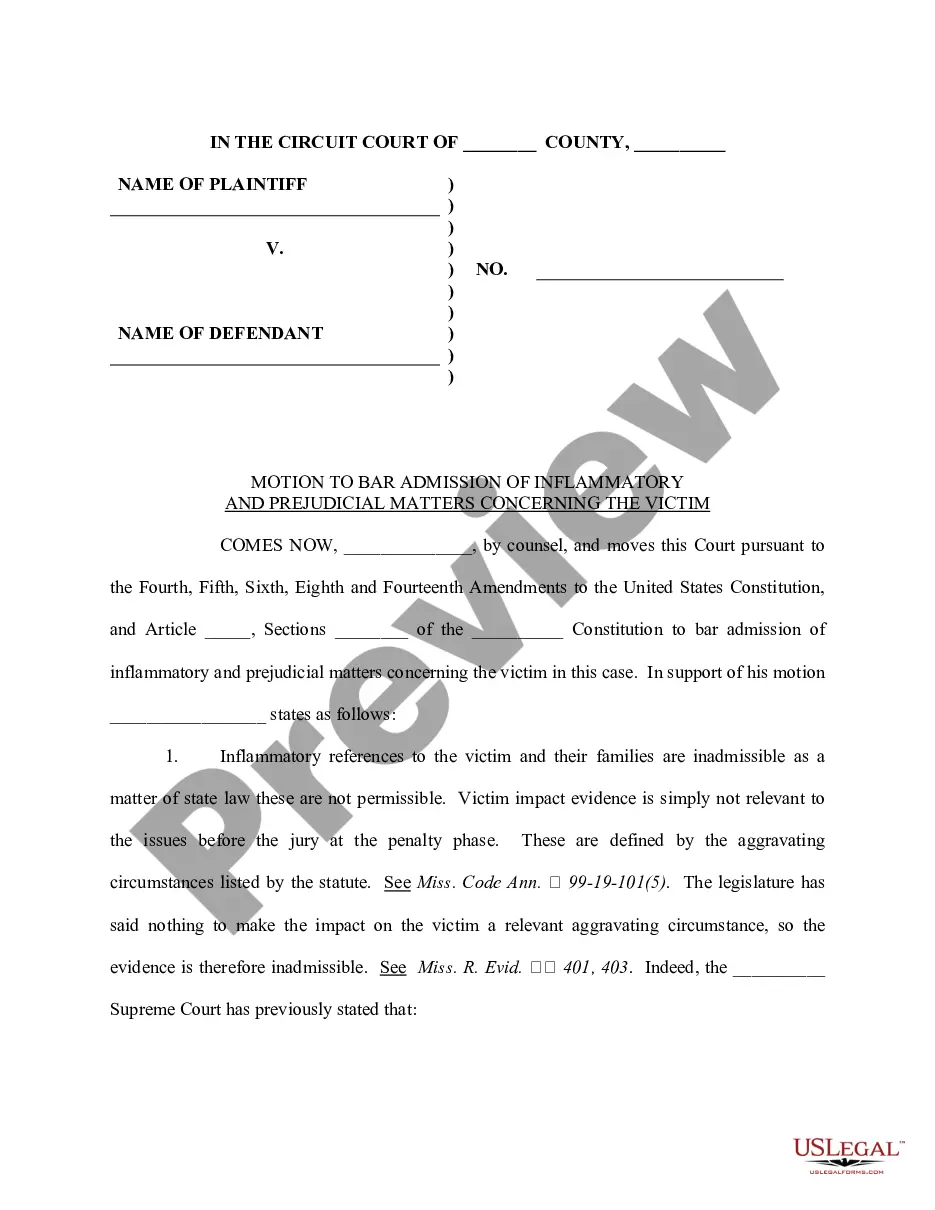
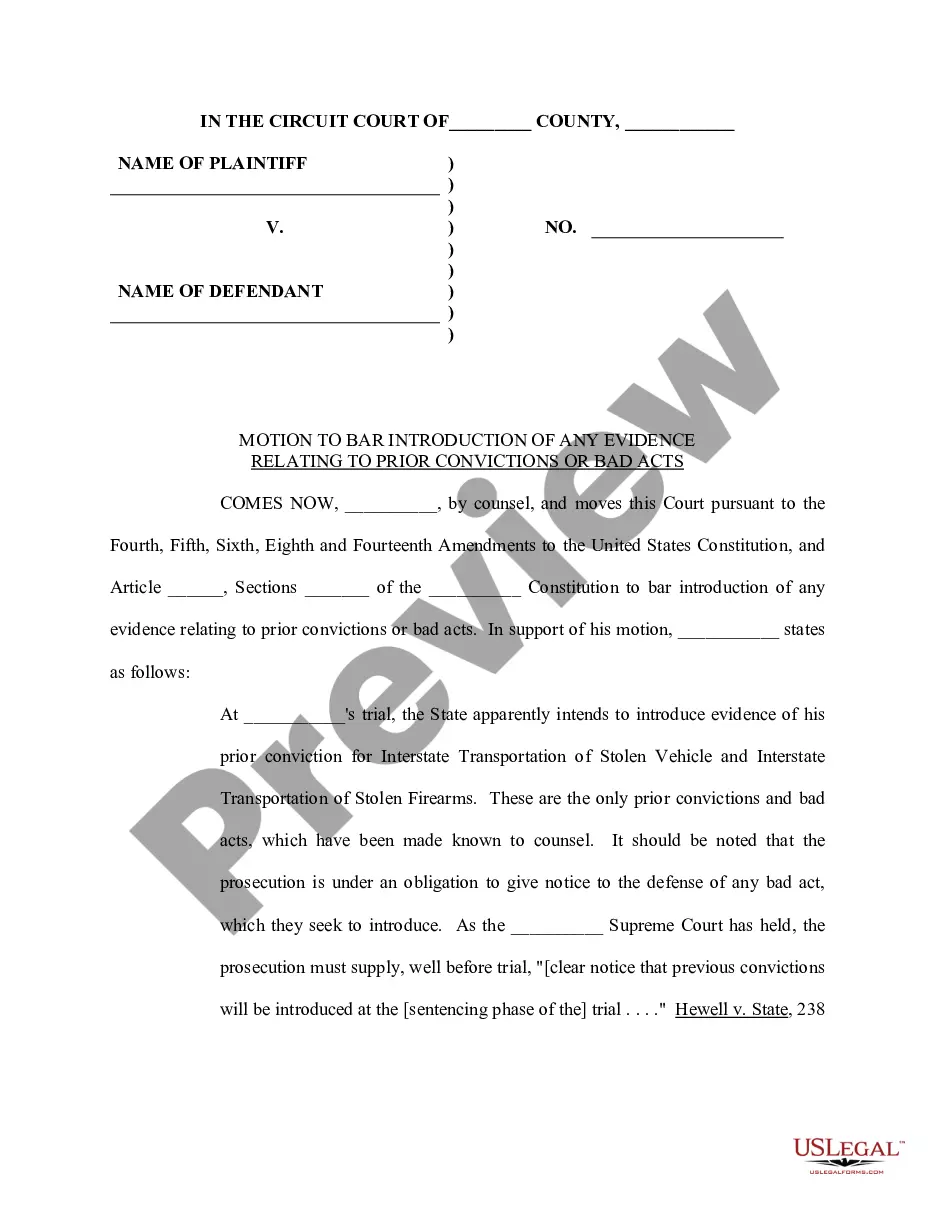
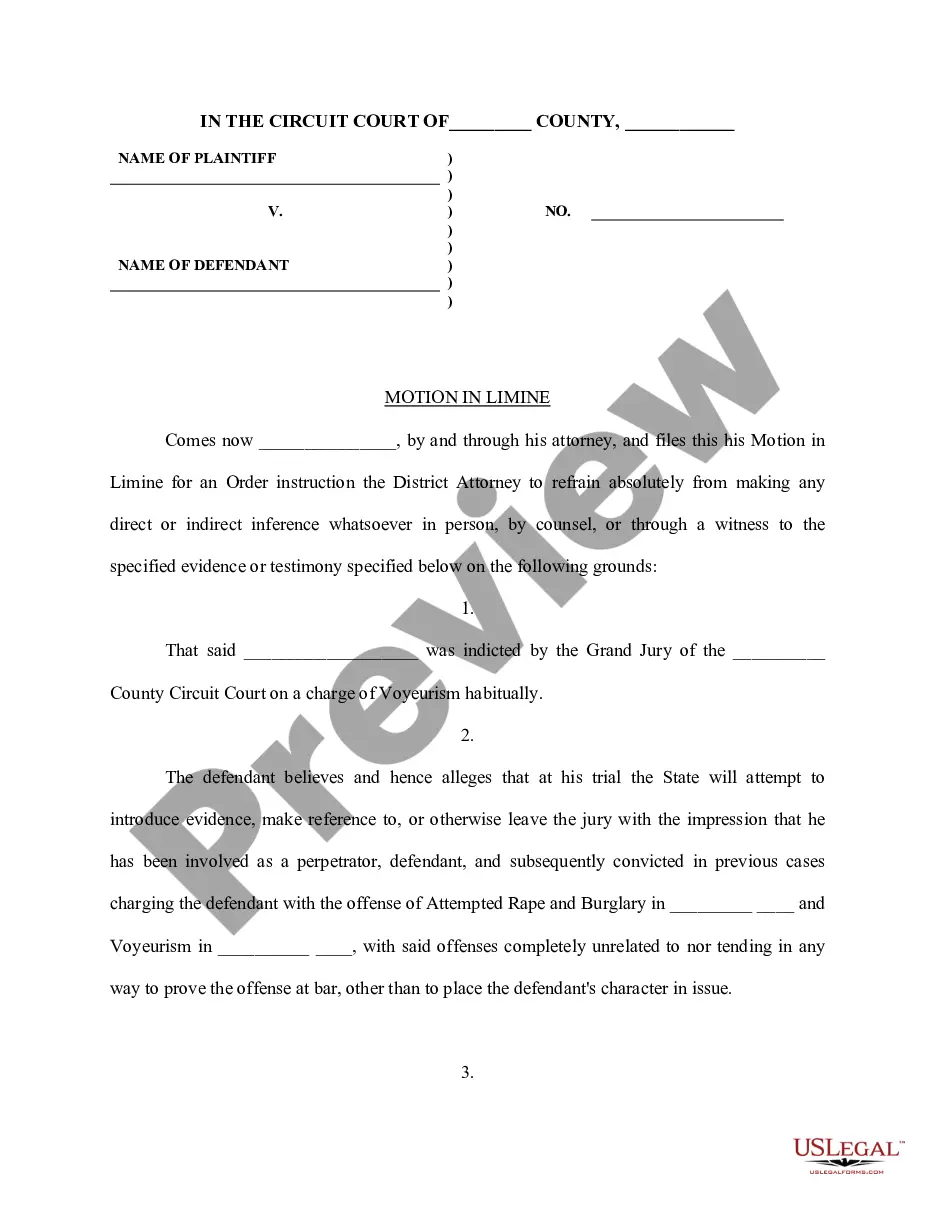
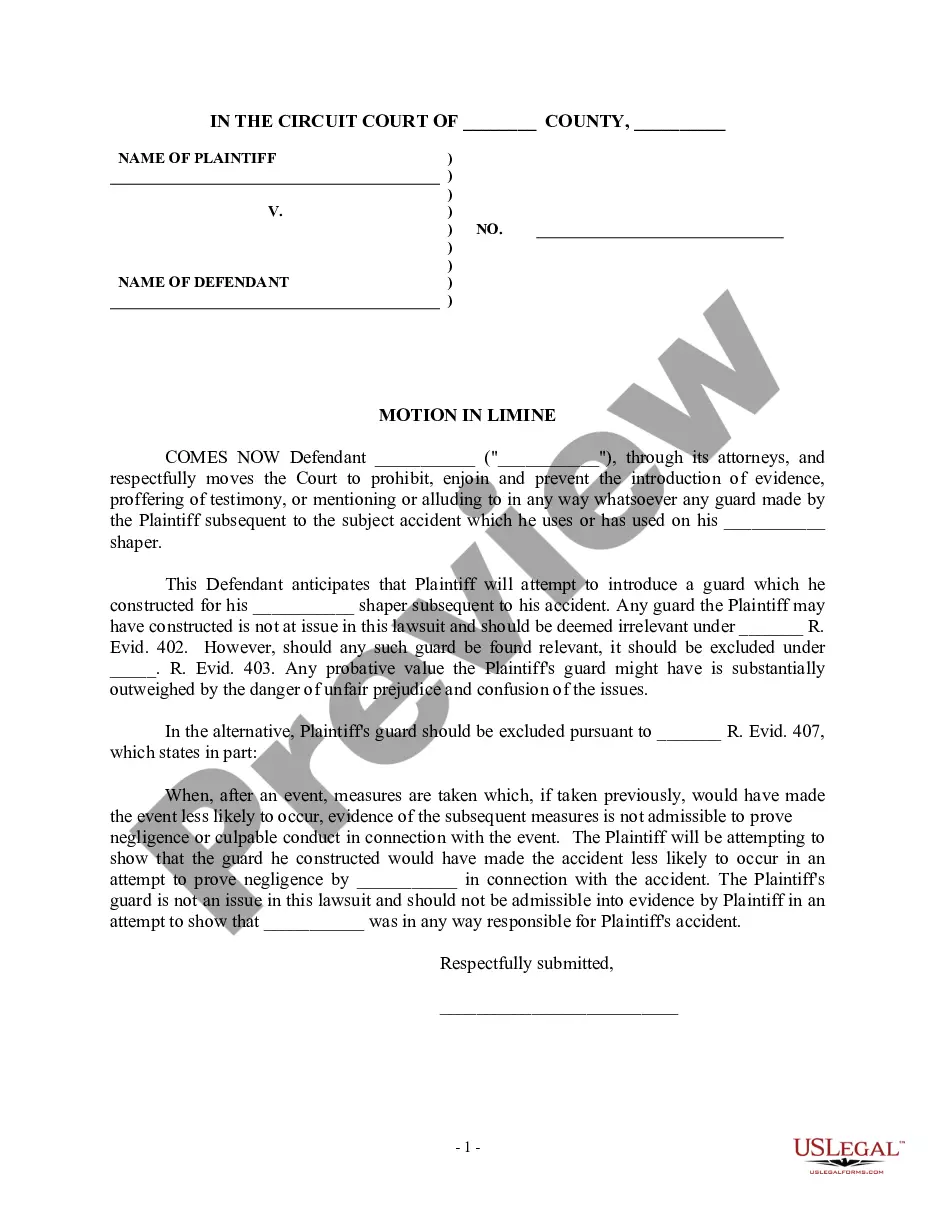

How to fill out Motion To Bar Use Of Certain Aggravating Circumstances?
If you want to download, access, or create legal document templates, utilize US Legal Forms, the largest selection of legal forms available online.
Take advantage of the site’s straightforward and user-friendly search to find the documents you need.
Various templates for business and personal purposes are organized by categories and states, or keywords.
Once you have found the form you need, click the Get now button. Choose the pricing plan you prefer and enter your credentials to register for an account.
Complete the payment process. You can use your credit card or PayPal account to finalize the transaction. Step 6. Select the format of your legal document and download it to your device. Step 7. Complete, edit, and print or sign the New Mexico Motion to Bar Use of Certain Aggravating Circumstances. Every legal document template you obtain is yours indefinitely. You have access to every form you saved in your account. Click the My documents section and select a form to print or download again. Be proactive and download, and print the New Mexico Motion to Bar Use of Certain Aggravating Circumstances with US Legal Forms. There are millions of professional and state-specific forms you can use for your business or personal needs.
- Use US Legal Forms to obtain the New Mexico Motion to Bar Use of Certain Aggravating Circumstances with just a few clicks.
- If you are already a US Legal Forms user, Log In to your account and click the Download button to locate the New Mexico Motion to Bar Use of Certain Aggravating Circumstances.
- You can also access forms you previously saved in the My documents tab of your account.
- If you are using US Legal Forms for the first time, follow the instructions below.
- Ensure you have selected the form for the correct city/state.
- Use the Preview option to review the form’s content. Don’t forget to check the description.
- If you are not satisfied with the form, utilize the Search box at the top of the screen to find alternative versions of the legal document template.
Form popularity
FAQ
Aggravating factors are any circumstances or facts of a criminal case that raise the length of the sentence or the severity of the crime committed. Some of the most common aggravating factors include the age of the victim, their mental health, and the criminal history of the offender.
Typical examples of aggravating factors include recidivism, lack of remorse, amount of harm to the victim, or committing the crime in front of a child, and many others.
A defendant convicted of a fourth-degree felony in New Mexico generally faces up to 18 months in prison and a $5,000 fine. The maximum prison sentence is 10 years if the crime involved sexual exploitation of a child.
The Overt Acts Requirement. Securing a New Mexico automobile registration; Registering to vote in New Mexico; Filing a New Mexico state tax return for the previous year; and. Securing employment in the state.
Aggravating circumstances refers to the factors that increase the severity or culpability of a criminal act. Typically, the presence of an aggravating circumstance will lead to a harsher penalty for a convicted criminal.
Prosecutors can offer evidence of aggravating factors that would merit a harsh sentence during trial. Criminal statutes often identify specific factors that should result in harsher punishments. A common aggravating factor is a prior record of similar convictions.
Where there are aggravating circumstances, the defendant's penalty or punishment is usually more severe. For example, an assault happens whenever a person threatens to injure another person. If a dangerous weapon is used in the threat, it becomes an ?aggravated assault.?
Some generally recognized aggravating circumstances include heinousness of the crime, lack of remorse, and prior conviction of another crime. Recognition of particular aggravating circumstances varies by jurisdiction.