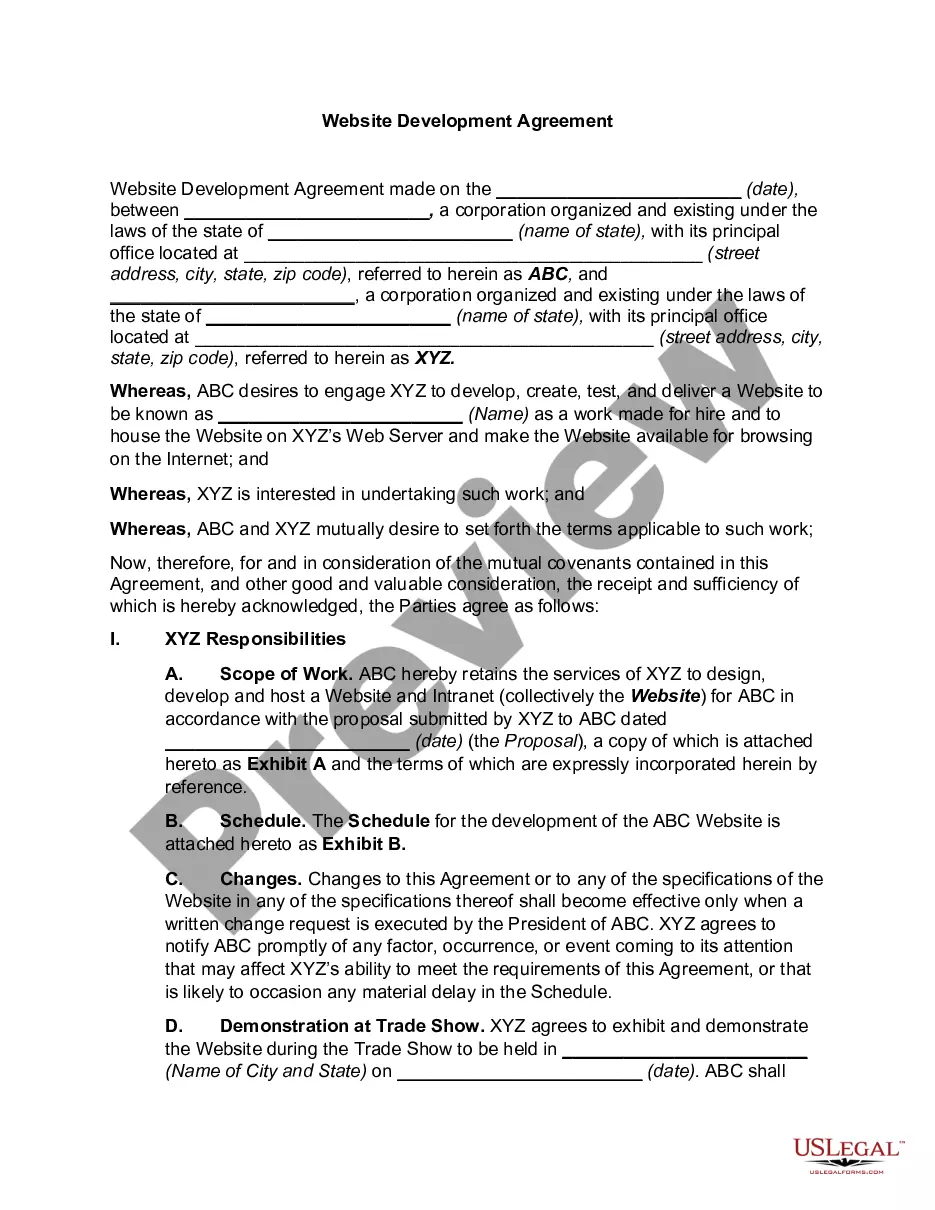
New Mexico Employment Agreement with Nonqualified Retirement Plan Funded with Life Insurance
Description
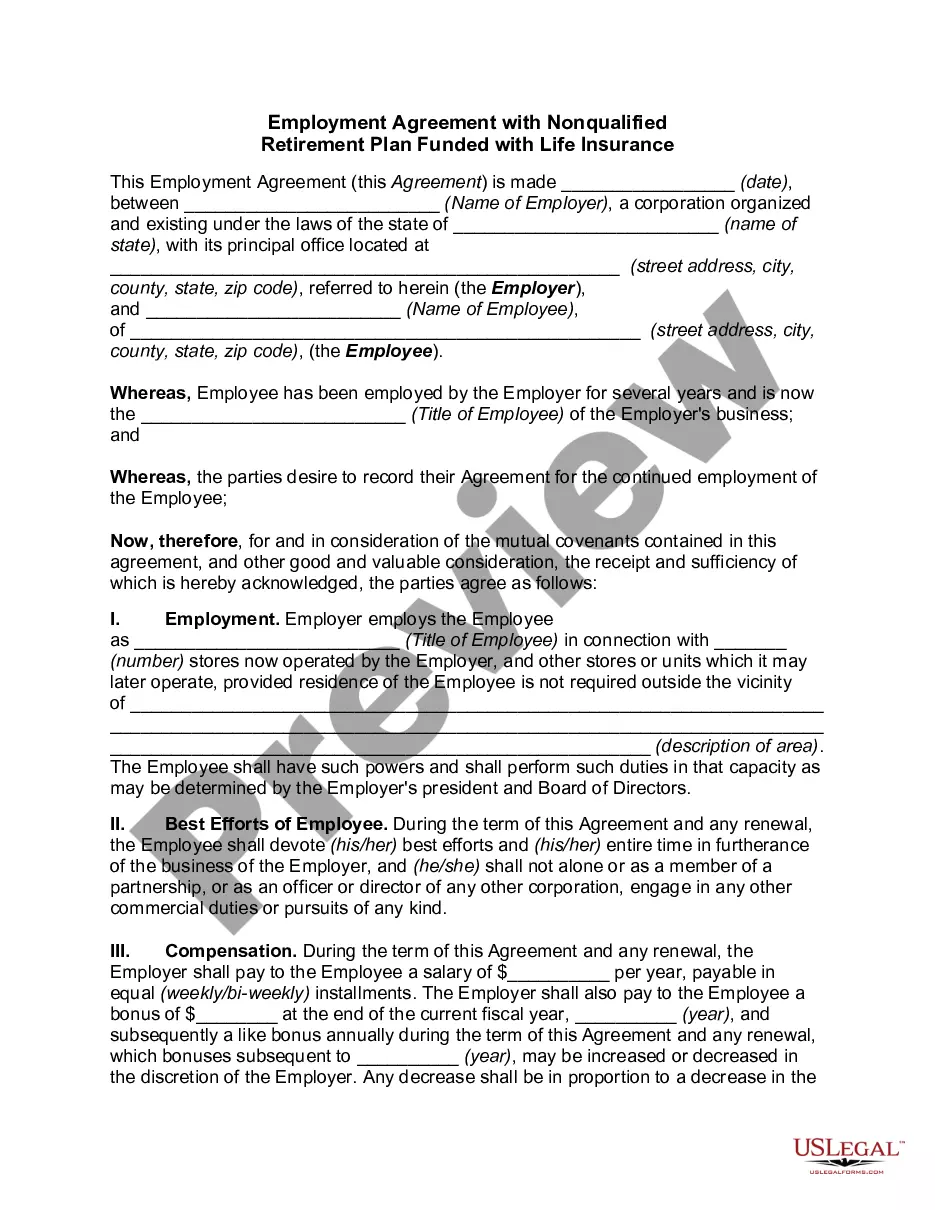
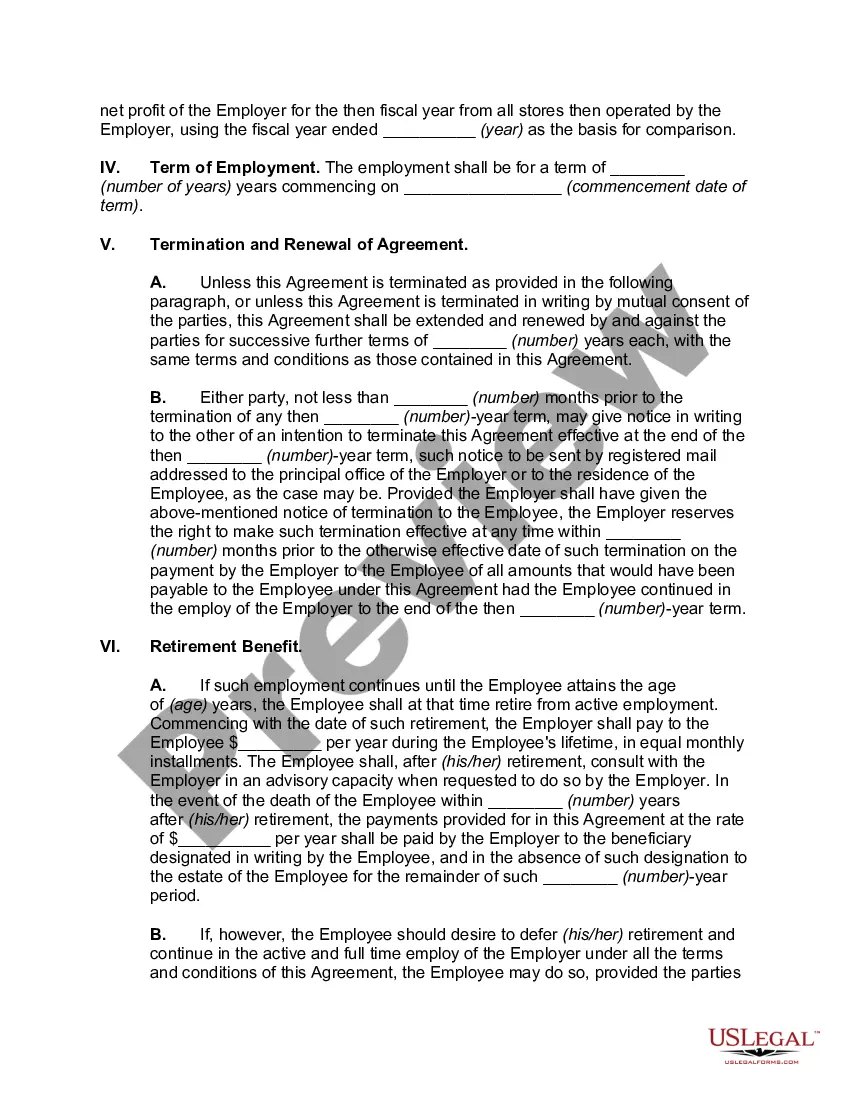
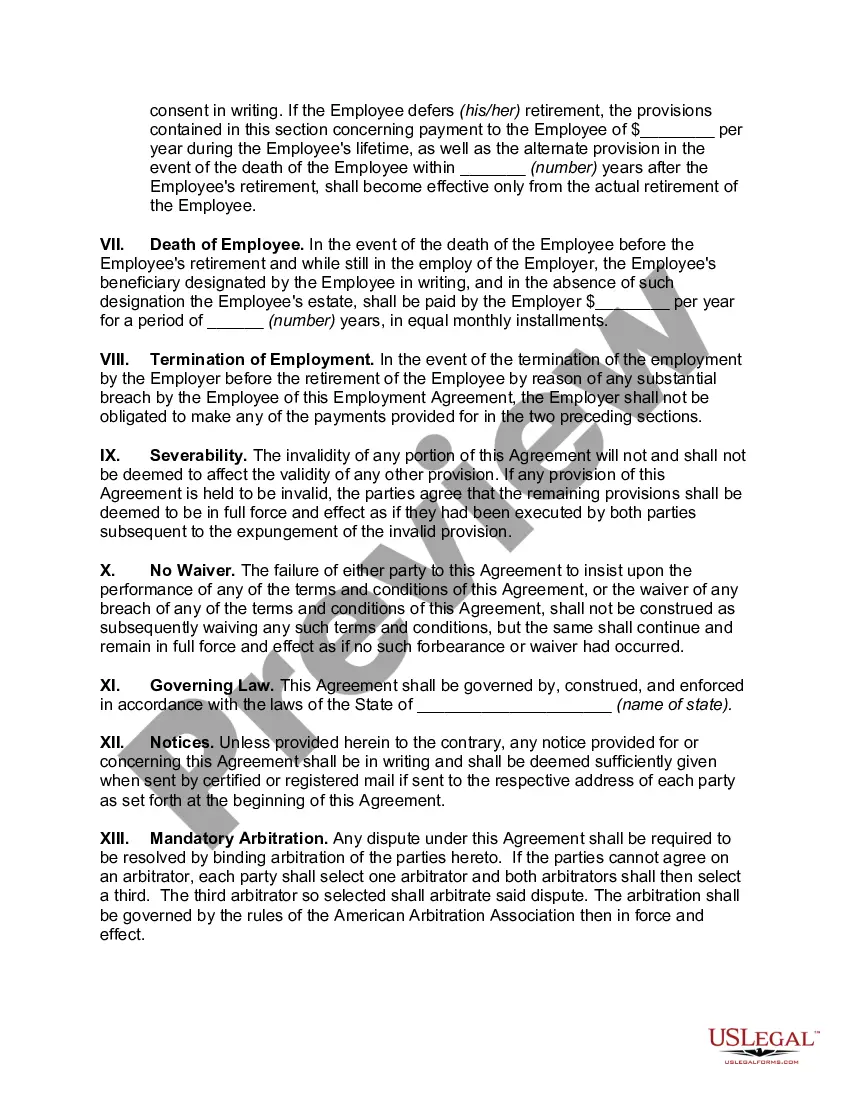
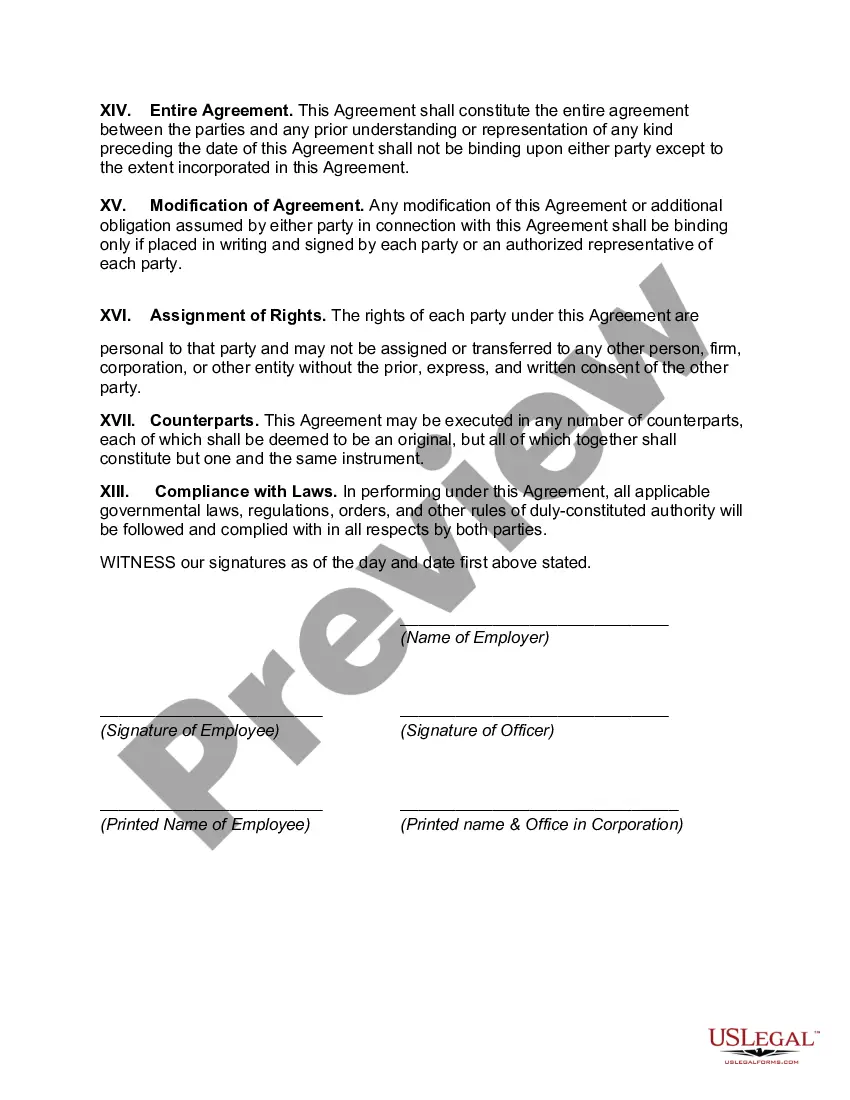

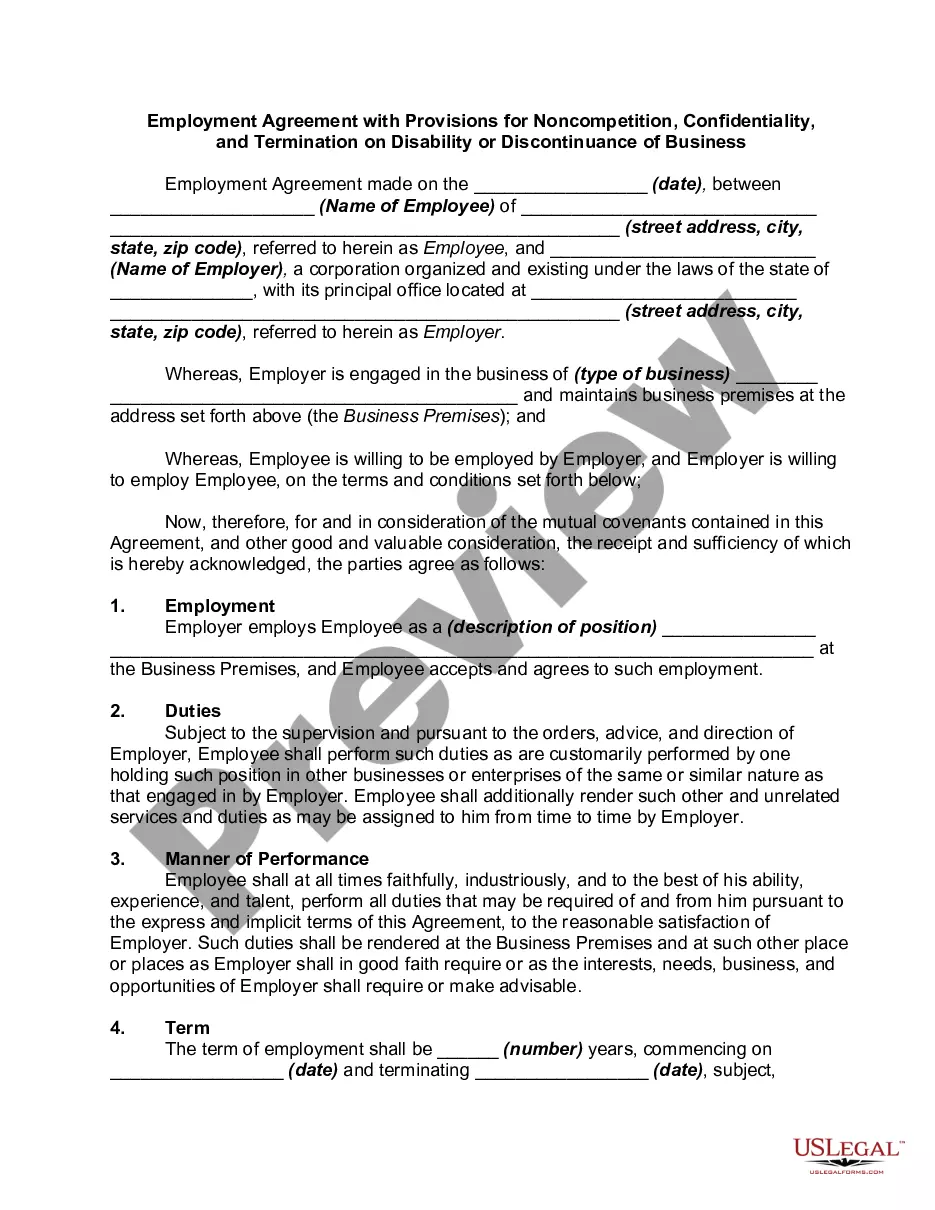
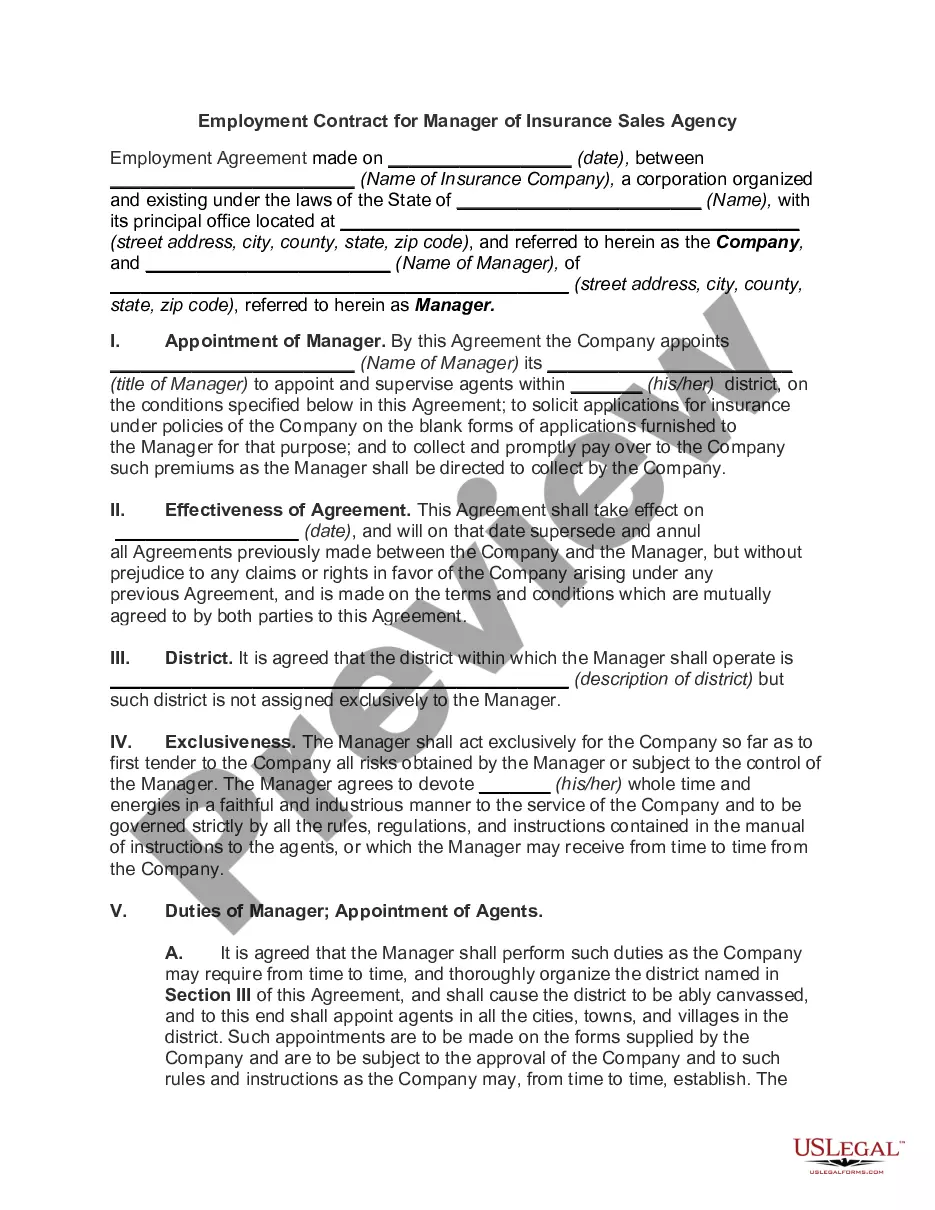
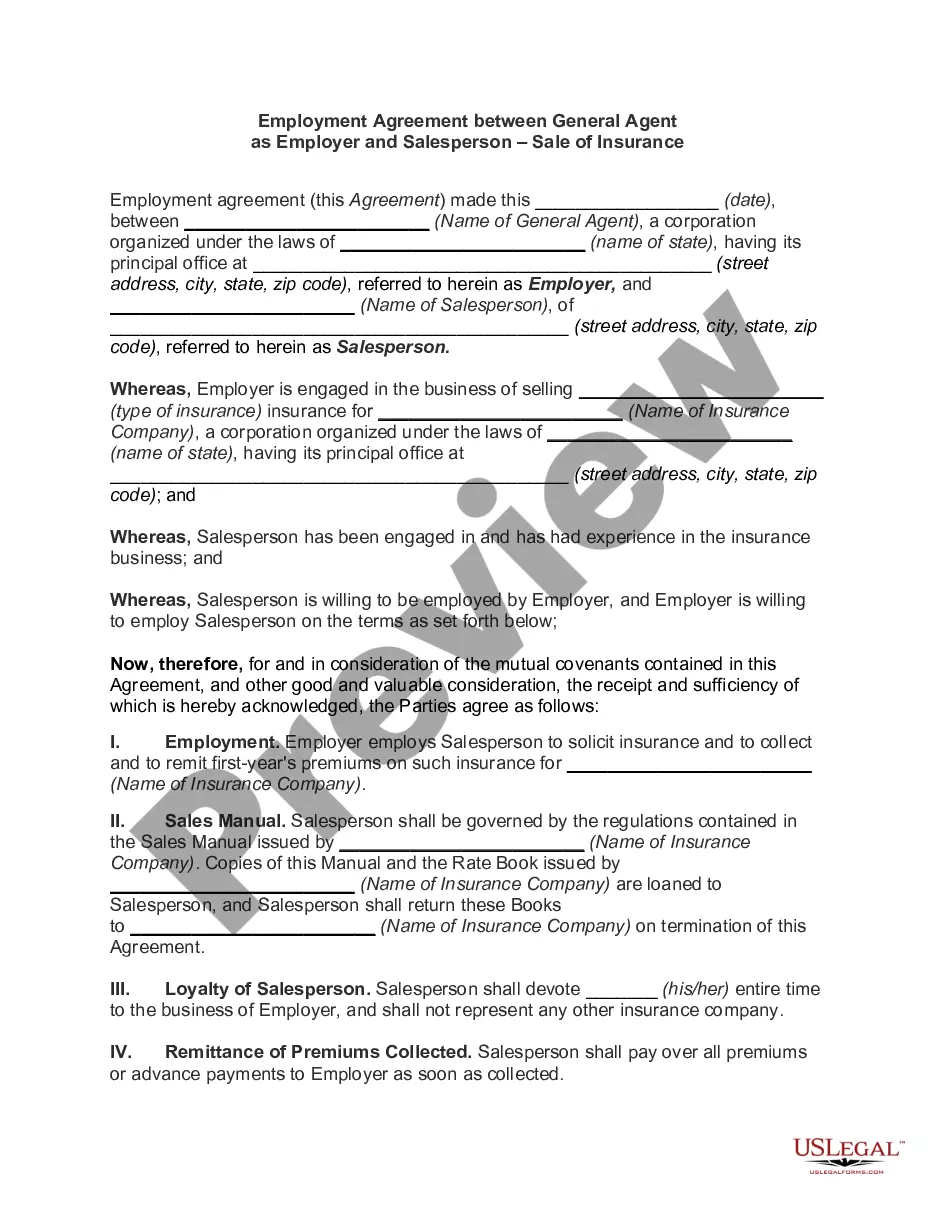
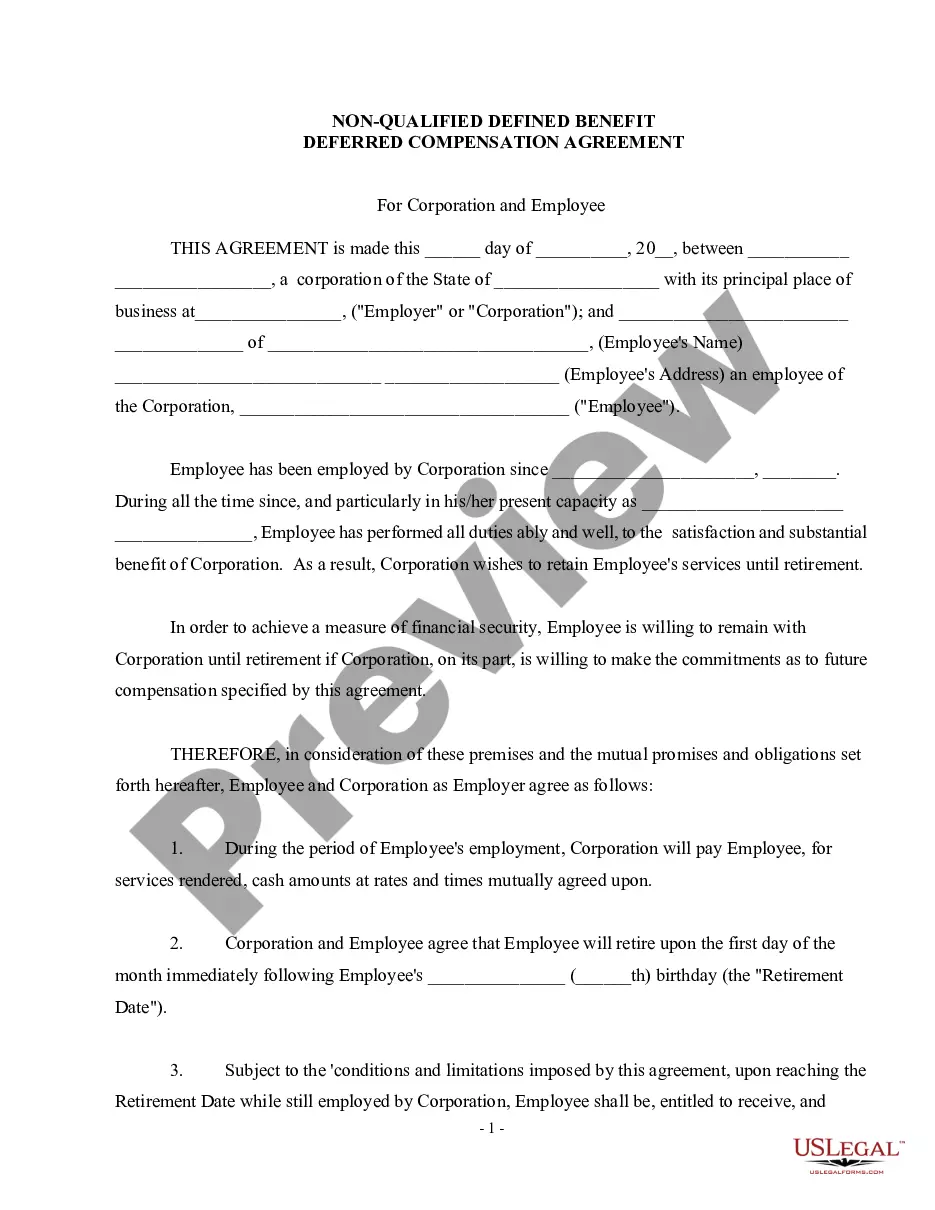


How to fill out Employment Agreement With Nonqualified Retirement Plan Funded With Life Insurance?
US Legal Forms - among the largest collections of legal documents in the United States - offers a range of legal form templates that you can download or print. By using the website, you can access thousands of forms for business and personal use, organized by categories, states, or keywords.
You will find the latest versions of forms such as the New Mexico Employment Agreement with Nonqualified Retirement Plan Funded with Life Insurance in just minutes.
If you already have an account, Log In and download the New Mexico Employment Agreement with Nonqualified Retirement Plan Funded with Life Insurance from the US Legal Forms library. The Download button will be visible on each form you view. You can access all previously downloaded forms in the My documents section of your account.
Then, select the pricing plan you prefer and provide your information to register for an account.
Complete the transaction. Use your credit card or PayPal account to finalize the purchase. Locate the format and download the form to your device. Edit. Complete, modify, print, and sign the downloaded New Mexico Employment Agreement with Nonqualified Retirement Plan Funded with Life Insurance. Every template you add to your account does not expire and belongs to you permanently. So, if you wish to download or print another copy, simply go to the My documents section and click on the form you need. Access the New Mexico Employment Agreement with Nonqualified Retirement Plan Funded with Life Insurance with US Legal Forms, the most comprehensive library of legal document templates. Utilize thousands of professional and state-specific templates that meet your business or personal requirements.
- If you wish to utilize US Legal Forms for the first time, let me share straightforward instructions to help you get started.
- Ensure you have selected the appropriate form for your region.
- Click the Review button to inspect the content of the form.
- Read the description of the form to confirm you have selected the correct one.
- If the form does not meet your needs, use the Search field at the top of the page to find one that does.
- Once you are satisfied with the form, validate your selection by clicking the Purchase now button.
Form popularity
FAQ
Qualified plans allow employees to put their money into a trust that's separate from your business' assets. An example would be 401(k) plans. Nonqualified deferred compensation plans let your employees put a portion of their pay into a permanent trust, where it grows tax deferred.
qualified deferred compensation (NQDC) plan allows a service provider (e.g., an employee) to earn wages, bonuses, or other compensation in one year but receive the earningsand defer the income tax on themin a later year.
Examples of nonqualified plans are deferred compensation plans, supplemental executive retirement plans, split-dollar arrangements and other similar arrangements. Contributions to a deferred compensation plan will reduce an employee's gross income, but there's no rollover option upon termination of employment.
NQDC plans (sometimes known as deferred compensation programs, or DCPs, or elective deferral programs, or EDPs) allow executives to defer a much larger portion of their compensation and to defer taxes on the money until the deferral is paid.
A NQDC plan is unfunded if either assets have not been set aside by your employer to pay plan benefits (that is, your employer pays benefits from its general assets on a "pay as you go" basis), or assets have been set aside but those assets remain subject to the claims of your employer's creditors (often referred to as
A nonqualified plan does not fall under ERISA guidelines so it does not receive the same tax advantages. They are considered to be assets of the employer and can be seized by creditors of the company. If the employee quits, they will likely lose the benefits of the nonqualified plan.
Life insurance generally provides the most cost-effective method of informally funding a deferred compensation plan, as long as the executive participant is insurable.
A nonqualified deferred compensation plan is a type of retirement plan that lets select, highly compensated employees enjoy tax advantages by deferring a greater percentage of their compensation (and current income taxes) than is allowed by the IRS in a qualified retirement plan.
qualified deferred compensation plan is a binding contract between an employer and an employee where the employer agrees to pay the employee at a later time. Specifically, the employer makes an unsecured promise to pay an employee's future benefits, subject to the specific terms of the contract.
Qualified plans have tax-deferred contributions from the employee, and employers may deduct amounts they contribute to the plan. Nonqualified plans use after-tax dollars to fund them, and in most cases employers cannot claim their contributions as a tax deduction.