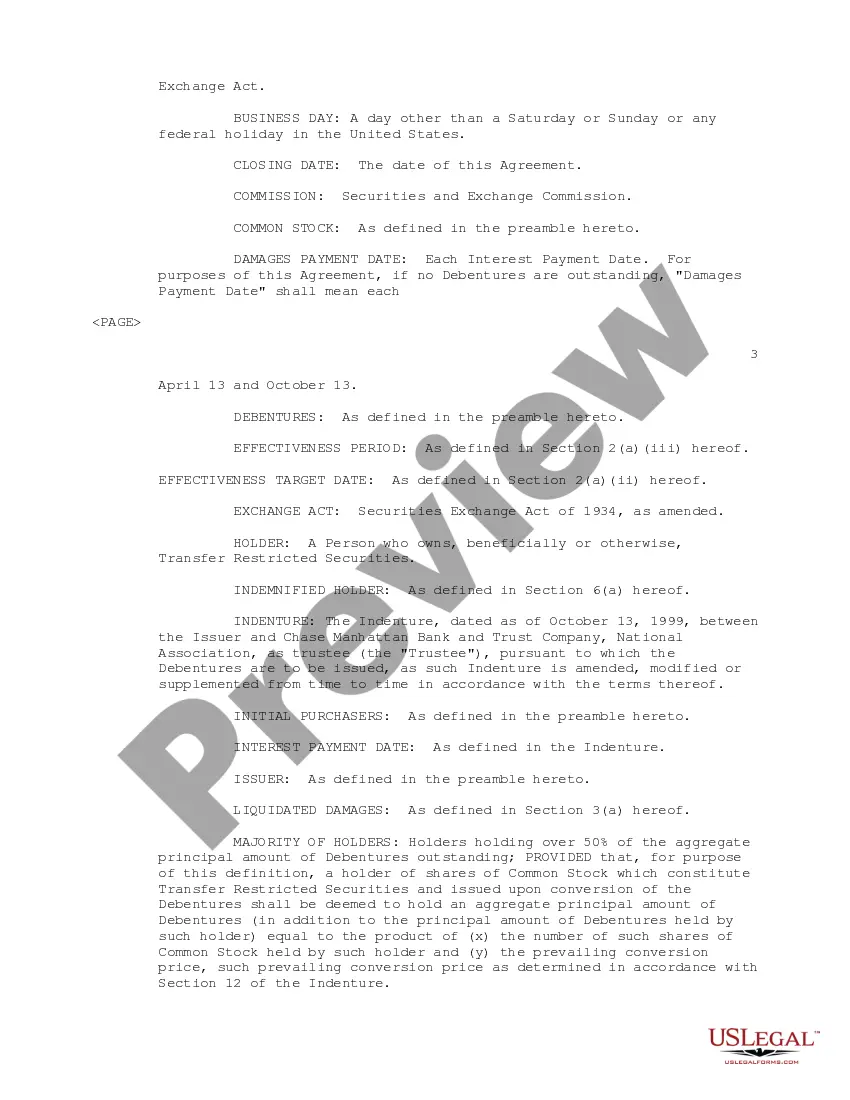
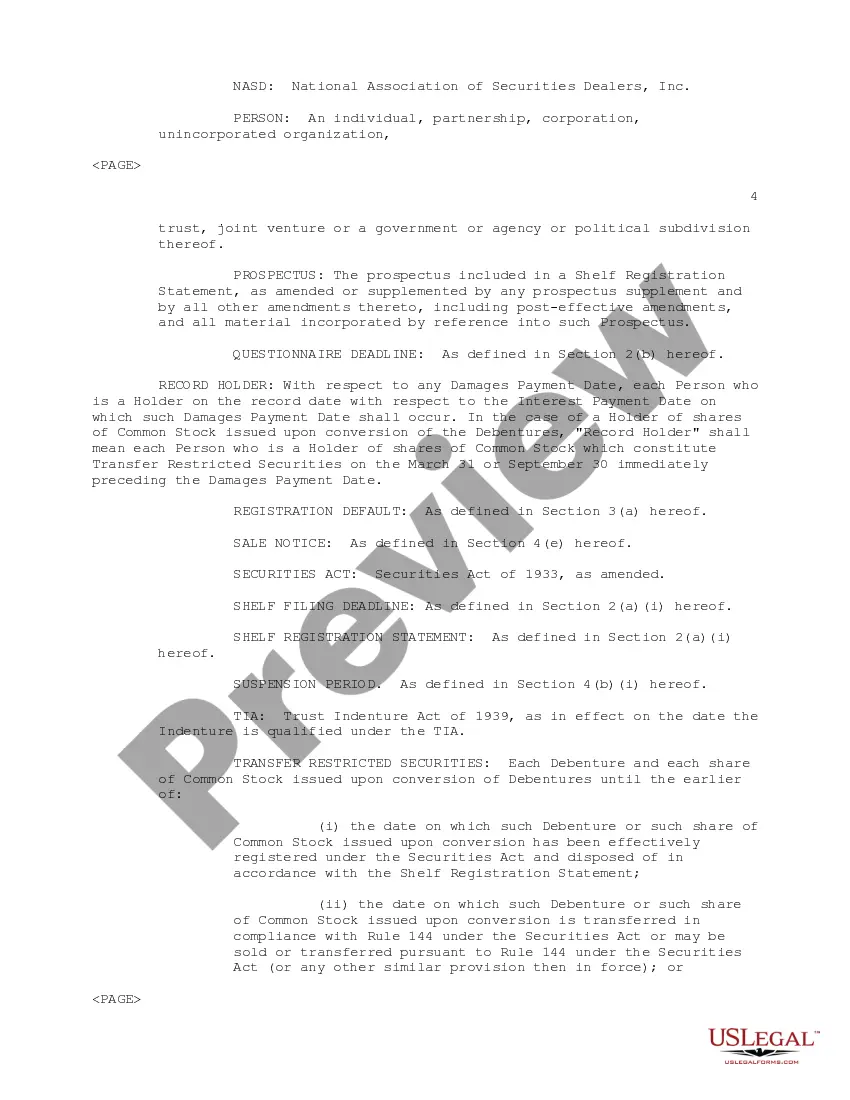
New Mexico Registration Rights Agreement regarding the purchase of convertible subordinated debentures
Description
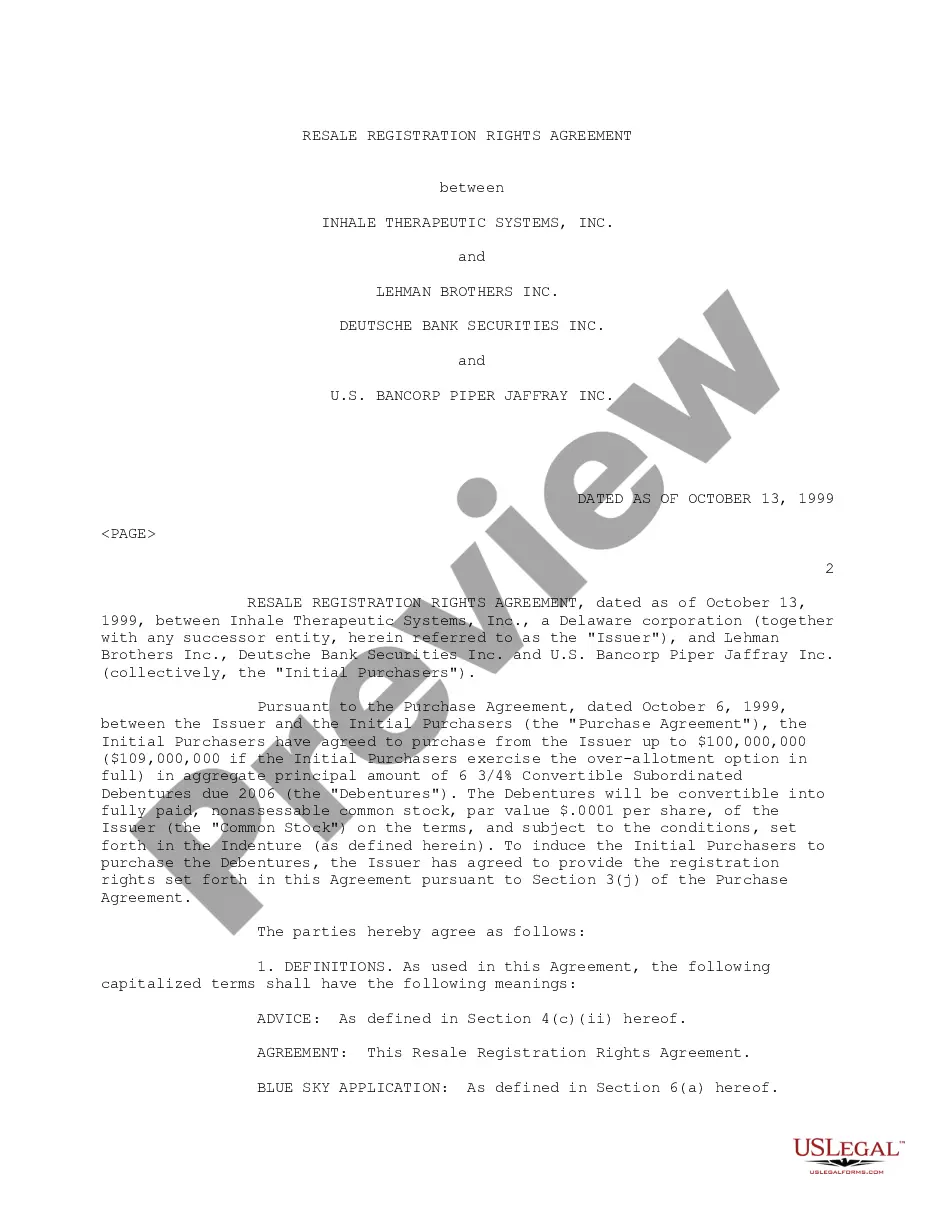
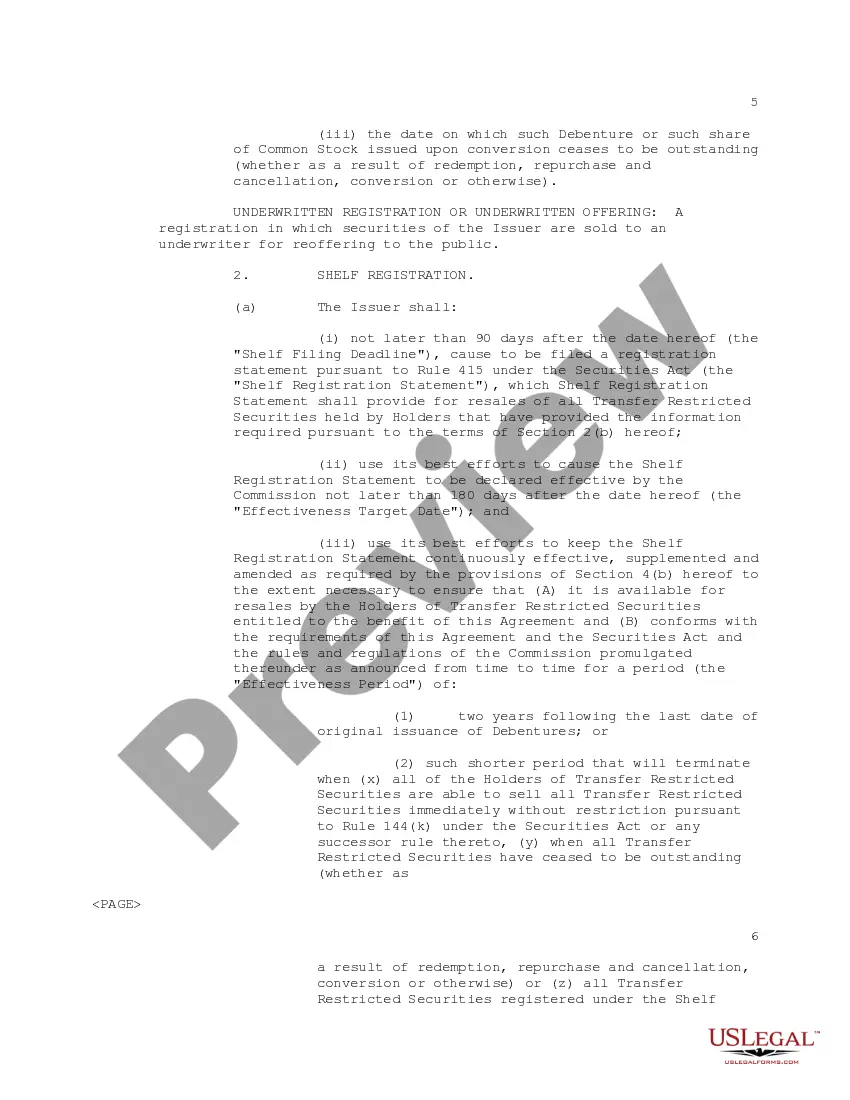
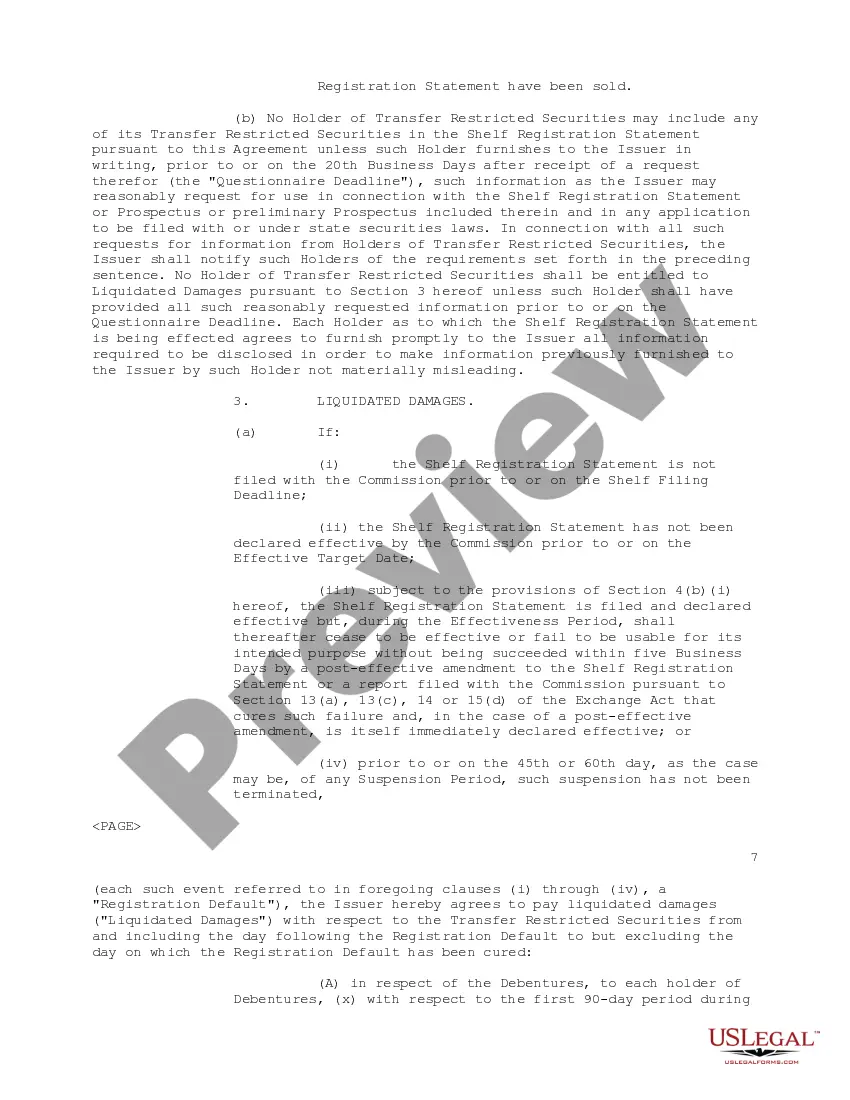
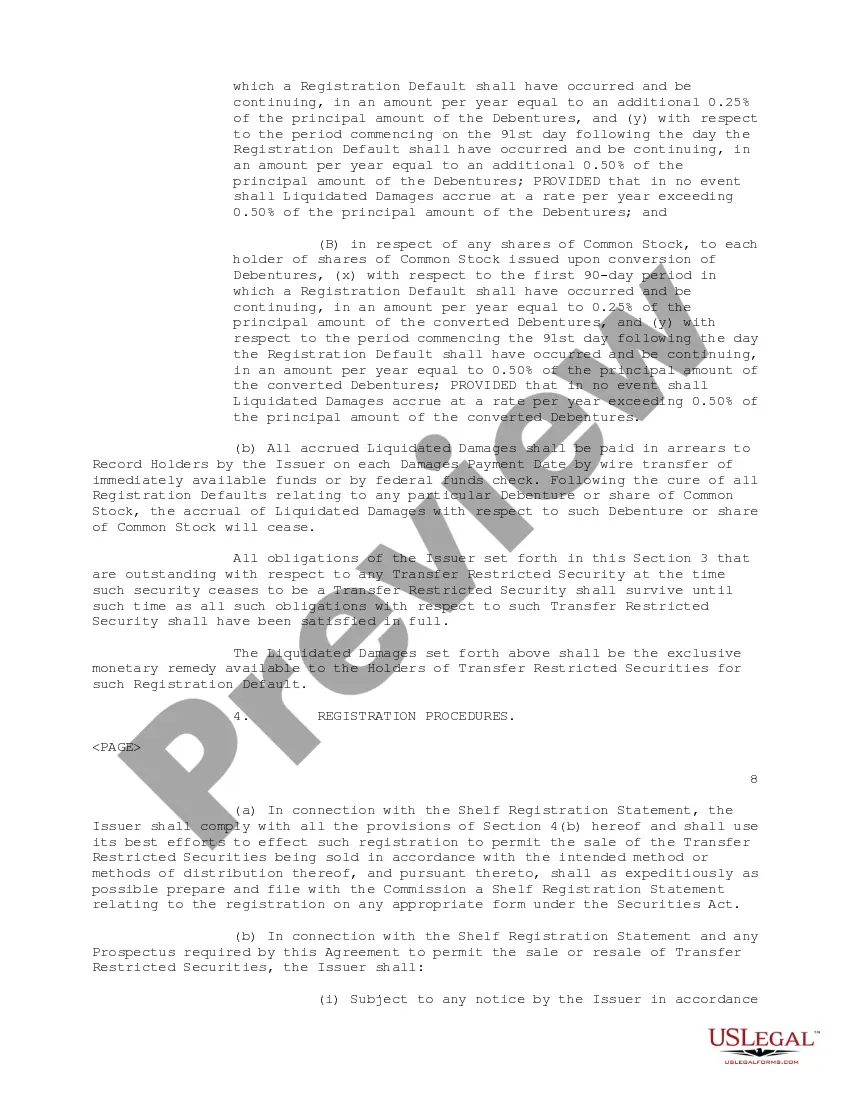
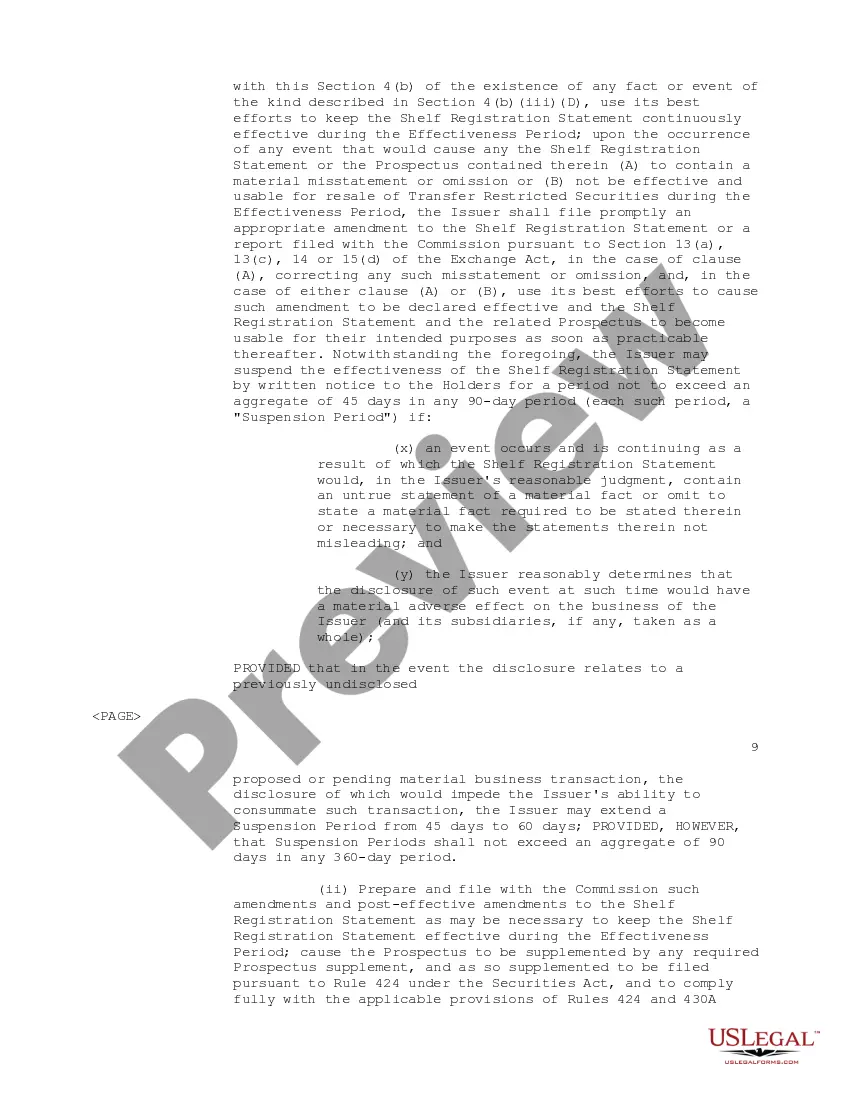
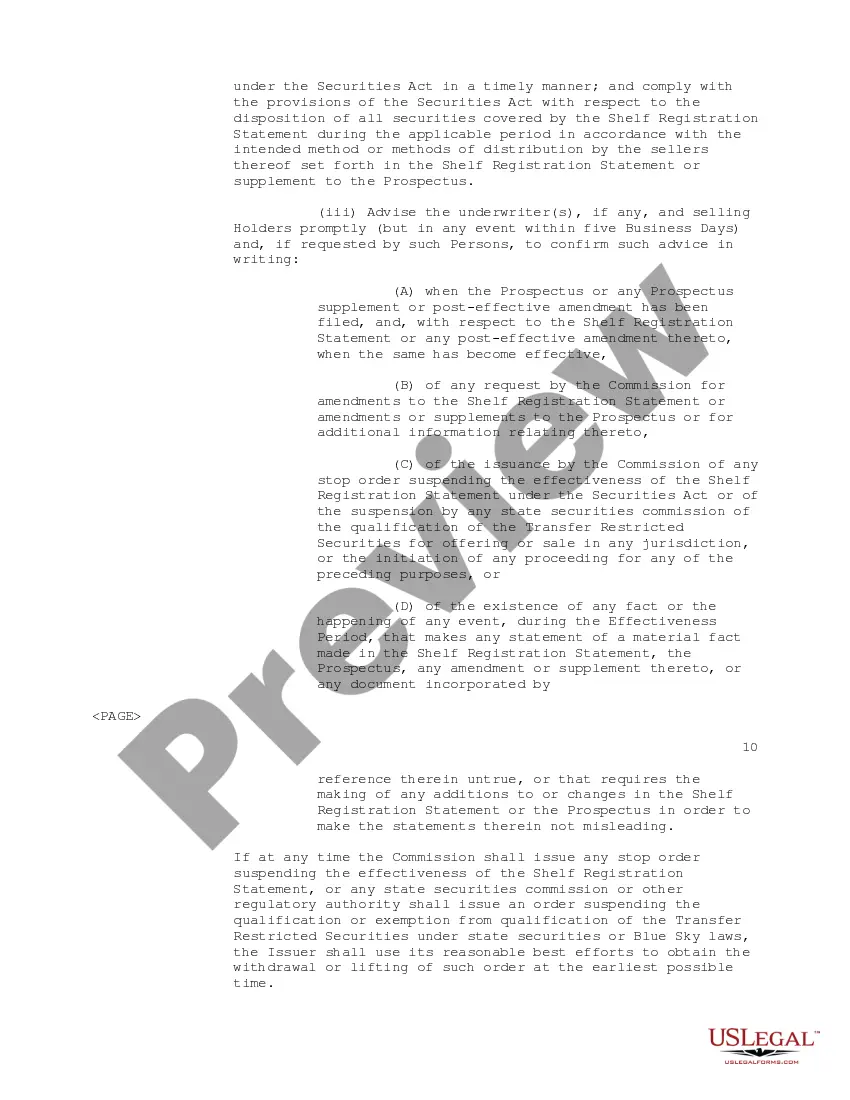
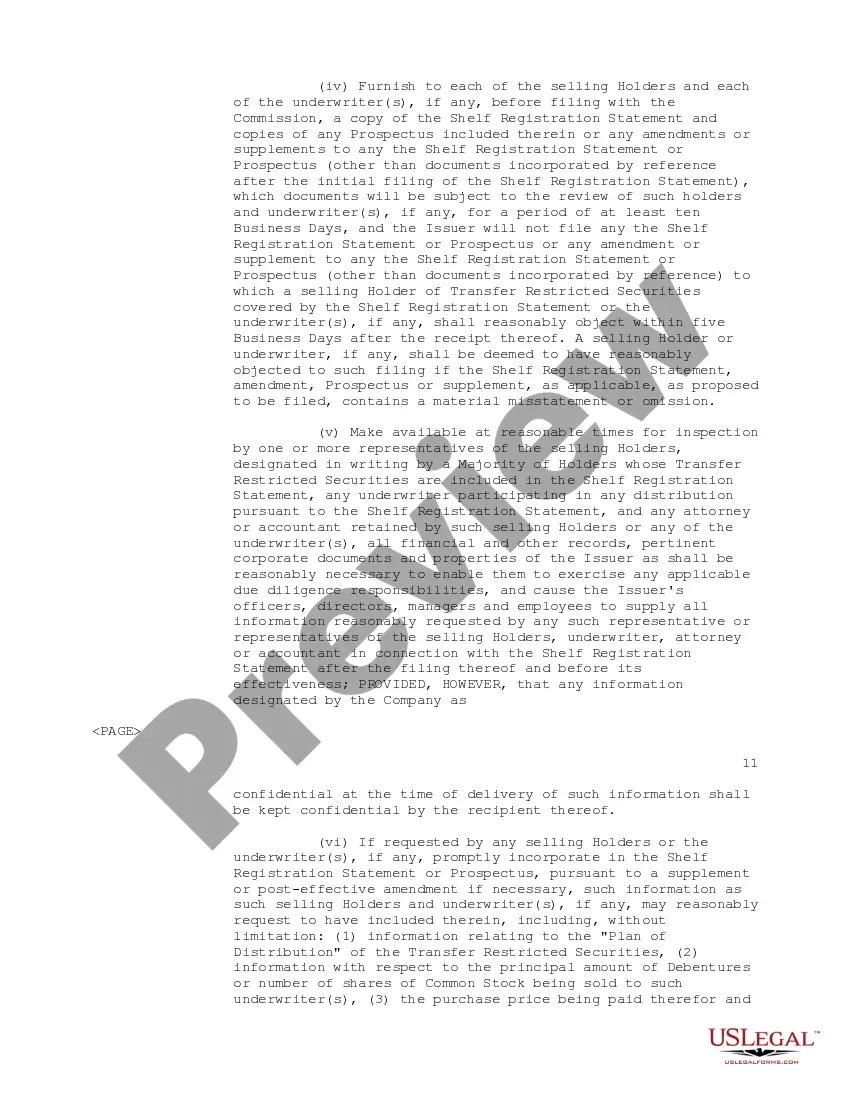
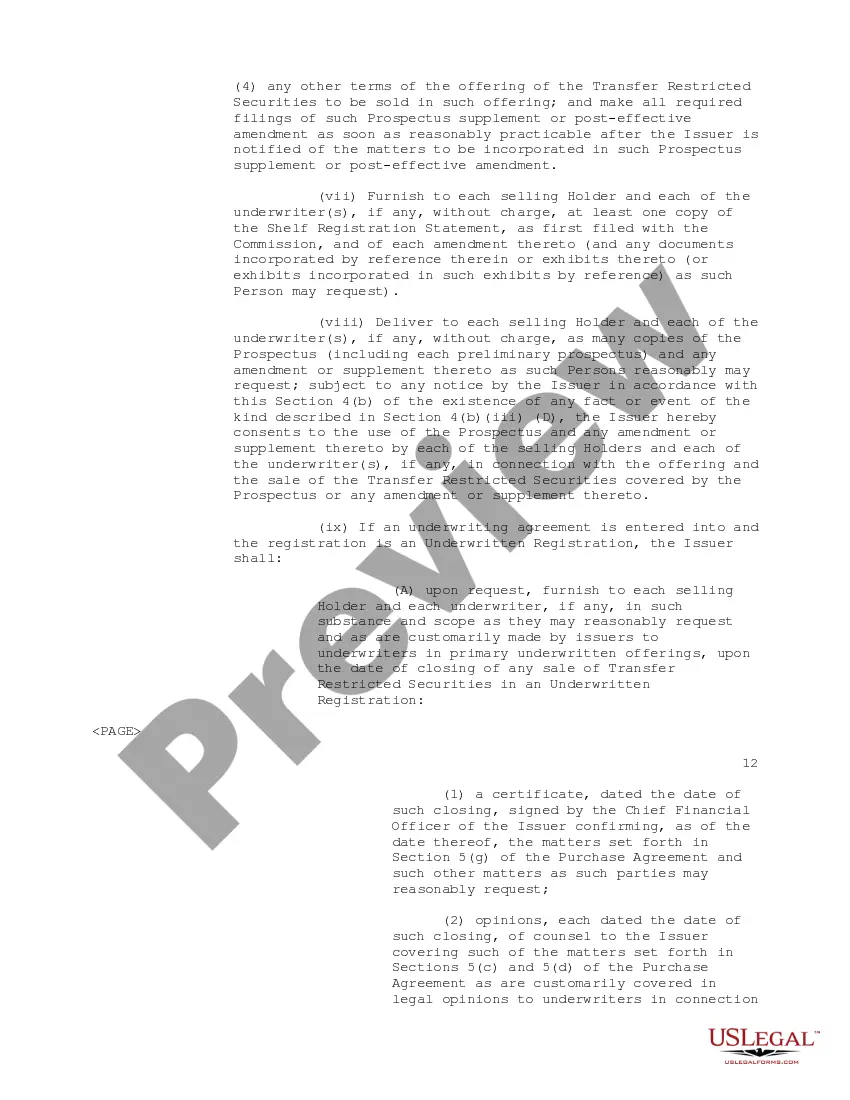

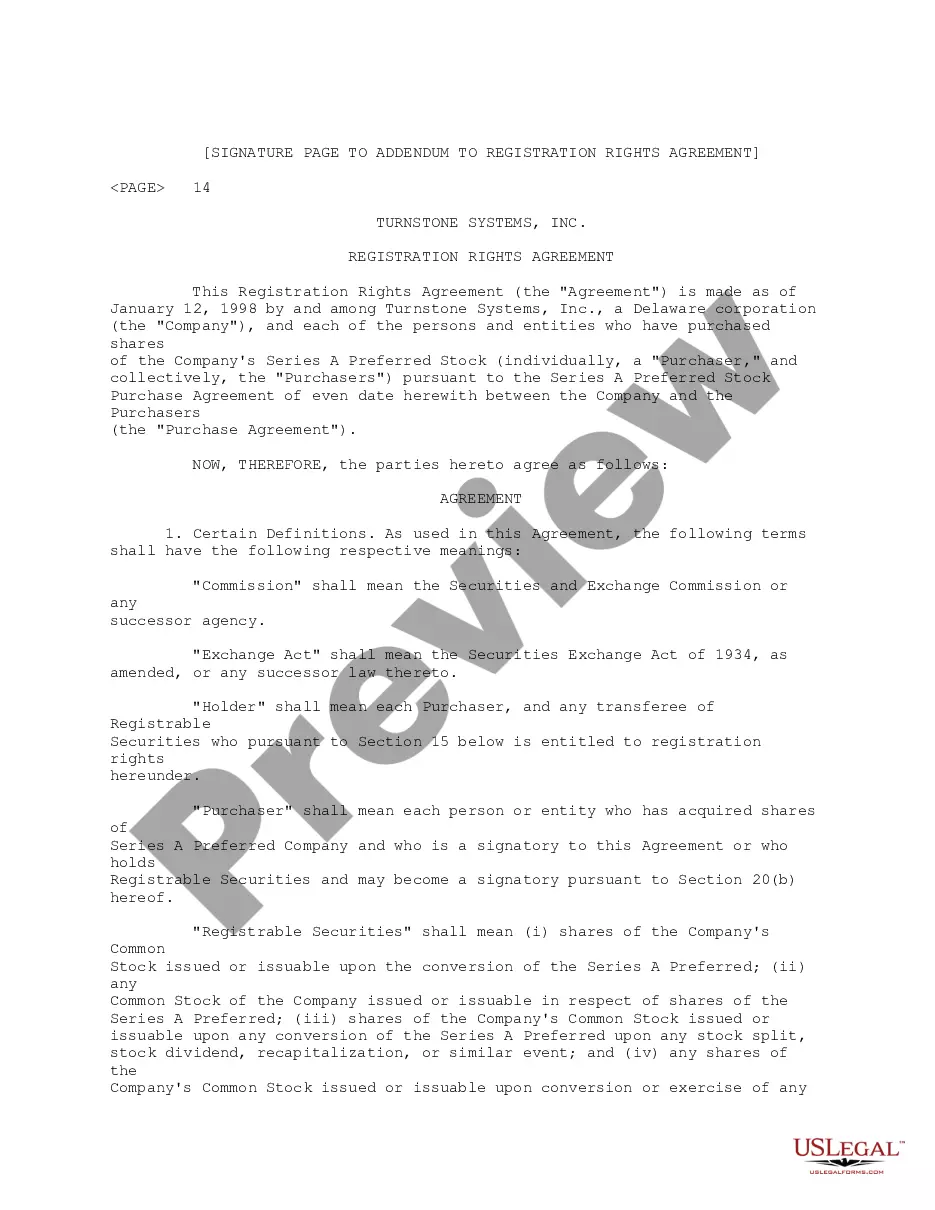

How to fill out Registration Rights Agreement Regarding The Purchase Of Convertible Subordinated Debentures?
Are you within a situation that you need files for both organization or specific uses just about every day? There are tons of authorized document web templates available online, but discovering types you can rely on isn`t easy. US Legal Forms gives a large number of form web templates, like the New Mexico Registration Rights Agreement regarding the purchase of convertible subordinated debentures, which are written in order to meet state and federal demands.
If you are previously familiar with US Legal Forms web site and have a merchant account, just log in. After that, you may obtain the New Mexico Registration Rights Agreement regarding the purchase of convertible subordinated debentures design.
If you do not have an bank account and want to begin to use US Legal Forms, adopt these measures:
- Get the form you want and ensure it is for that proper city/area.
- Make use of the Review option to examine the form.
- Look at the outline to actually have selected the correct form.
- If the form isn`t what you are looking for, use the Look for area to obtain the form that suits you and demands.
- When you find the proper form, click on Buy now.
- Select the pricing program you need, submit the desired info to make your account, and buy an order utilizing your PayPal or charge card.
- Select a practical file file format and obtain your copy.
Get every one of the document web templates you may have bought in the My Forms menus. You can aquire a further copy of New Mexico Registration Rights Agreement regarding the purchase of convertible subordinated debentures at any time, if needed. Just click the required form to obtain or printing the document design.
Use US Legal Forms, one of the most considerable assortment of authorized types, to save time as well as prevent errors. The service gives professionally produced authorized document web templates that you can use for an array of uses. Make a merchant account on US Legal Forms and initiate creating your life easier.
Form popularity
FAQ
It is said that these notes have several disadvantages, some of which, have been mentioned below. High Risk: Convertible notes can be very risky investments. ... Lack of Control: In most cases, the true value of convertible notes is not determined either by the investor or by the founders.
A convertible bond is a fixed-income corporate debt security that yields interest payments, but can be converted into a predetermined number of common stock or equity shares. The conversion from the bond to stock can be done at certain times during the bond's life and is usually at the discretion of the bondholder.
Convertible bonds are a hybrid of straight corporate bonds and common stock. Like a corporate bond, convertible bonds offer the investor guaranteed income in the form of interest accrued from the initial investment. Convertible bonds give investors the option to convert the bond to common stock at their discretion.
Examples of Convertible Bonds The current stock price is $25 per share. After a period of high profits and good publicity, the stock's price is now at $40 per share. The investor can take the bond and convert it into fifty shares of stock for a value of $2,000 ($40 per share times 50 shares).
CCD'S can be issued at any amount. There is no minimum amount criteria. Convertible Notes can be issued without prior valuation. The company raising funds should be recognized as a Startup Company by the government.
A convertible note is a short-term debt agreement that converts into equity at a future date. Usually, this happens when one of these events takes place: ? The company raises enough capital to reach a pre-determined benchmark.
The Downside of Convertible Bonds: Forced Conversion In other words, the company has the right to forcibly convert them. Forced conversion usually occurs when the price of the stock is higher than the amount it would be if the bond were redeemed. Alternatively, it may also occur at the bond's call date.
Convertible Note Meaning: A Hybrid of Debt and Equity. What is a convertible note? In short, a convertible note is originally structured as a debt investment but has a provision that allows the principal plus accrued interest to convert into an equity investment at a later date.
Convertible bonds are typically issued by companies that have high expectations for growth and less-than-stellar credit ratings. The companies get access to money for expansion at a lower cost than they would have to pay for conventional bonds.
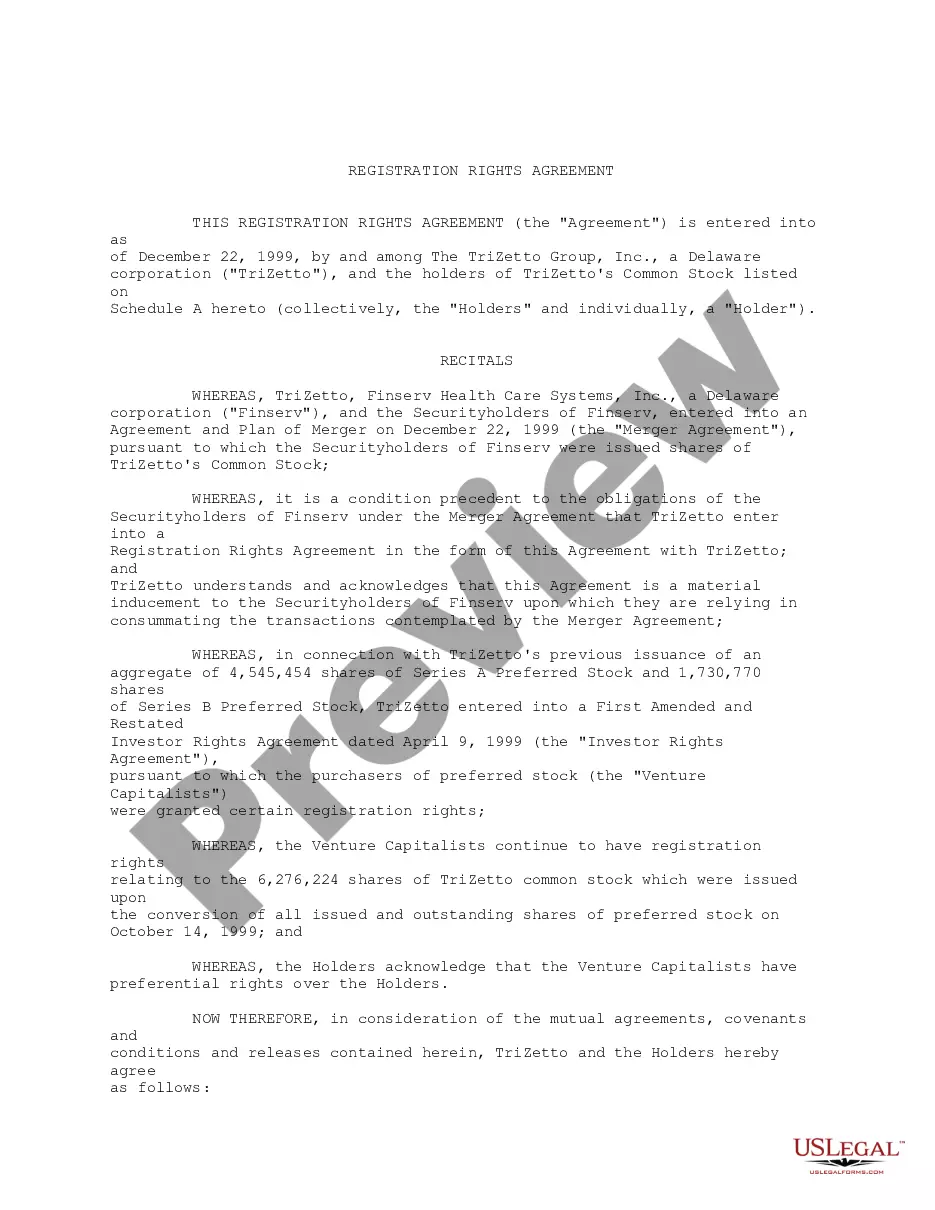
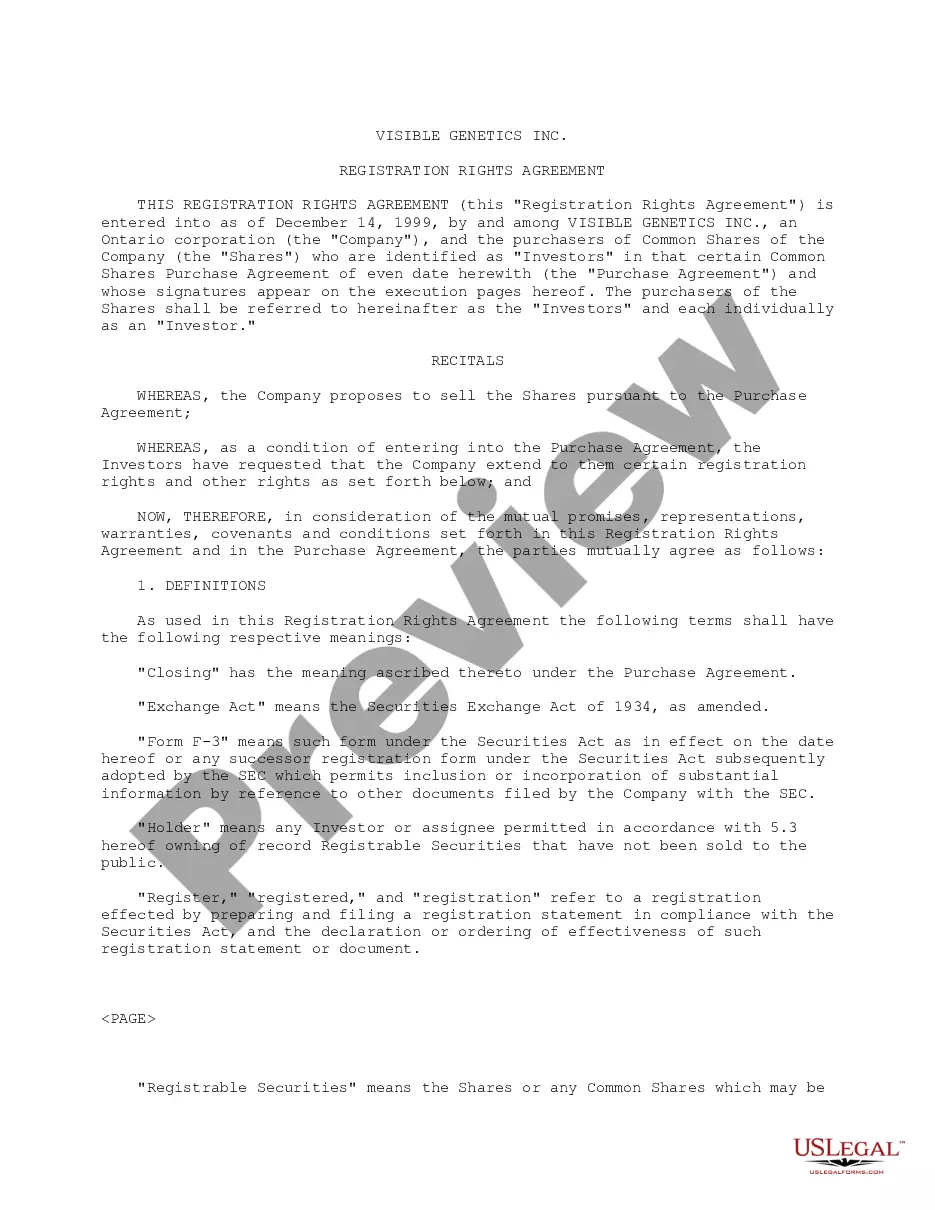
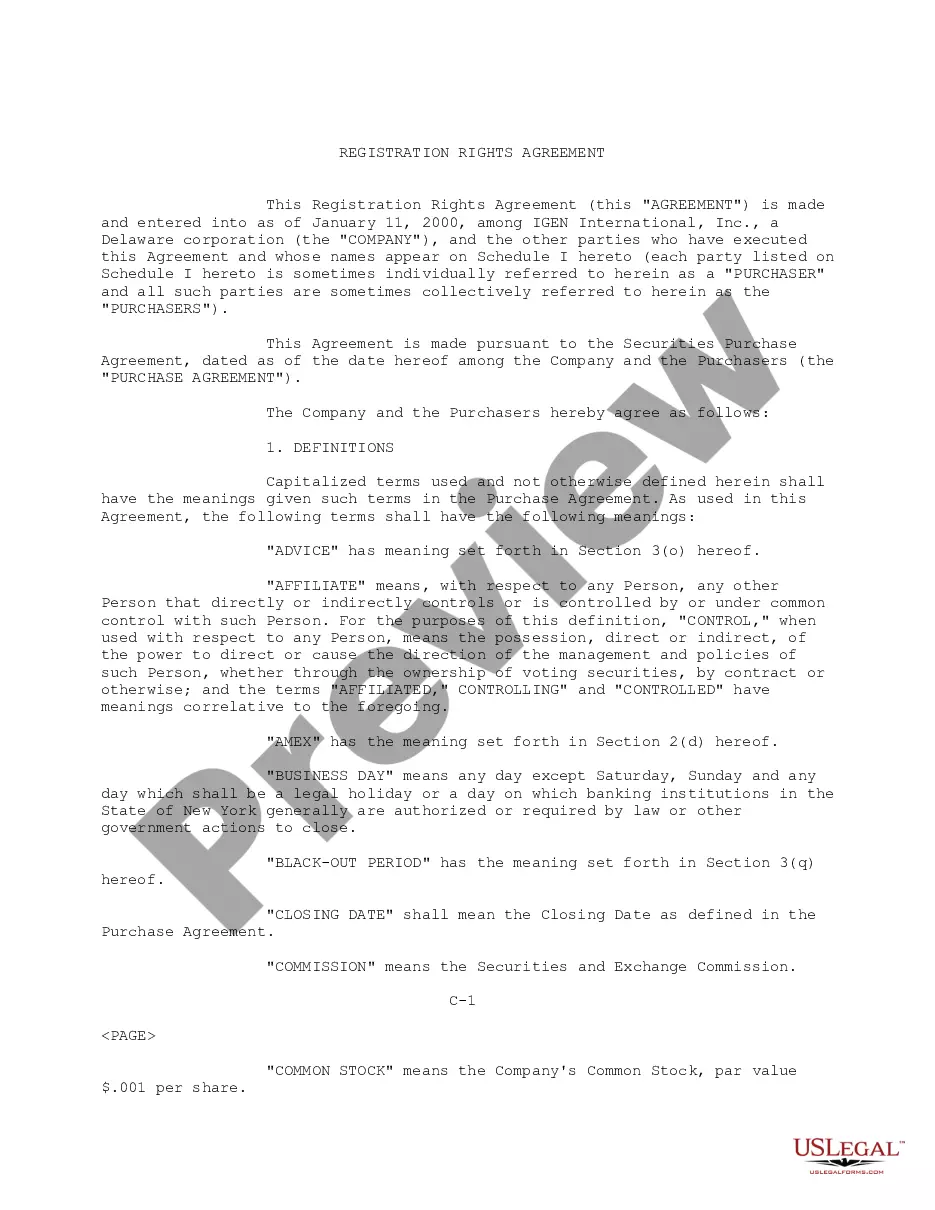
In an unregistered securities offering, an agreement between the issuer and the purchasers of the security that creates an obligation for the issuer to register the re-offer and resale of the securities being offered at some time in the future (usually within six months).