Nevada Trim Carpenter Contract for Contractor
About this form
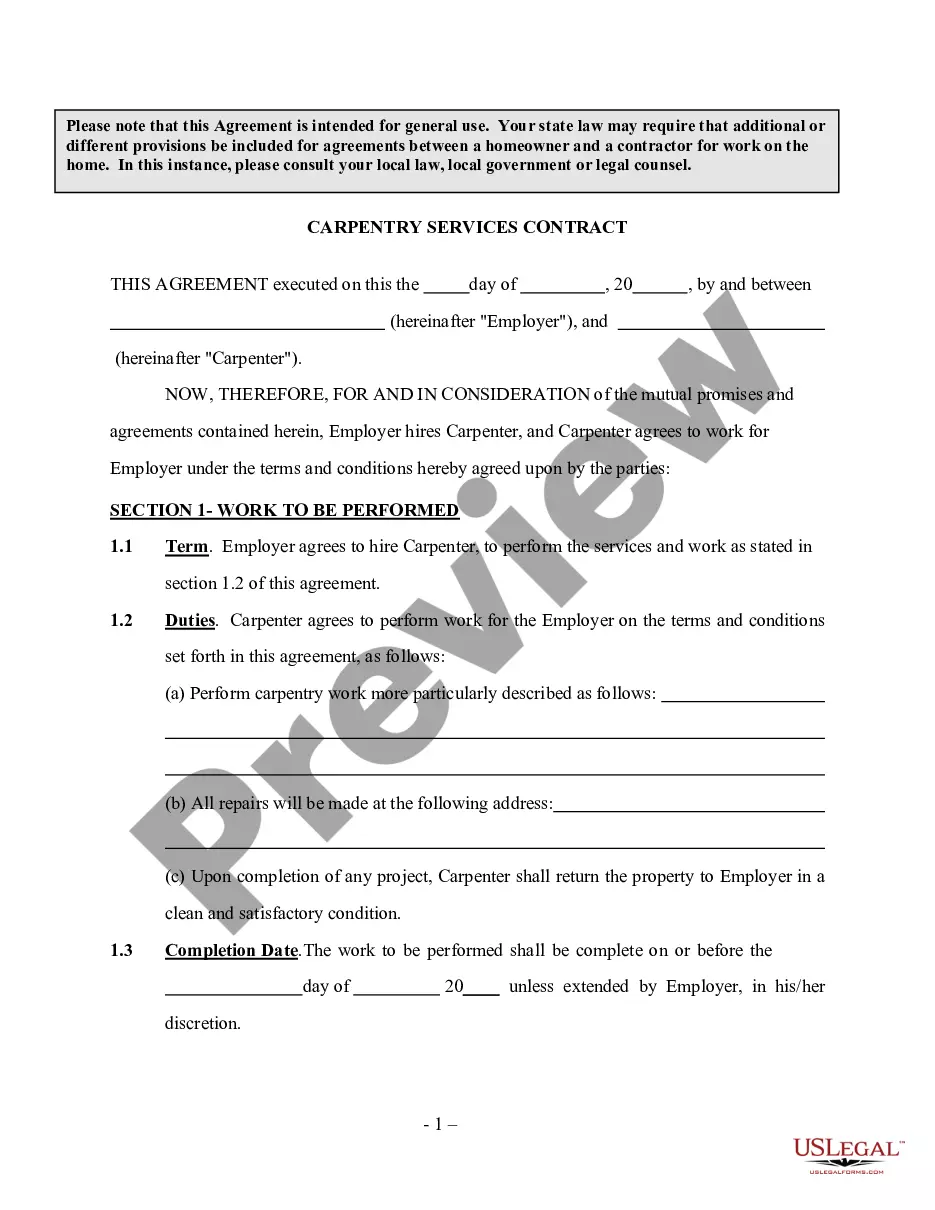
The Trim Carpenter Contract for Contractor is a legal document used between trim carpenter contractors and property owners. This contract outlines the terms of the working relationship, including payment arrangements, work site responsibilities, changes to the project scope, and more. It is essential for ensuring clarity and protecting the rights of both parties in the construction process, especially when based in Nevada, where it complies with local laws.
Key parts of this document
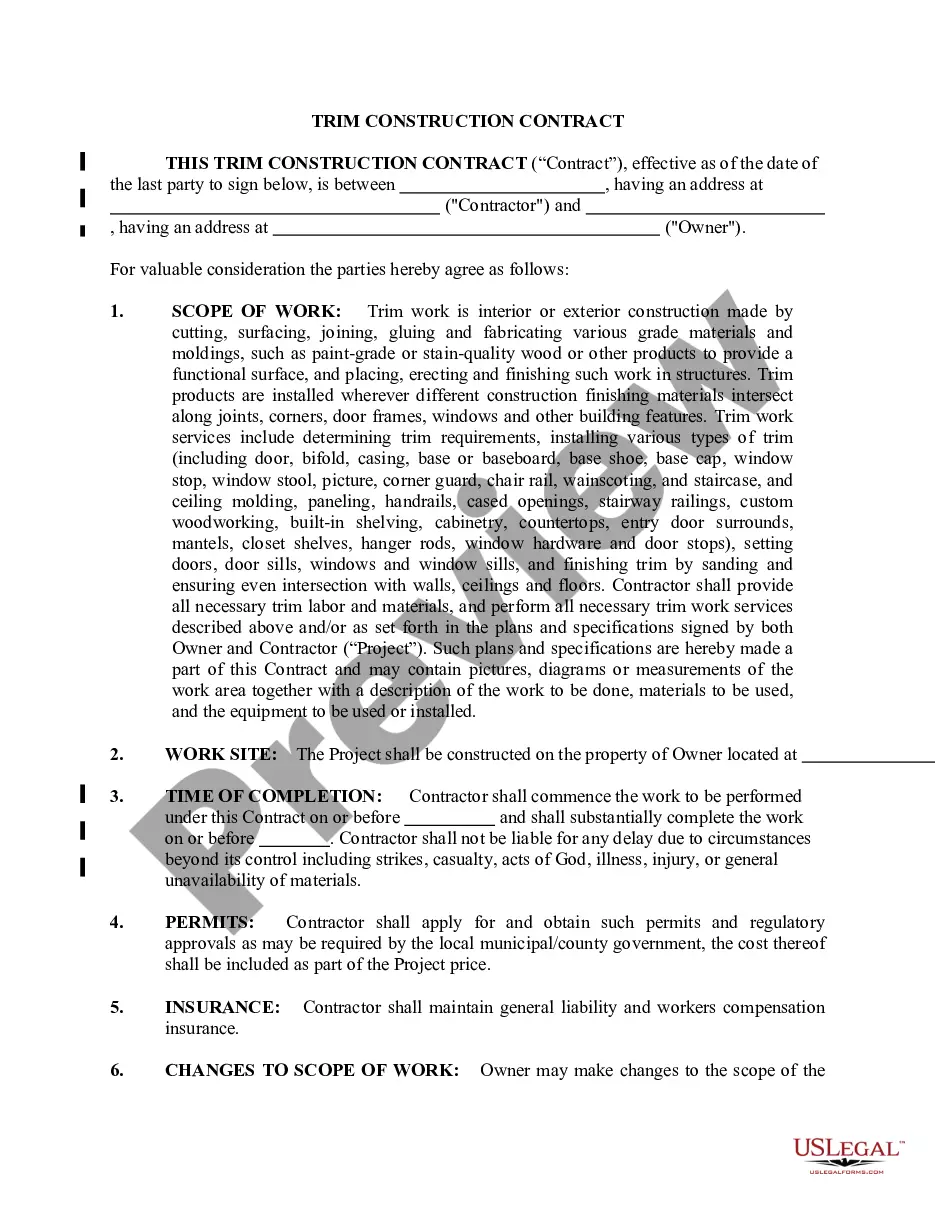
- Permits: Details on obtaining necessary permits and approvals for the project.
- Insurance: Requirements for general liability and workers compensation insurance.
- Changes to Scope of Work: Procedures for making alterations to the project, including how changes are documented and paid for.
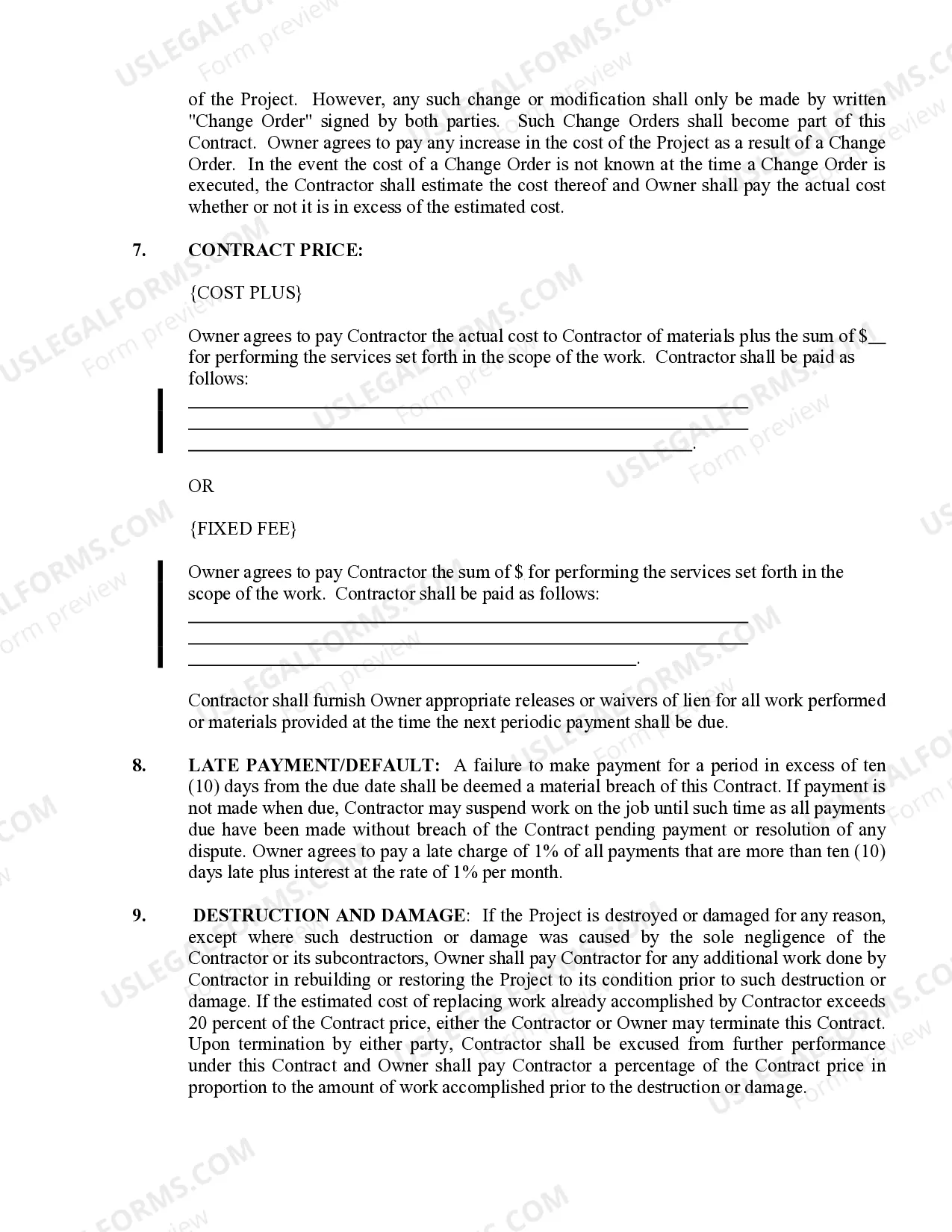
- Contract Price: Terms regarding the pricing of the project and conditions for adjustments.
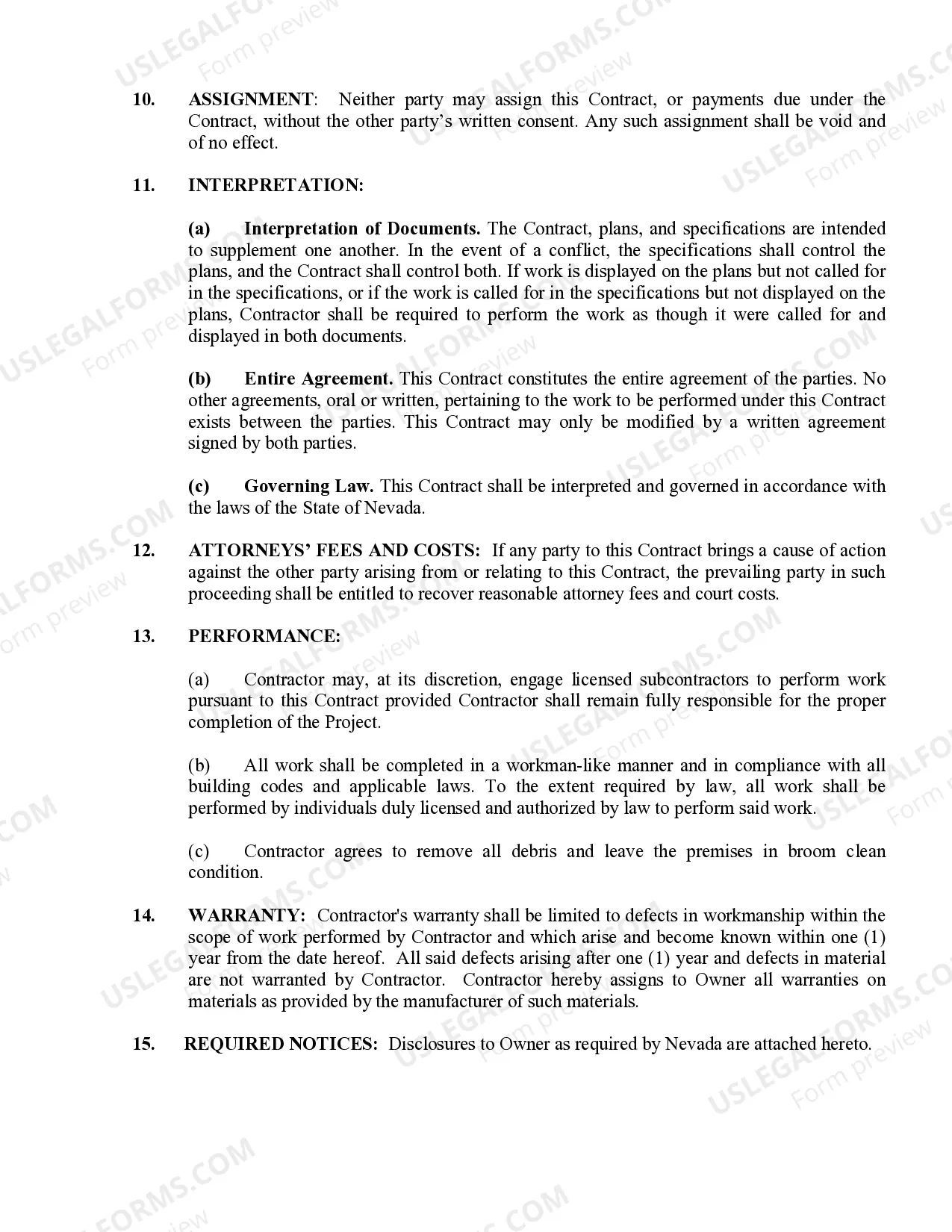
- Termination Clause: Conditions under which either party may terminate the contract, especially in cases of damage or destruction of the project.
- Governing Law: Specification that the contract is governed by Nevada law.

When to use this form
This contract is necessary when a trim carpenter contractor engages in work for a property owner. It is especially important when the terms of payment are variable or complex. Utilize this form to formalize agreements regarding project specifics, manage changes along the way, and outline responsibilities and liabilities in case of disputes or damages during the project execution.
Who can use this document
- Trim carpenter contractors looking to formalize an agreement with a property owner.
- Property owners hiring a trim carpenter for residential or commercial projects.
- Individuals seeking legal protection and clarity on the terms of service in construction-related projects.
How to prepare this document
- Identify the parties involved by entering the contractor's and property owner's names and contact information.
- Specify the project details, including scope of work and location.
- Determine and enter the payment arrangement, indicating if it is a cost-plus or fixed fee agreement.
- Review and fill in sections regarding insurance requirements and change order processes.
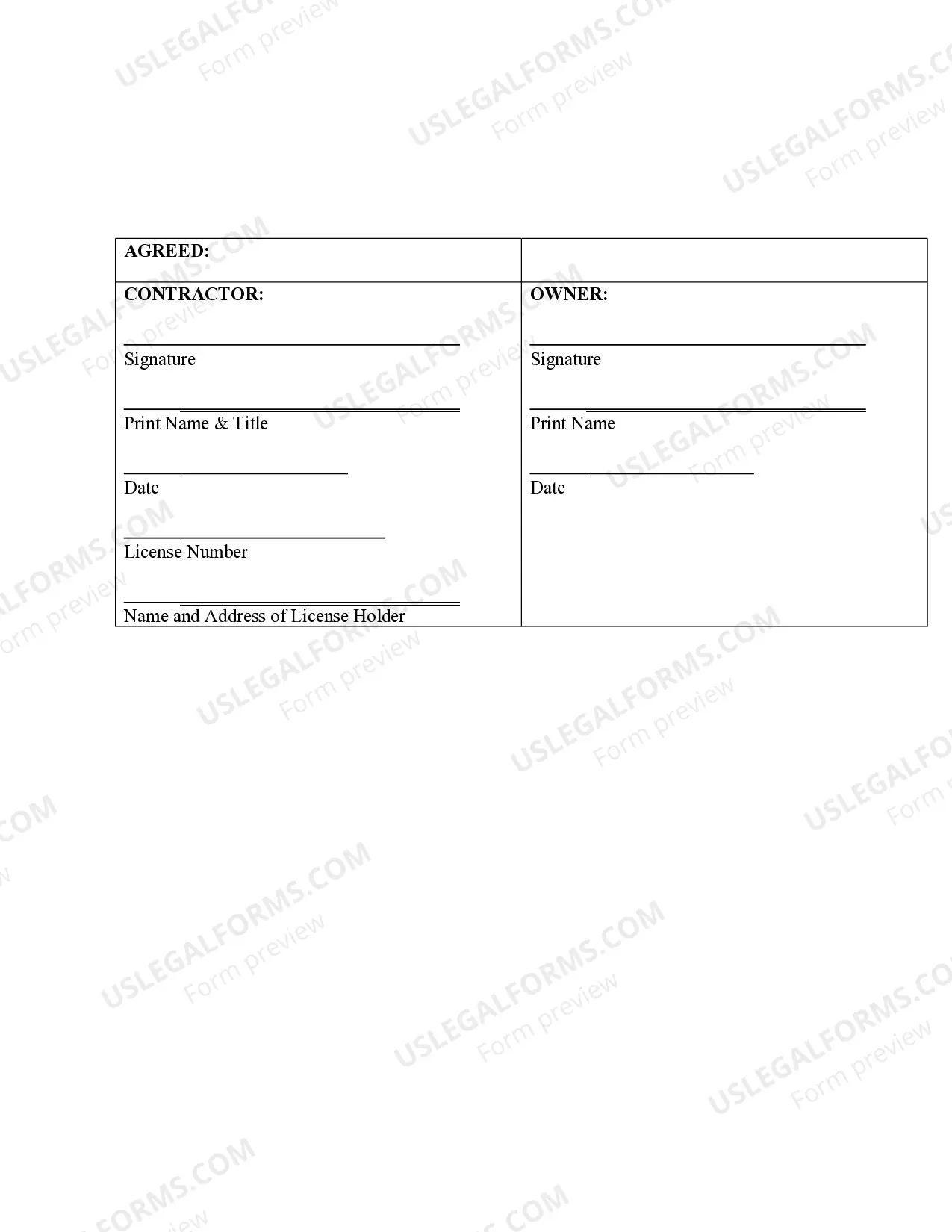
- Both parties should sign and date the contract to make it legally binding.
Notarization guidance
In most cases, this form does not require notarization. However, some jurisdictions or signing circumstances might. US Legal Forms offers online notarization powered by Notarize, accessible 24/7 for a quick, remote process.
Get your form ready online
Our built-in tools help you complete, sign, share, and store your documents in one place.
Make edits, fill in missing information, and update formatting in US Legal Forms—just like you would in MS Word.
Download a copy, print it, send it by email, or mail it via USPS—whatever works best for your next step.
Sign and collect signatures with our SignNow integration. Send to multiple recipients, set reminders, and more. Go Premium to unlock E-Sign.
If this form requires notarization, complete it online through a secure video call—no need to meet a notary in person or wait for an appointment.
We protect your documents and personal data by following strict security and privacy standards.

Make edits, fill in missing information, and update formatting in US Legal Forms—just like you would in MS Word.

Download a copy, print it, send it by email, or mail it via USPS—whatever works best for your next step.

Sign and collect signatures with our SignNow integration. Send to multiple recipients, set reminders, and more. Go Premium to unlock E-Sign.

If this form requires notarization, complete it online through a secure video call—no need to meet a notary in person or wait for an appointment.

We protect your documents and personal data by following strict security and privacy standards.
Common mistakes to avoid
- Not fully describing the scope of work, leading to misunderstandings later.
- Failing to document changes to the work through proper change orders.
- Neglecting to ensure both parties sign the contract before work begins.
- Overlooking the insurance requirements, which can expose parties to liability.
Advantages of online completion
- Easy accessibility and instant downloads ensure you can start your project without delay.
- Legal forms created by licensed attorneys offer peace of mind regarding compliance and enforceability.
- Editable templates allow customization to fit specific project needs.
Summary of main points
- The Trim Carpenter Contract outlines agreements between property owners and contractors for carpentry projects.
- Clear clauses regarding permits, changes, and payment protect both parties' interests.
- This form is compliant with Nevada laws, making it essential for any related projects in the state.
Looking for another form?
Form popularity
FAQ
General Contractor without Residential Contractor Endorsement - Can undertake commercial work or residential remodel work less than 25% of the value of the structure. No exam is required.
A: It's not uncommon for contractors to ask for a down payment up front to secure your spot on their schedule or purchase some of the job materials in advance. Asking for more than half of the project cost up front, though, is a big red flag.I recommend tying payments to progress made during the job.
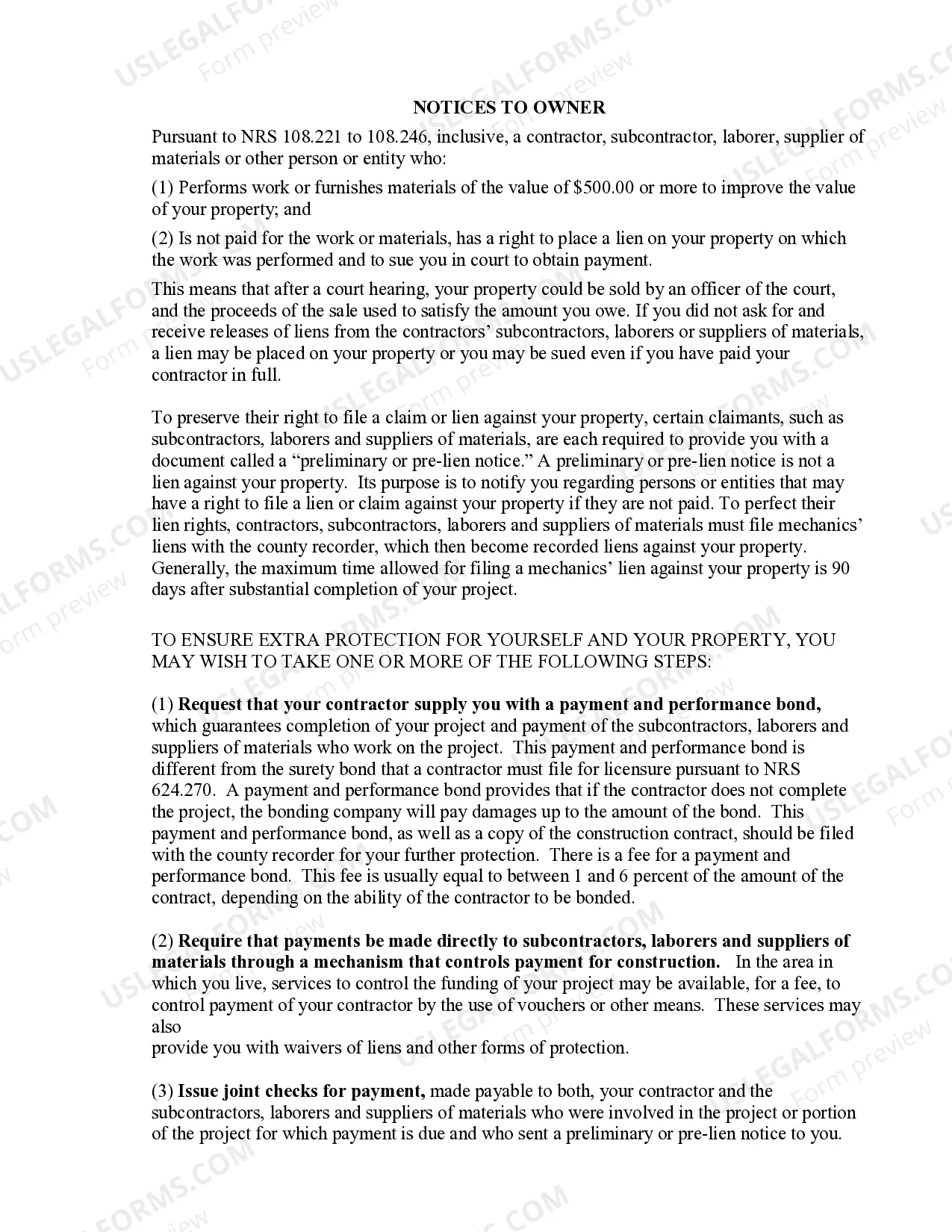
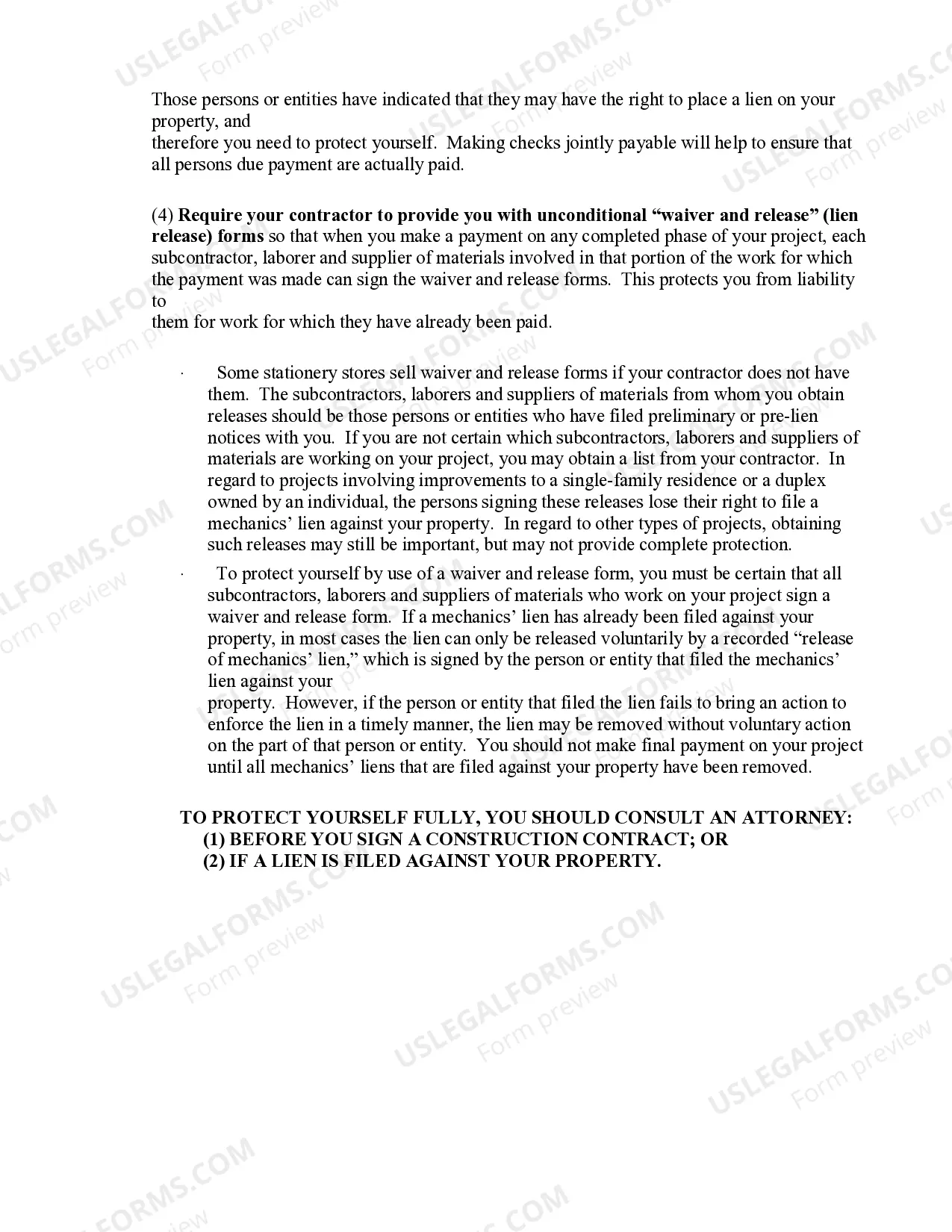
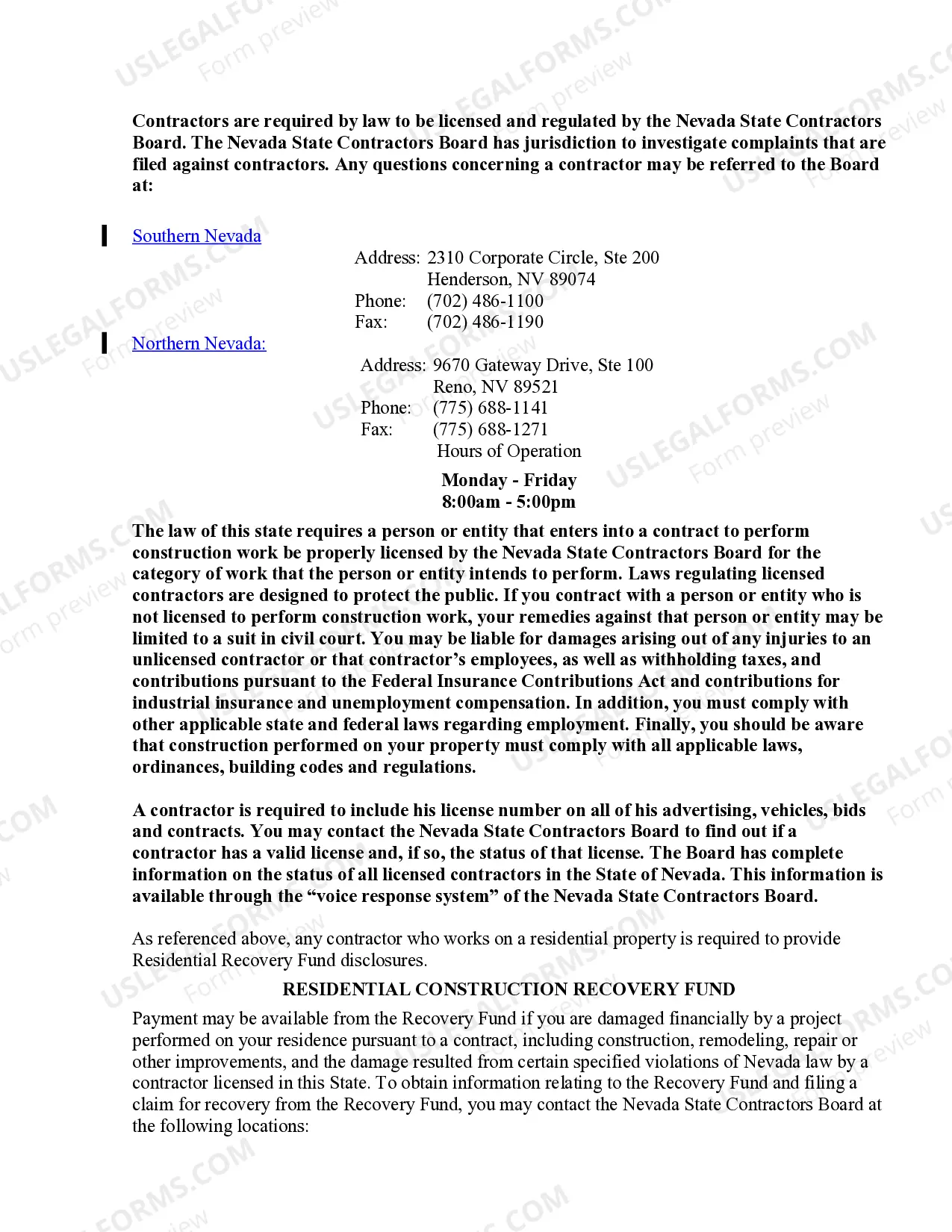
All businesses or individuals who construct or alter any building, highway, road, parking facility, railroad, excavation, or other structure in Nevada must be licensed by the Nevada State Contractors Board. Contractors, including subcontractors and specialty contractors must be licensed before submitting bids.
To receive your contractor's license, you must take and pass the Business and Law exam and the trade exam for your classification of license. You'll schedule your test date after you submit your application and get approval from the Nevada State Contractors Board (NSCB).
If the contractor requests a large sum of money before work has begun, Mozen says you should ask specifically what types of work or materials those payments are covering.Contractors sometimes have other motives, other than purchasing materials, when they ask for large amounts of money in advance, Fowler says.
Never pay the full amount up front for your swimming pool. According to the law, you should not pay more than 10% or $1,000; whichever is less, to get your project started.
You shouldn't pay more than 10 percent of the estimated contract price upfront, according to the Contractors State License Board.
Payment Schedule In Your Contract Before any work begins, a contractor will ask a homeowner to secure the job with a down payment. It shouldn't be more than 10-20 percent of the total cost of the job. Homeowners should never pay a contractor more than 10-20% before they've even stepped foot in their home.
If you are performing work over $1,000 or that requires pulling building permits, then you will need a contractor license. Anything under $1,000 that can be considered casual or minor in nature does not require a Contractor License in Nevada.