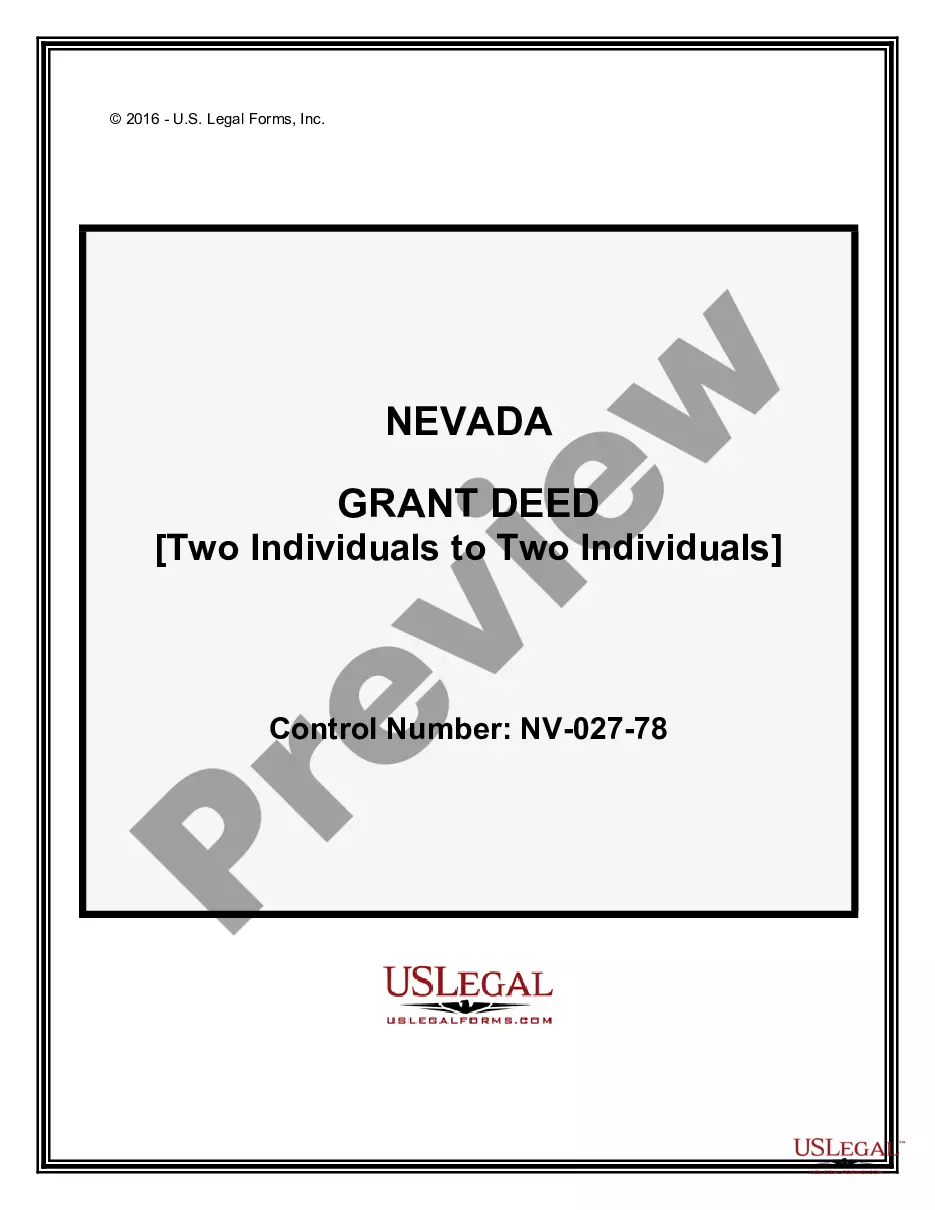
Nevada Grant Deed from Two Individuals to Two Individuals
About this form
This Grant Deed from Two Individuals to Two Individuals is a legal document that allows the grantorsâtwo individualsâto transfer property ownership to the granteesâalso two individuals. This deed specifies how the grantees will hold the property, either as tenants in common or as joint tenants with the right of survivorship, allowing for equal ownership and rights over the property. This form is tailored to comply with all applicable state laws, ensuring a valid and enforceable transfer of ownership. Unlike other property transfer documents, the Grant Deed is specifically designed for transfers between two parties, providing clarity on ownership rights and relationships.
Form components explained
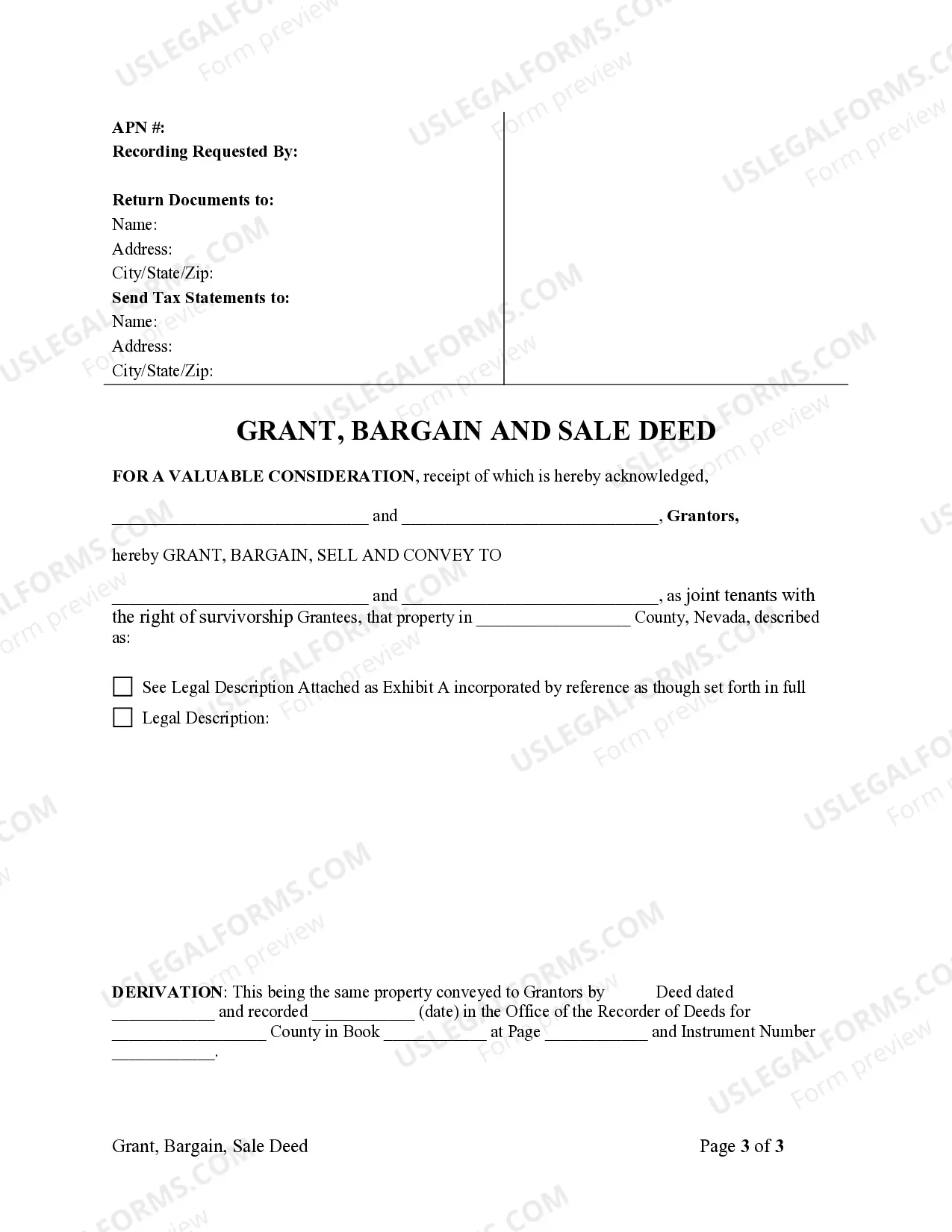
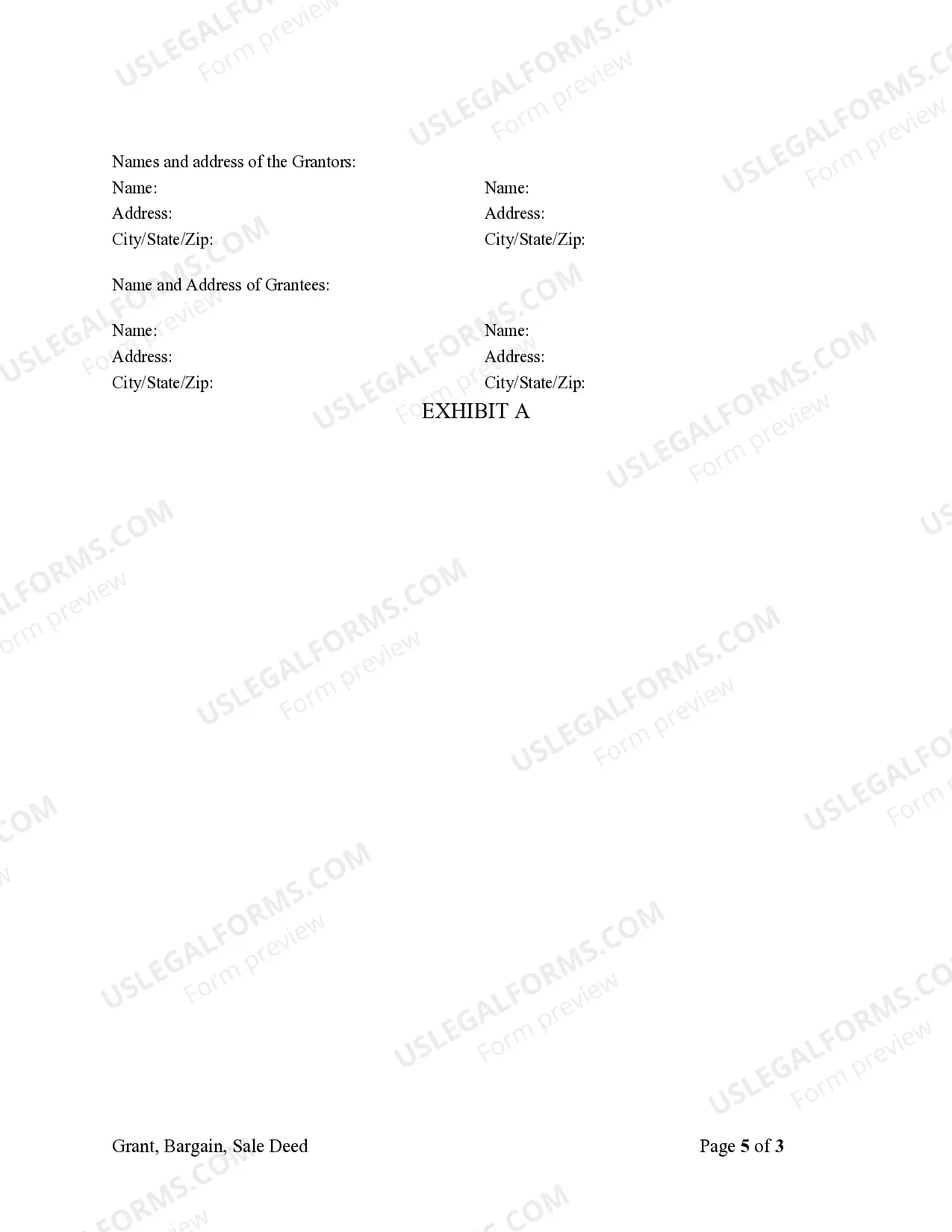
- Identifies the grantors and grantees involved in the property transfer.
- Specifies the property being transferred, including its legal description.
- Indicates the form of ownership, such as tenants in common or joint tenants.
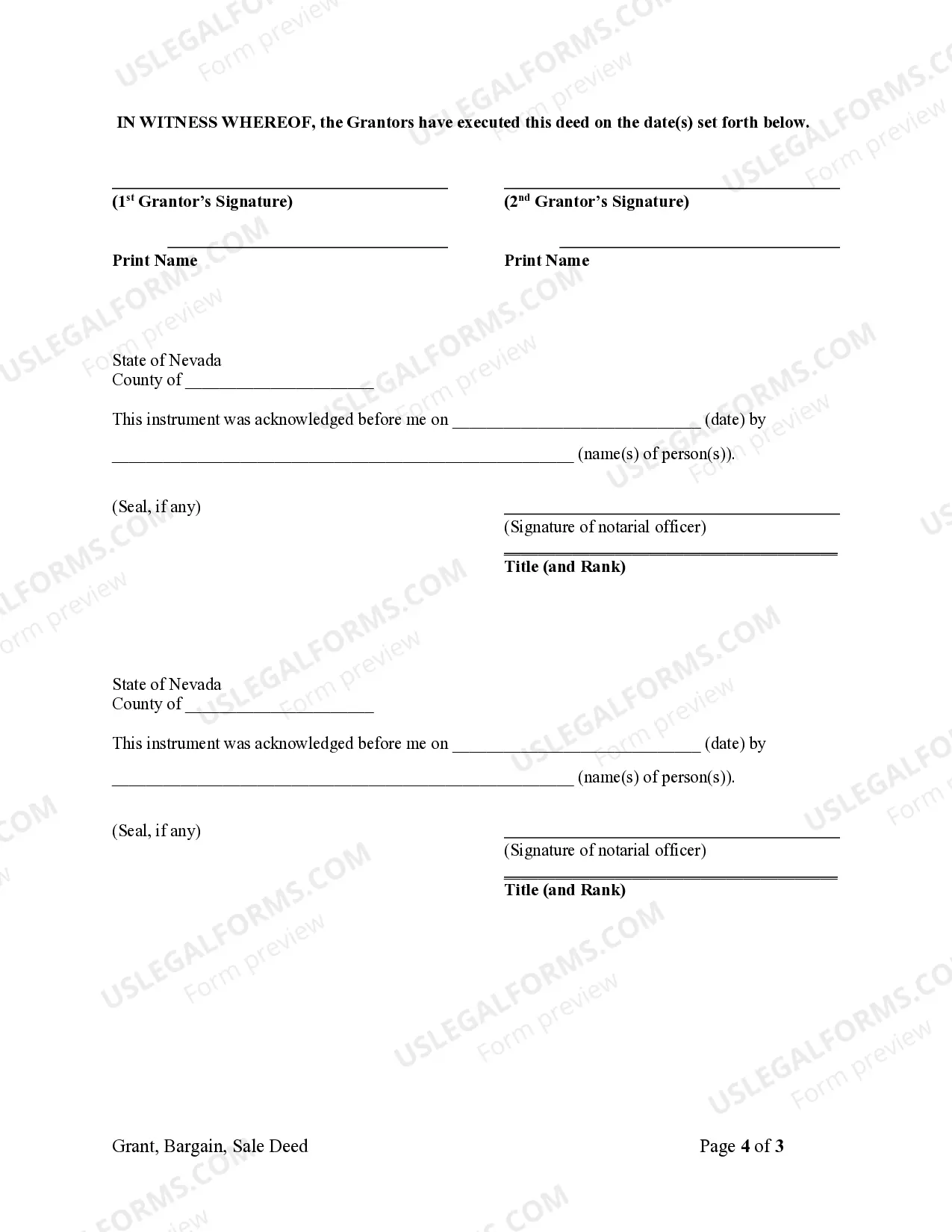
- Includes signature lines for the grantors to execute the deed.
- Provides a provision for legal descriptions attached as an exhibit.





When to use this form
This form should be used when two individuals wish to transfer ownership of a property to another set of two individuals. It is particularly useful in situations such as family property transfers, business acquisitions, or any scenario where clear and legally recognized property ownership is required between two parties. Additionally, this deed is beneficial when one or both parties wish to establish survivorship rights regarding the property.
Who should use this form
This form is intended for:
- Individuals acting as grantors who want to transfer property ownership.
- Individuals planning to acquire property as grantees.
- Parties involved in property transactions who require legal documentation for their agreements.
Steps to complete this form
- Identify all parties involved: the two grantors and the two grantees.
- Provide the legal description of the property that is being transferred.
- Indicate how the grantees will hold the property (as tenants in common or joint tenants).
- Fill in the date of execution of the deed.
- Ensure that all grantors sign the deed in the presence of a notary, if required.
Does this document require notarization?
To make this form legally binding, it must be notarized. Our online notarization service, powered by Notarize, lets you verify and sign documents remotely through an encrypted video session.
Get your form ready online
Our built-in tools help you complete, sign, share, and store your documents in one place.
Make edits, fill in missing information, and update formatting in US Legal Forms—just like you would in MS Word.
Download a copy, print it, send it by email, or mail it via USPS—whatever works best for your next step.
Sign and collect signatures with our SignNow integration. Send to multiple recipients, set reminders, and more. Go Premium to unlock E-Sign.
If this form requires notarization, complete it online through a secure video call—no need to meet a notary in person or wait for an appointment.
We protect your documents and personal data by following strict security and privacy standards.
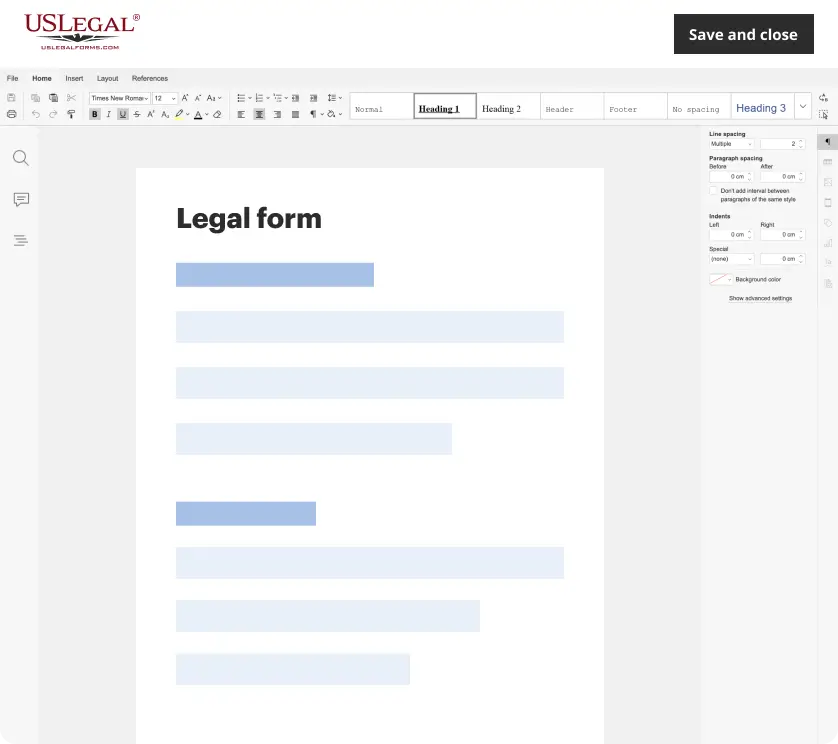
Make edits, fill in missing information, and update formatting in US Legal Forms—just like you would in MS Word.
Download a copy, print it, send it by email, or mail it via USPS—whatever works best for your next step.
Sign and collect signatures with our SignNow integration. Send to multiple recipients, set reminders, and more. Go Premium to unlock E-Sign.

If this form requires notarization, complete it online through a secure video call—no need to meet a notary in person or wait for an appointment.

We protect your documents and personal data by following strict security and privacy standards.
Common mistakes
- Not including complete legal descriptions of the property.
- Failing to have the deed signed in front of a notary if required.
- Forgetting to specify the form of ownership for the grantees.
- Leaving out any relevant information about the grantors or grantees.
Why use this form online
- Convenient access to legally compliant forms from home.
- Editability allows personalization before final printing.
- Reliable formats provided by legal professionals ensure validity.
Main things to remember
- The Grant Deed transfers ownership from two individuals to another two individuals.
- It allows grants of property as tenants in common or joint tenants.
- This form complies with Nevada laws, making it a reliable choice for property transfers.
Looking for another form?




Form popularity
FAQ
Grantor's name. Grantee's name and address. Description of grantee (ex: unmarried man, husband and wife, joint tenants) Person who requested grant deed. Address of real estate that is being transferred. Legal description of property (lot number) Original title order number for property.
The seller or the seller's broker will hire an attorney to prepare the real estate deed to ensure that all of the requirements in the creation of a valid deed are met before the seller conveys title to the property. All real estate deeds must be in writing.
Contrary to normal expectations, the Deed DOES NOT have to be recorded to be effective or to show delivery, and because of that, the Deed DOES NOT have to be signed in front of a Notary Public. However, if you plan to record it, then it does have to be notarized as that is a County Recorder requirement.
Today's question is is it possible to deed real estate to someone without them knowing it? Strictly speaking, the answer is no. Because it does not meet the acceptance element of a valid deed transfer. Us lawyers must learn to speak in elements because it governs everything that we do.
A grant deed is the instrument used to transfer title to an interest in real property from one owner to someone else.A deed of trust is the security instrument given to a lender to secure a loan or other obligation. Bare naked title is deeded to the trustee, who holds the power of sale or the power to re-convey.
Print a grant deed from an online source. Sign the document in the presence of a notary public. Take the deed to the recorder's office in the county where the property is located.
Adding someone to your house deed requires the filing of a legal form known as a quitclaim deed. When executed and notarized, the quitclaim deed legally overrides the current deed to your home. By filing the quitclaim deed, you can add someone to the title of your home, in effect transferring a share of ownership.
To create a joint tenancy, all you need to do is put the right words on the title document, such as a deed to real estate, a car's title slip, or the signature card establishing a bank account.
In most states you can file a disclaimer or deed of disclaimer that says specifically you were placed in title without your knowledge or consent and disclaim the deed.