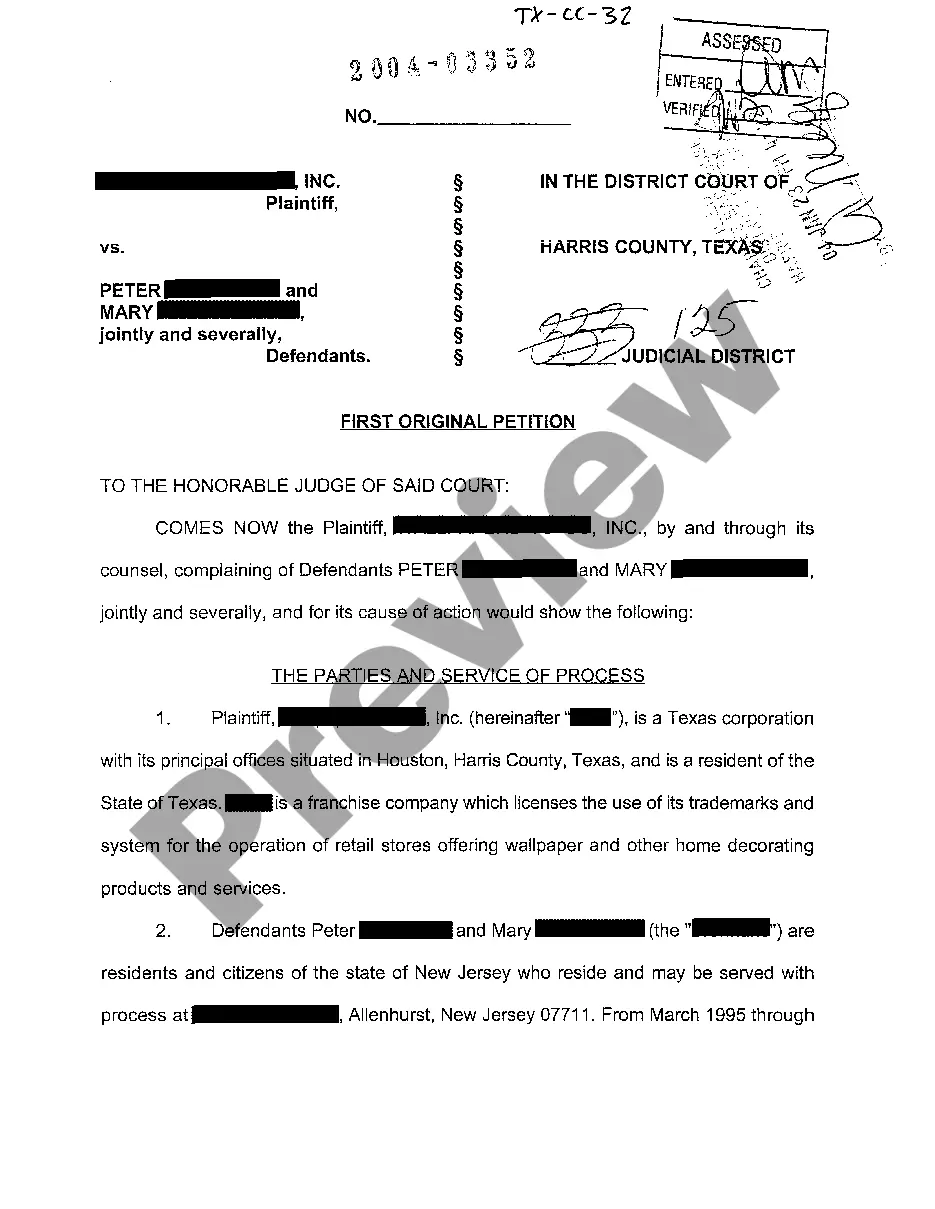
Nevada Landlord Agreement to allow Tenant Alterations to Premises
About this form
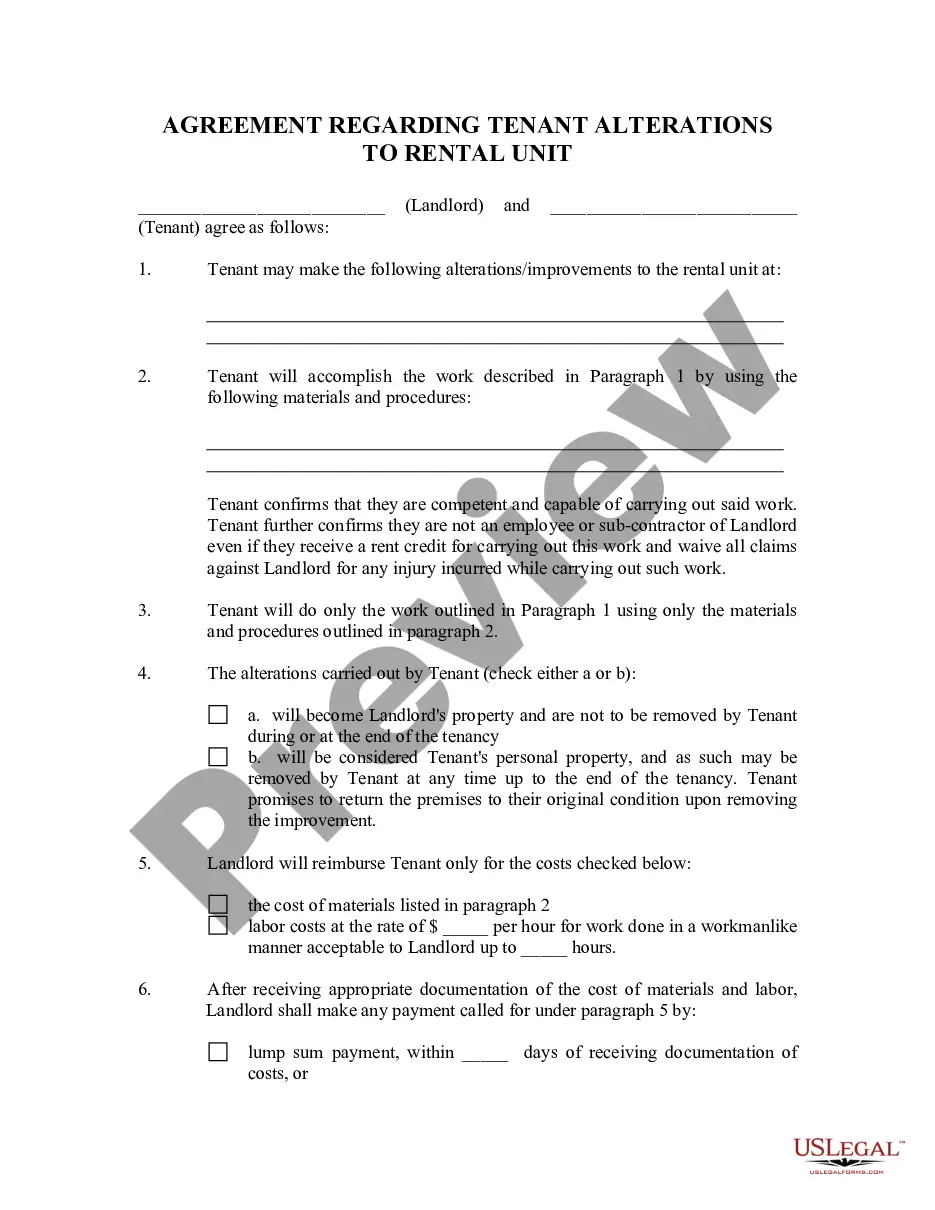
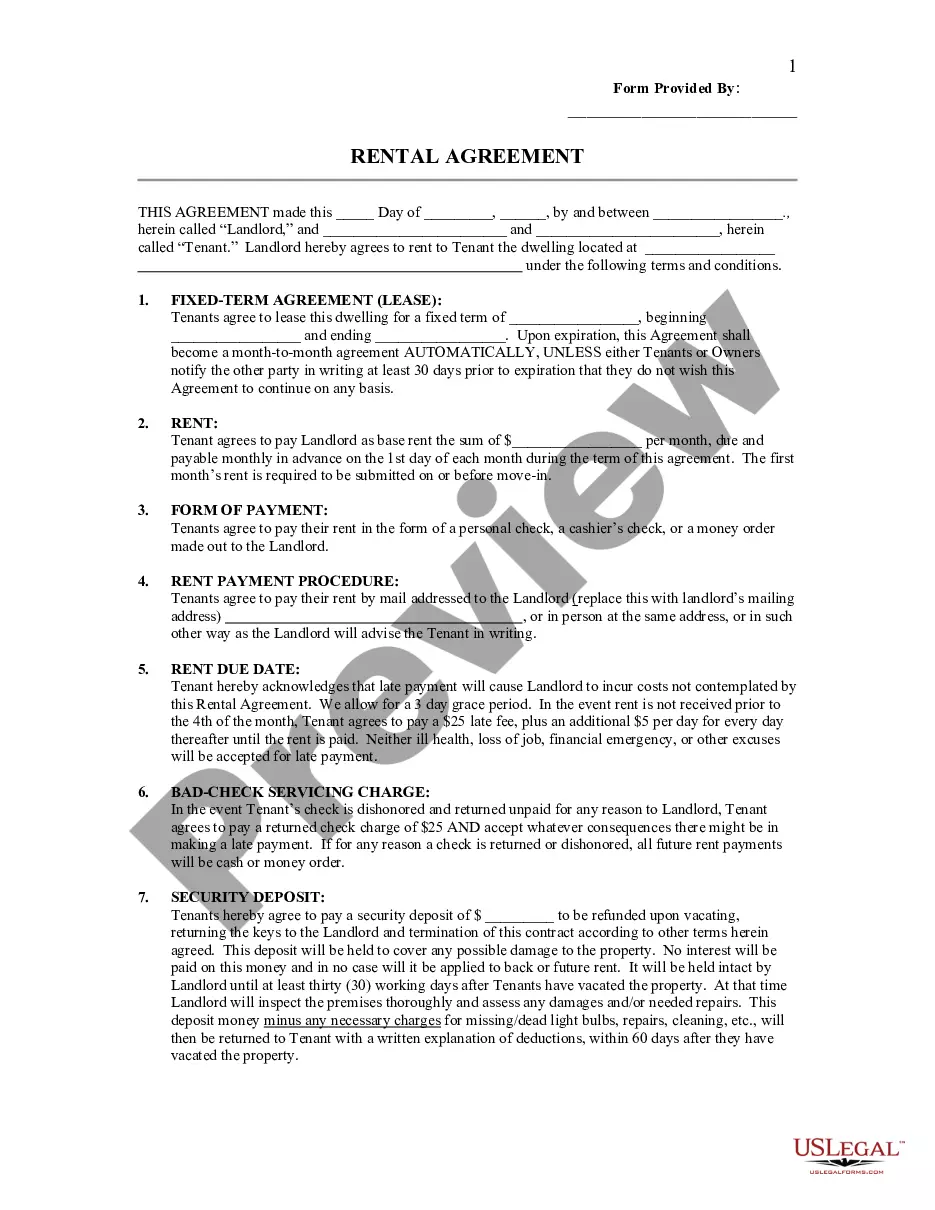
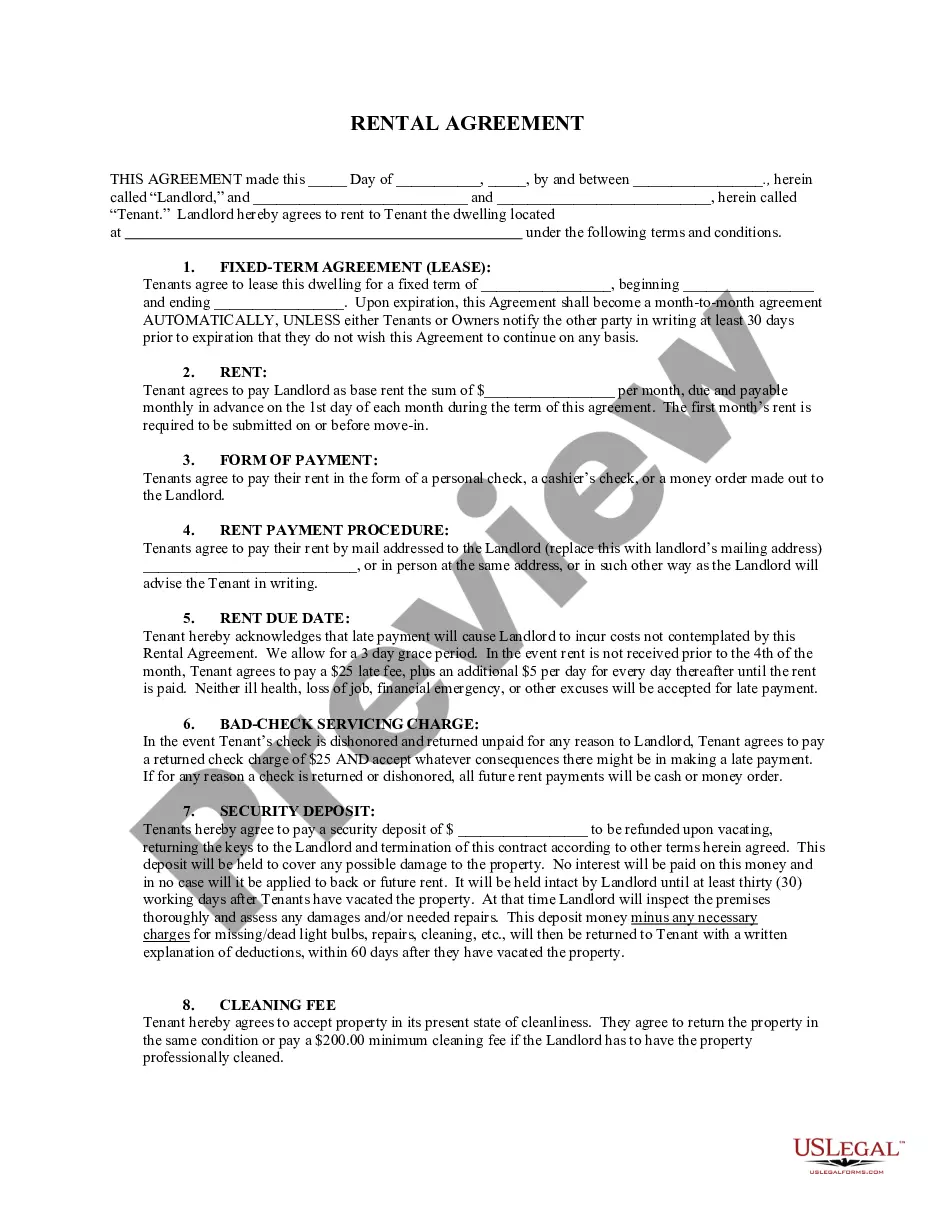
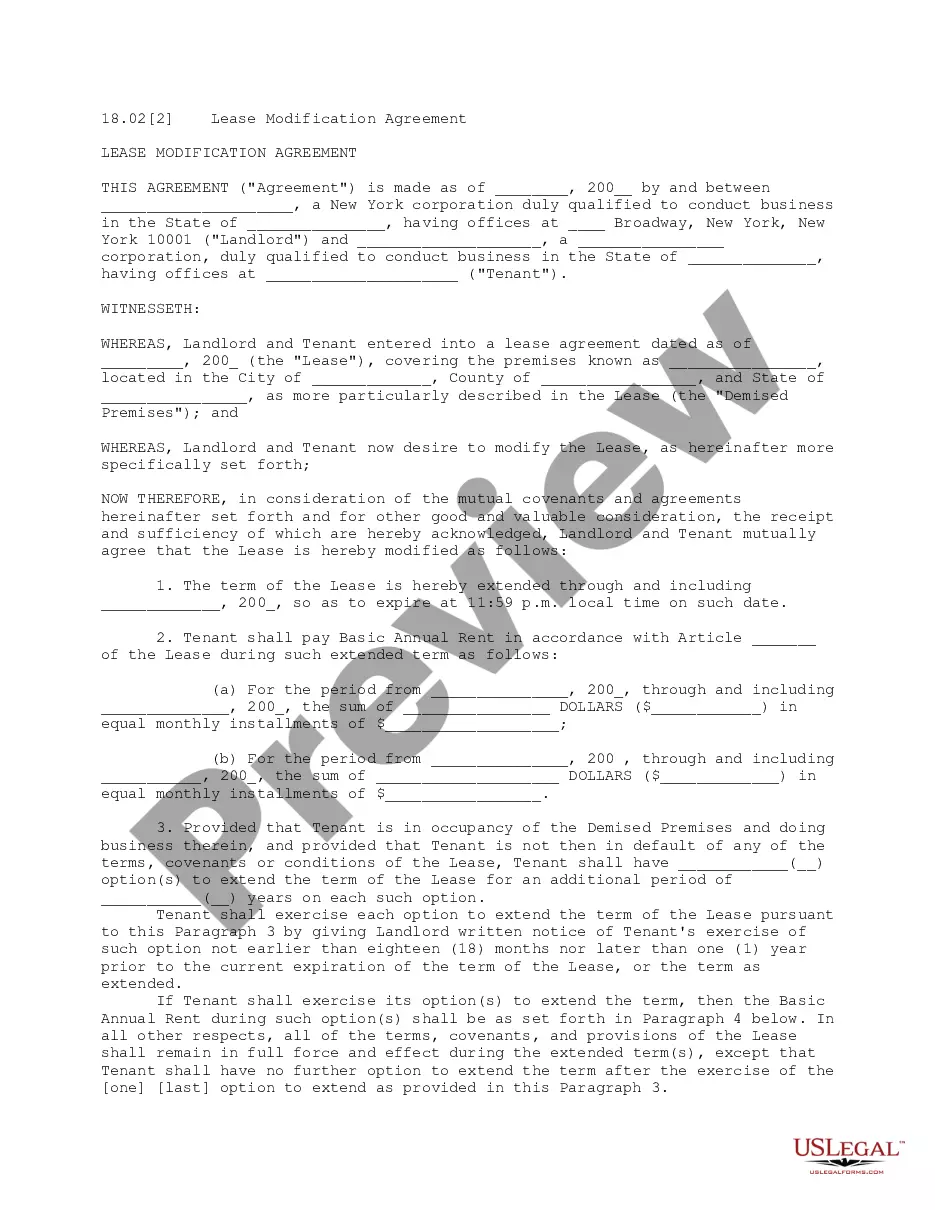
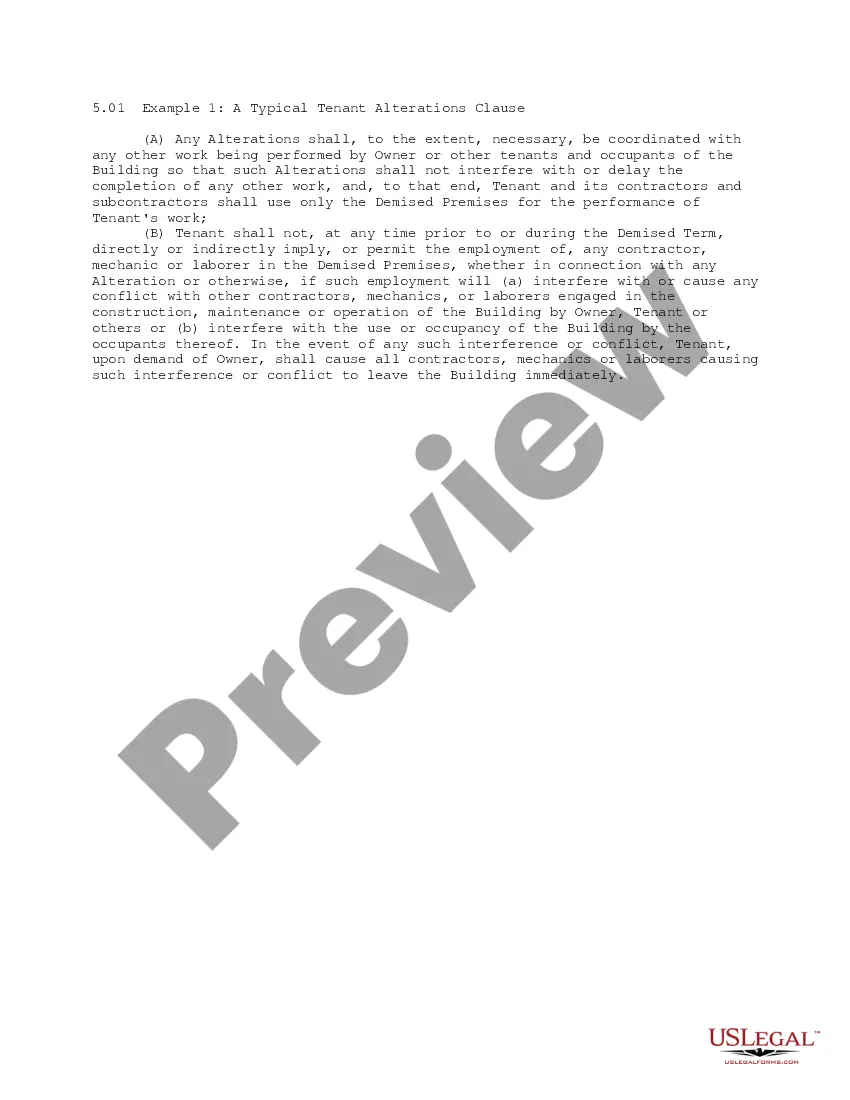
The Landlord Agreement to allow Tenant Alterations to Premises is a legal document that outlines the terms under which a tenant may make alterations or improvements to a rental property. This form helps to ensure clarity between landlords and tenants, minimizing misunderstandings about ownership of the alterations, costs, and responsibilities upon the tenant's departure. It is distinct from general rental agreements as it specifically addresses alterations made by the tenant.
Key parts of this document
- Tenant's rights to make specific alterations or improvements to the rental unit.
- Clarification of whether the alterations will be the landlord's or the tenant's property.
- Details on reimbursement for alterations and improvement costs, including materials and labor.
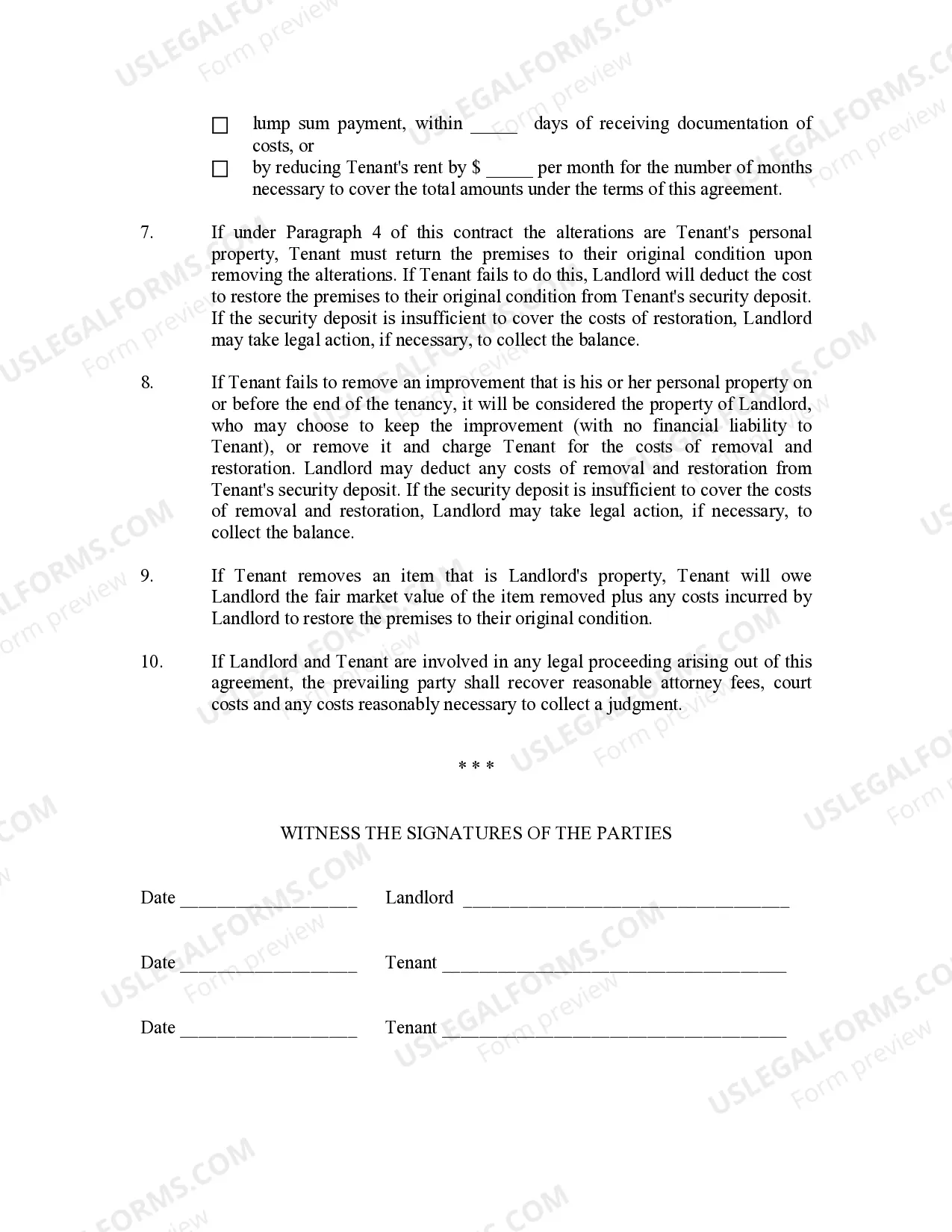
- Responsibilities for restoring the premises upon removal of tenant-owned alterations.
- Consequences of not returning the premises to its original condition.
- Legal provisions for recovery of costs related to alterations and attorney fees for disputes.
When this form is needed
This form is ideal for situations where a tenant wishes to make improvements or modifications to a rental unit. Common scenarios include a tenant wanting to paint the walls, install shelves, or make other significant changes to enhance the living space. Using this form can help outline mutual agreements and protect both parties in the event of a dispute regarding the alterations.
Who can use this document
This form is suitable for:
- Landlords who want to establish clear guidelines for tenant alterations.
- Tenants who intend to make changes to their rented property and want to formalize the agreement.
- Real estate professionals managing rental properties on behalf of landlords.
Steps to complete this form
- Identify the parties involved by entering the names of the landlord and tenant.
- Outline the specific alterations or improvements the tenant wishes to make.
- Clarify whether the alterations will belong to the landlord or the tenant.
- Detail the reimbursement agreement for materials and labor costs.
- Set forth the timeline for payments and any provisions for restoring the premises.
- Both parties should sign and date the form to make it legally binding.
Does this document require notarization?
Notarization is generally not required for this form. However, certain states or situations might demand it. You can complete notarization online through US Legal Forms, powered by Notarize, using a verified video call available anytime.
Get your form ready online
Our built-in tools help you complete, sign, share, and store your documents in one place.
Make edits, fill in missing information, and update formatting in US Legal Forms—just like you would in MS Word.
Download a copy, print it, send it by email, or mail it via USPS—whatever works best for your next step.
Sign and collect signatures with our SignNow integration. Send to multiple recipients, set reminders, and more. Go Premium to unlock E-Sign.
If this form requires notarization, complete it online through a secure video call—no need to meet a notary in person or wait for an appointment.
We protect your documents and personal data by following strict security and privacy standards.

Make edits, fill in missing information, and update formatting in US Legal Forms—just like you would in MS Word.

Download a copy, print it, send it by email, or mail it via USPS—whatever works best for your next step.

Sign and collect signatures with our SignNow integration. Send to multiple recipients, set reminders, and more. Go Premium to unlock E-Sign.

If this form requires notarization, complete it online through a secure video call—no need to meet a notary in person or wait for an appointment.

We protect your documents and personal data by following strict security and privacy standards.
Mistakes to watch out for
- Failing to outline all planned alterations, leading to disputes later.
- Not specifying who is responsible for costs, which may result in misunderstandings regarding reimbursements.
- Neglecting to have both parties sign the agreement, which can affect its validity.
Advantages of online completion
- Quick and convenient access to a professionally drafted legal document.
- Easy customization to fit specific tenant-landlord agreements.
- Downloadable format allows for storage and printing as needed.
Quick recap
- This form clarifies rights and responsibilities for tenant alterations.
- It helps prevent legal disputes by establishing clear terms.
- Both parties should understand their obligations under the agreement to ensure a smooth rental experience.
Looking for another form?
Form popularity
FAQ
A no-cause eviction is when a tenant hasn't done anything wrong and the landlord does not want to renew a lease. A landlord cannot use a no-cause eviction before a lease is up. Currently, property owners have to give tenants a 30-days notice for normal renters.
Nevada Revised Statutes require a seven-day notice to the tenant, instructing the tenant to either pay the rent or "quit" (leave) the rental property. To evict a tenant for nonpayment of rent, the landlord must "serve" (deliver) a Seven-Day Notice to Pay Rent or Quit to the tenant.
Nevada Revised Statutes require a seven-day notice to the tenant, instructing the tenant to either pay the rent or "quit" (leave) the rental property. To evict a tenant for nonpayment of rent, the landlord must "serve" (deliver) a Seven-Day Notice to Pay Rent or Quit to the tenant.
The landlord can enter the rental property, without the tenant's consent, if there is an emergency. (NRS 118A.Show the unit to potential or actual purchasers, mortgage companies, tenants, workers, contractors, or other people with a true interest in inspecting the property. (NRS 118A.
Nevada was named the 11th most renter-friendly state in America in the study that looked at landlord-tenant laws in all 50 states and Washington, D.C. The study did not consider rent prices, but instead examined laws that regulate renting terms such as security deposits, rent increases, warranty of habitability, repair
State law regulates several rent-related issues, including late and bounced-check fees, the amount of notice (at least 45 days in Nevada) landlords must give tenants to raise the rent, and how much time (five days in Nevada) a tenant has to pay overdue rent or move before a landlord can file for eviction.
Indiana. Indiana laws allow landlords to hold on to security deposits for 45 days to give them time to determine any damages caused by tenants. Colorado. Colorado is one of few states that allow landlords to access the rental property without an advance notice requirement. Georgia.
Most rental agreements are short-term agreements, such as month-to-month tenancies, while lease agreements are usually for longer rental periods, such as six months, a year, or more.