Nevada Revocation of Anatomical Gift Donation
What this document covers
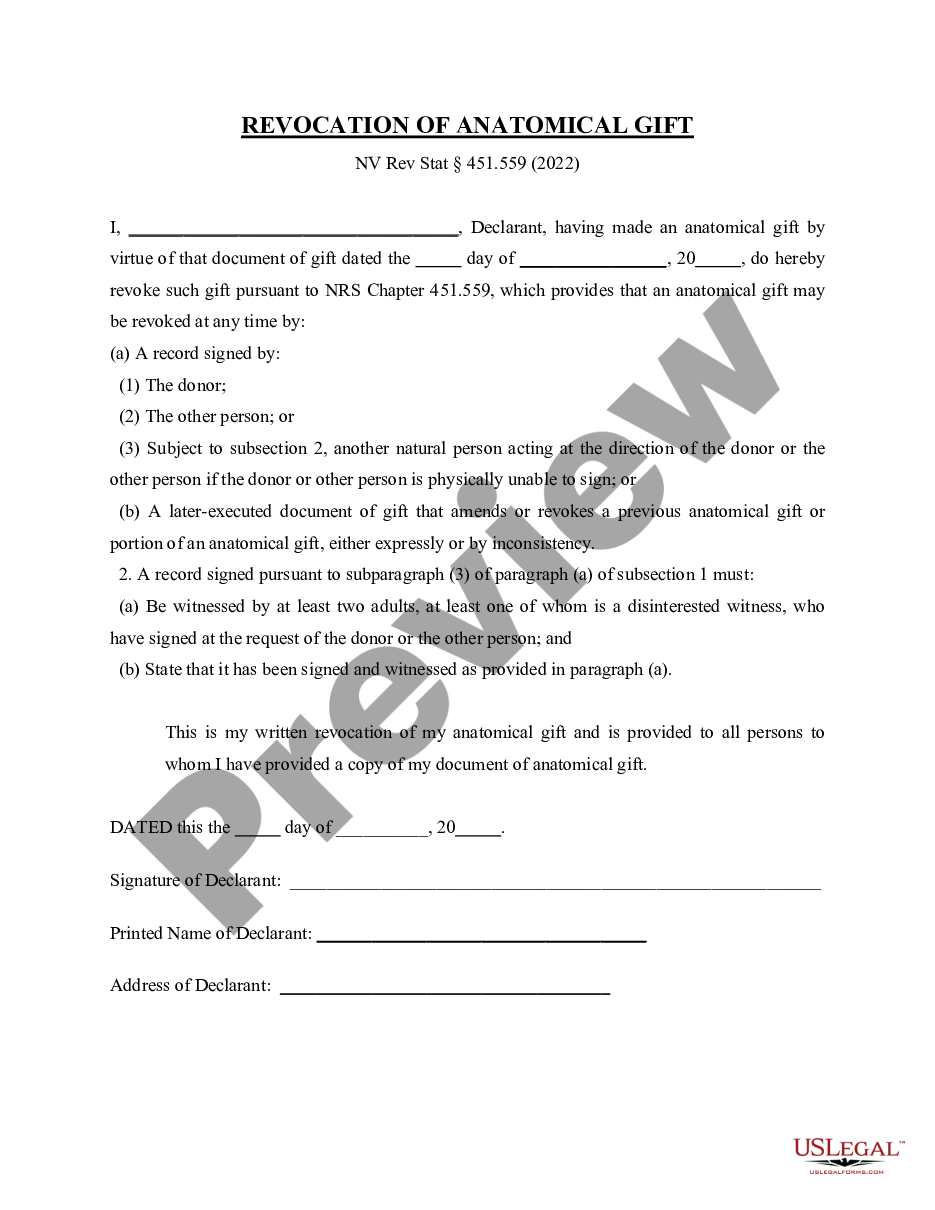
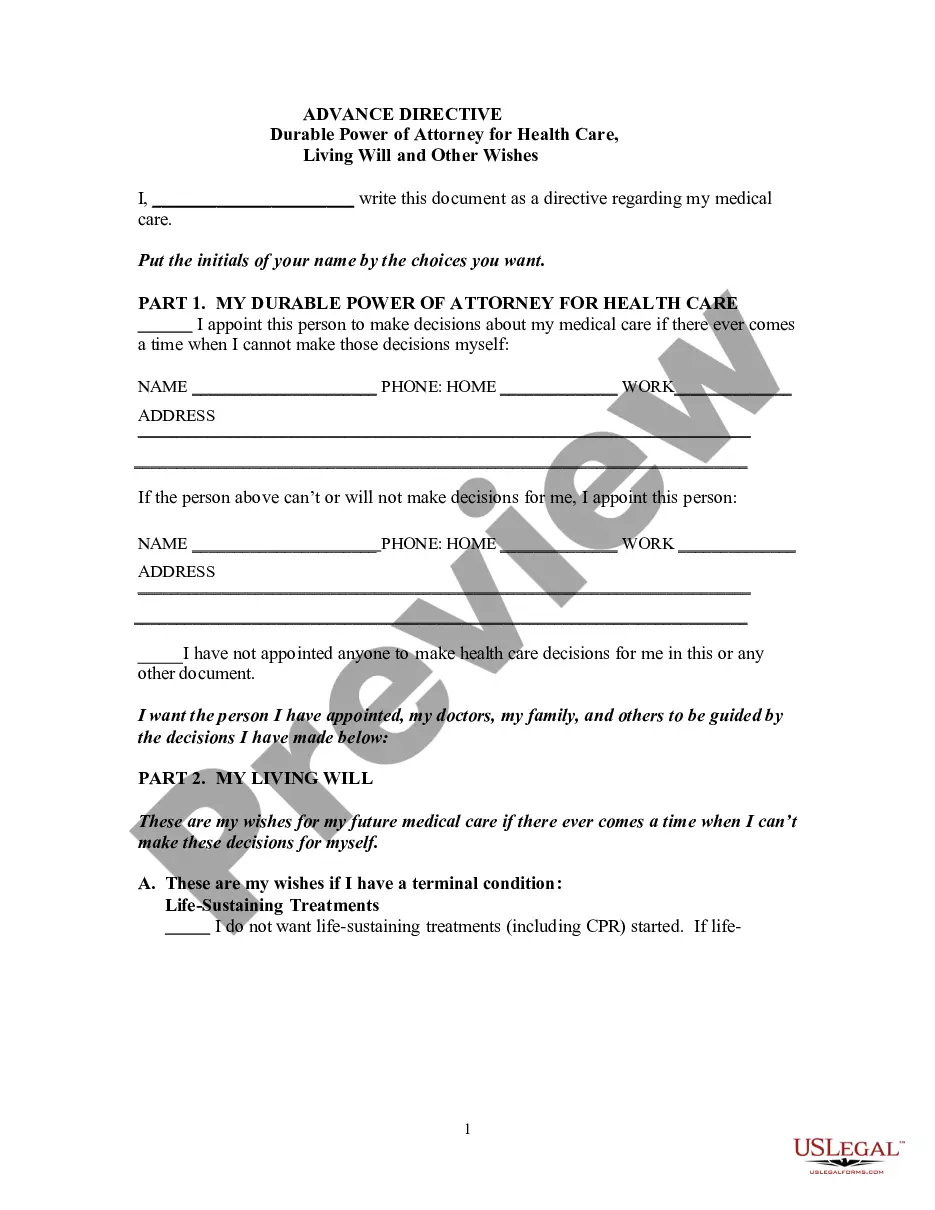
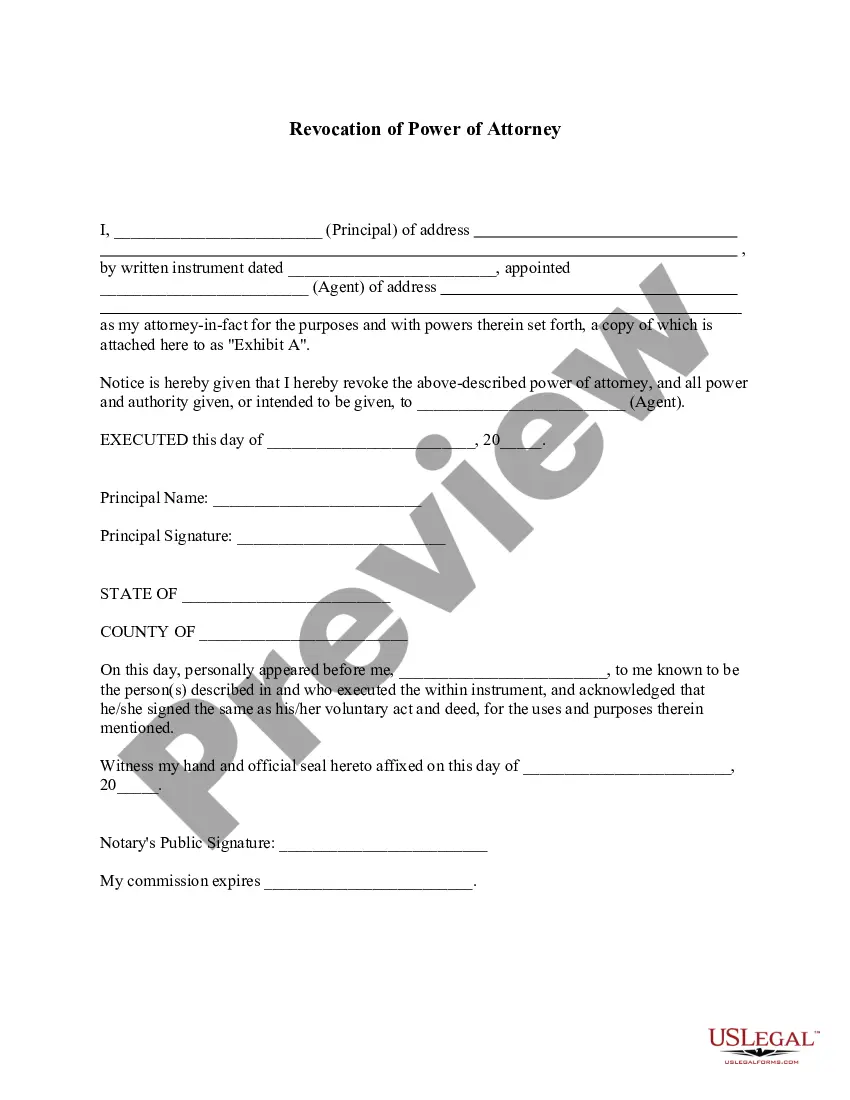
The Revocation of Anatomical Gift Donation form allows individuals to formally cancel anatomical gift donations made during their lifetime. It serves as a critical document for those who wish to change their decision regarding the donation of specific body parts and organs after death. Unlike initial donation forms that specify what is to be donated, this form is designed solely for the intent to revoke previously made donations, ensuring that an individual's wishes are respected and legally documented.
Form components explained
- Signature of the donor or other authorized person revoking the gift.
- Date and intent of the revocation clearly stated.
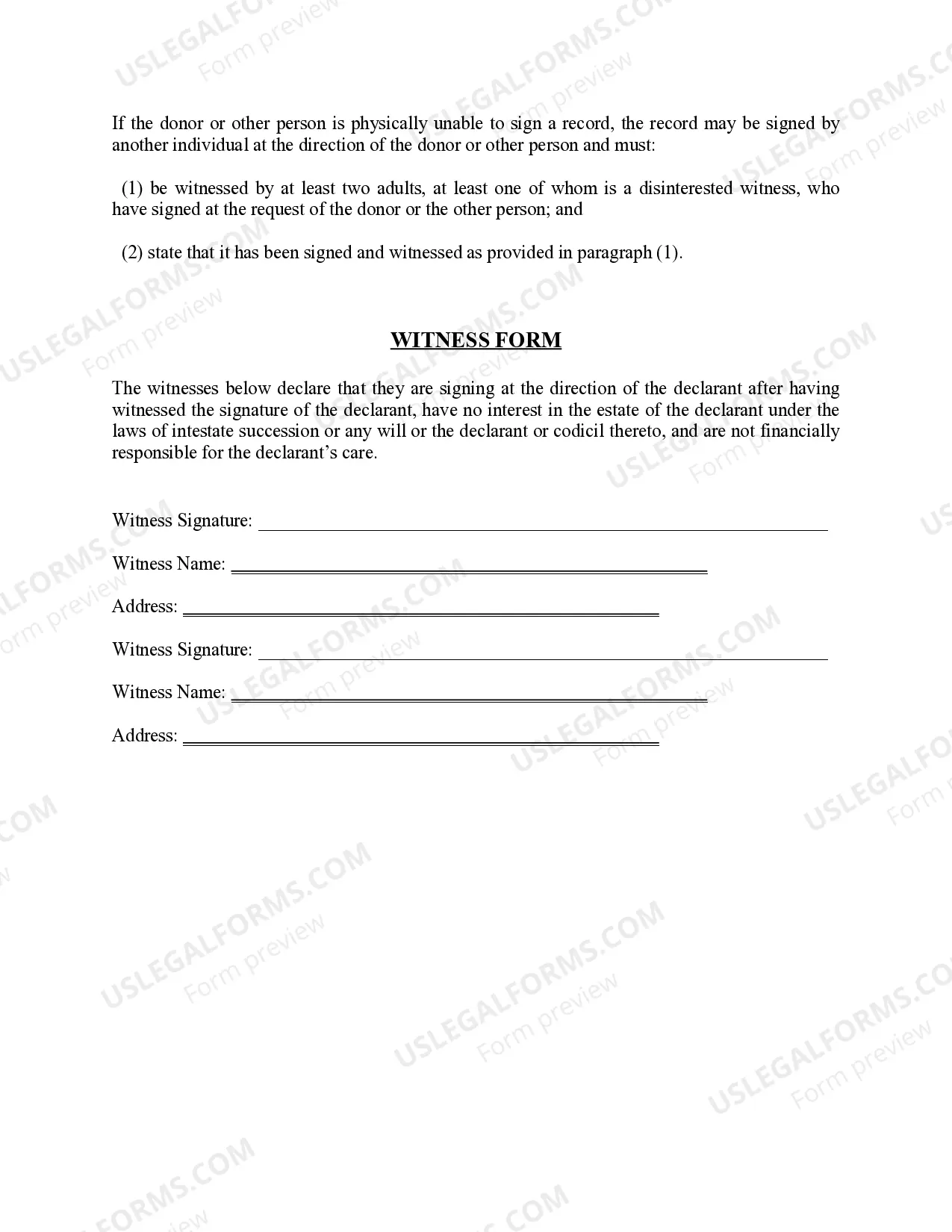
- Witness signatures to validate the revocation.
- Statement confirming that the revocation has been witnessed as required.
- Identification of previous anatomical gifts being revoked.
Common use cases
This form should be used if you have changed your mind about donating your anatomical gifts. For example, you may wish to revoke a previous decision due to personal, medical, or religious reasons. It is essential when your medical circumstances change, or if you reconsider the impact of organ donation on your family or after consulting with loved ones.
Who needs this form
- Individuals who have previously executed a document regarding anatomical gifts.
- Donors who wish to cancel their anatomical gift donations.
- Family members or legal representatives acting on behalf of an incapacitated donor.
Steps to complete this form
- Clearly state your full name and details of the anatomical gift you wish to revoke.
- Sign the document to indicate your intent to revoke the anatomical gift.
- Have at least two witnesses sign the document, ensuring that at least one is disinterested.
- Make sure all signatures are dated accurately.
- Distribute copies of the revocation notice to relevant parties, including any medical providers or family members.
Does this form need to be notarized?
This form does not typically require notarization to be legally valid. However, some jurisdictions or document types may still require it. US Legal Forms provides secure online notarization powered by Notarize, available 24/7 for added convenience.
Get your form ready online
Our built-in tools help you complete, sign, share, and store your documents in one place.
Make edits, fill in missing information, and update formatting in US Legal Forms—just like you would in MS Word.
Download a copy, print it, send it by email, or mail it via USPS—whatever works best for your next step.
Sign and collect signatures with our SignNow integration. Send to multiple recipients, set reminders, and more. Go Premium to unlock E-Sign.
If this form requires notarization, complete it online through a secure video call—no need to meet a notary in person or wait for an appointment.
We protect your documents and personal data by following strict security and privacy standards.
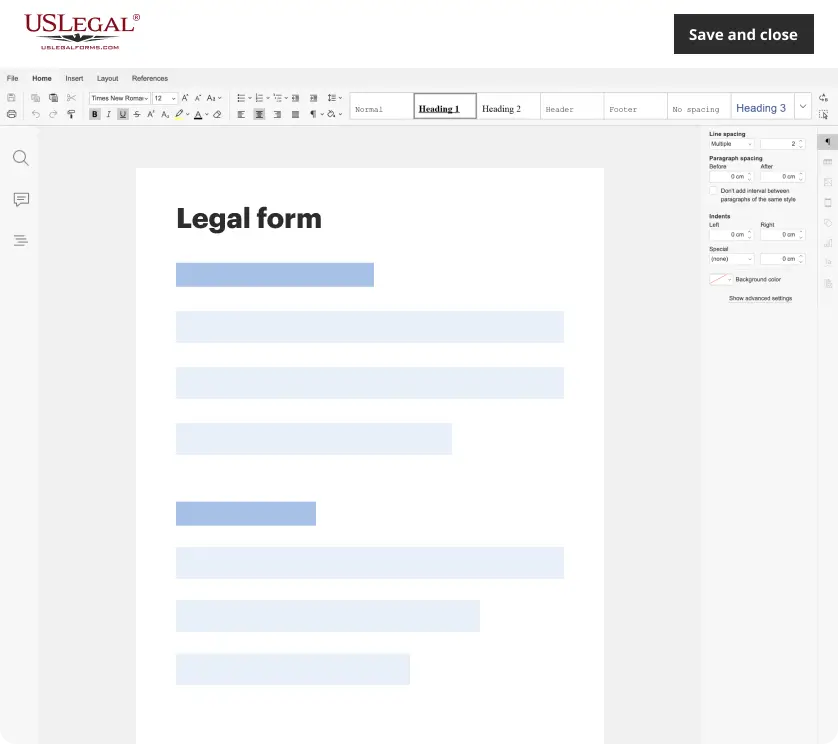
Make edits, fill in missing information, and update formatting in US Legal Forms—just like you would in MS Word.
Download a copy, print it, send it by email, or mail it via USPS—whatever works best for your next step.
Sign and collect signatures with our SignNow integration. Send to multiple recipients, set reminders, and more. Go Premium to unlock E-Sign.
If this form requires notarization, complete it online through a secure video call—no need to meet a notary in person or wait for an appointment.
We protect your documents and personal data by following strict security and privacy standards.
Typical mistakes to avoid
- Failing to have the form properly witnessed, which can invalidate the revocation.
- Not providing copies of the revocation to all relevant parties.
- Missing signatures or dates on the revocation document.
Advantages of online completion
- Convenient access allows you to complete the form at your own pace.
- Editable templates let you customize details according to your specific needs.
- Secure storage ensures your legal documents are preserved and easily retrievable.
Key takeaways
- The Revocation of Anatomical Gift Donation form officially withdraws consent for any anatomical donations previously made.
- Proper completion requires signatures from the donor and multiple witnesses to be effective.
- Users should guarantee compliance with local regulations to ensure the revocation is legally binding.
Looking for another form?
Form popularity
FAQ
The Uniform Anatomical Gift Act of 1987 The provisions of the UAGA of 1968 would ban the purchase and sale of body parts, facilitate the simplified process of obtaining authorization to retrieve organs, and ensure that medical staff establish procedures and guidelines to identify organ donors while under hospital care.
The gift of an organ can save the life of a transplant candidate. The experience of providing this special gift to a person in need can serve as a very positive aspect of the donation. Some donors have reported positive emotional experiences, including feeling good about improving another person's life.
Donation affects more than the donors and recipients. It also affects the families, friends, colleagues, and acquaintances who love and support those in need of transplantation, and who benefit from their renewed life and improved health after transplant.
Helps the grieving process. At a time that can be very difficult to get through, many donor families take consolation in knowing their loved one helped save other lives. Improves others' quality of life. It's free to become a donor. Live to see who you've affected. Make a difference.
Removing your Name from the Registry via your State's DMV. Conduct an online search. The simplest way to remove your name from the organ donor registry is to do so through your state's Department of Motor Vehicles. In many states, you can complete at least a portion of this process online.
The Uniform Anatomical Gift Act (UAGA) has been revised in 2006 to permit the use of life support systems at or near death for the purpose of maximizing procurement opportunities of organs medically suitable for transplantation.
Organ and tissue donation is more important than many of us realizefor society and for the individuals it directly affects.Add to these the thousands more whose lives will be improved through tissue and cornea donation and transplants that can help them move better, see better, and live better.
You can save a life, possibly multiple lives. You may even save the life of someone you love. Your family can find comfort in knowing your organs saved others. Organ donors and recipients do not have to be an exact match. Medical research donation can save even more lives.
The Act sets a regulatory framework for the donation of organs, tissues, and other human body parts in the US. The UAGA helps regulate body donations to science, medicine, and education. The Act has been consulted in discussions about abortion, fetal tissue transplants, and Body Worlds, an anatomy exhibition.