Nevada Waiver of Lien
Description
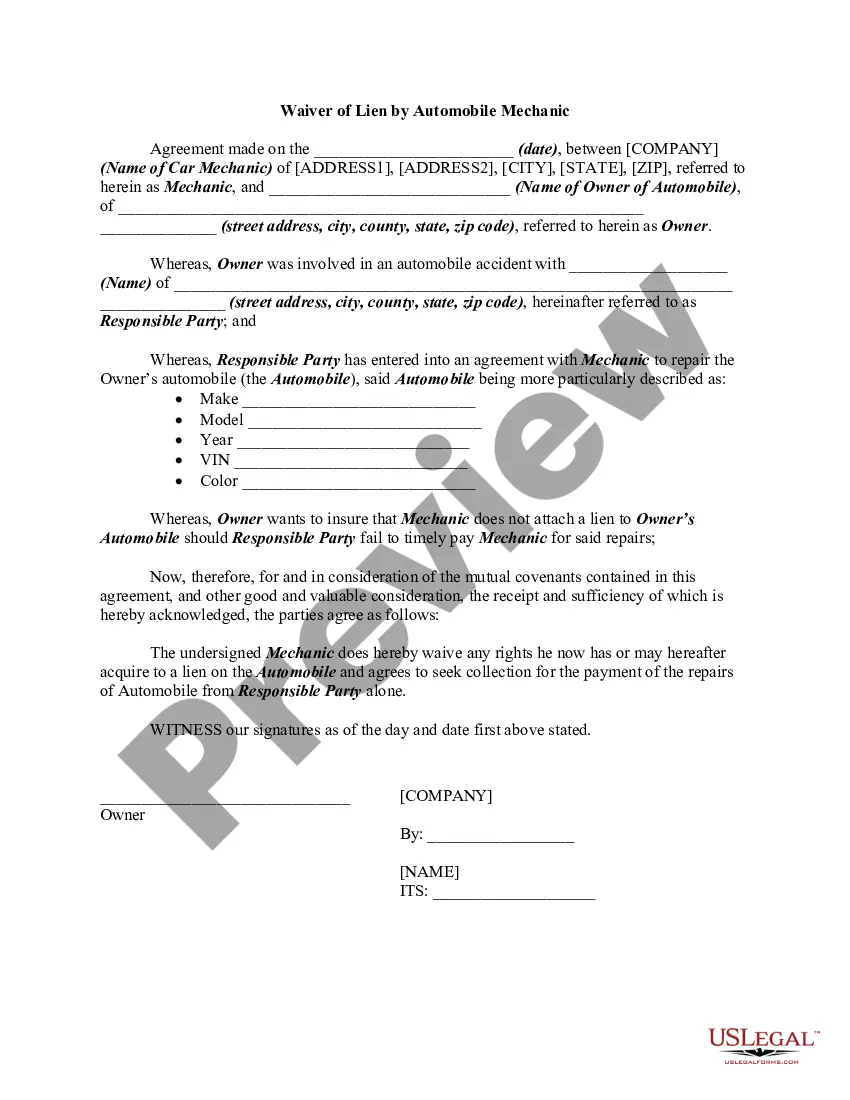
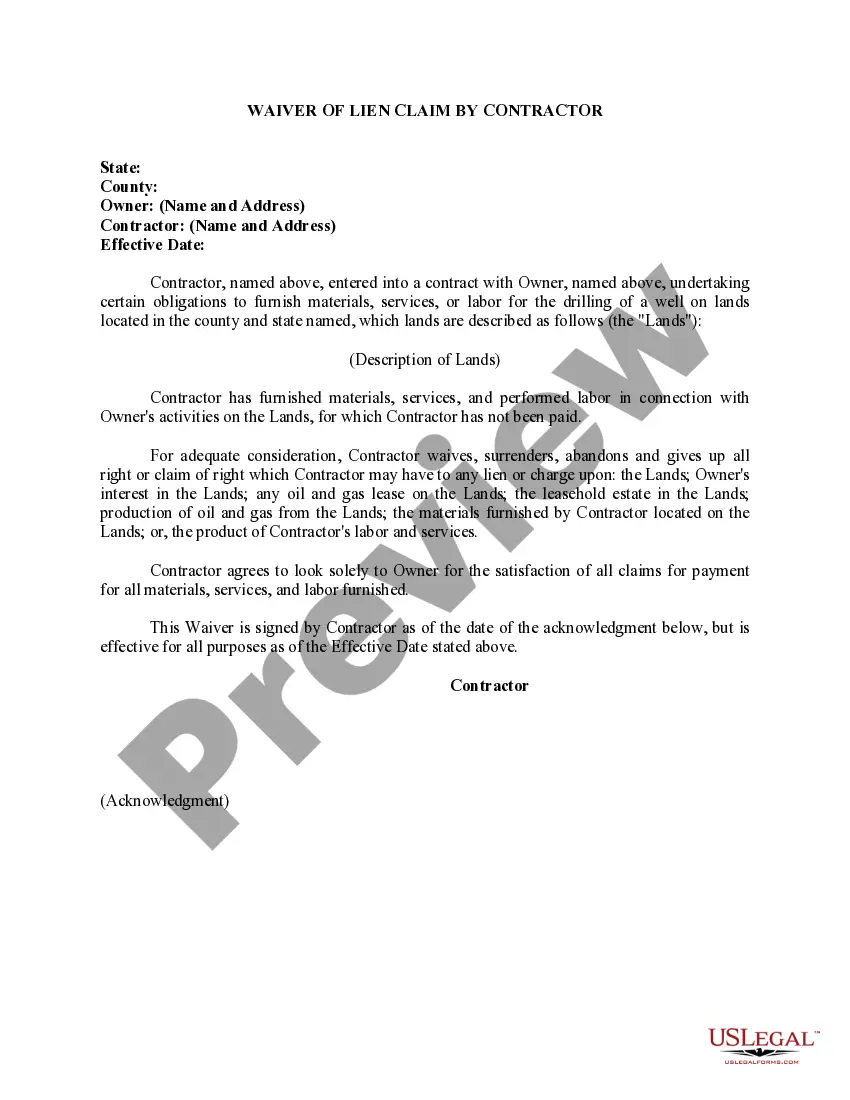
How to fill out Waiver Of Lien?
It is feasible to dedicate time online trying to locate the legal document template that meets your state and federal requirements.
US Legal Forms offers a vast collection of legal documents that are reviewed by experts.
You can easily download or print the Nevada Waiver of Lien from our service.
If available, utilize the Preview button to review the document template as well.
- If you already have a US Legal Forms account, you can Log In and click on the Obtain button.
- After that, you can complete, modify, print, or sign the Nevada Waiver of Lien.
- Every legal document template you acquire is yours permanently.
- To get an additional version of a purchased form, go to the My documents tab and click on the corresponding button.
- If you are using the US Legal Forms site for the first time, follow the simple instructions below.
- First, ensure that you have selected the correct document template for your city/state of choice.
- Refer to the form description to confirm that you have chosen the right document.
Form popularity
FAQ
For property owners, a conditional lien waiver often serves as the best choice when handling the Nevada Waiver of Lien. This waiver protects the owner until payment is cleared, ensuring that they do not face surprising claims later. It offers peace of mind while allowing contractors and subcontractors to receive their payments efficiently. Utilizing a platform like US Legal Forms can simplify this process by providing customizable templates for lien waivers.
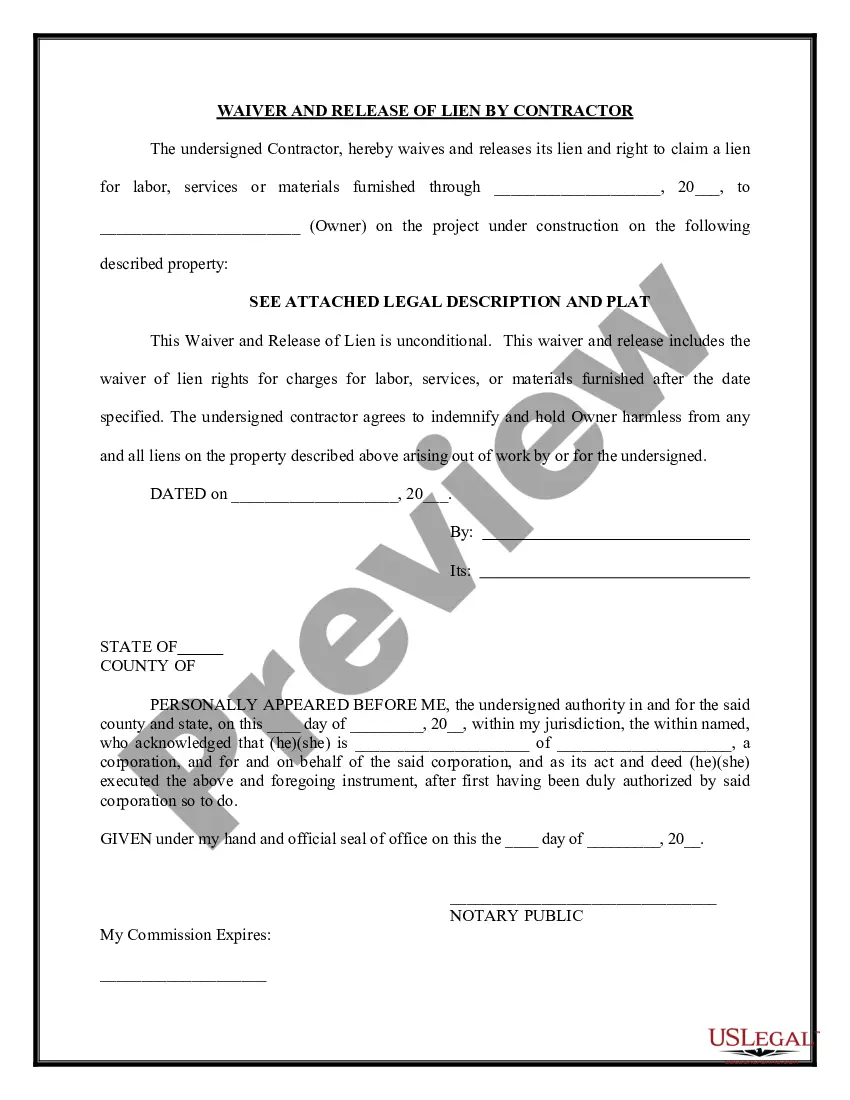
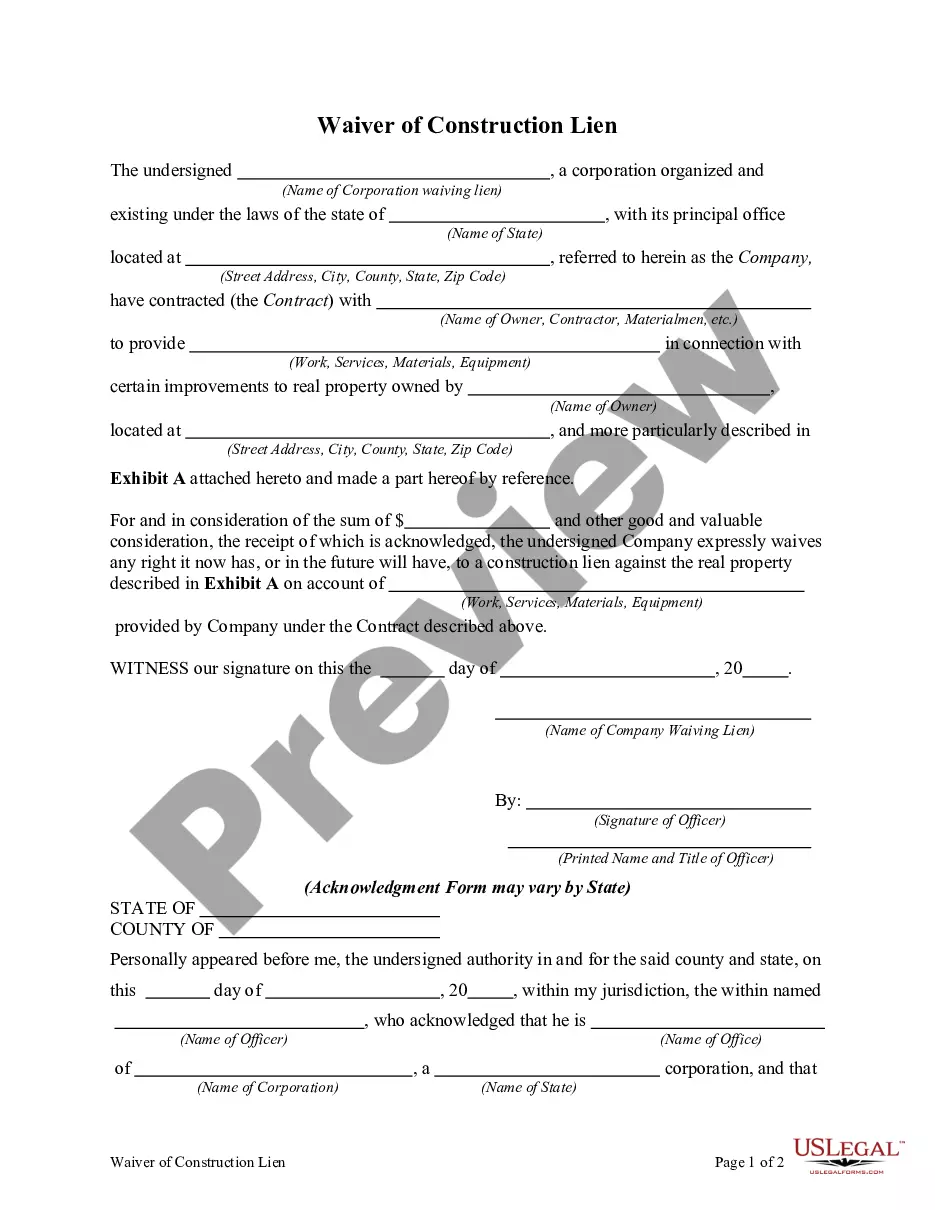
A waiver of lien is a legal document that indicates a party voluntarily relinquishes their right to place a lien on a property. This can occur after payment for services or materials is made, signaling that the obligation has been fulfilled. Understanding the nuances of the Nevada Waiver of Lien is crucial for anyone involved in real estate or construction, as it protects both parties and defines financial duties.
Yes, Nevada does have statutory lien waivers that help streamline the construction process and ensure that payments are made. These waivers are often used to prevent disputes over unpaid work or materials. By utilizing the Nevada Waiver of Lien, contractors and property owners can clarify their rights and responsibilities, thus enhancing the project's overall efficiency.
A conditional waiver of lien in Nevada is a legal document that relinquishes certain lien rights, contingent upon receiving payment. This waiver provides peace of mind to contractors or suppliers who want assurance that their lien rights are protected until they receive their dues. When parties enter into agreements, awareness of the Nevada Waiver of Lien becomes critical in ensuring that your financial interests are safeguarded.
To perfect a lien in Nevada, you must typically file a notice of lien with the appropriate county recorder. This document establishes your claim against the property and must include specific details like the property description and the amount owed. By following these steps, you secure your interests and ensure your lien is enforceable. Understanding the Nevada Waiver of Lien is also essential, as it provides protection when signing contracts or agreements.
Yes, Nevada is categorized as a super lien state. This means certain types of liens, such as those for property taxes, may have priority over other liens, including mechanics liens. The Nevada Waiver of Lien is key to understanding how these priorities work within the state’s legal framework. Being informed about these distinctions will help you navigate potential lien conflicts effectively.
A notice of intent to lien is a formal communication indicating that you plan to file a lien against a property due to non-payment. This notice must be sent to the property owner and can stir necessary action before actually filing the lien. Leveraging the Nevada Waiver of Lien can help you understand how to serve this notice correctly. It serves as a crucial step in protecting your financial interests.
An unconditional waiver and release upon final payment is a document that relinquishes your right to claim a lien after you receive your payment. In Nevada, this ensures that once compensation is fulfilled, you cannot later seek additional claims for that project. Understanding the implications of this waiver within the Nevada Waiver of Lien framework is crucial. Always ensure you fully comprehend the terms before signing any release.
A mechanics lien in Nevada generally lasts for six months if not extended. This time frame begins after filing your lien claim with the county recorder. To ensure your lien remains valid, you may need to take additional steps after the initial filing. The Nevada Waiver of Lien may provide options for extending your claim if necessary.
In Nevada, the statute of limitations for enforcing a lien typically stands at six years. This means you have six years from the date of the last work performed or materials supplied to file your lien. Utilizing the Nevada Waiver of Lien can clarify the timeline for your claims. It's wise to keep track of dates to ensure your rights are upheld within this limit.