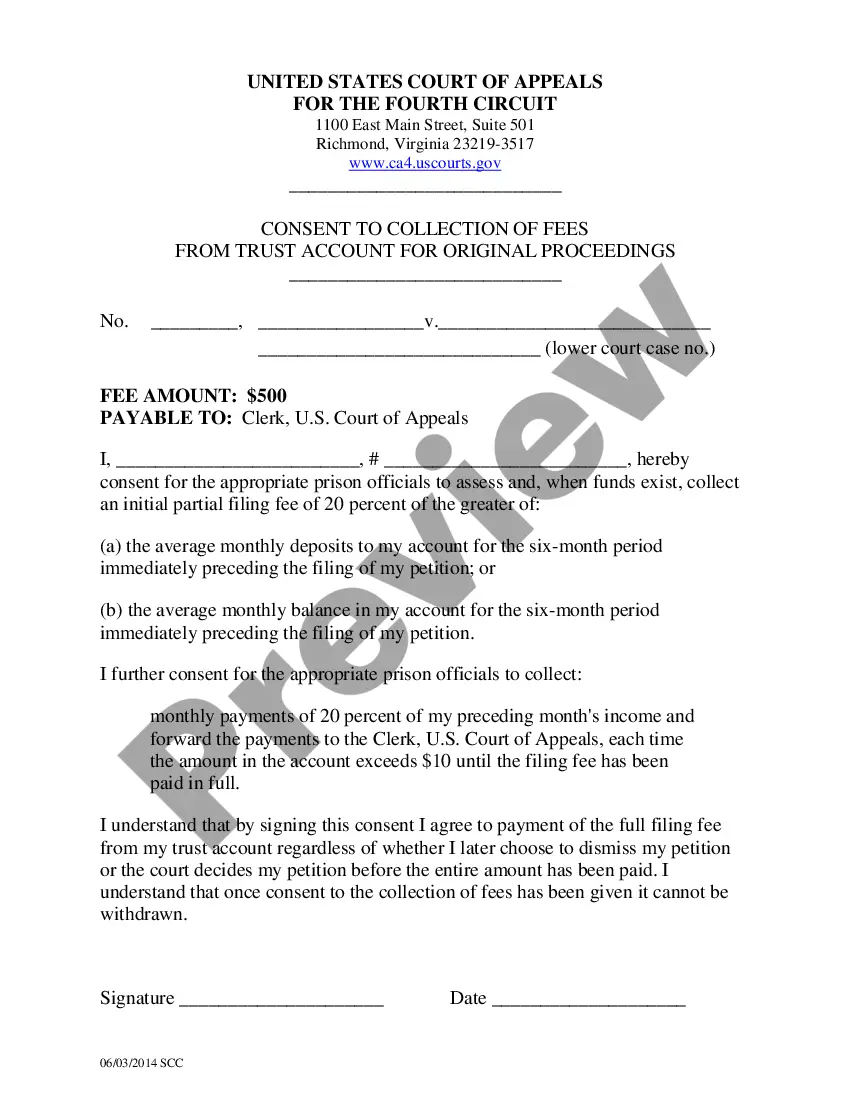
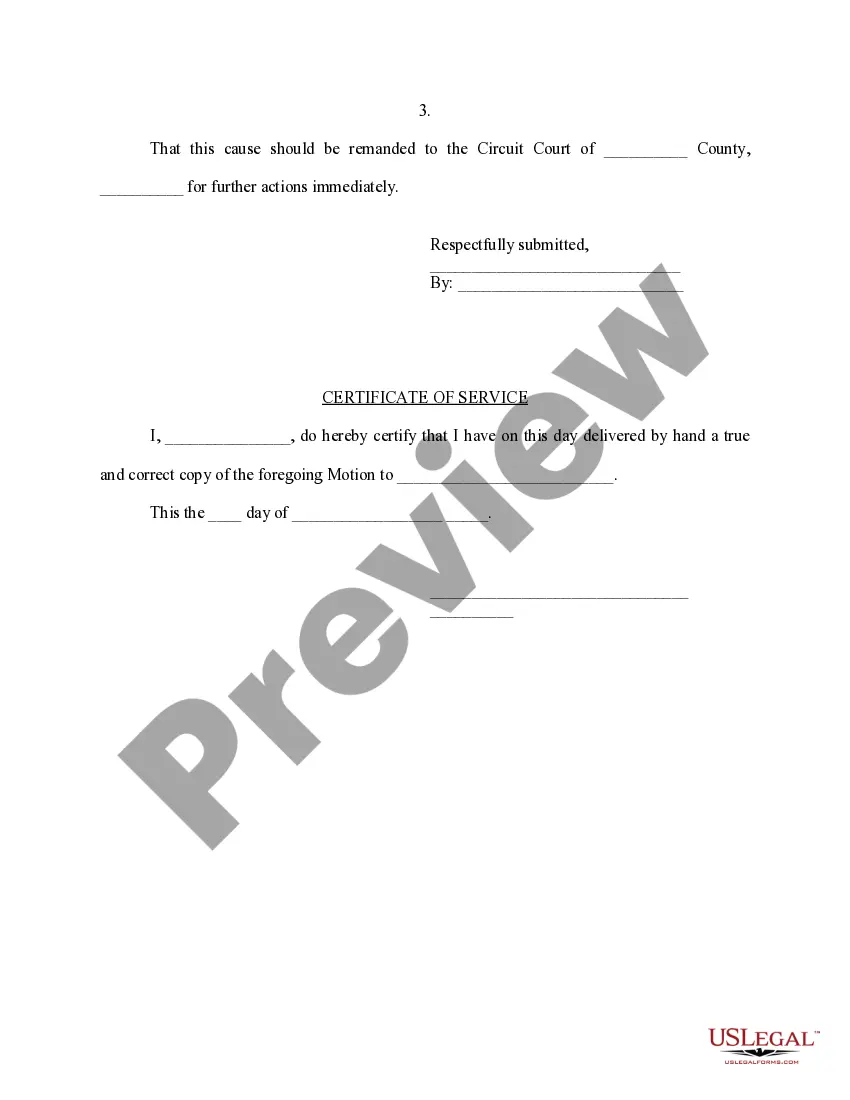
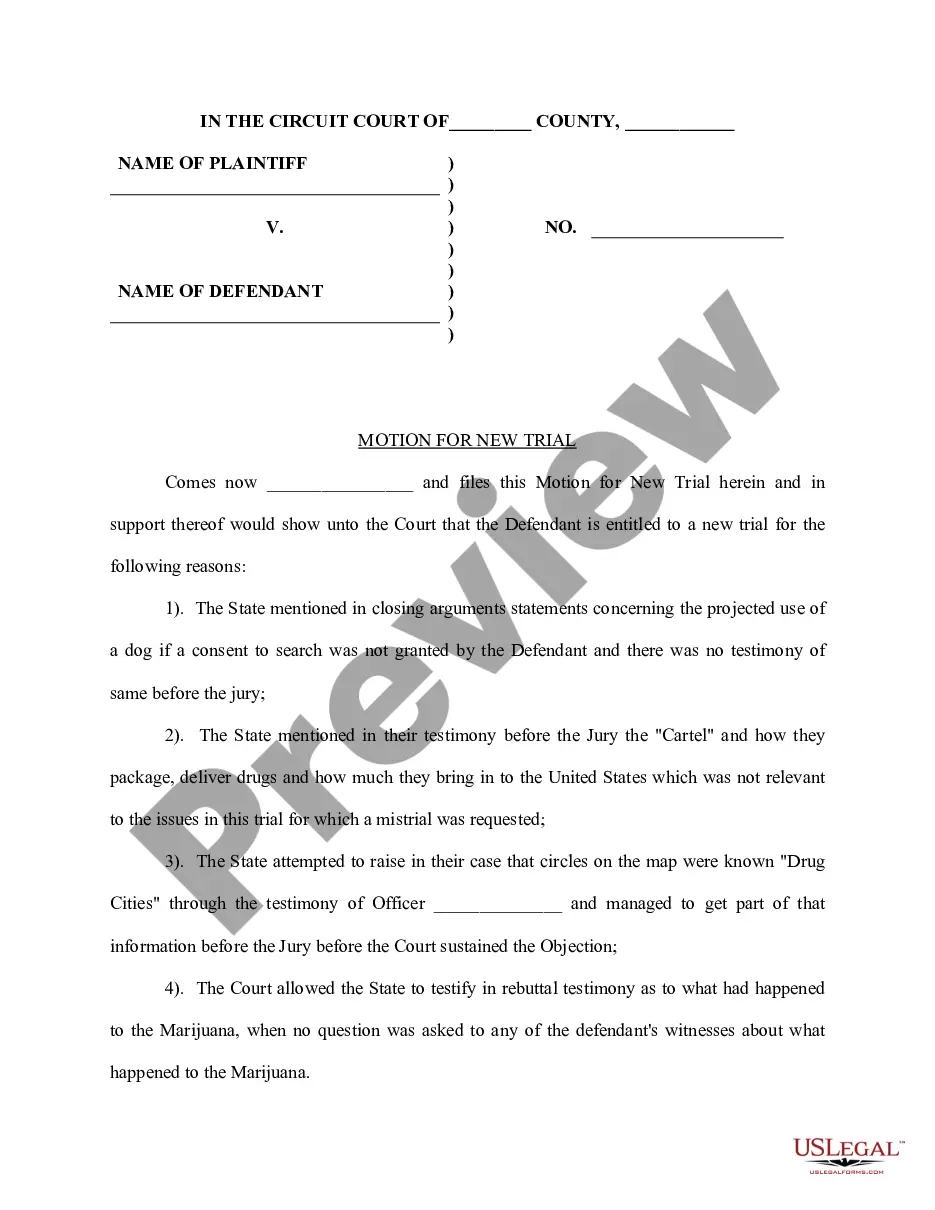
Nevada Emergency Motion to Remand Cause
Description
Get your form ready online
Our built-in tools help you complete, sign, share, and store your documents in one place.
Make edits, fill in missing information, and update formatting in US Legal Forms—just like you would in MS Word.
Download a copy, print it, send it by email, or mail it via USPS—whatever works best for your next step.
Sign and collect signatures with our SignNow integration. Send to multiple recipients, set reminders, and more. Go Premium to unlock E-Sign.
If this form requires notarization, complete it online through a secure video call—no need to meet a notary in person or wait for an appointment.
We protect your documents and personal data by following strict security and privacy standards.

Make edits, fill in missing information, and update formatting in US Legal Forms—just like you would in MS Word.

Download a copy, print it, send it by email, or mail it via USPS—whatever works best for your next step.

Sign and collect signatures with our SignNow integration. Send to multiple recipients, set reminders, and more. Go Premium to unlock E-Sign.

If this form requires notarization, complete it online through a secure video call—no need to meet a notary in person or wait for an appointment.

We protect your documents and personal data by following strict security and privacy standards.
Looking for another form?
How to fill out Emergency Motion To Remand Cause?
You can spend hours online looking for the legal document template that fulfills the federal and state requirements you desire. US Legal Forms offers numerous legal templates that have been assessed by experts.
You can conveniently download or print the Nevada Emergency Motion to Remand Cause from their platform. If you already possess a US Legal Forms account, you may sign in and click the Obtain button. After that, you can complete, modify, print, or sign the Nevada Emergency Motion to Remand Cause.
Each legal document template you acquire is yours permanently. To retrieve an additional copy of any downloaded form, visit the My documents section and click the corresponding button.
Complete the transaction. You can use your Visa or Mastercard or PayPal account to pay for the legal document. Choose the format of the document and download it to your device. Make adjustments to your document if needed. You can complete, modify, sign, and print the Nevada Emergency Motion to Remand Cause. Acquire and print thousands of document templates using the US Legal Forms website, which provides the largest collection of legal forms. Utilize professional and state-specific templates to address your business or personal needs.
- If you are visiting the US Legal Forms website for the first time, follow the simple instructions below.
- First, ensure that you have selected the correct document template for your county/town of choice.
- Review the form details to confirm you have chosen the correct template.
- If available, utilize the Preview button to view the document template as well.
- To find an additional version of the template, use the Search field to locate the format that satisfies your needs and criteria.
- Once you have identified the template you desire, click Get now to proceed.
- Select the payment plan you prefer, enter your credentials, and create an account on US Legal Forms.
Form popularity
FAQ
Rule 34 - Producing Documents, Electronically Stored Information, and Tangible Things, or Entering Onto Land, for Inspection and Other Purposes (a) In General.
Rule 27 - Depositions to Perpetuate Testimony (a)Before an Action Is Filed (1)Petition. A person who wants to perpetuate testimony- including his or her own-about any matter cognizable in any court within the United States may file a verified petition in district court.
NRCP 60(b) provides the grounds for relief from a final judgment, final order (such as an order granting case-ending sanctions), or final proceeding. A party can seek relief under NRCP 60(b) by filing a motion in the same case involving the final judgment or order, or by filing an independent action.
This rule freely authorizes the taking of depositions under the same circumstances and by the same methods whether for the purpose of discovery or for the purpose of obtaining evidence.
Ordinarily, a party may not, by interrogatories or deposition, discover facts known or opinions held by an expert who has been retained or specially employed by another party in anticipation of litigation or to prepare for trial and who is not expected to be called as a witness at trial.
Rule 26(b)(3) protects communications between the party's attorney and any witness required to provide a report under Rule 16.1, regardless of the form of the communications, except to the extent that the communications: (i) relate to compensation for the expert's study or testimony; (ii) identify facts or data that ...
Rule 36 - Entry of Judgment (a) Entry. The filing of the court's decision or order constitutes entry of the judgment. The clerk shall file the judgment after receiving it from the court.
Rule 11 - Signing Pleadings, Motions, and Other Papers; Representations to the Court; Sanctions (a) Signature. Every pleading, written motion, and other paper must be signed by at least one attorney of record in the attorney's name-or by a party personally if the party is unrepresented.