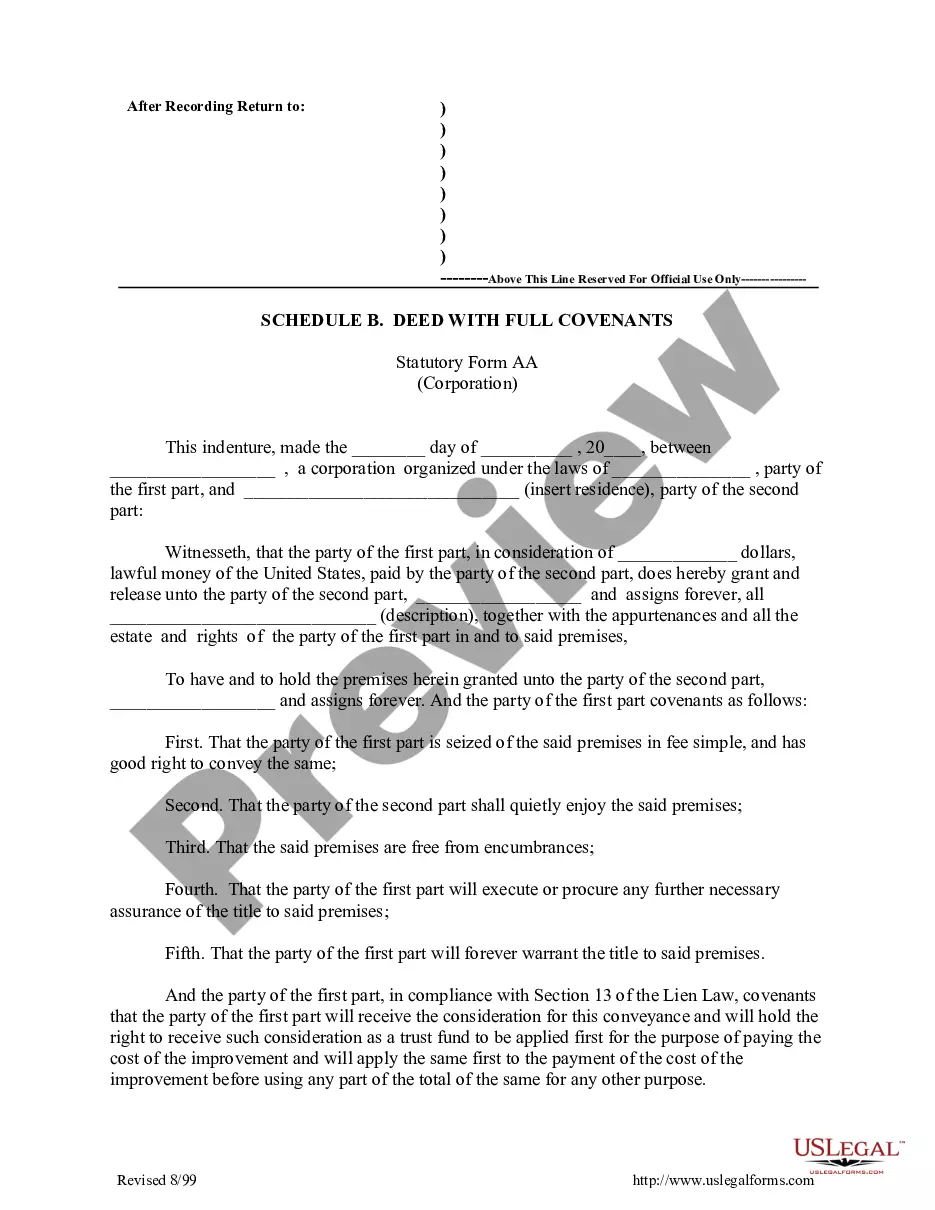
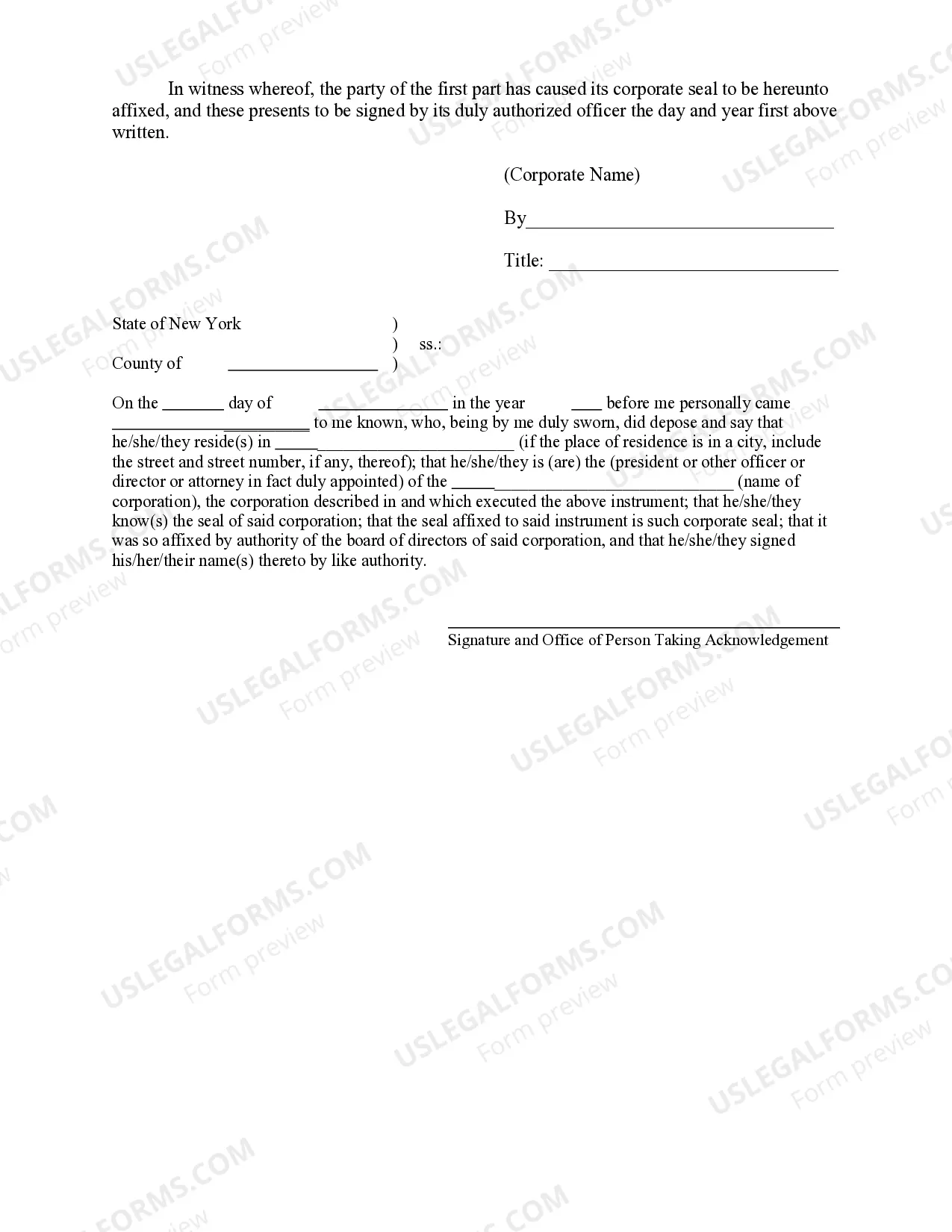
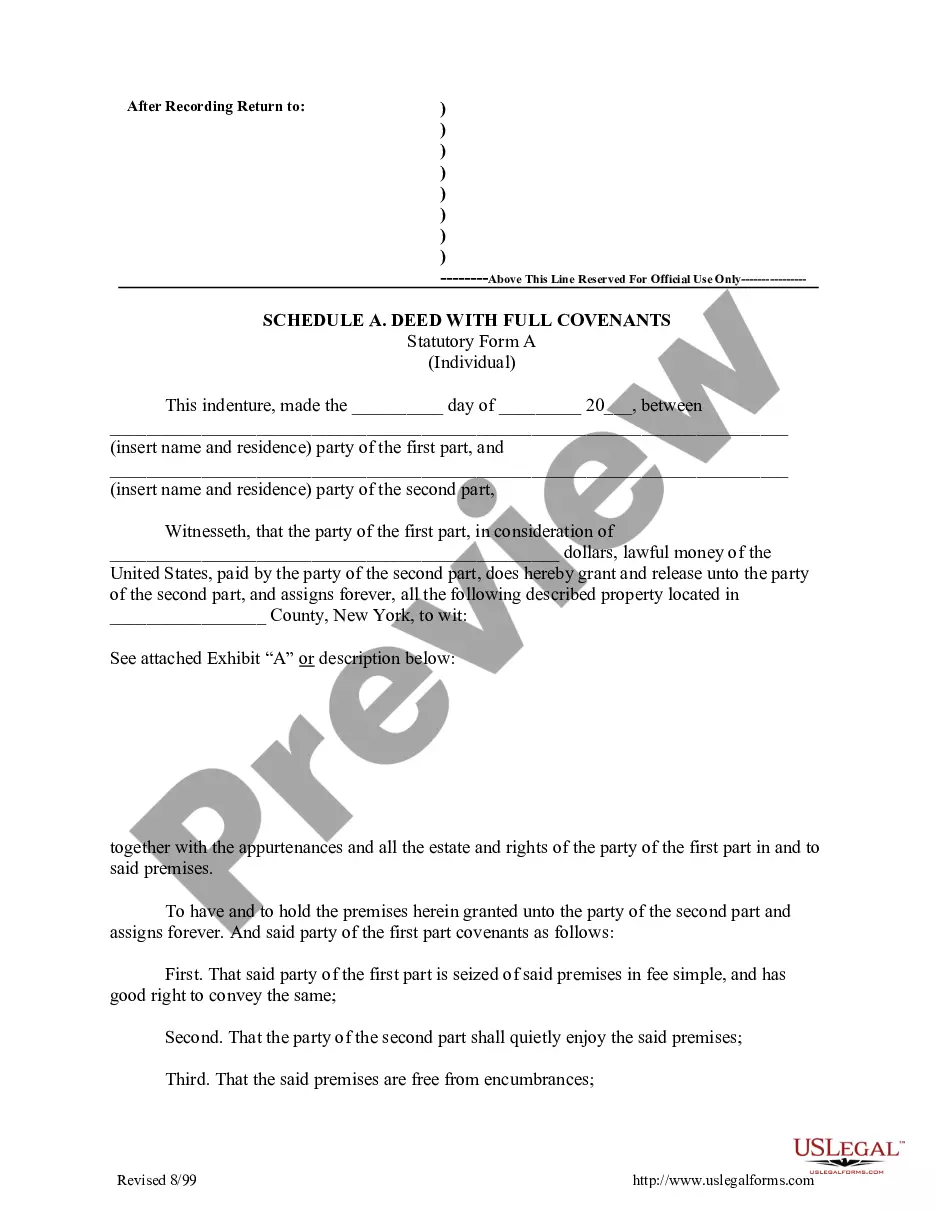
New York Deed With Full Covenants by Corporation
Description

Get your form ready online
Our built-in tools help you complete, sign, share, and store your documents in one place.
Make edits, fill in missing information, and update formatting in US Legal Forms—just like you would in MS Word.
Download a copy, print it, send it by email, or mail it via USPS—whatever works best for your next step.
Sign and collect signatures with our SignNow integration. Send to multiple recipients, set reminders, and more. Go Premium to unlock E-Sign.
If this form requires notarization, complete it online through a secure video call—no need to meet a notary in person or wait for an appointment.
We protect your documents and personal data by following strict security and privacy standards.
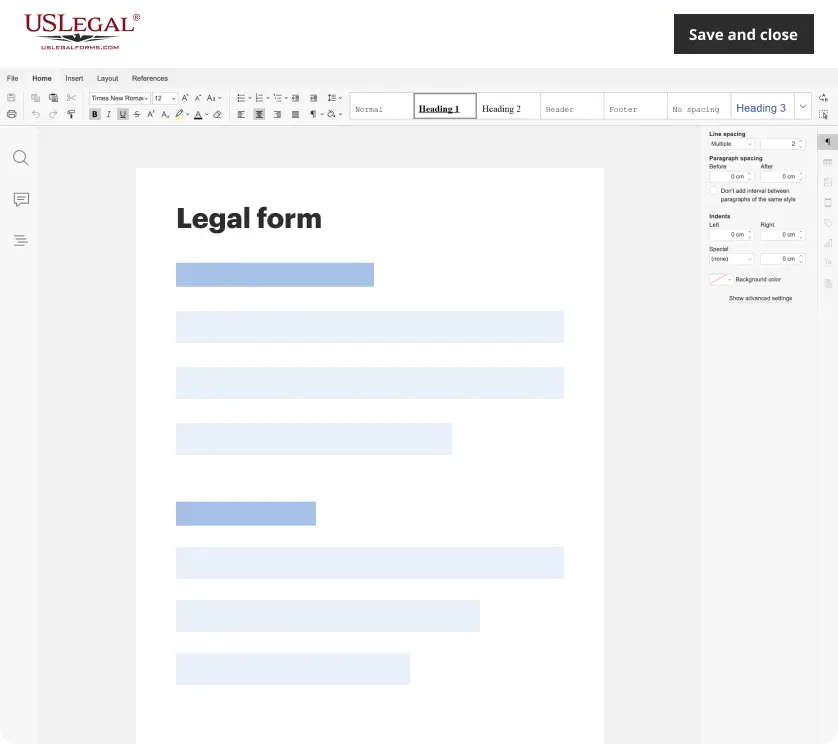
Make edits, fill in missing information, and update formatting in US Legal Forms—just like you would in MS Word.
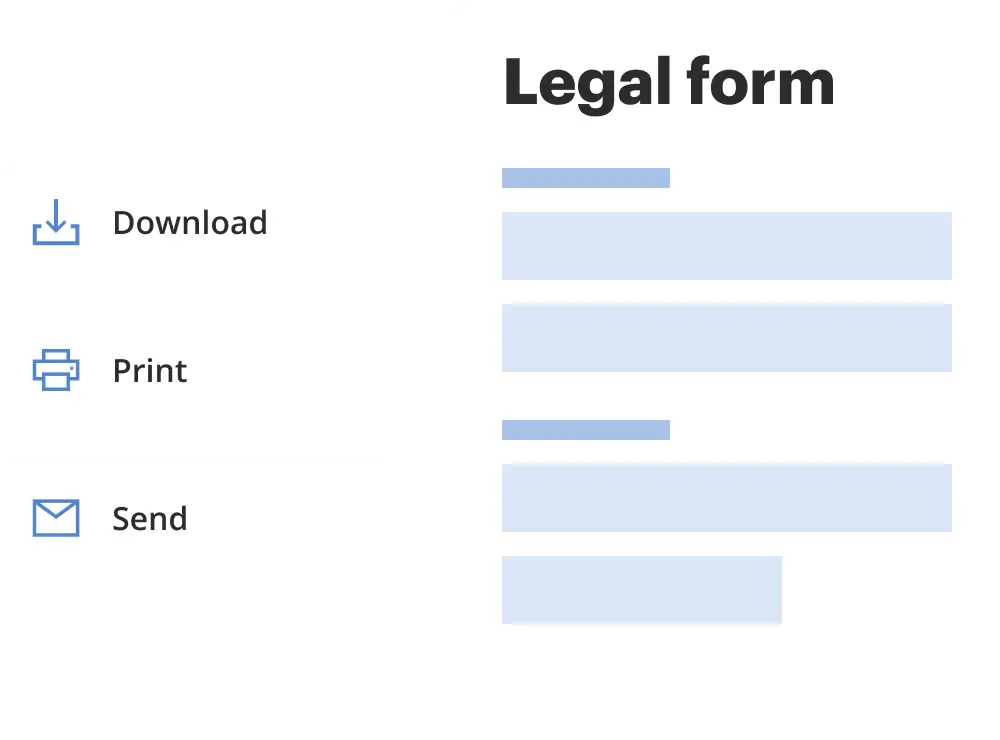
Download a copy, print it, send it by email, or mail it via USPS—whatever works best for your next step.
Sign and collect signatures with our SignNow integration. Send to multiple recipients, set reminders, and more. Go Premium to unlock E-Sign.

If this form requires notarization, complete it online through a secure video call—no need to meet a notary in person or wait for an appointment.
We protect your documents and personal data by following strict security and privacy standards.
Looking for another form?
How to fill out New York Deed With Full Covenants By Corporation?
US Legal Forms is a unique system to find any legal or tax document for completing, such as New York Deed With Full Covenants by Corporation. If you’re fed up with wasting time searching for perfect samples and paying money on record preparation/lawyer charges, then US Legal Forms is exactly what you’re trying to find.
To enjoy all the service’s benefits, you don't need to download any application but simply pick a subscription plan and create an account. If you have one, just log in and look for a suitable template, download it, and fill it out. Downloaded files are kept in the My Forms folder.
If you don't have a subscription but need New York Deed With Full Covenants by Corporation, take a look at the guidelines listed below:
- make sure that the form you’re checking out is valid in the state you need it in.
- Preview the example its description.
- Click Buy Now to access the register page.
- Choose a pricing plan and continue signing up by providing some info.
- Pick a payment method to finish the sign up.
- Save the file by selecting your preferred format (.docx or .pdf)
Now, fill out the file online or print out it. If you are unsure about your New York Deed With Full Covenants by Corporation form, contact a attorney to review it before you send or file it. Begin hassle-free!
Form popularity
FAQ
Quitclaim Deed. Deed of Trust. Warranty Deed. Grant Deed. Bargain and Sale Deed. Mortgage Deed.
In real estate transactions, restrictive covenants are binding legal obligations written into the deed of a property contract, usually by the seller. These covenants can be simple or complex and can levy penalties against buyers who fail to obey them.
- A deed must contain a granting clause (also called words of conveyance) that states the grantor's intention to convey the property. (i.e.: "I, Kent Long, convey and warrant..." life. - To be valid, a deed must contain an accurate legal description of the real estate conveyed.
Three basic types of deeds commonly used are the grant deed, the quitclaim deed, and the warranty deed. A sample grant deed. the property he or she is transferring is implied from such language.
General Warranty Deed the covenant of seisin, meaning that the grantor warrants they own the property and has the legal right to convey it. the covenant against encumbrances, denoting that the grantor warrants that the property is free of liens or encumbrances, except as specifically stated in the deed.
Contains the strongest and broadest form of guarantee of title of any type of deed, and provides the greatest protection of any deed to the grantee. In this type of deed, the grantor makes various covenants, or warranties.
A covenant deed is a less comprehensive warranty deed. It still conveys title but may contain any number or types of covenants. A covenant deed may contain restrictive covenants that prohibit the grantee from using the property in a certain way, or it may be tailored for a certain transaction.
A warranty deed can include six traditional forms of Covenants for Title, sometimes known as the English covenants of title. Those six traditional forms of covenants can be broken down into two categories: present covenants and future covenants.