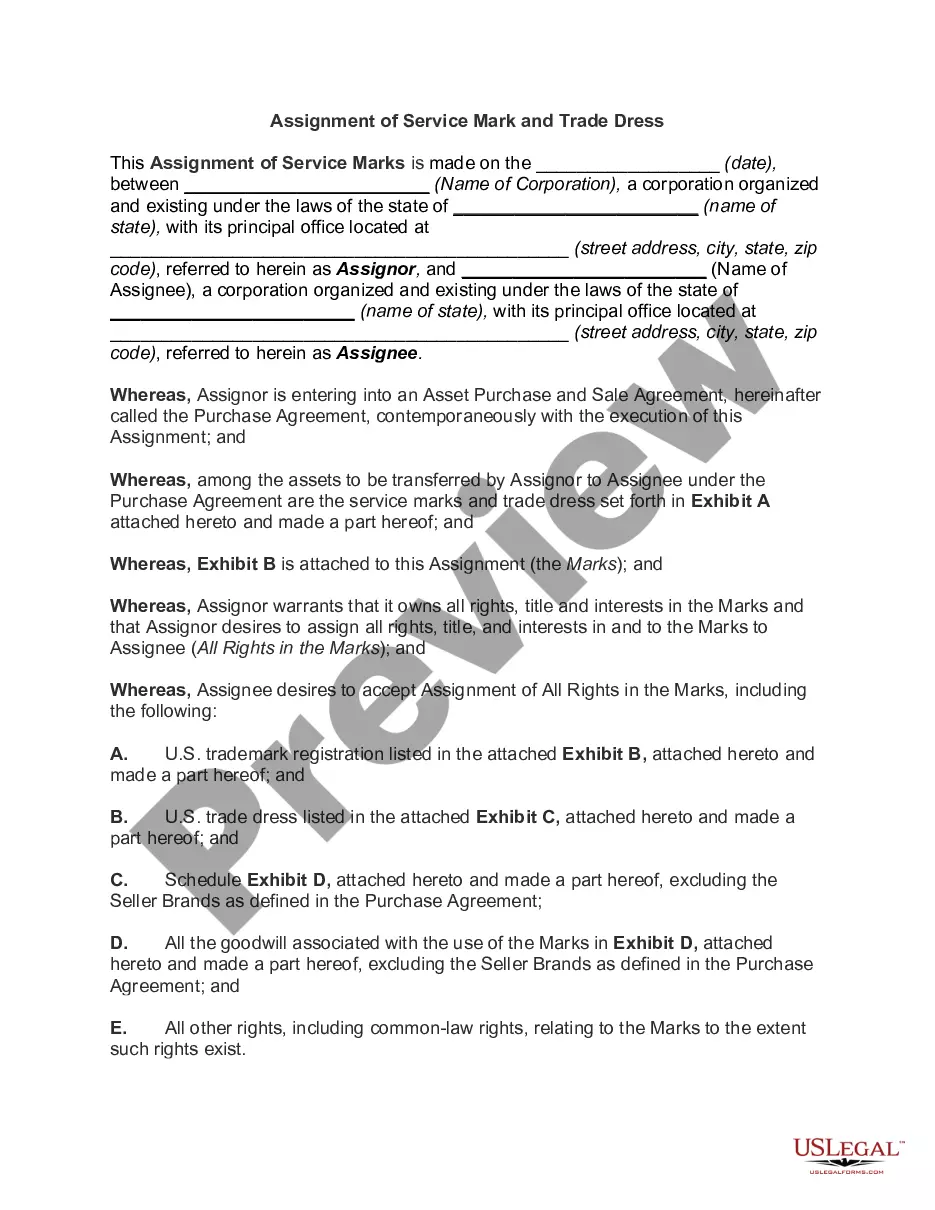
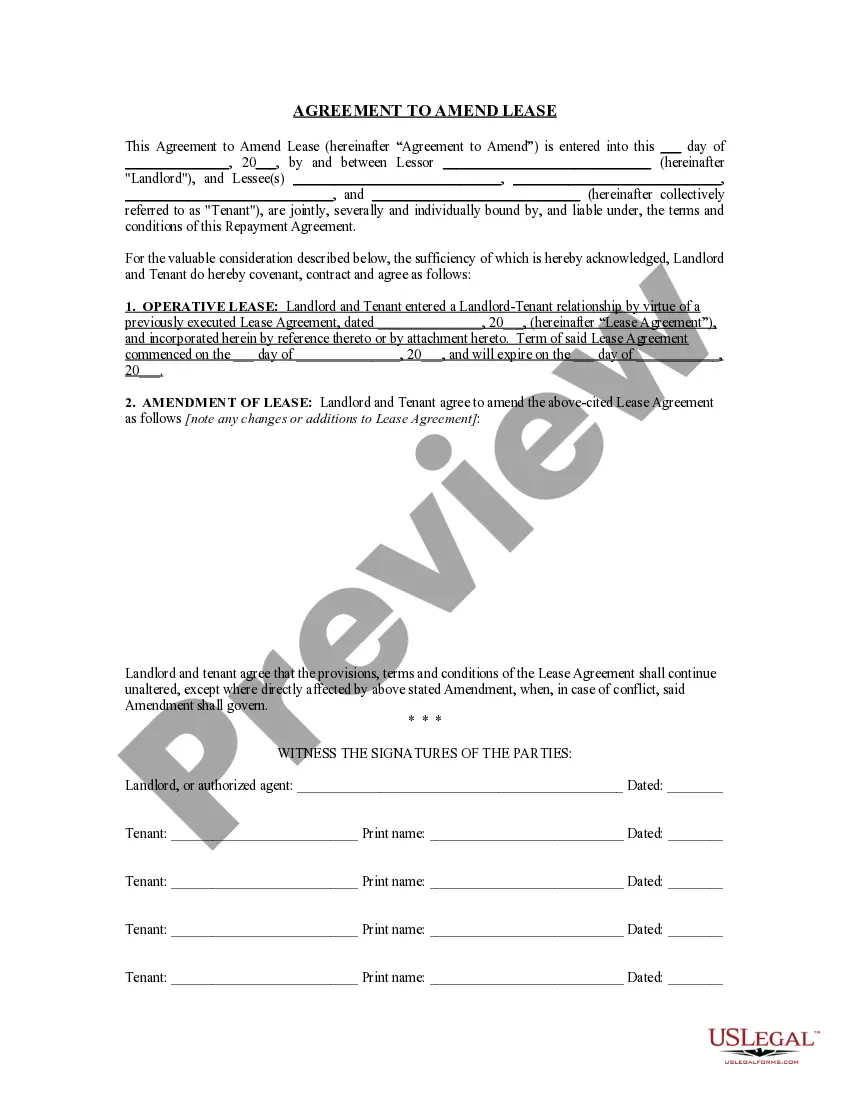
New York Amendment of Residential Lease
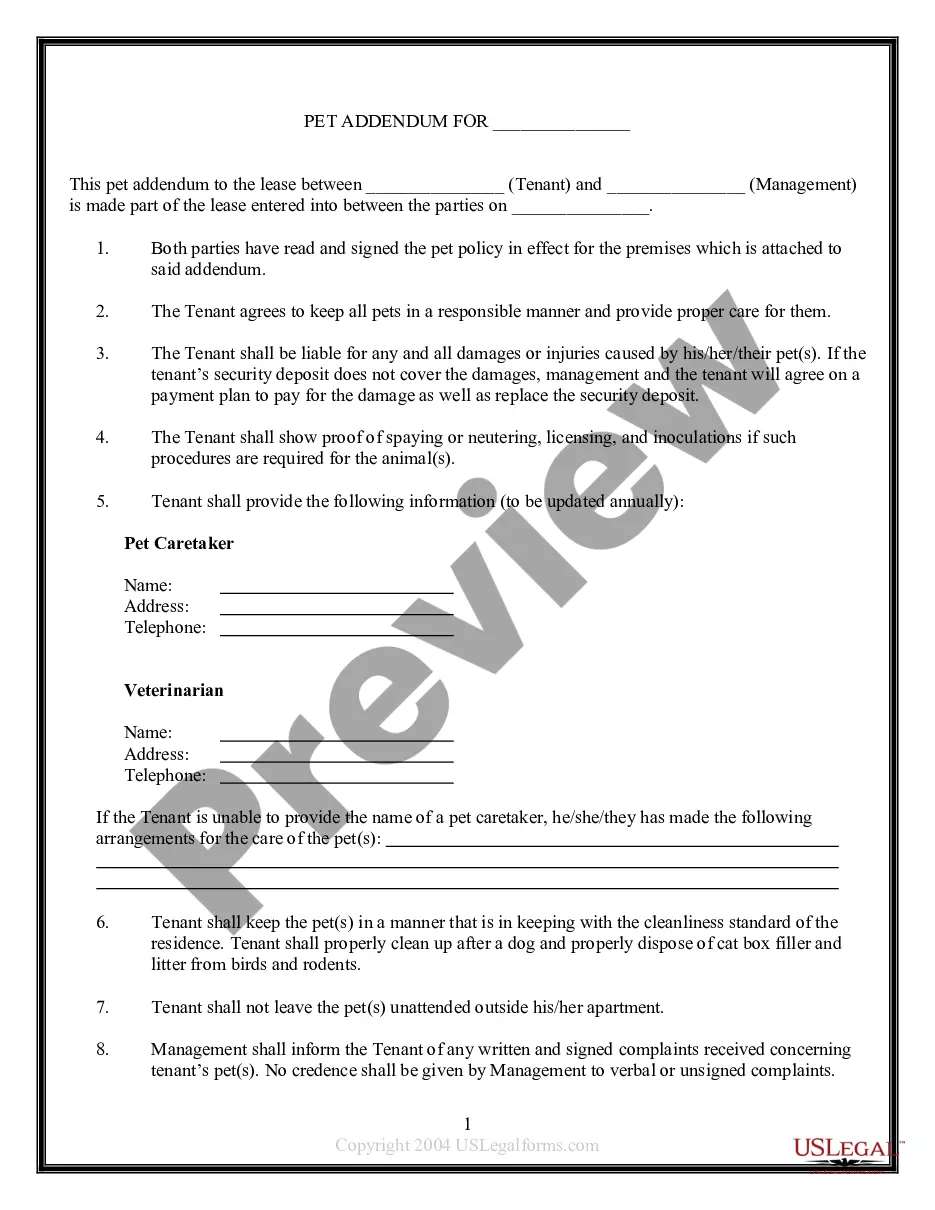
What is this form?
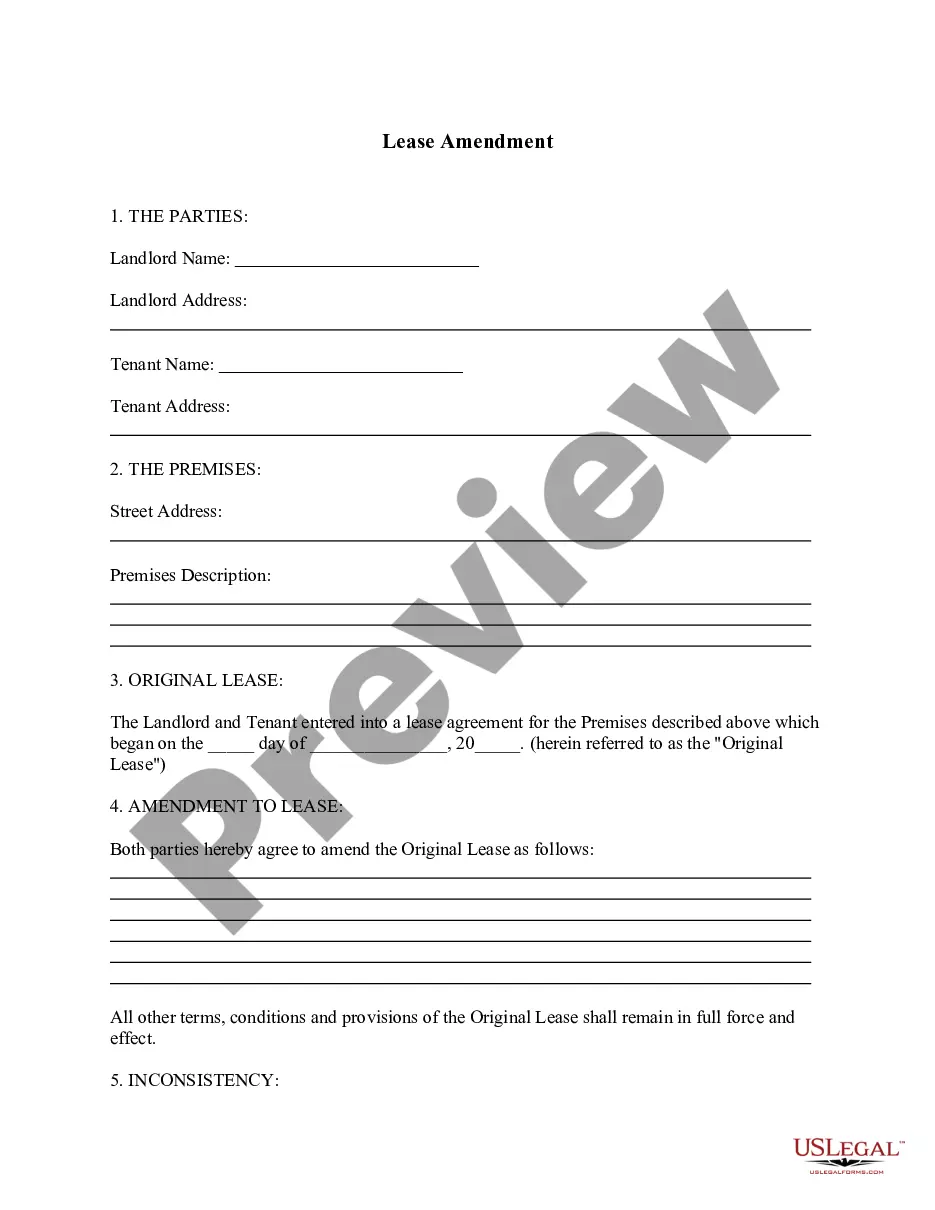
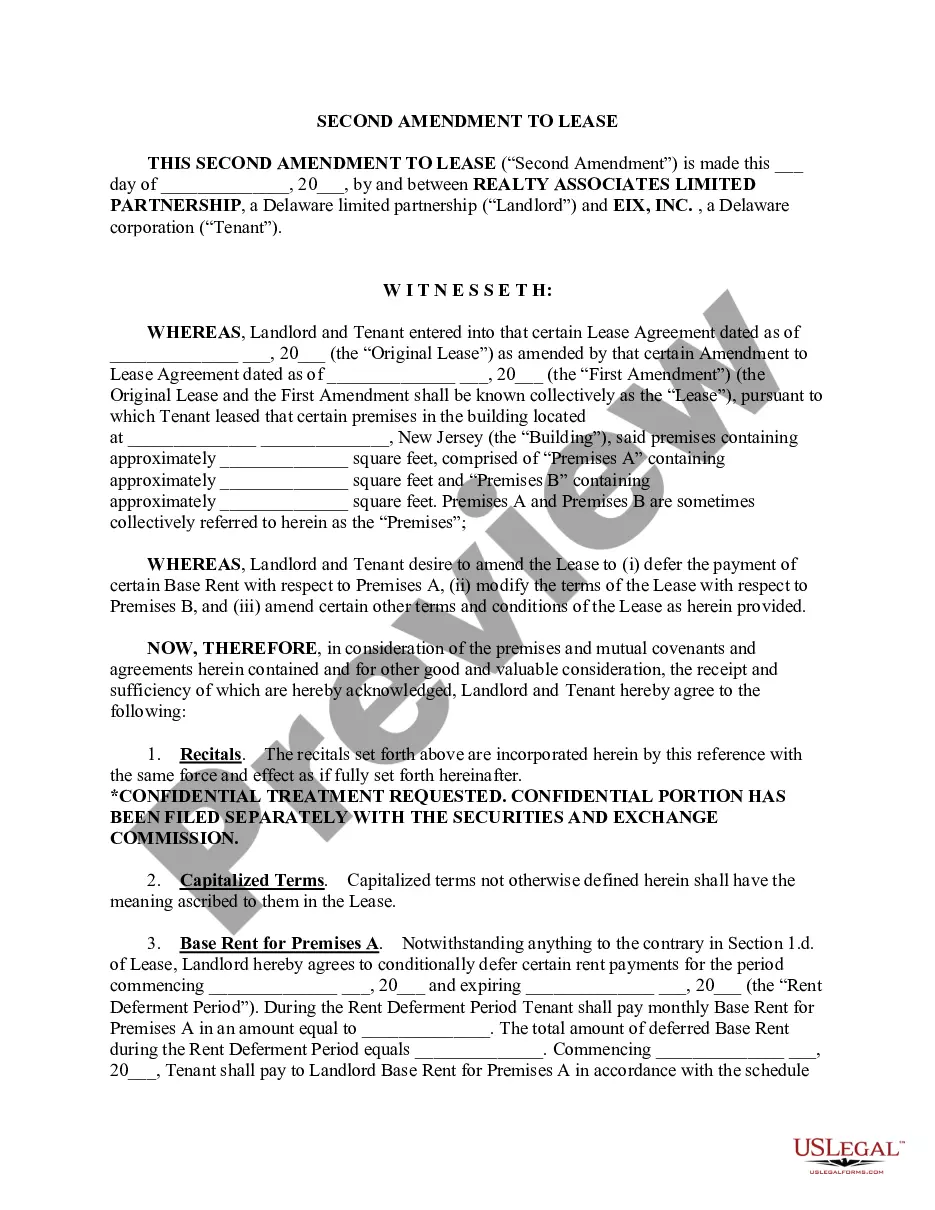
The Amendment of Residential Lease is a legal document that allows landlords and tenants to modify an existing lease agreement. This form is essential for documenting any changes agreed upon by both parties. It serves to prevent misunderstandings about lease modifications and ensures compliance with state laws, making it distinct from other lease forms that may not focus specifically on amendments.
Key components of this form
- Identification of the landlord (Lessor) and tenant(s) (Lessee).
- Details of the original lease agreement, including start and end dates.
- Specific amendments being made, such as changes to rent, terms, or conditions.
- Signatures of all parties involved to validate the agreement.
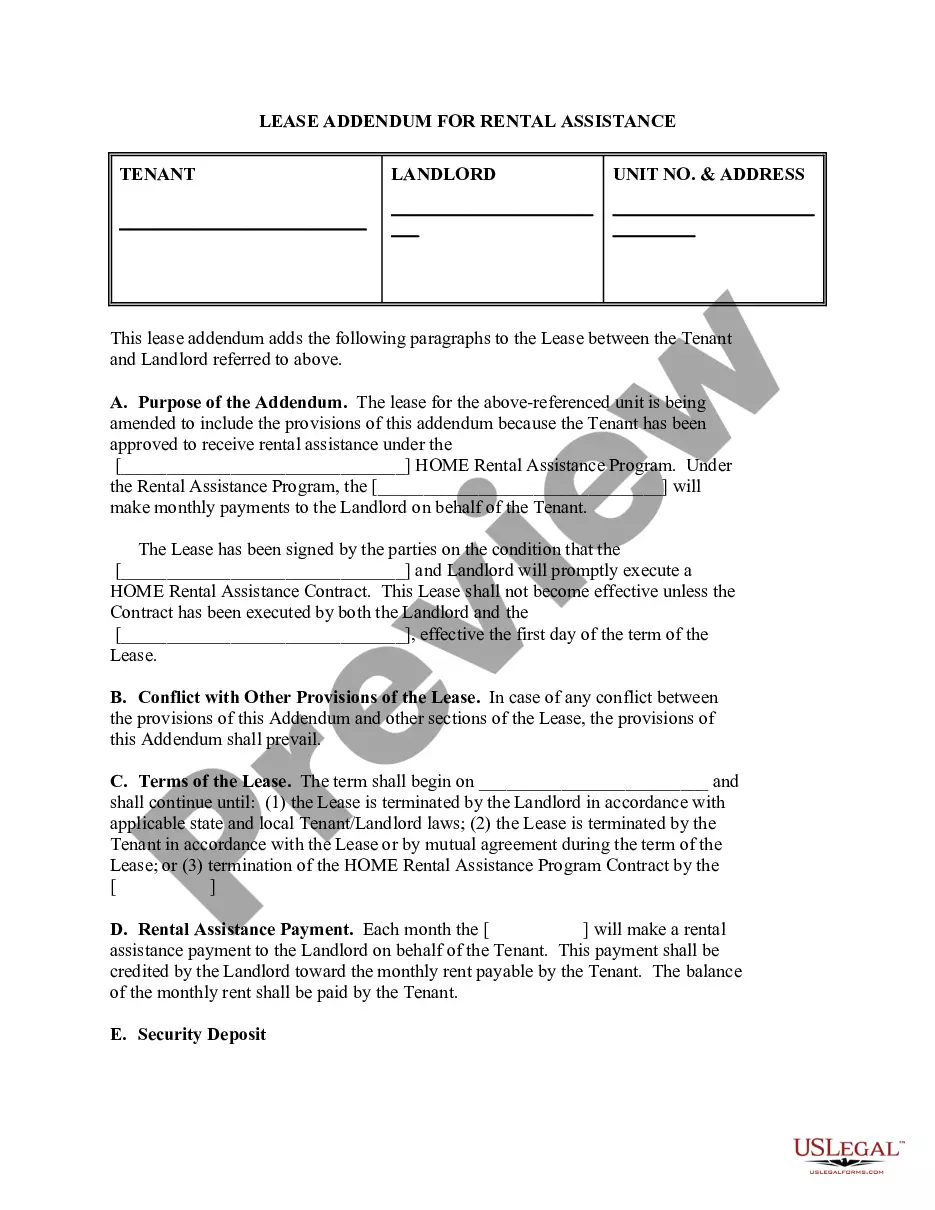
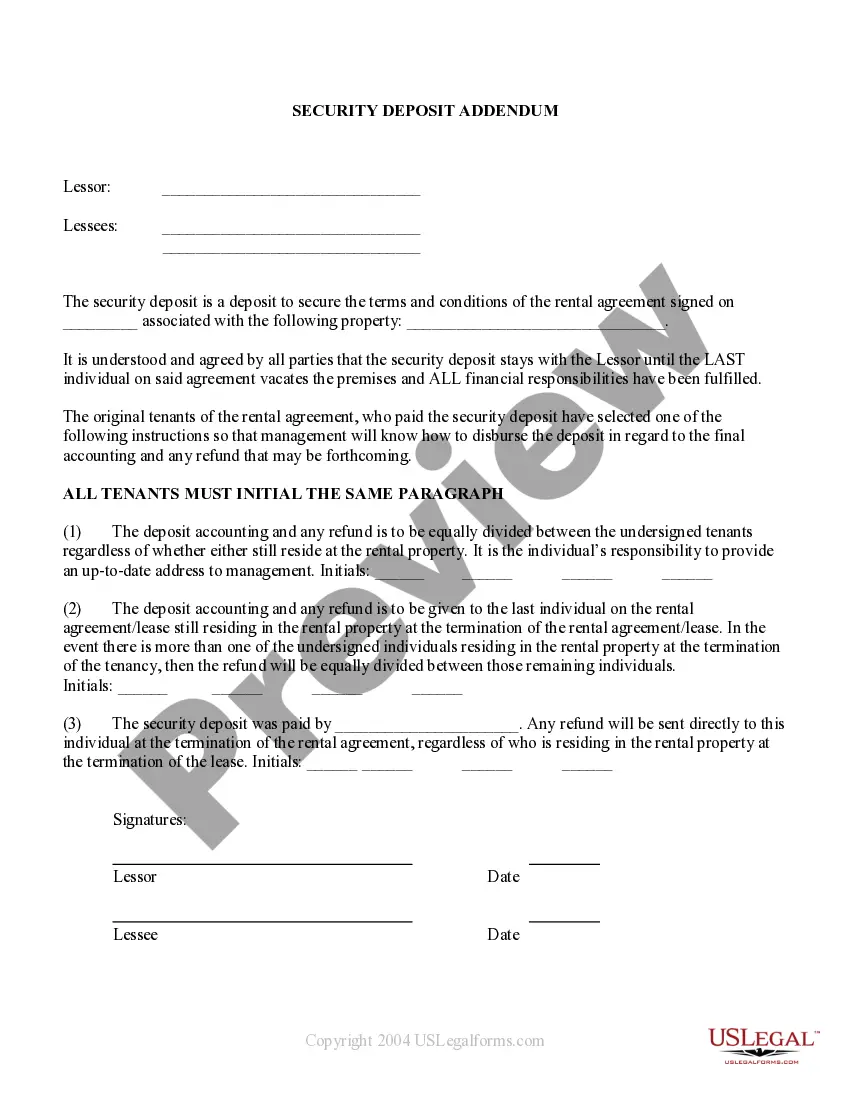
Situations where this form applies
This form should be used whenever a landlord and tenant wish to change specific terms of an existing lease. Common scenarios include extending the lease term, adjusting rent amounts, or altering responsibilities for repairs and maintenance. It is particularly important to use this form to ensure that all changes are documented and legally binding.
Intended users of this form
- Landlords looking to modify the conditions of a lease with their tenants.
- Tenants who wish to propose changes to their current lease agreement.
- Real estate professionals assisting clients in managing leases.
How to complete this form
- Identify the landlord and tenant(s) by filling in the names and addresses.
- Reference the original lease agreement by entering the date and initial terms.
- Clearly specify each amendment being made to the lease.
- Ensure all parties sign and date the amendment to validate it.
Notarization requirements for this form
This form does not typically require notarization unless specified by local law. It is advisable to check your stateâs requirements to ensure compliance.
Get your form ready online
Our built-in tools help you complete, sign, share, and store your documents in one place.
Make edits, fill in missing information, and update formatting in US Legal Forms—just like you would in MS Word.
Download a copy, print it, send it by email, or mail it via USPS—whatever works best for your next step.
Sign and collect signatures with our SignNow integration. Send to multiple recipients, set reminders, and more. Go Premium to unlock E-Sign.
If this form requires notarization, complete it online through a secure video call—no need to meet a notary in person or wait for an appointment.
We protect your documents and personal data by following strict security and privacy standards.

Make edits, fill in missing information, and update formatting in US Legal Forms—just like you would in MS Word.

Download a copy, print it, send it by email, or mail it via USPS—whatever works best for your next step.

Sign and collect signatures with our SignNow integration. Send to multiple recipients, set reminders, and more. Go Premium to unlock E-Sign.

If this form requires notarization, complete it online through a secure video call—no need to meet a notary in person or wait for an appointment.

We protect your documents and personal data by following strict security and privacy standards.
Typical mistakes to avoid
- Failing to specify all amendments clearly, leading to confusion.
- Not including signatures from all parties involved.
- Neglecting to reference the original lease agreement properly.
Benefits of completing this form online
- Immediate access to professionally drafted legal forms.
- Editable templates allow customization to fit specific needs.
- Convenience of downloading and filling forms at your own pace.
Key takeaways
- The Amendment of Residential Lease is essential for legally modifying lease agreements.
- Accurate identification and clarity of changes prevent disputes between parties.
- Ensure all necessary parties sign and date the amendment for legal validity.
Looking for another form?
Form popularity
FAQ
An addendum must include the basic elements of any landlord/tenant agreement. You should include the date, the address of the rental property and the names of each party just as you would in the original lease.
A lease addendum allows a landlord or tenant to make changes to a current residential or commercial lease agreement.Once both parties agree and sign, the addendum should be added to the original lease.
If you are a leaseholder, you cannot change the lease terms without agreeing such change with your landlord. The reason for this is that as the lease is a contract between two parties, the leaseholder and the landlord, both parties must agree to change (referred to also as variation) of the terms of the lease.
Changing the tenancy agreement A tenancy agreement can normally only be changed if both you and your landlord agree. If you both agree, the change should be recorded in writing, either by drawing up a new written document setting out the terms of the tenancy or by amending the existing written tenancy agreement.
Writing a Contract Addendum Name the parties to the contract. Indicate the addendum's effective date, using the same date format used in the original contract. Indicate the elements of the original contract that the addendum intends to change. Concisely but clearly describe the desired changes.
A Lease Amendment is a handy tool for both landlords and tenants, making it simple for both parties to document an agreement to modify the terms of the original lease. Essentially, it allows you to change certain terms, while leaving the rest of the lease intact and in full effect.
Who Can Amend the Lease? When a landlord and tenant sign a lease agreement it forms a legally binding contract. The lease cannot be altered except through another written agreement signed by both parties unless the original lease specifically gives a party the power to change something on their own.
Once the lease is signed, you're bargaining power is a lot lower. However, you can still try to negotiate with your landlord.If you can find a compromise that helps both you and your landlord financially, he might agree to lower your monthly rent even after a lease was signed.