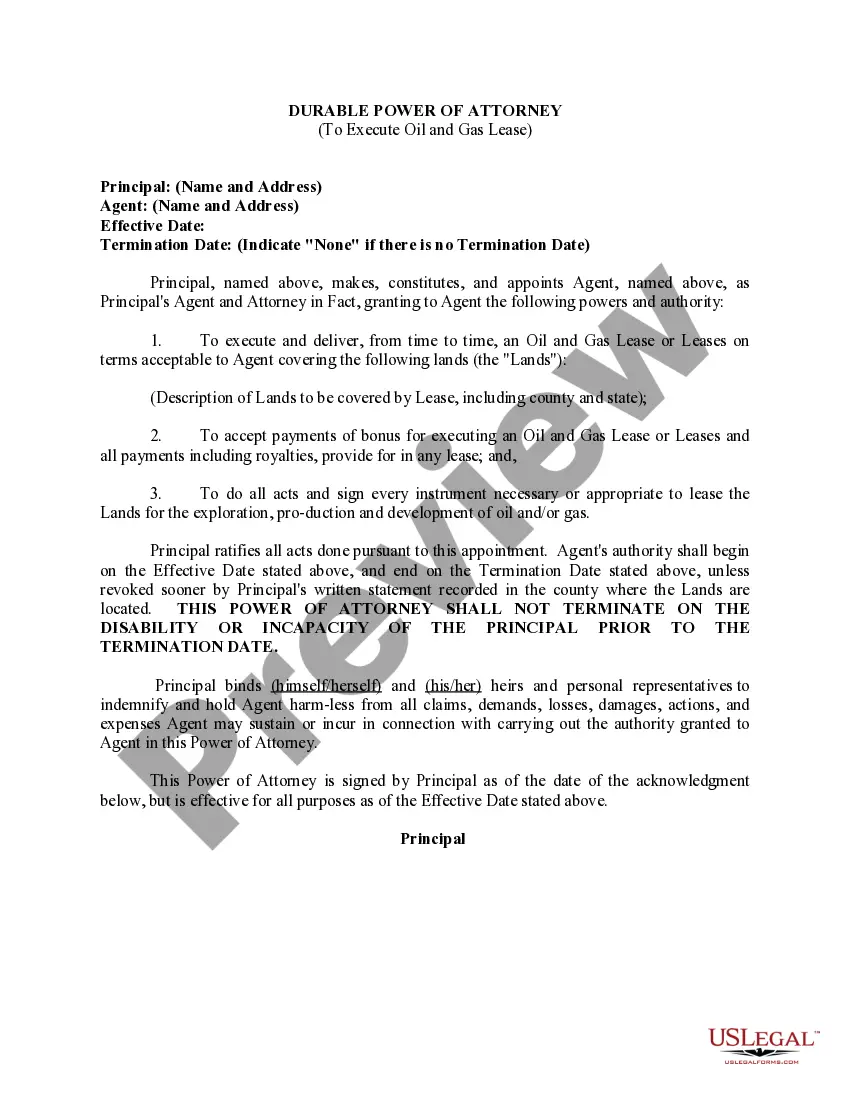
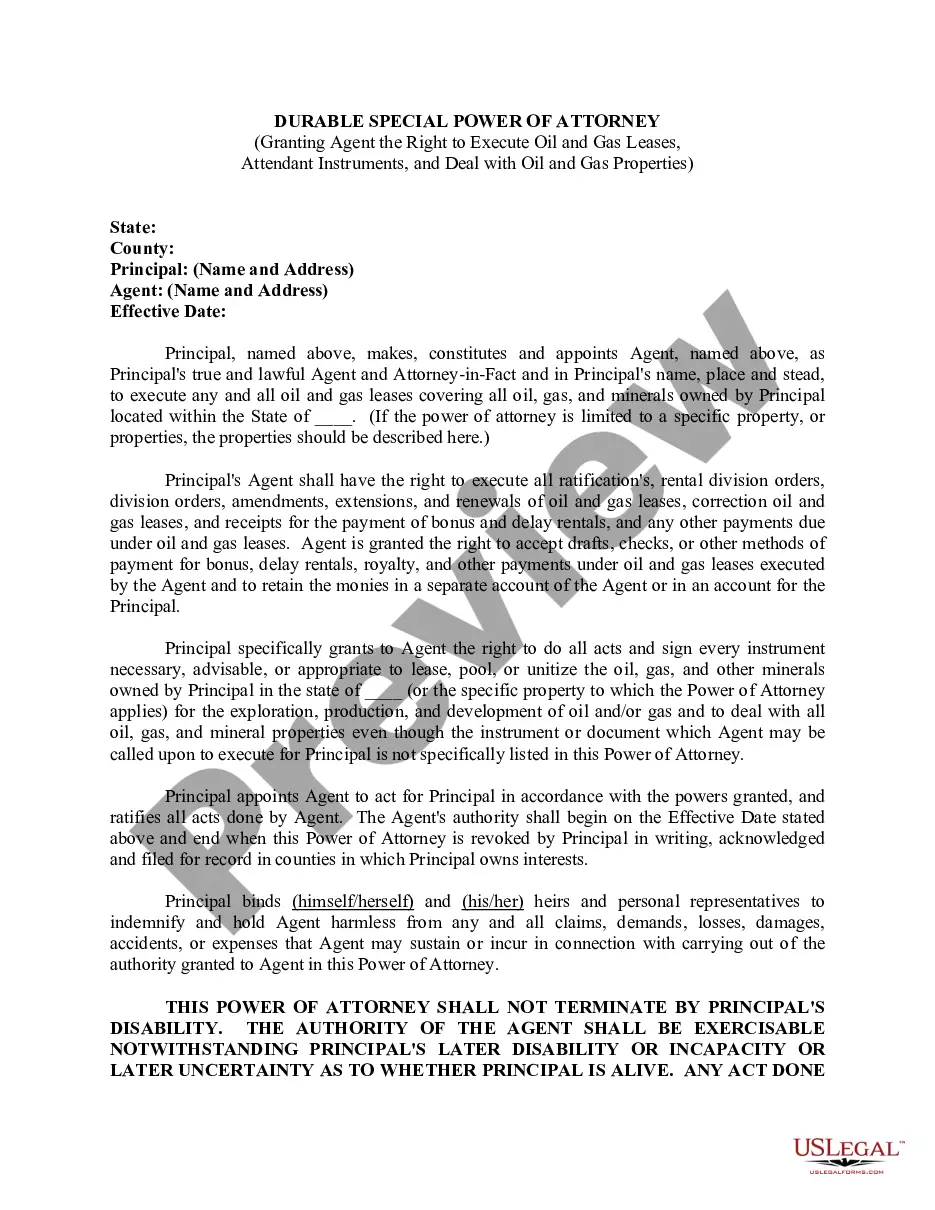
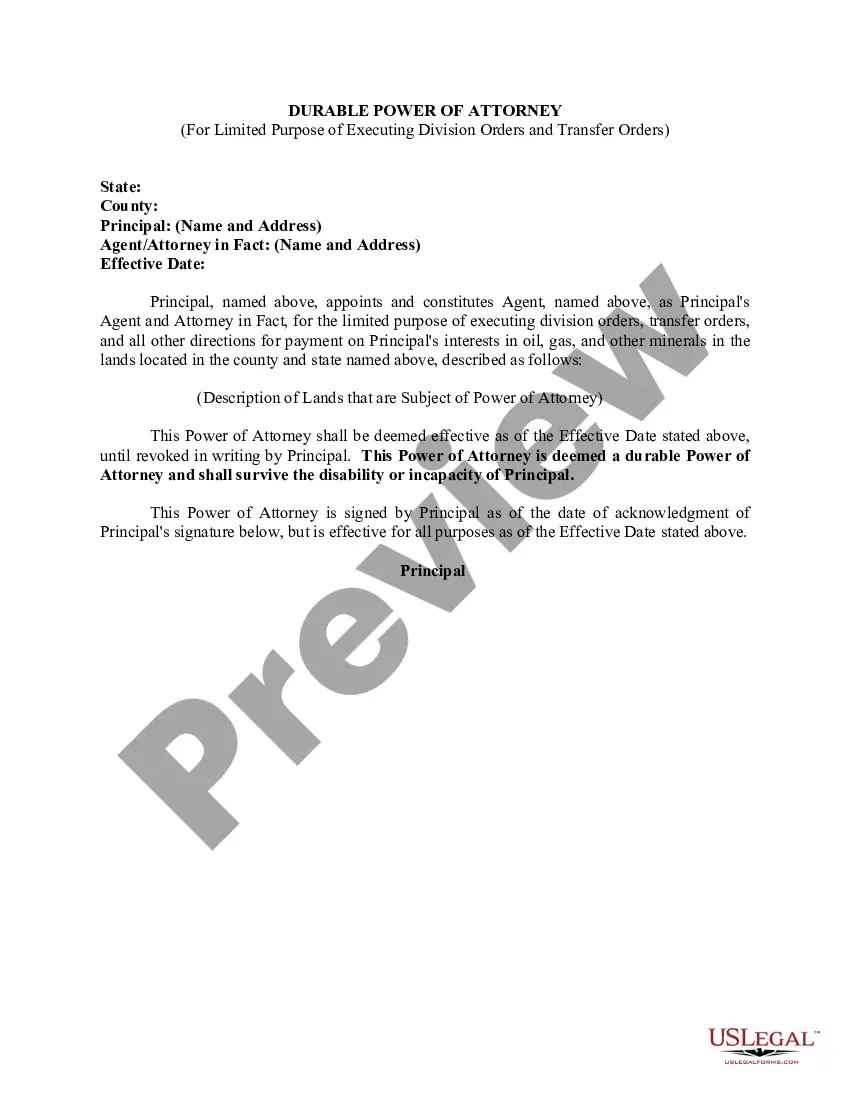
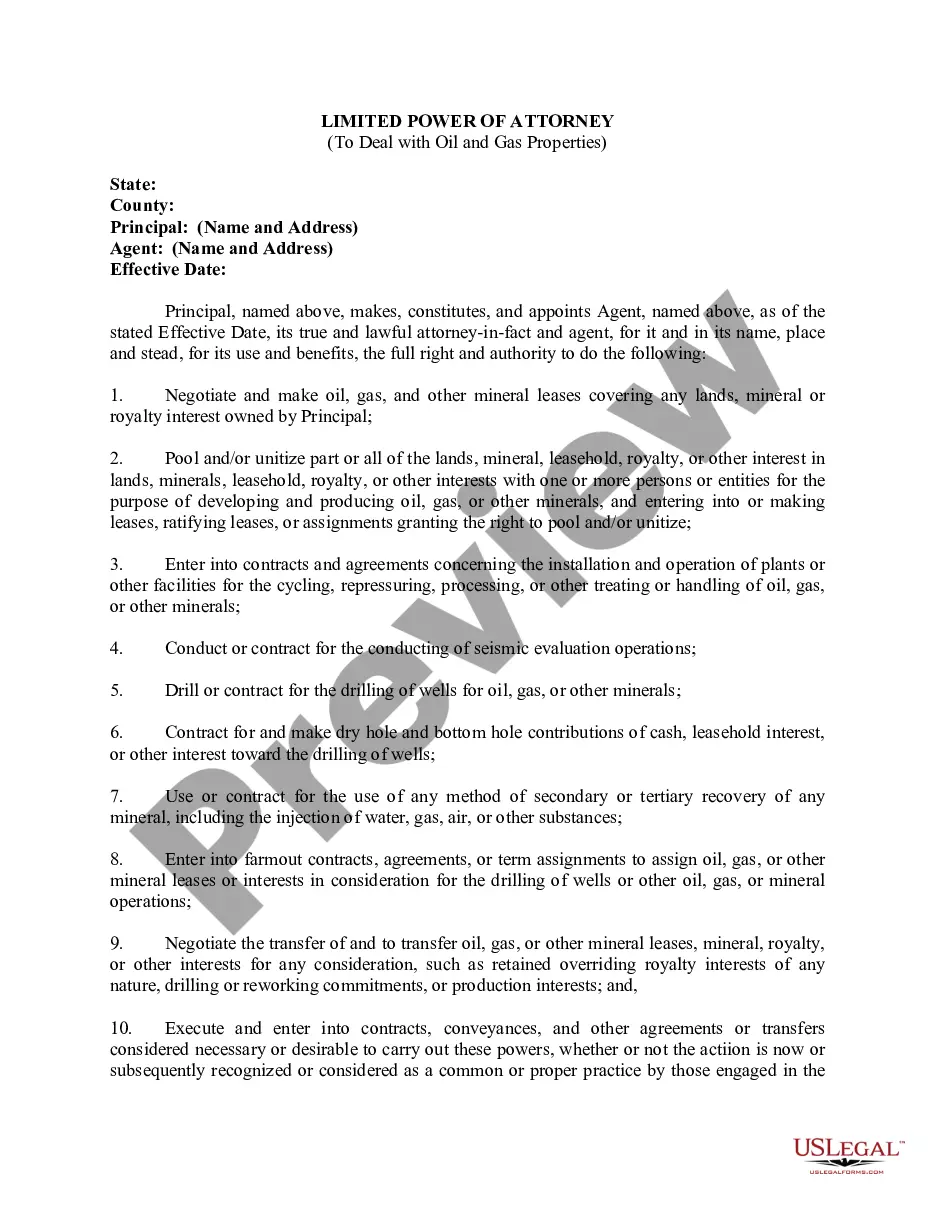
New York Release and Authorization
What this document covers
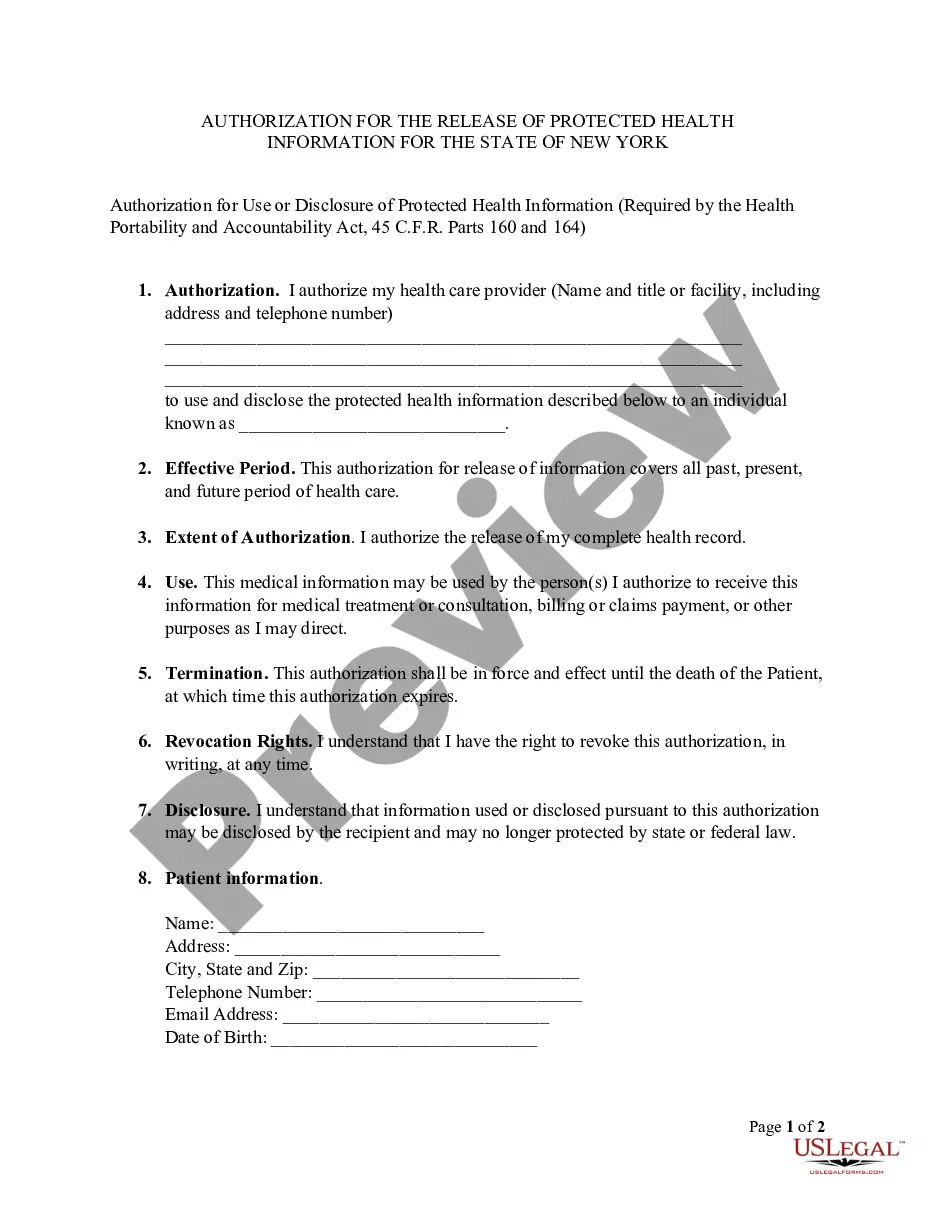
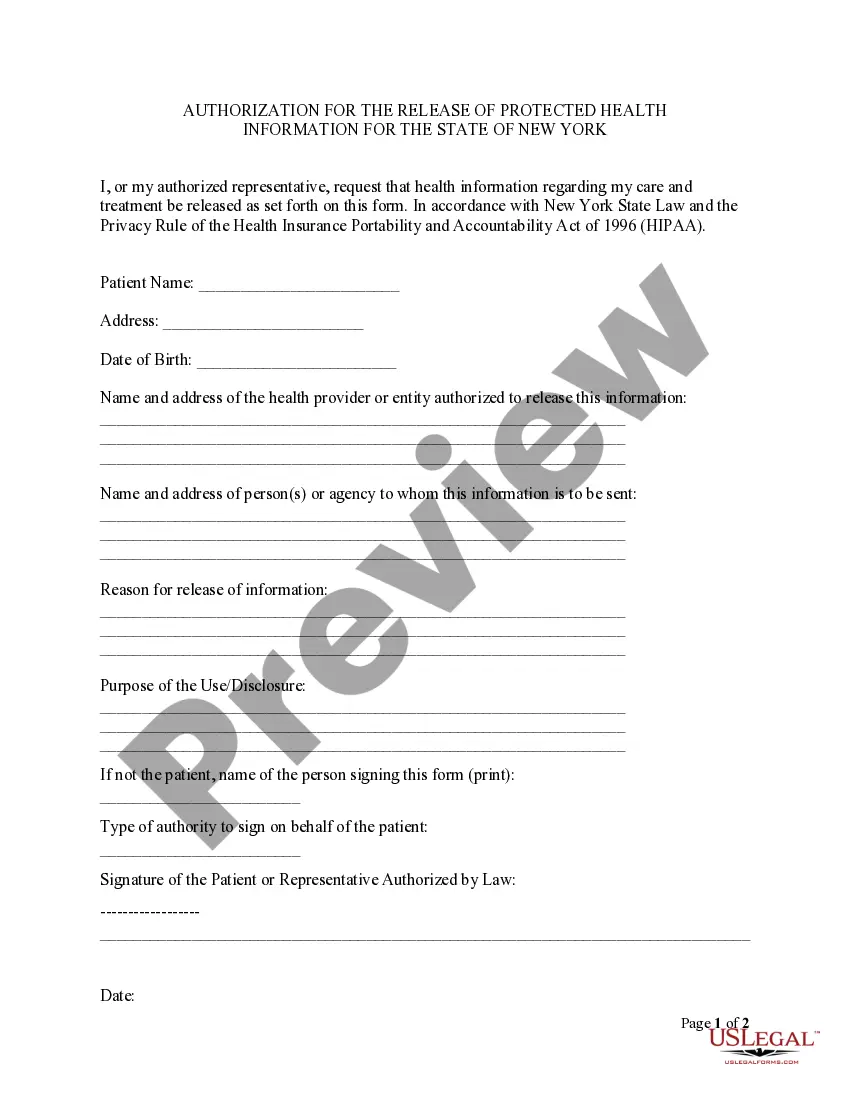
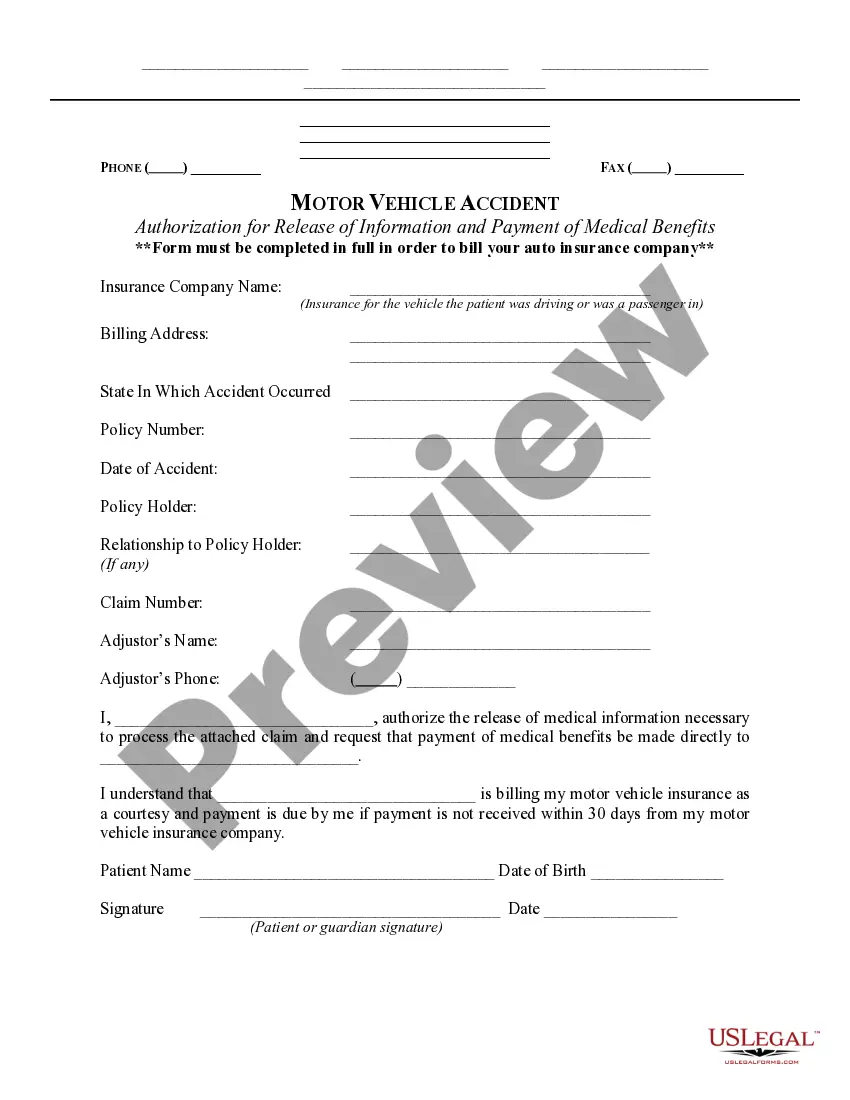
The New York Release and Authorization is a HIPAA authorization form designed specifically for use in New York. It allows individuals to authorize their healthcare providers to use and disclose their protected health information. Unlike general authorization forms, this form complies with state-specific regulations and healthcare privacy laws, ensuring that your medical information is handled in accordance with New York law.
What’s included in this form
- Authorization: A designated section where you specify your healthcare provider's name, address, and contact details.
- Effective Period: Indicates that the authorization covers all past, present, and future healthcare information.
- Extent of Authorization: Allows you to authorize the release of your complete health record.
- Use of Information: Clarifies how the medical information can be used by the person you authorize.
- Revocation Rights: Details your right to revoke this authorization at any time in writing.
When to use this document
This form is needed when you want to allow a trusted individual or organization to access your medical records. Common scenarios include situations where you want to share your health information with family members for treatment decisions, provide information for insurance claims, or grant access to a healthcare consultant for further medical advice.
Who should use this form
- Patients seeking to share their medical records with healthcare providers.
- Individuals who need to give permission for their health information to be disclosed to family members or other third parties.
- Anyone requiring access to their health records for legal, billing, or treatment purposes.
Steps to complete this form
- Identify your healthcare provider by entering the name, title, or facility, along with their address and phone number in the designated fields.
- Specify the individual or entity to whom your health information will be disclosed.
- Fill in your personal information, including your name, address, telephone number, email address, and date of birth.
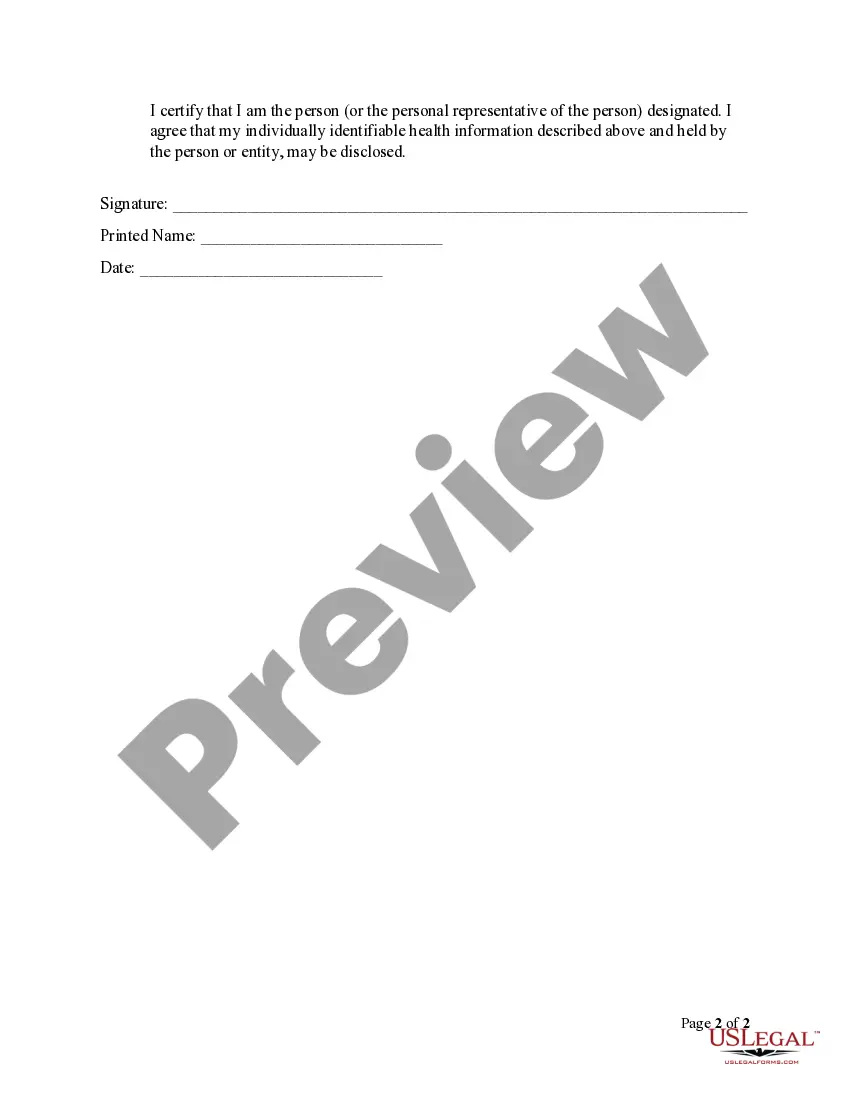
- Sign and date the authorization section to validate your consent.
- Keep a copy of the signed authorization for your records and provide the original to the authorized provider or individual.
Notarization guidance
This form does not typically require notarization unless specified by local law. However, to ensure compliance with any additional state statutes, you may wish to consult a legal advisor.
Get your form ready online
Our built-in tools help you complete, sign, share, and store your documents in one place.
Make edits, fill in missing information, and update formatting in US Legal Forms—just like you would in MS Word.
Download a copy, print it, send it by email, or mail it via USPS—whatever works best for your next step.
Sign and collect signatures with our SignNow integration. Send to multiple recipients, set reminders, and more. Go Premium to unlock E-Sign.
If this form requires notarization, complete it online through a secure video call—no need to meet a notary in person or wait for an appointment.
We protect your documents and personal data by following strict security and privacy standards.

Make edits, fill in missing information, and update formatting in US Legal Forms—just like you would in MS Word.

Download a copy, print it, send it by email, or mail it via USPS—whatever works best for your next step.

Sign and collect signatures with our SignNow integration. Send to multiple recipients, set reminders, and more. Go Premium to unlock E-Sign.

If this form requires notarization, complete it online through a secure video call—no need to meet a notary in person or wait for an appointment.

We protect your documents and personal data by following strict security and privacy standards.
Common mistakes
- Failing to provide complete contact information for the healthcare provider.
- Not specifying the person or organization receiving the information.
- Omitting your signature or date on the authorization.
Advantages of online completion
- Convenient access to a legally compliant form tailored for New York residents.
- Edit and customize the document easily to fit your specific needs.
- Reliable information drafted by licensed attorneys to ensure legal validity.
Looking for another form?

Form popularity
FAQ
By setting up a Release Authorization (ARI), you are giving customer service your permission to disclose information about your accounts to another person. Typically, this is used to give account access to a spouse or other family member.
Under HIPAA, your site must retain the authorization for at least six years after the subject has signed it. Covered entities may use or disclose health information that is de-identified without restriction under the Privacy Rule.
HIPAA Authorization is a document that authorizes the release of medical records which are protected under HIPAA. The authorization names designated representatives who may receive protected medical records, despite the privacy protections of HIPAA. HIPAA is an important piece of legislation.
By setting up a Release Authorization (ARI), you are giving customer service your permission to disclose information about your accounts to another person. Typically, this is used to give account access to a spouse or other family member.
The medical record information release (HIPAA) form allows a patient to give authorization to a 3rd party and access their health records.
A HIPAA authorization form, also known as a HIPAA release form, is a document that individual signs for their health provider before the entity may use or disclose their protected health information (PHI).
Should I sign this ?HIPAA Authorization? for release of my medical records? No, you should not sign the HIPAA authorization for the release of your medical records. Often, the insurance company will act as though they cannot begin to decide how much money to offer you until they have all of your medical records.
The core elements of a valid authorization include: A meaningful description of the information to be disclosed. The name of the individual or the name of the person authorized to make the requested disclosure. The name or other identification of the recipient of the information.
Elements: A description of the PHI. The name of the person making the authorization. The name of the person or organization who is authorized to receive the PHI. A description of the purpose for the use or disclosure. An expiration date for the authorization. The signature of the person making the authorization.