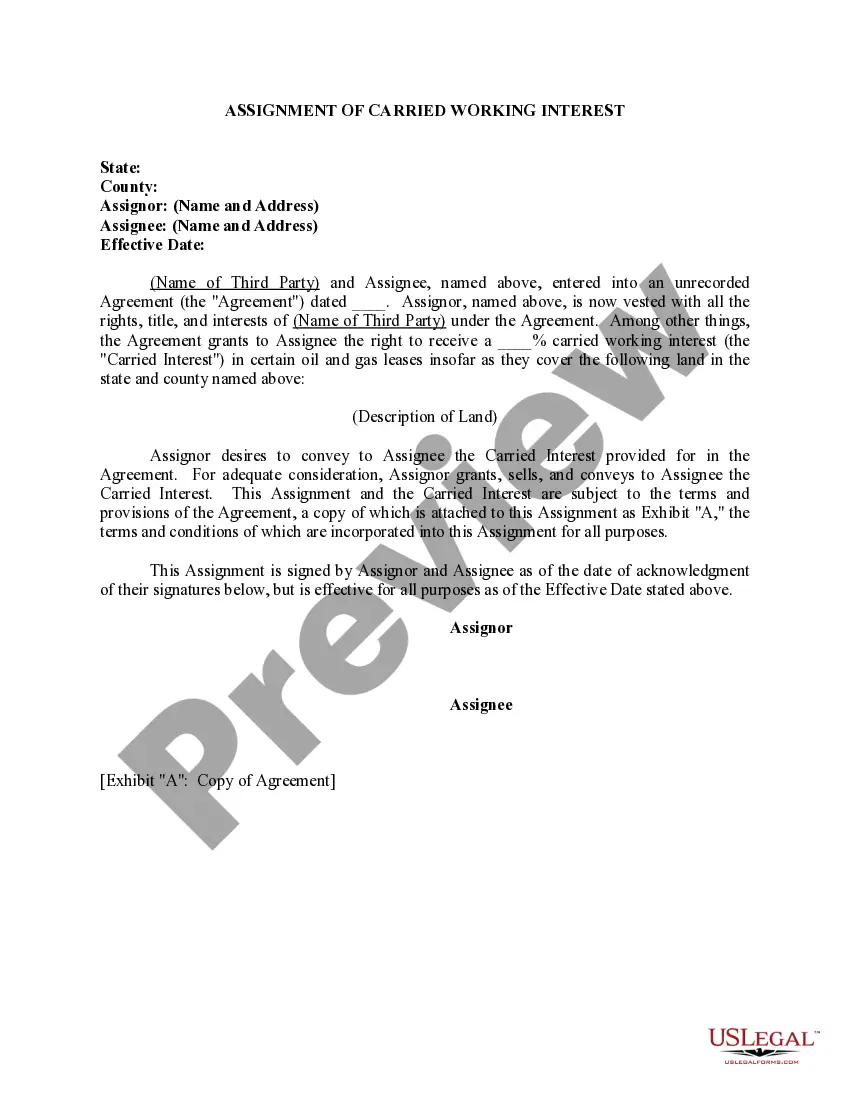
New York Contract of Sale
Understanding this form
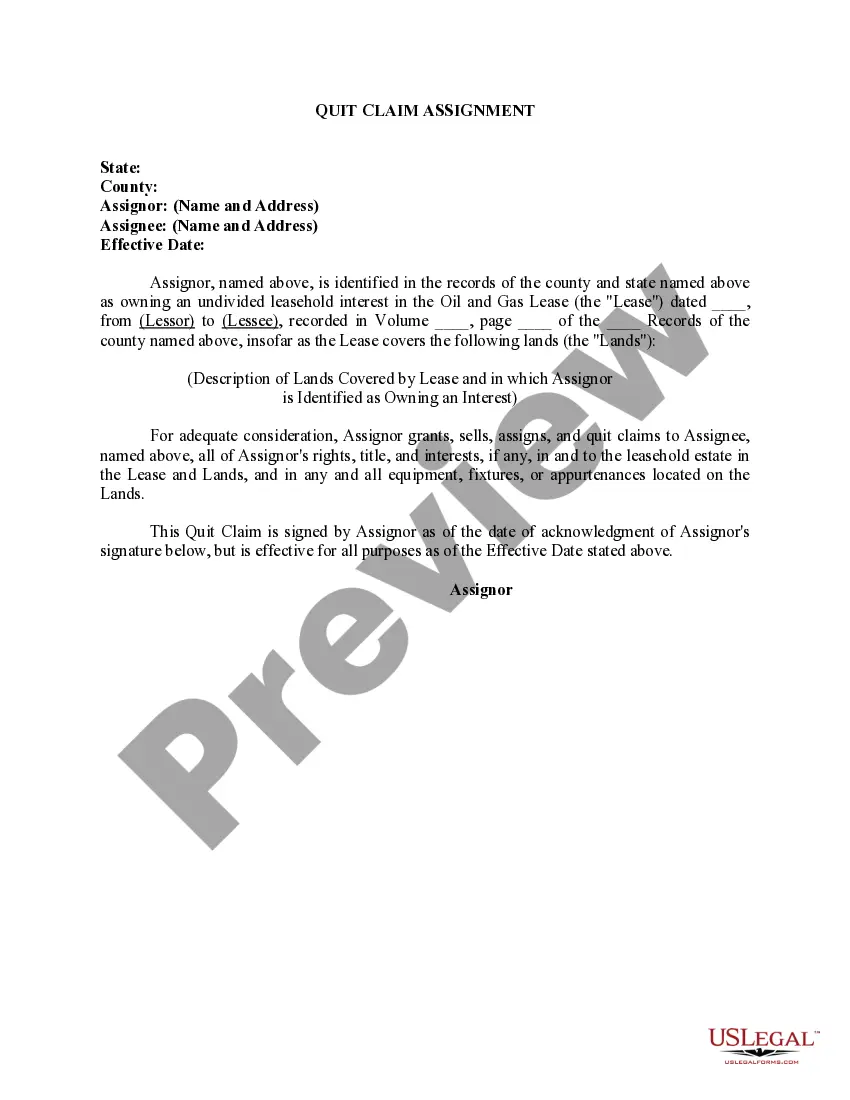
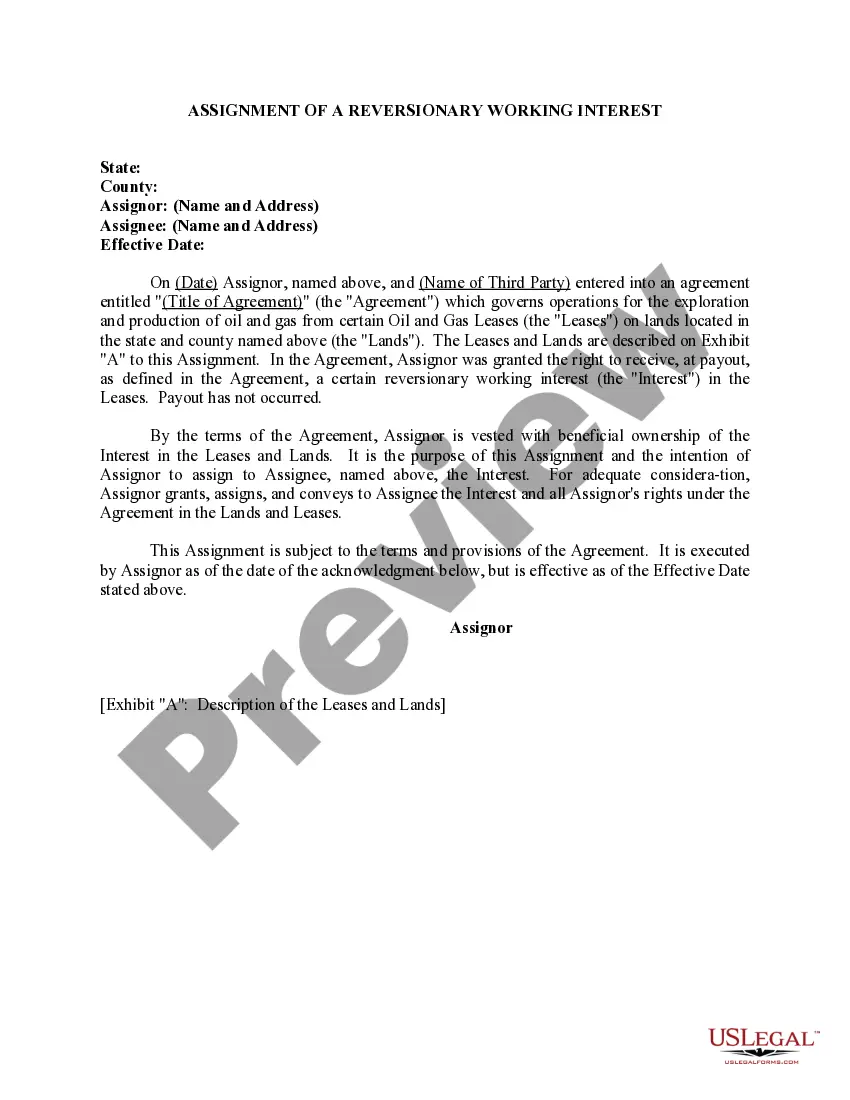
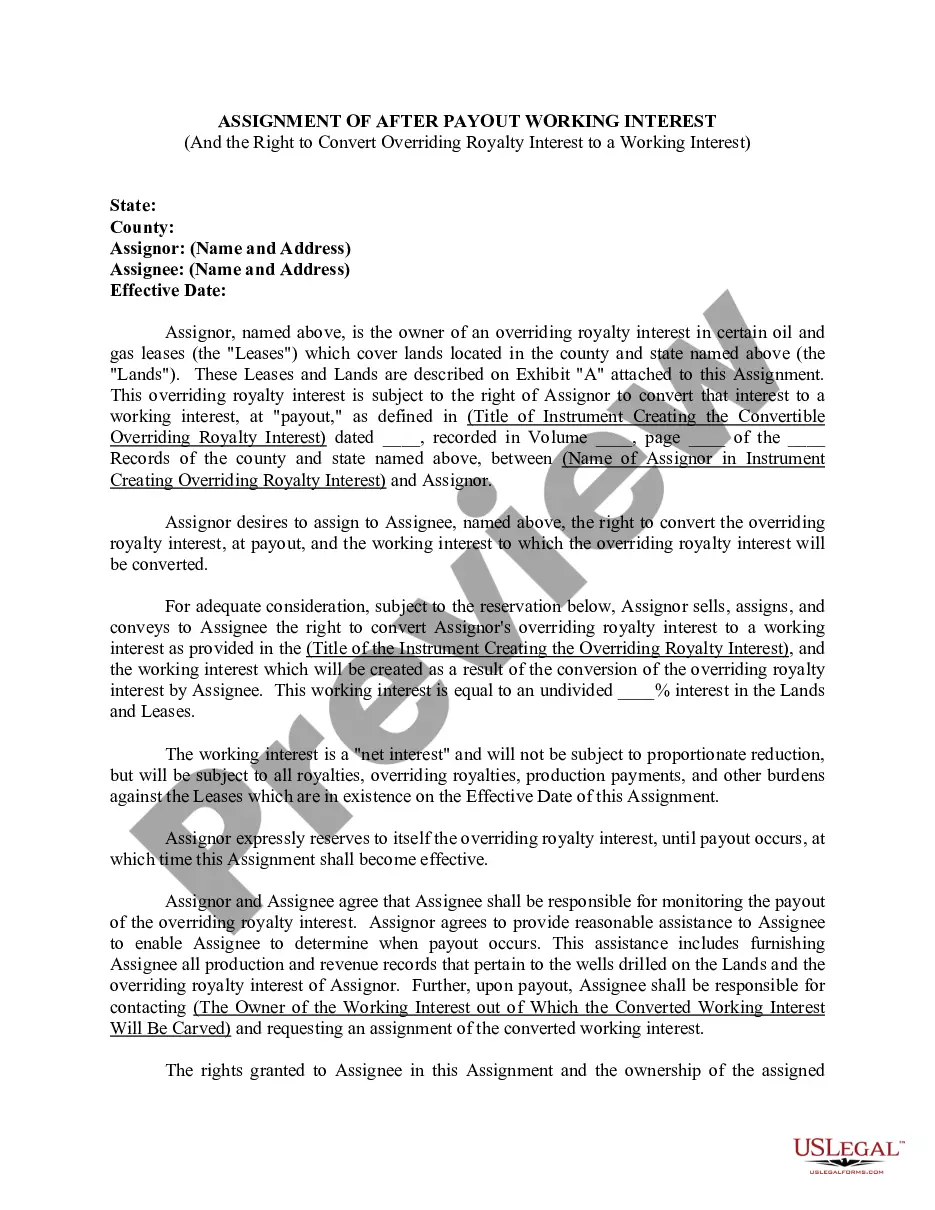
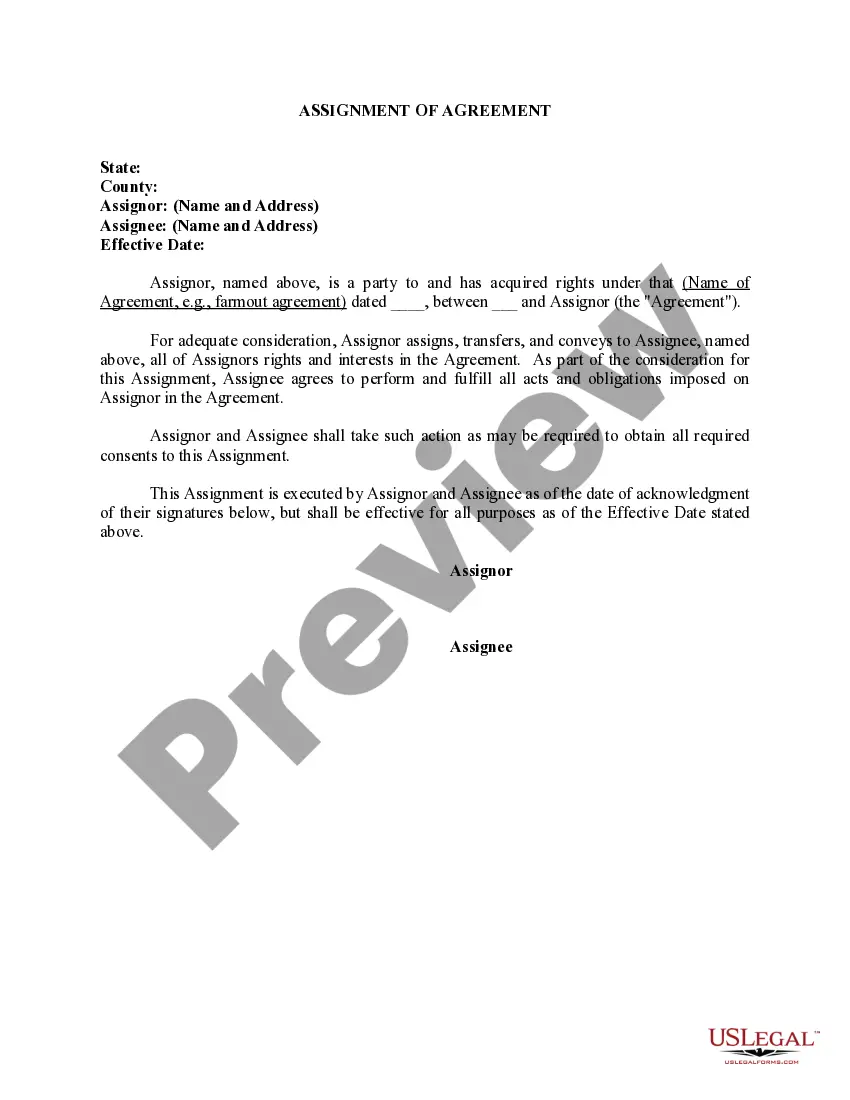
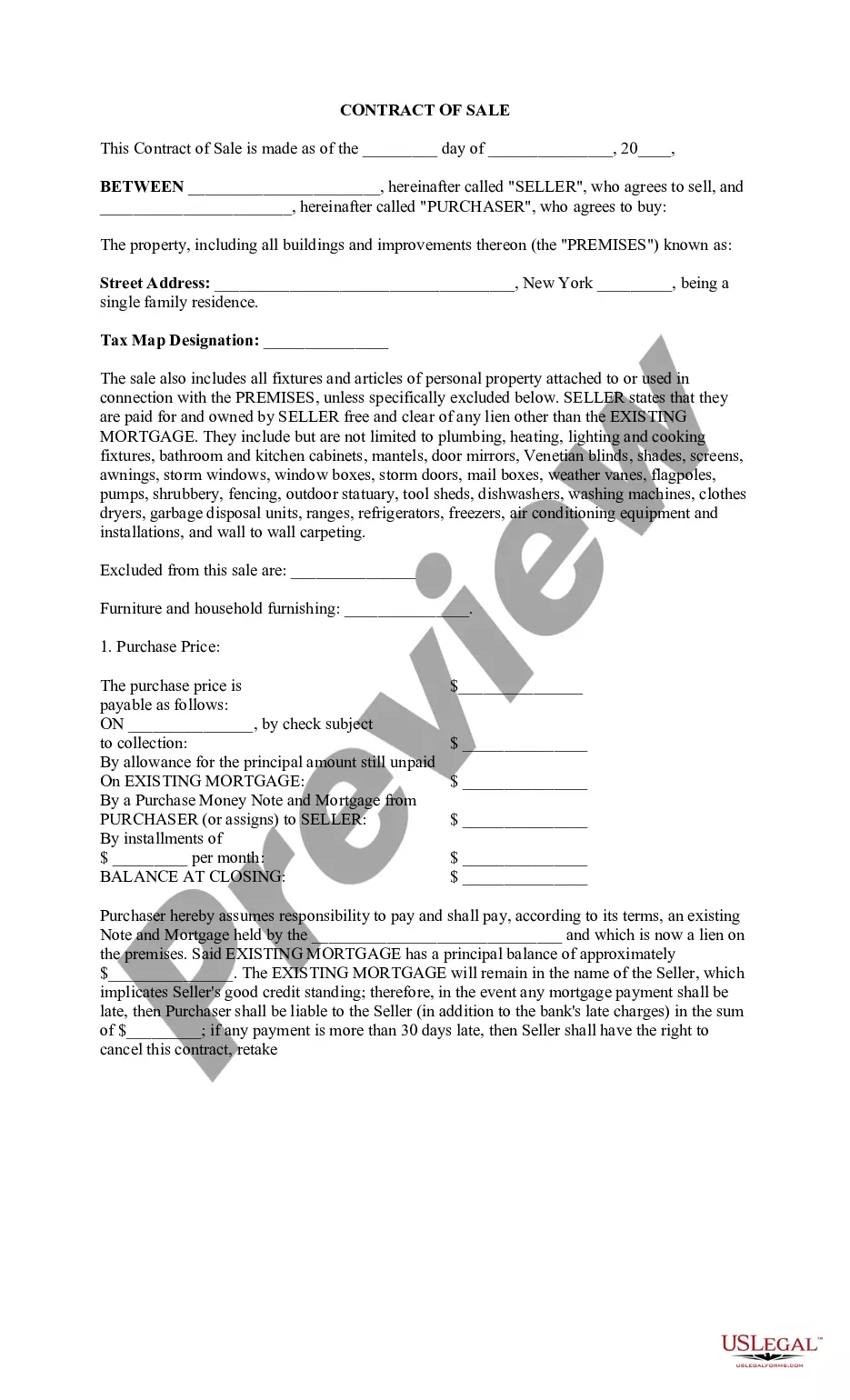
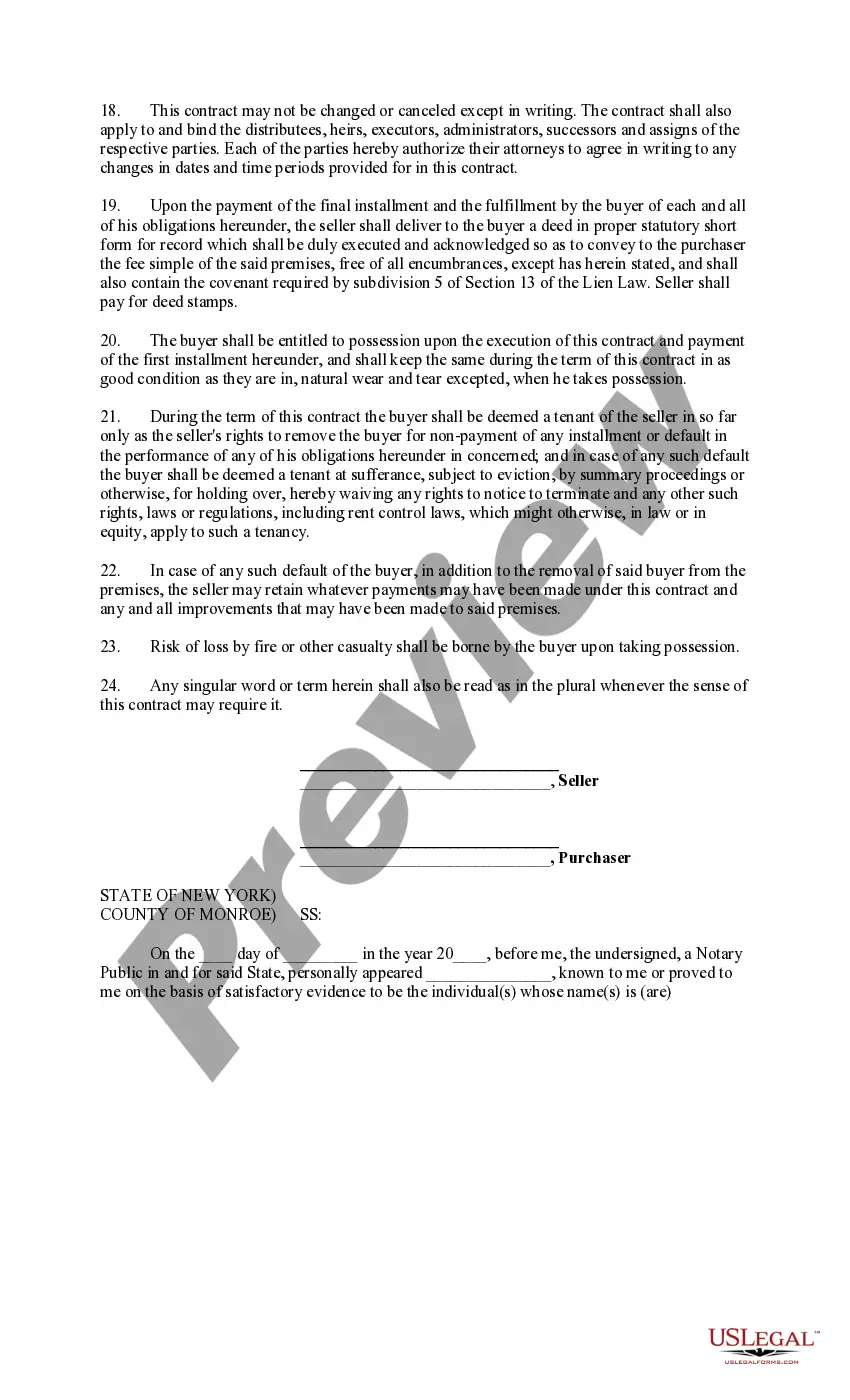
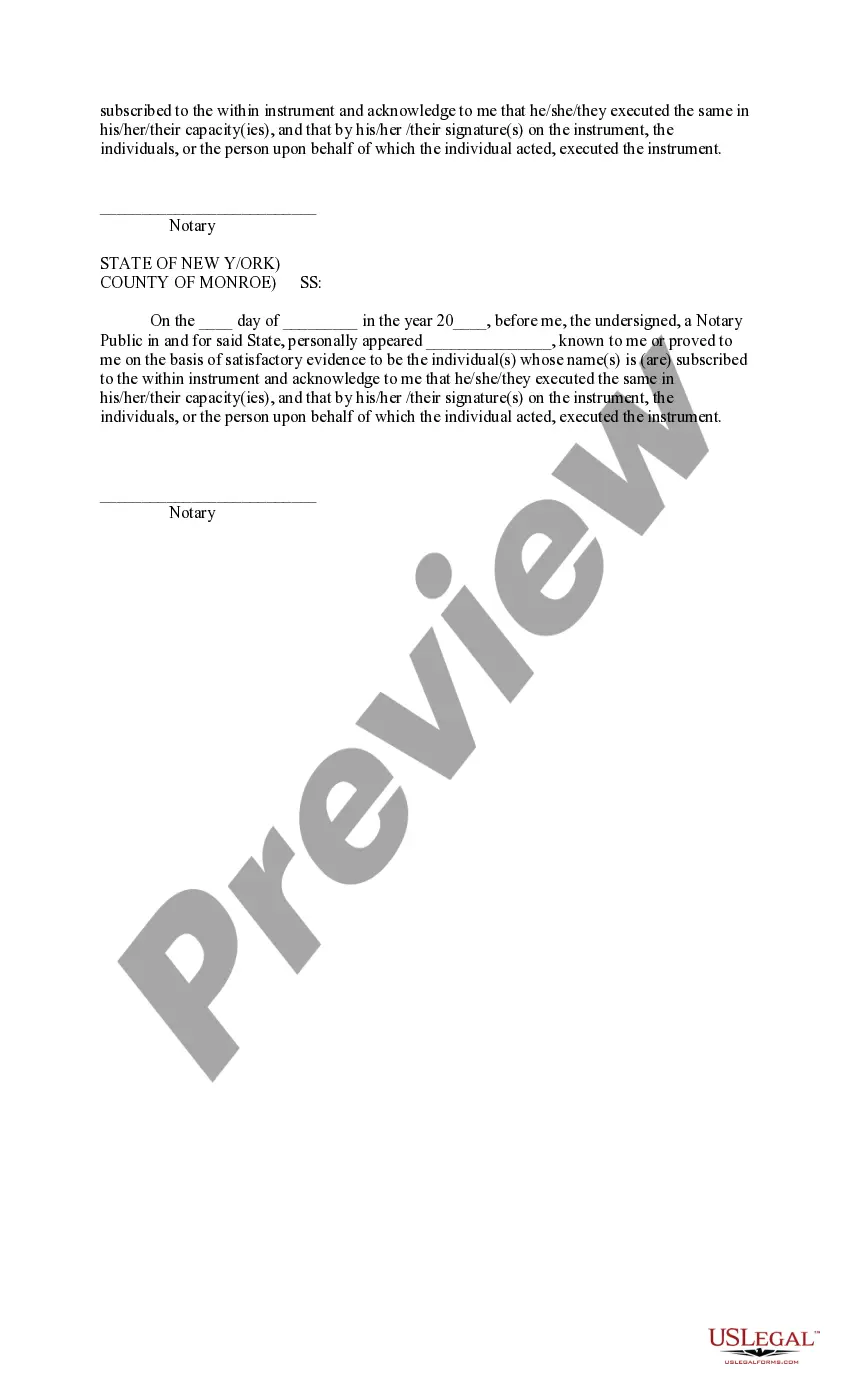
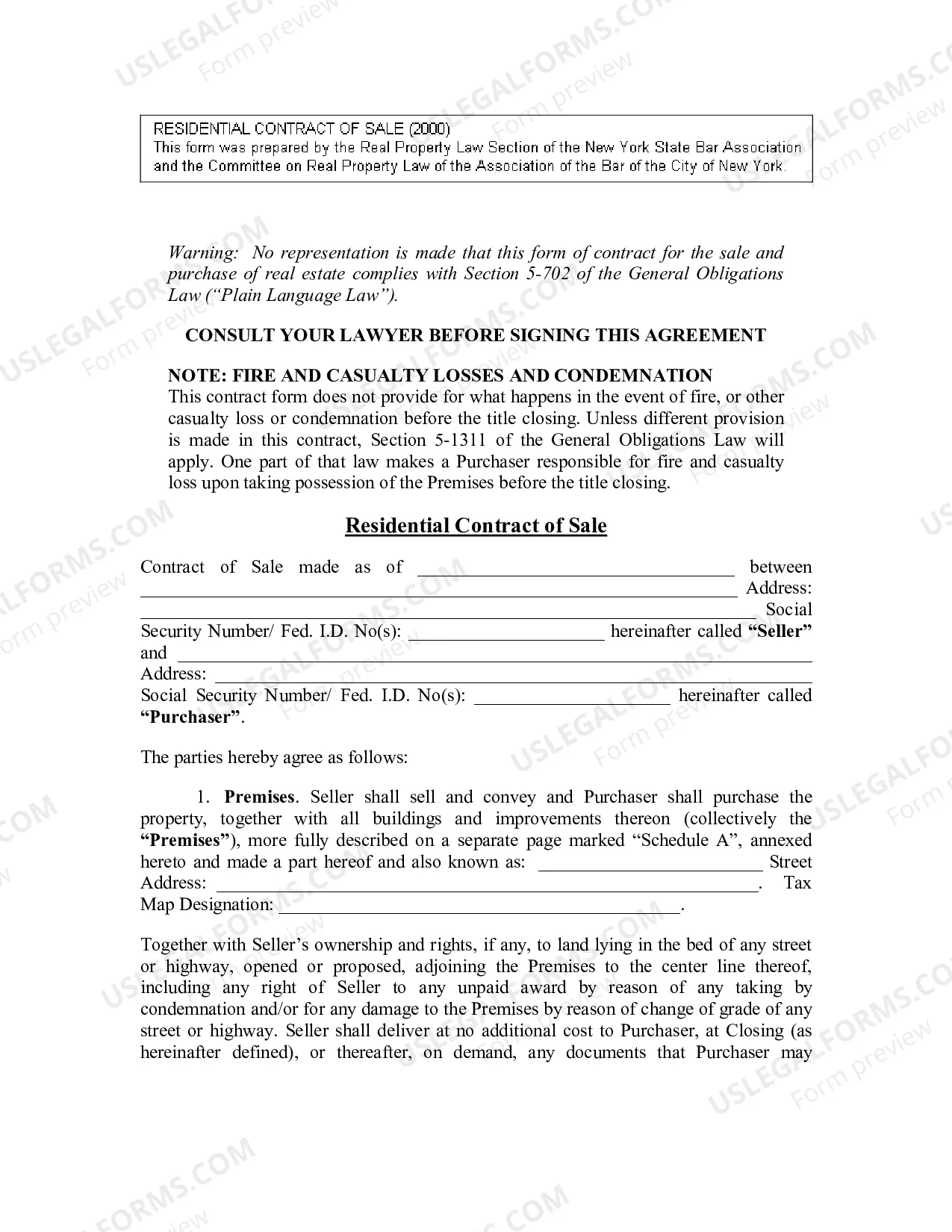
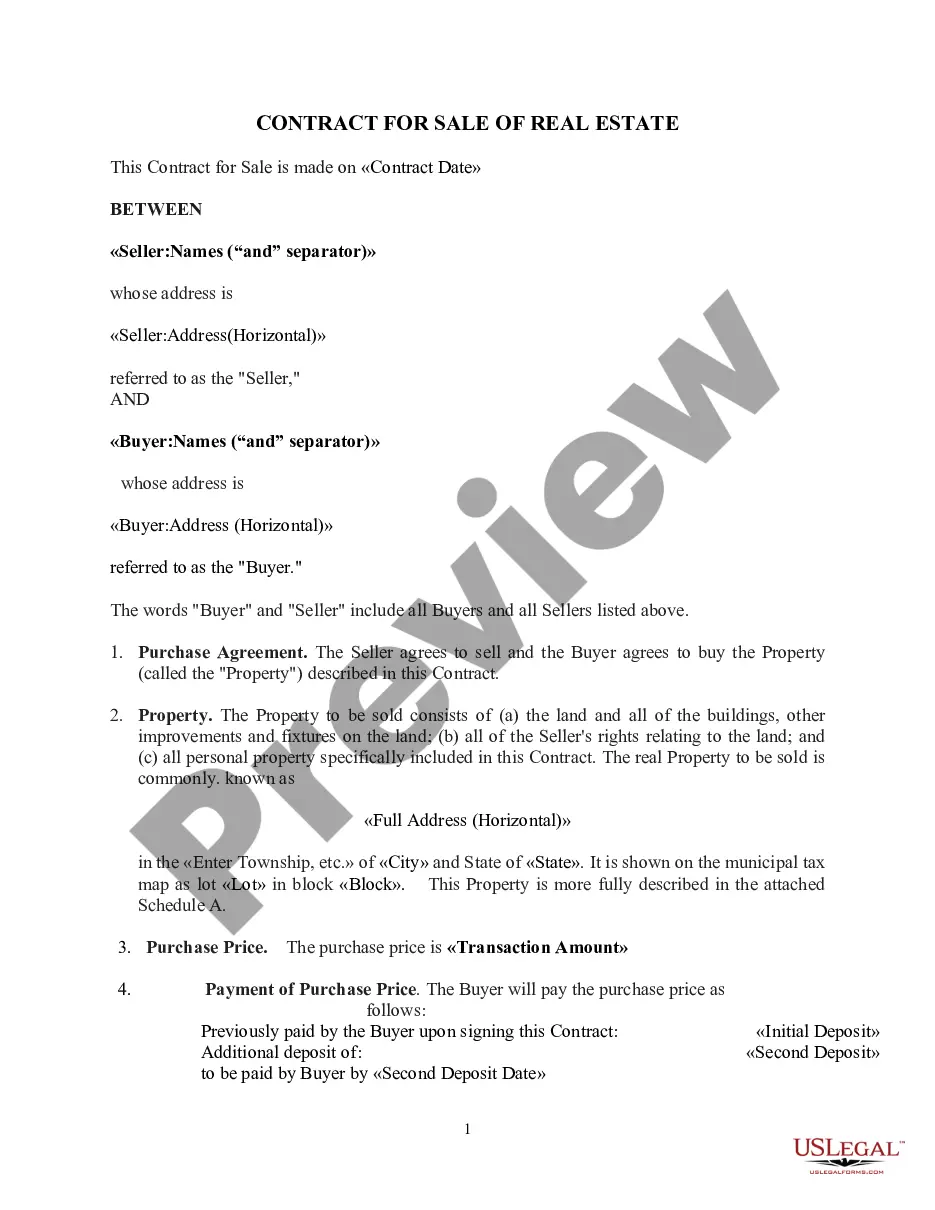
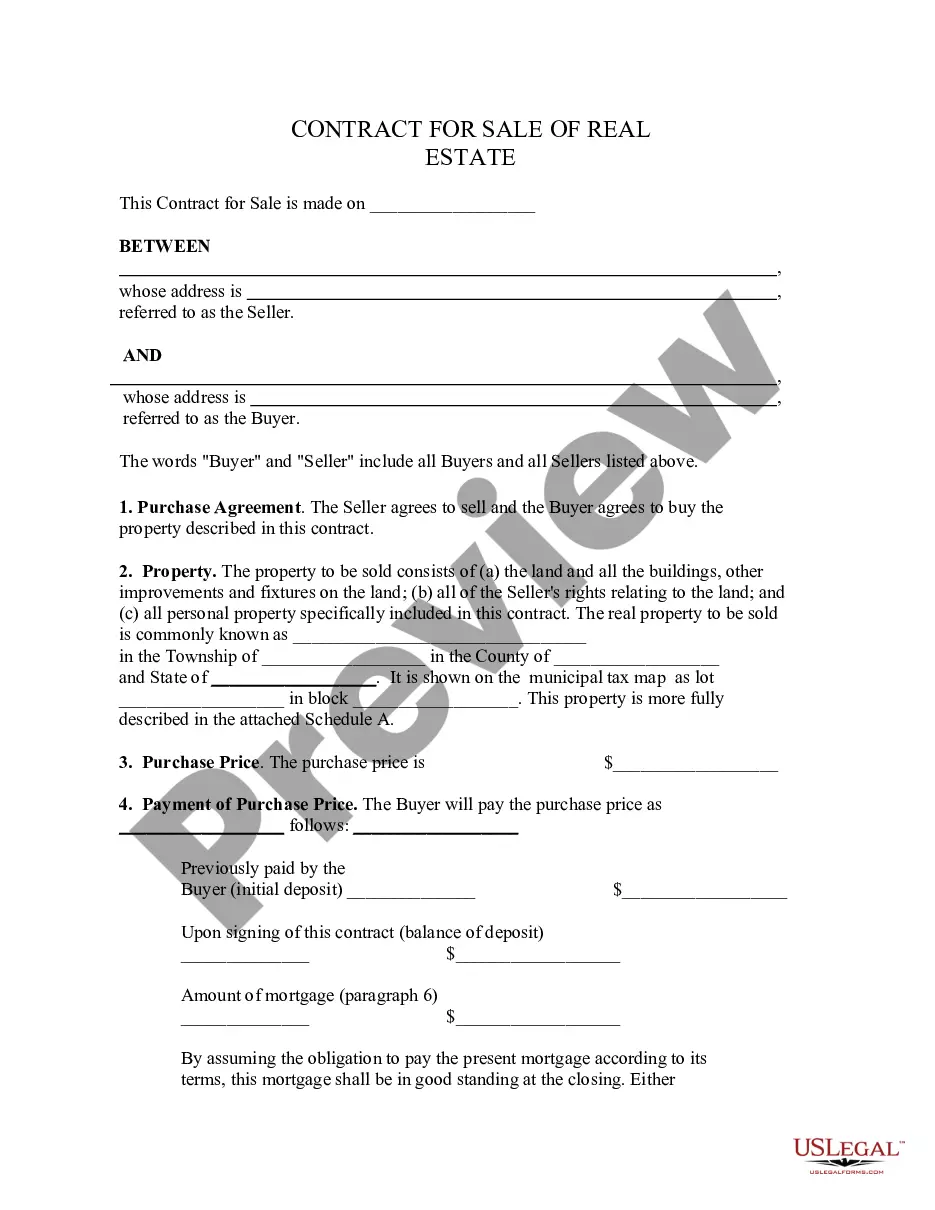
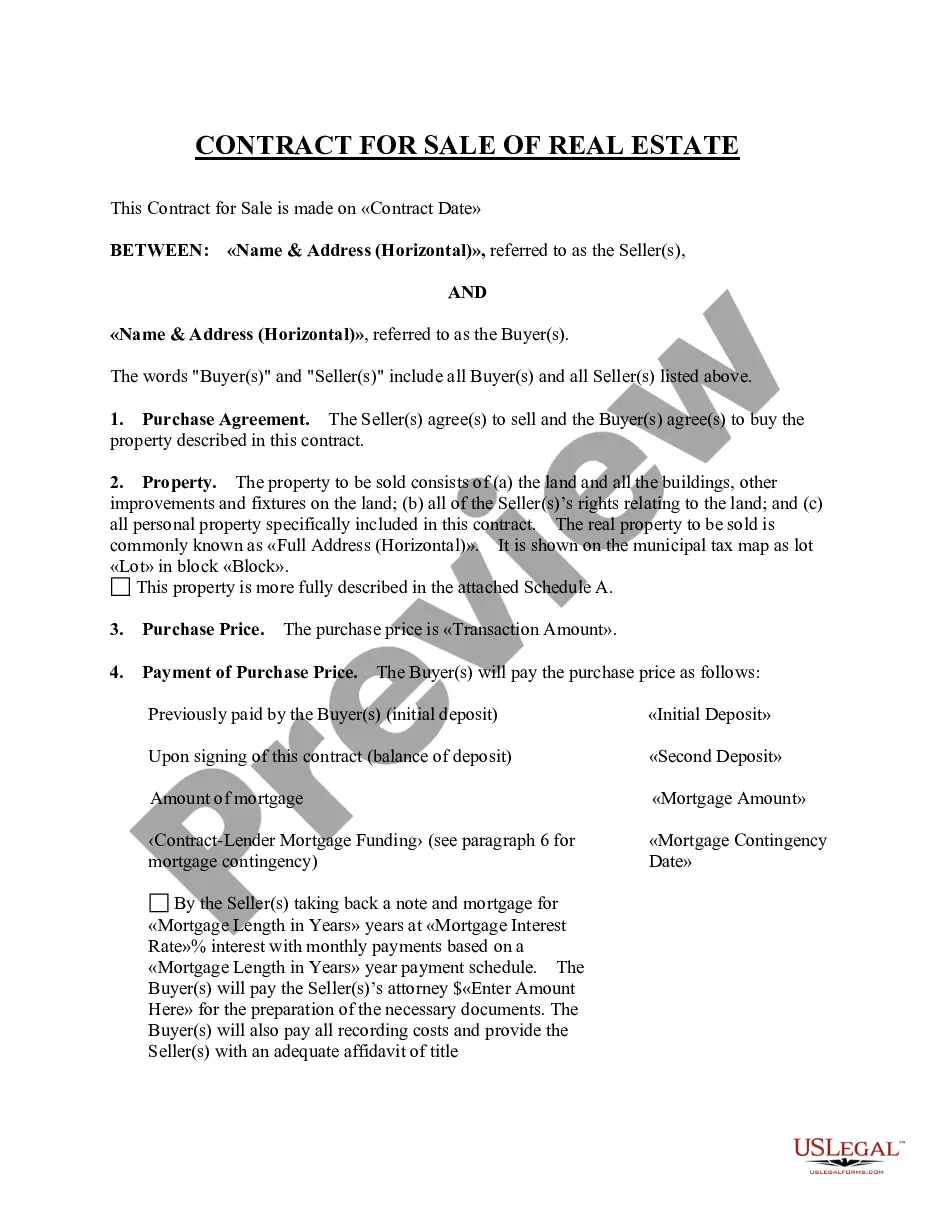
The Contract of Sale is a legally binding agreement for the purchase of real property, including certain personal property elements. This form outlines the terms and conditions under which the seller agrees to sell and the purchaser agrees to buy the property, typically "as is." Unlike other purchase agreements, this contract specifies the inclusion of various fixtures and articles while clarifying responsibilities regarding existing mortgages and property taxes.
Form components explained
- Identification of the seller and purchaser.
- Description of the property, including fixtures included in the sale.
- Details of the purchase price and payment terms.
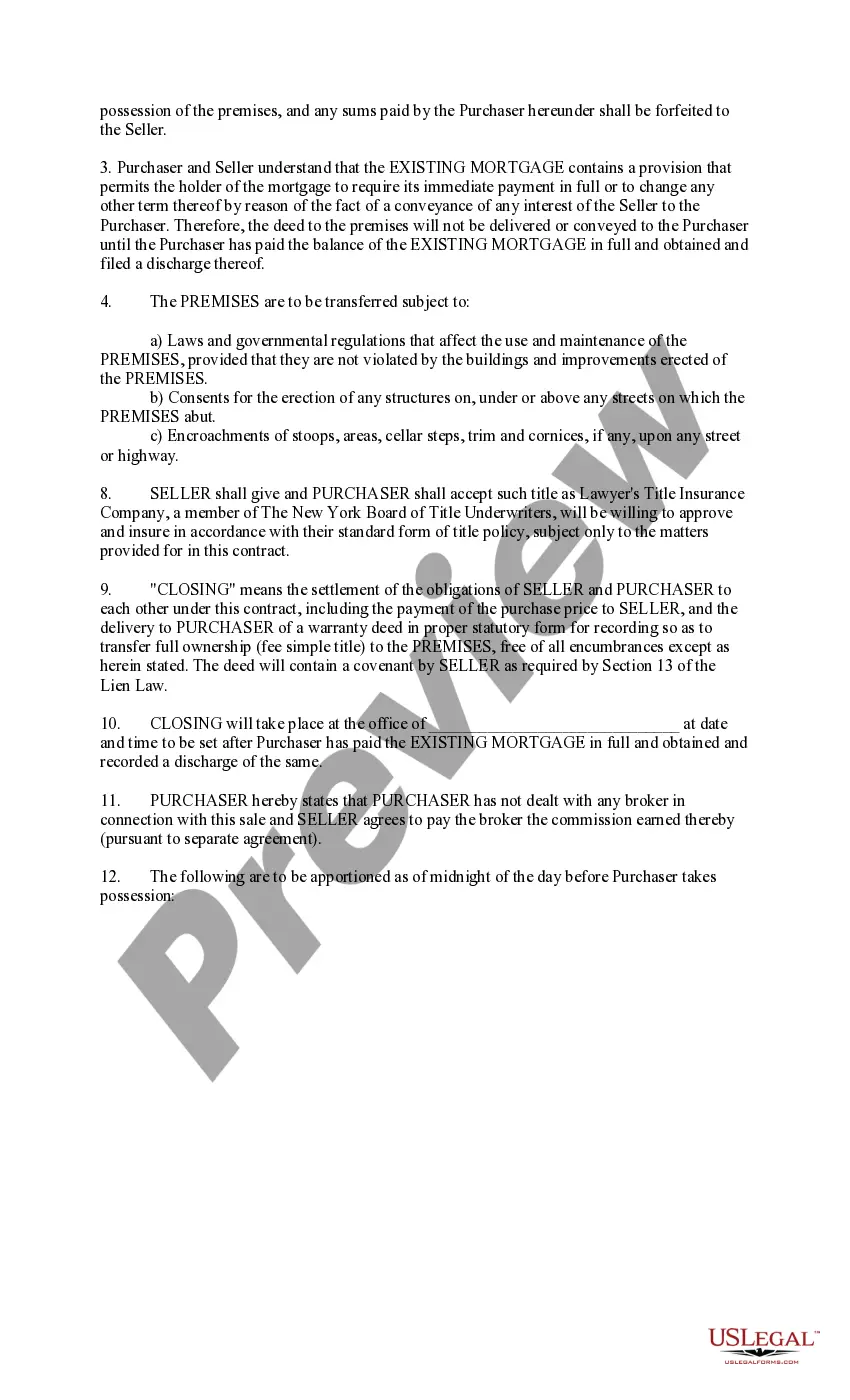
- Provisions regarding existing mortgages and responsibilities tied to them.
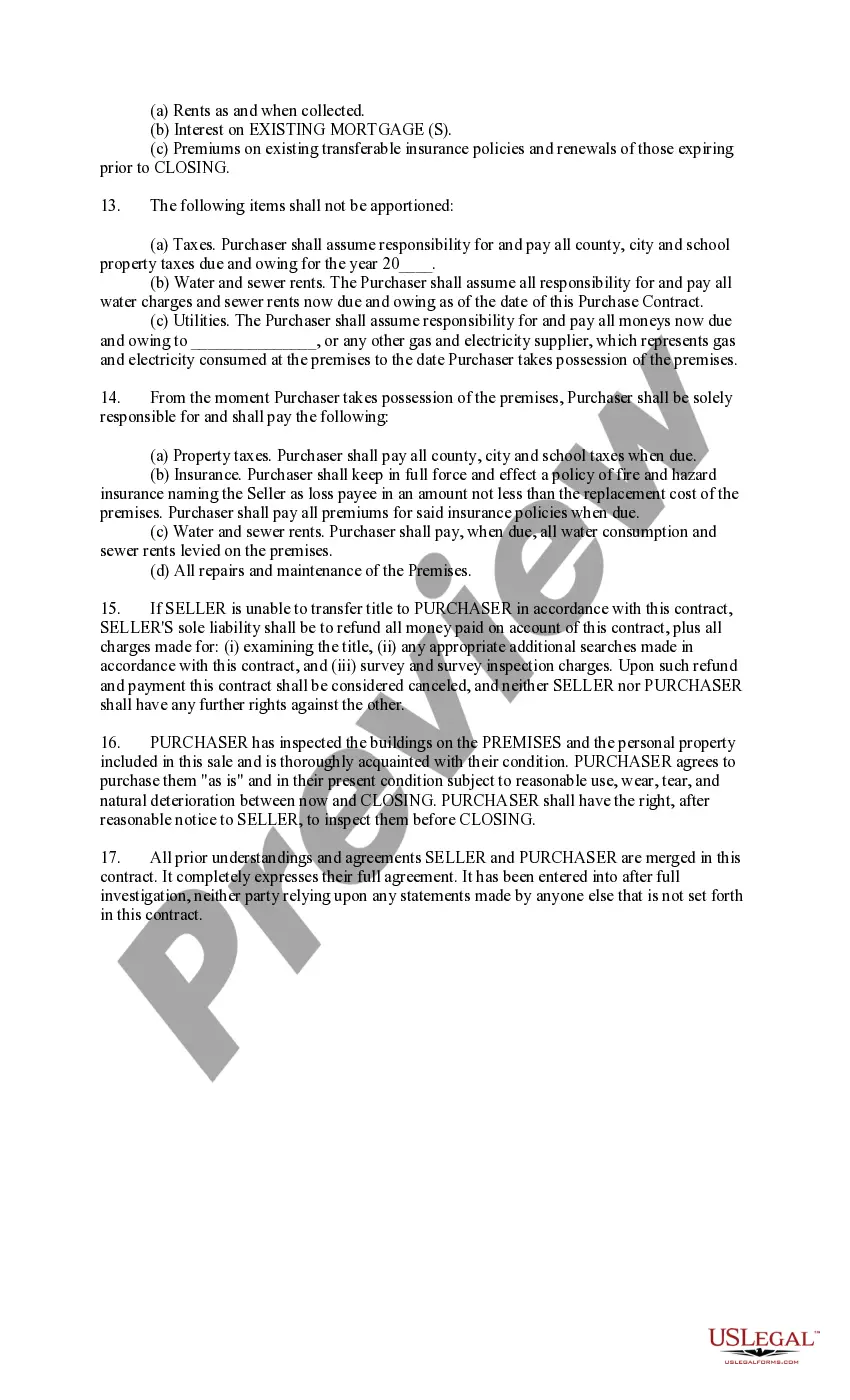
- Conditions under which the property is transferred and apportioned items at closing.
- Rights and responsibilities of the purchaser from the moment of possession.
When to use this form
This form is useful in real estate transactions where an individual or entity intends to purchase property that includes personal property fixtures. Use this contract when both parties agree on the sale price and terms, and when the purchaser accepts the property in its current condition, acknowledging all potential risks related to existing mortgages and legal obligations.
Intended users of this form
This form is intended for:
- Individuals or companies buying residential real estate.
- Sellers who wish to document the sale of their property.
- Real estate investors looking for a structured approach to purchasing properties.
- Anyone involved in a transaction where property includes both real and personal items.
How to complete this form
- Identify the seller and purchaser by completing their names and addresses.
- Clearly describe the property, including the street address and tax map designation.
- Input the purchase price and detail the payment structure, including any existing mortgage responsibilities.
- List any personal property or fixtures that are included in the sale, along with any exclusions.
- Sign and date the agreement in the designated sections.
Notarization requirements for this form
This form does not typically require notarization unless specified by local law. However, having the signatures notarized can provide additional legal assurance and validity.
Get your form ready online
Our built-in tools help you complete, sign, share, and store your documents in one place.
Make edits, fill in missing information, and update formatting in US Legal Forms—just like you would in MS Word.
Download a copy, print it, send it by email, or mail it via USPS—whatever works best for your next step.
Sign and collect signatures with our SignNow integration. Send to multiple recipients, set reminders, and more. Go Premium to unlock E-Sign.
If this form requires notarization, complete it online through a secure video call—no need to meet a notary in person or wait for an appointment.
We protect your documents and personal data by following strict security and privacy standards.

Make edits, fill in missing information, and update formatting in US Legal Forms—just like you would in MS Word.

Download a copy, print it, send it by email, or mail it via USPS—whatever works best for your next step.

Sign and collect signatures with our SignNow integration. Send to multiple recipients, set reminders, and more. Go Premium to unlock E-Sign.

If this form requires notarization, complete it online through a secure video call—no need to meet a notary in person or wait for an appointment.

We protect your documents and personal data by following strict security and privacy standards.
Common mistakes
- Failing to specify excluded personal property can lead to disputes later.
- Not consulting legal counsel about existing mortgages and the implications for both parties.
- Overlooking the importance of inspections before finalizing the sale.
Benefits of completing this form online
- Convenience of filling out the form from anywhere at any time.
- Editability allows for adjustments as terms are negotiated.
- Secure storage and access to your form once completed.
Looking for another form?
Form popularity
FAQ
Legally it does not matter who signs the contract first as long as both parties agree to it. Practically speaking, it might be better to sign second. One reason for why it is argued that you should always sign second is that you will be bound by any amendments made after you sign.
Can you back out of an accepted offer? The short answer: yes. When you sign a purchase agreement for real estate, you're legally bound to the contract terms, and you'll give the seller an upfront deposit called earnest money.
There is no automatic three day right to cancel, but most real estate contracts have other "contingencies" such as financing or inspection that would give a buyer a right to cancel for specific reasons.
There is a federal law (and similar laws in every state) allowing consumers to cancel contracts made with a door-to-door salesperson within three days of signing. The three-day period is called a "cooling off" period.
No, the buyer does not have 3 days to back out. In the State of California in a real estate purchase contract there are a number of contingencies that must be met before the contract moves forward.
If you want out of a real estate contract and don't have any contingencies available, you can breach the contract.The seller could also decide to sue you for breach of contract. Some real estate contracts have a liquidated damages clause that states the maximum the seller can keep if the buyers breach the contract.
The stages of a contract of sale are: (1) negotiation, starting from the time the prospective contracting parties indicate interest in the contract to the time the contract is perfected; (2) perfection, which takes place upon the concurrence of the essential elements of the sale; and (3) consummation, which commences
A contract of sale may be absolute or conditional. It is an agreement between two parties whereby one, who is the seller or vendor, obligates himself to deliver something to the other party who is the buyer or vendee who is bound to pay a sum of money or its equivalent.
Federal law gives borrowers what is known as the "right of rescission." This means that borrowers after signing the closing papers for a home equity loan or refinance have three days to back out of that deal.