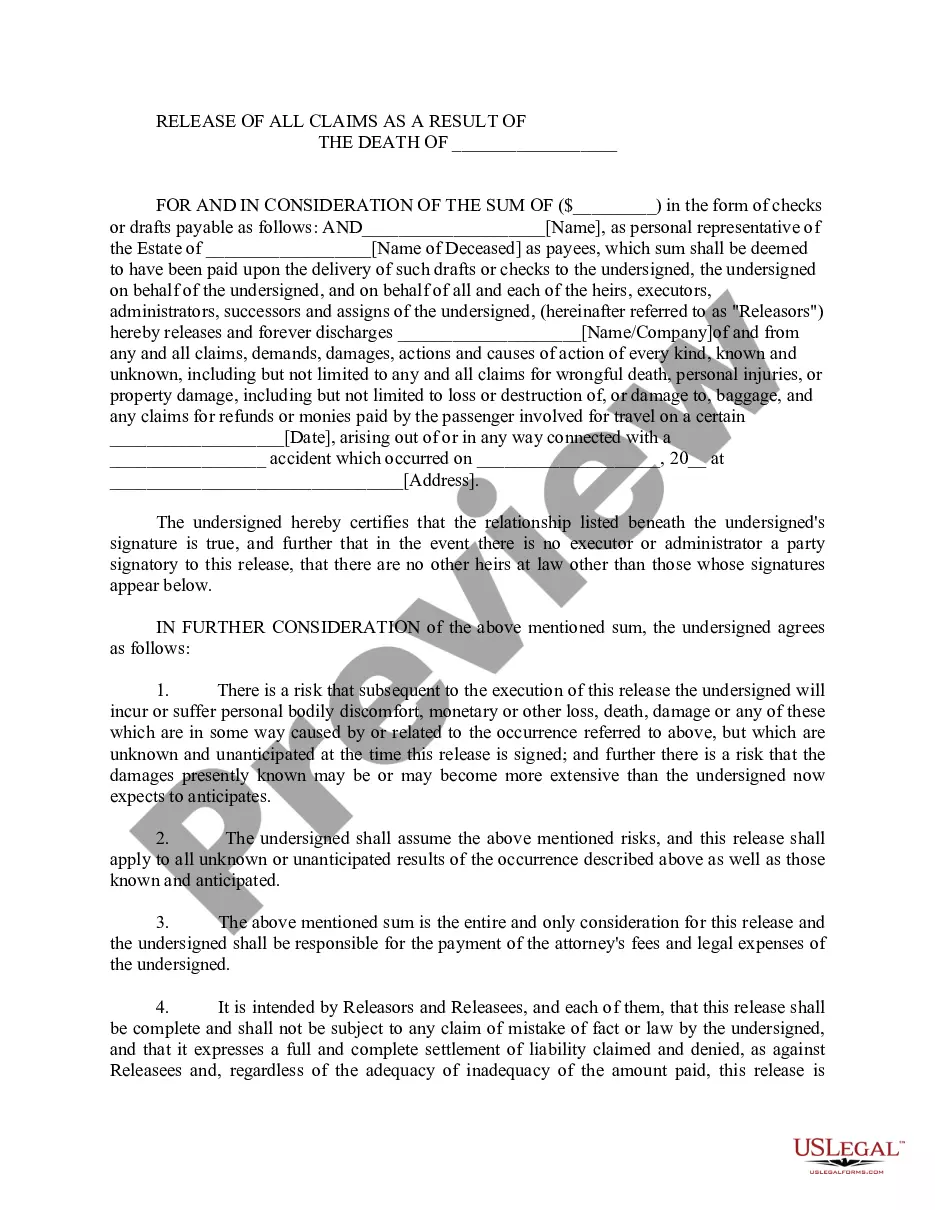
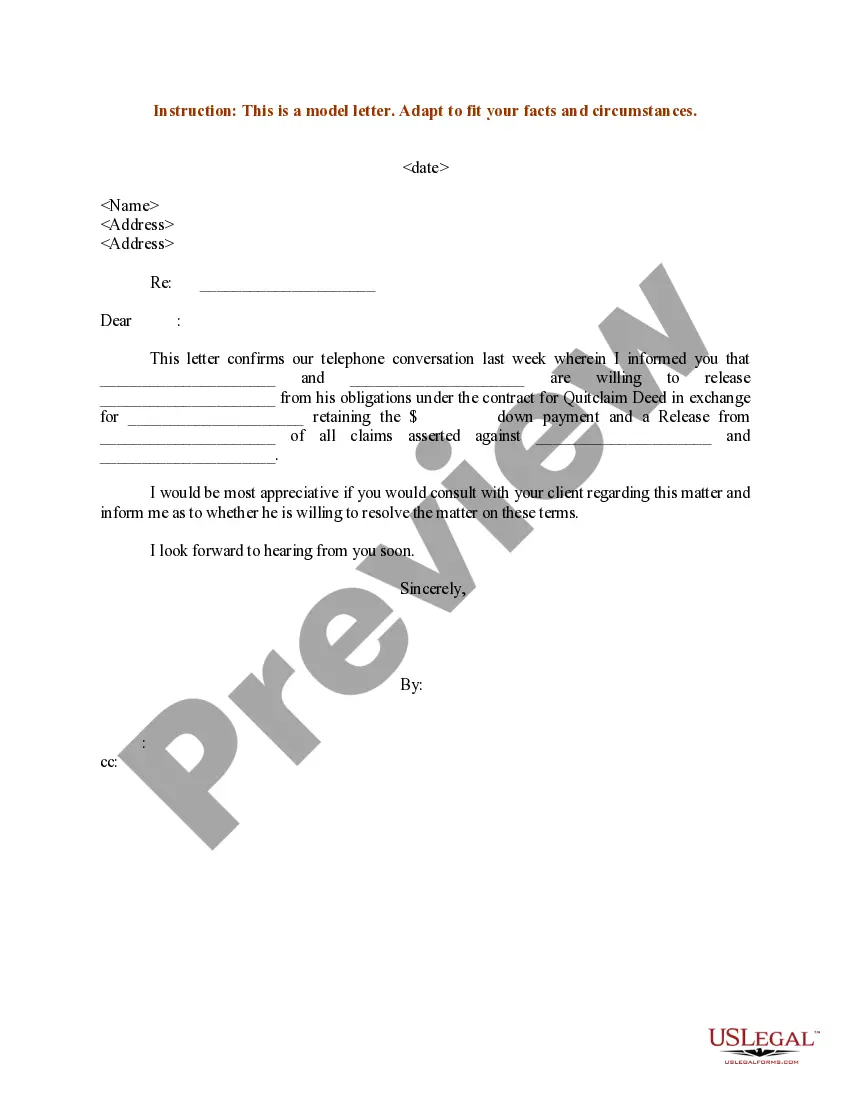
New York Position Sample Letter from Law Firm to Opposing Counsel
Description
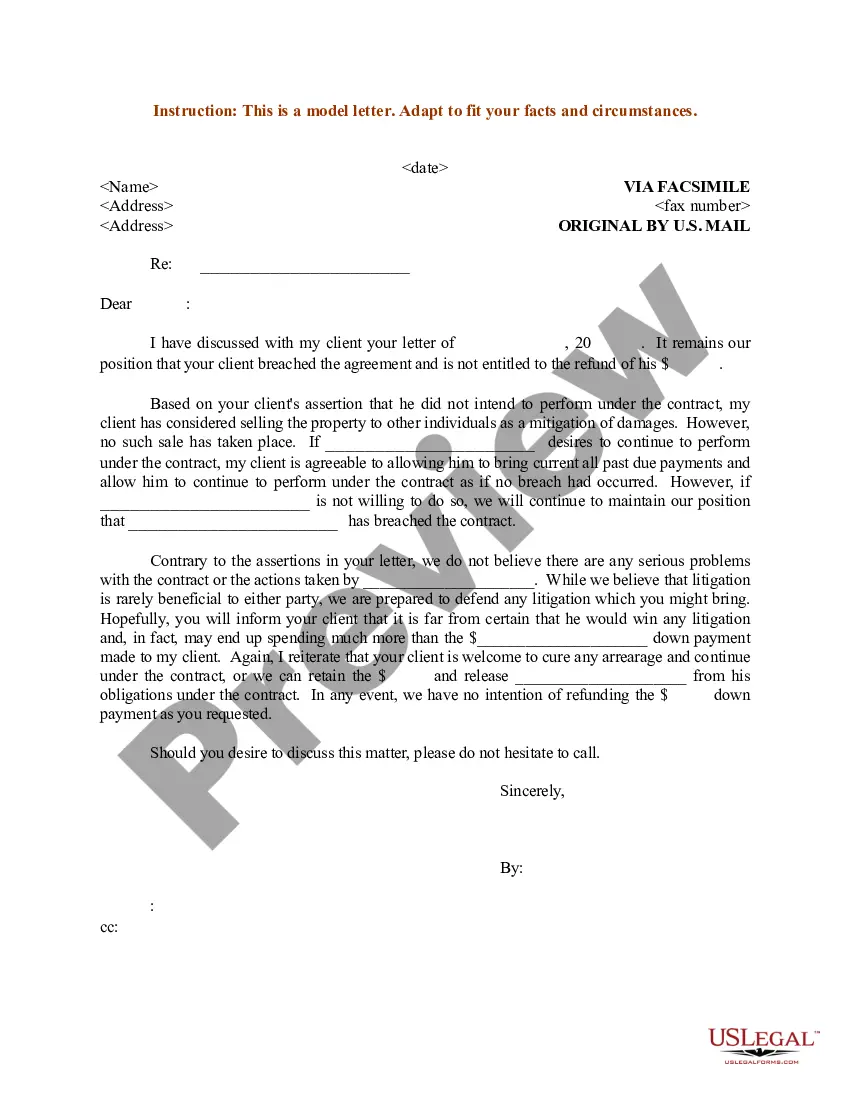
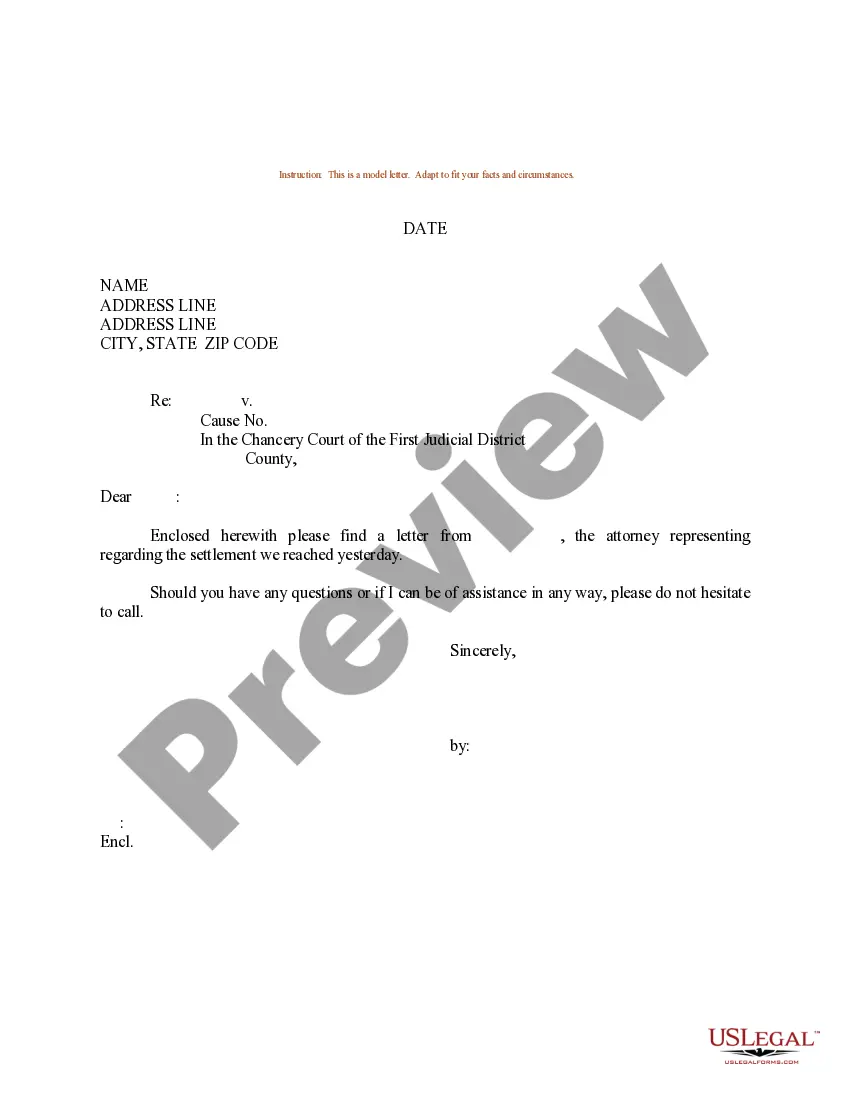
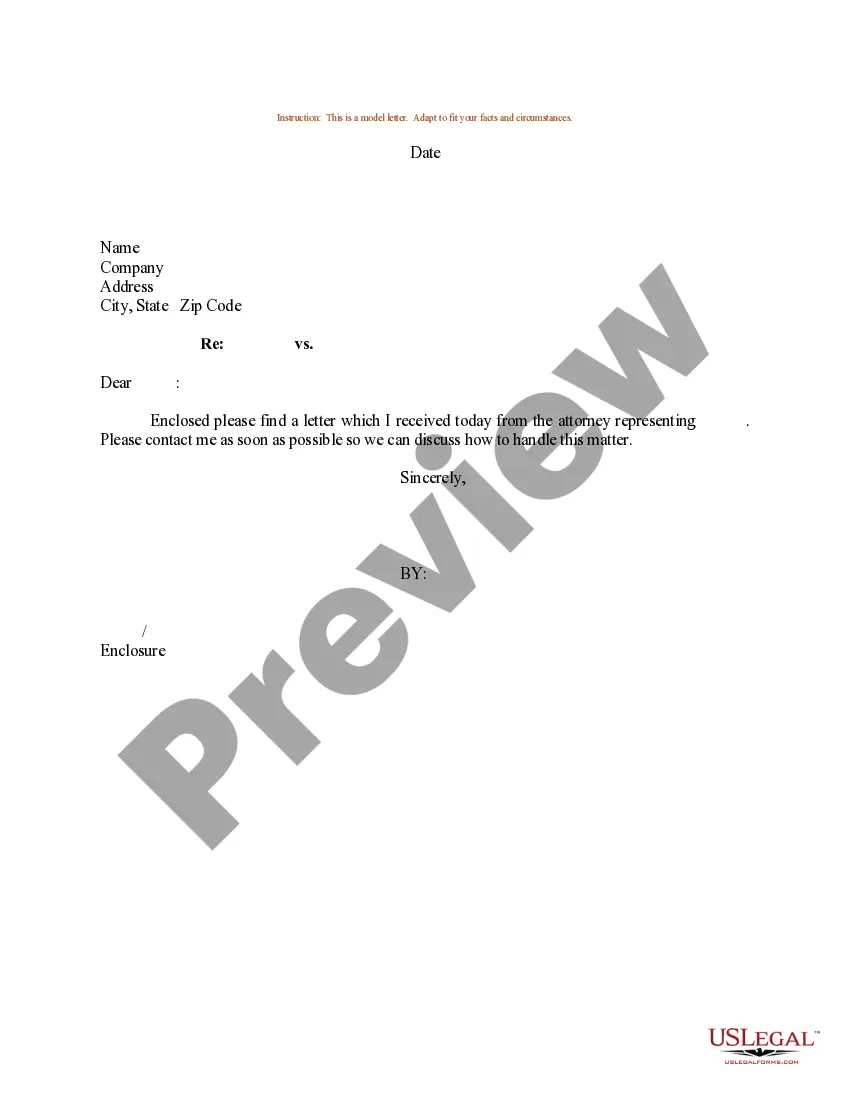

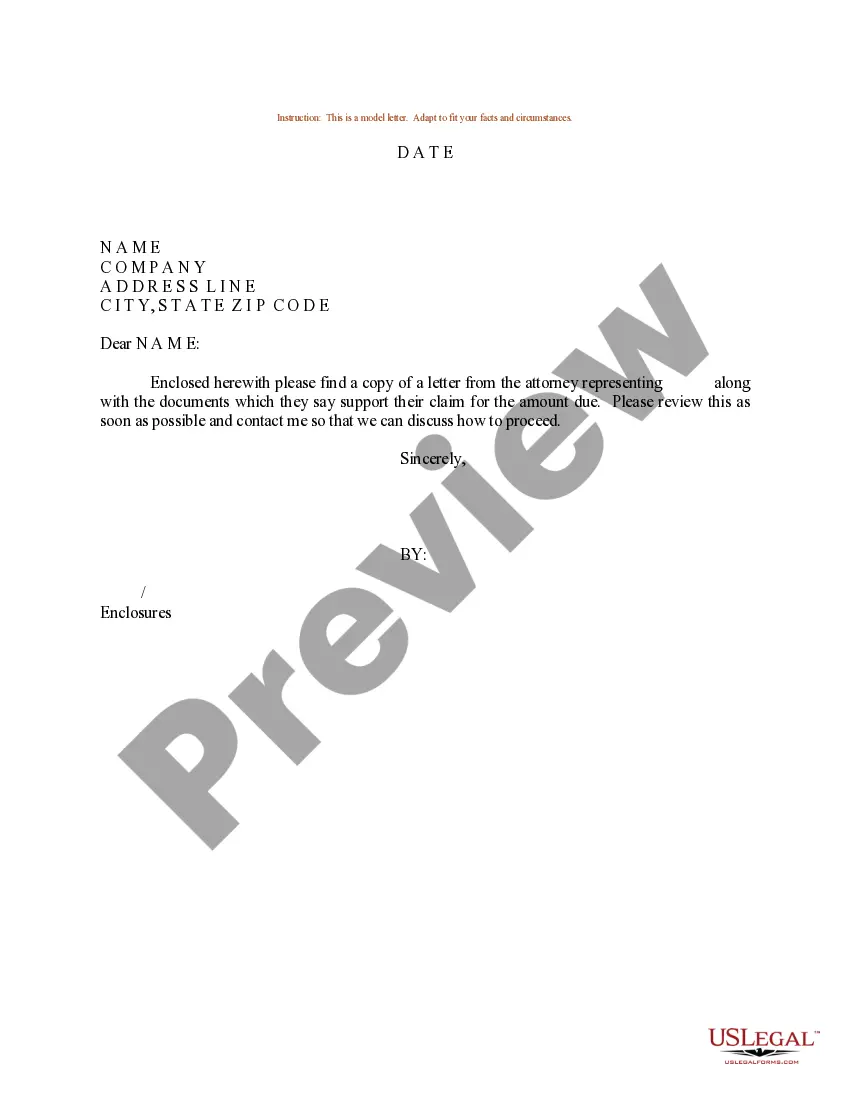


How to fill out Position Sample Letter From Law Firm To Opposing Counsel?
If you need to finish, obtain, or print legal document templates, utilize US Legal Forms, the most significant collection of legal forms available online. Take advantage of the site’s simple and user-friendly search to locate the documents you need. Various templates for business and personal purposes are organized by categories and states, or keywords. Use US Legal Forms to find the New York Position Sample Letter from Law Firm to Opposing Counsel within a few clicks.
If you are already a US Legal Forms customer, Log In to your account and click the Download button to obtain the New York Position Sample Letter from Law Firm to Opposing Counsel. You can also access forms you previously downloaded in the My documents tab of your account.
If you are using US Legal Forms for the first time, follow the instructions below: Step 1. Ensure you have selected the form for the correct city/state. Step 2. Use the Review option to check the form’s details. Don’t forget to read the description. Step 3. If you are dissatisfied with the form, use the Search field at the top of the screen to find other versions of the legal form format. Step 4. Once you have found the form you need, click the Get now button. Choose the pricing plan you prefer and enter your information to create an account. Step 5. Complete the transaction. You can use your credit card or PayPal account to finalize the purchase. Step 6. Select the format of the legal form and download it to your device. Step 7. Complete, edit, and print or sign the New York Position Sample Letter from Law Firm to Opposing Counsel.
Avoid modifying or removing any HTML tags. Only synonymize plain text outside of the HTML tags.
- Every legal document format you purchase is yours permanently.
- You can access each form you downloaded in your account.
- Click on the My documents section and select a form to print or download again.
- Be proactive and download and print the New York Position Sample Letter from Law Firm to Opposing Counsel with US Legal Forms.
- There are numerous professional and state-specific forms you can utilize for your business or personal needs.
- Take advantage of the extensive selection of templates available.
- Ensure compliance with legal requirements using these forms.
Form popularity
FAQ
When you are emailing the opposing counsel, always be mindful of your tone, words, and spelling. Double-check and then check again before entering an email address in the ?To:? line and hitting ?send.? Make copies of all correspondence and never copy or blind carbon copy your client in emails with the opposing counsel.
Some are, some are not. The general rule is that all communications between parties is open and unprotected . However an exception applies to communications as part of an effort to settle the case. It is wise to head all such communications with the words ??Without Prejudice".
Dear [Opposing Counsel Name], I am writing to follow up on our recent communication regarding [case name]. I have not yet received a response from you regarding [list the specific issue or question]. Please let me know your thoughts as soon as possible so that we can continue to move forward with the case.
Thank you for consulting ________(Firm Name)__________ in conjunction with your _________________________. The confidence you have placed in this office by consulting us is appreciated. Regrettably, we cannot assist you in this matter due to a conflict of interest.
If a client retains an attorney, silence is golden when communicating with opposing counsel. Clients must respect that boundary and avoid speaking directly to opposing counsel about their case. Why? An Attorney Cannot Speak to the Talkative Opposing Client about their Case.
A disengagement letter is sent by an attorney or law firm to a client when they're withdrawing from representing them. The purpose of a disengagement letter is to provide notice and document the withdrawal in ance with Rule of Professional Conduct (RPC) 1.16 Declining or Terminating Representation.
As a rule, lawyers should avoid carbon copying or blind carbon copying clients on email, especially those to opposing counsel. And if doing so is necessary, the lawyer should first explain to the client why the lawyer is using CC or BCC, and that the client should not respond to all.
8 Tips for Dealing with Difficult Opposing Counsel Point out Common Ground. ... Don't be Afraid to Ask Why. ... Separate the Person from the Problem. ... Focus on your Interests. ... Don't Fall for your Assumptions. ... Take a Calculated Approach. ... Control the Conversation by Reframing. ... Pick up the Phone.