New York Motion to Preclude the Prosecution from Using Peremptory Challenges to Exclude Black Persons and Members of Other Groups
Description
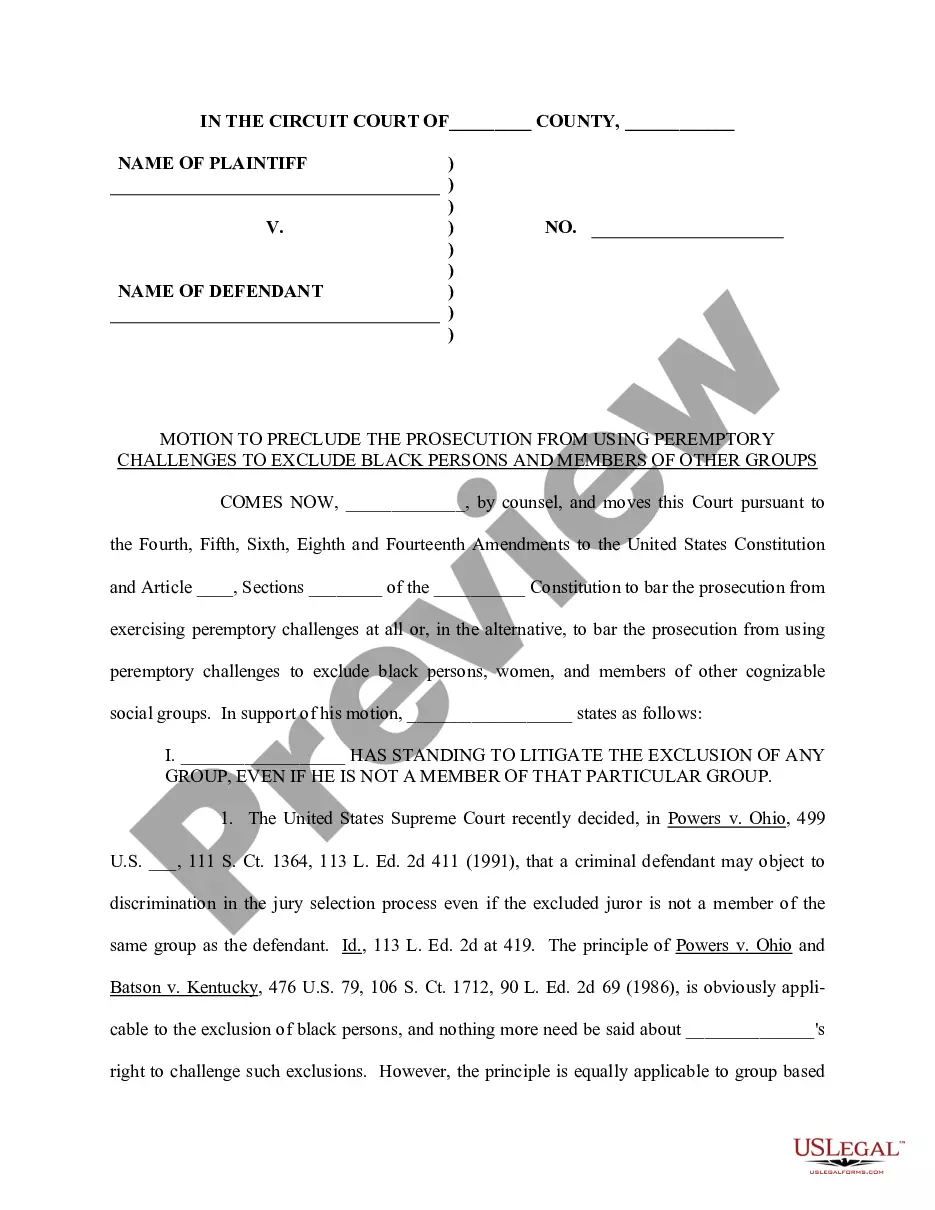
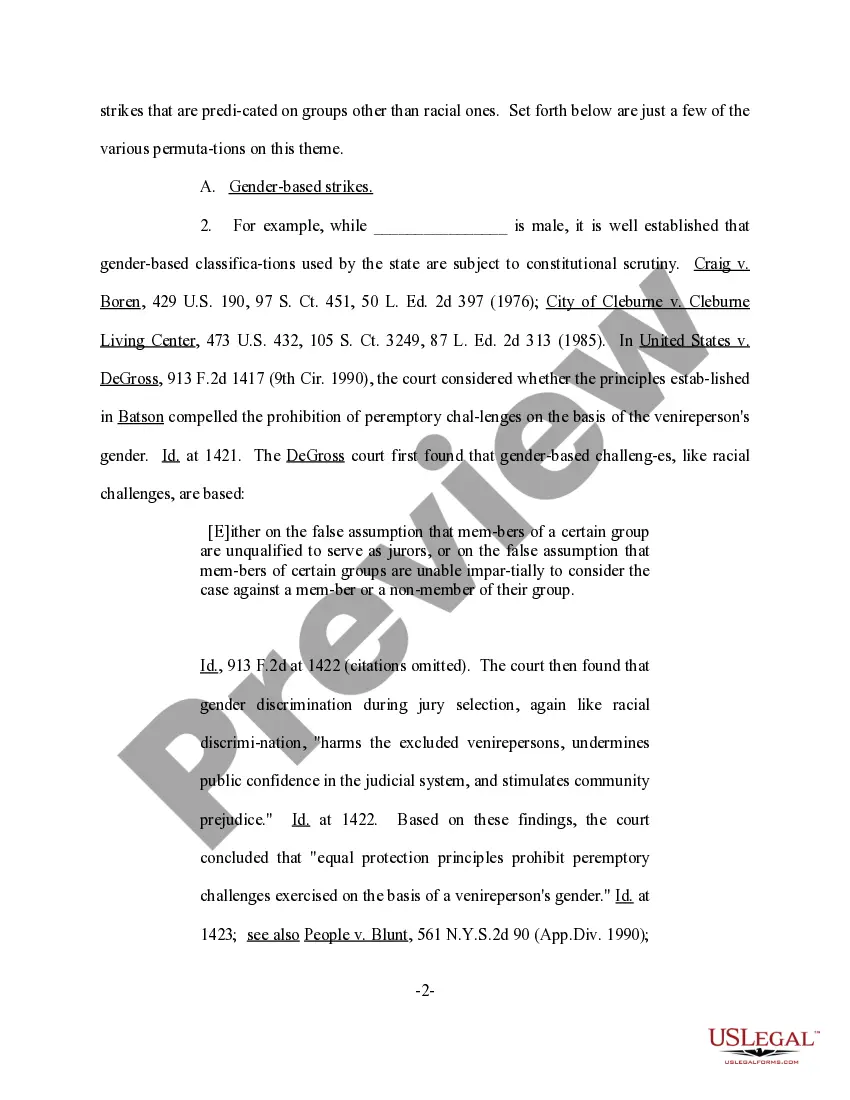
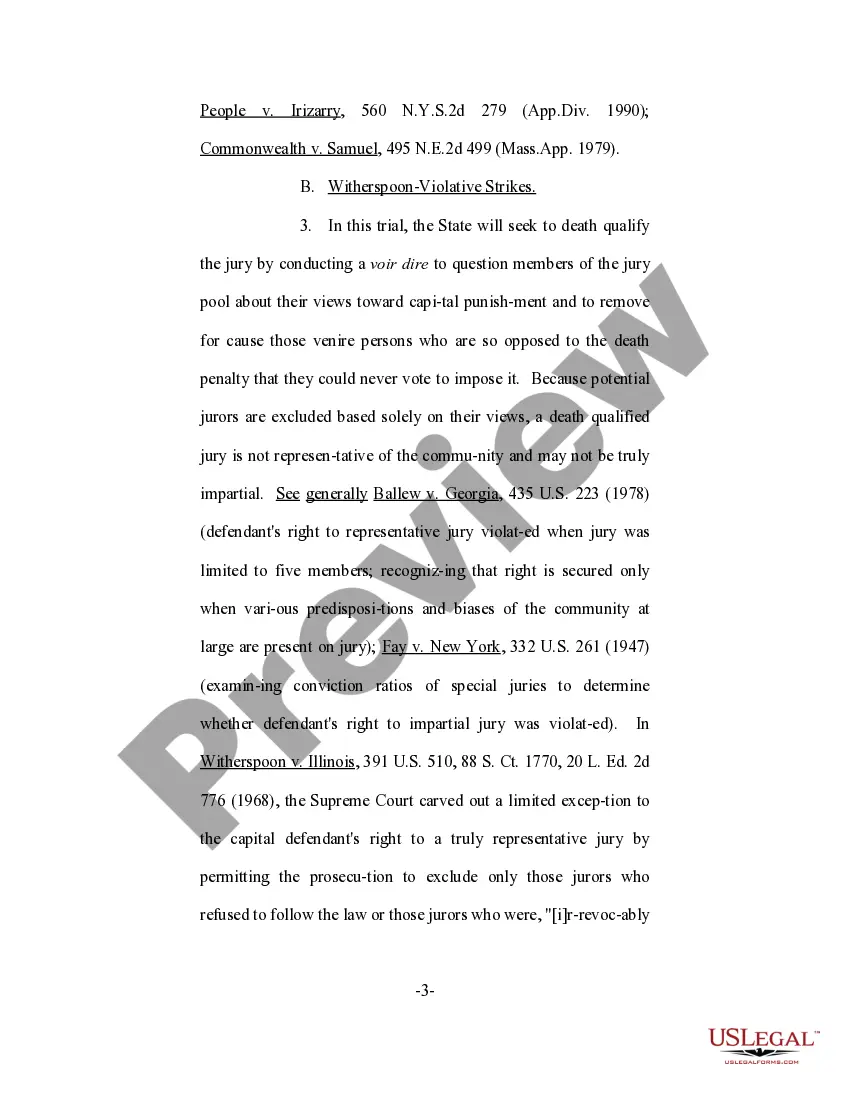
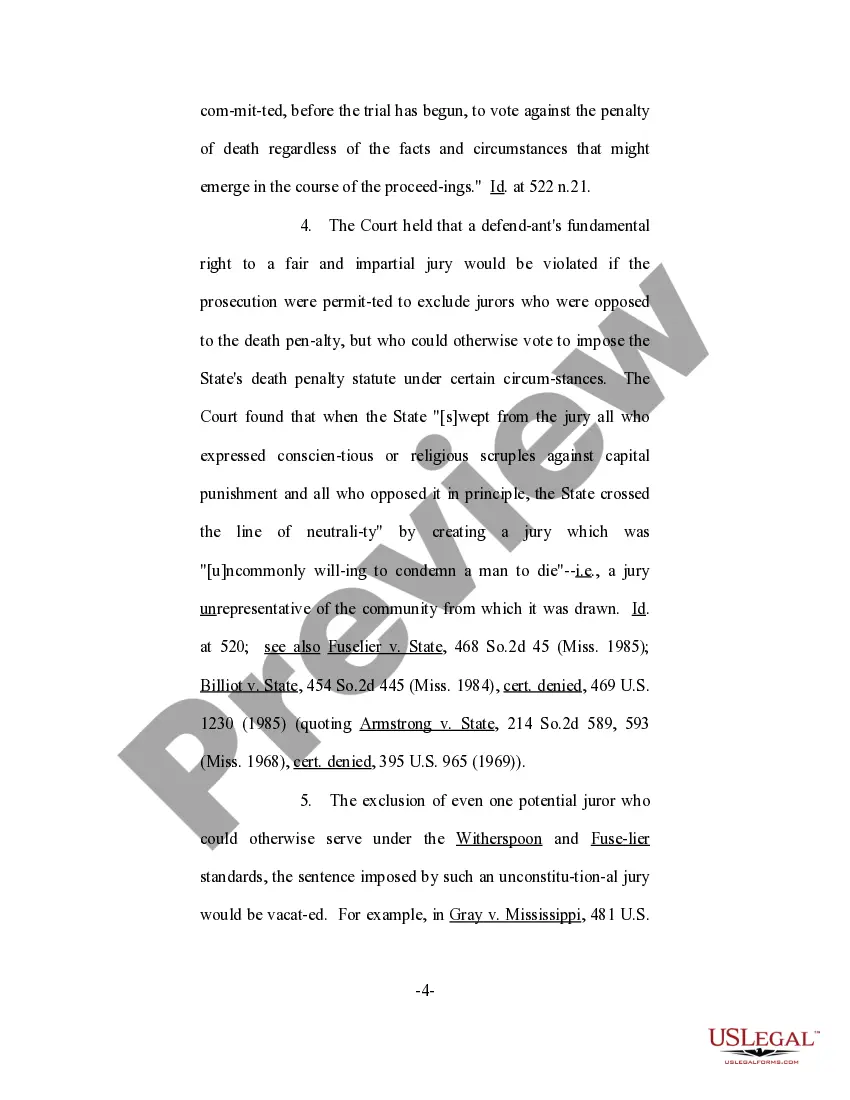
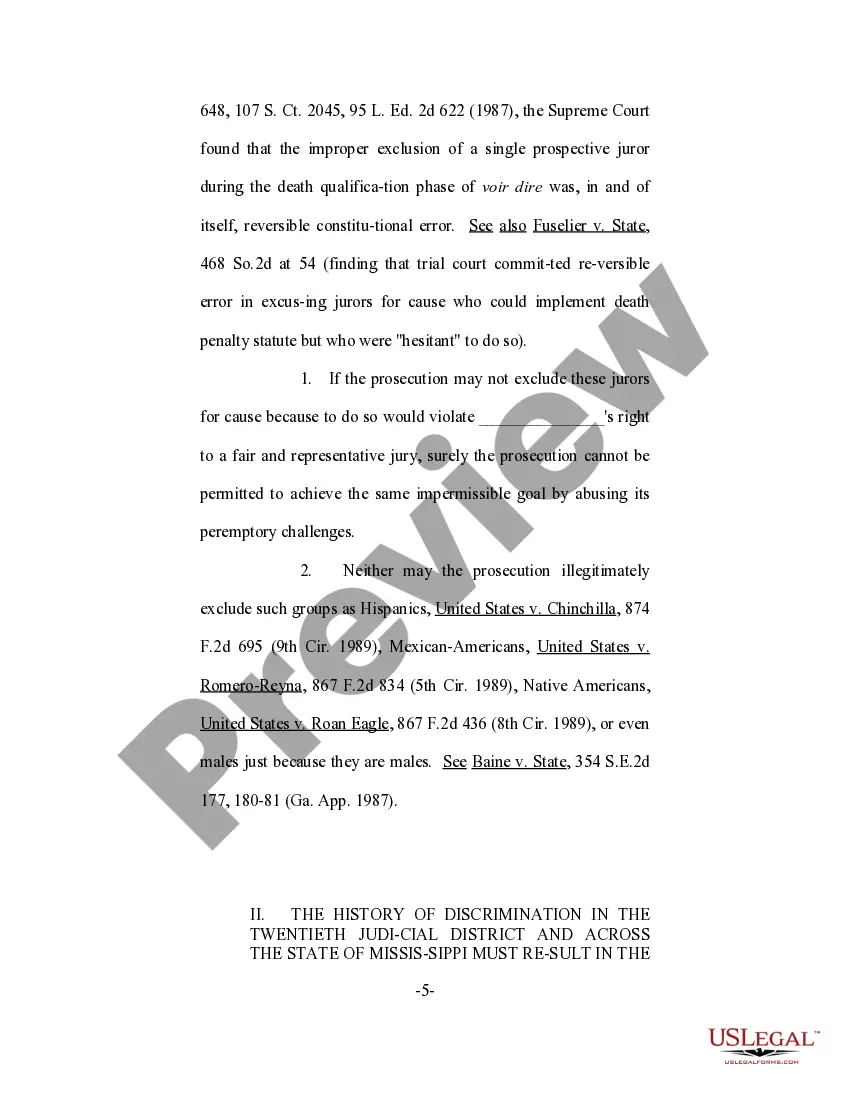
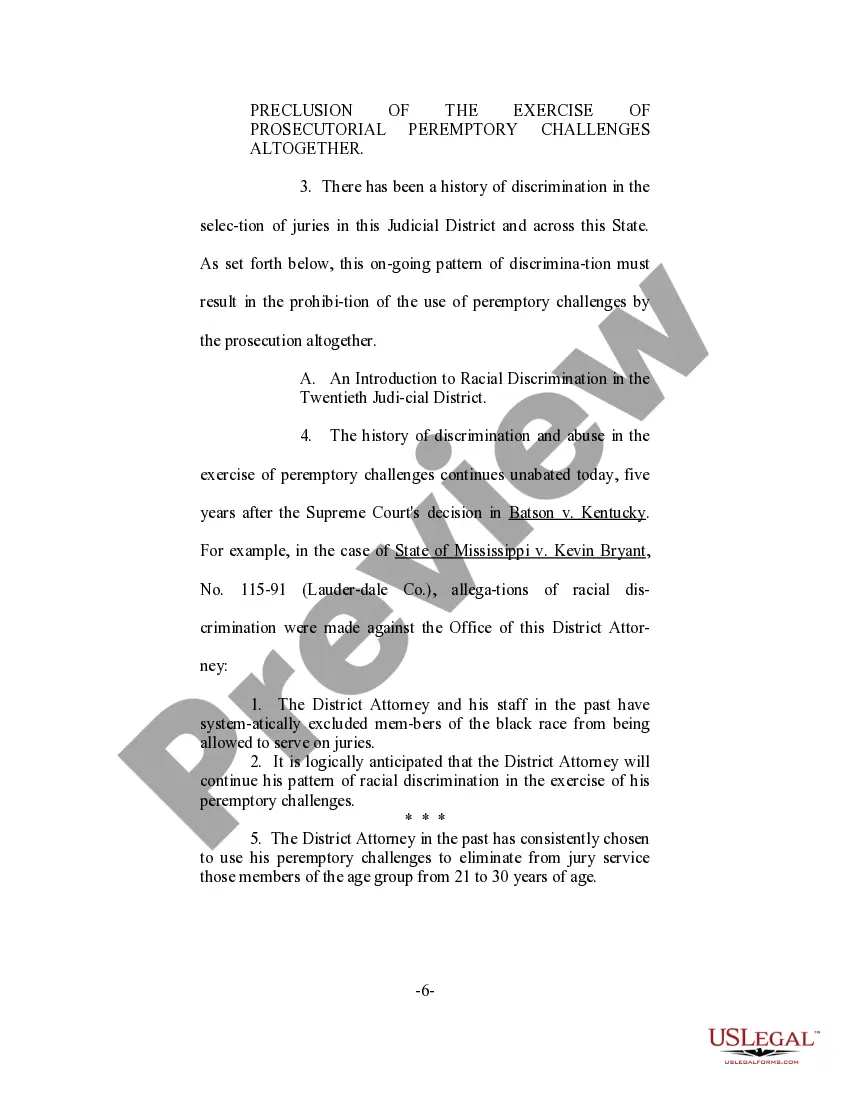
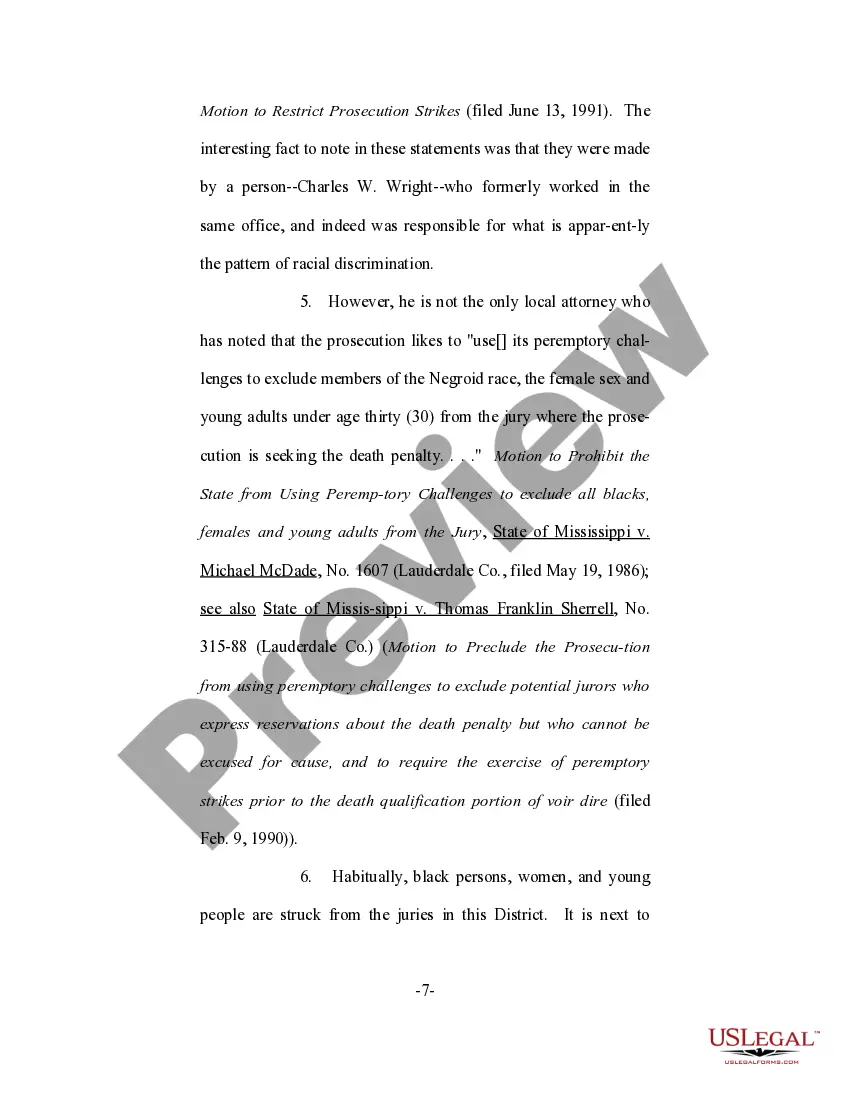
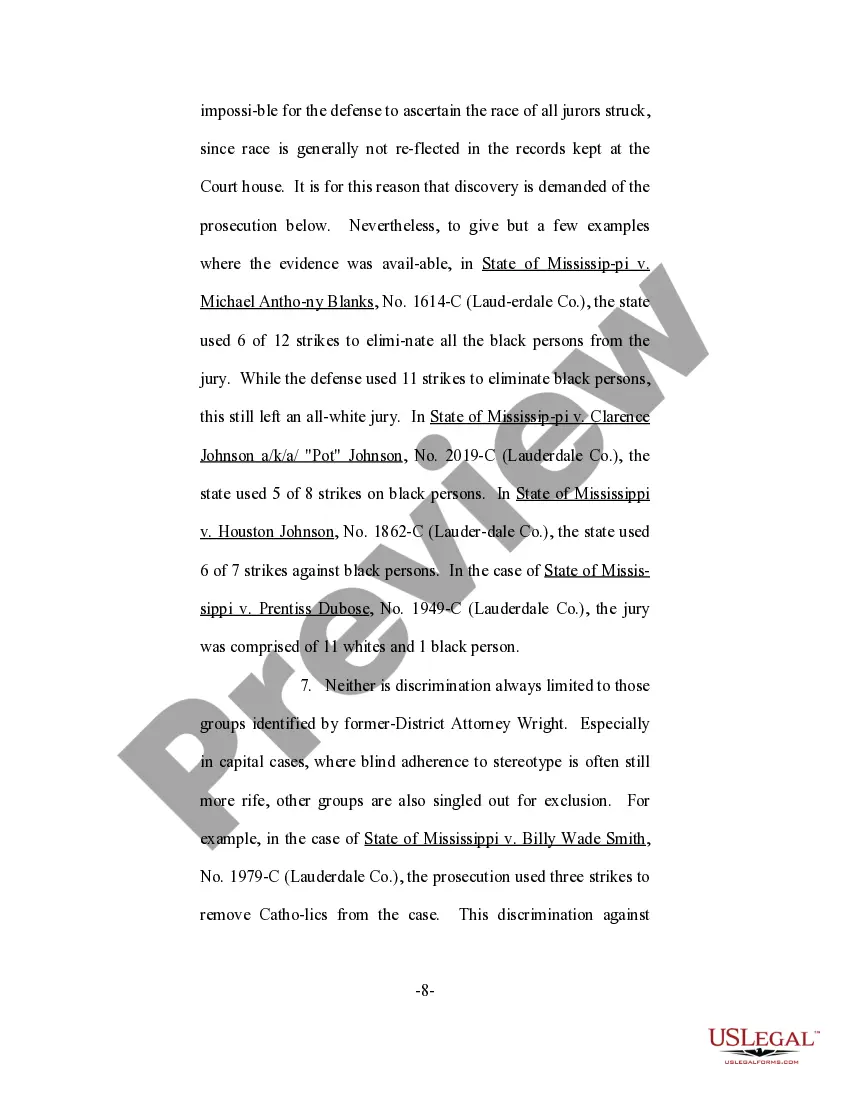
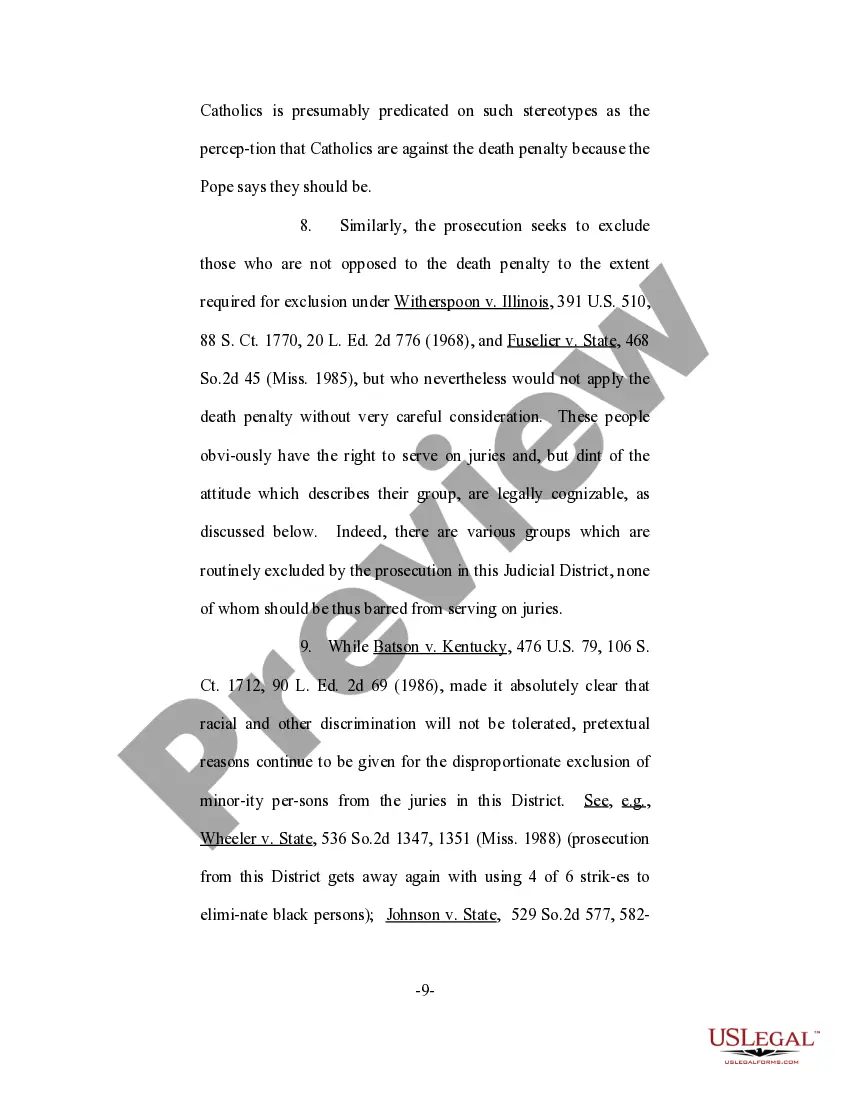
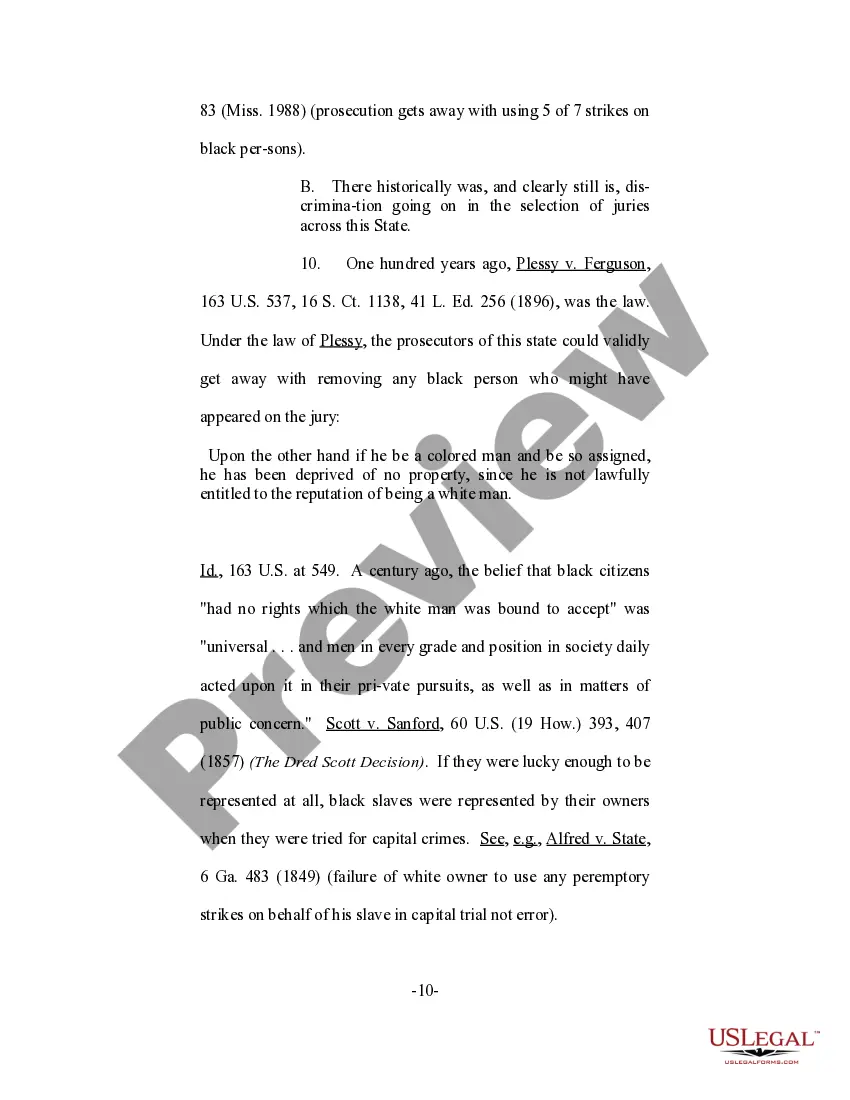

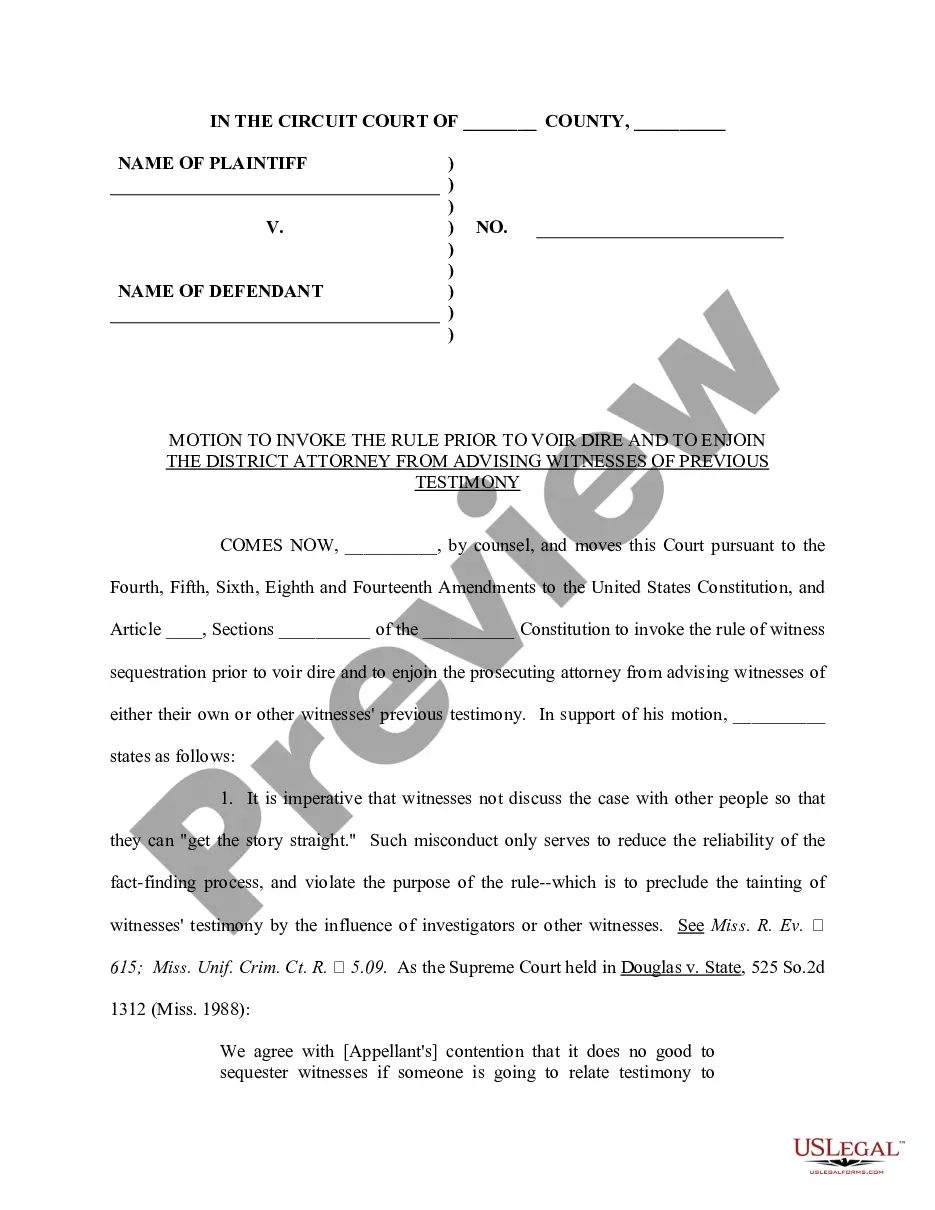
How to fill out Motion To Preclude The Prosecution From Using Peremptory Challenges To Exclude Black Persons And Members Of Other Groups?
You can spend hours online searching for the legal document template that meets the federal and state requirements you need.
US Legal Forms offers a vast array of legal forms that can be reviewed by professionals.
You can easily download or print the New York Motion to Prevent the Prosecution from Utilizing Peremptory Challenges to Exclude Black Individuals and Members of Other Groups from our service.
If available, utilize the Review option to view the document template as well.
- If you have a US Legal Forms account, you can Log In and then click the Download option.
- After that, you can fill out, modify, print, or sign the New York Motion to Prevent the Prosecution from Utilizing Peremptory Challenges to Exclude Black Individuals and Members of Other Groups.
- Each legal document template you acquire is yours permanently.
- To get another copy of any purchased form, visit the My documents section and then click the appropriate option.
- If you are using the US Legal Forms site for the first time, follow the simple instructions below.
- First, ensure that you have selected the correct document template for the area/city of your choice.
- Check the form description to ensure you have selected the correct form.
Form popularity
FAQ
Each party must be allowed the following number of peremptory challenges: (a) Twenty for the regular jurors if the highest crime charged is a class A felony, and two for each alternate juror to be selected.
(b) In non-capital felony cases and in capital cases in which the State does not seek the death penalty, the State and defendant shall each be entitled to ten peremptory challenges.
(a) Unanimous verdict not required. A verdict may be rendered by not less than five-sixths of the jurors constituting a jury.
Independently, each side may exercise some limited number of peremptory strikes to excuse additional jurors without offering a reason. However, the U.S. Supreme Court has held that peremptory challenges cannot be used to systematically strike prospective jurors from the panel on the basis of race (Batson v.
A peremptory challenge results in the exclusion of a potential juror without the need for any reason or explanation - unless the opposing party presents a prima facie argument that this challenge was used to discriminate on the basis of race, ethnicity, or sex.
Substantively, parties exercising peremptory challenges are limited by a line of Supreme Court precedent, starting with Batson v. Kentucky, which precludes the use of certain types of discriminatory peremptory challenges. Amendment and the Due Process Clause of the Fourteenth Amendment.
Except as provided in subdivision (b), in a trial for any other offense, the defendant is entitled to 10 and the state to 10 peremptory challenges.
In Batson v. Kentucky, the U.S. Supreme Court held that the prosecution may not use peremptory strikes to exclude a potential juror based on race.