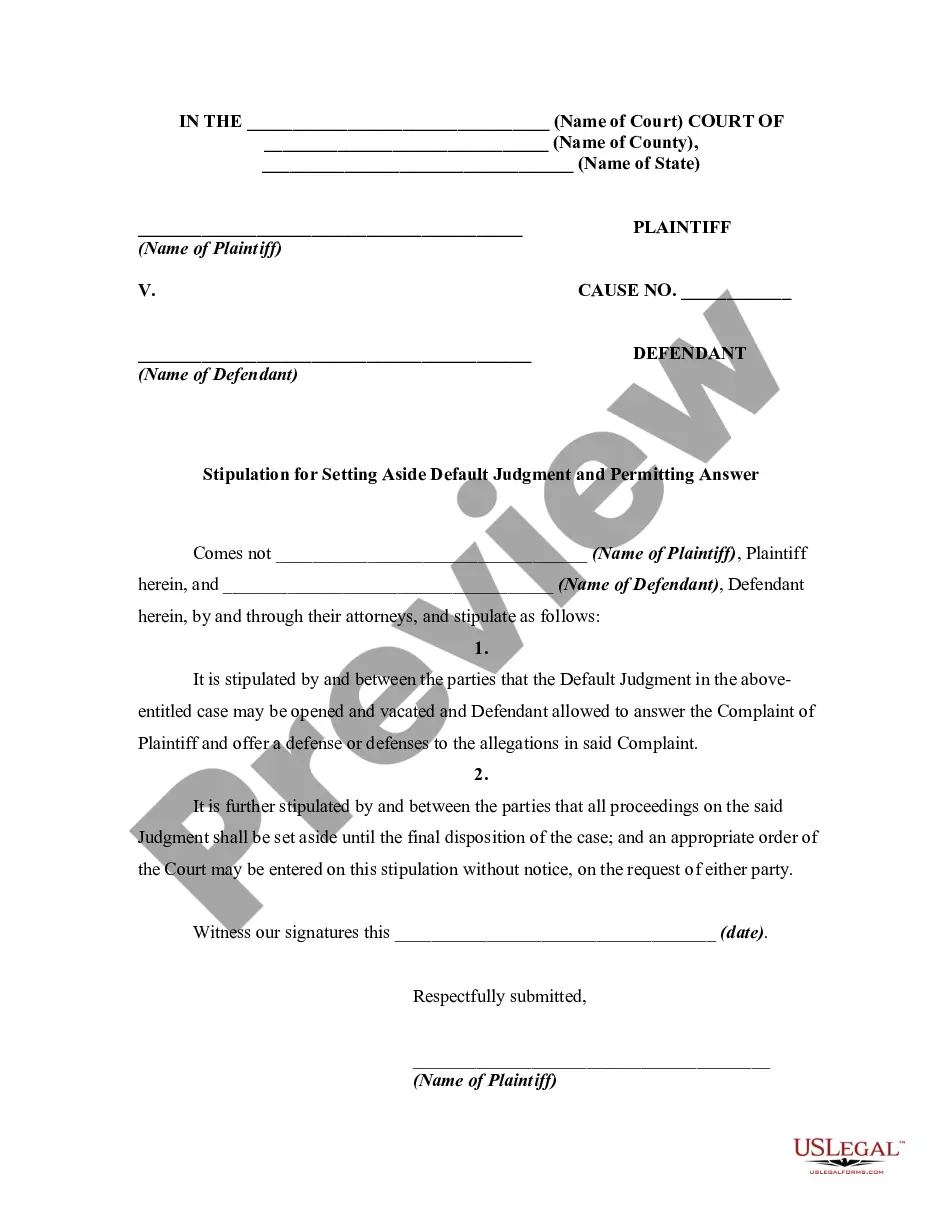
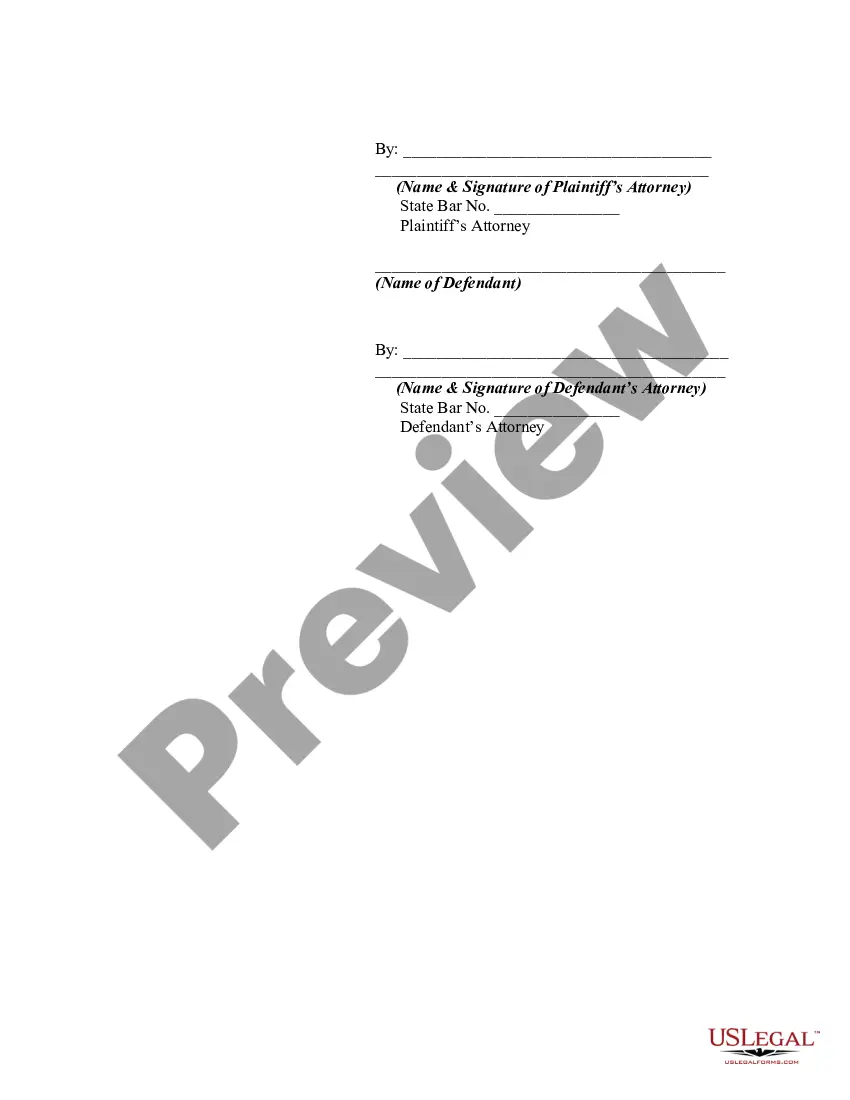
Matter relating merely to the conduct of a pending proceeding or to the designation of the issues involved, which affects only the rights or convenience of the parties and does not involve any interference with the duties and functions of the court, may be the subject of a stipulation.
New York Stipulation for Setting Aside Default Judgment and Permitting Answer
Category:
State:
Multi-State
Control #:
US-01526BG
Format:
Word;
Rich Text
Instant download
Description
Free preview
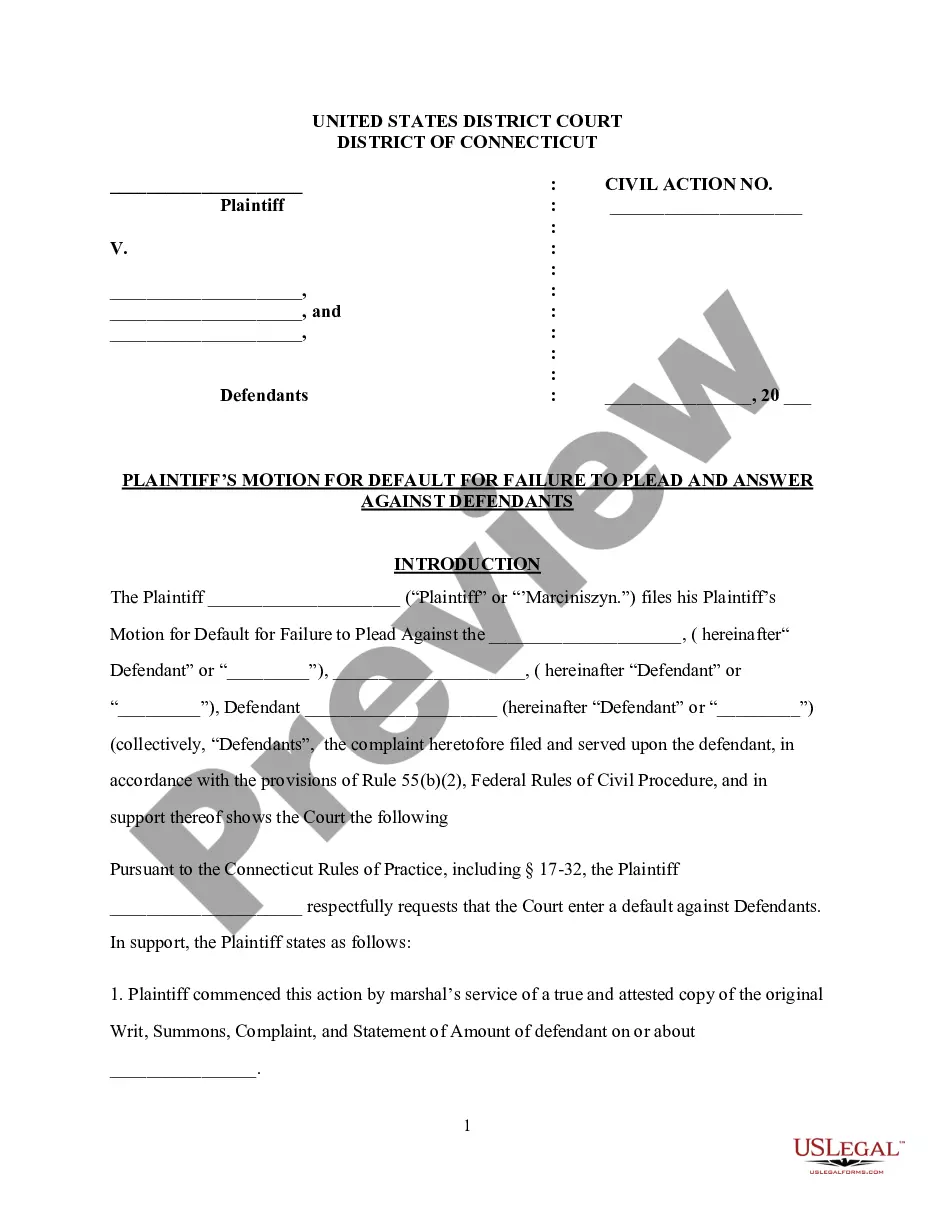


How to fill out Stipulation For Setting Aside Default Judgment And Permitting Answer?
Are you presently in the circumstance that you require documents for potential business or personal purposes almost every workday.
There are numerous valid document templates accessible online, but locating forms you can rely on is not simple.
US Legal Forms provides a multitude of form templates, such as the New York Stipulation for Setting Aside Default Judgment and Permitting Answer, which can be drafted to meet state and federal requirements.
Once you obtain the correct form, click on Get now.
Choose the pricing plan you prefer, fill in the necessary information to create your account, and complete the transaction using your PayPal or credit card.
- If you are currently acquainted with the US Legal Forms website and have an account, just Log In.
- Then, you can download the New York Stipulation for Setting Aside Default Judgment and Permitting Answer template.
- If you do not have an account and wish to start using US Legal Forms, follow these steps.
- Find the form you need and ensure it corresponds to the correct city/region.
- Utilize the Review button to examine the form.
- Check the description to confirm you have selected the right form.
- If the form is not what you’re looking for, use the Search field to find the form that suits your requirements.
Form popularity
FAQ
The court must set aside a default judgment if you: have paid the whole amount owed (including any interest and costs) before the date the creditor entered judgment; sent back the acknowledgment of service form within the time limit; put in a defence within the time limit; or.
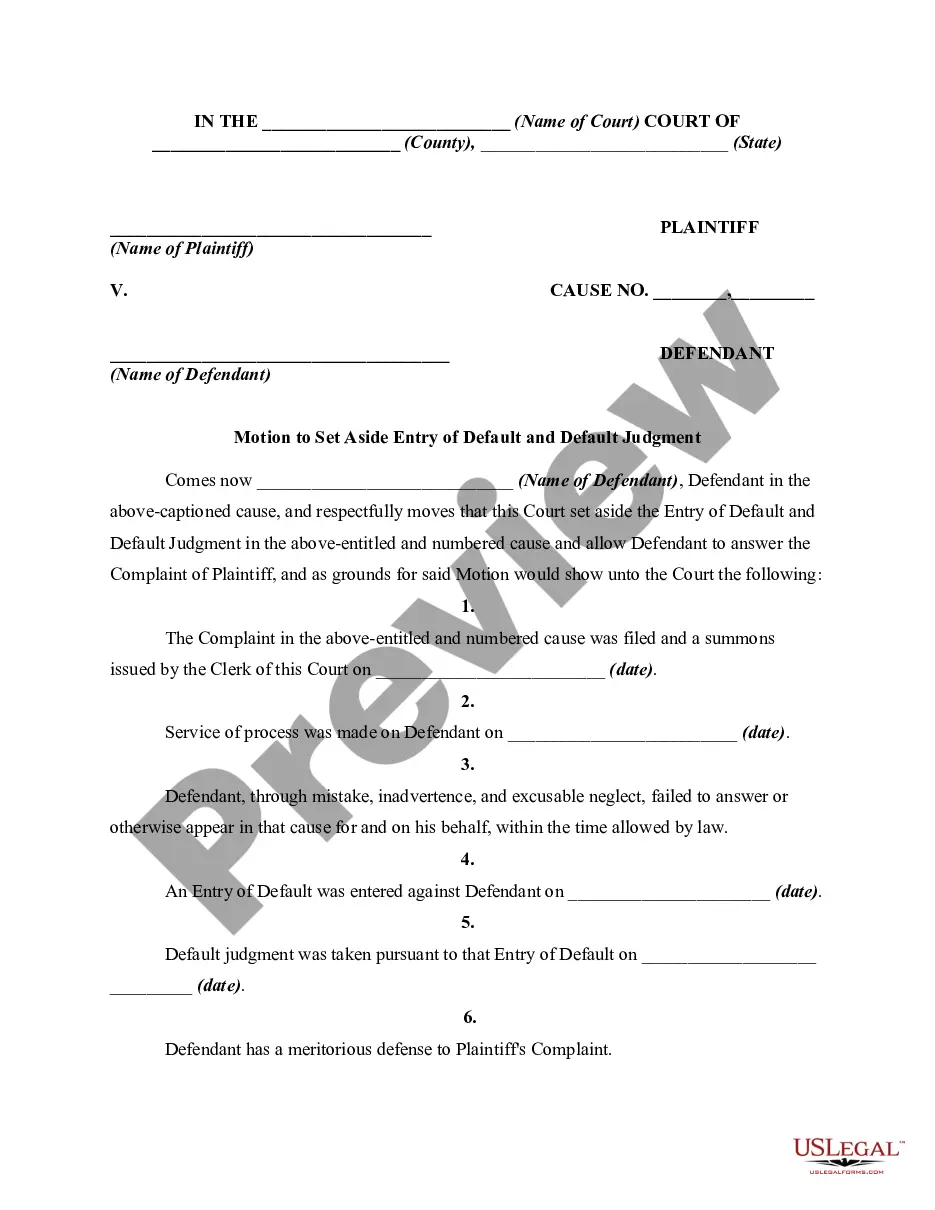
To vacate a default, your motion papers must show a good reason or excuse for your default and that your claims or defenses have legal merit. Whenever a motion is to be brought, the person filing the motion is called the moving party or the movant.
Excusable default: Under NY CPLR 5015(a)(1), you can argue that the default was due to excusable neglect. This means you had a reasonable excuse for missing the deadline or not appearing. You will also need to demonstrate a meritorious defense of the action.
The two most common reasons the court will vacate a default judgment are for 1) excusable default, and 2) lack of personal jurisdiction (bad service). Excusable Default is the most common reason that a court will vacate a default judgment.
Specifically, pursuant to Uniform Rule 202.7 (f), upon an application for an order to show cause that seeks a temporary restraining order, the application must contain an affirmation demonstrating that there will be significant prejudice to the party seeking the restraining order by the giving of notice.
To vacate a default, your motion papers must show a good reason or excuse for your default and that your claims or defenses have legal merit. Whenever a motion is to be brought, the person filing the motion is called the moving party or the movant.
22 CRR-NY 202.8-CRR (1) affidavits, affirmations, briefs and memoranda of law in chief shall be limited to 7,000 words each; (2) reply affidavits, affirmations, and memoranda shall be no more than 4,200 words and shall not contain any arguments that do not respond or relate to those made in the memoranda in chief.
Default Judgments The default judgment usually gives the plaintiff the right to collect the amount of money that was asked for in the complaint, plus interest and court costs. The judgment will appear on the defendant's credit report, and it can be there for up to seven years if it is not paid.