New York Testamentary Provisions for Charitable Remainder Annuity Trust for Term of Years
Description
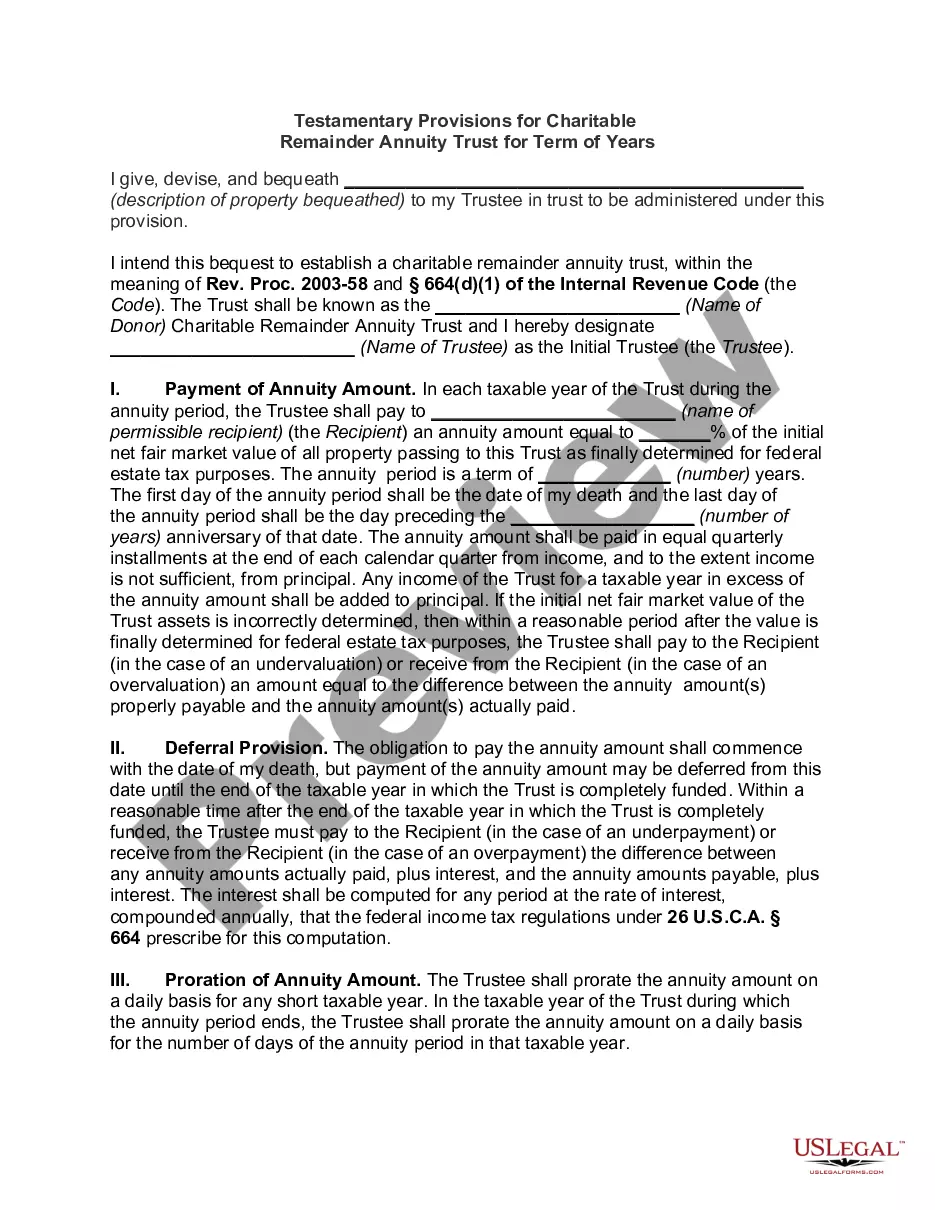
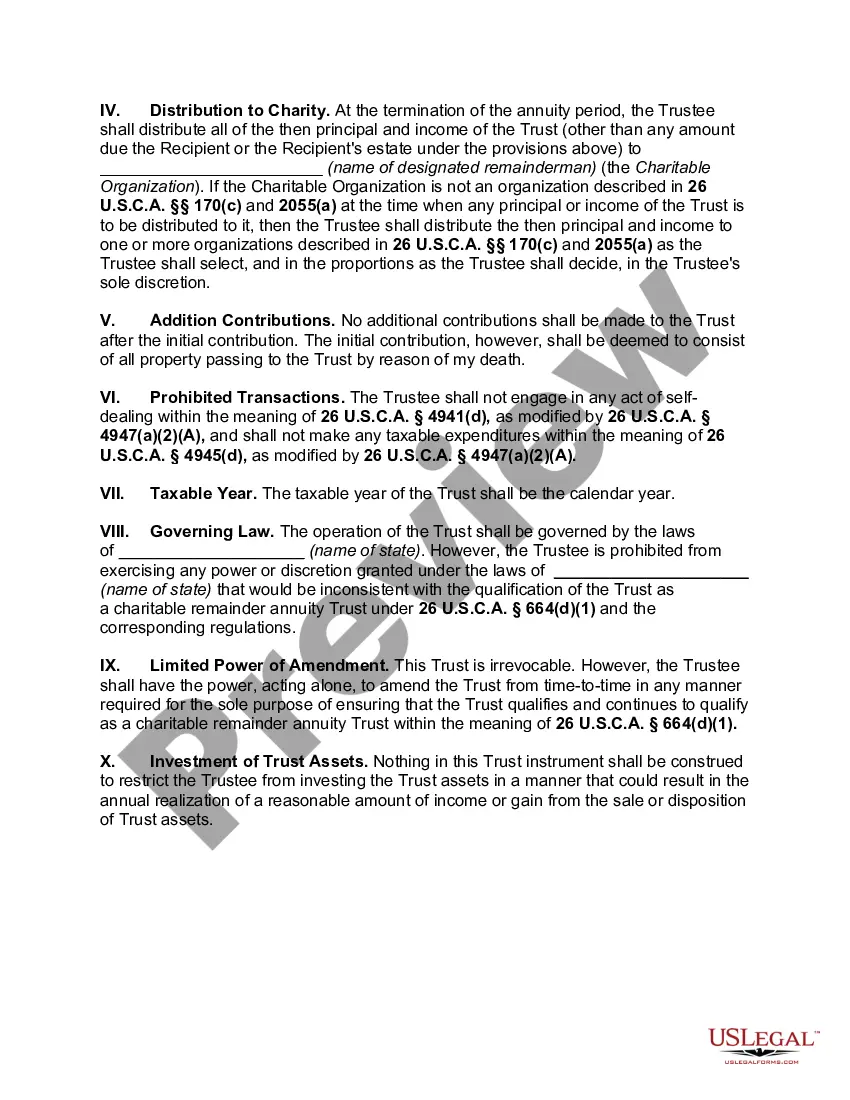
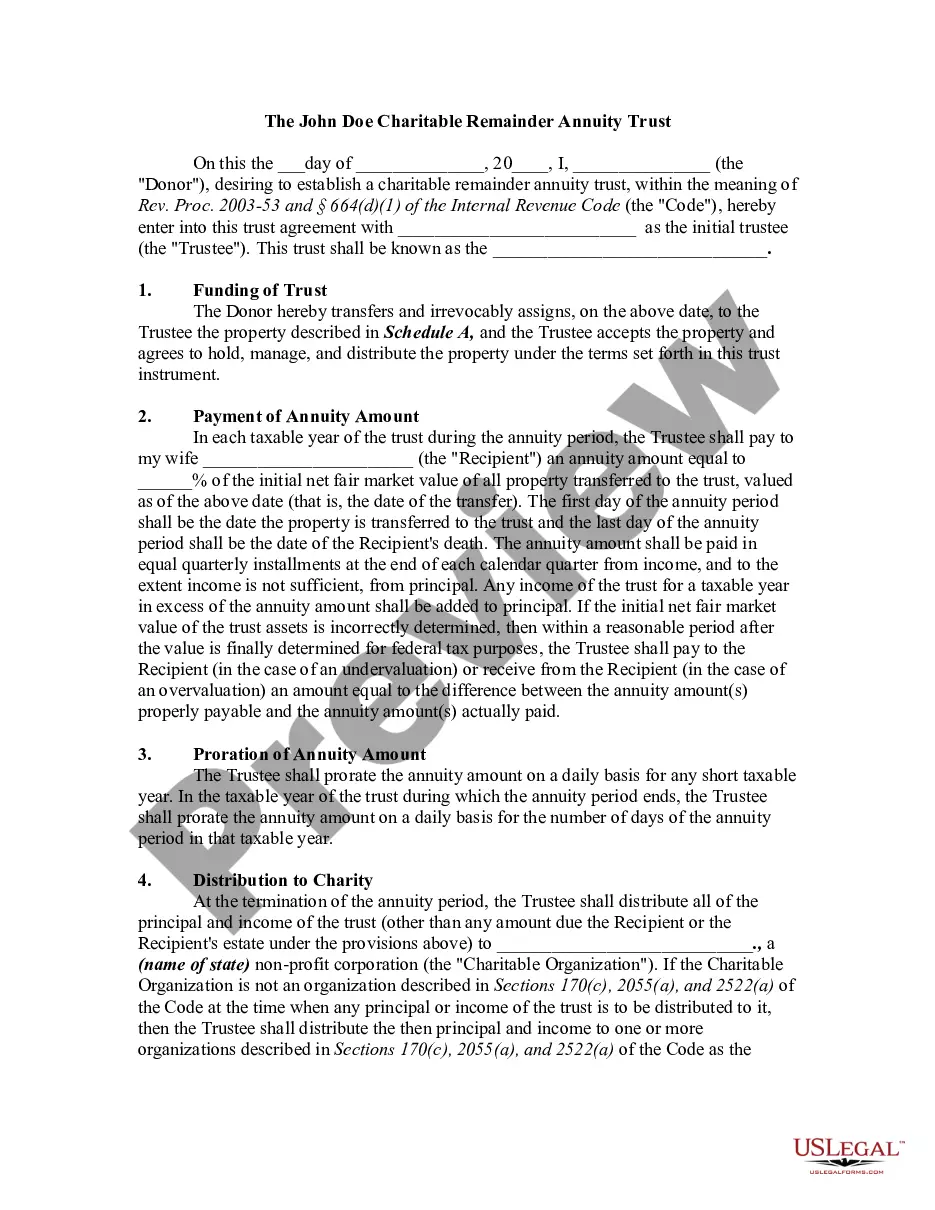
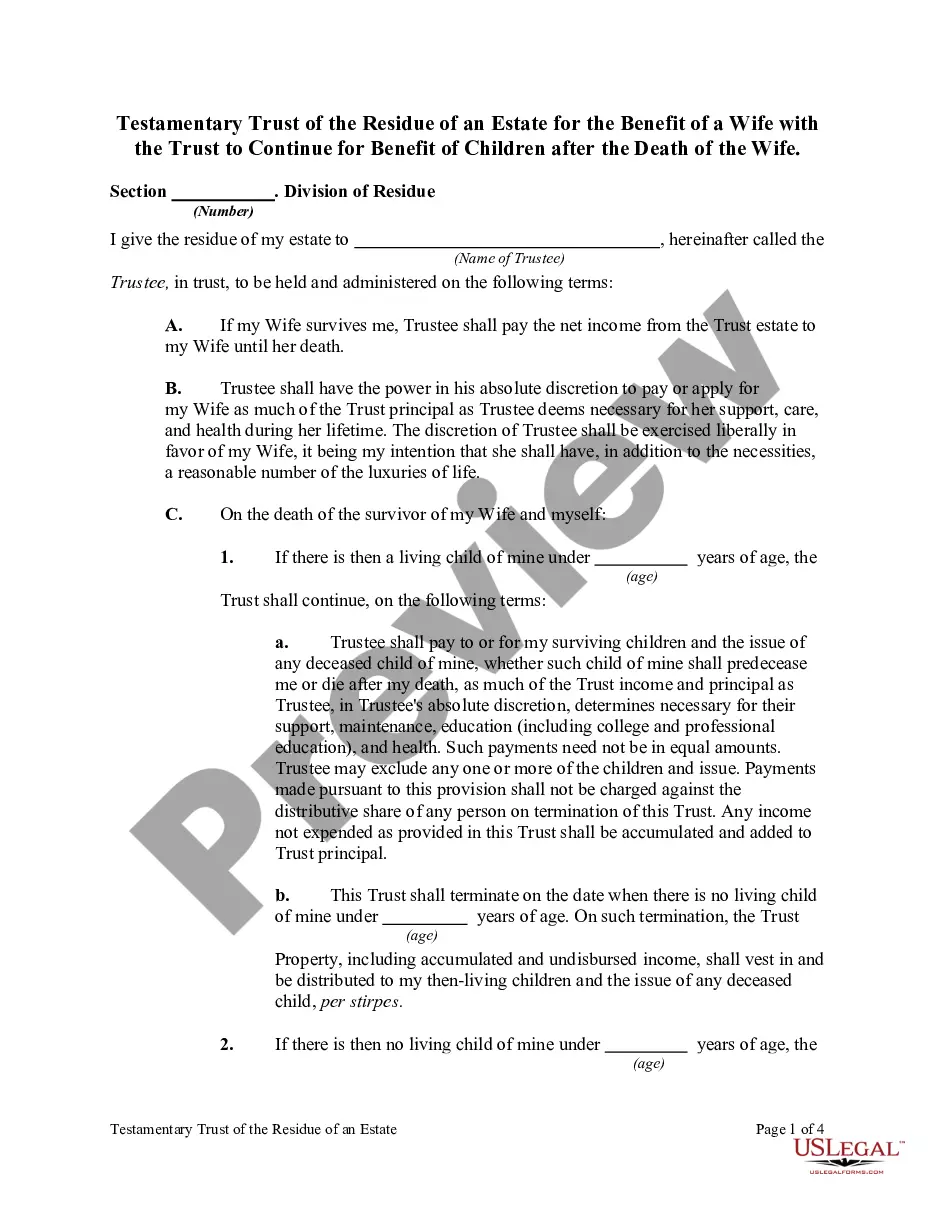
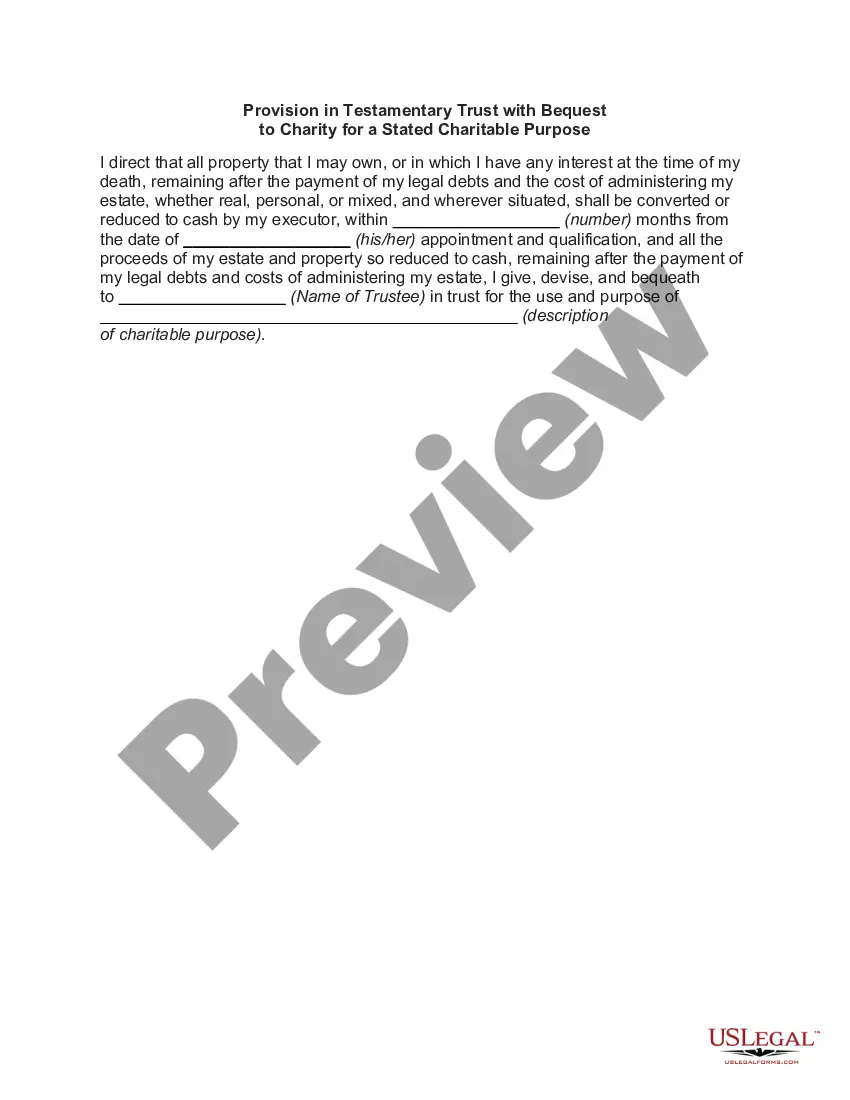
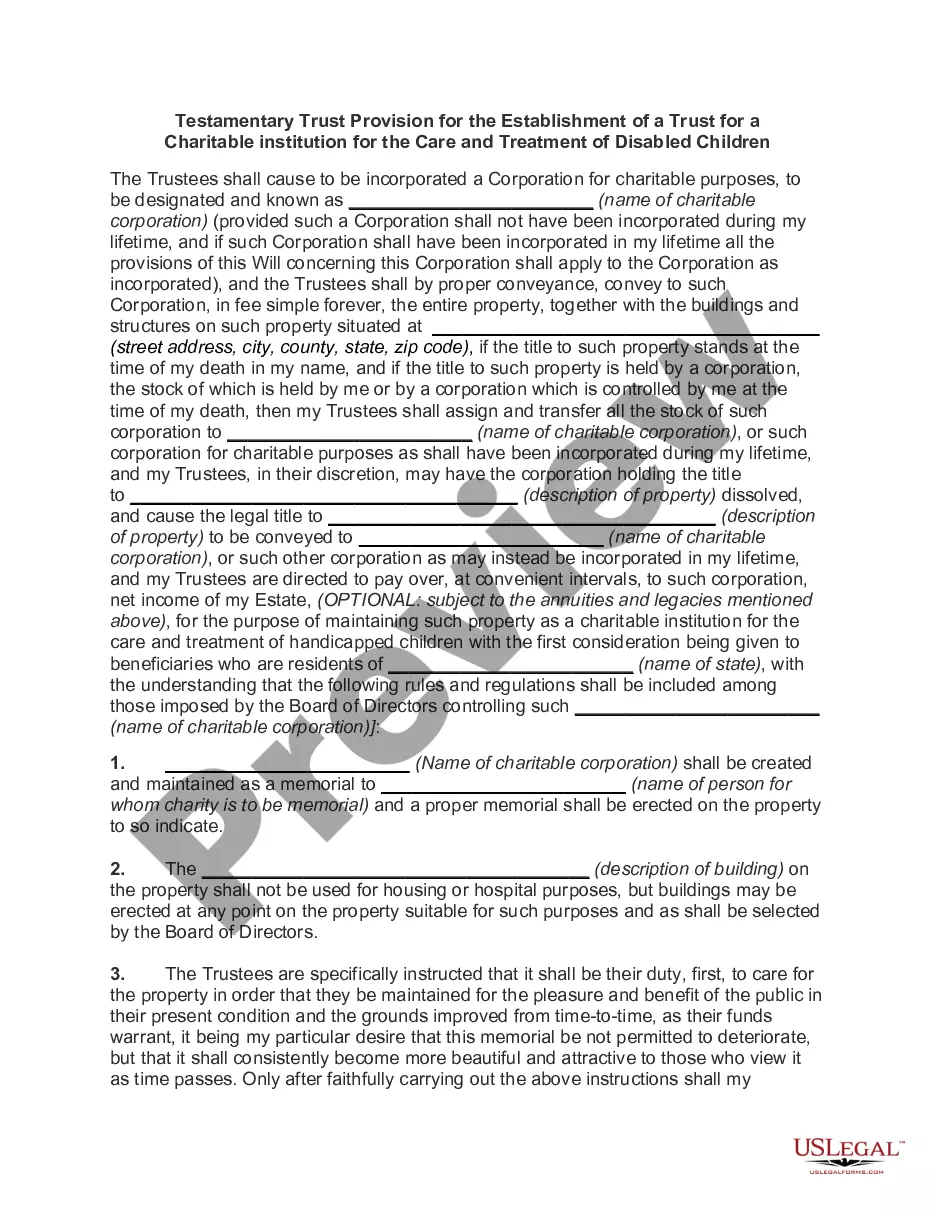
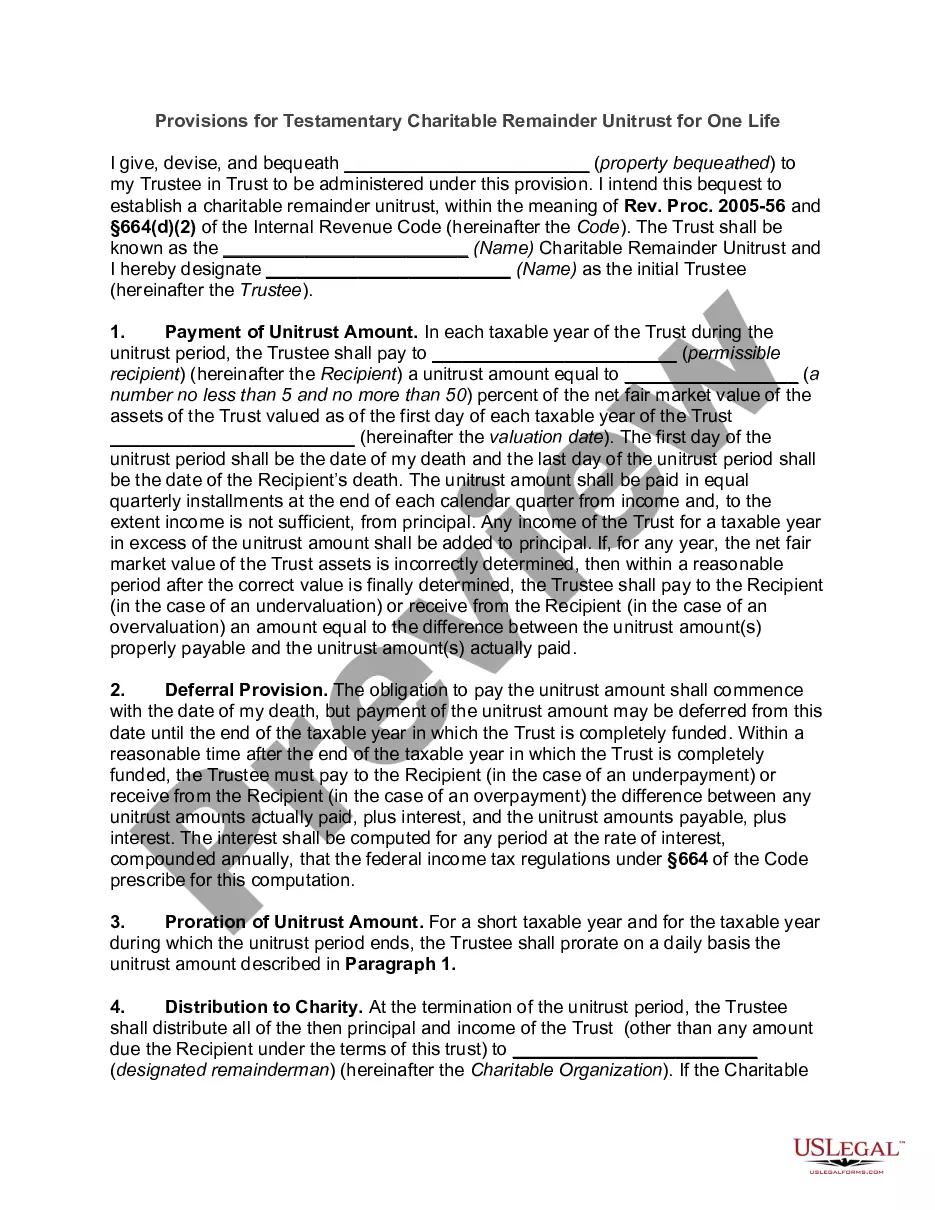

How to fill out Testamentary Provisions For Charitable Remainder Annuity Trust For Term Of Years?
It is feasible to spend hours online looking for the legal document format that fulfills the state and federal requirements you require.
US Legal Forms offers thousands of legal templates that have been assessed by experts.
You can download or print the New York Testamentary Provisions for Charitable Remainder Annuity Trust for Term of Years from my service.
If available, utilize the Preview button to review the document format as well.
- If you already possess a US Legal Forms account, you can Log In and then click the Obtain button.
- Afterward, you can fill out, modify, print, or sign the New York Testamentary Provisions for Charitable Remainder Annuity Trust for Term of Years.
- Every legal document format you receive is yours permanently.
- To get an additional copy of any retrieved document, go to the My documents tab and click the corresponding button.
- If you are using the US Legal Forms website for the first time, follow the simple instructions outlined below.
- First, ensure that you have selected the correct document format for your state/region.
- Check the form description to confirm you have chosen the right template.
Form popularity
FAQ
A CRT lets you convert a highly appreciated asset like stock or real estate into lifetime income. It reduces your income taxes now and estate taxes when you die. You pay no capital gains tax when the asset is sold. It also lets you help one or more charities that have special meaning to you.
A charitable lead trust (CLT) is like the reverse of a charitable remainder trust. This type of trust disperses income to a named charity, while the noncharitable beneficiaries receive the remainder of the donated assets upon your death or at the end of a specific term, similar to a CRT.
The trust can also be used to reduce estate tax liabilities and ensure professional management of the assets. A disadvantage of a testamentary trust is that it does not avoid probatethe legal process of distributing assets through the court.
How Long Can a Charitable Trust Last? Charitable Remainder Trusts can either last the lifetime of another beneficiary, or for a specified term (usually 20 years). At that point, any remaining value would go to your designated charitable organization. Learn more about Charitable Trust tax rules.
To help you get started on understanding the options available, here's an overview the three primary classes of trusts.Revocable Trusts.Irrevocable Trusts.Testamentary Trusts.More items...?
Charitable remainder unit trust (CRUT) pays the beneficiary a fixed percentage of the trust at least annually, often for life or a period up to 20 years. 2. Charitable remainder annuity trust (CRAT) pays the beneficiary a fixed amount, or annuity, for the term of the trust.
A testamentary charitable remainder trust is created with assets upon your death. The trust then makes regular income payments to your named heirs for life or a term of up to 20 years.
A CRT may last for the Lead Beneficiaries' joint lives or for a term of years (the term may not exceed 20 years).
How does it save tax? A testamentary trust allows the person who controls it to split the income generated by the trust between family members. Importantly, children who receive income from a testamentary trust are taxed at adult tax rates, instead of penalty rates (up to 66%) which apply to other types of trusts.
Any income that you receive from your charitable trust could reduce the total contribution that you end up leaving to your charity. You may risk leaving nothing to your charity if you plan to receive high payments from the trust while you're alive.