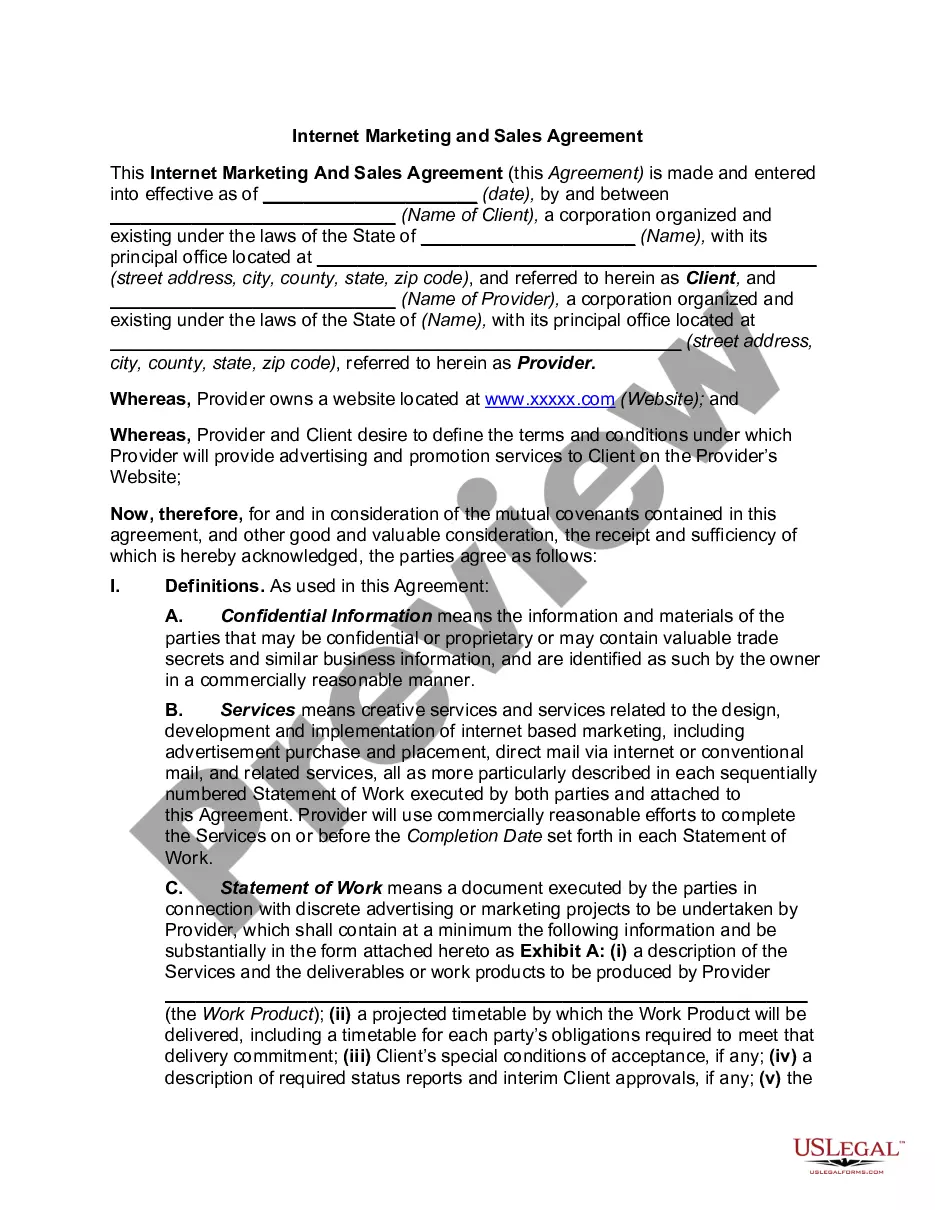
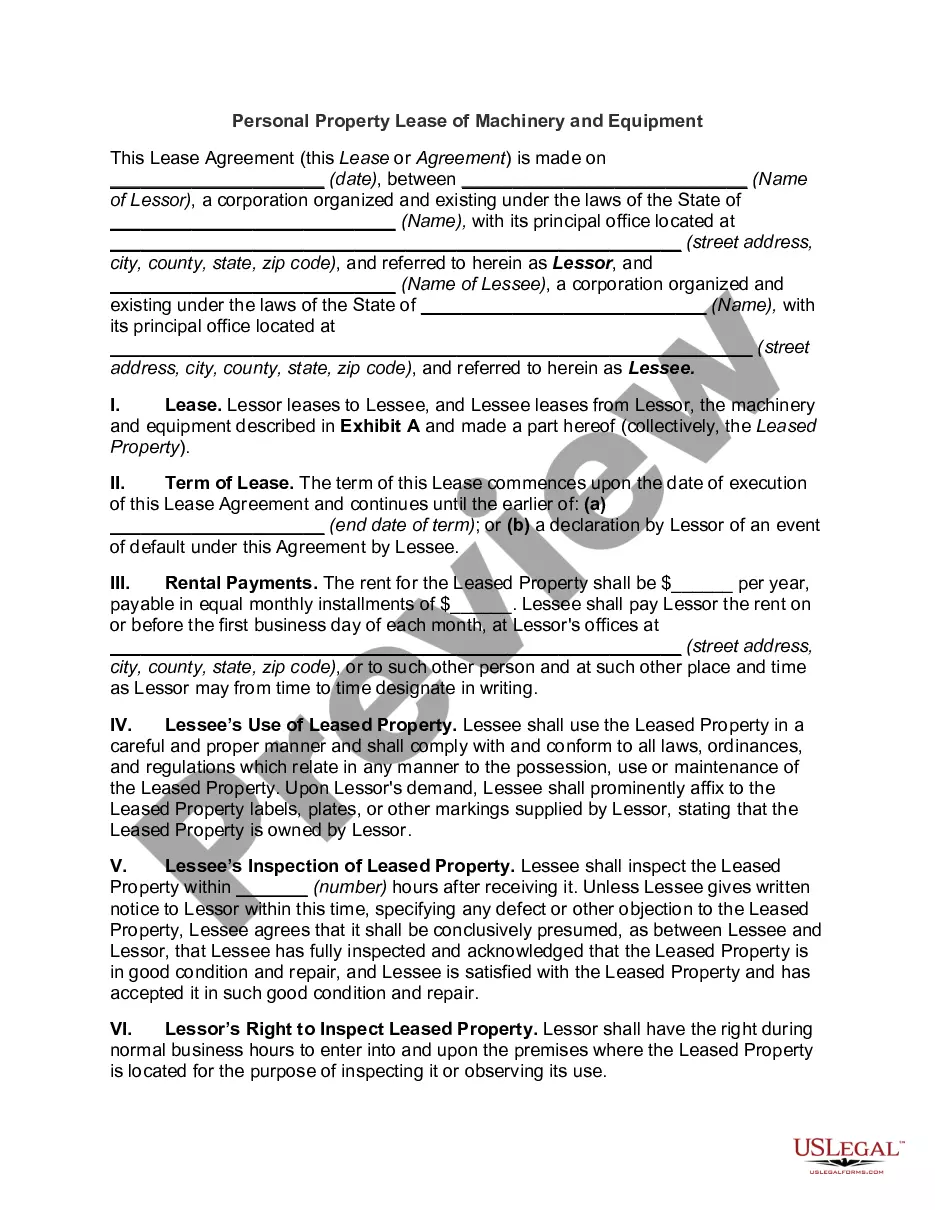
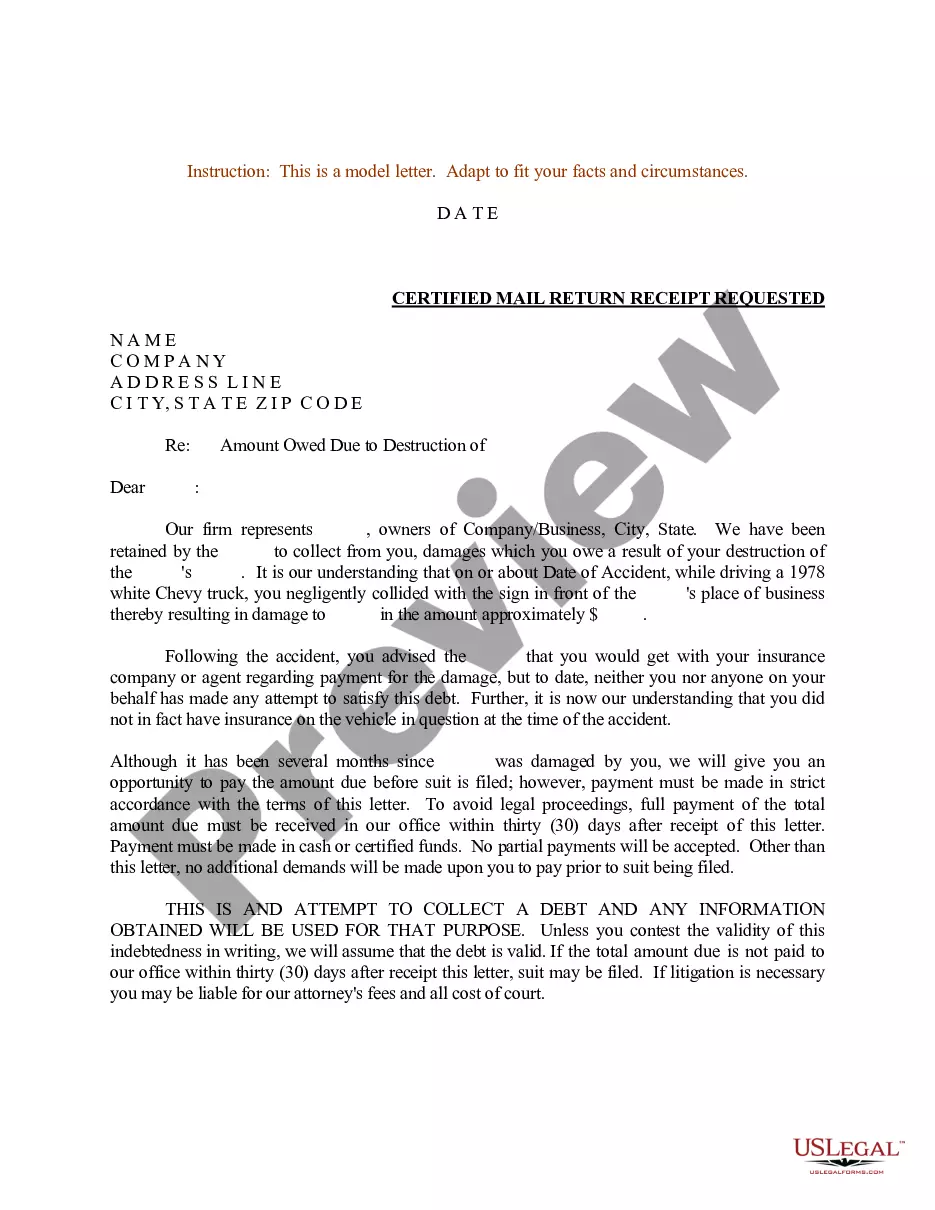
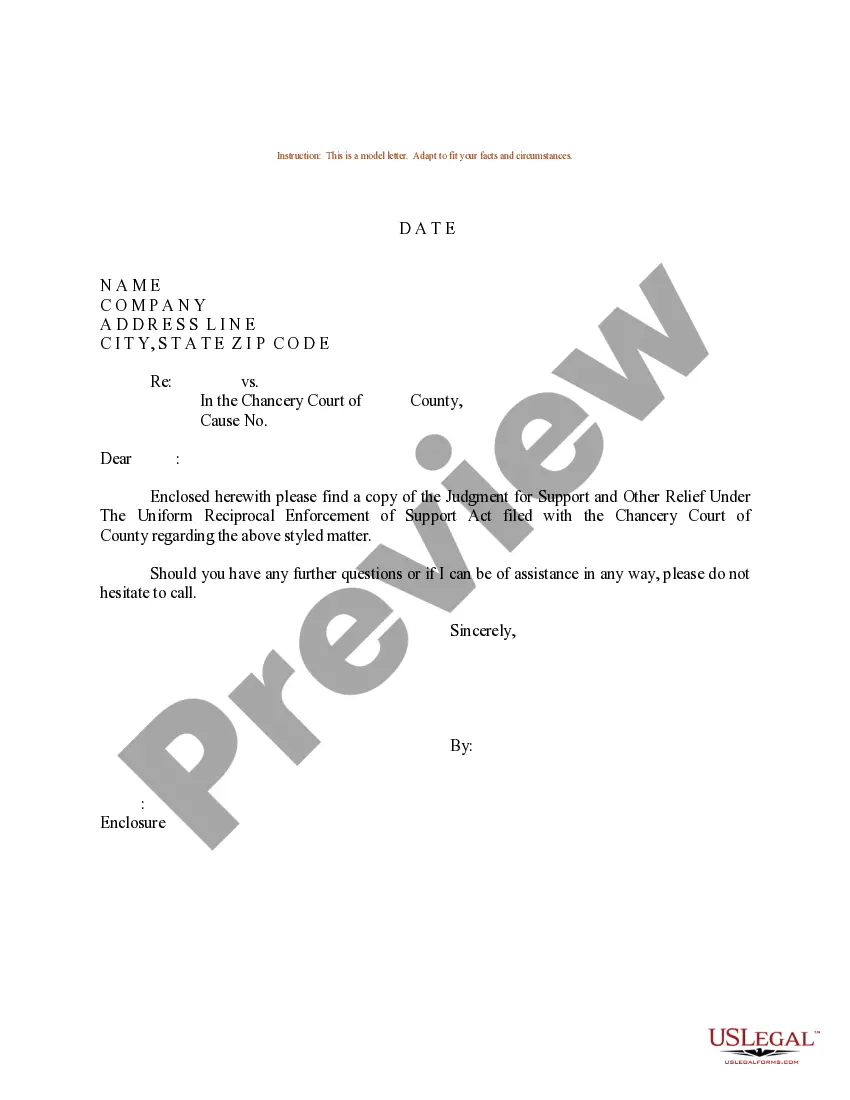
This form is a sample letter in Word format covering the subject matter of the title of the form.
Ohio Sample Letter for Recovery of Judgment from Defendants
Category:
State:
Multi-State
Control #:
US-0026LTR
Format:
Word;
Rich Text
Instant download
Description
Free preview





How to fill out Sample Letter For Recovery Of Judgment From Defendants?
If you need to complete, obtain, or print legal document templates, use US Legal Forms, the largest collection of legal forms available online.
Utilize the site's simple and user-friendly search to find the documents you require. Various templates for business and personal use are organized by categories and states, or keywords.
Use US Legal Forms to acquire the Ohio Sample Letter for Recovery of Judgment from Defendants with just a few clicks.
Step 5. Complete the purchase. You can use your Visa or Mastercard or PayPal account to finalize the transaction.
Step 6. Select the format of the legal form and download it to your device. Step 7. Complete, modify, and print or sign the Ohio Sample Letter for Recovery of Judgment from Defendants. Every legal document template you acquire is your property indefinitely. You have access to every form you saved in your account. Navigate to the My documents section and select a form to print or download again. Stay competitive and obtain, as well as print the Ohio Sample Letter for Recovery of Judgment from Defendants with US Legal Forms. There are thousands of professional and state-specific forms available for your business or personal needs.
- When you are already a US Legal Forms user, Log In to your account and click the Download button to get the Ohio Sample Letter for Recovery of Judgment from Defendants.
- You can also access forms you previously saved in the My documents section of your account.
- If you are using US Legal Forms for the first time, follow the steps outlined below.
- Step 1. Make sure you have selected the form for the correct city/state.
- Step 2. Use the Preview option to review the form's contents. Be sure to read the description.
- Step 3. If you are not satisfied with the form, use the Search field at the top of the screen to find alternative versions of the legal form template.
- Step 4. Once you have located the form you want, click the Purchase now button. Choose the payment plan you prefer and enter your credentials to register for the account.
Form popularity
FAQ
A state of Ohio certificate of judgment is an official document that confirms a court's decision in a civil case. This certificate provides proof that a judgment has been entered against a defendant, allowing the creditor to take further action to collect the debt. If you need to recover a judgment, using an Ohio Sample Letter for Recovery of Judgment from Defendants can help streamline the process. By utilizing the resources available on the US Legal Forms platform, you can easily access templates and guidance to ensure your recovery efforts are effective.
To enforce a judgment in Ohio, you can begin by filing a motion with the court to request various collection methods. Common methods include garnishing wages, seizing bank accounts, or placing liens on property. It's crucial to follow legal procedures to avoid complications. For a structured approach, consider using an Ohio Sample Letter for Recovery of Judgment from Defendants, which can streamline your communication with the debtor.
In Ohio, a judgment can typically be enforced for 21 years from the date it is issued. This time frame gives creditors ample opportunity to collect the debt owed. However, it is essential to understand that certain actions must be taken to renew judgments before they expire. If you need assistance, the Ohio Sample Letter for Recovery of Judgment from Defendants can guide you in the process.
Rule 37 in Ohio pertains to the failure to make discovery. This rule allows courts to impose sanctions on parties who do not comply with discovery requests. Sanctions may include fines, or even dismissal of the case. Understanding this rule can help you navigate legal disputes; using an Ohio Sample Letter for Recovery of Judgment from Defendants can aid in addressing issues related to discovery.
After a judgment is entered against you in Ohio, the winning party may take steps to enforce the judgment. This often involves collecting the amount owed through wage garnishments, bank levies, or property liens. You may receive a notice regarding these actions. To respond effectively, consider using an Ohio Sample Letter for Recovery of Judgment from Defendants to communicate with the creditor.
If the judgment debtor fails to pay, the judgment creditor may request that the court seize the debtor's property, sell it, and collect the judgment from the proceeds.
?The petition is the proper remedy of a party seeking to set aside a judgment rendered against him by a court whenever he was unjustly deprived of a hearing, was prevented from taking an appeal, or a judgment or final order entered because of fraud, accident, mistake or excusable negligence? (Lasam v.
On motion and upon such terms as are just, the court may relieve a party or his legal representative from a final judgment, order or proceeding for the following reasons: (1) mistake, inadvertence, surprise or excusable neglect; (2) newly discovered evidence which by due diligence could not have been discovered in time ...
Replevin is a legal action to ask for the return of your personal property which is being kept from you by another person without your permission. You must own or have a property interest in the property you want returned. The person who has the property must be wrongfully keeping it at the time you file your action.
Existing Ohio Civil Rule 68 states that an offer of judgment by any party, if refused by an opposite party, may not be filed with the court by the offering party for purposes of a proceeding to determine costs.