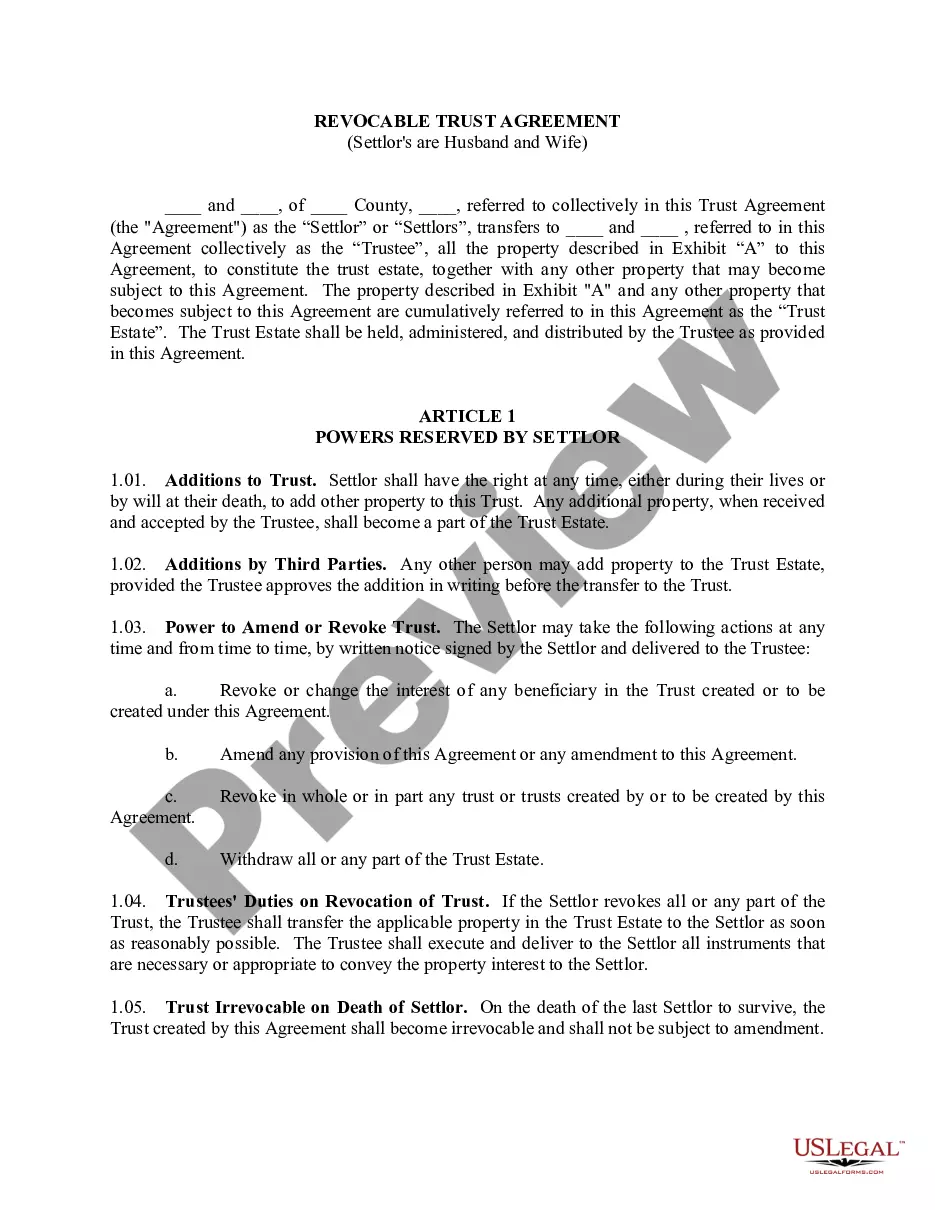
Ohio Revocable Living Trust for Married Couple
Description
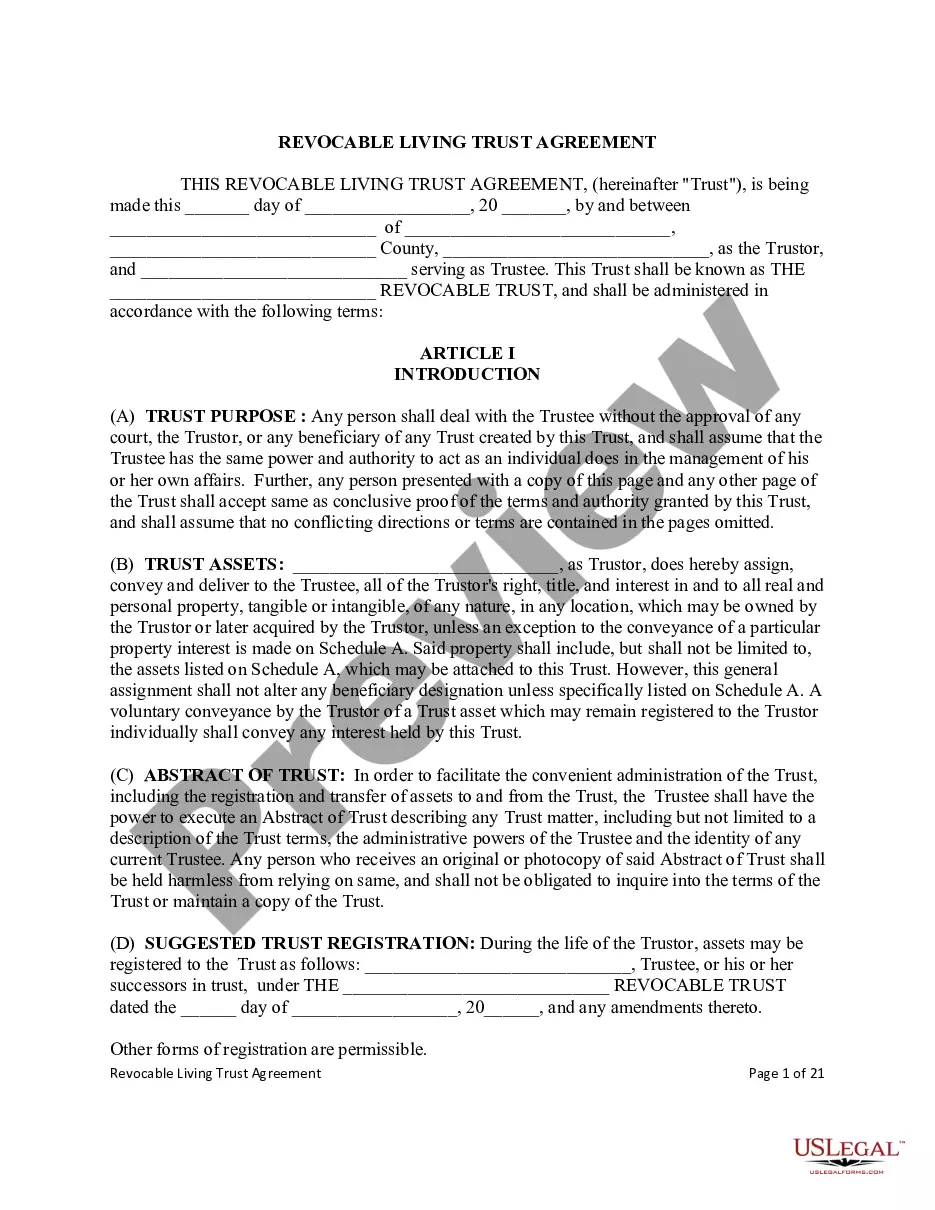
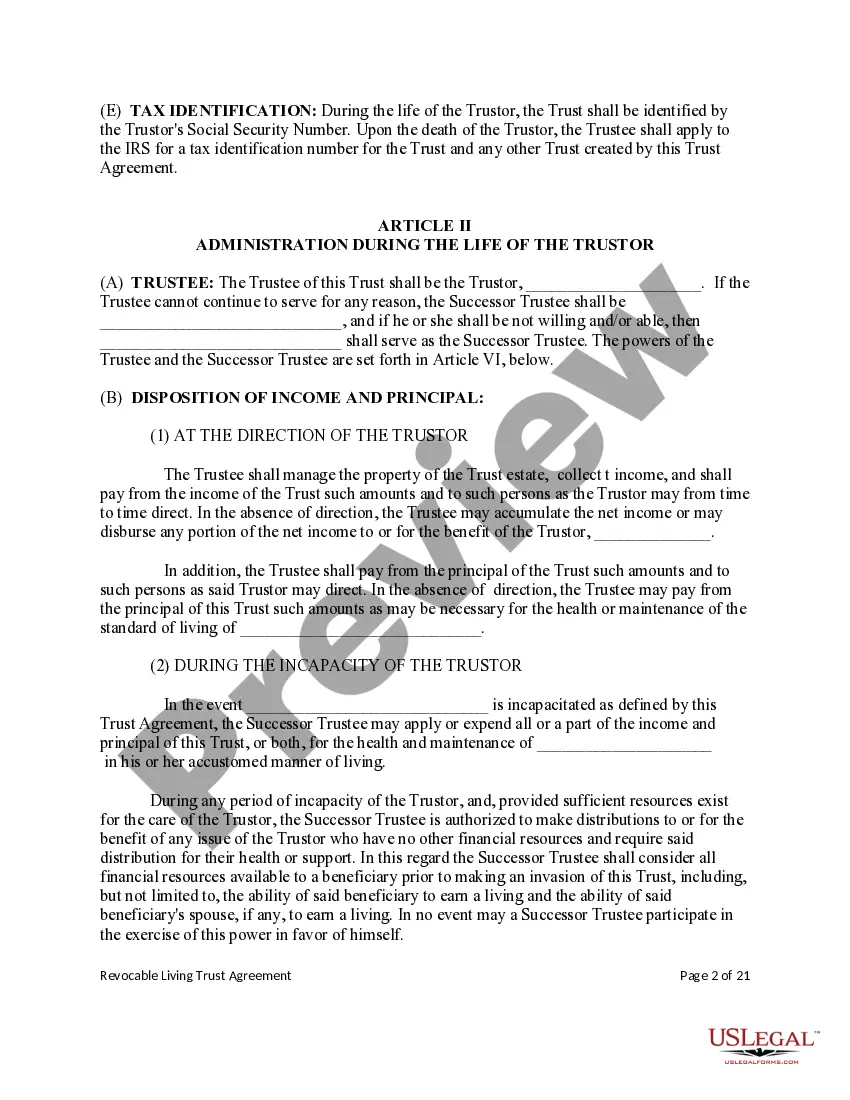
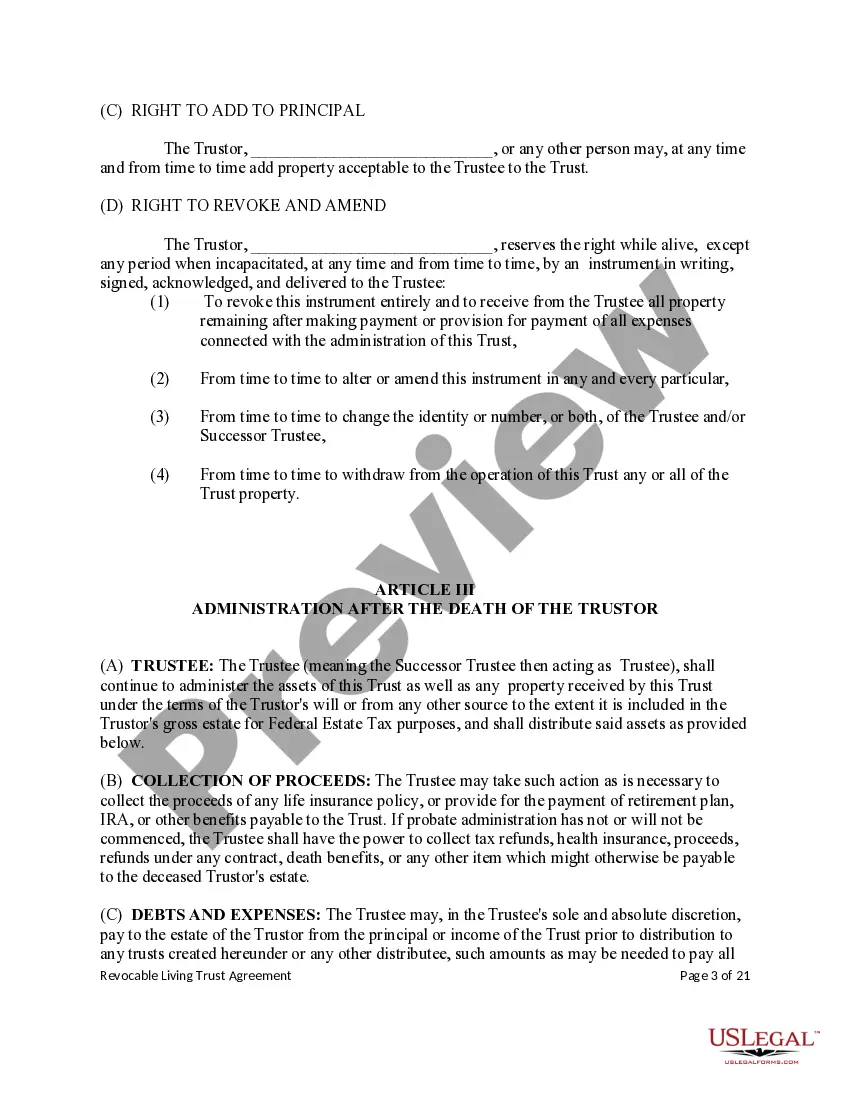
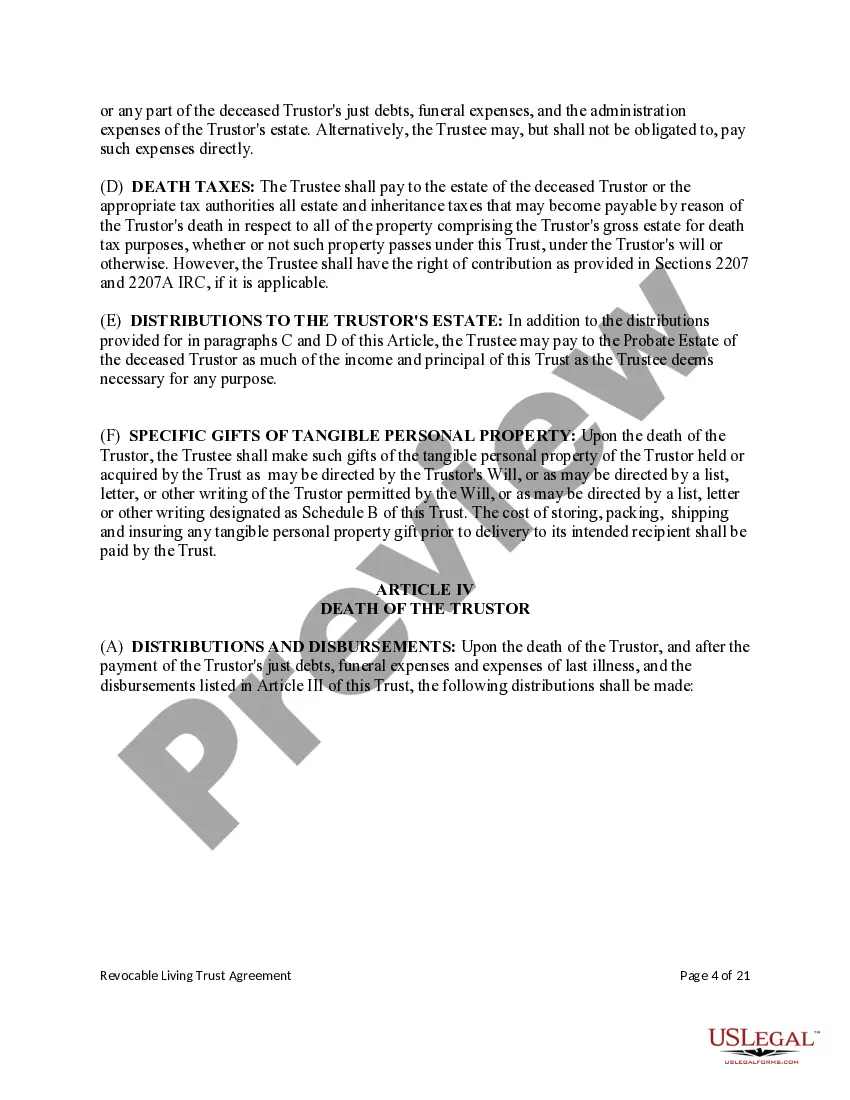
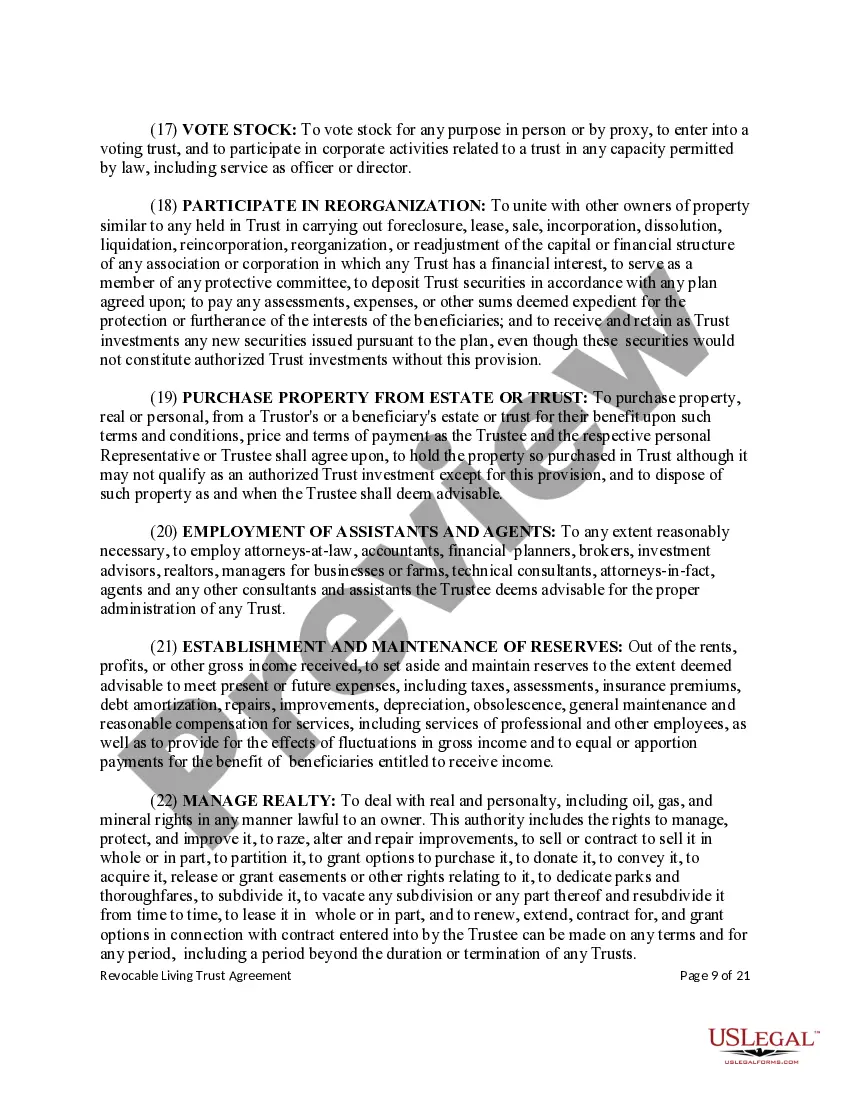
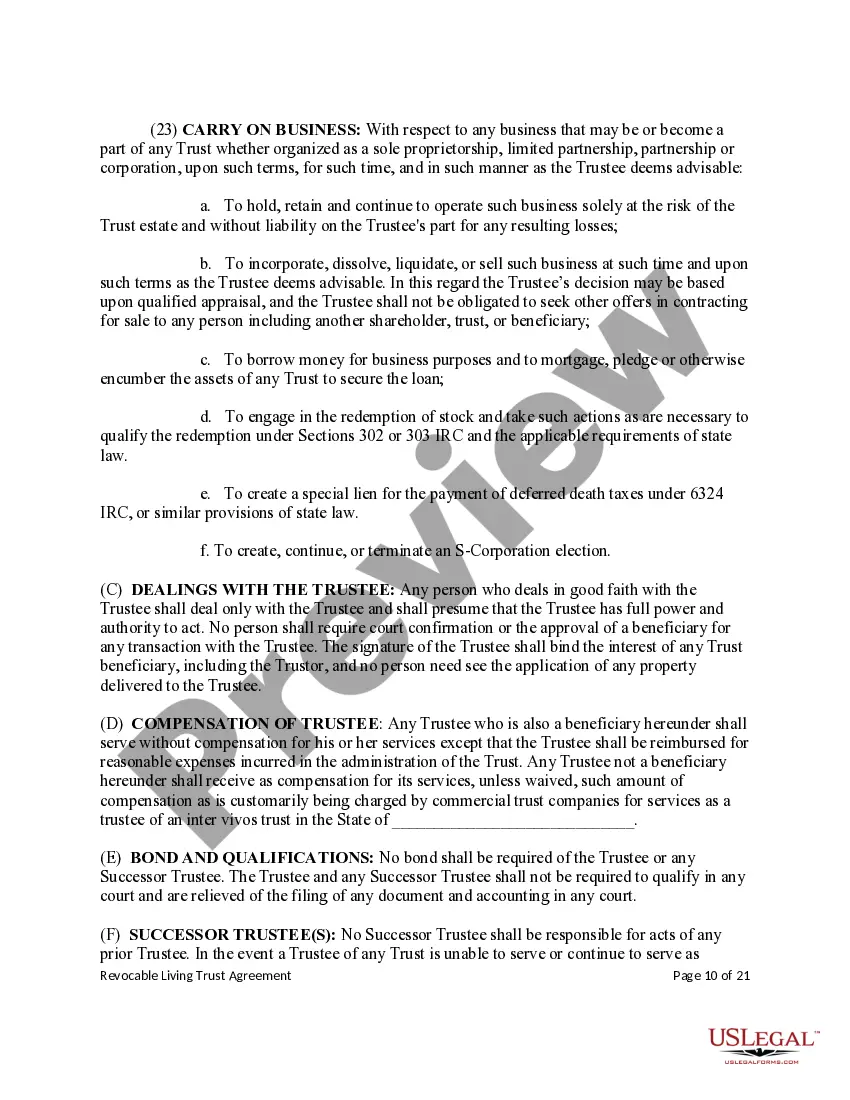

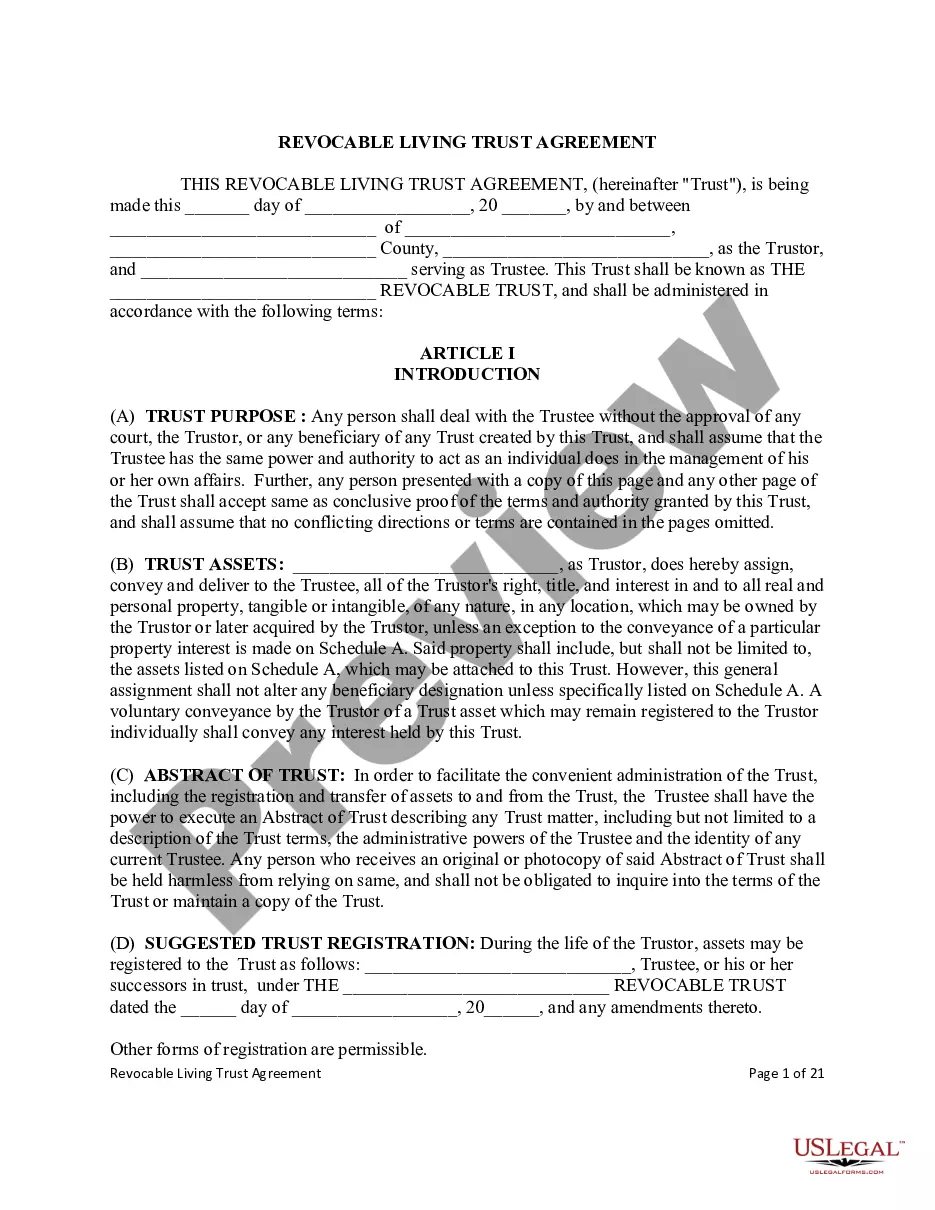
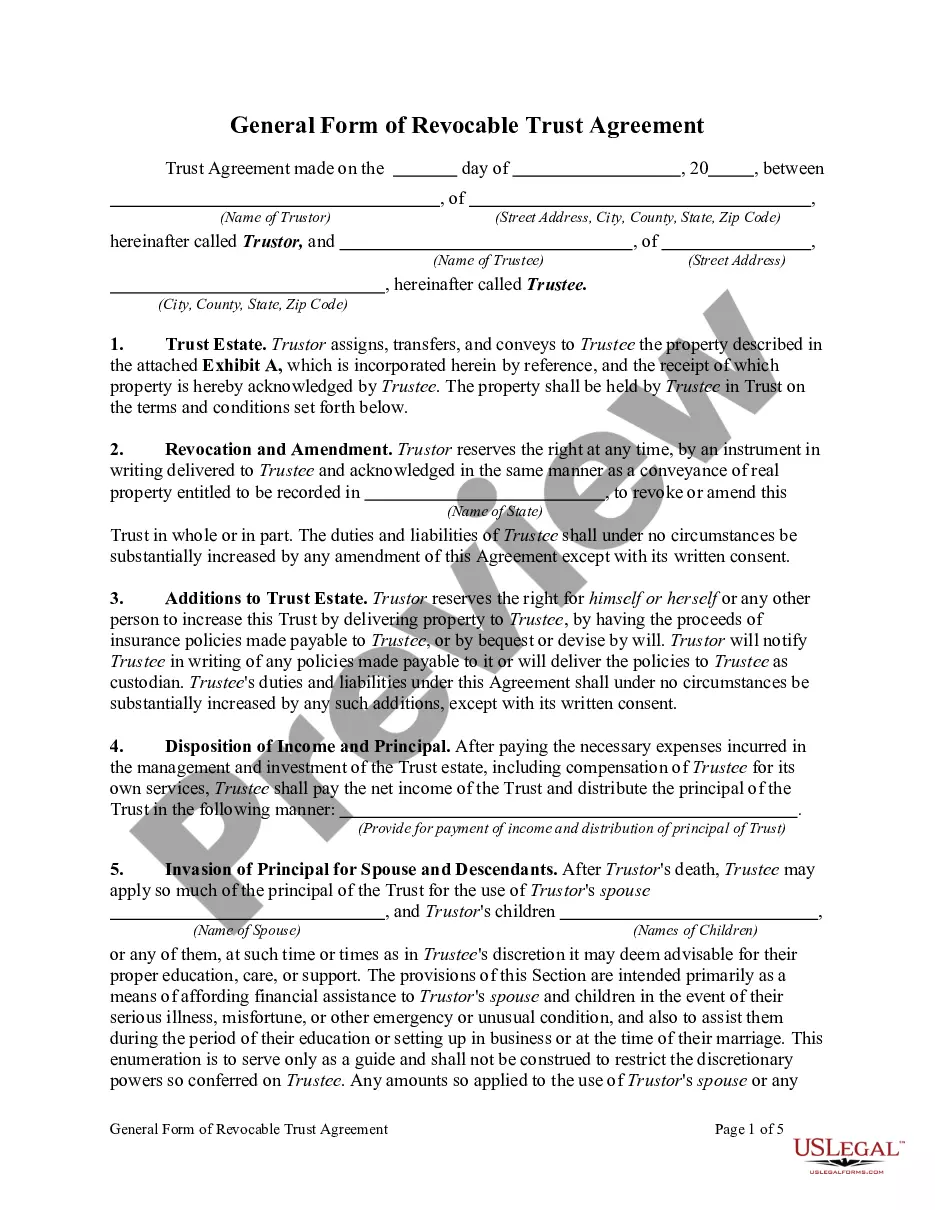

Get your form ready online
Our built-in tools help you complete, sign, share, and store your documents in one place.
Make edits, fill in missing information, and update formatting in US Legal Forms—just like you would in MS Word.
Download a copy, print it, send it by email, or mail it via USPS—whatever works best for your next step.
Sign and collect signatures with our SignNow integration. Send to multiple recipients, set reminders, and more. Go Premium to unlock E-Sign.
If this form requires notarization, complete it online through a secure video call—no need to meet a notary in person or wait for an appointment.
We protect your documents and personal data by following strict security and privacy standards.

Make edits, fill in missing information, and update formatting in US Legal Forms—just like you would in MS Word.

Download a copy, print it, send it by email, or mail it via USPS—whatever works best for your next step.

Sign and collect signatures with our SignNow integration. Send to multiple recipients, set reminders, and more. Go Premium to unlock E-Sign.

If this form requires notarization, complete it online through a secure video call—no need to meet a notary in person or wait for an appointment.

We protect your documents and personal data by following strict security and privacy standards.
Looking for another form?
How to fill out Revocable Living Trust For Married Couple?
In the event that you need to complete, download, or create legal document templates, utilize US Legal Forms, the largest collection of legal documents, which is accessible online.
Make use of the site’s user-friendly search tool to find the documents you need.
Various templates for business and personal use are categorized by type and state, or keywords.
Step 3. If you are not satisfied with the form, utilize the Lookup area at the top of the screen to discover alternative versions of the legal document template.
Step 4. After you locate the form you need, select the Acquire now button. Choose your preferred pricing plan and provide your details to register for an account.
- Leverage US Legal Forms to obtain the Ohio Revocable Living Trust for Married Couple in just a few clicks.
- If you are already a US Legal Forms user, Log In to your account and click on the Download button to get the Ohio Revocable Living Trust for Married Couple.
- You can also access forms you previously acquired from the My documents section of your account.
- If this is your first time using US Legal Forms, follow the directions outlined below.
- Step 1. Ensure you have selected the form appropriate for your specific city/state.
- Step 2. Use the Review option to assess the content of the form. Be sure to read the description.
Form popularity
FAQ
In Ohio, a revocable trust and a living trust refer to the same legal arrangement. Both allow you to manage your assets during your lifetime and specify how they are distributed after your death, making them perfect for an Ohio Revocable Living Trust for Married Couple. The primary advantage is that you maintain control over the assets in the trust, and you can modify or revoke it at any time. This flexibility makes these trusts an effective estate planning tool.
Yes, you can write your own trust in Ohio. However, it's essential to ensure that it meets state requirements and serves your family's needs, especially for an Ohio Revocable Living Trust for Married Couple. Working with a legal professional can help you avoid potential pitfalls and ensure that your trust is valid and comprehensive. With platforms like USLegalForms, you can access templates and guidelines to help you create a trust that fits your situation.
When one spouse dies, the joint revocable trust typically remains in effect, but the deceased spouse's share may become irrevocable. The surviving spouse usually retains control over the remaining assets. This arrangement ensures that the Ohio Revocable Living Trust for Married Couple effectively supports your estate planning goals, even after one spouse passes away.
A joint revocable trust is often the most appropriate choice for married couples. This trust allows both spouses to transfer their assets into a single entity, simplifying management and distribution. Choosing the Ohio Revocable Living Trust for Married Couple can provide clarity and peace of mind as you both plan for your future.
The best living trust for a married couple is typically a joint revocable trust. This type of trust simplifies asset management, facilitates smoother transitions during life changes, and avoids probate. Couples looking for an effective estate planning solution should consider the Ohio Revocable Living Trust for Married Couple for its many advantages.
Yes, Ohio does tax income generated by trusts. The income earned by the trust is subject to Ohio state income tax. It is important for married couples to understand the implications of this tax when choosing the Ohio Revocable Living Trust for Married Couple, as it might affect your overall estate strategy.
A revocable trust in Ohio allows you, the trust creator, to manage your assets during your lifetime. You can change or revoke the trust at any time while you are alive. This flexibility makes the Ohio Revocable Living Trust for Married Couple a popular choice for managing shared assets and planning for the future together.
To establish a revocable living trust in Ohio, you should begin by clearly defining your assets and the beneficiaries. Next, you will need to draft the trust document, which outlines the terms of the Ohio Revocable Living Trust for Married Couple, ensuring it complies with state laws. You can leverage platforms like uslegalforms to access templates and guidance, streamlining the process and providing clarity in asset management.
Typically, a joint trust, including the Ohio Revocable Living Trust for Married Couple, does convert to an irrevocable trust upon the death of one spouse. This change is important because it prevents alterations to the trust's structure and assets, thereby protecting the interests of the remaining beneficiaries. However, the surviving spouse may be able to modify certain aspects within the boundaries set by the deceased spouse's wishes.
Along with limited flexibility, a significant disadvantage of a joint revocable trust is that it can create complications in asset management if disagreements arise between spouses. Furthermore, both spouses must be in agreement for any changes, which can be challenging if financial priorities differ over time. Additionally, joint revocable trusts can lead to complexities in estate planning when children or other beneficiaries are involved.