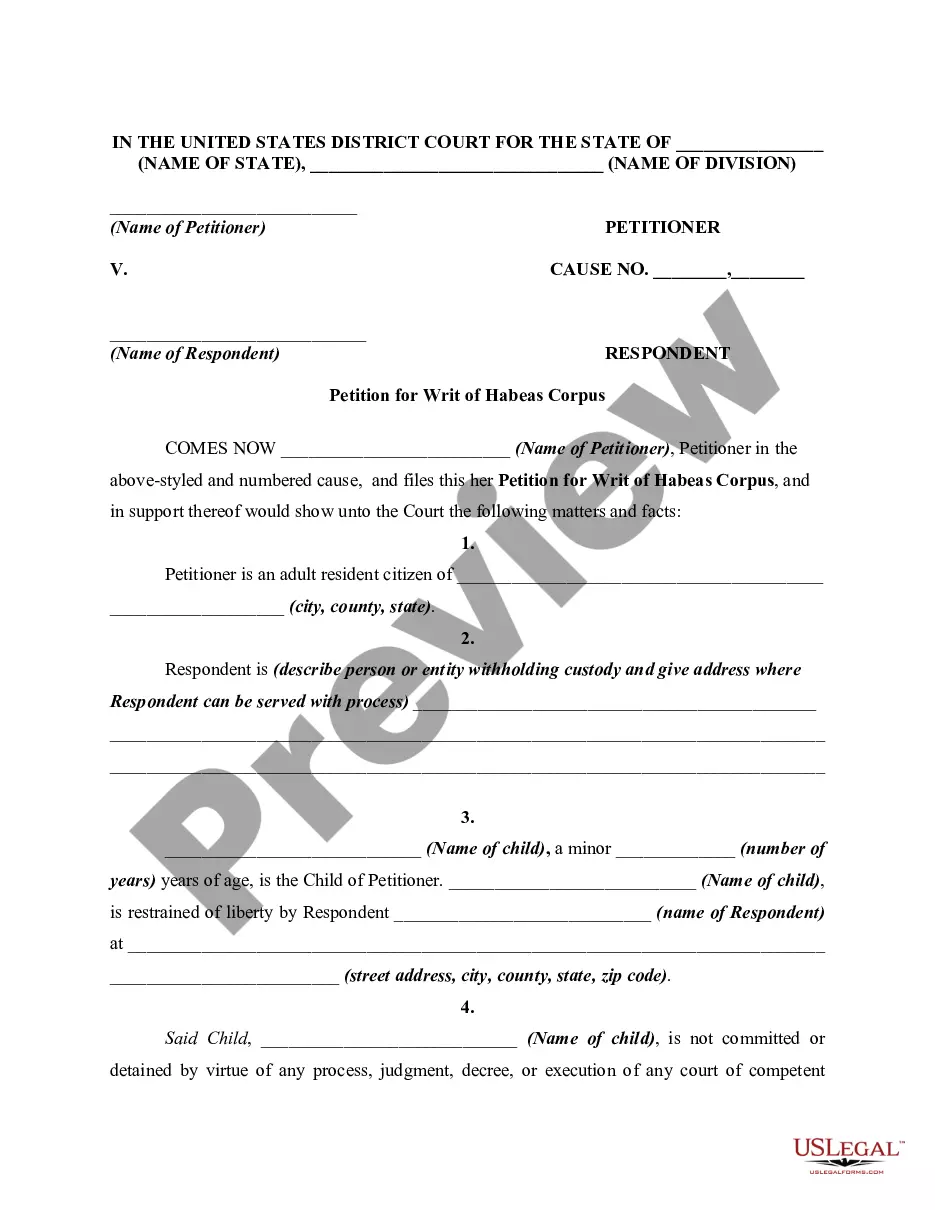
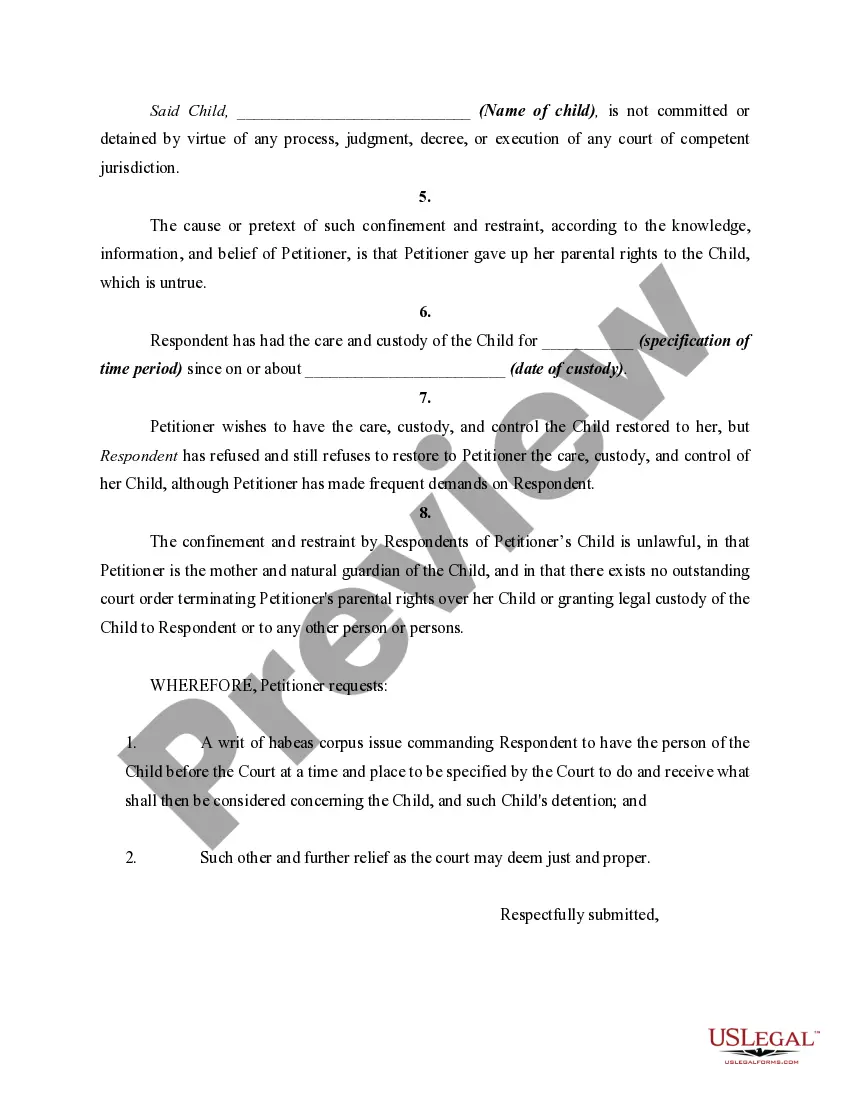
In family law, a parent who has been denied custody of his child by a trial court may file a habeas corpus petition. However, federal habeas corpus proceeding cannot normally be used as a vehicle to change a state court's child custody decision.
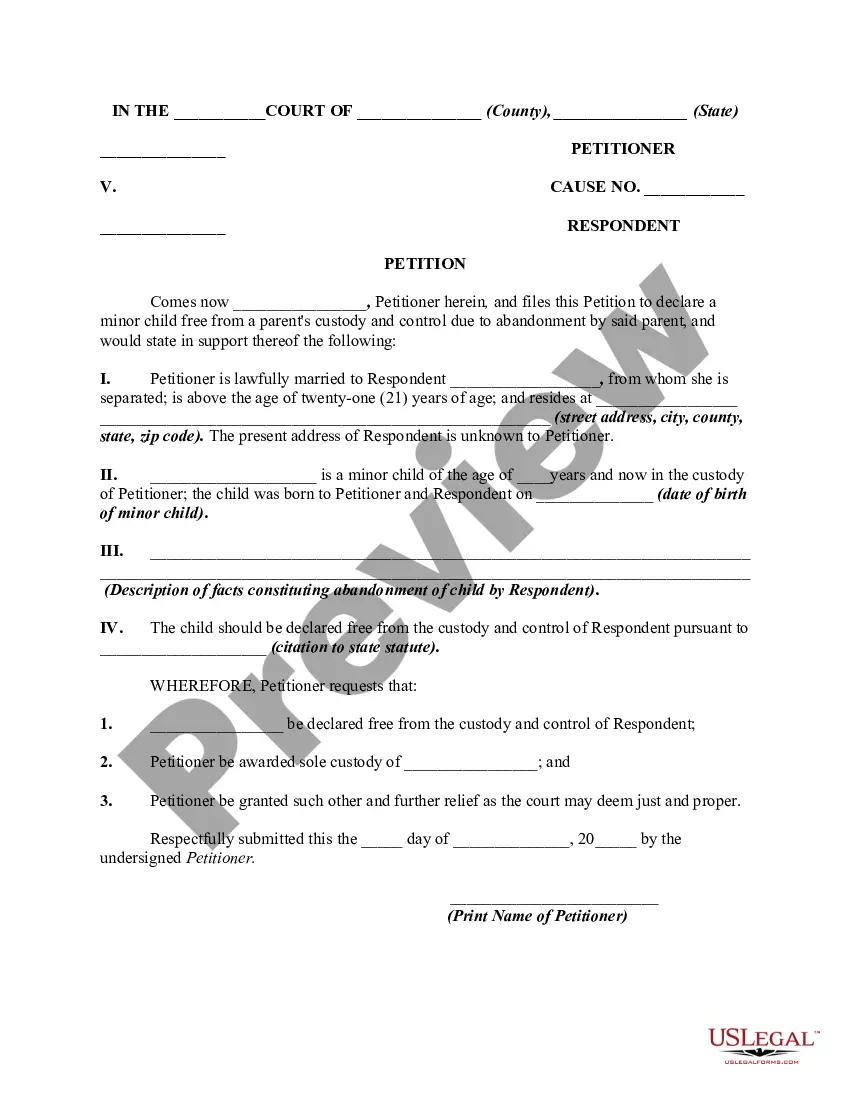
Ohio Petition for Writ of Habeas Corpus to Restore Custody to Parent
619 downloads
Description
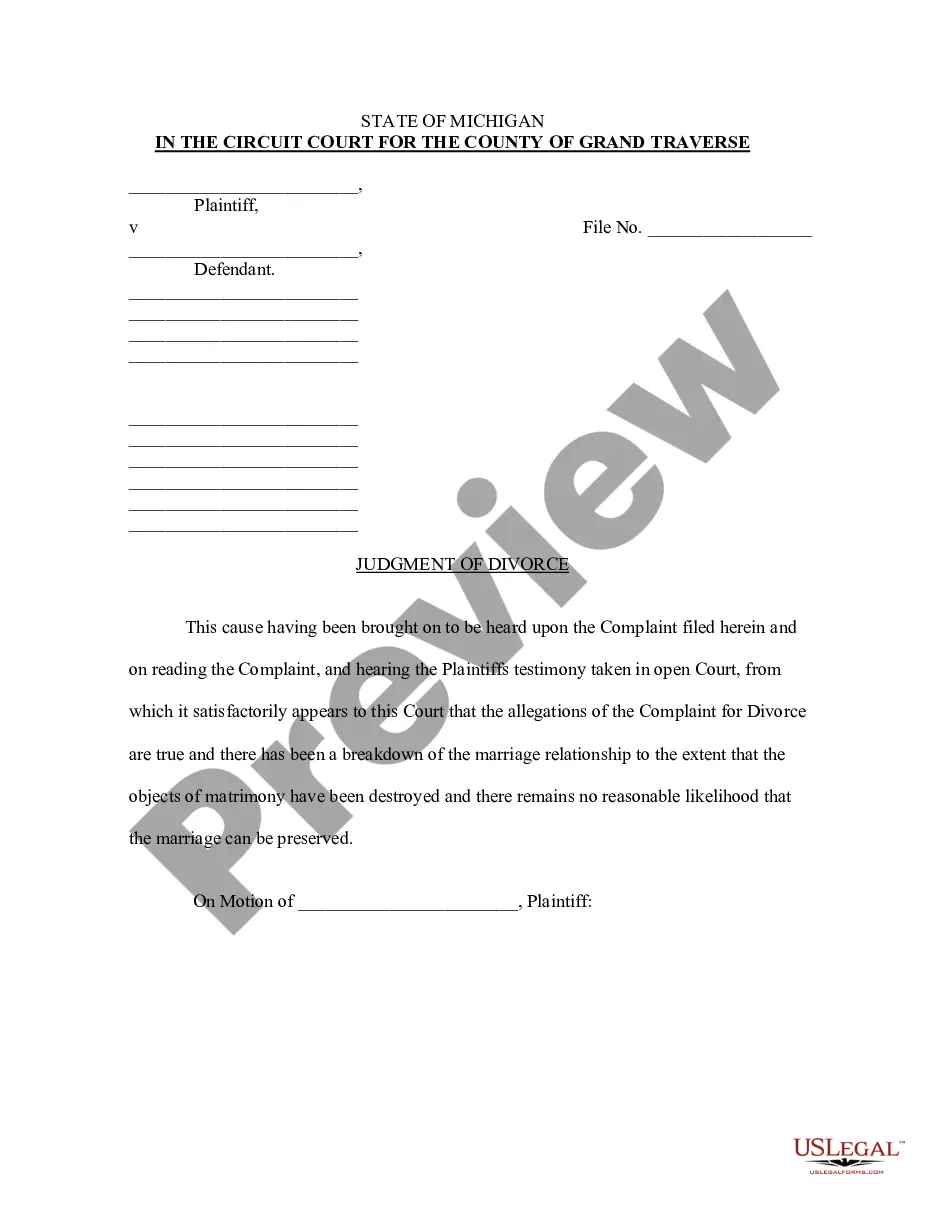
Free preview

Get your form ready online
Our built-in tools help you complete, sign, share, and store your documents in one place.
Built-in online Word editor
Make edits, fill in missing information, and update formatting in US Legal Forms—just like you would in MS Word.
Export easily
Download a copy, print it, send it by email, or mail it via USPS—whatever works best for your next step.
E-sign your document
Sign and collect signatures with our SignNow integration. Send to multiple recipients, set reminders, and more. Go Premium to unlock E-Sign.
Notarize online 24/7
If this form requires notarization, complete it online through a secure video call—no need to meet a notary in person or wait for an appointment.
Store your document securely
We protect your documents and personal data by following strict security and privacy standards.

Make edits, fill in missing information, and update formatting in US Legal Forms—just like you would in MS Word.

Download a copy, print it, send it by email, or mail it via USPS—whatever works best for your next step.

Sign and collect signatures with our SignNow integration. Send to multiple recipients, set reminders, and more. Go Premium to unlock E-Sign.

If this form requires notarization, complete it online through a secure video call—no need to meet a notary in person or wait for an appointment.

We protect your documents and personal data by following strict security and privacy standards.
Looking for another form?
How to fill out Petition For Writ Of Habeas Corpus To Restore Custody To Parent?
Finding the appropriate legal document template can be a challenge. Indeed, there are numerous templates available online, but how do you locate the legal form you require? Utilize the US Legal Forms website. The service offers a vast array of templates, including the Ohio Petition for Writ of Habeas Corpus to Restore Custody to Parent, which can be utilized for both business and personal purposes. All of the forms are reviewed by experts and comply with federal and state regulations.
If you are already a registered user, sign in to your account and click the Obtain button to access the Ohio Petition for Writ of Habeas Corpus to Restore Custody to Parent. Use your account to search through the legal forms you have previously acquired. Navigate to the My documents section of your account to retrieve another copy of the document you need.
If you are a new user of US Legal Forms, here are simple steps you can follow: First, ensure that you have selected the correct form for your city/county. You can view the form using the Preview button and read the form description to confirm it is suitable for your needs. If the form does not satisfy your requirements, utilize the Search field to find the appropriate form. When you are confident that the form is correct, click the Purchase now button to obtain the form. Select the pricing plan you prefer and enter the necessary information. Create your account and pay for the transaction using your PayPal account or credit card. Choose the file format and download the legal document template to your device. Complete, edit, print, and sign the acquired Ohio Petition for Writ of Habeas Corpus to Restore Custody to Parent.
Utilize the resources provided by US Legal Forms to simplify your legal documentation needs.
- US Legal Forms is the largest collection of legal forms where you can find various document templates.
- Take advantage of the service to download professionally crafted documents that adhere to state specifications.
- Access a wide range of legal templates for different needs.
- Ensure compliance with legal requirements in your submissions.
- Easily manage your document collections through your account.
- Benefit from expert-reviewed templates to streamline your legal processes.
Form popularity
FAQ
Substance abuse, domestic violence, mental or physical health limitations, or logistical concerns about a parent's availability are just a few of the reasons parents commonly request that the Court grant full custody of a child.
Ohio law does not provide a predetermined age, though many counties do in their local rules. Often they are addressed in the county's standard order of parenting time. The majority of counties appear to choose the age of 16 as the age in which the minor child may make the choice on their own behalf.
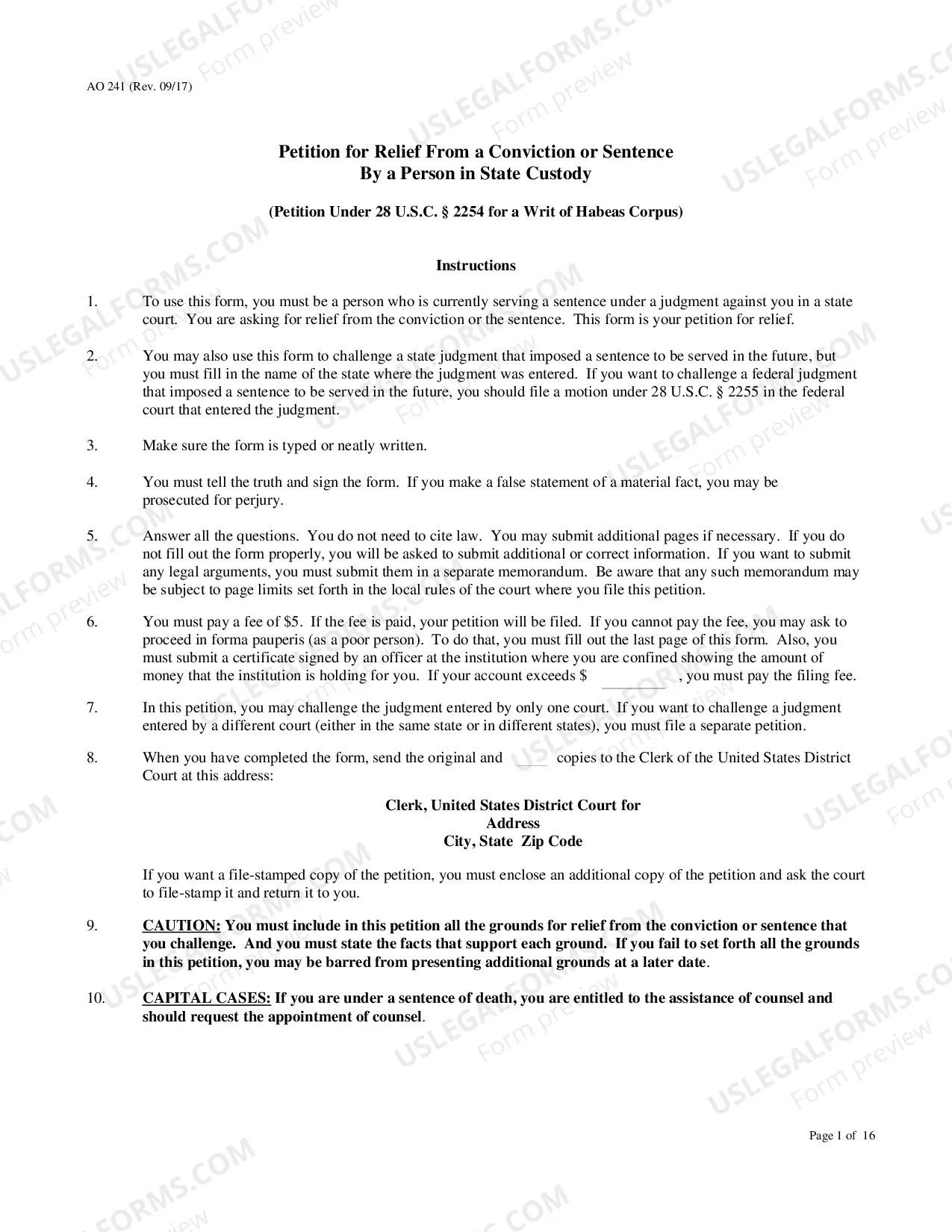
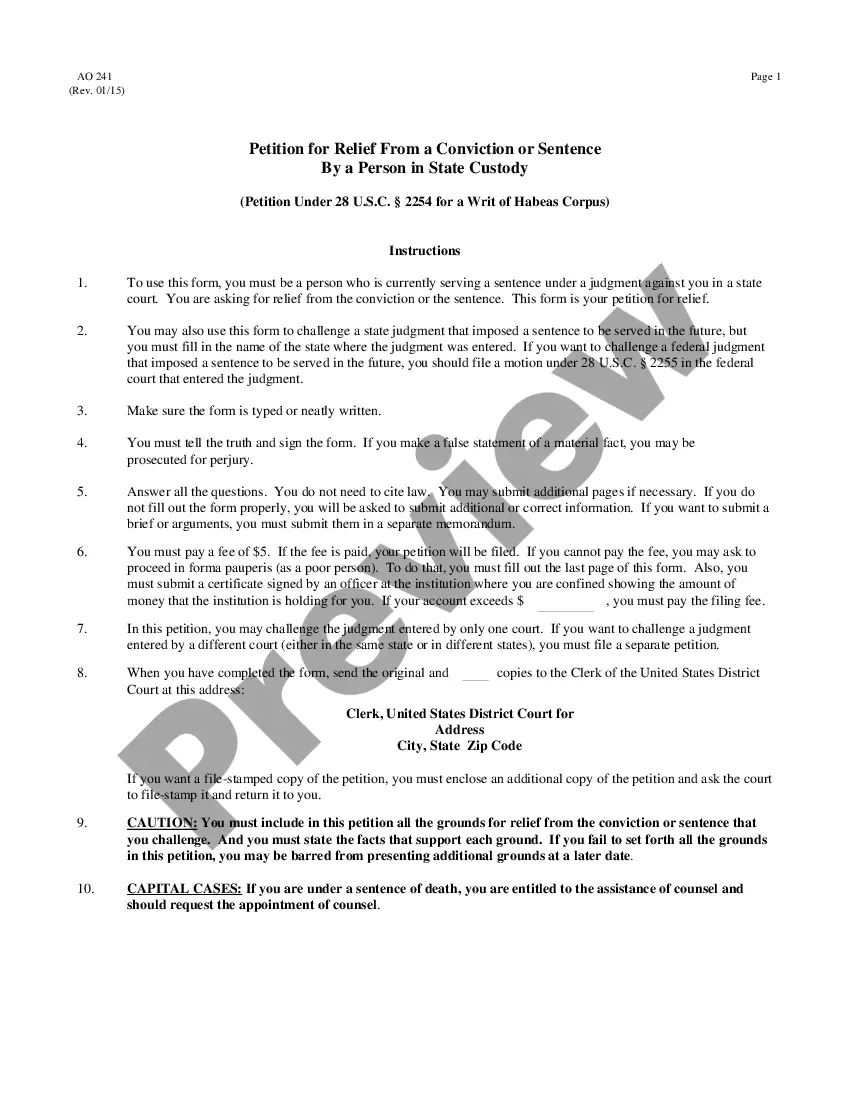
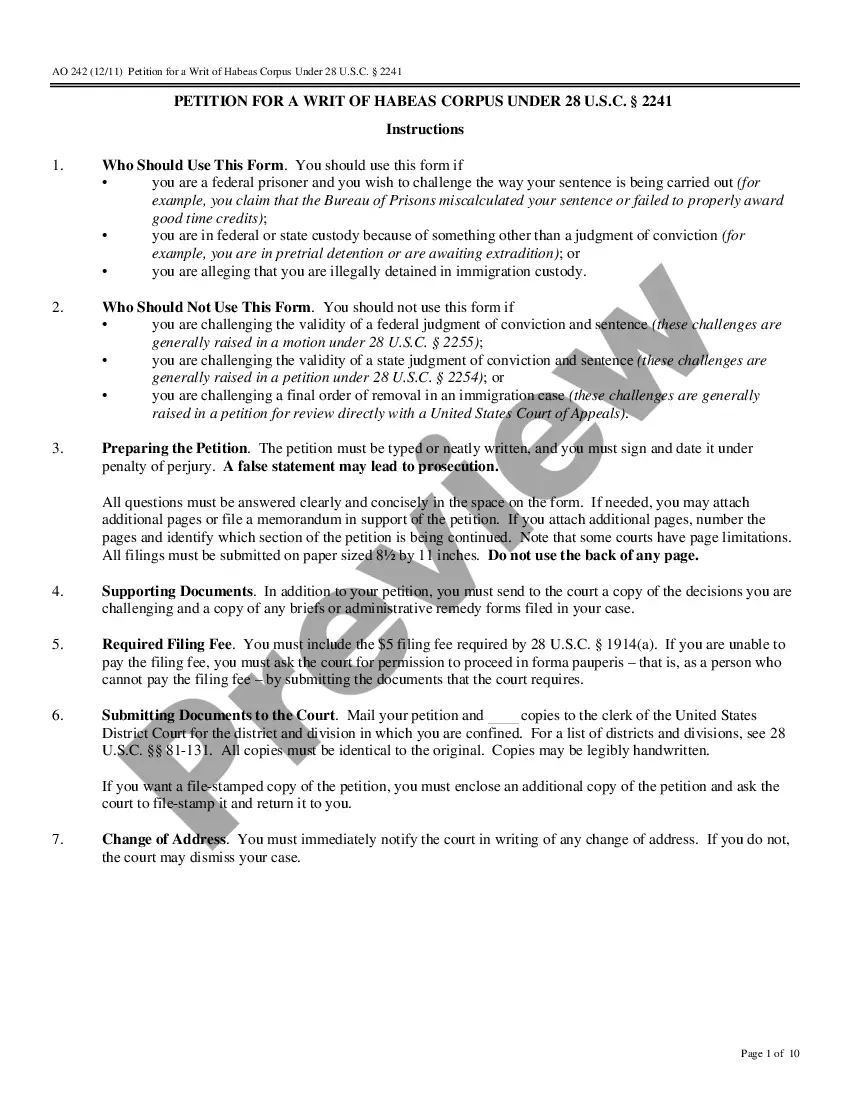
When seeking habeas corpus, the individual must include in their petition a statement stating the action they are requesting the court to take. They must also elaborate on the grounds on which they are pursuing relief, meaning that they provide evidence supporting their claim that their imprisonment is unlawful.
Section 2725.01 | Persons entitled to writ of habeas corpus. Whoever is unlawfully restrained of his liberty, or entitled to the custody of another, of which custody such person is unlawfully deprived, may prosecute a writ of habeas corpus, to inquire into the cause of such imprisonment, restraint, or deprivation.
A writ of habeas corpus orders the custodian of an individual in custody to produce the individual before the court to make an inquiry concerning his or her detention, to appear for prosecution (ad prosequendum) or to appear to testify (ad testificandum).
The ?Great Writ? of habeas corpus is a fundamental right in the Constitution that protects against unlawful and indefinite imprisonment. Translated from Latin it means ?show me the body.? Habeas corpus has historically been an important instrument to safeguard individual freedom against arbitrary executive power.
For example, if an individual was convicted on the basis that their skin color matched that of the perpetrator ing to eyewitnesses, but there is no other evidence against them, then the individual can appeal for habeas corpus in order to be freed from imprisonment.